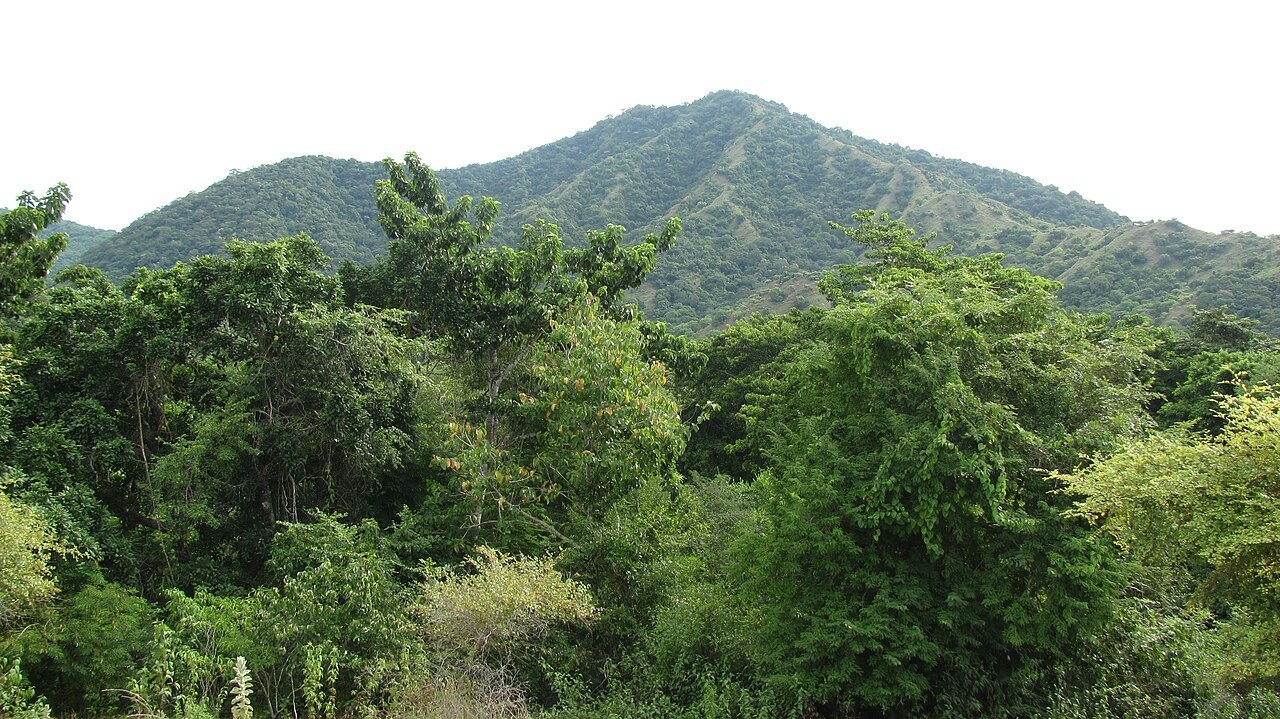
Wooded hills in the interior of Komodo Island.

Indonesia · Island atlas

Komodo

Komodo’s rugged hills carry open grassland and seasonal woodland above sheltered bays. Small pockets of greener forest create a strong contrast with its dry, exposed slopes.

14species in the collection
8families represented

Wooded hills in the interior of Komodo Island.

photograph: Torbenbrinker · Image source · CC BY-SA 3.0. Cropped to fill the hero; darkened for text legibility.

Geography & landscape

A sense of Komodo.

The island lies between Sumbawa and Flores, within a national park that also includes Rinca, Padar and smaller islands. Komodo itself is the focus here. Deeply indented shores, narrow valleys and steep ridges bring the sea close to almost every part of the island.

Geographic unit
Island
Setting
East Nusa Tenggara · Komodo National Park
Explore terrain and street maps
Loading the geographic map…

Drag to explore. Use + / − or pinch to zoom. Terrain shows relief and contours; Street map shows detailed coastlines, settlements and roads. Markers locate islands, not snake sightings.

Open larger map

How the land took shape

Geology & relief.

Komodo belongs to the tectonically active Lesser Sunda island region, where volcanic and uplifted rocks contribute to rugged relief. Erosion has cut the hills into narrow valleys and headlands. Its landscape is best understood as an old, dissected island rather than a single symmetrical volcanic cone.

Across the seasons

Climate & vegetation.

A pronounced dry season is one of the island’s defining environmental features. UNESCO links the park’s vegetation patterns to this dry climate, with grassland, monsoon woodland and locally more humid forest occupying different settings. The dry-season colour of hills is therefore strongly seasonal.

Connections & isolation

Biogeographic setting.

Komodo is a central locality for the Komodo dragon, an animal native to a limited part of the Lesser Sundas. The island lies within Wallacea, where isolation and seasonal environments have shaped distinctive communities. Marine diversity around the park adds another, separate ecological dimension.
Komodo · Environments

Habitats of Komodo.

Explore the environments described for Komodo. Habitat descriptions do not assign every snake in the island list to each setting.

Grassland and savanna woodland

Open grassy slopes and scattered trees dominate many views, providing the island’s characteristic dry-season scenery.

Read the habitat guide

Monsoon forest

Denser deciduous woodland and forest occupy more sheltered settings, producing a mosaic within the dry landscape.

Read the habitat guide

Humid upland pockets

Above roughly 500 metres, Komodo supports denser closed-canopy forest, locally rich in bamboo or rattan, on its highest ridges and slopes.

Read the habitat guide

Bays and reefs

Sandy coves meet coral-rich marine waters around the island’s irregular coast.

Read the habitat guide

Sheltered mangroves

Mangrove forest occupies sheltered bays on Komodo, adding tidal woodland to the island’s dry slopes and seasonal valley forest.

Read the habitat guide

Around Komodo

Places in the landscape.

Komodo interior

Wooded valleys and dry ridges are the island-specific landscape shown in the guide photograph.

Coastal coves

Small sandy bays reveal the close contact between terrestrial vegetation and marine shallows.

Straits toward Sumbawa and Flores

The surrounding channels locate Komodo between its much larger neighbours.

Read the original scope

Behind the occurrence.

Choose an account recorded in Komodo. Its country-level evidence retains the named islands and qualifications; it is not a record of a sighting at an exact map point.

The shared collection

Snakes recorded here.

Each card opens the same species account used by the country lists. A shared island record does not imply occurrence in all countries sharing that island.

14 records
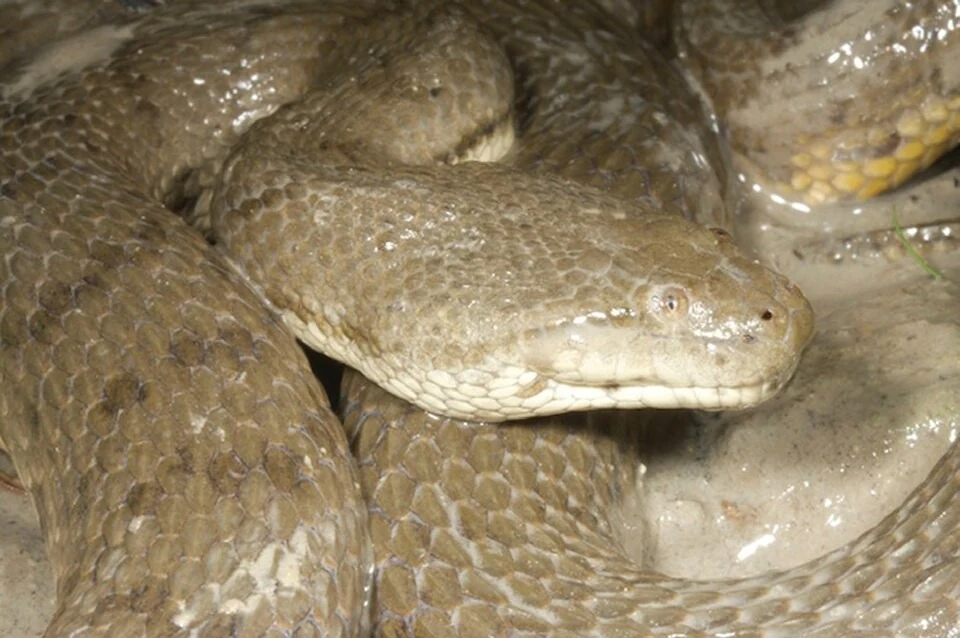
Acrochordus granulatus Portrait001
Little filesnake

Acrochordus granulatus

(SCHNEIDER, 1799)

Length
Length not yet addedAtlas entry awaiting completion
Venom status
Non-venomous
BorneoMalaysia
AcrochordidaeRead account
Cerberus schneiderii — real specimen photograph; identification follows the linked source.002
Southeast Asian Bockadam

Cerberus schneiderii

(SCHLEGEL, 1837)

Length
Length not yet addedAtlas entry awaiting completion
Venom status
VenomousClinical severity not established
Malaysia
HomalopsidaeRead account
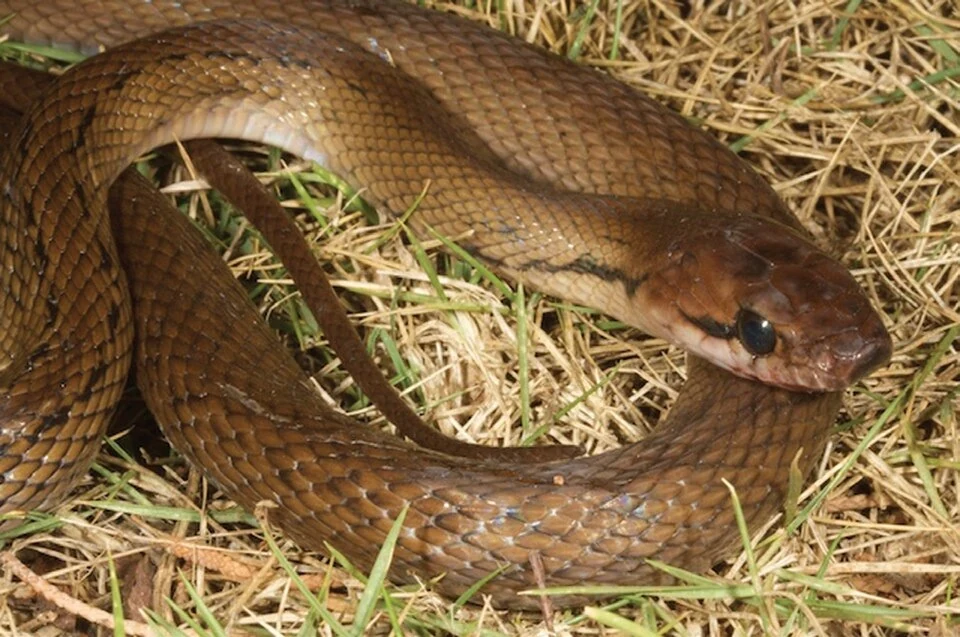
Coelognathus subradiatus — male voucher USNM 573676 from Baucau town, Timor-Leste (Kaiser et al. 2011).003
Lesser Sunda Rat Snake

Coelognathus subradiatus

(SCHLEGEL, 1837)

Length
Length not yet addedAtlas entry awaiting completion
Venom status
Venom unknownNot yet assessed
ColubridaeRead account
Image not yet added
004
Island Pipe Snake

Cylindrophis opisthorhodus

BOULENGER, 1897

Length
Length not yet addedAtlas entry awaiting completion
Venom status
Non-venomous
CylindrophiidaeRead account
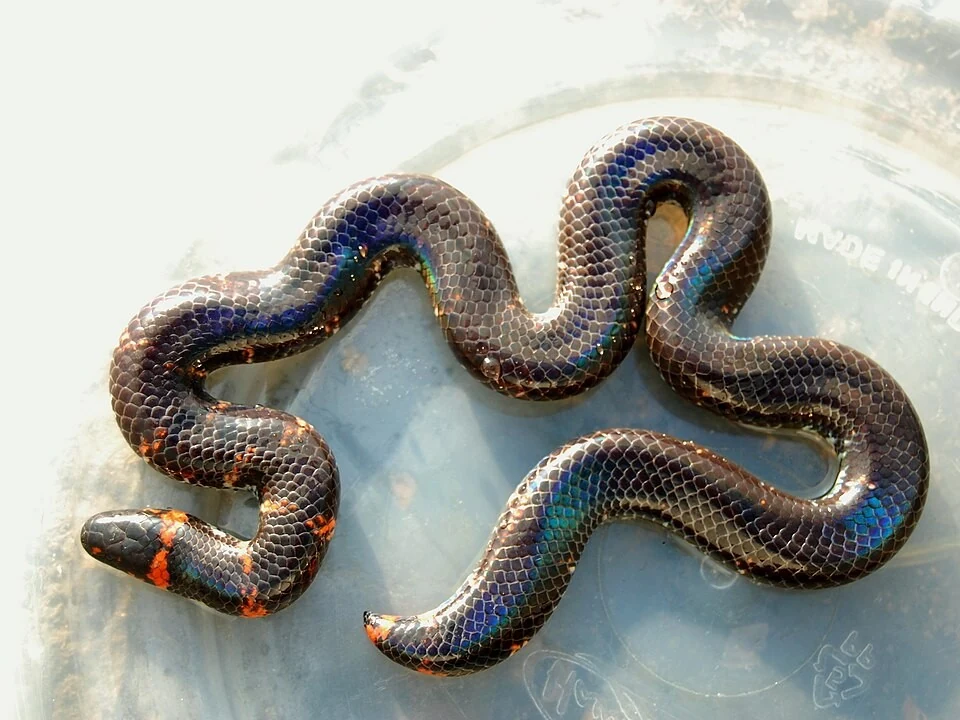
Cylindrophis ruffus — real specimen photograph; identification follows the linked source.005
Red-tailed Pipe Snake

Cylindrophis ruffus

(LAURENTI, 1768)

Length
Length not yet addedAtlas entry awaiting completion
Venom status
Non-venomous
BorneoMalaysia
CylindrophiidaeRead account
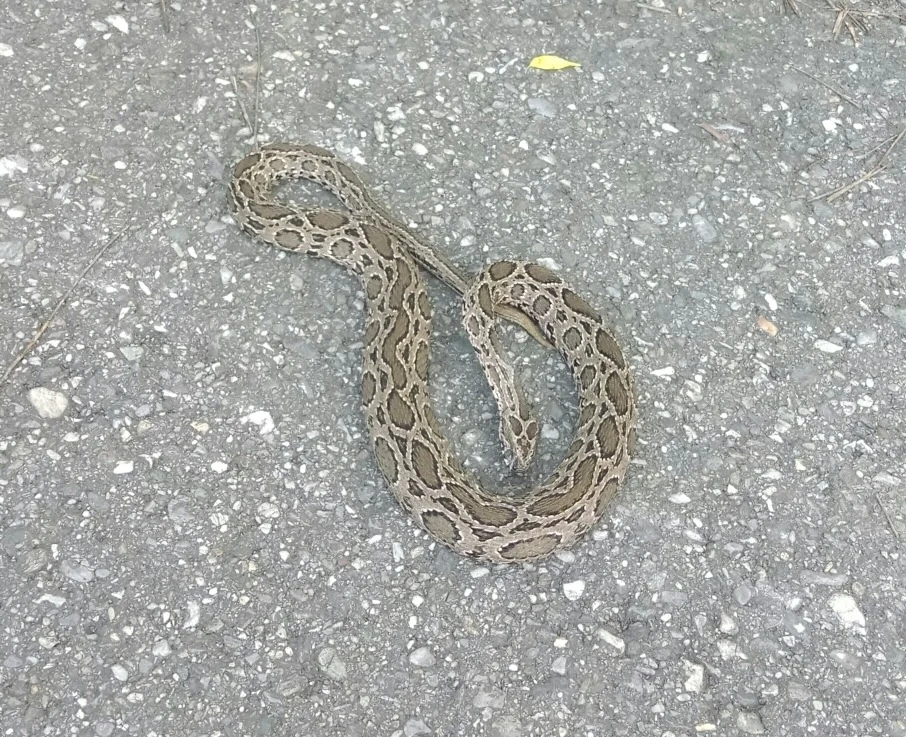
Daboia siamensis — specimen photograph; identification follows the linked source.006
Eastern Russel’s Viper

Daboia siamensis

(SMITH, 1917)

Length
Length not yet addedAtlas entry awaiting completion
Venom status
VenomousPotentially life-threatening
ViperidaeRead account
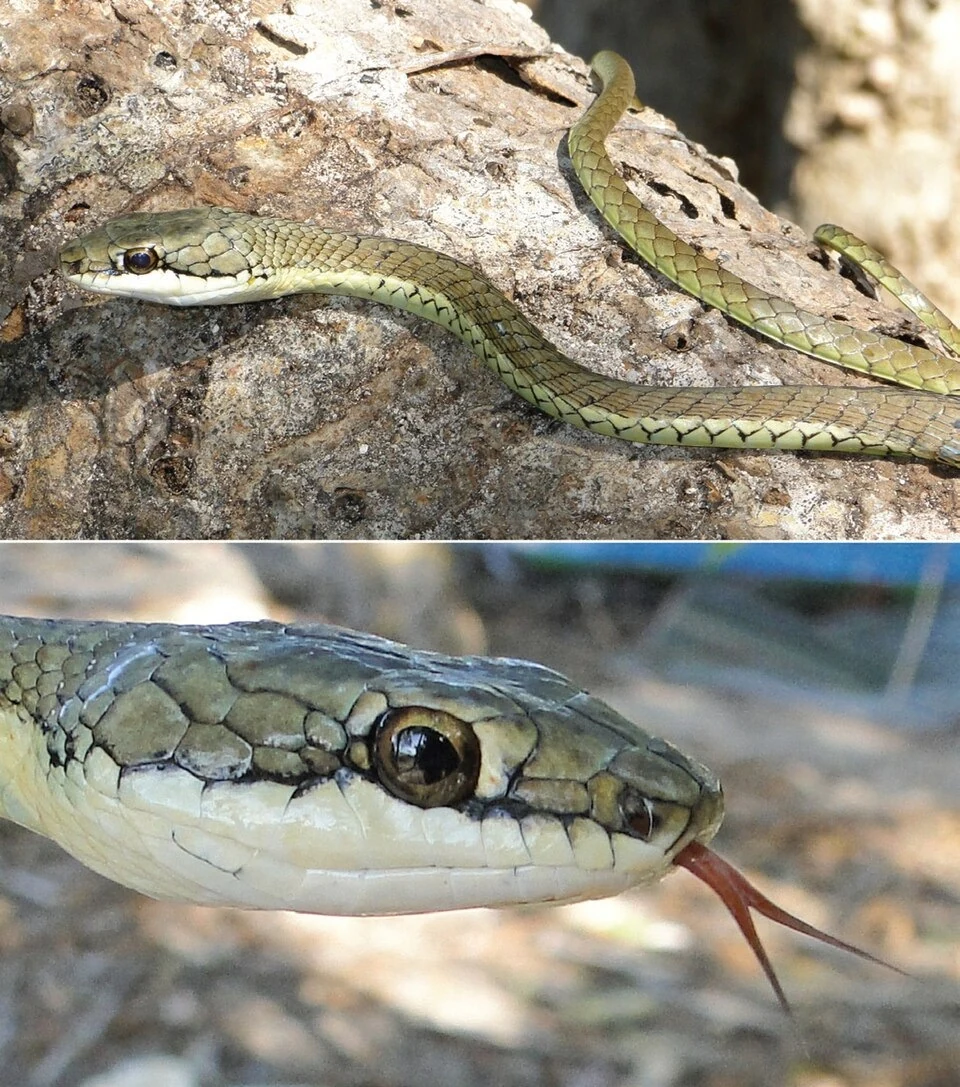
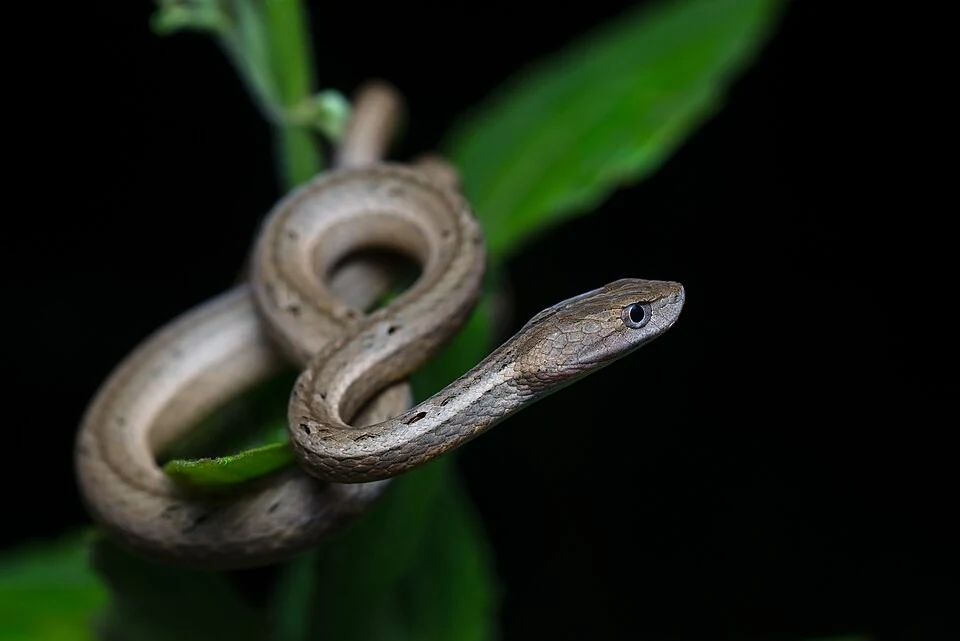
Dendrelaphis inornatus — male voucher USNM [CMD 493] from Lore 1 Village, Lautem, Timor-Leste; the source uses the subspecies name D. inornatus timorensis (Kaiser et al. 2011).007

Dendrelaphis inornatus

BOULENGER, 1897

Length
Length not yet addedAtlas entry awaiting completion
Venom status
Non-venomous
ColubridaeRead account
Indotyphlops braminus — photographed on Ko Pha-ngan, Thailand.008
Flowerpot Snake

Indotyphlops braminus

(DAUDIN, 1803)

Length
Length not yet addedAtlas entry awaiting completion
Venom status
Non-venomous
BorneoMalaysia
TyphlopidaeRead account
Image not yet added
009
Schmutz's Worm Snake

Indotyphlops schmutzi

(AUFFENBERG, 1980)

Length
Length not yet addedAtlas entry awaiting completion
Venom status
Non-venomous
TyphlopidaeRead account
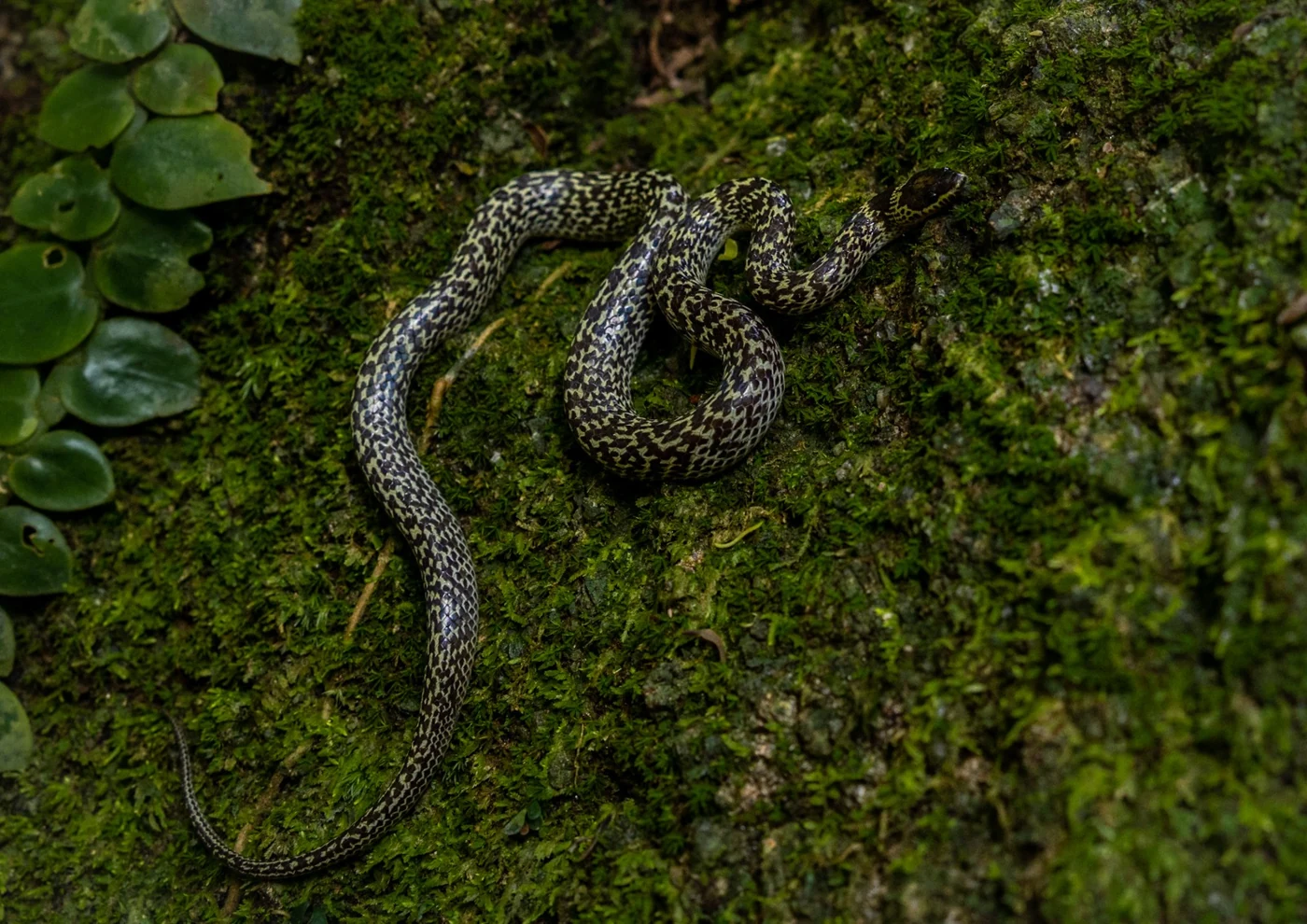
Lycodon capucinus — photographed on Ko Pha-ngan, Thailand.010
Common Wolf Snake

Lycodon capucinus

BOIE, 1827

Length
Length not yet addedAtlas entry awaiting completion
Venom status
Non-venomous
BorneoMalaysia
ColubridaeRead account
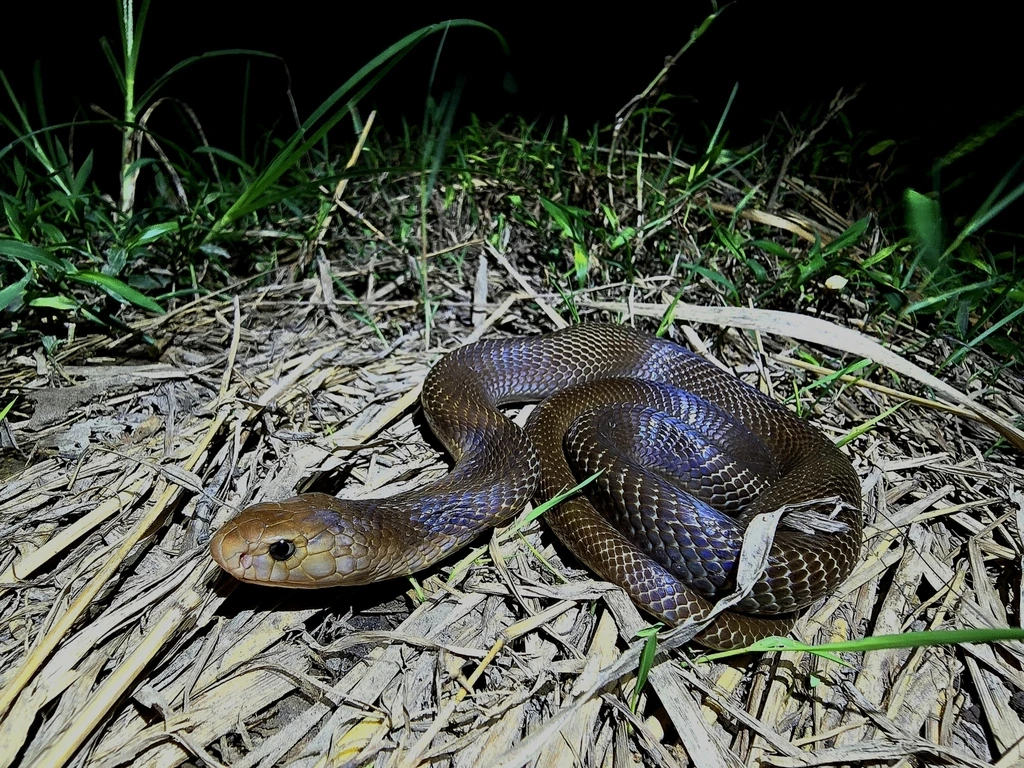
Naja sputatrix. Photographed alive. Source community identification; no new geographic occurrence record is inferred.011
Indonesian Cobra

Naja sputatrix

BOIE, 1827

Length
Length not yet addedAtlas entry awaiting completion
Venom status
VenomousClinical severity not established
ElapidaeRead account
Psammodynastes pulverulentus — real specimen photograph; identification follows the linked source.012
Common Mock Viper

Psammodynastes pulverulentus

(BOIE, 1827)

Length
Length not yet addedAtlas entry awaiting completion
Venom status
VenomousClinical severity not established
BorneoMalaysia
PsammodynastidaeRead account
Image not yet added
013
Lesser Sunda Blindsnake

Sundatyphlops polygrammicus

(SCHLEGEL, 1839)

Length
Length not yet addedAtlas entry awaiting completion
Venom status
Non-venomous
TyphlopidaeRead account
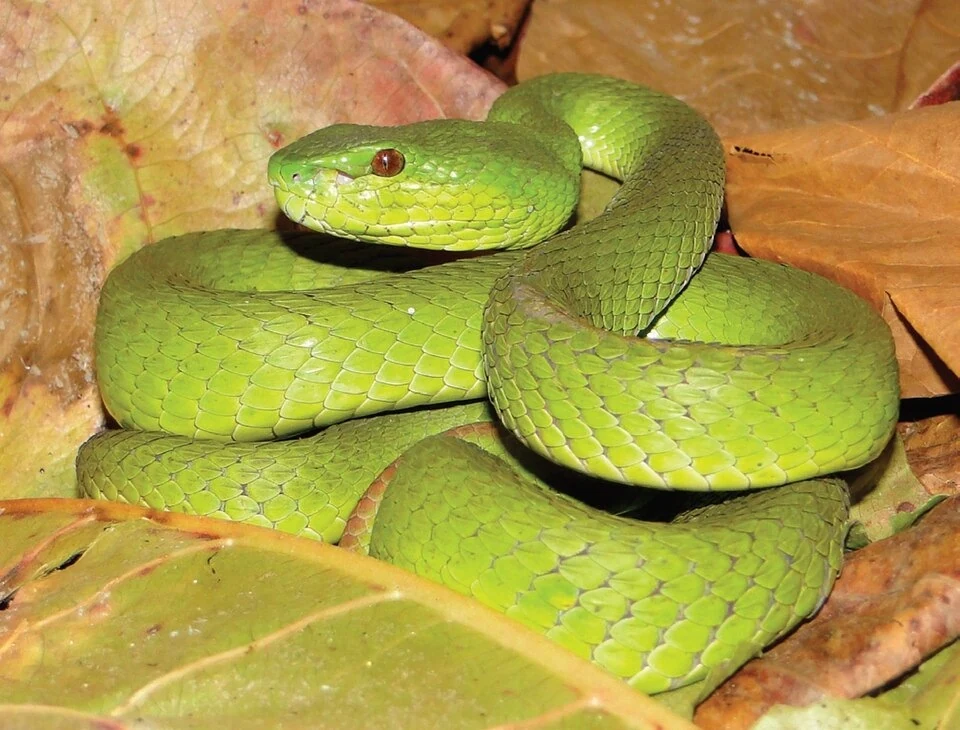
Trimeresurus insularis — female voucher USNM [CMD 594] from the Lake Iralalaro floodplain, Lautem, Timor-Leste (Kaiser et al. 2011).014
White-lipped island pitviper

Trimeresurus insularis

KRAMER, 1977

Length
Length not yet addedAtlas entry awaiting completion
Venom status
VenomousClinical severity not established
ViperidaeRead account

Further reading · Checked 7 October 2026

Geographic sources.

Species-specific distribution evidence appears above and in each linked account.