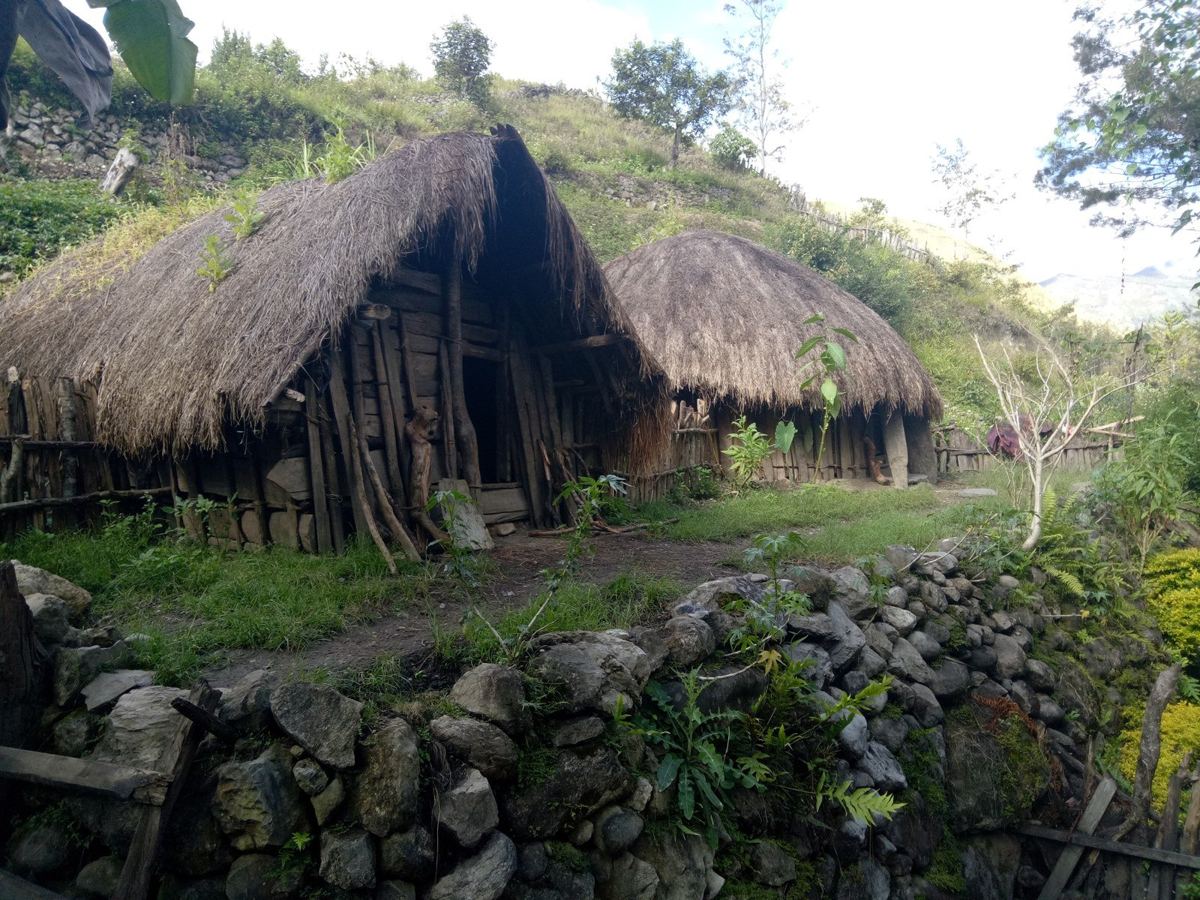
A traditional village in the Baliem Valley, in the highlands of Indonesian Papua.

Indonesia · Island atlas

New Guinea

Indonesian New Guinea spans the Bird’s Head Peninsula, the central mountain chain and immense northern and southern lowlands. Its environmental range extends from mangrove coasts to alpine country, with forest, rivers, wetlands and cultivated valleys between.

59species in the collection
8families represented

A traditional village in the Baliem Valley, in the highlands of Indonesian Papua.

landscape: Lasthib · Image source · CC BY-SA 4.0. Cropped to fill the hero; darkened for text legibility.

Geography & landscape

A sense of Indonesian New Guinea / Papua.

This guide covers the Indonesian portion of the island. The Bird’s Head projects westward beside Cenderawasih Bay; the central cordillera continues east toward the international border. The Mamberamo system drains northern lowlands, while the Digul and other rivers cross the broad southern plains toward the Arafura Sea.

Geographic unit
Island region
Setting
Indonesian western portion of New Guinea
Explore terrain and street maps
Loading the geographic map…

Drag to explore. Use + / − or pinch to zoom. Terrain shows relief and contours; Street map shows detailed coastlines, settlements and roads. Markers locate islands, not snake sightings.

Open larger map

How the land took shape

Geology & relief.

New Guinea occupies the northern margin of the Australian continent, where collision has raised a major mountain belt. High ridges expose rocks transformed and uplifted through this tectonic history. In Lorentz National Park, glacial landforms, lakes and moraines record the later sculpting of the mountains, above younger alluvial and coastal landscapes.

Across the seasons

Climate & vegetation.

Lowland areas are generally hot and humid, but elevation changes conditions profoundly. The central highlands are cooler, and the highest mountains reach alpine environments. Southern Papua also includes a pronounced seasonal zone, where monsoon rainfall and dry periods influence grasslands, wetlands and fire.

Connections & isolation

Biogeographic setting.

Papuan biodiversity reflects both continental connections with Australia and long isolation within complex mountain terrain. Birds-of-paradise, marsupials and distinctive plant communities occur across different ecological zones. Mainland forests, offshore islands and mountain valleys have their own distributions; a regional species record does not imply presence everywhere.
Indonesian New Guinea / Papua · Environments

Habitats of Indonesian New Guinea / Papua.

Explore the environments described for Indonesian New Guinea / Papua. Habitat descriptions do not assign every snake in the island list to each setting.

Lowland rainforest

Large forest landscapes occur across northern and southern lowlands and in the Bird’s Head region.

Read the habitat guide

Montane forest

The central ranges support successive upland forest belts; Lorentz includes southern-beech forest and other cool-climate communities.

Read the habitat guide

Freshwater wetlands

The southern lowlands contain extensive swamps and riverine habitats, with drainage and flooding shaping the vegetation.

Read the habitat guide

Mangrove coasts

Broad tidal forests occur along parts of the southern coast and sheltered western bays.

Read the habitat guide

Seasonal grasslands and savanna

The far south includes the Trans Fly landscape, with open grasslands, woodland and seasonal inundation.

Read the habitat guide

Alpine terrain

The highest central mountains rise beyond forest into exposed upland environments and glacially sculpted ground.

Cultivated highland valleys

Settlements and agricultural land, including the Baliem Valley landscape, form an important human-shaped part of the highlands.

Around Indonesian New Guinea / Papua

Places in the landscape.

Lorentz National Park

A protected transect extends from the southern lowlands into the high central mountains.

Baliem Valley

A major inhabited highland valley in the Indonesian interior.

Bird’s Head Peninsula

The western peninsula separates the Raja Ampat approach from Cenderawasih Bay.

Read the original scope

Behind the occurrence.

Choose an account recorded in New Guinea. Its country-level evidence retains the named islands and qualifications; it is not a record of a sighting at an exact map point.

The shared collection

Snakes recorded here.

Each card opens the same species account used by the country lists. A shared island record does not imply occurrence in all countries sharing that island.

59 records
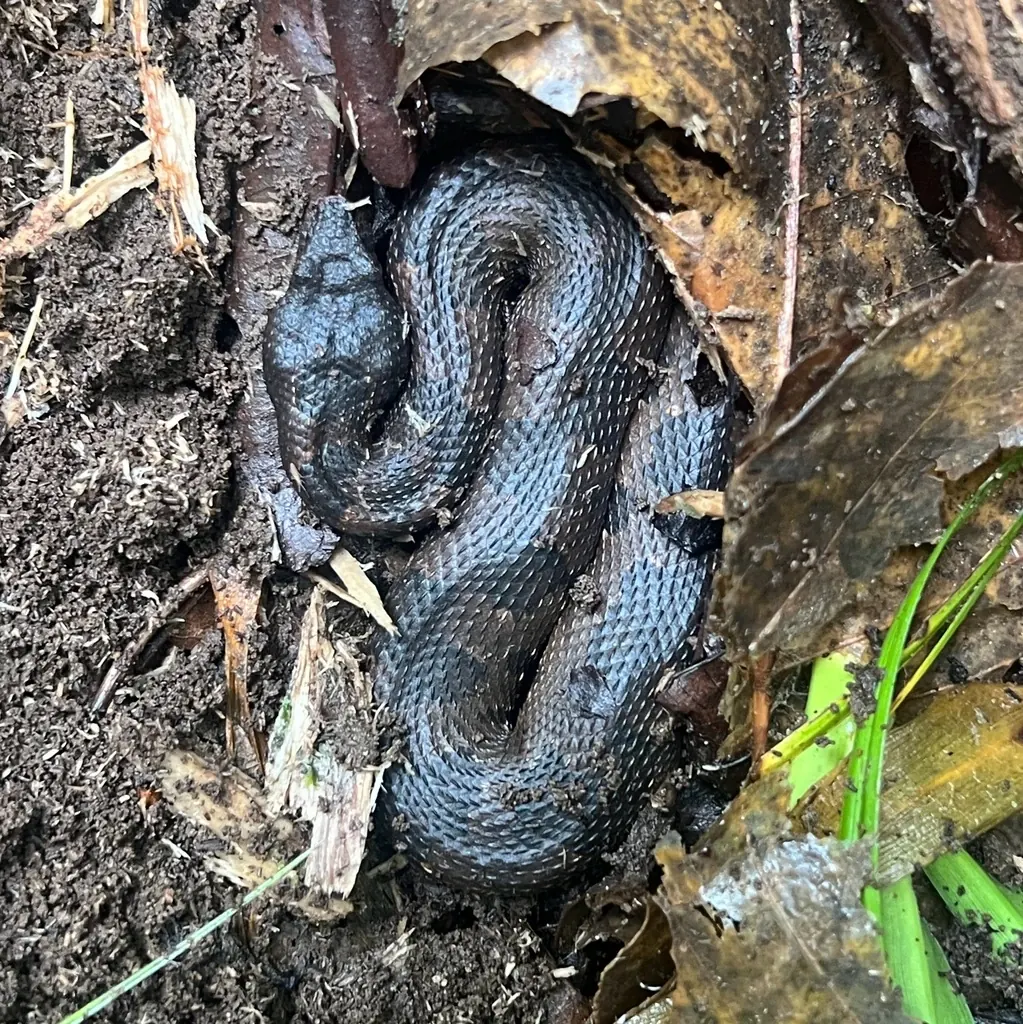
Acanthophis laevis photographed in Papua New Guinea. Identification follows the source community.001

Acanthophis laevis

MACLEAY, 1877

Length
Length not yet addedAtlas entry awaiting completion
Venom status
VenomousClinical severity not established
ElapidaeRead account
Image not yet added
002

Acanthophis rugosus

LOVERIDGE, 1948

Length
Length not yet addedAtlas entry awaiting completion
Venom status
VenomousClinical severity not established
ElapidaeRead account
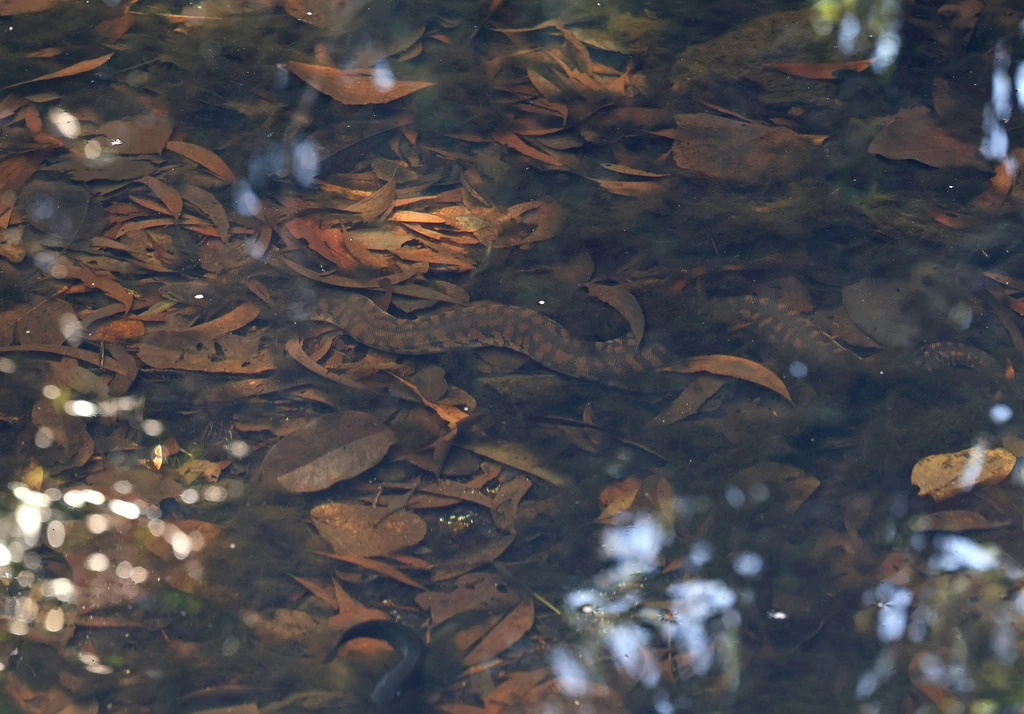
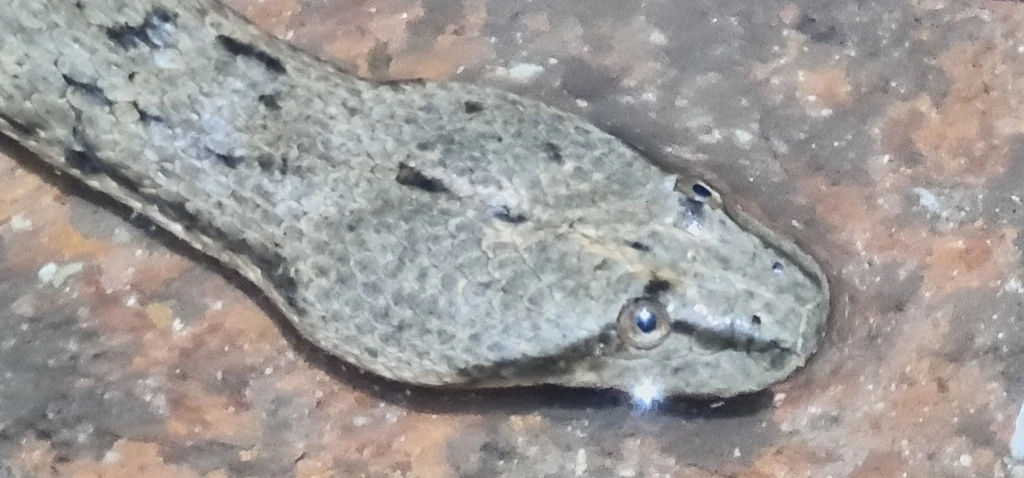
Acrochordus arafurae photographed in Australia. Identification follows the source community.003
Arafura filesnake

Acrochordus arafurae

MCDOWELL, 1979

Length
Length not yet addedAtlas entry awaiting completion
Venom status
Non-venomous
AcrochordidaeRead account
Acrochordus granulatus Portrait004
Little filesnake

Acrochordus granulatus

(SCHNEIDER, 1799)

Length
Length not yet addedAtlas entry awaiting completion
Venom status
Non-venomous
BorneoMalaysia
AcrochordidaeRead account
Image not yet added
005
Papuan Spotted Python

Antaresia papuensis

ESQUERRÉ, DONNELLAN, PAVÓN-VÁZQUEZ, FENKER & KEOGH, 2021

Length
Length not yet addedAtlas entry awaiting completion
Venom status
Non-venomous
PythonidaeRead account
Image not yet added
006
Papuan (olive) python

Apodora papuana

(PETERS & DORIA, 1878)

Length
Length not yet addedAtlas entry awaiting completion
Venom status
Non-venomous
PythonidaeRead account
Aspidomorphus muelleri photographed in Papua New Guinea. Identification follows the source community.007
Müller’s crown snake

Aspidomorphus muelleri

(SCHLEGEL, 1837)

Length
Length not yet addedAtlas entry awaiting completion
Venom status
VenomousClinical severity not established
ElapidaeRead account
Image not yet added
008
Schlegel’s crown snake

Aspidomorphus schlegelii

(GÜNTHER, 1872)

Length
Length not yet addedAtlas entry awaiting completion
Venom status
VenomousClinical severity not established
ElapidaeRead account
Image not yet added
009
Andian Stout-tailed Snake

Calamophis katesandersae

MURPHY, 2012

Length
Length not yet addedAtlas entry awaiting completion
Venom status
Venom unknownNot yet assessed
HomalopsidaeRead account
Image not yet added
010
Kebar Stout-tailed Snake

Calamophis ruuddelangi

MURPHY, 2012

Length
Length not yet addedAtlas entry awaiting completion
Venom status
Venom unknownNot yet assessed
HomalopsidaeRead account
Image not yet added
011
Arfak Stout-tailed Snake

Calamophis sharonbrooksae

MURPHY, 2012

Length
Length not yet addedAtlas entry awaiting completion
Venom status
Venom unknownNot yet assessed
HomalopsidaeRead account
Candoia aspera photographed in Papua New Guinea. Identification follows the source community.012
New Guinea ground boa

Candoia aspera

(GÜNTHER, 1877)

Length
Length not yet addedAtlas entry awaiting completion
Venom status
Non-venomous
BoidaeRead account
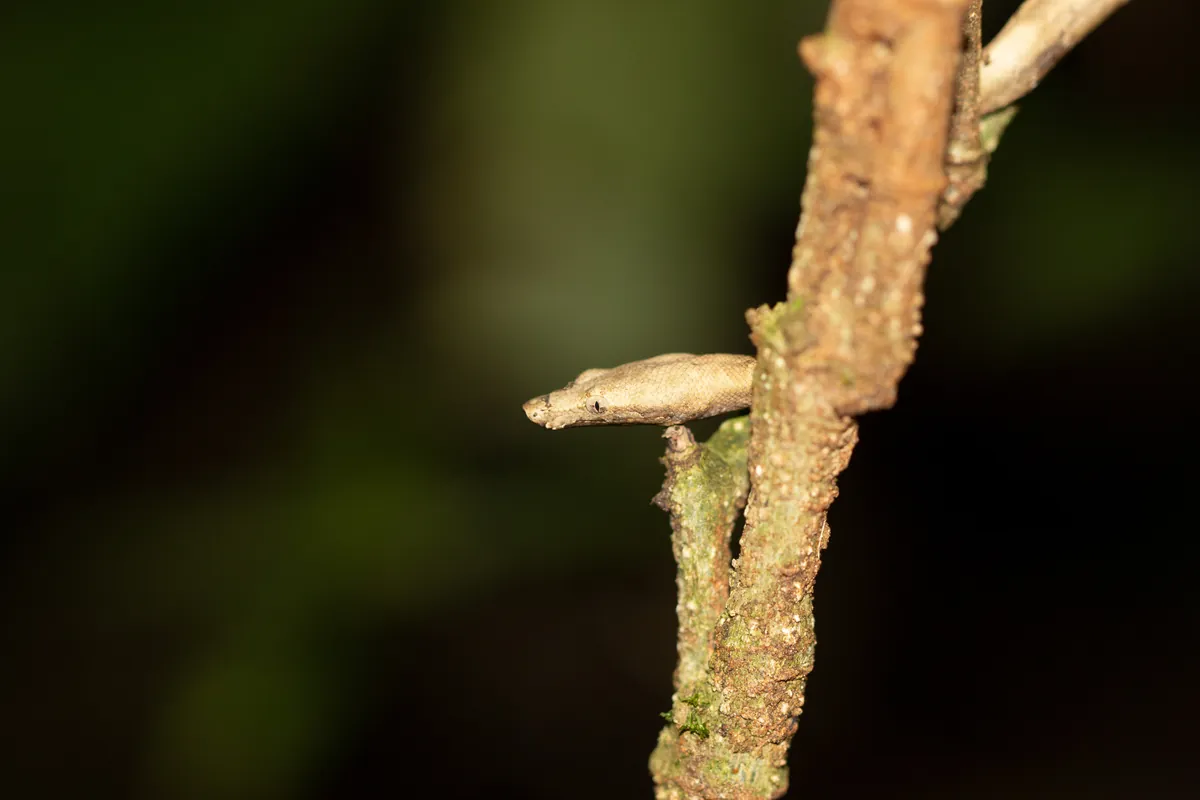
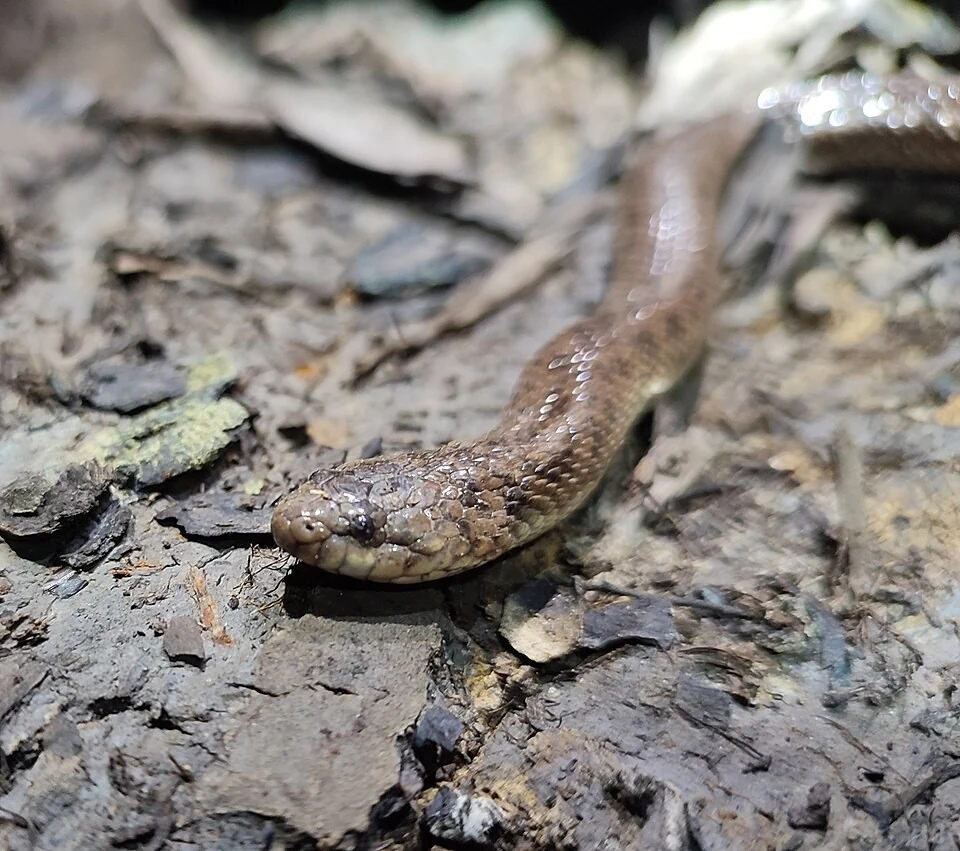
Living animal photographed in Talasea District, West New Britain Province, Papua New Guinea, on 10 November 2018; only the head and anterior body are visible.013
Pacific boa

Candoia carinata

(SCHNEIDER, 1801)

Length
Length not yet addedAtlas entry awaiting completion
Venom status
Non-venomous
BoidaeRead account
Cerberus australis photographed in Australia. Identification follows the source community.014
Australian Bockadam

Cerberus australis

(GRAY, 1842)

Length
Length not yet addedAtlas entry awaiting completion
Venom status
VenomousClinical severity not established
HomalopsidaeRead account
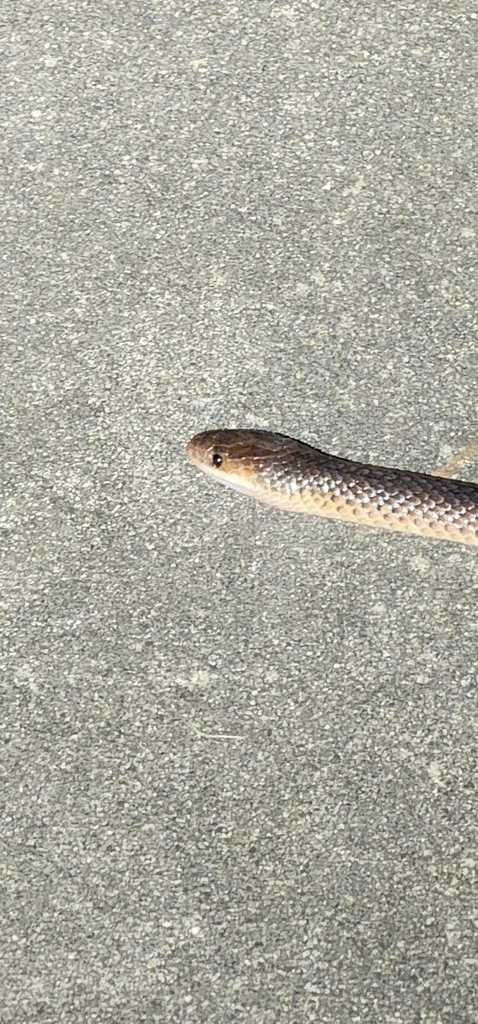
Cryptophis boschmai photographed in Australia. Identification follows the source community.015
Carpentaria whip snake

Cryptophis boschmai

(BRONGERSMA & KNAAP VAN MEEUWEN, 1964)

Length
Length not yet addedAtlas entry awaiting completion
Venom status
VenomousClinical severity not established
ElapidaeRead account
Dendrelaphis calligaster photographed in Australia. Identification follows the source community.016
Green treesnake

Dendrelaphis calligaster

(GÜNTHER, 1867)

Length
Length not yet addedAtlas entry awaiting completion
Venom status
Non-venomous
ColubridaeRead account
Image not yet added
017
Montane treesnake

Dendrelaphis gastrostictus

(BOULENGER, 1894)

Length
Length not yet addedAtlas entry awaiting completion
Venom status
Non-venomous
ColubridaeRead account
Image not yet added
018

Dendrelaphis lineolatus

(JACQUINOT & GUICHENOT, 1853)

Length
Length not yet addedAtlas entry awaiting completion
Venom status
Non-venomous
ColubridaeRead account
Image not yet added
019
Lorentz River treesnake

Dendrelaphis lorentzii

(LIDTH DE JEUDE, 1911)

Length
Length not yet addedAtlas entry awaiting completion
Venom status
Non-venomous
ColubridaeRead account
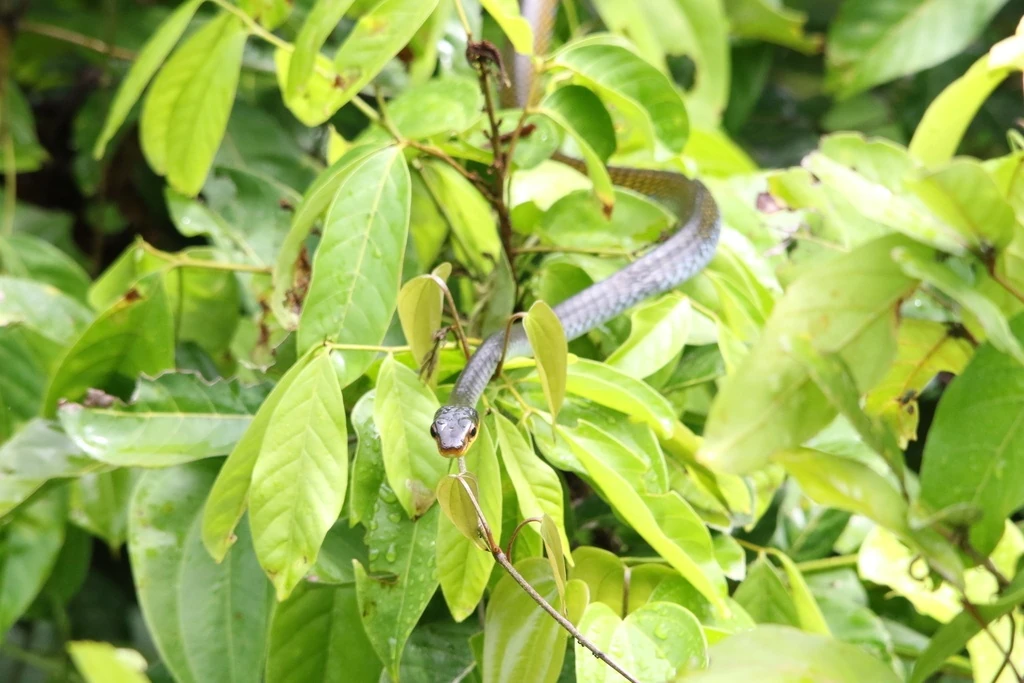
Dendrelaphis macrops photographed in Indonesia. Identification follows the source community.020

Dendrelaphis macrops

(GÜNTHER, 1877)

Length
Length not yet addedAtlas entry awaiting completion
Venom status
Non-venomous
ColubridaeRead account
Image not yet added
021
Trans-Fly Mangrove Snake

Djokoiskandarus annulata

(DE JONG, 1926)

Length
Length not yet addedAtlas entry awaiting completion
Venom status
VenomousClinical severity not established
HomalopsidaeRead account
Fordonia leucobalia — real specimen photograph; identification follows the linked source.022
Crab-eating (Water) Snake

Fordonia leucobalia

(SCHLEGEL, 1837)

Length
Length not yet addedAtlas entry awaiting completion
Venom status
VenomousClinical severity not established
BorneoMalaysia
HomalopsidaeRead account
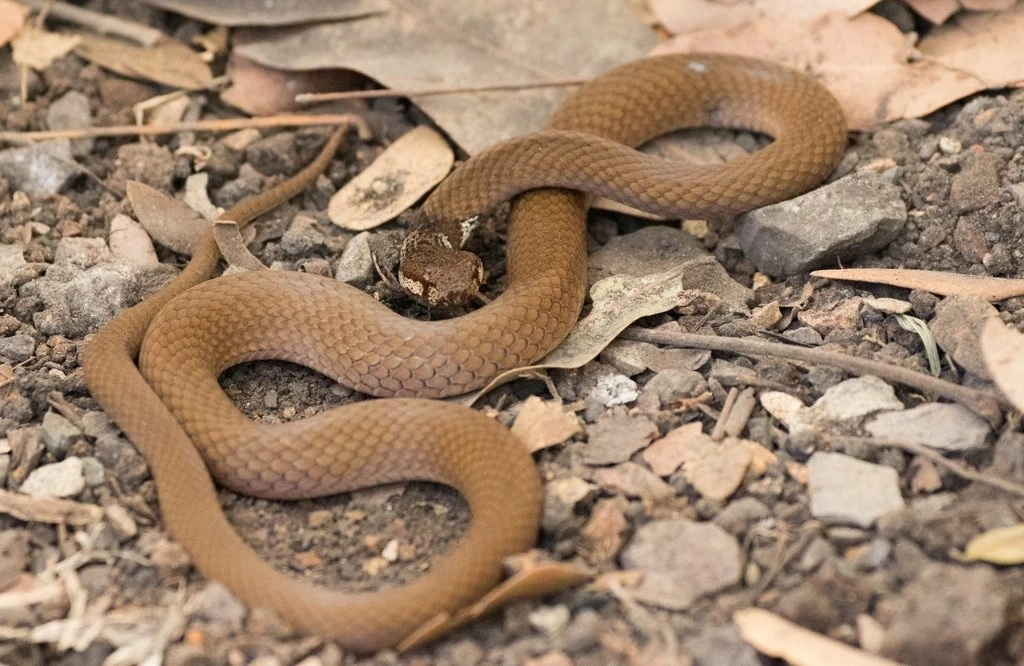
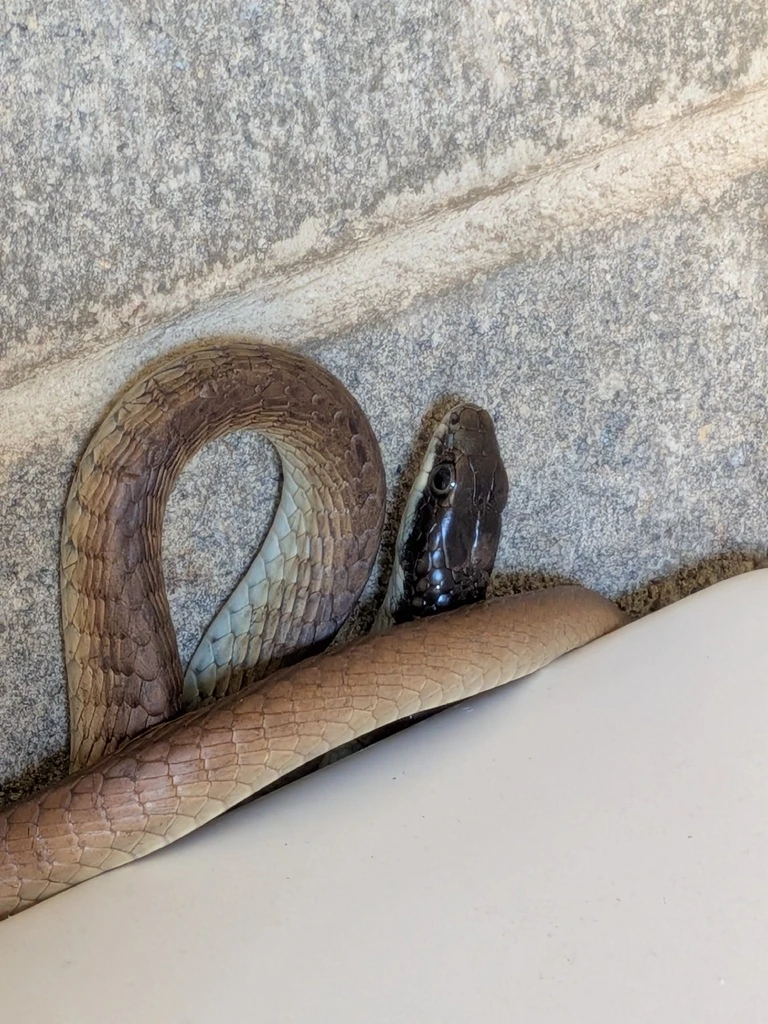
Furina tristis photographed in Australia. Identification follows the source community.023
Brown-headed or grey-naped snake

Furina tristis

(GÜNTHER, 1858)

Length
Length not yet addedAtlas entry awaiting completion
Venom status
VenomousClinical severity not established
ElapidaeRead account
Image not yet added
024
Black blindsnake

Gerrhopilus ater

(SCHLEGEL, 1839)

Length
Length not yet addedAtlas entry awaiting completion
Venom status
Non-venomous
GerrhopilidaeRead account

Further reading · Checked 7 October 2026

Geographic sources.

Species-specific distribution evidence appears above and in each linked account.