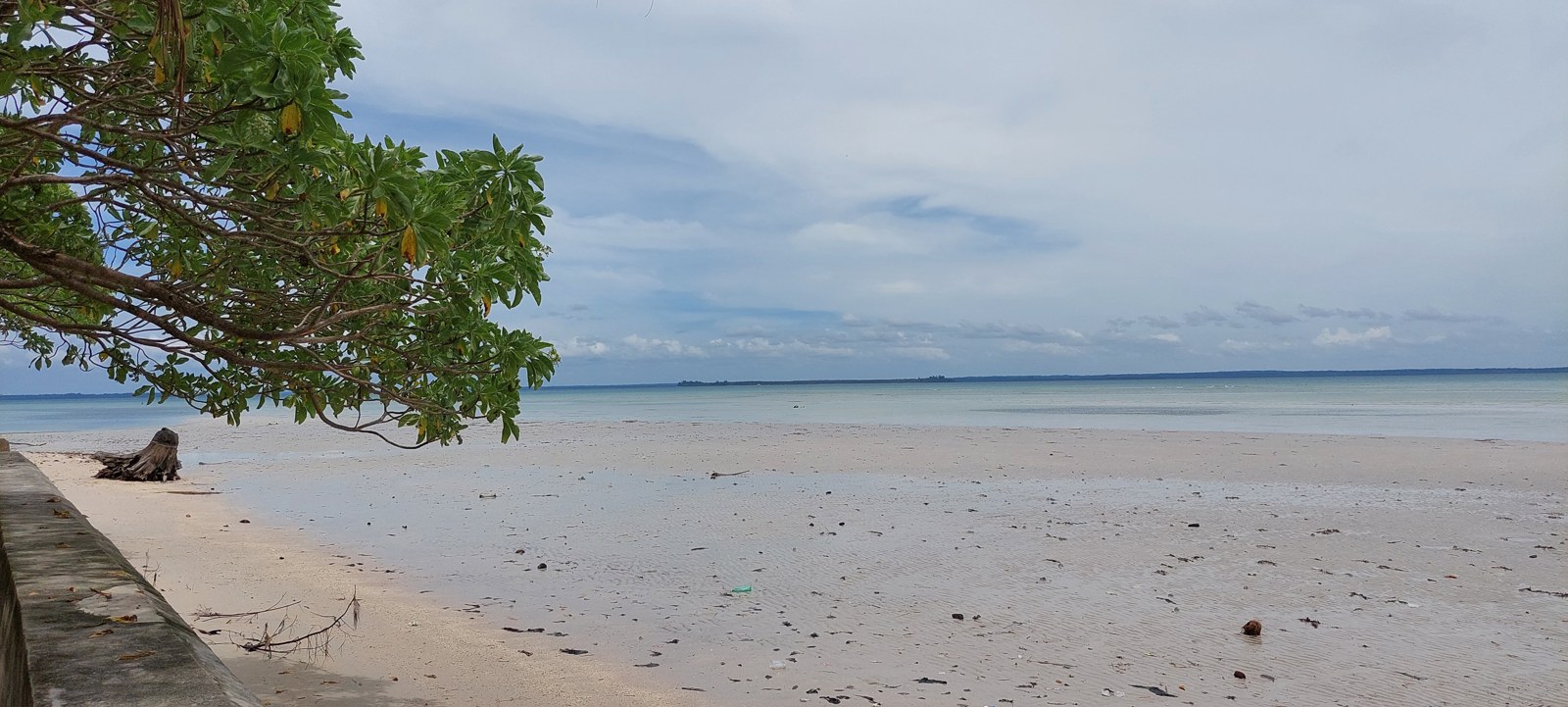
Dobo Beach, Aru Islands

Indonesia · Island atlas

Aru Islands

Aru is a low island landscape of forest, tidal channels and mangrove shores on the Arafura shelf. Its physical and biological connections lead toward New Guinea and Australia, despite its administrative place within Maluku.

12species in the collection
5families represented

Dobo Beach, Aru Islands

landscape: Dhesztt · Image source · CC BY-SA 4.0. Cropped to fill the hero; darkened for text legibility.

Geography & landscape

A sense of Aru Islands.

Wokam, Kobroor, Maikoor, Kola, Koba and Trangan form the principal island mass. Narrow, winding waterways divide this low terrain into separate islands. Dobo, the main port, stands on Wamar along the western margin rather than in the interior of the largest island.

Geographic unit
Archipelago
Setting
Arafura Sea, southeastern Maluku
Explore terrain and street maps
Loading the geographic map…

Drag to explore. Use + / − or pinch to zoom. Terrain shows relief and contours; Street map shows detailed coastlines, settlements and roads. Markers locate islands, not snake sightings.

Open larger map

How the land took shape

Geology & relief.

The archipelago sits on the Australian continental shelf. Geological studies describe limestone, marl and younger coastal sediments, with faulting contributing to the modern landscape. Lower sea levels formerly joined Aru to the broader Sahul landmass; today seawater occupies the channels between its islands.

Across the seasons

Climate & vegetation.

The setting is tropical, but the islands are not uniformly rainforest. The coexistence of moist forest, savanna and tidal vegetation reflects seasonal moisture and drainage differences across this low archipelago. A regional rainfall average would conceal those contrasts.

Connections & isolation

Biogeographic setting.

Aru’s terrestrial affinities are predominantly Papuan and Australasian. Its position on Sahul sets it apart from deep-water Wallacean islands such as Seram. Lowland forest belongs to the Vogelkop–Aru rainforest ecoregion.
Aru Islands · Environments

Habitats of Aru Islands.

Explore the environments described for Aru Islands. Habitat descriptions do not assign every snake in the island list to each setting.

Lowland forest

Moist broadleaf forest occupies parts of the main islands and shares ecological connections with western New Guinea.

Read the habitat guide

Mangrove channels

Mangroves border tidal waterways and sheltered coasts, forming an extensive land–sea interface.

Read the habitat guide

Savanna

Open vegetation is part of Aru’s documented habitat mosaic, especially significant when distinguishing the group from uniformly wooded island imagery.

Read the habitat guide

Channel and shore mosaic

The narrow sea passages thread between the larger islands, bringing tidal shorelines deep into the archipelago. Forest edges, mangroves and open water therefore repeat throughout the group rather than forming only a single outer coastal belt.

Read the habitat guide

Around Aru Islands

Places in the landscape.

Dobo and Wamar

The western port island provides a geographic anchor for the archipelago.

Trangan

The southern main island completes the chain of larger low islands.

Read the original scope

Behind the occurrence.

Choose an account recorded in Aru Islands. Its country-level evidence retains the named islands and qualifications; it is not a record of a sighting at an exact map point.

The shared collection

Snakes recorded here.

Each card opens the same species account used by the country lists. A shared island record does not imply occurrence in all countries sharing that island.

12 records
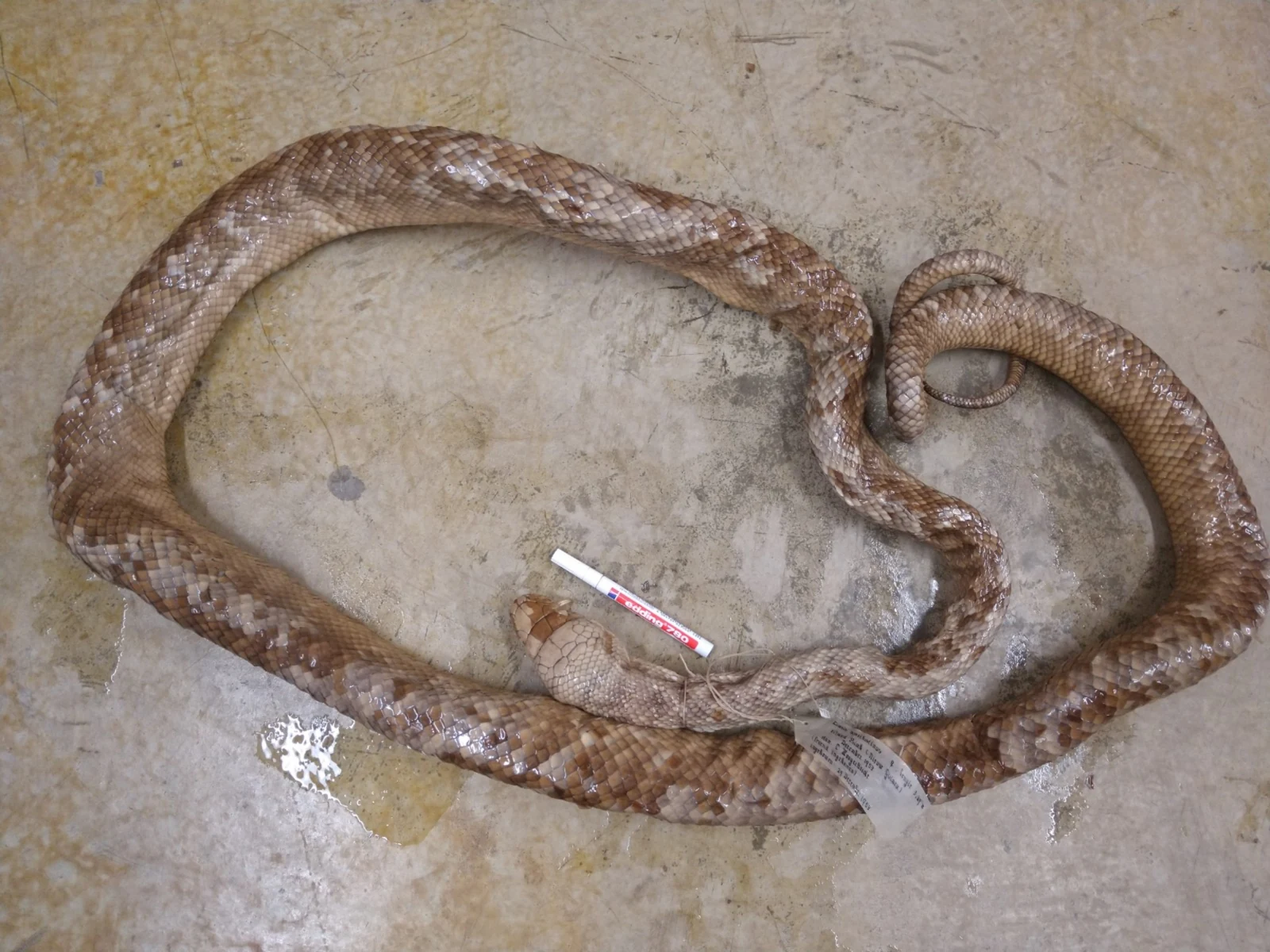
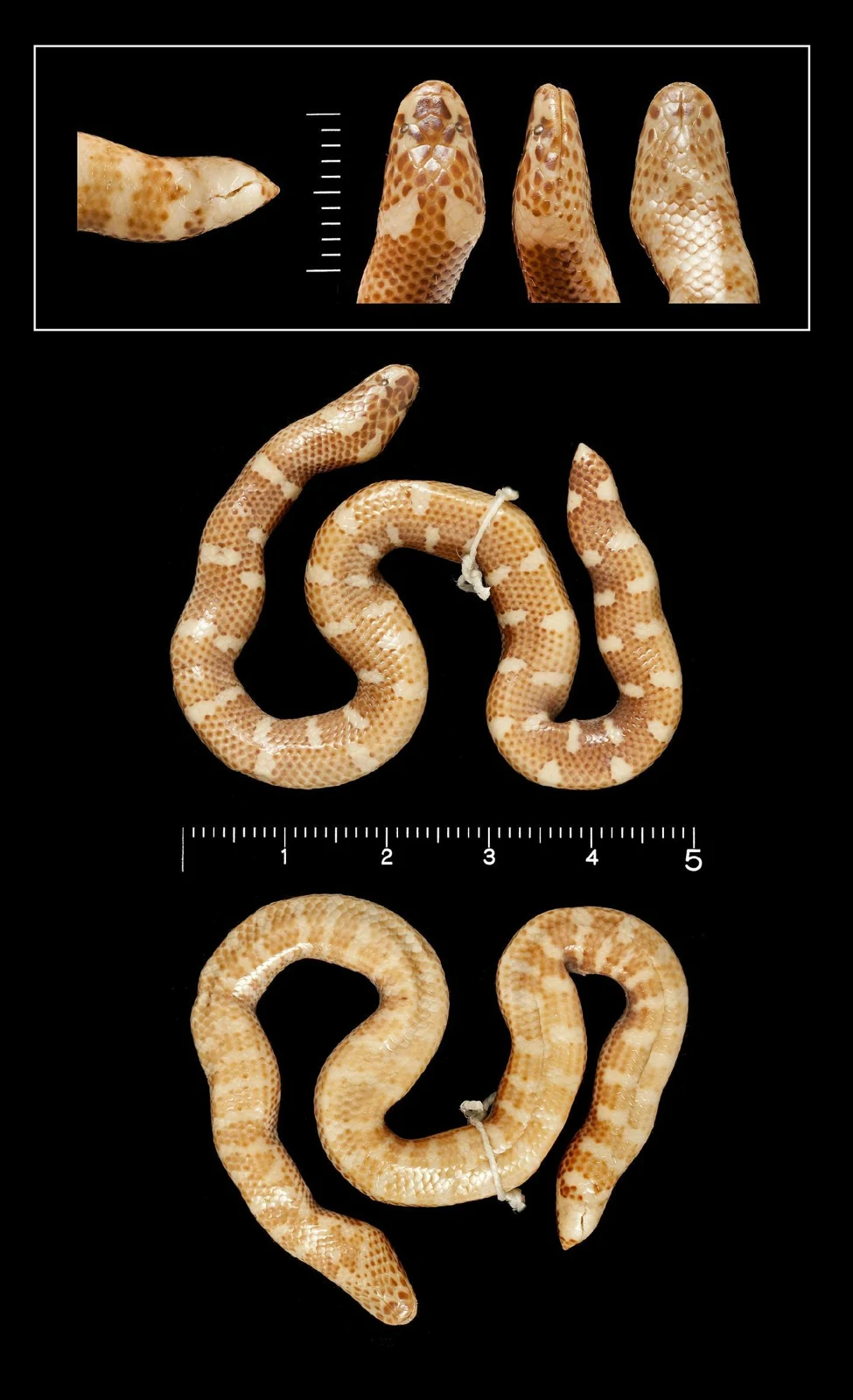
Cylindrophis aruensis. Preserved museum specimen, Natural History Museum, London, 1946.1.16.72-73. Colours may have changed in preservative. This collection image adds no geographic occurrence record.001
Aru Cylinder Snake

Cylindrophis aruensis

BOULENGER, 1920

Length
Length not yet addedAtlas entry awaiting completion
Venom status
Non-venomous
CylindrophiidaeRead account
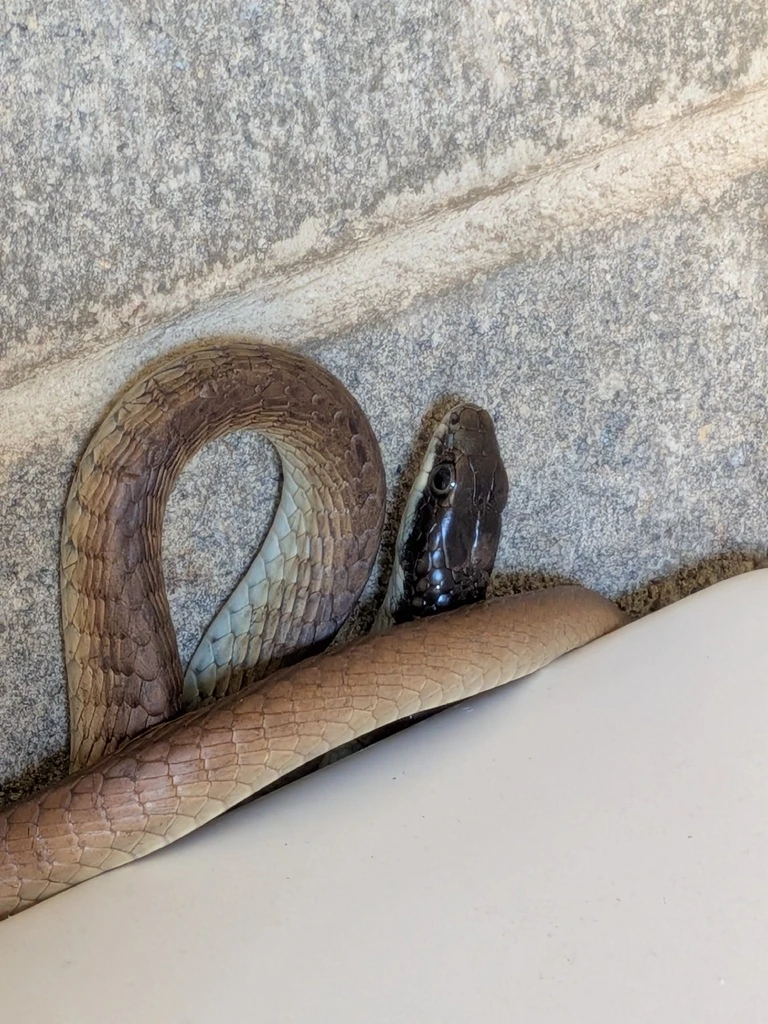
Dendrelaphis calligaster photographed in Australia. Identification follows the source community.002
Green treesnake

Dendrelaphis calligaster

(GÜNTHER, 1867)

Length
Length not yet addedAtlas entry awaiting completion
Venom status
Non-venomous
ColubridaeRead account
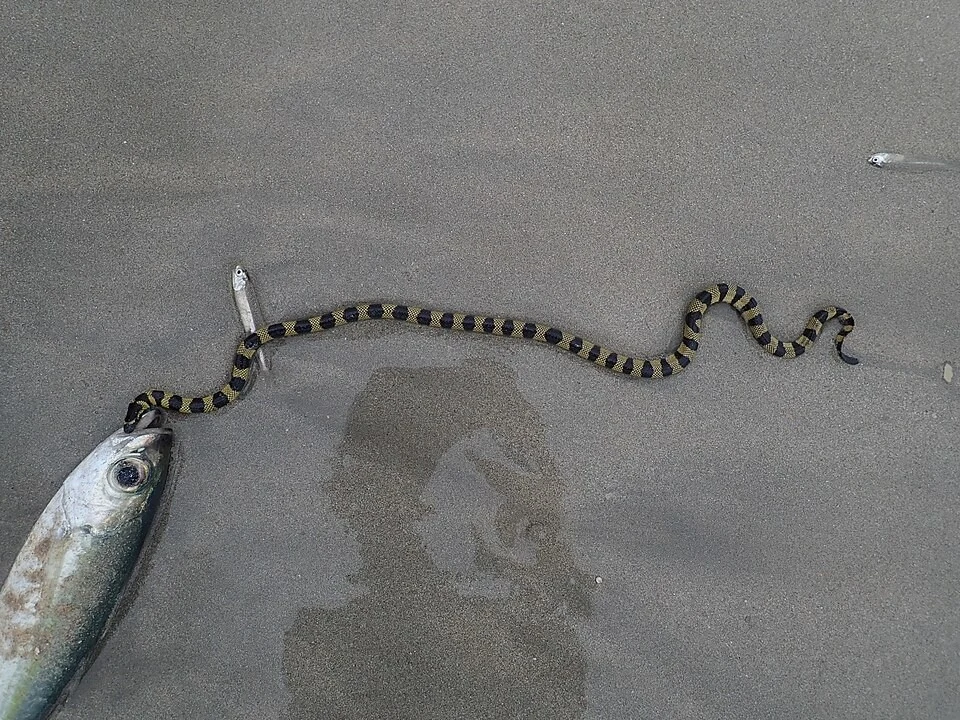
Hydrophis cyanocinctus — real specimen photograph; identification follows the linked source.003
Annulated Sea Snake

Hydrophis cyanocinctus

DAUDIN, 1803

Length
Length not yet addedAtlas entry awaiting completion
Venom status
VenomousClinical severity not established
BorneoMalaysia
ElapidaeRead account
Image not yet added
004
Aru Islands groundsnake

Lielaphis aruensis

(DORIA, 1875)

Length
Length not yet addedAtlas entry awaiting completion
Venom status
Venom unknownNot yet assessed
ColubridaeRead account
Image not yet added
005
Moluccan groundsnake

Lielaphis modestus

(SCHLEGEL, 1837)

Length
Length not yet addedAtlas entry awaiting completion
Venom status
Venom unknownNot yet assessed
ColubridaeRead account
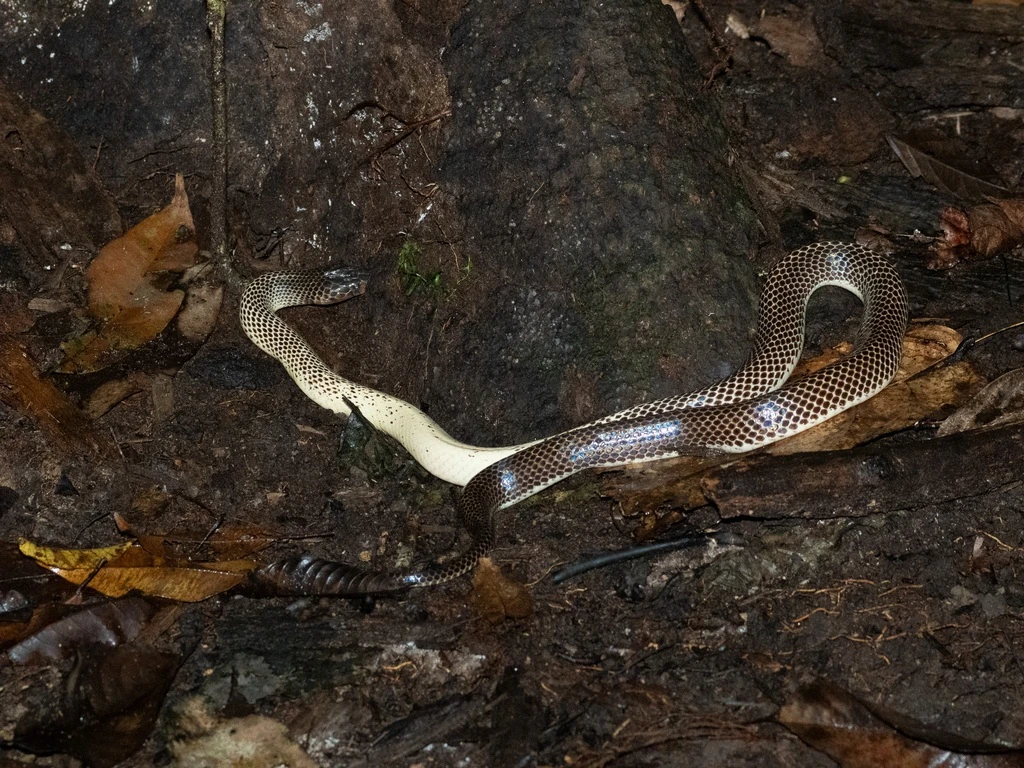
Micropechis ikaheca photographed in Indonesia. Identification follows the source community.006
New Guinea small-eyed snake

Micropechis ikaheca

(LESSON, 1829)

Length
Length not yet addedAtlas entry awaiting completion
Venom status
VenomousPotentially life-threatening
ElapidaeRead account
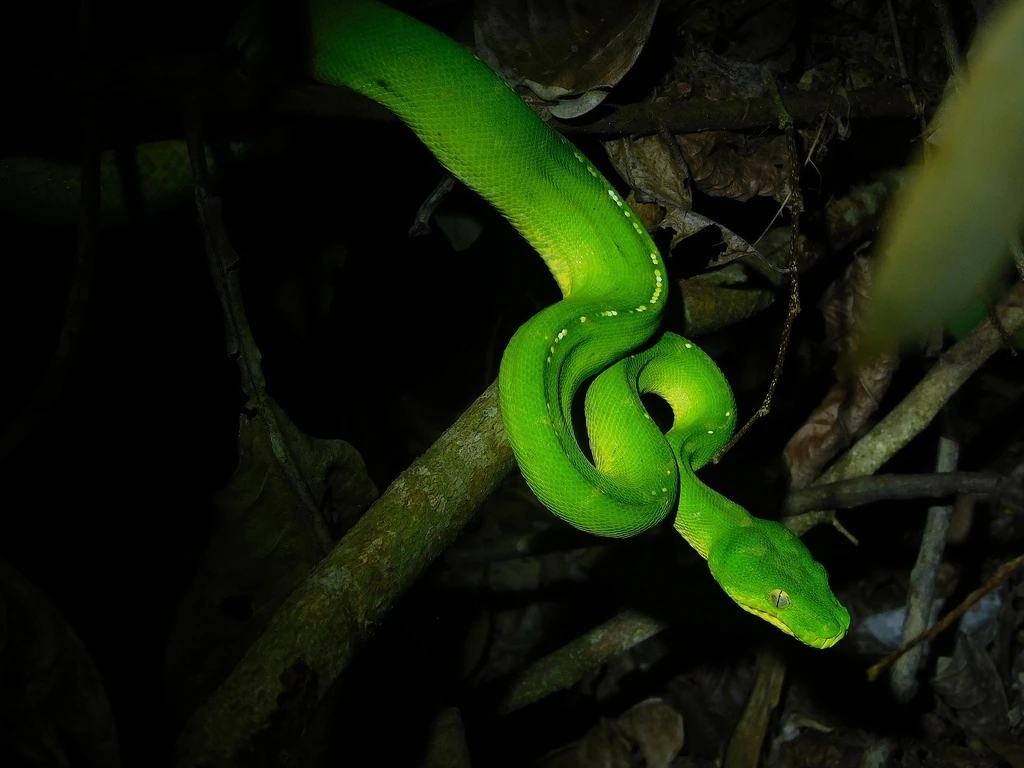
Morelia viridis photographed in Australia. Identification follows the source community.007
Green tree python

Morelia viridis

(SCHLEGEL, 1872)

Length
Length not yet addedAtlas entry awaiting completion
Venom status
Non-venomous
PythonidaeRead account
Image not yet added
008
Aru Mangrove Snake

Myron karnsi

MURPHY, 2011

Length
Length not yet addedAtlas entry awaiting completion
Venom status
VenomousClinical severity not established
HomalopsidaeRead account
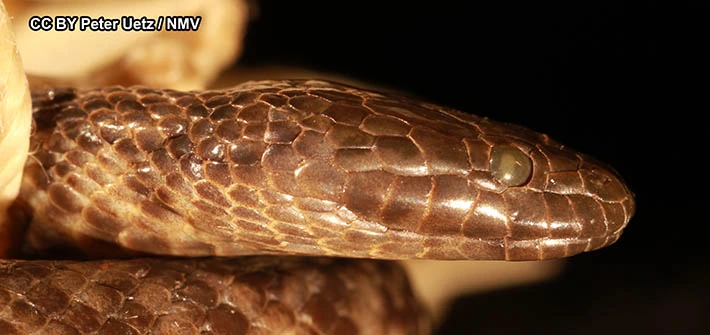
Myron richardsonii, preserved museum specimen NMV D54455, head, right lateral view. Photograph from the reference-image collection of Uetz et al. (2024).009
Richardson’s mangrove snake

Myron richardsonii

GRAY, 1849

Length
Length not yet addedAtlas entry awaiting completion
Venom status
VenomousClinical severity not established
HomalopsidaeRead account
Image not yet added
010
Arafura smooth or northern mangrove seasnake

Parahydrophis mertoni

(ROUX, 1910)

Length
Length not yet addedAtlas entry awaiting completion
Venom status
VenomousClinical severity not established
ElapidaeRead account
Simalia amethistina. Preserved museum specimen, Naturalis Biodiversity Center, RMNH.RENA.20708. Colours may have changed in preservative. This collection image adds no geographic occurrence record.011
Amethystine or scrub python

Simalia amethistina

(SCHNEIDER, 1801)

Length
Length not yet addedAtlas entry awaiting completion
Venom status
Non-venomous
PythonidaeRead account
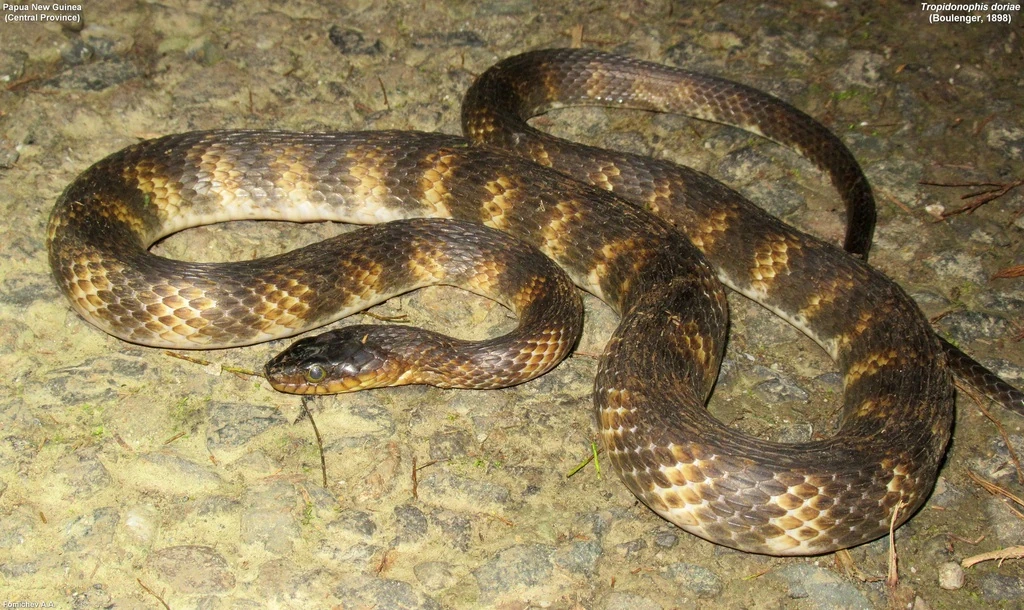
Tropidonophis doriae photographed in Papua New Guinea. Identification follows the source community.012
Barred keelback

Tropidonophis doriae

(BOULENGER, 1898)

Length
Length not yet addedAtlas entry awaiting completion
Venom status
Venom unknownNot yet assessed
ColubridaeRead account

Further reading · Checked 7 October 2026

Geographic sources.

Species-specific distribution evidence appears above and in each linked account.