How the land took shape
Geology & relief.
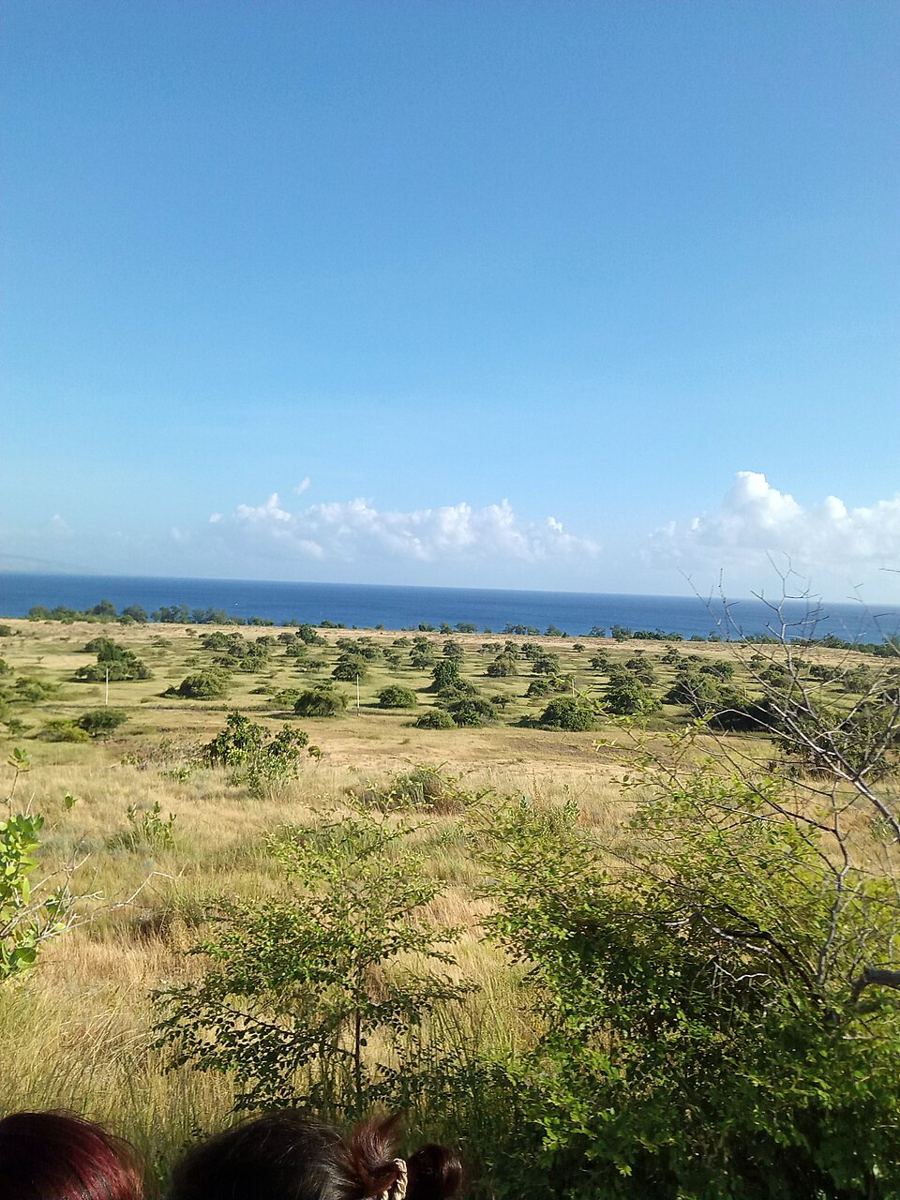
Limestone hills are a dominant landform, and the island lacks the prominent active volcanic chain of the inner Lesser Sundas. Its geological history involves movement and uplift of an older crustal fragment. Weathered hills, escarpments and valleys shape the broad, open appearance of much of the island.
Across the seasons
Climate & vegetation.
Rainfall is strongly seasonal, with a broadly wetter December–April period and a long dry season. Moisture varies across the island: south-facing slopes and some uplands retain greener forest, while drier northern and eastern landscapes support extensive open vegetation.
Connections & isolation
Biogeographic setting.
Sumba’s distinctive flora and fauna justify recognition as a separate deciduous-forest ecoregion within Wallacea. Endemic birds such as the Sumba hornbill depend on the remaining forest network. Much original vegetation has been converted to fields or open land, making forest remnants especially important.