How the land took shape
Geology & relief.
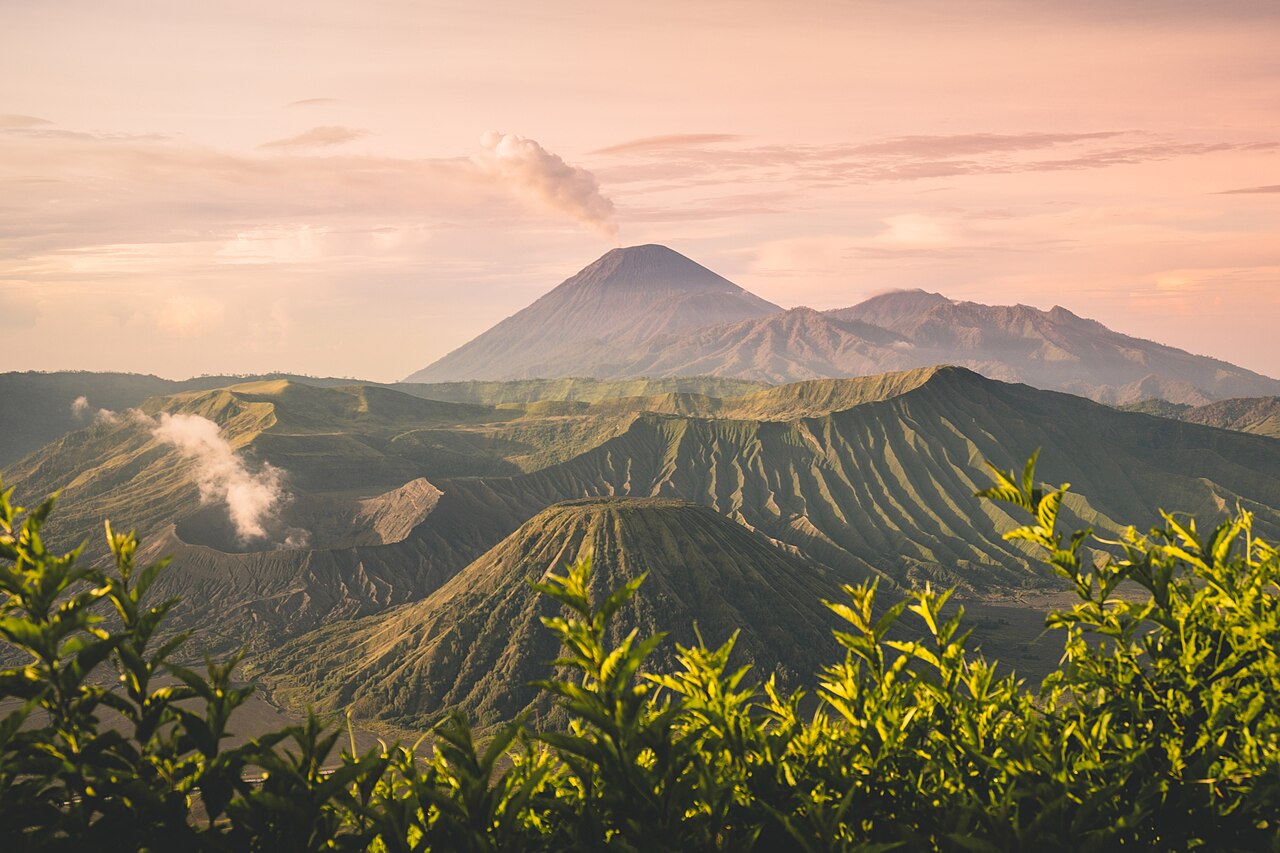
Java belongs to the Sunda volcanic arc, built above the subduction zone to the south. Cones, calderas and volcanic deposits dominate many uplands, while older rocks, limestone districts and alluvial plains add other landforms. Bromo’s cone within the Tengger landscape is one conspicuous example; it is only a small part of the island’s geological diversity.
Across the seasons
Climate & vegetation.
The climate is monsoonal, with the west generally wetter than the east and mountains modifying local rainfall. High elevations are cooler than the low plains. These contrasts help explain the transition from wet forest landscapes to more seasonal eastern vegetation, as well as the importance of irrigation to agriculture.
Connections & isolation
Biogeographic setting.
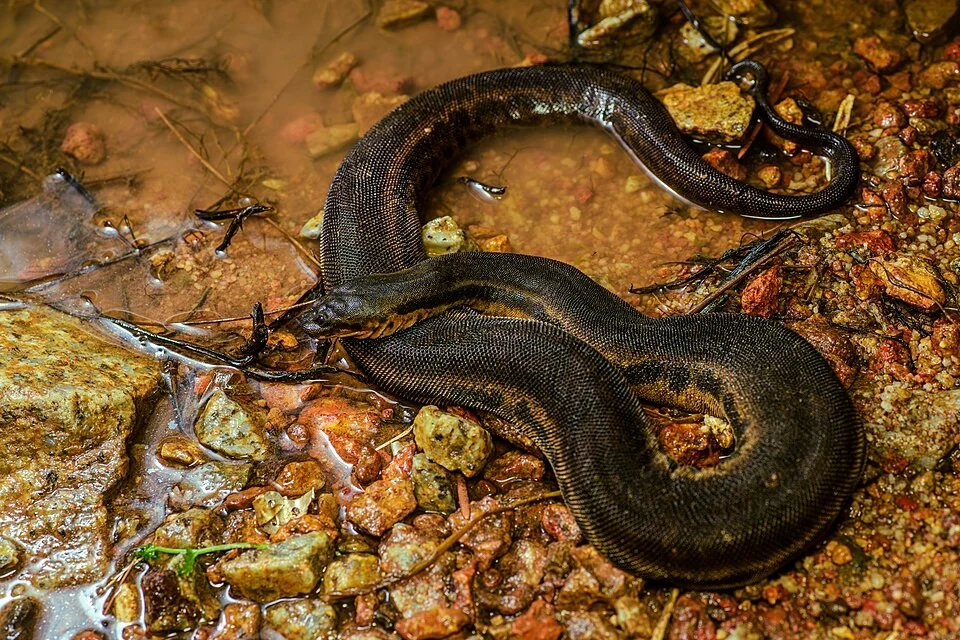
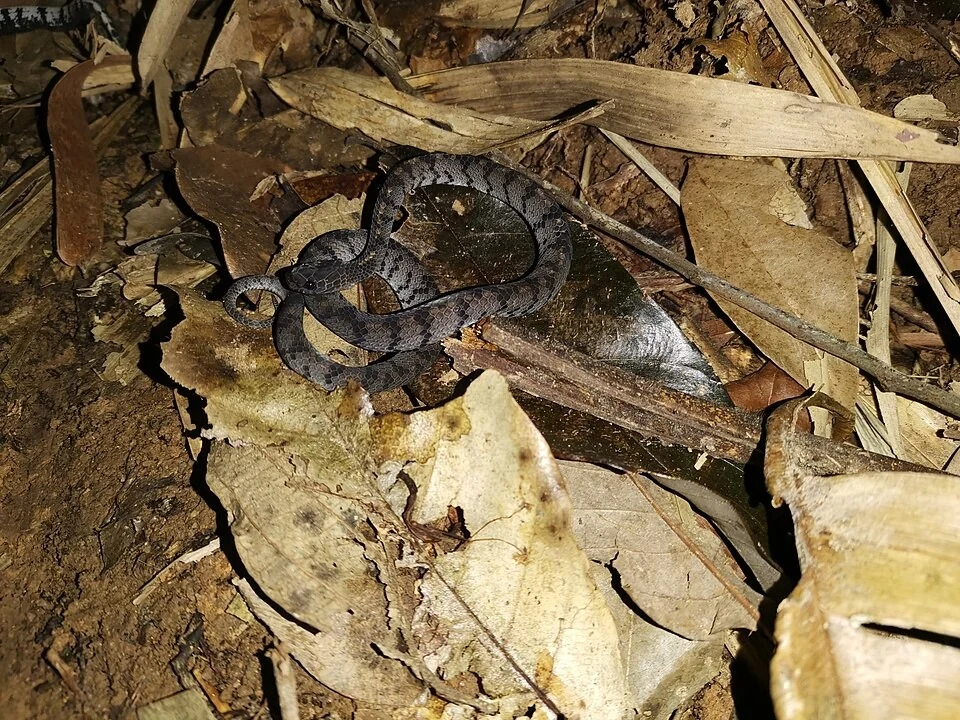
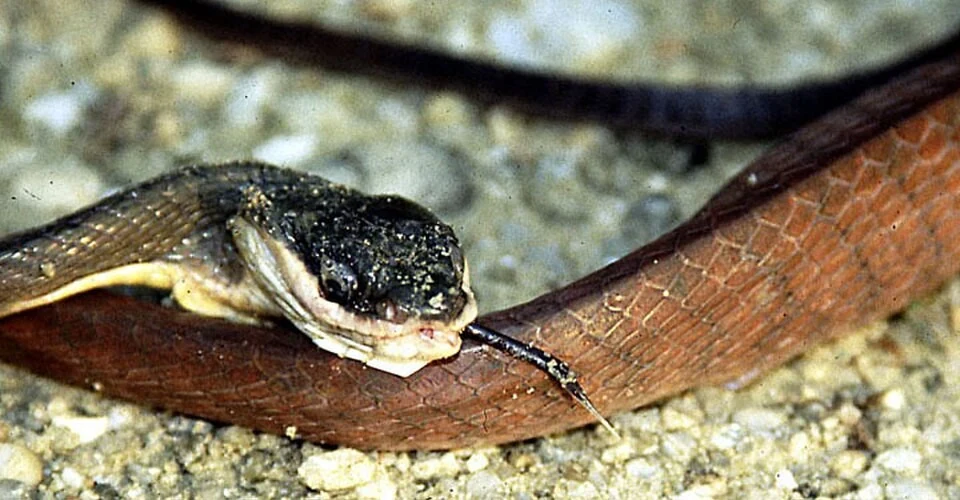
Java belongs to Sundaland and shares deep biogeographic connections with Sumatra, Borneo and Bali. Long isolation and environmental differentiation also produced distinctive Javan wildlife. Extensive land conversion has concentrated many natural habitats in protected mountains, peninsulas and coastal remnants, making local habitat identity particularly important.