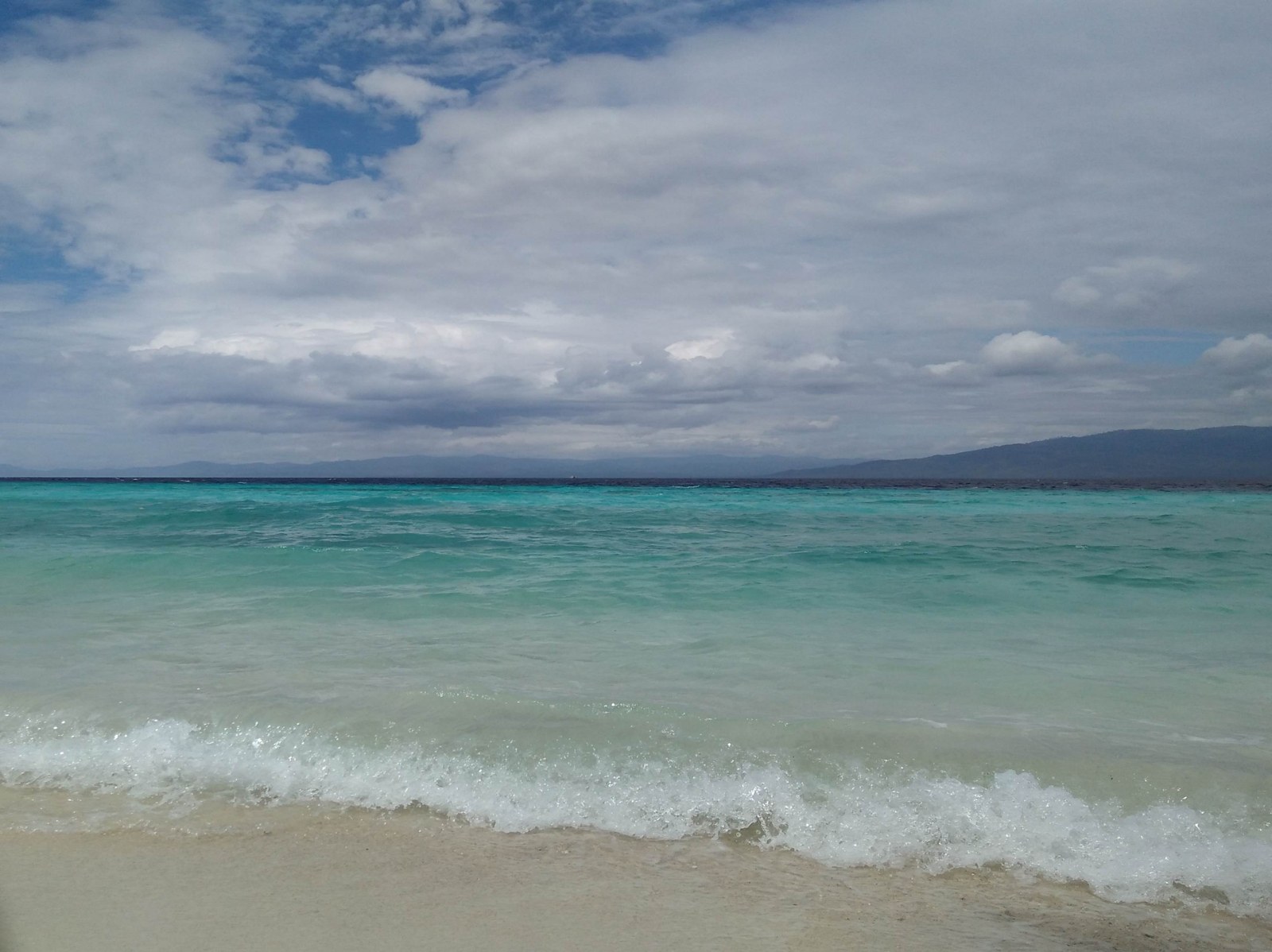
Liang Beach, Ambon

Indonesia · Island atlas

Ambon

Ambon wraps around a long sheltered bay, with a busy coastal city below steep, wooded hills. Its two unequal peninsulas place sheltered water, exposed shores, farms and upland forest within a compact island.

13species in the collection
5families represented

Liang Beach, Ambon

landscape: Trifosa18 · Image source · CC BY-SA 4.0. Cropped to fill the hero; darkened for text legibility.

Geography & landscape

A sense of Ambon.

The larger Leihitu peninsula lies north of Ambon Bay; smaller Leitimur curves around its southern side. A narrow neck near Passo connects them. Seram lies across the water to the northeast, while the city and principal harbour occupy the bay-facing coast.

Geographic unit
Island
Setting
Central Maluku, northern Banda Sea
Explore terrain and street maps
Loading the geographic map…

Drag to explore. Use + / − or pinch to zoom. Terrain shows relief and contours; Street map shows detailed coastlines, settlements and roads. Markers locate islands, not snake sightings.

Open larger map

How the land took shape

Geology & relief.

Ambon records faulting, uplift and several kinds of bedrock rather than a single simple volcanic cone. Raised marine terraces around its bays preserve former shorelines, subsequently displaced by faults. These features connect the island’s relief to deformation around the northern Banda Sea.
Across the seasons

Climate & vegetation.

The coast stays warm and humid. Ambon’s rainfall pattern differs from the familiar western Indonesian calendar: the JICA climate assessment shows a strong rise toward May–July and a decline toward November. Mountain exposure adds local variation.

Connections & isolation

Biogeographic setting.

Ambon belongs to the Seram rainforest region within Wallacea. Its separation from continental shelves helps explain an island fauna with strong regional affinities and comparatively few native terrestrial mammals. Forested slopes remain ecologically distinct from the densely settled bay margin.

Ambon · Environments

Habitats of Ambon.

Explore the environments described for Ambon. Habitat descriptions do not assign every snake in the island list to each setting.

Wooded hills

Tropical rainforest is described in Ambon’s less developed interior. Steep slopes above the coastal settlements provide the island’s main upland setting.

Read the habitat guide

Cultivated landscapes

Sago, cassava and tree crops occur in the island’s agricultural landscape; spice cultivation is part of a long history of managed vegetation.

Bay and outer shores

The enclosed Ambon Bay and the island’s outer beaches provide different coastal settings, with narrow settlements following the shoreline.

Read the habitat guide

Around Ambon

Places in the landscape.

Ambon Bay

The deeply inset bay defines the island’s shape and separates Leihitu from Leitimur.

Salahutu

This highland in the eastern part of Leihitu rises above the surrounding coastal belt.

Read the original scope

Behind the occurrence.

Choose an account recorded in Ambon. Its country-level evidence retains the named islands and qualifications; it is not a record of a sighting at an exact map point.

The shared collection

Snakes recorded here.

Each card opens the same species account used by the country lists. A shared island record does not imply occurrence in all countries sharing that island.

13 records
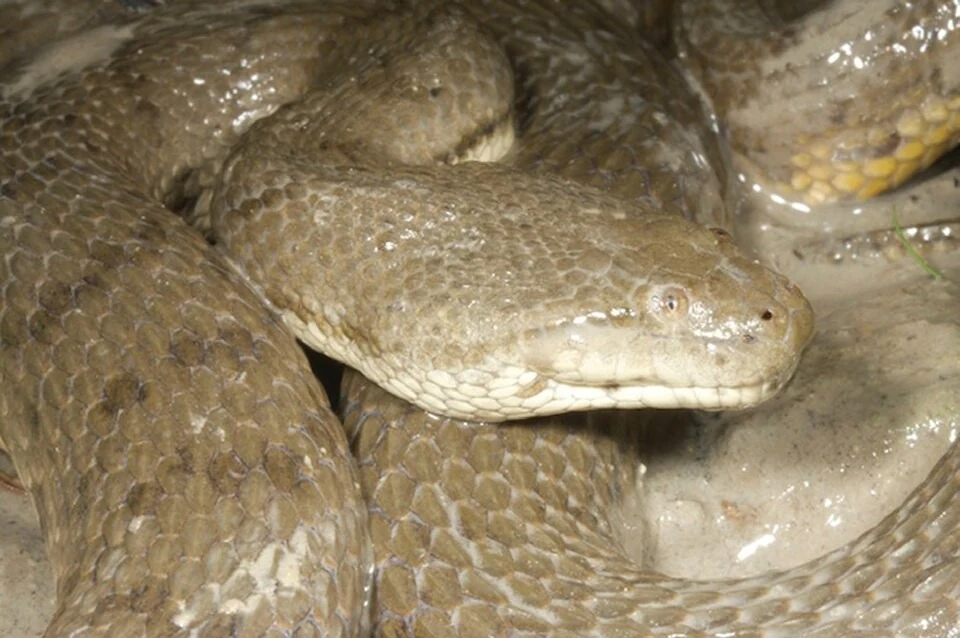
Acrochordus granulatus Portrait001
Little filesnake

Acrochordus granulatus

(SCHNEIDER, 1799)

Length
Length not yet addedAtlas entry awaiting completion
Venom status
Non-venomous
BorneoMalaysia
AcrochordidaeRead account
Image not yet added
002
Seram Short-tailed Snake

Brachyorrhos albus

(LINNAEUS, 1758)

Length
Length not yet addedAtlas entry awaiting completion
Venom status
Venom unknownNot yet assessed
HomalopsidaeRead account
Image not yet added
003

Calamaria ceramensis

DE ROOIJ, 1913

Length
Length not yet addedAtlas entry awaiting completion
Venom status
Non-venomous
ColubridaeRead account
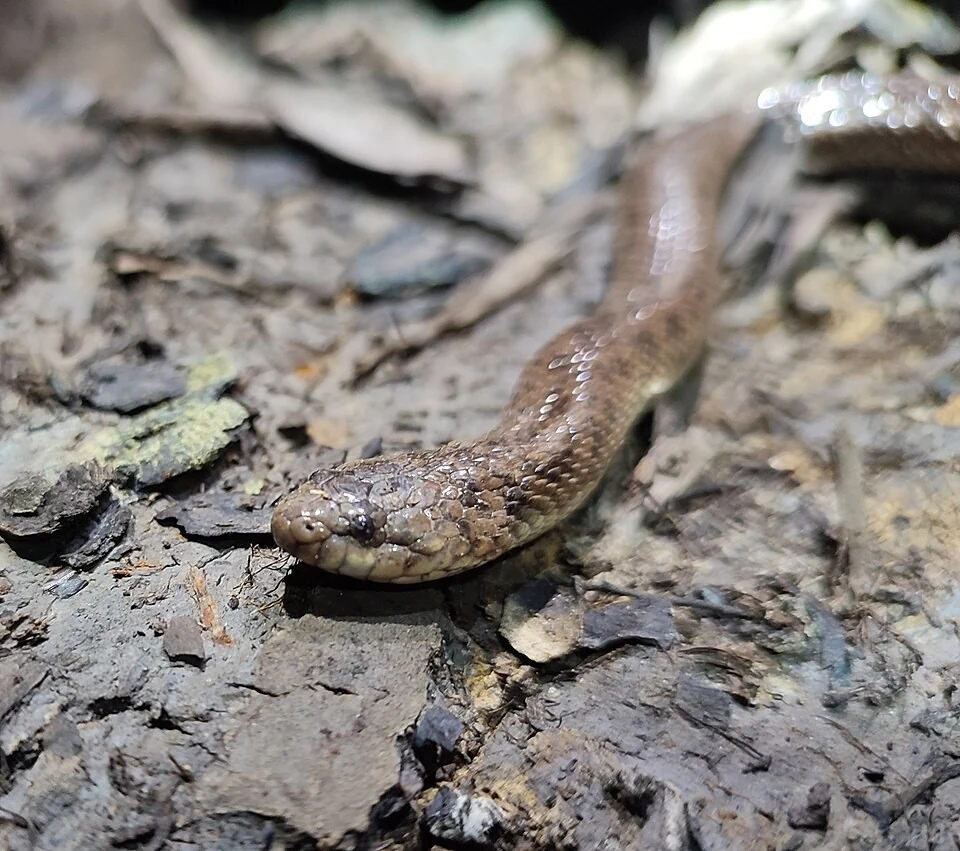
Cerberus schneiderii — real specimen photograph; identification follows the linked source.004
Southeast Asian Bockadam

Cerberus schneiderii

(SCHLEGEL, 1837)

Length
Length not yet addedAtlas entry awaiting completion
Venom status
VenomousClinical severity not established
Malaysia
HomalopsidaeRead account
Image not yet added
005
Moluccan Flying Snake

Chrysopelea rhodopleuron

BOIE, 1827

Length
Length not yet addedAtlas entry awaiting completion
Venom status
VenomousClinical severity not established
ColubridaeRead account
Image not yet added
006

Dendrelaphis grismeri

VOGEL & VAN ROOIJEN, 2008

Length
Length not yet addedAtlas entry awaiting completion
Venom status
Non-venomous
ColubridaeRead account
Fordonia leucobalia — real specimen photograph; identification follows the linked source.007
Crab-eating (Water) Snake

Fordonia leucobalia

(SCHLEGEL, 1837)

Length
Length not yet addedAtlas entry awaiting completion
Venom status
VenomousClinical severity not established
BorneoMalaysia
HomalopsidaeRead account
Image not yet added
008
Moluccan groundsnake

Lielaphis modestus

(SCHLEGEL, 1837)

Length
Length not yet addedAtlas entry awaiting completion
Venom status
Venom unknownNot yet assessed
ColubridaeRead account
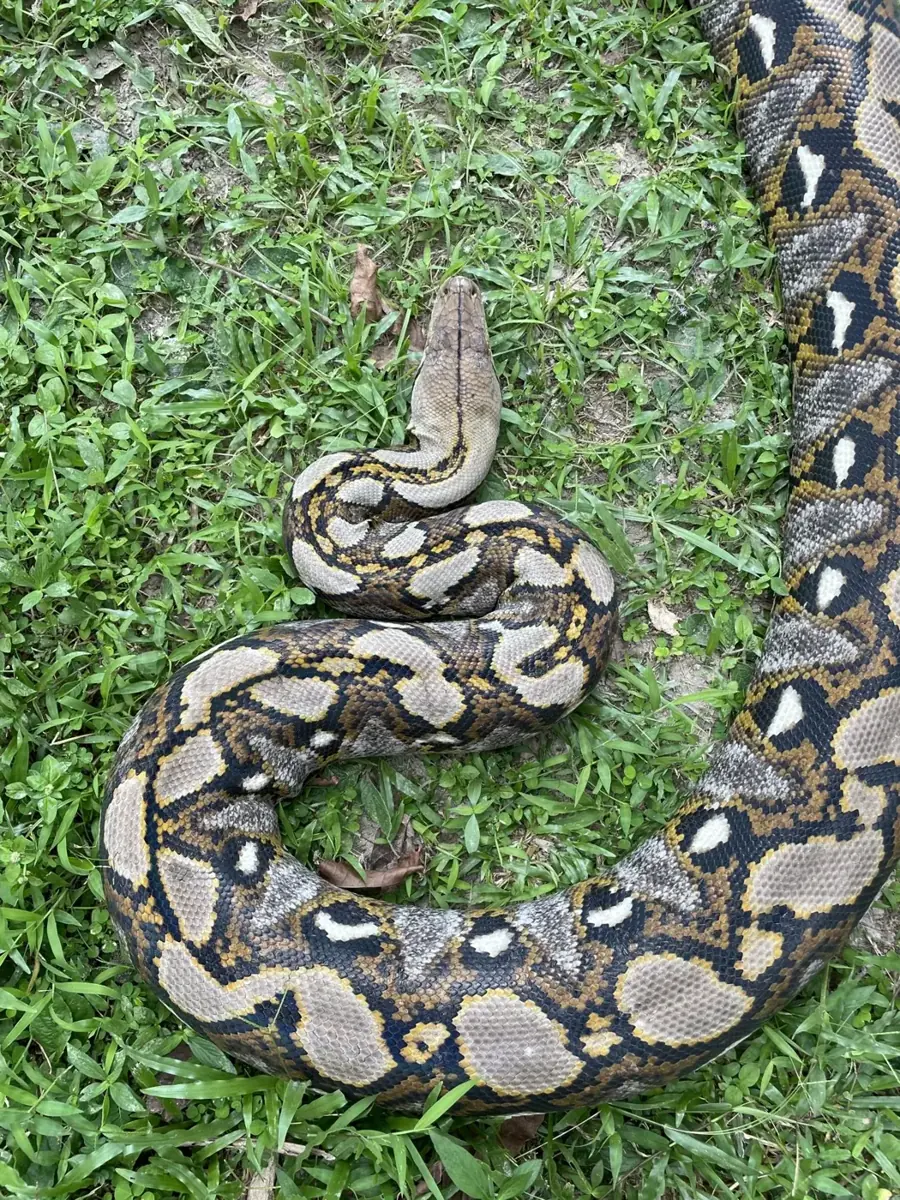
Malayopython reticulatus — photographed on Ko Pha-ngan, Thailand.009
Reticulated Python

Malayopython reticulatus

(SCHNEIDER, 1801)

Length
Length not yet addedAtlas entry awaiting completion
Venom status
Non-venomous
BorneoMalaysia
PythonidaeRead account
Image not yet added
010
Olive Blind Snake

Ramphotyphlops olivaceus

(GRAY, 1845)

Length
Length not yet addedAtlas entry awaiting completion
Venom status
Non-venomous
BorneoMalaysia
TyphlopidaeRead account
Image not yet added
011
Southern Moluccan python

Simalia clastolepis

(HARVEY, BARKER, AMMERMAN & CHIPPINDALE, 2000)

Length
Length not yet addedAtlas entry awaiting completion
Venom status
Non-venomous
PythonidaeRead account
Image not yet added
012
Bacan Island groundsnake

Stegonotus batjanensis

(GÜNTHER, 1865)

Length
Length not yet addedAtlas entry awaiting completion
Venom status
Venom unknownNot yet assessed
ColubridaeRead account
Image not yet added
013
Moluccan keelback

Tropidonophis elongatus

(JAN, 1865)

Length
Length not yet addedAtlas entry awaiting completion
Venom status
Venom unknownNot yet assessed
ColubridaeRead account

Further reading · Checked 7 October 2026

Geographic sources.

Species-specific distribution evidence appears above and in each linked account.