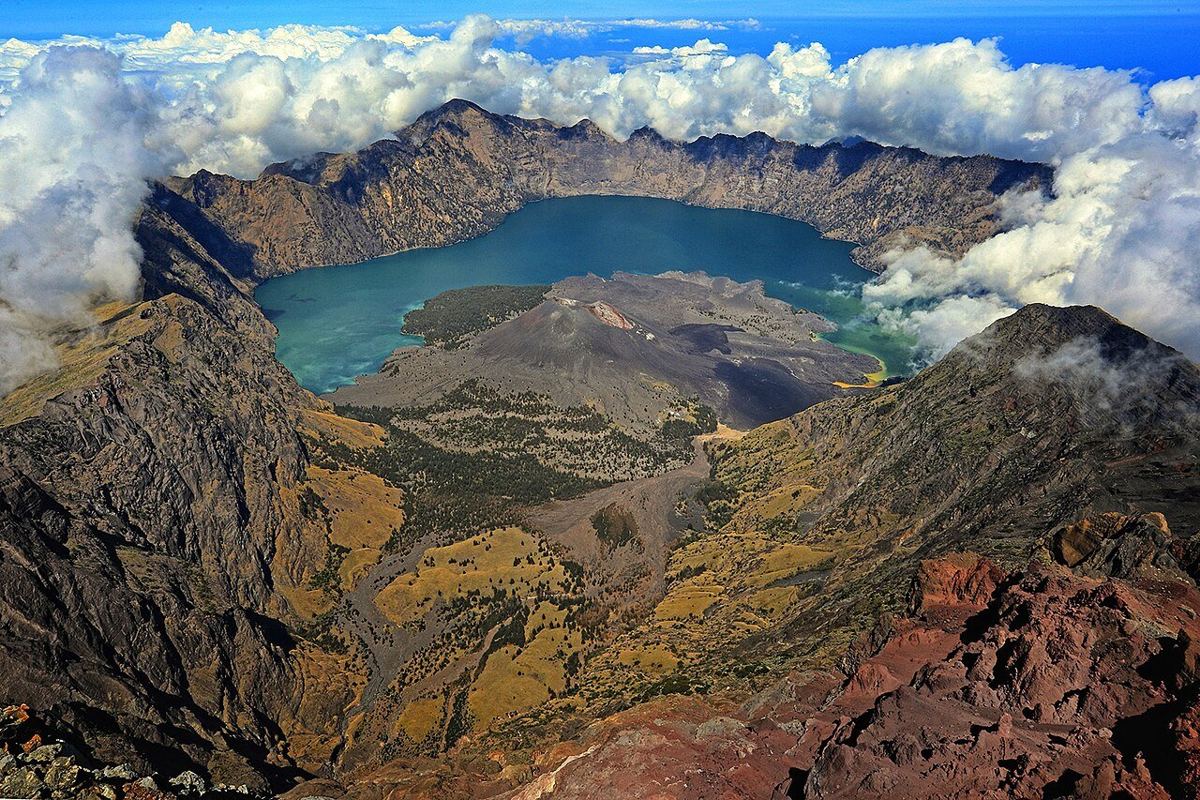
Lake Segara Anak and the Barujari cone, seen from the summit of Mount Rinjani, Lombok.

Indonesia · Island atlas

Lombok

Rinjani’s volcanic highlands rise above forested slopes, rice-growing plains and a deeply indented southern coast. Lombok sits across a major biogeographic boundary from Bali.

12species in the collection
8families represented

Lake Segara Anak and the Barujari cone, seen from the summit of Mount Rinjani, Lombok.

photograph: Arifin Al Alamudi · Image source · CC BY-SA 4.0. Cropped to fill the hero; darkened for text legibility.

Geography & landscape

A sense of Lombok.

The Lombok Strait separates the island from Bali to the west; the Alas Strait separates it from Sumbawa to the east. The southwestern Sekotong Peninsula extends into a coast of bays and offshore islets. Northern Lombok is dominated by Mount Rinjani, rising to 3,726 metres, while lower plains support towns, villages and agriculture. Mataram, on the western side, is the island’s principal urban centre.

Geographic unit
Island
Setting
West Nusa Tenggara · Lesser Sunda Islands
Explore terrain and street maps
Loading the geographic map…

Drag to explore. Use + / − or pinch to zoom. Terrain shows relief and contours; Street map shows detailed coastlines, settlements and roads. Markers locate islands, not snake sightings.

Open larger map

How the land took shape

Geology & relief.

Lombok belongs to the volcanic inner arc of the Lesser Sundas. Its rocks include older volcanic formations and intrusive rocks as well as the younger Rinjani complex. Subduction south of the island built this volcanic landscape. Within Rinjani’s caldera lies Segara Anak, a high-elevation lake beside the younger Barujari cone. The island’s rugged northern relief contrasts with its lower southern hills and coastal plains.

Across the seasons

Climate & vegetation.

Rainfall is seasonal, but elevation and exposure produce substantial local variation. The forested Rinjani slopes differ from the more open, seasonally dry lowlands. Cooler upland conditions, shaded ravines, cultivated plains and tidal shores create a much broader environmental range than the label ‘savanna island’ suggests.

Connections & isolation

Biogeographic setting.

Lombok lies east of the deep Lombok Strait, the Bali–Lombok section of Wallace’s Line. This separation is central to the contrast between the Asian affinities of Bali and the Wallacean fauna farther east. The boundary is a biogeographic pattern, not a rule that every animal group follows in exactly the same way.
Lombok · Environments

Habitats of Lombok.

Explore the environments described for Lombok. Habitat descriptions do not assign every snake in the island list to each setting.

Lowland rainforest

Rainforest survives in the island’s wetter forest landscapes, including lower elevations of the Rinjani system.

Read the habitat guide

Mountain forest

Forested slopes and ravines around Rinjani create an elevational gradient into cooler upland environments.

Read the habitat guide

Seasonal woodland & savanna

Savanna and semi-deciduous vegetation add open and seasonally dry environments to the island’s forest mosaic.

Read the habitat guide

Mangroves & estuaries

Published fieldwork documents mangroves at Sekotong and Lembar, and on the southern coast near Jerowaru and Telong-elong Bay.

Read the habitat guide

Crater lake & freshwater

Segara Anak occupies the Rinjani caldera. Its volcanic lake environment differs from lowland streams, irrigation channels and wetlands.

Coasts & offshore shallows

Bays, beaches and smaller offshore islands frame Lombok’s coastal environments. Coastal and terrestrial species records remain distinct.

Read the habitat guide

Cultivated landscapes

Rice fields, horticulture, villages and plantations form extensive human-shaped lowland habitats alongside the natural vegetation.

Around Lombok

Places in the landscape.

Rinjani & Segara Anak

The volcanic summit, caldera lake and wooded mountain slopes form the island’s defining highland landscape.

Sekotong & Lembar

Southwestern peninsulas and sheltered shorelines include documented mangrove and estuarine environments.

Southern coastal bays

Hills, beaches and cultivated land meet around the island’s southern coast; Jerowaru provides a documented mangrove example.

Read the original scope

Behind the occurrence.

Choose an account recorded in Lombok. Its country-level evidence retains the named islands and qualifications; it is not a record of a sighting at an exact map point.

The shared collection

Snakes recorded here.

Each card opens the same species account used by the country lists. A shared island record does not imply occurrence in all countries sharing that island.

12 records
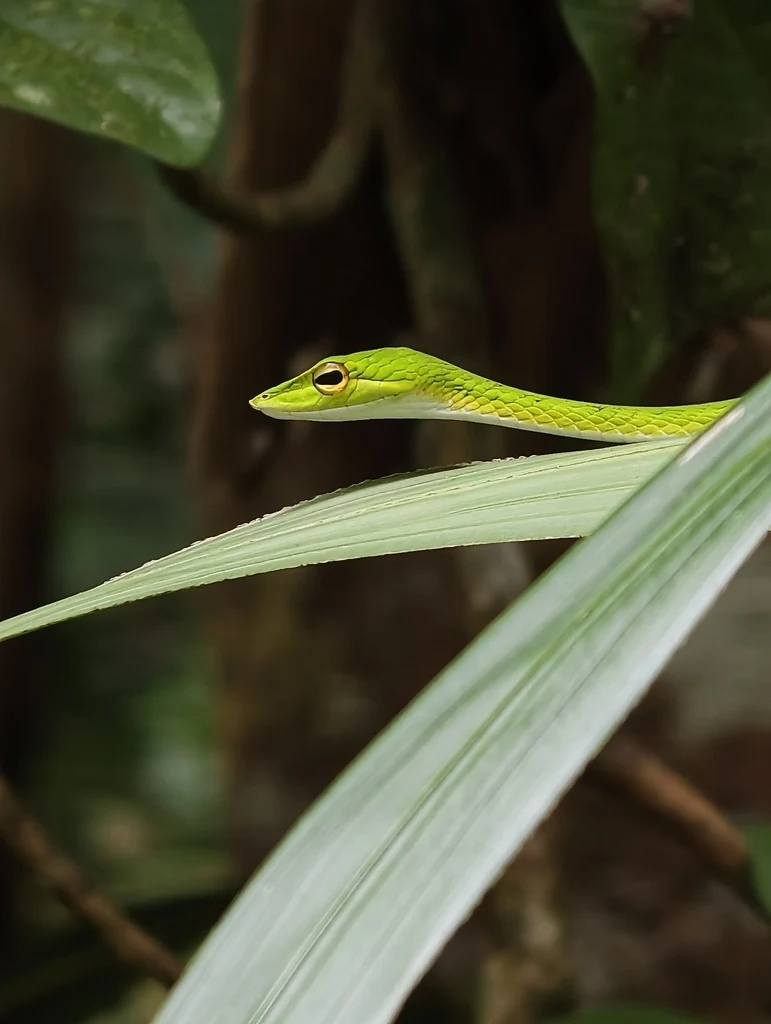
Ahaetulla mycterizans — Singapore, 2026-06-01.001
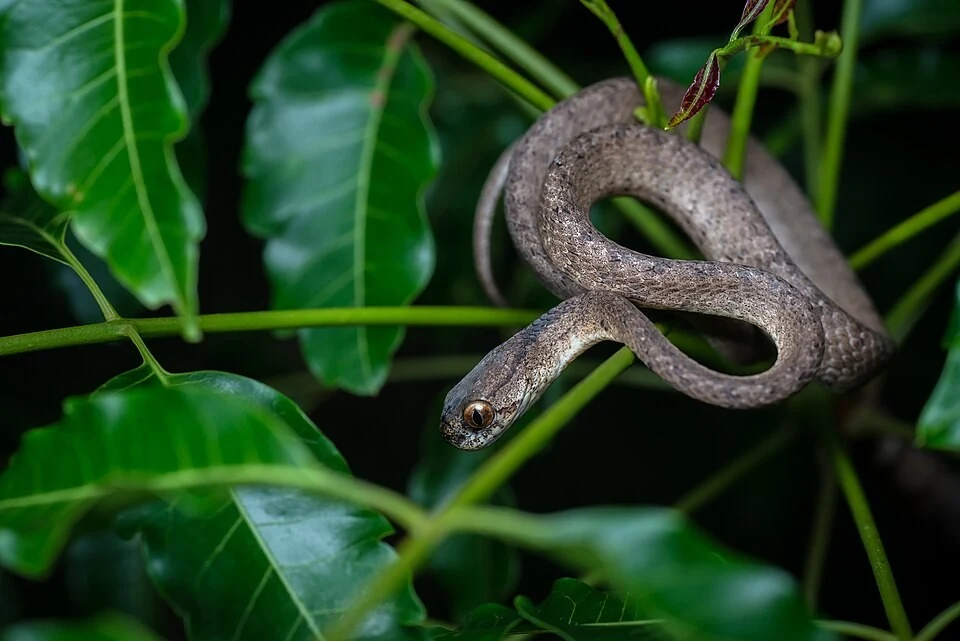
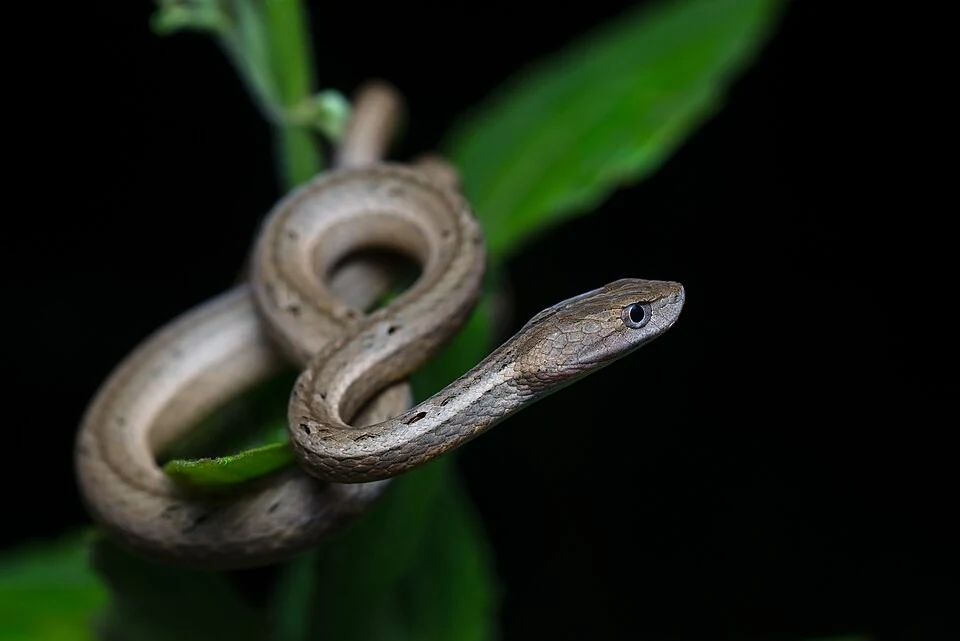
Malayan (Green) Whipsnake

Ahaetulla mycterizans

(LINNAEUS, 1758)

Length
Length not yet addedAtlas entry awaiting completion
Venom status
VenomousClinical severity not established
Malaysia
ColubridaeRead account
Ahaetulla prasina Portrait002
Gunther’s whip snake

Ahaetulla prasina

(BOIE, 1827)

Length
Length not yet addedAtlas entry awaiting completion
Venom status
VenomousClinical severity not established
BorneoMalaysia
ColubridaeRead account
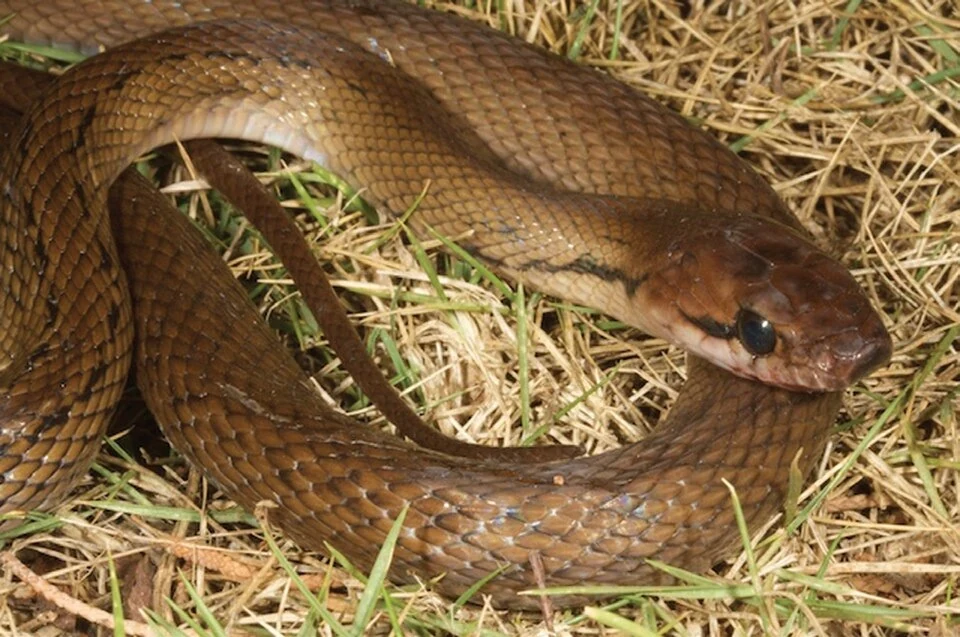
Coelognathus subradiatus — male voucher USNM 573676 from Baucau town, Timor-Leste (Kaiser et al. 2011).003
Lesser Sunda Rat Snake

Coelognathus subradiatus

(SCHLEGEL, 1837)

Length
Length not yet addedAtlas entry awaiting completion
Venom status
Venom unknownNot yet assessed
ColubridaeRead account
Image not yet added
004
Island Pipe Snake

Cylindrophis opisthorhodus

BOULENGER, 1897

Length
Length not yet addedAtlas entry awaiting completion
Venom status
Non-venomous
CylindrophiidaeRead account
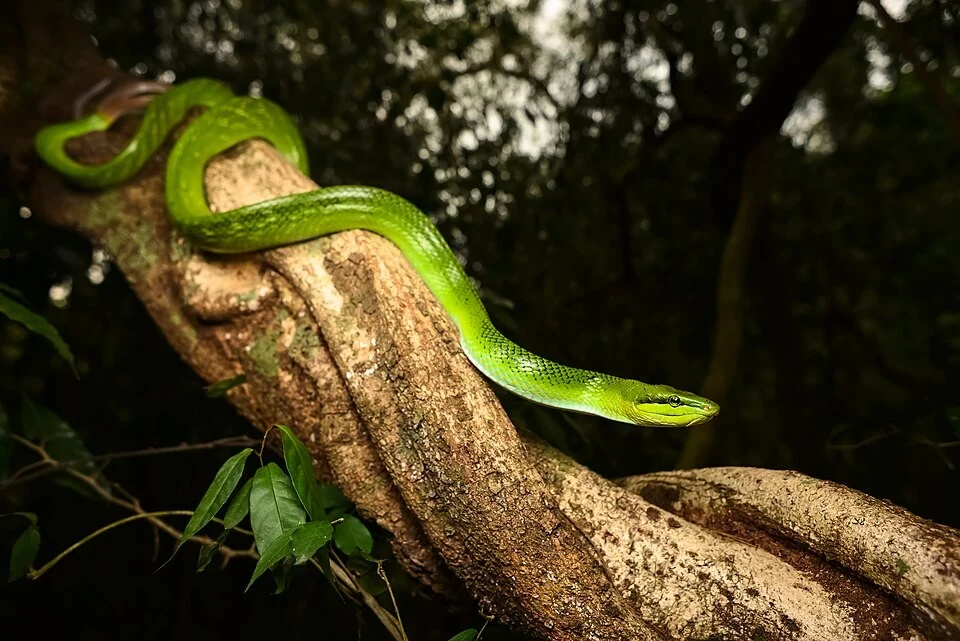
Gonyosoma oxycephalum — real specimen photograph; identification follows the linked source.005
Red-tailed Green Ratsnake

Gonyosoma oxycephalum

(BOIE, 1827)

Length
Length not yet addedAtlas entry awaiting completion
Venom status
Non-venomous
BorneoMalaysia
ColubridaeRead account
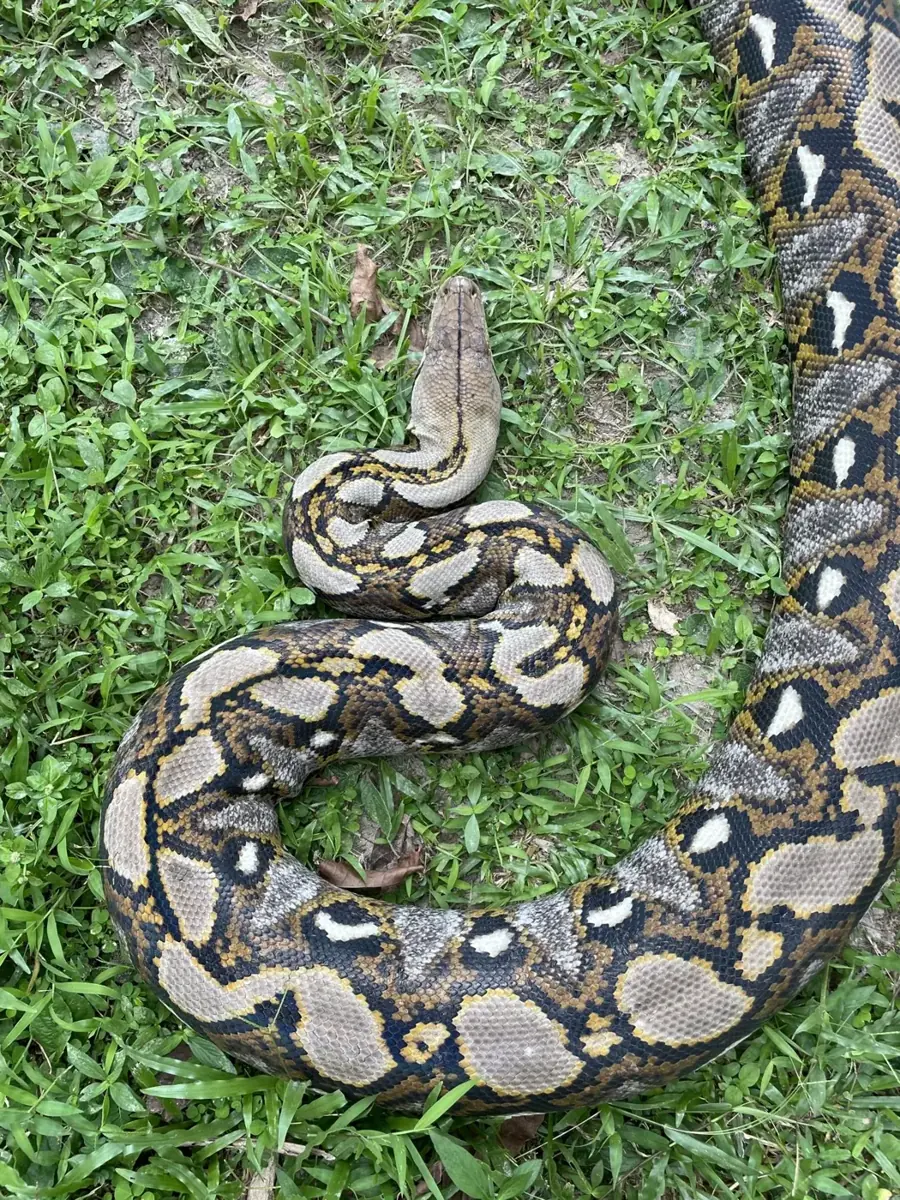
Malayopython reticulatus — photographed on Ko Pha-ngan, Thailand.006
Reticulated Python

Malayopython reticulatus

(SCHNEIDER, 1801)

Length
Length not yet addedAtlas entry awaiting completion
Venom status
Non-venomous
BorneoMalaysia
PythonidaeRead account
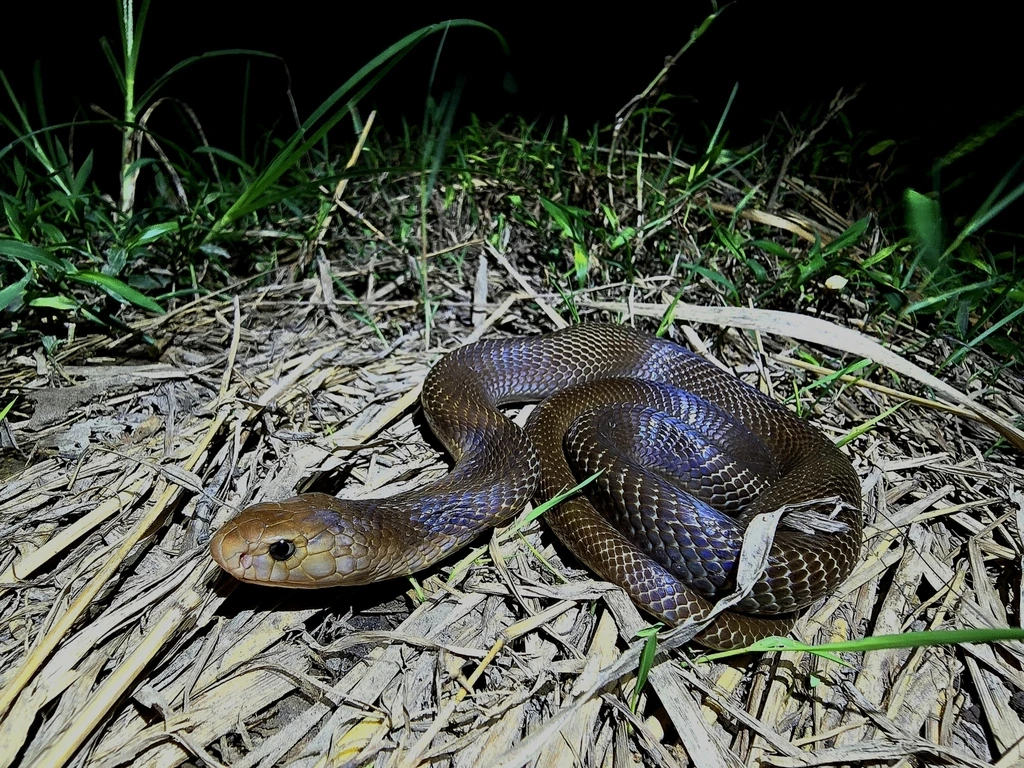
Naja sputatrix. Photographed alive. Source community identification; no new geographic occurrence record is inferred.007
Indonesian Cobra

Naja sputatrix

BOIE, 1827

Length
Length not yet addedAtlas entry awaiting completion
Venom status
VenomousClinical severity not established
ElapidaeRead account
Pareas carinatus — real specimen photograph; identification follows the linked source.008
Keeled Slug Snake

Pareas carinatus

WAGLER, 1830

Length
Length not yet addedAtlas entry awaiting completion
Venom status
Non-venomous
Malaysia
PareidaeRead account
Psammodynastes pulverulentus — real specimen photograph; identification follows the linked source.009
Common Mock Viper

Psammodynastes pulverulentus

(BOIE, 1827)

Length
Length not yet addedAtlas entry awaiting completion
Venom status
VenomousClinical severity not established
BorneoMalaysia
PsammodynastidaeRead account
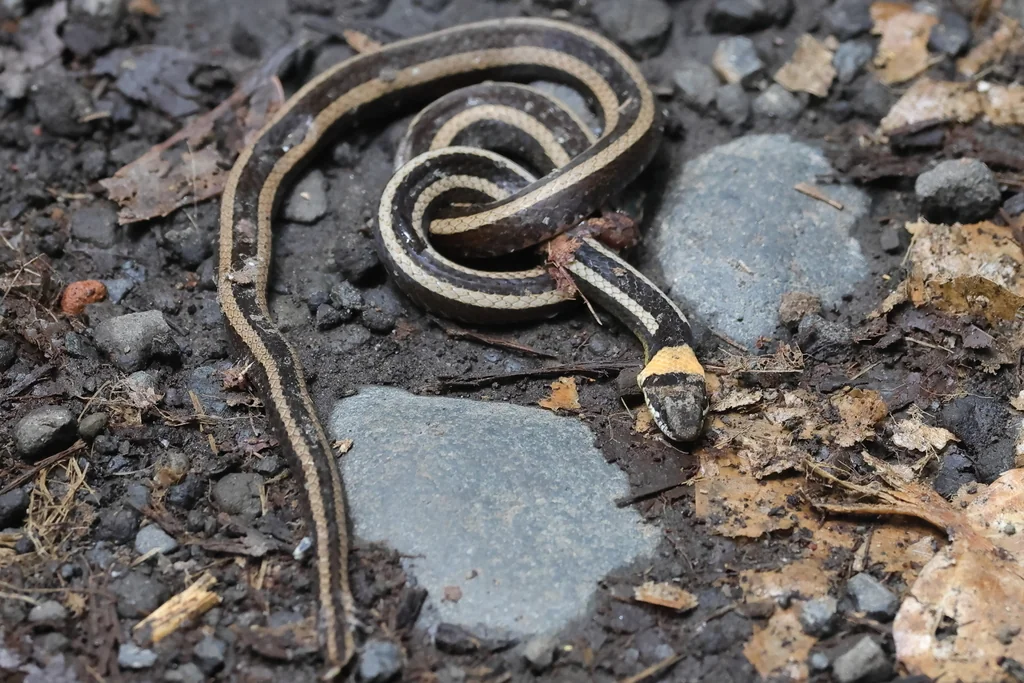
Sibynophis geminatus on leaf litter in Alas Purwo National Park, East Java, Indonesia.010
Boie's Many-tooth Snake

Sibynophis geminatus

(BOIE, 1826)

Length
Length not yet addedAtlas entry awaiting completion
Venom status
Non-venomous
BorneoMalaysia
ColubridaeRead account
Image not yet added
011
Lesser Sunda Blindsnake

Sundatyphlops polygrammicus

(SCHLEGEL, 1839)

Length
Length not yet addedAtlas entry awaiting completion
Venom status
Non-venomous
TyphlopidaeRead account
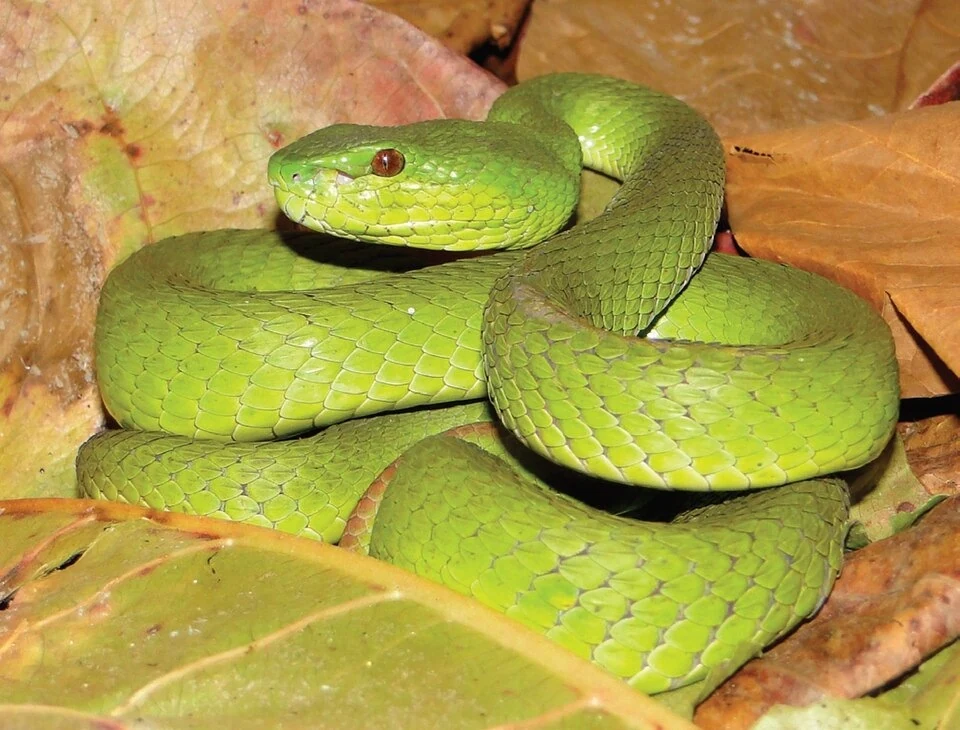
Trimeresurus insularis — female voucher USNM [CMD 594] from the Lake Iralalaro floodplain, Lautem, Timor-Leste (Kaiser et al. 2011).012
White-lipped island pitviper

Trimeresurus insularis

KRAMER, 1977

Length
Length not yet addedAtlas entry awaiting completion
Venom status
VenomousClinical severity not established
ViperidaeRead account

Further reading · Checked 7 October 2026

Geographic sources.

Species-specific distribution evidence appears above and in each linked account.