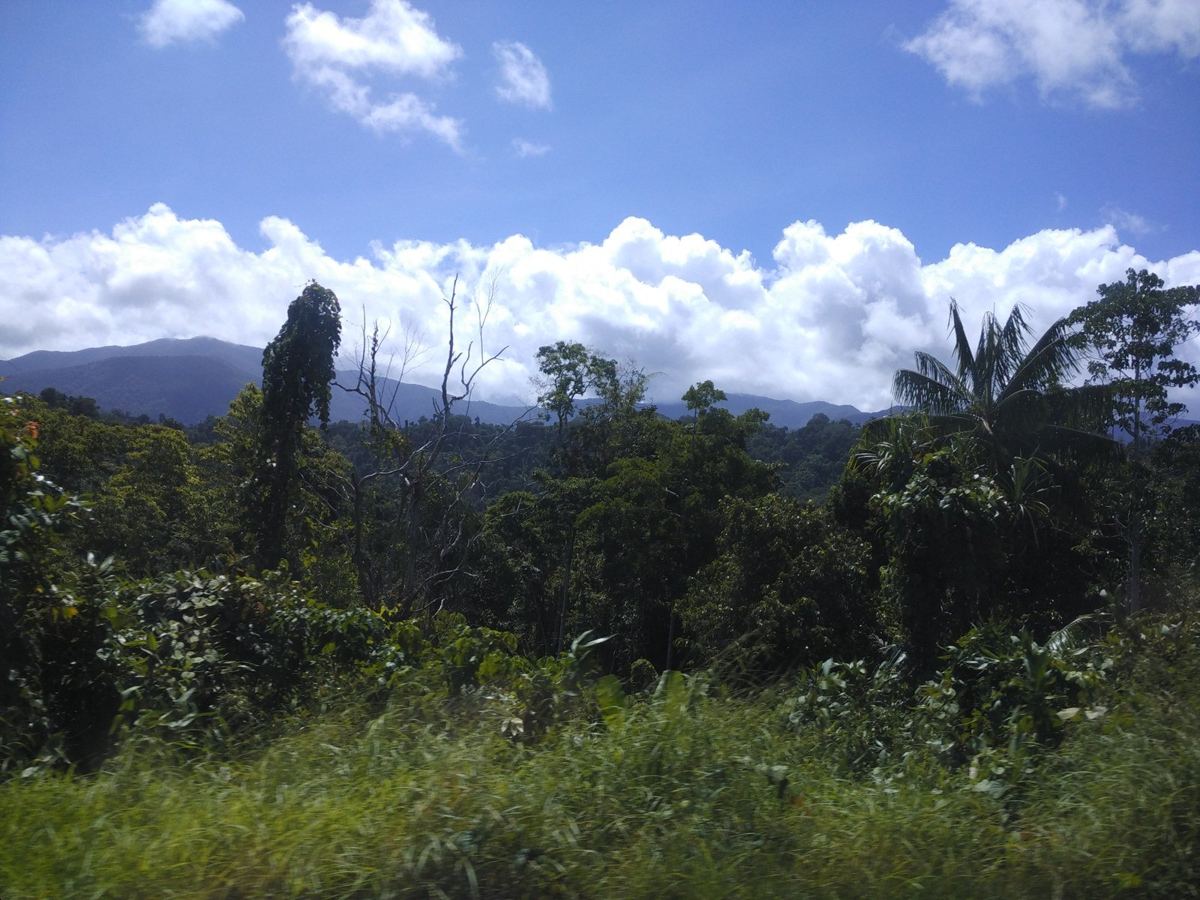
Aketajawe-Lolobata National Park near Buli, East Halmahera

Indonesia · Island atlas

Halmahera

Halmahera spreads into long peninsulas around deep bays. Volcanic mountains in the west, older rocks in the eastern arms and extensive forested interiors make this a far more varied island than its compact neighbours Ternate and Tidore.

16species in the collection
7families represented

Aketajawe-Lolobata National Park near Buli, East Halmahera

landscape: Akbar raf · Image source · CC BY-SA 4.0. Cropped to fill the hero; darkened for text legibility.

Geography & landscape

A sense of Halmahera.

The island’s branching outline encloses Kao and Weda bays, with narrow necks linking broad peninsulas. Morotai lies beyond the northern end. Sofifi occupies the western coast opposite Tidore; Tobelo is farther north, while Buli and Maba face the eastern side.

Geographic unit
Island
Setting
North Maluku, between the Molucca Sea and Pacific
Explore terrain and street maps
Loading the geographic map…

Drag to explore. Use + / − or pinch to zoom. Terrain shows relief and contours; Street map shows detailed coastlines, settlements and roads. Markers locate islands, not snake sightings.

Open larger map

How the land took shape

Geology & relief.

Halmahera combines distinct geological provinces. The western trunk includes volcanic and sedimentary formations; the eastern arms expose older intrusive and ultramafic rocks alongside limestone and other sediments. Subduction and collision have assembled these different terrains. A volcanic photograph from the north therefore represents only part of the island’s geology.
Across the seasons

Climate & vegetation.

Its equatorial position supports generally warm, humid conditions, but long peninsulas, bays and mountain barriers create local rainfall differences. Southern rain shadows and unusual soils influence vegetation in some places. High ground is cooler than the coast, and river valleys link these contrasting environments.

Connections & isolation

Biogeographic setting.

Halmahera is a major centre of northern Maluku endemism. The standardwing bird-of-paradise and distinctive parrots exemplify a fauna shaped by isolation and arrivals from surrounding regions. Aketajawe–Lolobata National Park protects two separate forest blocks rather than one continuous strip across the island.

Halmahera · Environments

Habitats of Halmahera.

Explore the environments described for Halmahera. Habitat descriptions do not assign every snake in the island list to each setting.

Lowland and hill forest

Native forests occur across the island, but coastal cultivation, logging and mining have altered many accessible areas. Forest quality and continuity vary greatly between districts.

Read the habitat guide

Upland forest

Higher terrain includes cooler forest habitats, represented within the separated Aketajawe and Lolobata park blocks.

Read the habitat guide

Ultramafic forest and scrub

Research at Weda Bay records both forest and open maquis on metal-rich ultramafic soils, including habitat of the local pitcher plant Nepenthes weda.

Read the habitat guide

Weda Bay mangroves

Field surveys document tidal forest around Weda Bay, including estuarine and riverine stands whose vegetation varies with water and sediment conditions.

Read the habitat guide

Bays and coastal waters

The branching coast forms deep bays, narrow peninsulas and river mouths, with settled shores facing several different marine exposures.

Read the habitat guide

Cultivated lowlands

Food crops and plantations occupy coastal plains such as the Maba area; these agricultural landscapes contrast with the steep forested interior.

Around Halmahera

Places in the landscape.

Aketajawe–Lolobata

The national park’s two blocks protect important parts of the island’s forest landscape.

Weda Bay

A major indentation on the southern side of the island’s branching centre.

Kao Bay

This broad bay lies between northern peninsulas and helps explain Halmahera’s distinctive outline.

Read the original scope

Behind the occurrence.

Choose an account recorded in Halmahera. Its country-level evidence retains the named islands and qualifications; it is not a record of a sighting at an exact map point.

The shared collection

Snakes recorded here.

Each card opens the same species account used by the country lists. A shared island record does not imply occurrence in all countries sharing that island.

16 records
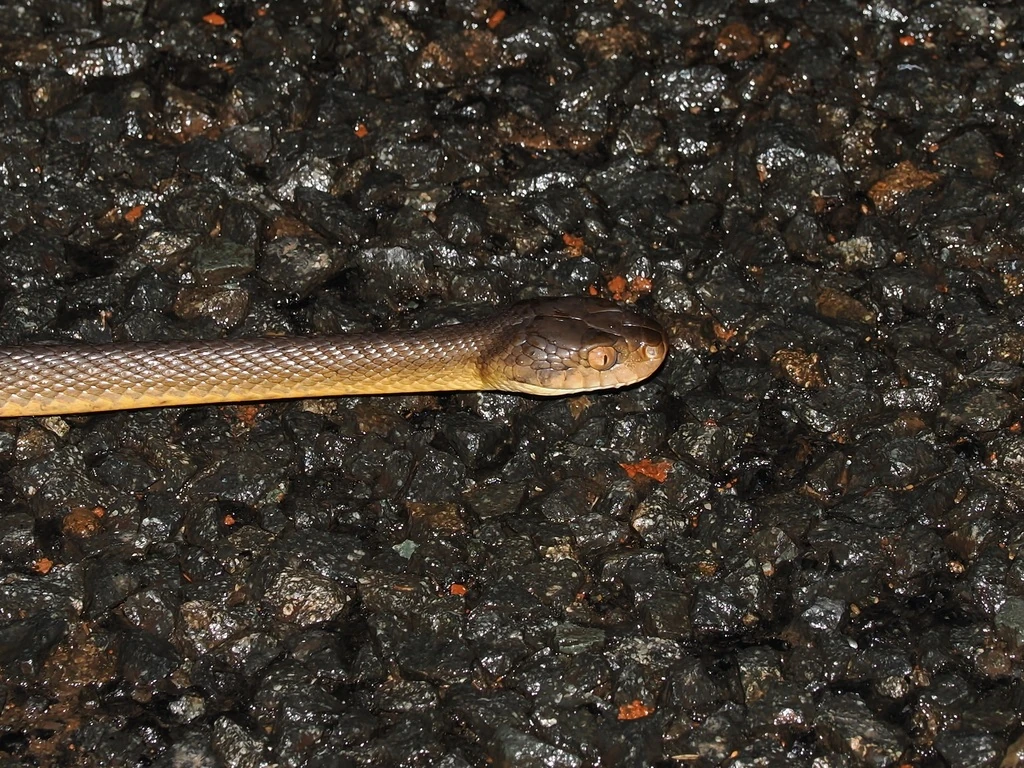
Boiga irregularis photographed in Australia. Identification follows the source community.001
Brown catsnake

Boiga irregularis

(BECHSTEIN, 1802)

Length
Length not yet addedAtlas entry awaiting completion
Venom status
VenomousPotentially life-threatening
ColubridaeRead account
Image not yet added
002
Halmahera Short-tailed Snake

Brachyorrhos wallacei

MURPHY, MUMPUNI, DE LANG, GOWER & SANDERS, 2012

Length
Length not yet addedAtlas entry awaiting completion
Venom status
Venom unknownNot yet assessed
HomalopsidaeRead account
Living animal photographed in the Talaud Islands, Indonesia, on 27 November 2015; observation identified as the subspecies Candoia paulsoni tasmai.003
Solomon Island Ground boa

Candoia paulsoni

(STULL, 1956)

Length
Length not yet addedAtlas entry awaiting completion
Venom status
Non-venomous
BoidaeRead account
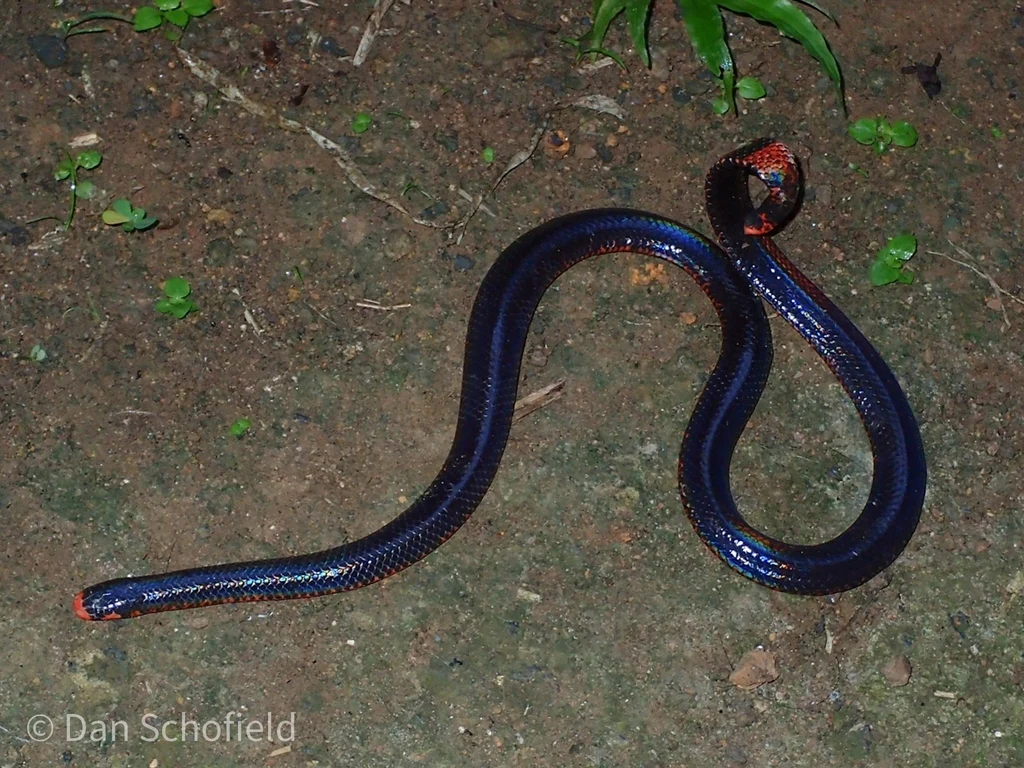
Cylindrophis melanotus. Whole individual displaying a raised tail; source watermark preserved. Original observation dated 2020-07-19. Photograph identification follows the cited observation; it adds no geographic occurrence record.004
Black Pipe Snake

Cylindrophis melanotus

WAGLER, 1828

Length
Length not yet addedAtlas entry awaiting completion
Venom status
Non-venomous
CylindrophiidaeRead account
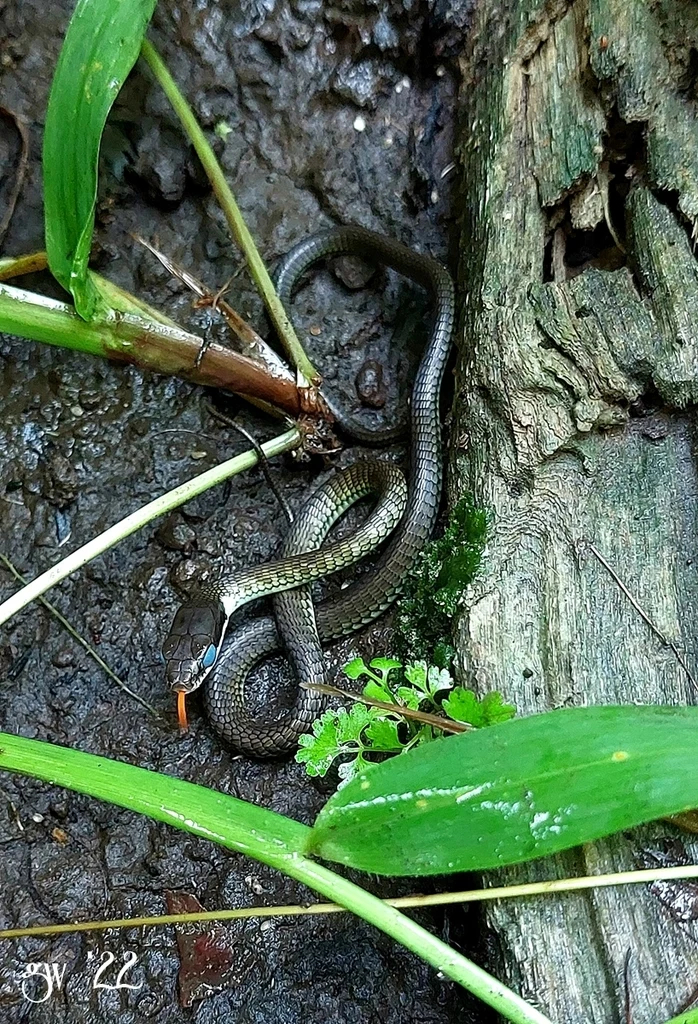
Dendrelaphis modestus. Coiled individual photographed beside a tree; source discussion confirms the current species treatment. Original observation dated 2022-11-05. Photograph identification follows the cited observation; it adds no geographic occurrence record.005
Gray Bronzeback

Dendrelaphis modestus

BOULENGER, 1894

Length
Length not yet addedAtlas entry awaiting completion
Venom status
Non-venomous
ColubridaeRead account
Image not yet added
006

Gerrhopilus suturalis

(BRONGERSMA, 1934)

Length
Length not yet addedAtlas entry awaiting completion
Venom status
Non-venomous
GerrhopilidaeRead account
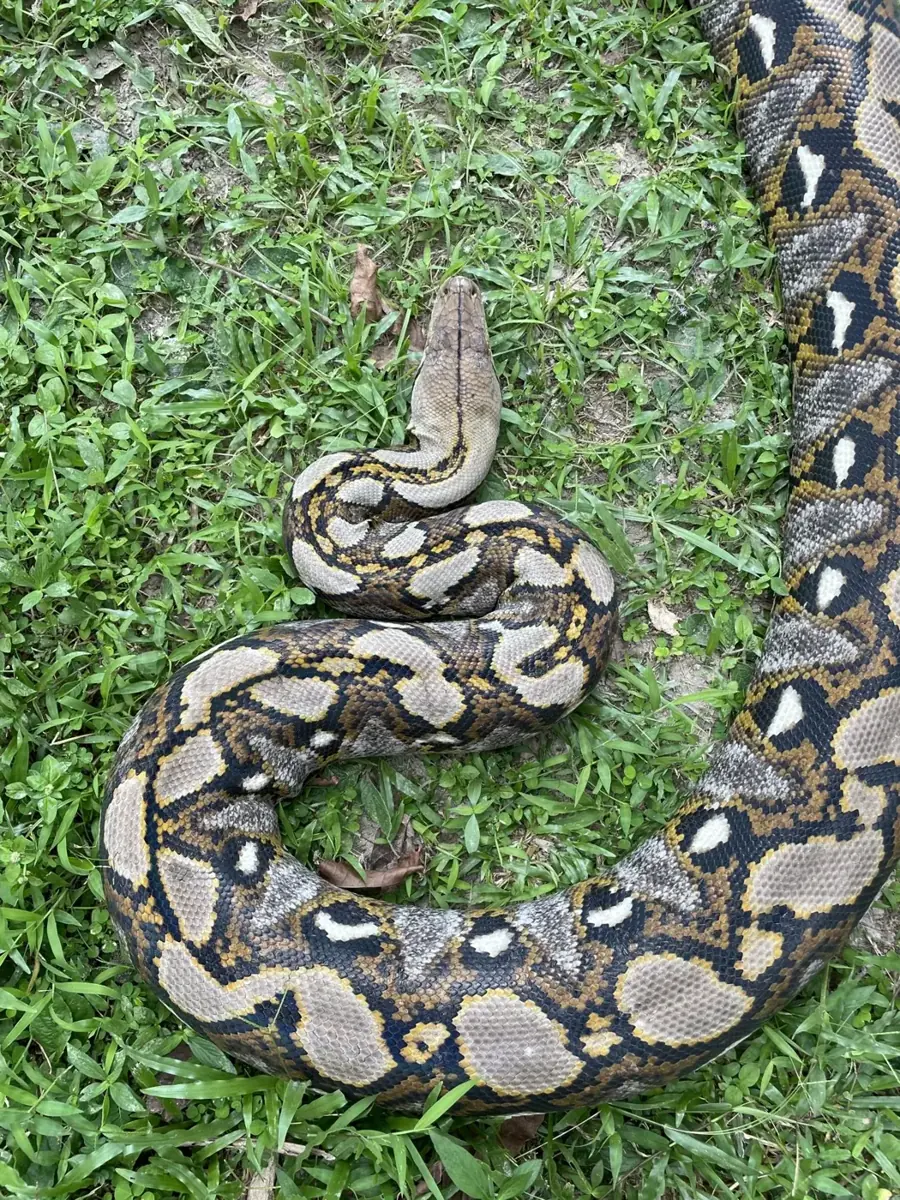
Malayopython reticulatus — photographed on Ko Pha-ngan, Thailand.007
Reticulated Python

Malayopython reticulatus

(SCHNEIDER, 1801)

Length
Length not yet addedAtlas entry awaiting completion
Venom status
Non-venomous
BorneoMalaysia
PythonidaeRead account
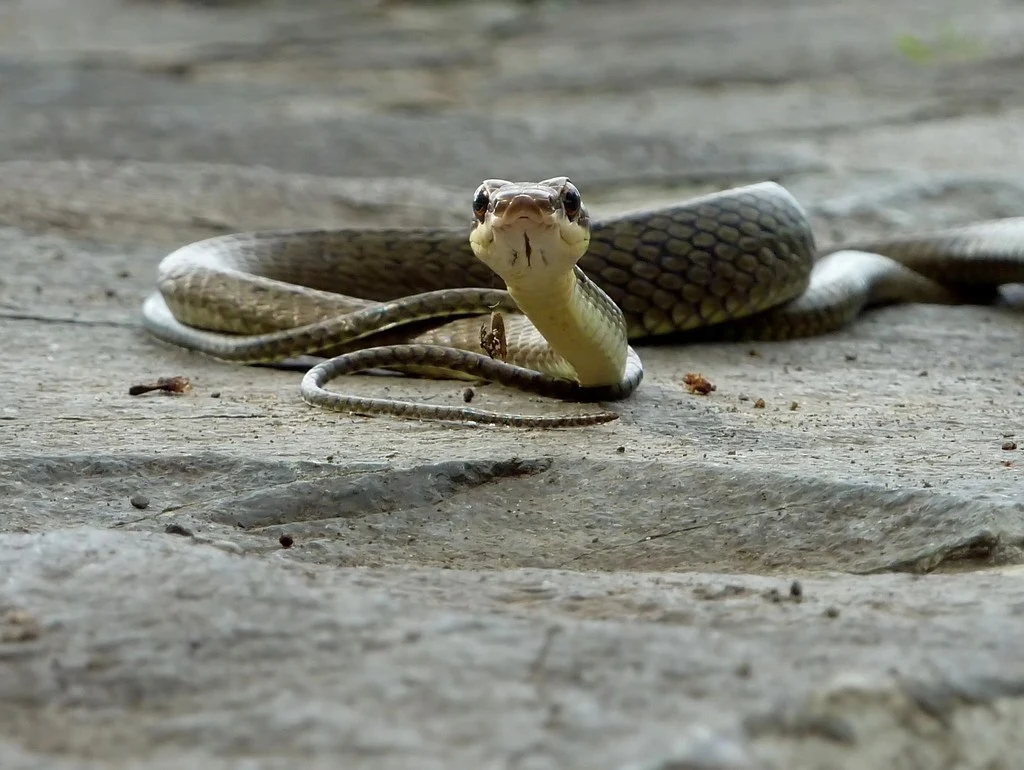
Ptyas dipsas. Coiled individual photographed on a hard surface. Original observation dated 2011-12-28. Photograph identification follows the cited observation; it adds no geographic occurrence record.008
Sulawesi Black Racer

Ptyas dipsas

(SCHLEGEL, 1837)

Length
Length not yet addedAtlas entry awaiting completion
Venom status
Venom unknownNot yet assessed
ColubridaeRead account
Image not yet added
009

Ramphotyphlops depressus

PETERS, 1880

Length
Length not yet addedAtlas entry awaiting completion
Venom status
Non-venomous
TyphlopidaeRead account
Image not yet added
010
Yellow-bellied blindsnake

Ramphotyphlops flaviventer

(PETERS, 1864)

Length
Length not yet addedAtlas entry awaiting completion
Venom status
Non-venomous
TyphlopidaeRead account
Image not yet added
011
Halmahera Python

Simalia tracyae

(HARVEY, BARKER, AMMERMAN & CHIPPINDALE, 2000)

Length
Length not yet addedAtlas entry awaiting completion
Venom status
Non-venomous
PythonidaeRead account
Image not yet added
012
Bacan Island groundsnake

Stegonotus batjanensis

(GÜNTHER, 1865)

Length
Length not yet addedAtlas entry awaiting completion
Venom status
Venom unknownNot yet assessed
ColubridaeRead account
Image not yet added
013
Moluccan keelback

Tropidonophis elongatus

(JAN, 1865)

Length
Length not yet addedAtlas entry awaiting completion
Venom status
Venom unknownNot yet assessed
ColubridaeRead account
Image not yet added
014

Tropidonophis halmahericus

(BOETTGER, 1895)

Length
Length not yet addedAtlas entry awaiting completion
Venom status
Venom unknownNot yet assessed
ColubridaeRead account
Image not yet added
015
Halmahera Keelback

Tropidonophis punctiventris

(BOETTGER, 1895)

Length
Length not yet addedAtlas entry awaiting completion
Venom status
Venom unknownNot yet assessed
ColubridaeRead account
Image not yet added
016

Tropidonophis truncatus

(PETERS, 1863)

Length
Length not yet addedAtlas entry awaiting completion
Venom status
Venom unknownNot yet assessed
ColubridaeRead account

Further reading · Checked 7 October 2026

Geographic sources.

Species-specific distribution evidence appears above and in each linked account.