Island atlas · Landscapes & species
Catanduanes
4 species records name Catanduanes. Explore their natural history, taxonomic history and distribution sources.
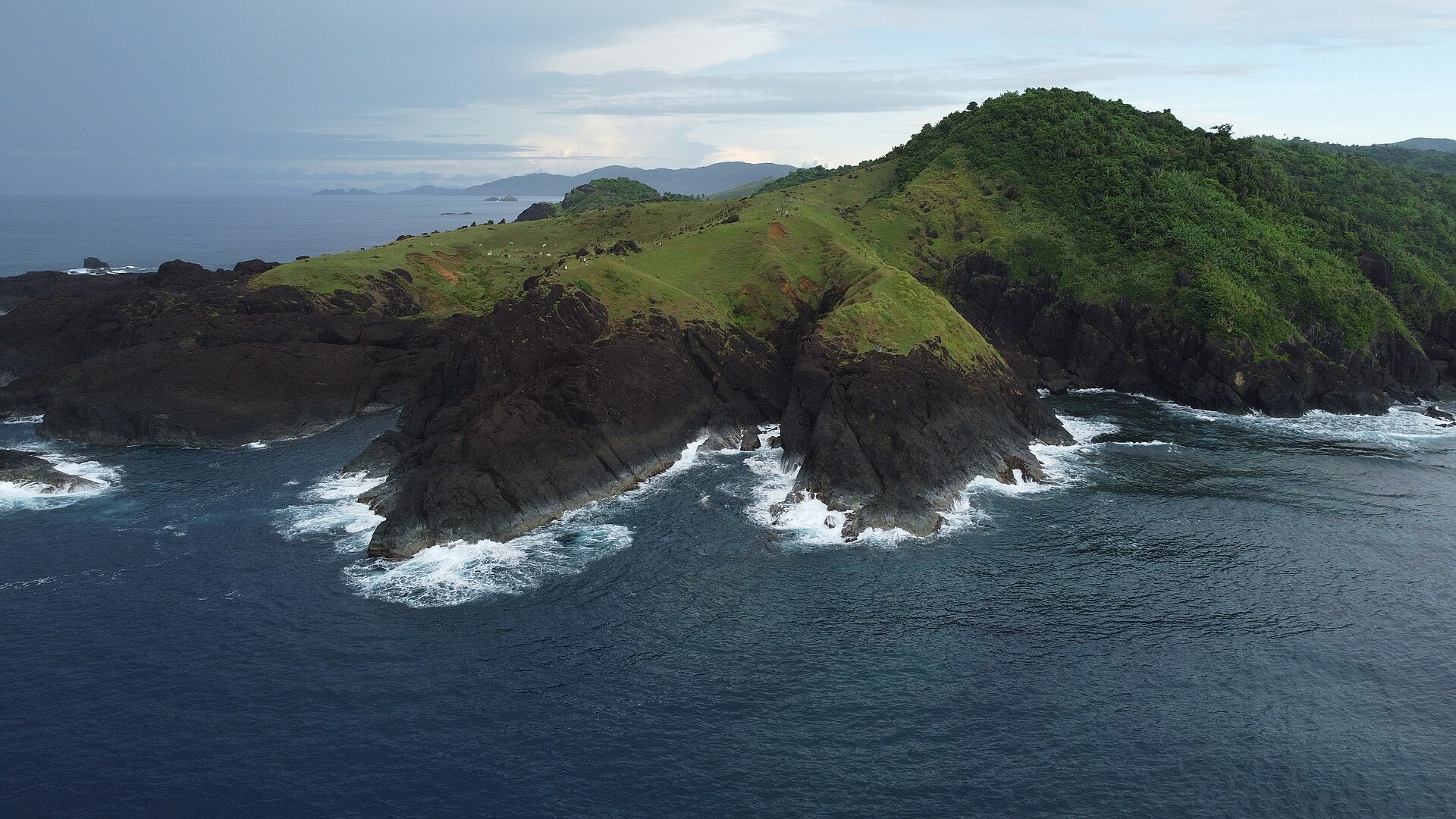
Coastal headlands at Binurong Point, Catanduanes.
Photo: FroyAgta · Original photograph · CC BY-SA 4.0. Displayed to fit the frame.
Beyond the species list
A sense of place.
Catanduanes lies east of Camarines Sur, separated from the Bicol Peninsula by the Maqueda Channel. It forms the main island of a province that also includes smaller offshore islands and rocks.
Landscape & habitats
Binurong Point shows the island’s coastal character particularly well: green headlands, steep slopes and exposed rocky edges meet the sea. These coastal landforms provide a useful sense of place alongside the island’s broader inland terrain.
Geographic sources
Geographic overview checked 7 October 2026. The photograph illustrates a landscape, not a snake observation.
Islands, barriers & evolution
Zoogeography
The eastern margin of Greater Luzon
Catanduanes is included in the Greater Luzon Pleistocene island complex, together with Luzon, Polillo and Marinduque. This historical grouping connects its zoogeography to Luzon despite the sea that separates them today.
Research on Philippine forest birds shows why a shared island complex is only a starting point: populations can develop distinct histories within a region. The same question needs to be tested separately for each reptile lineage, using actual island records and evolutionary evidence.
How to read the historical island groups
During Pleistocene glacial periods, lower sea levels exposed shallow seabeds and joined some present-day islands. Biogeographers call these reconstructed landmasses Pleistocene Aggregate Island Complexes (PAICs). Deep channels continued to separate others. This model helps explain regional similarities, but dispersal, older geology and habitat differences also shaped each fauna.
“Endemic” means restricted to a stated area; a Philippine endemic need not be confined to one island. The account above summarises published regional and local research. It does not add occurrences to the snake index below.
Regional framework: Meneses et al. (2024) ↗Zoogeographic sources · 2
- Sánchez-González, Hosner & Moyle (2015) · Genetic differentiation in Philippine lowland forest birds ↗Greater Luzon and Negros–Panay island membership; bird evidence illustrates variation within regions, not snake occurrences.
- Meneses et al. (2024) · Philippine herpetology, 20 years on ↗Regional framework, Fig. 1; isolation and research gaps. Open-access review, CC0.
Literature checked 7 October 2026. Survey results refer to the dates and areas studied.
Source-backed index
4 species
These are explicit source mentions, not a complete island richness estimate. Fine localities and habitat associations remain separate evidence claims.
Cerberus schneiderii
(SCHLEGEL 1837)
Dendrelaphis marenae
VOGEL & VAN ROOIJEN 2008
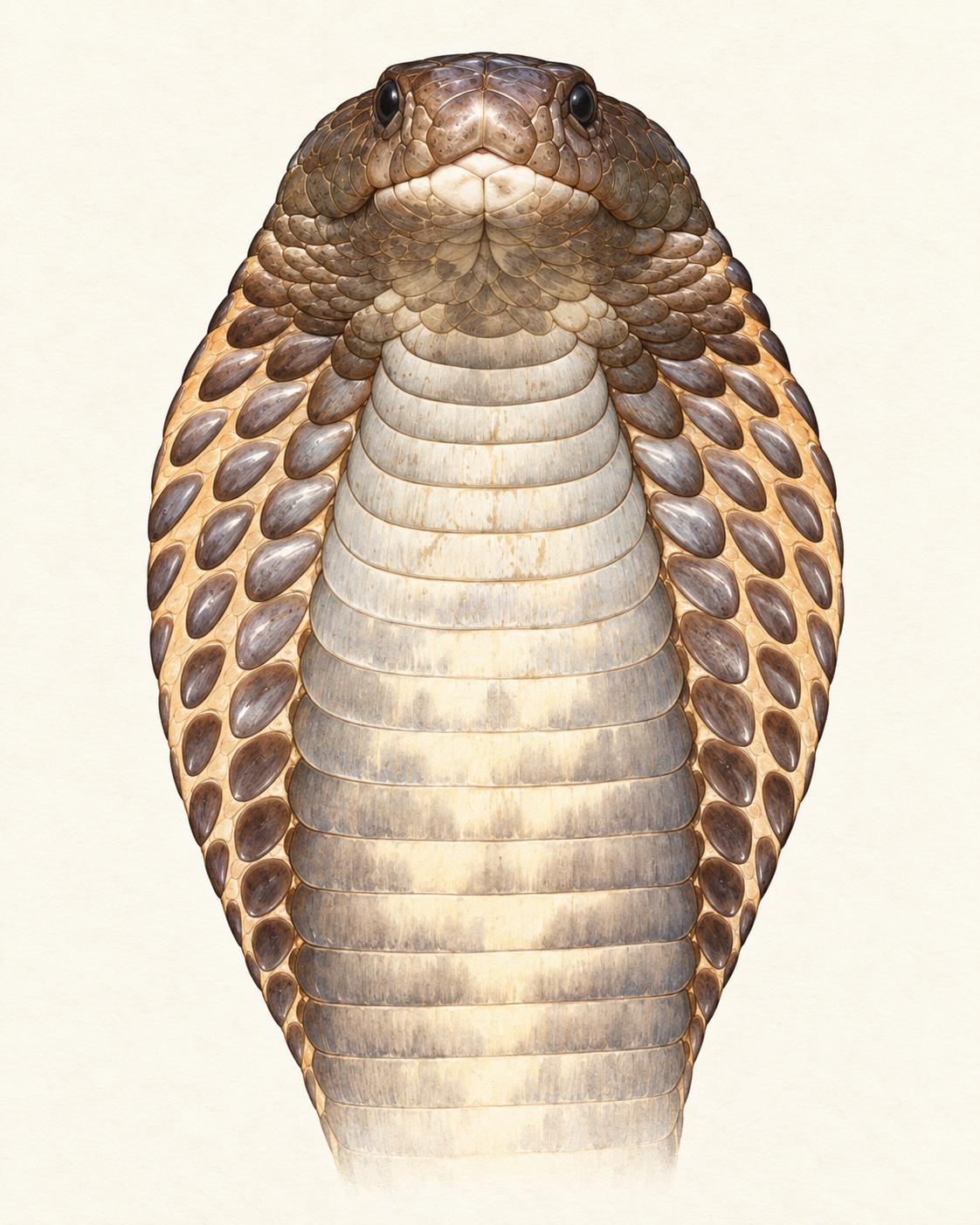
Naja philippinensis
TAYLOR 1922
Trimeresurus flavomaculatus
(GRAY 1842)
A source naming Catanduanes does not establish occurrence in every municipality, protected area, or habitat on the island.