Island atlas · Landscapes & species
Busuanga
8 species records name Busuanga. Explore their natural history, taxonomic history and distribution sources.
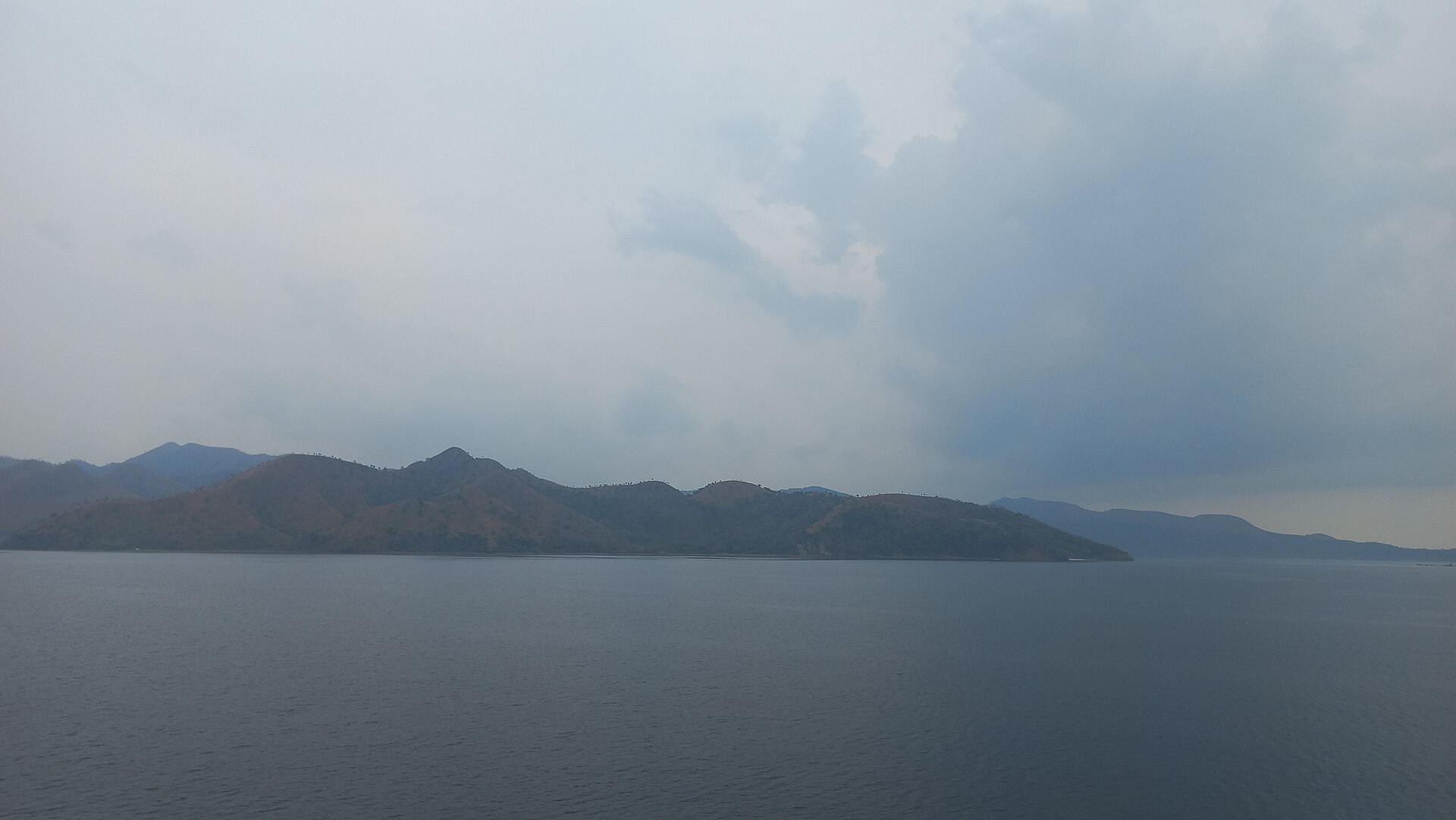
The eastern coast of Busuanga, viewed from the sea.
Photo: Paul Christian B. Yang-ed · Original photograph · CC0. Displayed to fit the frame.
Beyond the species list
A sense of place.
Busuanga is the largest of the Calamian Islands, between Mindoro and the main island of Palawan. The South China Sea lies to its west and the Sulu Sea to its southeast. Coron and Culion lie to the south.
Landscape & habitats
Mountain ranges and intervening valleys structure the island’s interior. Its geology includes chert, a hard silica-rich rock, which helps distinguish Busuanga’s terrain from the famous limestone cliffs of neighbouring Coron. The sea view above shows its coastal relief.
Coron town is on Busuanga. It should not be confused with the separate island of Coron.
Geographic sources
Geographic overview checked 7 October 2026. The photograph illustrates a landscape, not a snake observation.
Islands, barriers & evolution
Zoogeography
The northern Palawan faunal region
Busuanga is part of the Calamian group within the wider Palawan faunal region. The shallow banks around these islands contrast with deeper channels separating major Philippine faunal regions.
Palawan-region animals include lineages related to the Sunda Shelf as well as to the oceanic Philippines. This is regional context; the history and fauna of the main island of Palawan should not simply be copied onto Busuanga. Museum labels naming Coron town also require care because that town is on Busuanga.
How to read the historical island groups
During Pleistocene glacial periods, lower sea levels exposed shallow seabeds and joined some present-day islands. Biogeographers call these reconstructed landmasses Pleistocene Aggregate Island Complexes (PAICs). Deep channels continued to separate others. This model helps explain regional similarities, but dispersal, older geology and habitat differences also shaped each fauna.
“Endemic” means restricted to a stated area; a Philippine endemic need not be confined to one island. The account above summarises published regional and local research. It does not add occurrences to the snake index below.
Regional framework: Meneses et al. (2024) ↗Zoogeographic sources · 2
- Esselstyn et al. (2010) · Biogeographic patterns along Huxley’s modification of Wallace’s Line ↗Comparative evidence from terrestrial vertebrates; Palawan as a transition rather than a simple extension of Borneo.
- Meneses et al. (2024) · Philippine herpetology, 20 years on ↗Regional framework, Fig. 1; isolation and research gaps. Open-access review, CC0.
Literature checked 7 October 2026. Survey results refer to the dates and areas studied.
Source-backed index
8 species
These are explicit source mentions, not a complete island richness estimate. Fine localities and habitat associations remain separate evidence claims.
Coelognathus philippinus
(GRIFFIN 1909)
Dendrelaphis marenae
VOGEL & VAN ROOIJEN 2008
Liopeltis philippina
(BOETTGER 1897)
Oligodon notospilus
GÜNTHER 1873
Oligodon perkinsi
(TAYLOR 1925)
Psammodynastes pulverulentus
(BOIE 1827)
Rhabdophis chrysargos
(SCHLEGEL 1837)
Sibynophis bivittatus
(BOULENGER 1894)
A source naming Busuanga does not establish occurrence in every municipality, protected area, or habitat on the island.