Land & water
The delta’s river network passes through extensive cultivated lowlands, freshwater wetlands and coastal mangroves. Salinity and flooding vary across the transition from inland water to the sea.
Vietnam · Regional field guide
Distributaries, floodplains and wetlands spread across the southern end of the Mekong basin.
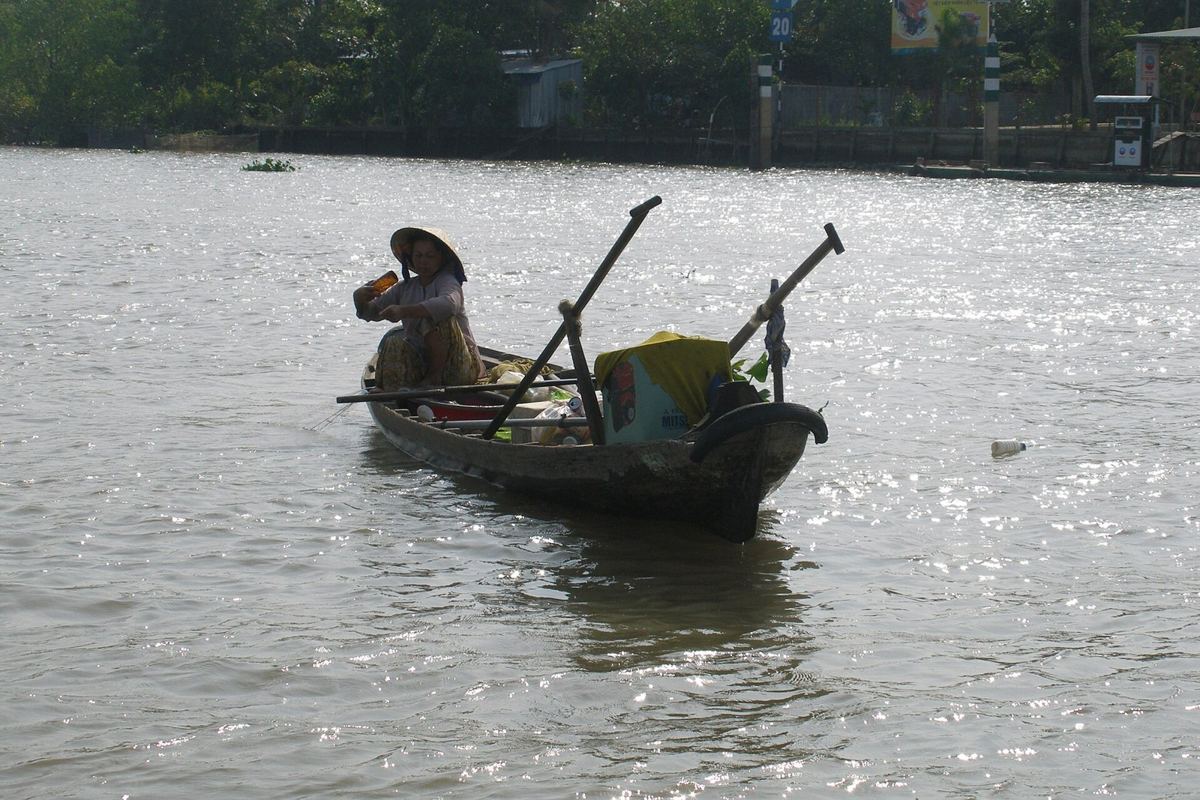
A river at Phong Dien in the Mekong Delta, southern Vietnam.
Geography & biotopes
Distributaries, floodplains and wetlands spread across the southern end of the Mekong basin.
The delta’s river network passes through extensive cultivated lowlands, freshwater wetlands and coastal mangroves. Salinity and flooding vary across the transition from inland water to the sea.
Mud snakes and other aquatic species are a natural focus of the delta literature. Records from freshwater, brackish margins and marine waters should not be treated as interchangeable.
Phong Dien provides a river-landscape reference. Published locality names remain visible so users can trace how a species entered this regional collection.
Long An · Tien Giang · Ben Tre · Tra Vinh · Vinh Long · Dong Thap · An Giang · Kien Giang · Can Tho · Hau Giang · Soc Trang · Bac Lieu · Ca Mau
These are geographic groupings of historical provincial areas used to interpret the literature. They do not represent current administrative divisions.
Habitats & living landscapes
Explore 6 guides to the environments, places and conservation pressures that shape this country. Each guide connects to the regional map and shared species accounts.
Habitat · 01
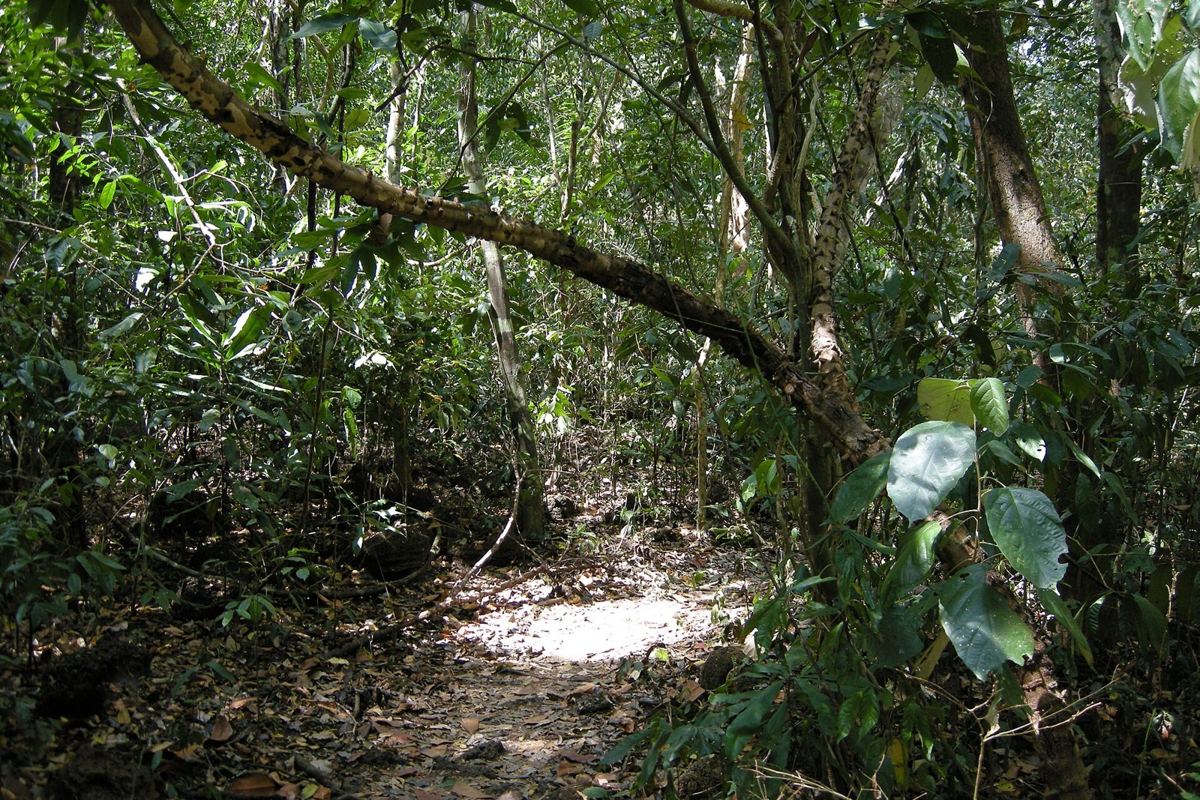
Vietnam’s forest story includes wet southern woodland and unusually dry coastal forest. Look inside the vegetation, then ask which landscape surrounds it.
Explore the habitat ↗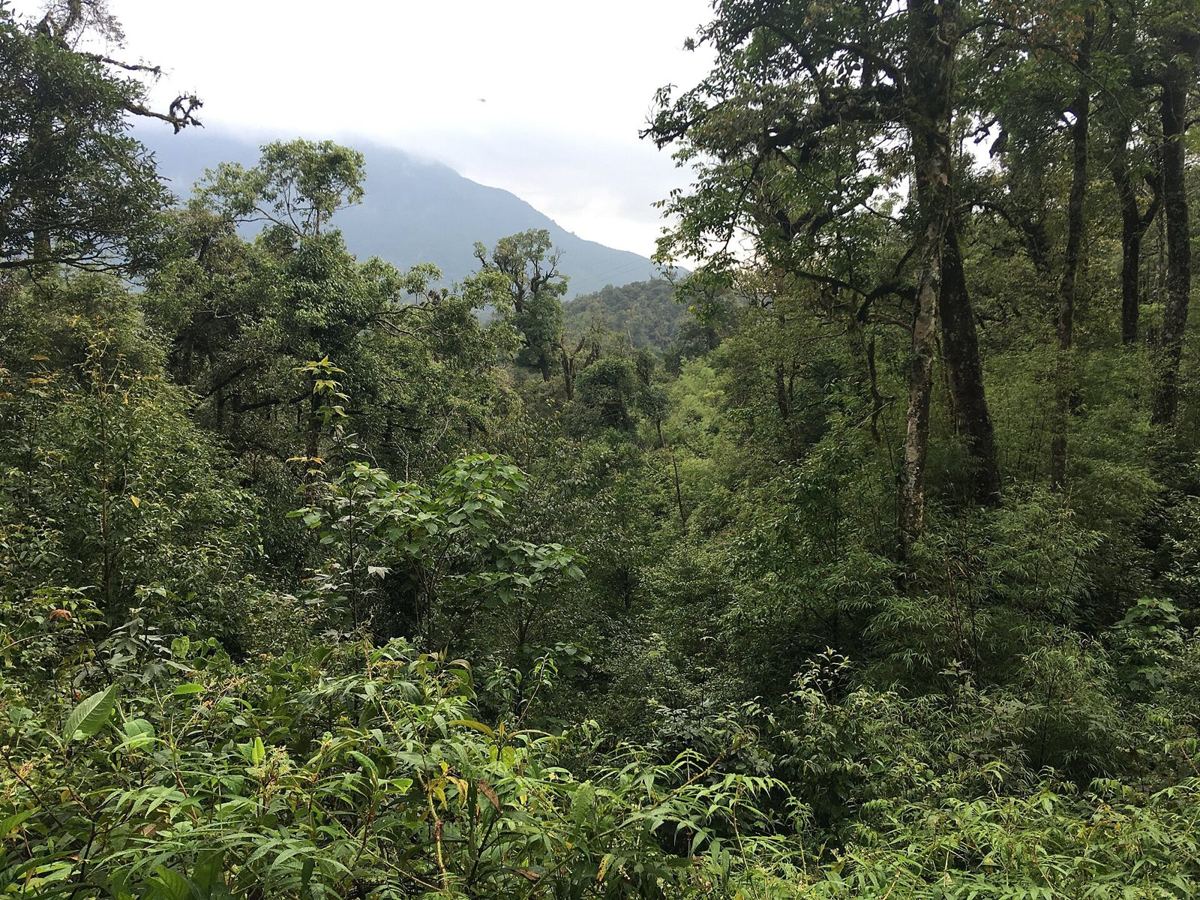
Habitat · 02
Hoang Lien in the northwest and Langbiang in the Central Highlands offer different mountain environments. Elevation is a starting point, not a complete habitat description.
Explore the habitat ↗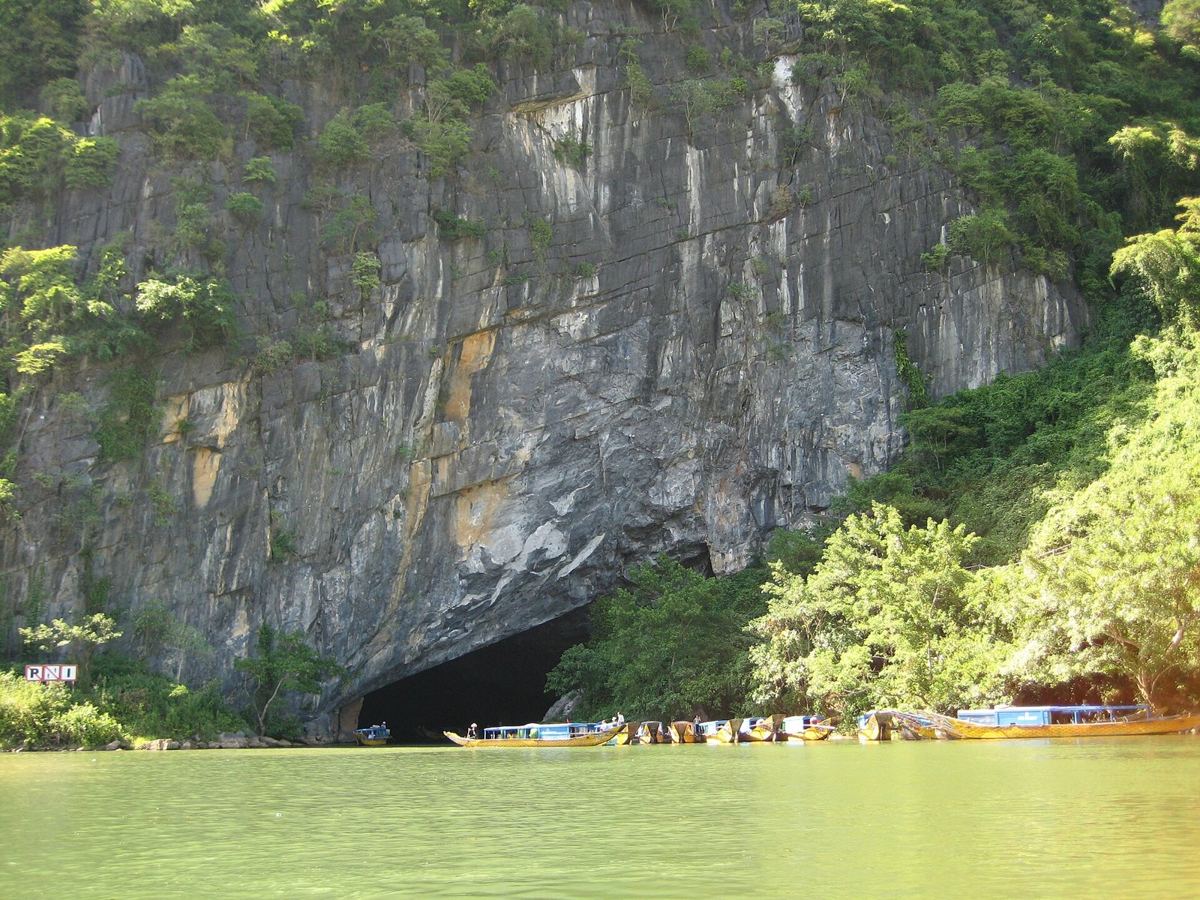
Habitat · 03
Vietnamese limestone country joins forest, exposed rock, caves and water. The spaces between the towers matter as much as their silhouettes.
Explore the habitat ↗Habitat · 04
A northern lake among limestone mountains and a seasonally flooded Mekong wetland are both freshwater habitats, but their water cycles and vegetation differ.
Explore the habitat ↗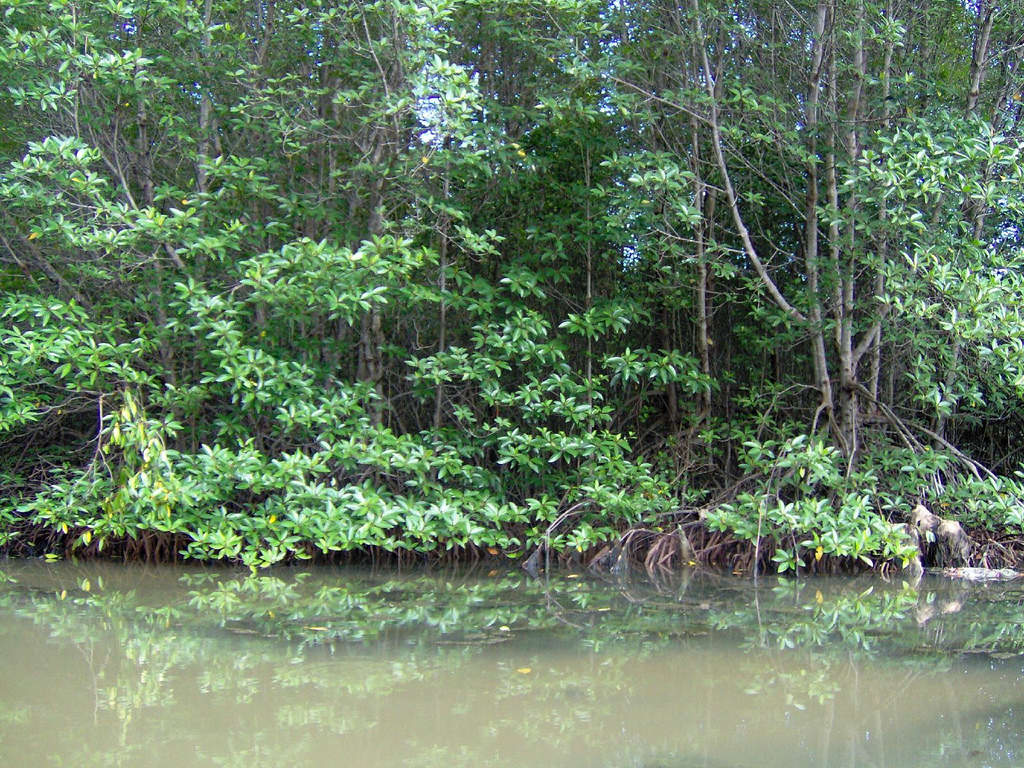
Habitat · 05
Can Gio and the Red River Delta show how sediment, tides and freshwater build coastal habitat. Mangrove trees belong to a wider estuarine mosaic.
Explore the habitat ↗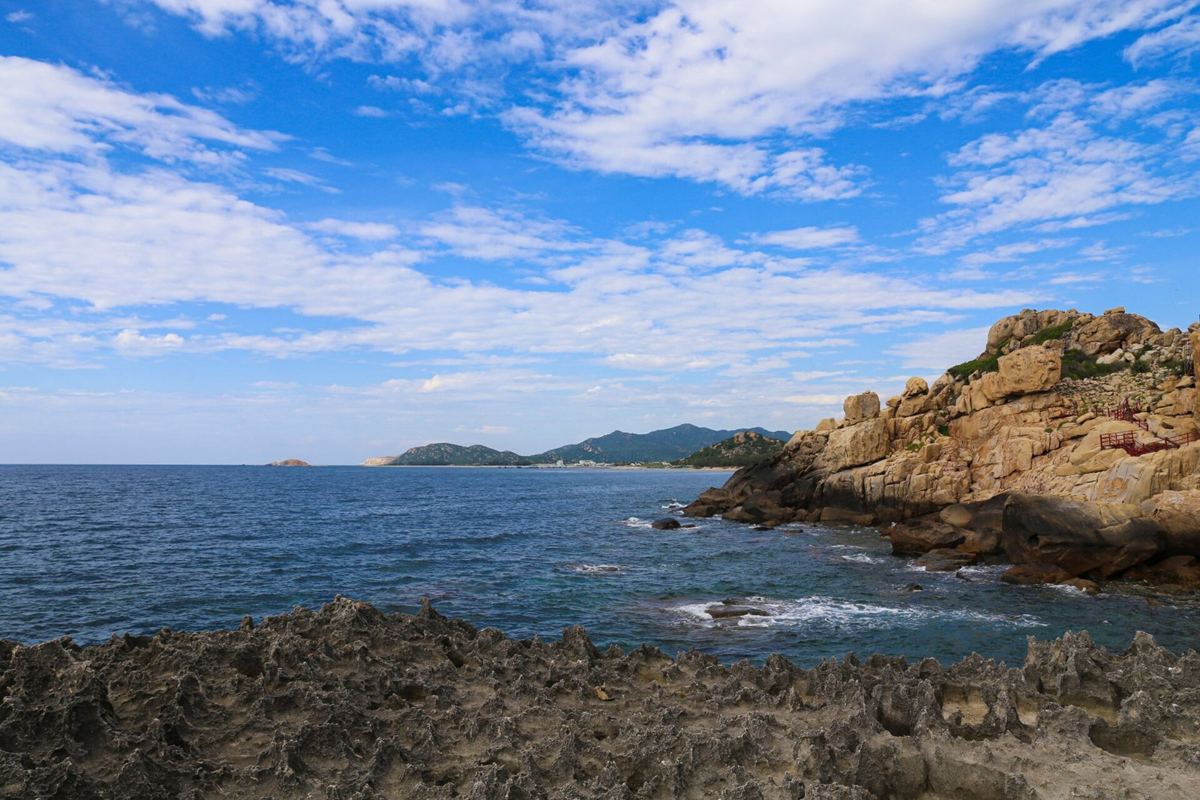
Habitat · 06
Vietnam’s coastal atlas reaches from limestone archipelagos to central reefs and seagrass. A shoreline is a meeting of habitats rather than a single uniform environment.
Explore the habitat ↗Forest in Cat Tien National Park, southeastern Vietnam. — Vyacheslav Argenberg. Original photograph · CC BY 4.0. Cropped for the cards; photographs do not establish snake occurrence.
The Hoang Lien mountain landscape in northern Vietnam. — Christophe95. Original photograph · CC BY-SA 4.0. Cropped for the cards; photographs do not establish snake occurrence.
Forested limestone mountains in Phong Nha-Ke Bang National Park, Vietnam. — Genghiskhanviet. Original photograph · Public domain. Cropped for the cards; photographs do not establish snake occurrence.
A river at Phong Dien in the Mekong Delta, southern Vietnam. — Vyacheslav Argenberg. Original photograph · CC BY 4.0. Cropped for the cards; photographs do not establish snake occurrence.
Mangrove trees and exposed roots in Can Gio, Vietnam. — Tho nau. Original photograph · CC BY-SA 3.0. Cropped for the cards; photographs do not establish snake occurrence.
The coast and dry landscape of Nui Chua National Park, Vietnam. — Hải Âu Cần Thơ. Original photograph · CC BY-SA 4.0. Cropped for the cards; photographs do not establish snake occurrence.
The species collection
Species assigned from explicitly named localities. The complete national collection also includes records without finer geographic resolution.
7 species · showing 7
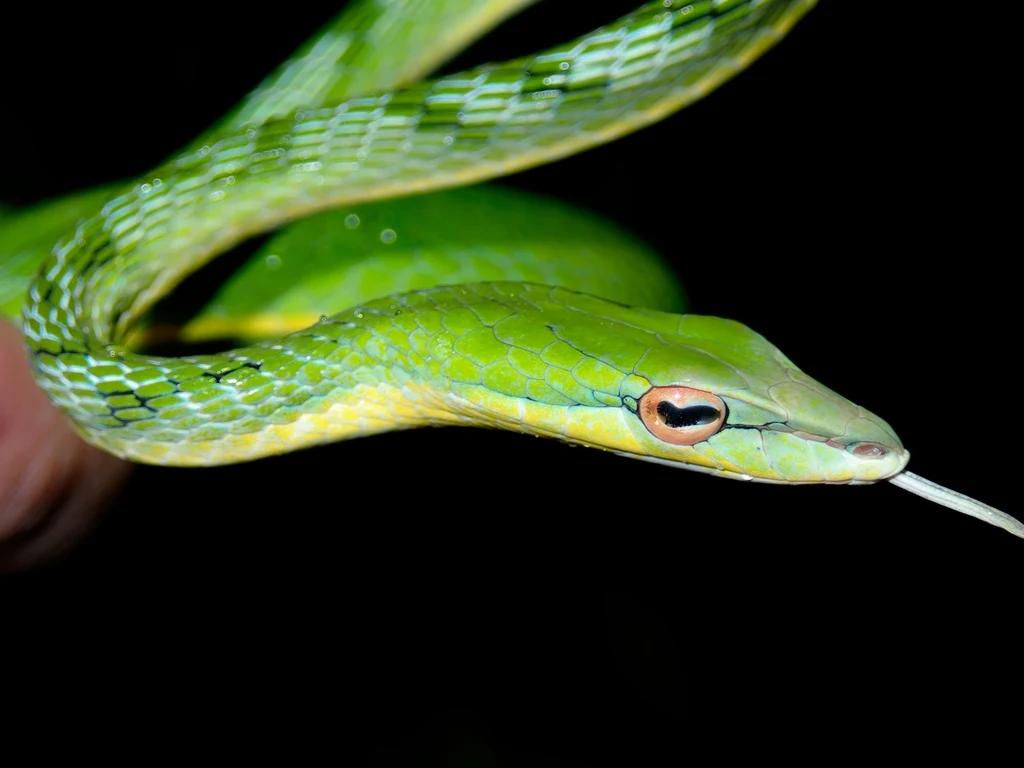
001 · Colubridae
Red-eyed vine snake
Vietnam: Soc Trang.
Read the species account →Jay Paroline · CC BY 4.0 · https://creativecommons.org/licenses/by/4.0/
002 · Homalopsidae
Hoan’s Crab-eating Snake
Vietnam: Ho Chi Minh; Bac Lieu.
Read the species account →003 · Colubridae
Rendahl's Wolf Snake
Vietnam: Quang Binh, Thua Thien Hue, Phong Nha, Thua Thien Hu; Quang Ngai; Dak Lak; Kien Giang. The 2026 provincial checklist explicitly lists this species in Ha Tinh. This establishes a provincial record; it does not imply occurrence in every protected area or across the whole editorial region.
Read the species account →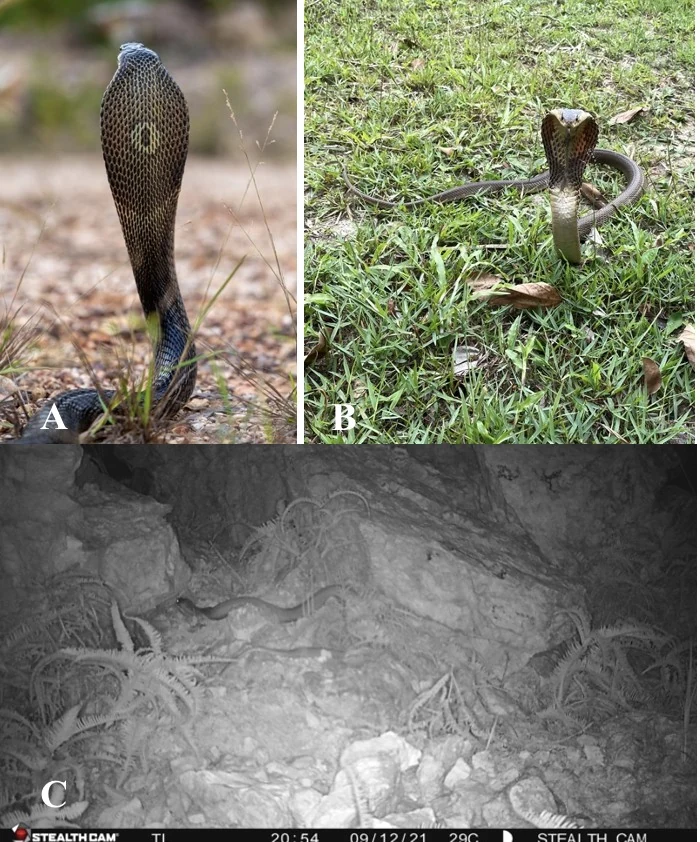
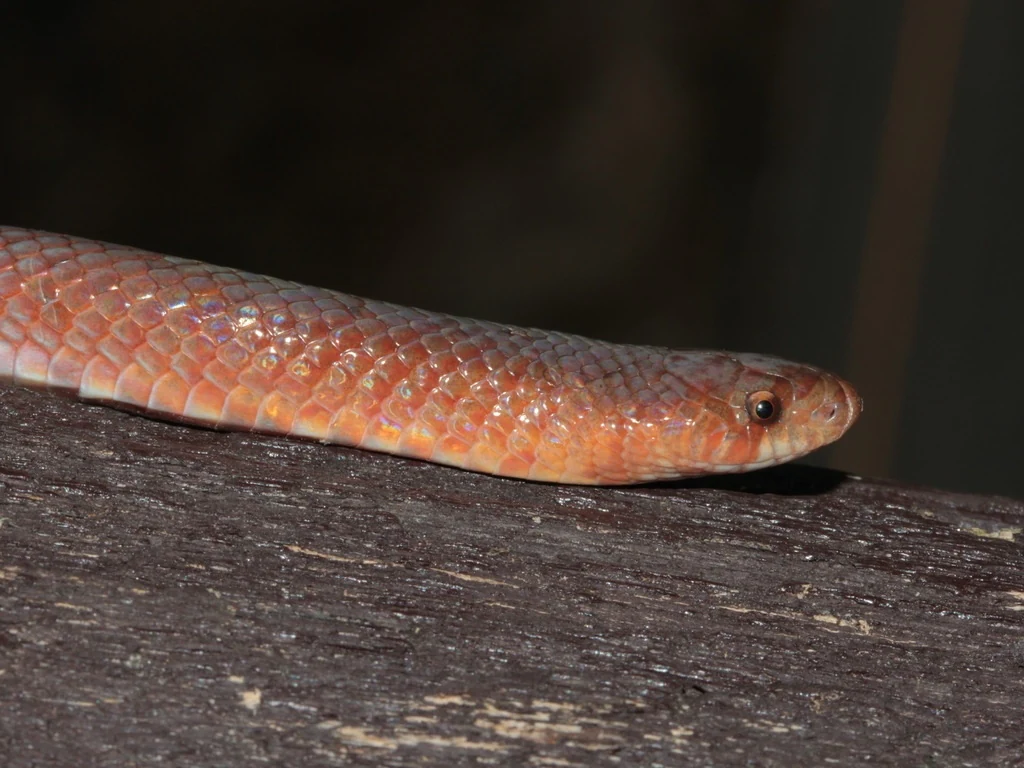
004 · Elapidae
Monocled Cobra, Monocellate Cibra
Vietnam: Son La; Quang Tri, Thua Thien Hue; Dak Lak, Lam Dong; Dong Nai, Ho Chi Minh, Ho Chi Minh City; Kien Giang.
Read the species account →Cook-Price, Makchai & Suwanwaree (2026); photographs credited collectively to the author, James Covert and Vikas Kumar · CC BY 4.0 · https://creativecommons.org/licenses/by/4.0/
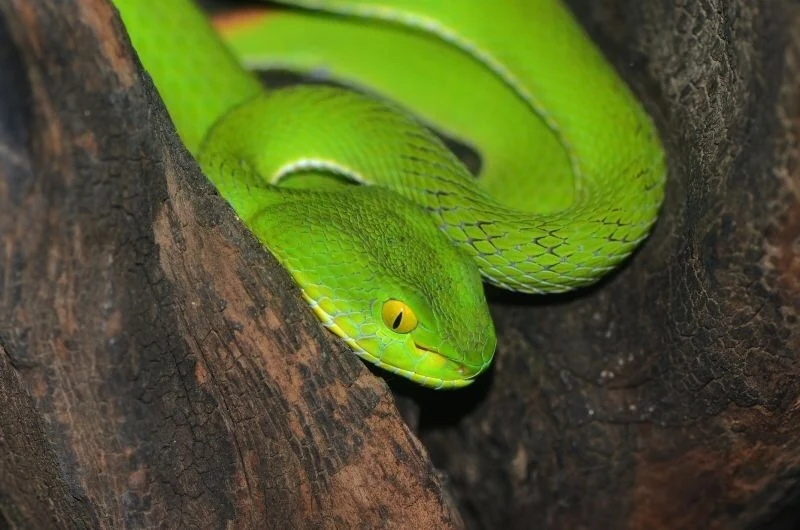
005 · Colubridae
Günther's Kukri Snake, Ashy Kukri Snake
Vietnam: Binh Thuan; Dong Nai, Ba Ria Vung Tau, Con Dao, Hon Ba Island; Kien Giang. The 2026 provincial checklist explicitly lists this species in Ha Tinh. This establishes a provincial record; it does not imply occurrence in every protected area or across the whole editorial region.
Read the species account →Ian Dugdale · CC BY 4.0 · https://creativecommons.org/licenses/by/4.0/
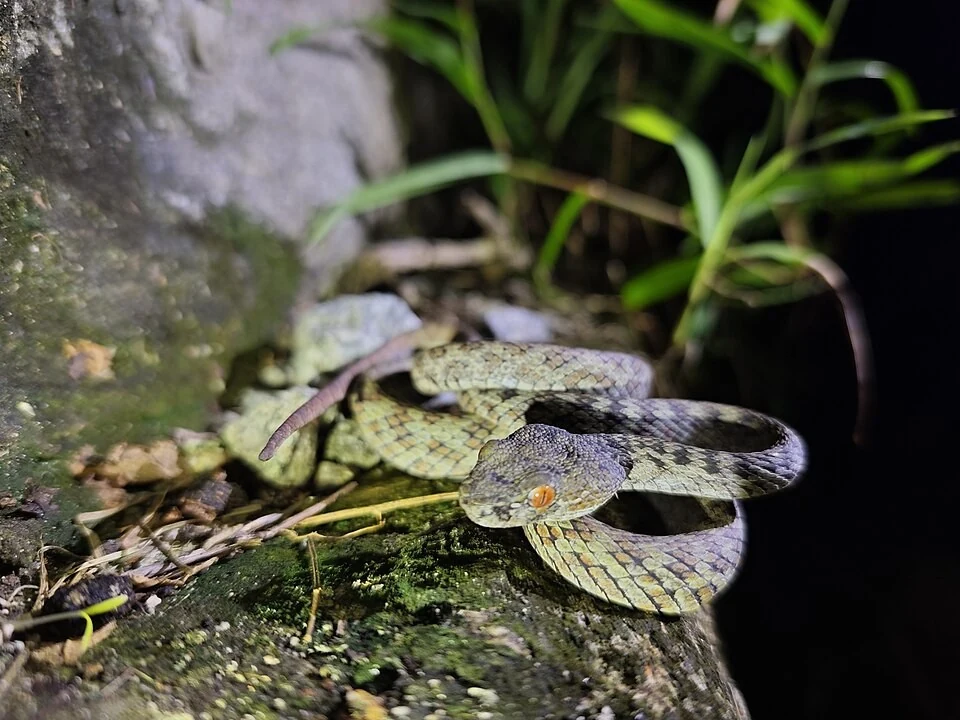
006 · Viperidae
Cardamom Mountains Green Pitviper
The 2024 revision confirms Phu Quoc occurrence through morphological and genetic evidence, including specimen ZMMU Re-14506. This is not an inference from an unverified observation. The 2024 macrops-complex revision confirms Phu Quoc, Kien Giang with voucher ZMMU Re-14506 and sequence evidence. Older island reports labelled T. macrops are reassigned to…
Read the species account →Zinogre · CC BY-SA 4.0 · https://creativecommons.org/licenses/by-sa/4.0
007 · Viperidae
Species account
Vietnam: Kien Giang, Hon Son.
Read the species account →Chris Oldnall · CC BY-SA 4.0 · https://creativecommons.org/licenses/by-sa/4.0
Living landscapes
New descriptions and revised identifications continue to change these collections. A species known from few localities may be poorly surveyed; the number of records alone is not a population estimate.
A global Red List assessment is not a national census. Where an assessment is linked in a species account, follow its date, geographic scope and taxonomic treatment before interpreting it locally.
Forest loss, altered wetlands and collection pressure are discussed in the national biodiversity literature. The significance of each pressure differs between species and localities.
National reports & studies →The research library
The national collection contains 270 listed species in this edition. Names and country occurrences were checked on 7–8 October 2026 against individual taxonomic treatments, with a country-range and synonymy review on 11 October 2026 and disputed records and synonymies reviewed separately.
Stenger and colleagues counted 244 snake species in their 2023 national reptile assessment (Table 1). This is that publication’s taxonomic baseline, not a continuously updated 2026 count.
The current atlas count uses its documented taxonomic decisions; it is not a claim that every species in nature has been discovered. Regional counts require named localities. Habitat collections require explicit habitat evidence. Neither is calculated by assigning every national species to every landscape.
Country links use a single accepted species identity. Revised names and disputed records are kept visible here; uncertain records do not enter the listed collection or regional totals.
Uncertain — excluded from the listed total
The 2024 revision recommends removing T. macrops from the Vietnamese fauna: the historical records represent T. cardamomensis, T. rubeus or probable T. albolabris, with no supporting voucher for T. macrops in the revised sense.
Uncertain — excluded from the listed total
Nguyen and David (2024) reject Vietnamese A. spinalis after reidentifying Tam Dao and Sa Pa vouchers and finding Thai Nguyen records unsupported. No later verified re-addition was found. Excluded from confirmed country coverage.
Supported country occurrence
The 2024 revision confirms Phu Quoc occurrence through morphological and genetic evidence, including specimen ZMMU Re-14506. This is not an inference from an unverified observation. The 2024 macrops-complex revision confirms Phu Quoc, Kien Giang with voucher ZMMU Re-14506 and sequence evidence. Older island reports labelled T. macrops are reassigned to this species; the island record is not evidence of a continuous mainland range.
Uncertain — excluded from the listed total
The questioned Vietnamese records derive from dealer specimens; wild national occurrence is not established.
Uncertain — excluded from the listed total
The treatment states that occurrence in Vietnam remains unclear; a country label alone does not resolve this conflict.
Liang et al. (2025) synonymized Trimeresurus gumprechti with T. yunnanensis. Historical names, locality evidence and the old URL are retained under one accepted species.
Taxonomic revision ↗Country occurrence unresolved
Vietnam is queried in the checked distribution treatment.
Source 1 ↗Country occurrence unresolved
Recent Vietnamese material was described as Hebius ngoclinhensis in 2026; remaining historical records need specimen-level reassessment.
Source 1 ↗Country occurrence unresolved
The checked account warns that Vietnamese records may be misidentifications of Liopeltis stoliczkae or another species.
Source 1 ↗Counted under the accepted name: Oligodon cinereus
Treated within Oligodon cinereus following David et al. (2023) and Lee et al. (2024), as summarized in the checked taxonomic account; no duplicate count.
Source 1 ↗Excluded from the listed total
The taxonomic treatment separates fasciolatus from cyclurus, which is restricted to India, Bangladesh and Myanmar.
Source 1 ↗Excluded from the listed total
The 2022 revision recognizes berdmorei, abros, kuznetsovorum and temporalis among mainland populations formerly placed in the carinatus complex.
Source 1 ↗ Source 2 ↗Country occurrence unresolved
The 2025 revision describes northwestern Vietnam as expected occurrence, not a confirmed record.
Source 1 ↗ Source 2 ↗Country occurrence unresolved
The source explicitly questions the identification of Vietnamese records.
Source 1 ↗Country occurrence unresolved
Vietnam is presented as probable, not a confirmed record, in the checked distribution account.
Source 1 ↗Country occurrence unresolved
The database gives a broad historical range including Vietnam but also notes its absence from the 2009 national checklist and disagreement over the mainland taxon R. lateralis. A reconciled Vietnamese voucher was not verified, so this entry is not counted as confirmed in this edition.
Source 1 ↗ Source 2 ↗Counted under the accepted name: Trimeresurus yunnanensis
Counted within Trimeresurus yunnanensis following the synonymy of Liang et al. (2025).
Source 1 ↗Excluded from the listed total
The Vietnamese karst specimens formerly assigned to kanburiensis were described as Trimeresurus truongsonensis.
Source 1 ↗ Source 2 ↗Country occurrence unresolved
The country claim derives from dealer specimens whose Vietnamese origin is questioned in the taxonomic account.
Source 1 ↗Table 1: 244 snake species in the study’s national checklist, distinct from its total of 484 reptiles.
Section VII: national geography and biodiversity. Statistics are dated to the report.
Overview of forest, freshwater and coastal ecosystem types. Used for habitat categories, not current species totals or land-cover estimates.
Karst geography and contrasting forest environments, including the 2025 transboundary extension.
Individual species treatments supply taxonomy, distribution, type localities and cited natural-history observations. Each account links its own source.
Used to separate revised species concepts around the Red River and interpret older country records.


