Vietnam’s forest story includes wet southern woodland and unusually dry coastal forest. Look inside the vegetation, then ask which landscape surrounds it.
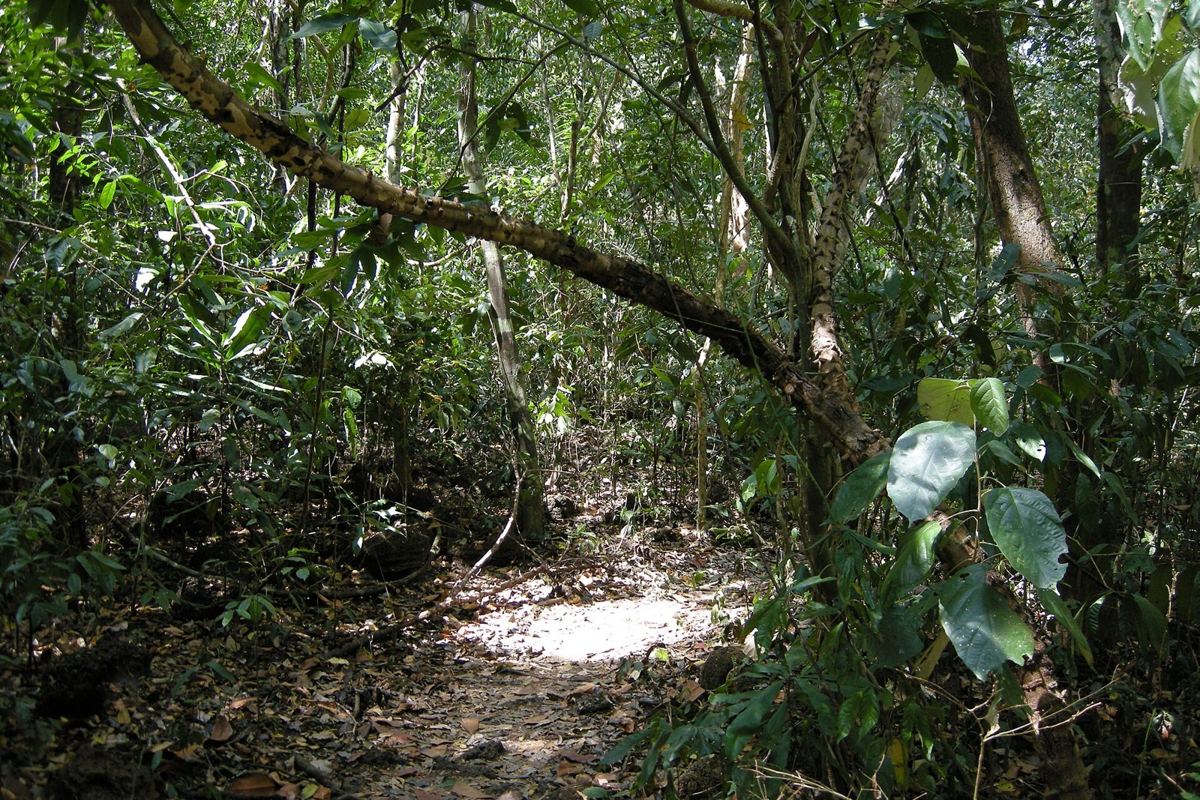
Forest in Cat Tien National Park, southeastern Vietnam.
Photograph: Vyacheslav Argenberg · Image source · CC BY 4.0. Cropped to fill the hero; darkened for text legibility.
Understanding the environment
A sense of the habitat.
Vietnam’s forest story includes wet southern woodland and unusually dry coastal forest. Look inside the vegetation, then ask which landscape surrounds it.
Key contrast
Wet forest and seasonal dry forest
Read closely
Crown cover, undergrowth and ground shelter
Local examples
Cat Tien and Nui Chua
Explore the structure · Follow the vegetation from upper branches to the ground.
Read a Vietnamese forest.
Select a zone to see what changes.
01
Above the path
Tree crowns
Begin with the canopy: note whether crowns meet or leave broad openings.
A photograph of green hills cannot describe every layer underneath.
A conceptual habitat reading guide. The zones are not to scale and do not establish the presence of any snake at a particular site.
Cat Tien represents wet tropical forest near the transition from highlands to southern lowlands. Nui Chua, on the south-central coast, protects a tropical dry-forest landscape. These examples show why a country-wide forest label needs local context.
When reading a species account, retain the actual locality and habitat wording. A forest record from one part of Vietnam should not be extended to every wooded region.
Cat Tien’s national nomination describes a role in flood regulation and protection of water sources. Following a forest downslope into its drainage system gives a fuller picture than considering only the trees.
Use the linked species accounts for evidence of diet, climbing behaviour and shelter. The habitat guide explains the setting; it does not replace species-specific natural history.
The 2023 national reptile assessment identifies habitat loss as a major pressure. Forest conversion and the needs of a particular snake must still be evaluated at the locality level.
The same assessment identifies harvesting for trade, food and traditional medicine. Standing forest alone does not guarantee that its animal populations remain secure.
Retain forest structure and catchment connections, and combine habitat protection with measures addressing collection. Monitor the species and places concerned rather than treating all woodland as equivalent.
Vietnam · Choose an areaN ↑
Click a region to explore its snakes and landscapes.
100%
Regional navigation, not species ranges. Grouped boundary snapshot: 2008 snapshot · public domain; later provincial mergers are not represented. Boundary data · geoBoundaries.
region evidence pages
Choose any named region.
8
dedicated region pages connect the geographic atlas with its source-backed species accounts
Browse all regions ↓Select a labelled place on the map, or use the complete index below. Geographic boundaries are navigation references, not species ranges.
The connected collection
Snakes with habitat evidence.
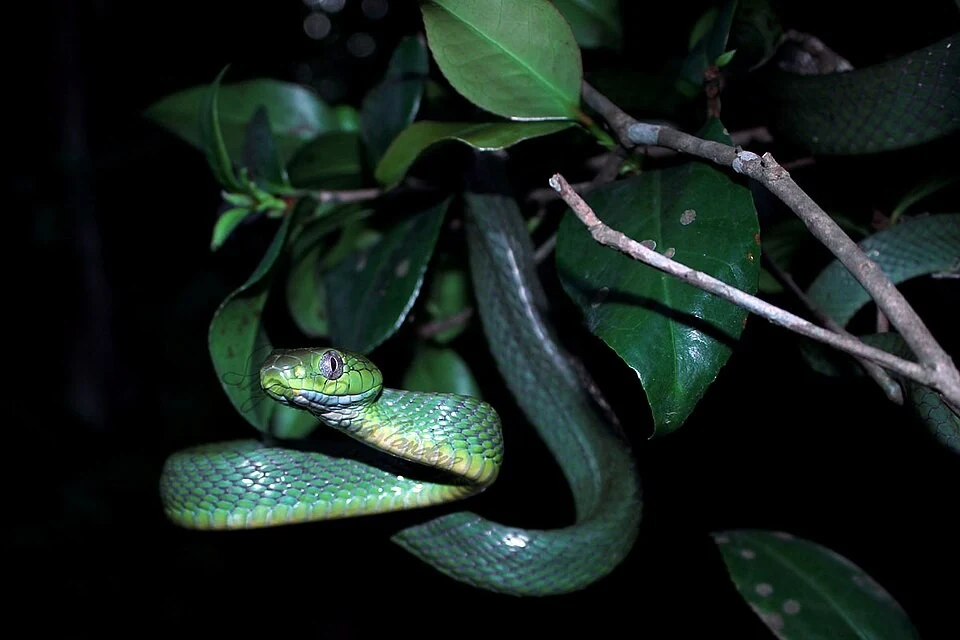
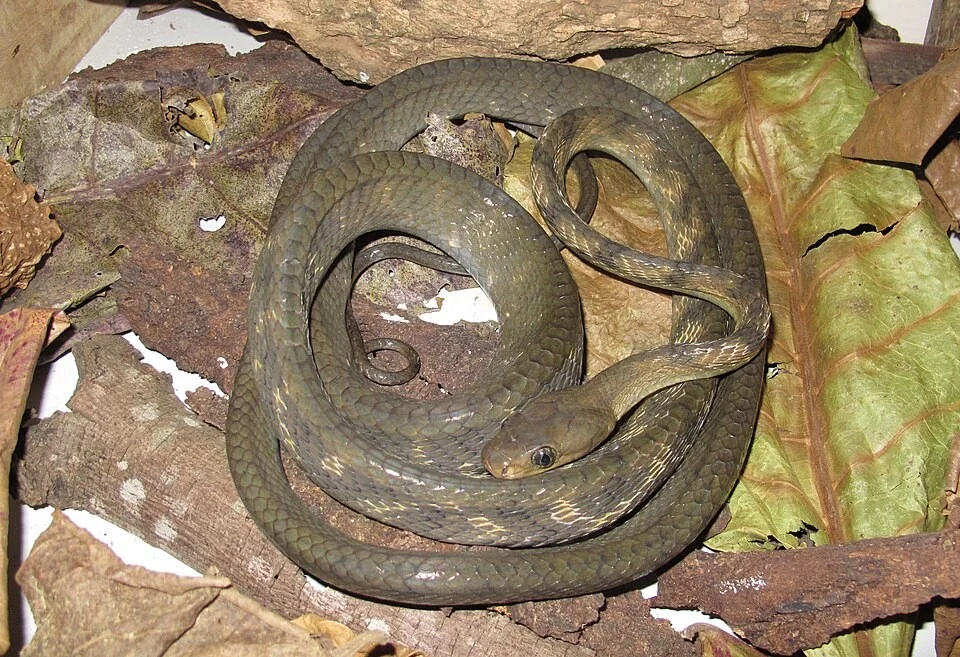
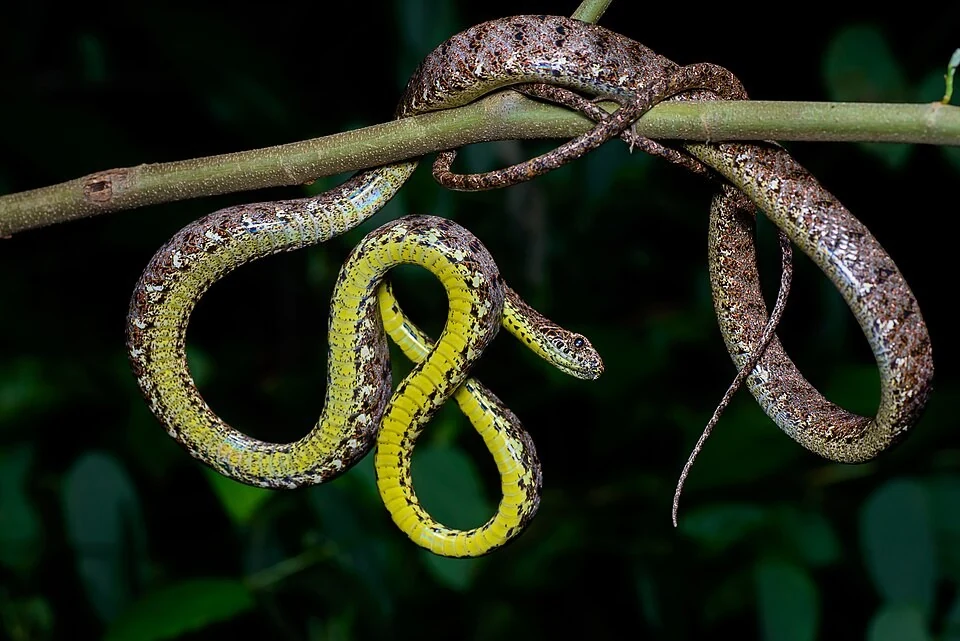
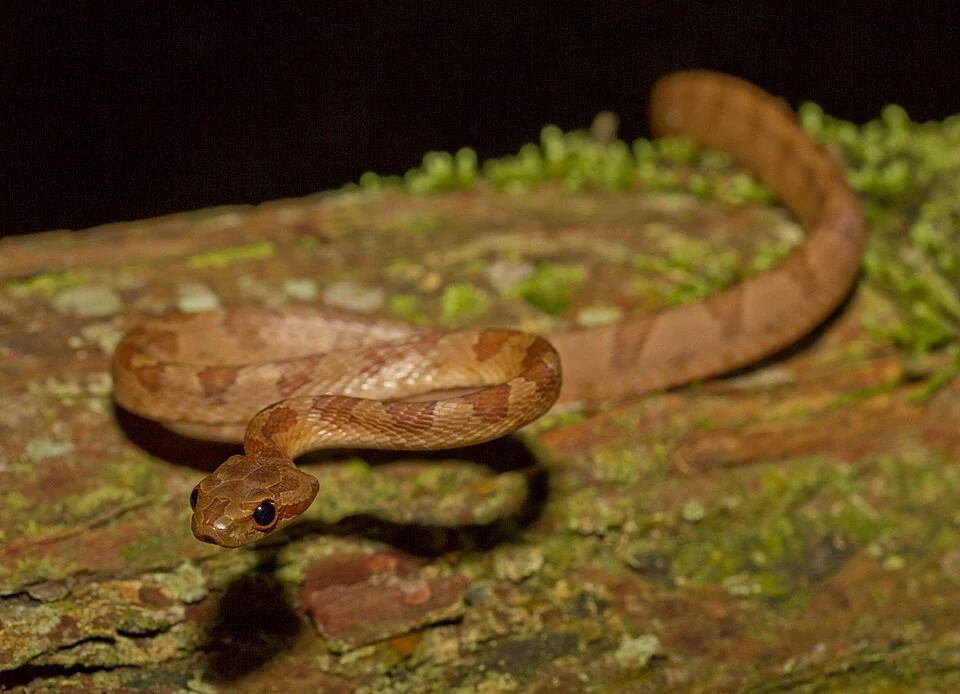
These 141 species have supported country occurrence and an explicit habitat association in the shared account. The association may come from elsewhere in their range. This is not a complete local habitat inventory; the places above are landscape examples, not asserted collecting sites.
Vietnam: Son La; Thanh Hoa, Nghe An, Ha Tinh; Phu Yen. The 2026 provincial checklist explicitly lists this species in Ha Tinh. Six historical Tam Dao specimens formerly labelled A. rufescens were reidentified as A. quangi in 2024. This establishes a provincial record; it does not imply occurrence in every protected area or across the whole editorial region.
ZIEGLER, NGUYEN, PHAM, NGUYEN, PHAM, VAN SCHINGEN, NGUYEN & LE, 2019
Non-venomous
Vietnam: Son La. The 2020 provincial checklist explicitly lists this species in Son La. This establishes a provincial record; it does not imply occurrence in every protected area or across the whole editorial region.
Vietnam: national occurrence; no finer locality is assigned in this atlas. The 2026 provincial checklist explicitly lists this species in Ha Tinh. This establishes a provincial record; it does not imply occurrence in every protected area or across the whole editorial region.
Vietnam: Hoa Binh. The 2024 provincial checklist explicitly lists this species in Thanh Hoa. The 2026 provincial checklist explicitly lists this species in Ha Tinh. The 2020 provincial checklist explicitly lists this species in Son La. This establishes a provincial record; it does not imply occurrence in every protected area or across the whole editorial…
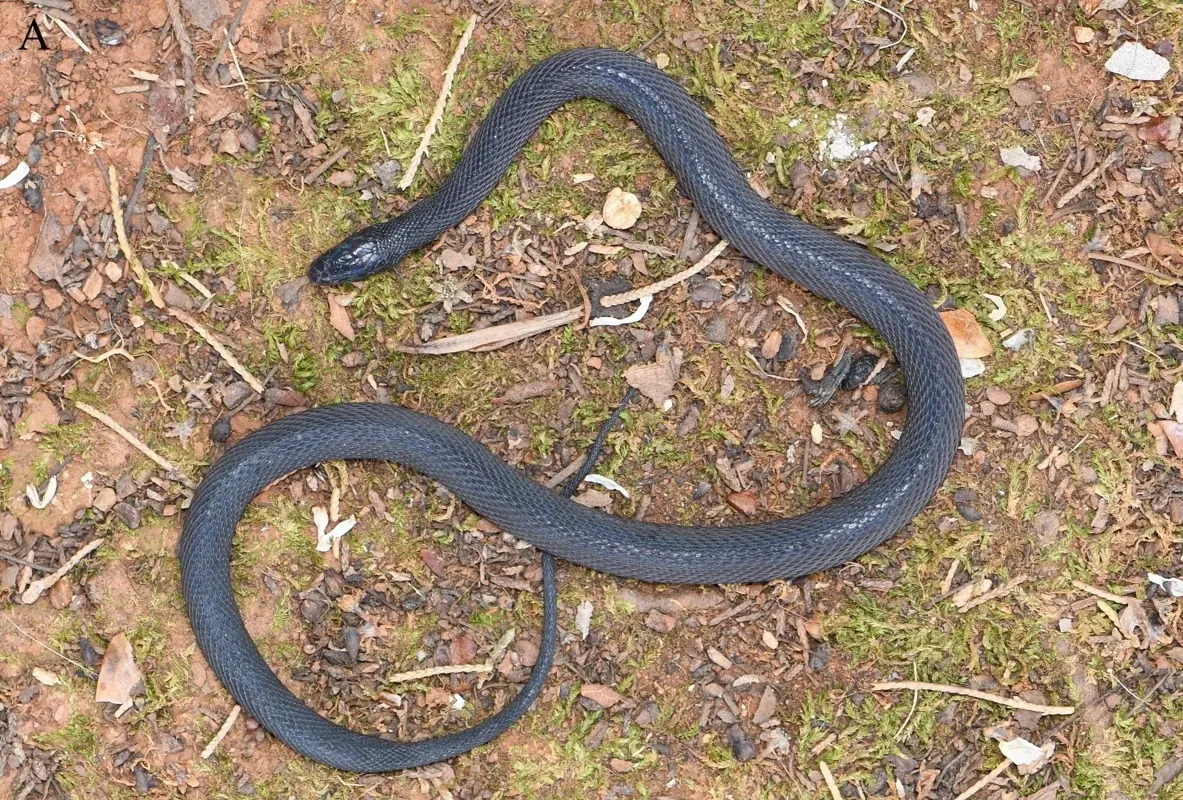
Cook-Price, Makchai & Suwanwaree (2026); photographs credited collectively to the author, James Covert and Vikas Kumar · CC BY 4.0 · https://creativecommons.org/licenses/by/4.0/
Vietnam: national occurrence; no finer locality is assigned in this atlas. The 2020 provincial checklist explicitly lists this species in Son La. The 2020 treatment reports an examined specimen from Pu Bau, Song Ma District, Son La at 590 m. This is a specimen elevation, not the full elevational range. This establishes a provincial record; it does not…
Vietnam: Lao Cai; Cao Bang, Lang Son, Thai Nguyen, Bac Giang; Vinh Phuc; Quang Binh, Phong Nha; Kon Tum, Gia Lai, Dak Lak, Lam Dong; Tay Ninh, Dong Nai. The 2024 provincial checklist explicitly lists this species in Thanh Hoa. The 2026 provincial checklist explicitly lists this species in Ha Tinh. The 2020 provincial checklist explicitly lists this…
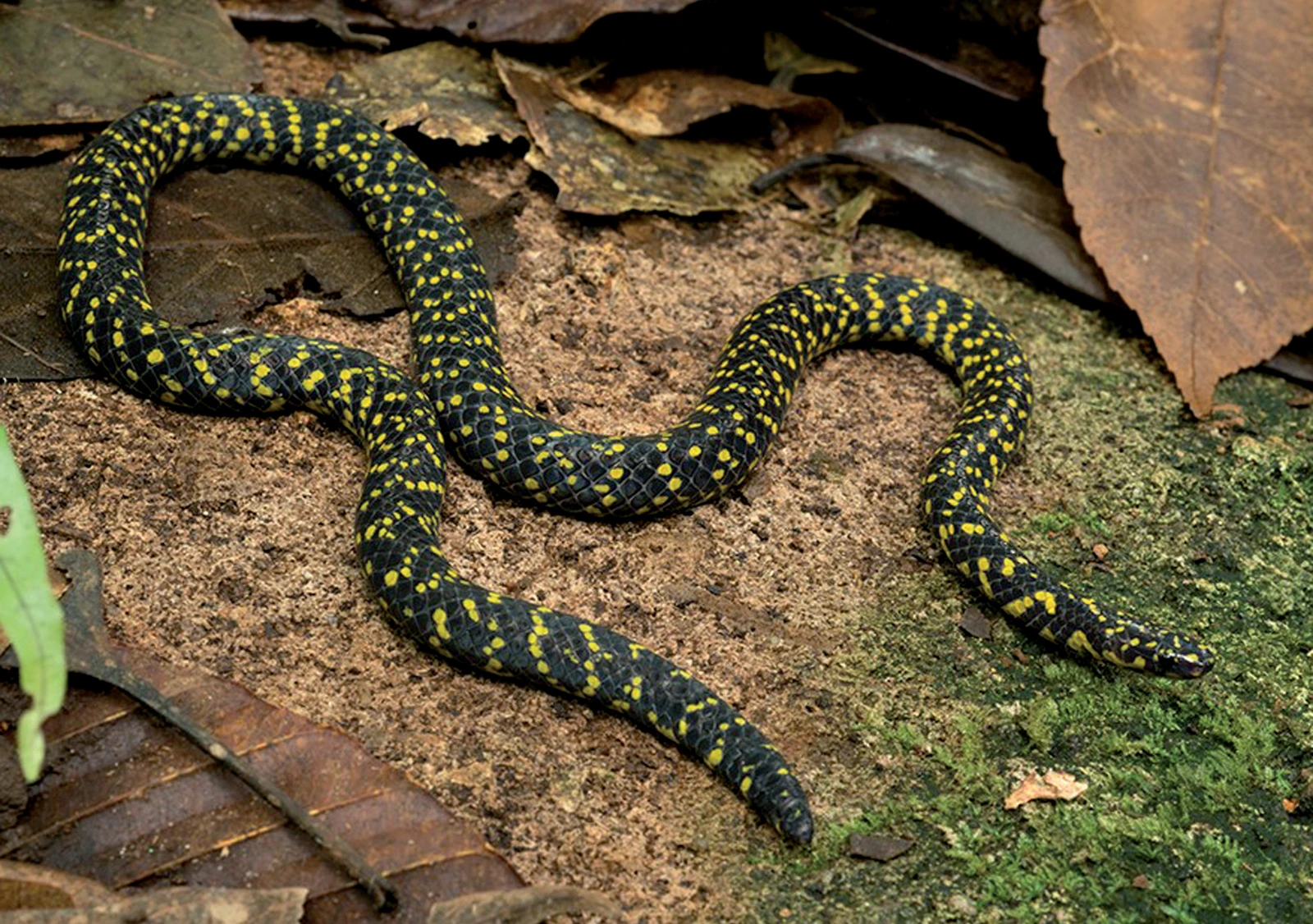
[Photo: A.V. Pham] Pham AV, Ziegler T, Nguyen TQ (2020) New records and an updated checklist of snakes from Son La Province, Vietnam. Biodiversity Data Journal 8: e52779. https://doi.org/10.3897/BDJ.8.e52779 · CC BY 4.0 · https://creativecommons.org/licenses/by/4.0
Vietnam: Hoa Binh. The 2026 provincial checklist explicitly lists this species in Ha Tinh. This establishes a provincial record; it does not imply occurrence in every protected area or across the whole editorial region.
Vietnam: Hoa Binh. The 2024 provincial checklist explicitly lists this species in Thanh Hoa. The 2020 provincial checklist explicitly lists this species in Son La. This establishes a provincial record; it does not imply occurrence in every protected area or across the whole editorial region.
Vietnam: national occurrence; no finer locality is assigned in this atlas. The 2026 provincial checklist explicitly lists this species in Ha Tinh. This establishes a provincial record; it does not imply occurrence in every protected area or across the whole editorial region.
Vietnam: Hoa Binh. The 2024 provincial checklist explicitly lists this species in Thanh Hoa. The 2026 provincial checklist explicitly lists this species in Ha Tinh. The 2020 provincial checklist explicitly lists this species in Son La. This establishes a provincial record; it does not imply occurrence in every protected area or across the whole editorial…
National assessment identifying habitat loss and harvesting pressures; not a threat assessment of every snake or habitat. Abstract checked through Vietnam National University.