Development and visitor pressure
UNESCO identifies increasing visitation and associated development as continuing management challenges at Ha Long–Cat Ba. The effects need to be assessed at the scale of the whole coastal landscape.
Vietnam · Habitat field guide
Vietnam’s coastal atlas reaches from limestone archipelagos to central reefs and seagrass. A shoreline is a meeting of habitats rather than a single uniform environment.
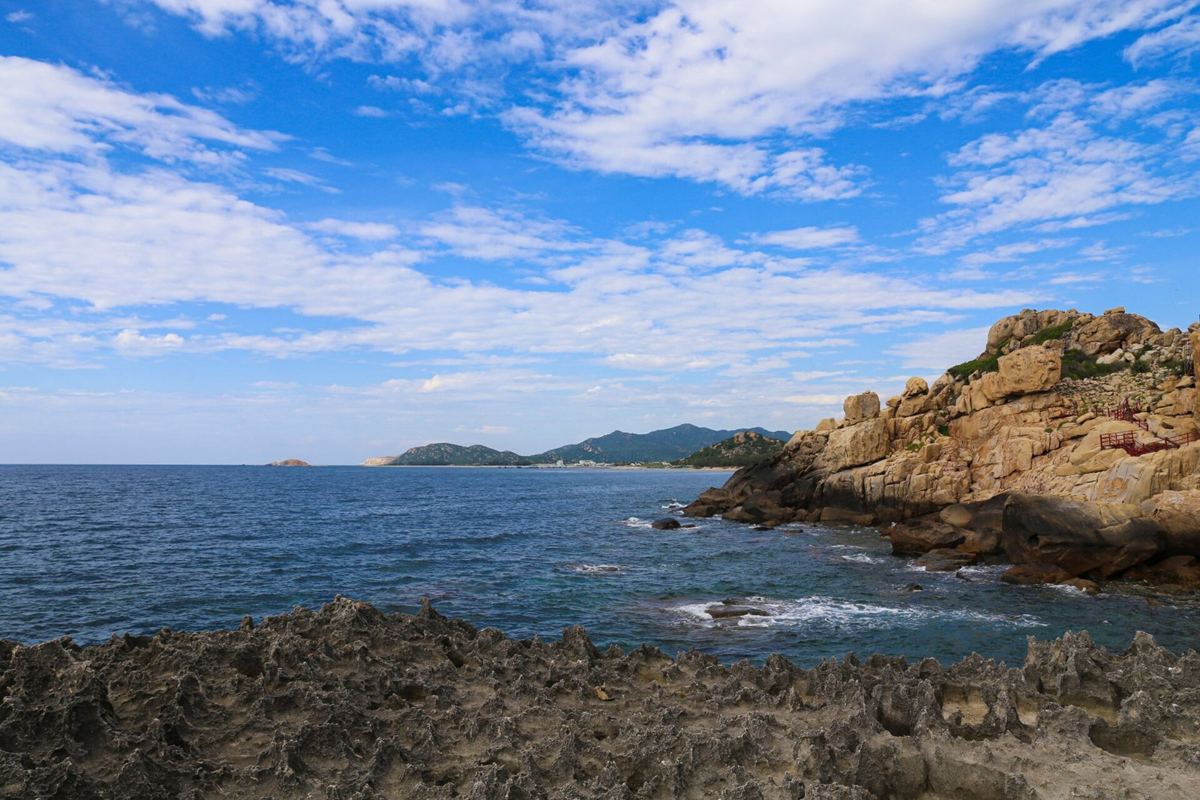
The coast and dry landscape of Nui Chua National Park, Vietnam.
Understanding the environment
Vietnam’s coastal atlas reaches from limestone archipelagos to central reefs and seagrass. A shoreline is a meeting of habitats rather than a single uniform environment.
Explore the structure · Distinguish the shore, shallow seabed and surrounding water.
Select a zone to see what changes.
Land meets water
Describe rock, sand, vegetation and access to shelter at the shore.
A coastal snake record does not necessarily describe an aquatic animal.
A conceptual habitat reading guide. The zones are not to scale and do not establish the presence of any snake at a particular site.
Sources: UNESCO · Cu Lao Cham–Hoi An Biosphere Reserve · UNESCO · Nui Chua Biosphere Reserve · UNESCO · Ha Long Bay–Cat Ba Archipelago
Field notes · 01
UNESCO describes Cu Lao Cham–Hoi An as a connected river-mouth and archipelago landscape. Its islands include monsoon-influenced forest, while marine conservation extends through the waters between them.
For a sea-snake record, retain whether evidence names an island, a capture position or only Vietnam. Do not spread a national record across every bay.
Field notes · 02
Nui Chua links dry coastal land with reefs and neighbouring seagrass. Ha Long–Cat Ba offers a different setting of marine-inundated limestone and forested islands.
These are landscape examples. They do not establish that every marine species in the country uses reefs, or that sea kraits and fully aquatic sea snakes have the same life history.
Sources: UNESCO · Nui Chua Biosphere Reserve · UNESCO · Ha Long Bay–Cat Ba Archipelago
Pressures on Vietnam’s habitats
UNESCO identifies increasing visitation and associated development as continuing management challenges at Ha Long–Cat Ba. The effects need to be assessed at the scale of the whole coastal landscape.
Ha Long–Cat Ba’s management account includes control of vessel activities and waste discharge. Protecting an island outline does not by itself protect the water around it.
Manage shore and water together, control waste and damaging use, and preserve the connections among river mouths, shallow seabeds and islands.
The connected collection
These 35 species have supported country occurrence and an explicit habitat association in the shared account. The association may come from elsewhere in their range. This is not a complete local habitat inventory; the places above are landscape examples, not asserted collecting sites.
35 species · showing 24
001 · Acrochordidae
Little filesnake
Vietnam: national occurrence; no finer locality is assigned in this atlas.
Read the species account →Mario Lutz · Copyright Mario Lutz. Authorised for display in this atlas; no third-party reuse licence granted.
002 · Elapidae
Spine-tailed seasnake
Vietnam: national occurrence; no finer locality is assigned in this atlas.
Read the species account →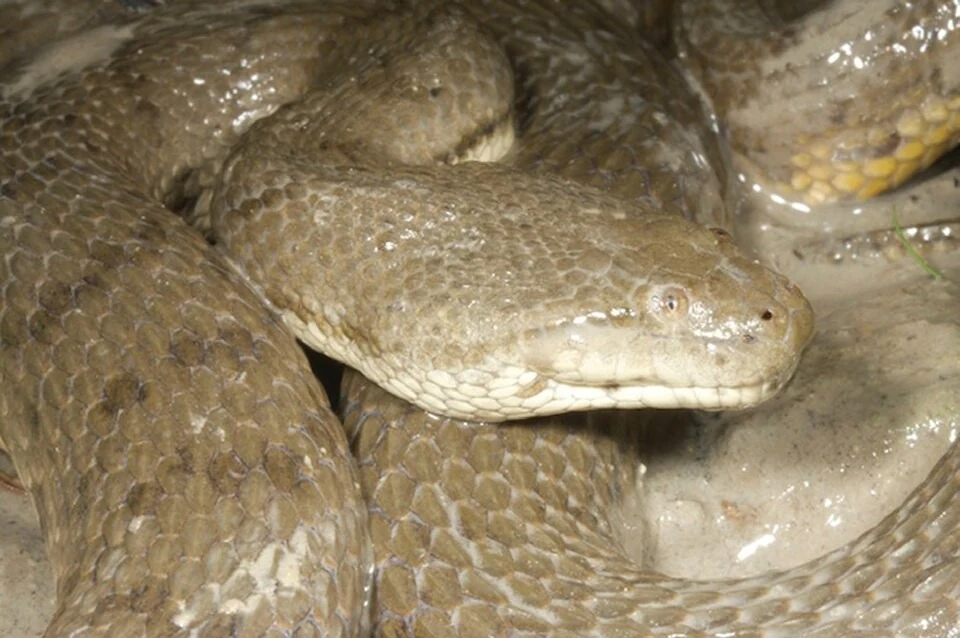
003 · Homalopsidae
Southeast Asian Bockadam
Vietnam: national occurrence; no finer locality is assigned in this atlas.
Read the species account →Mark O’Shea · CC BY 3.0 · https://creativecommons.org/licenses/by/3.0
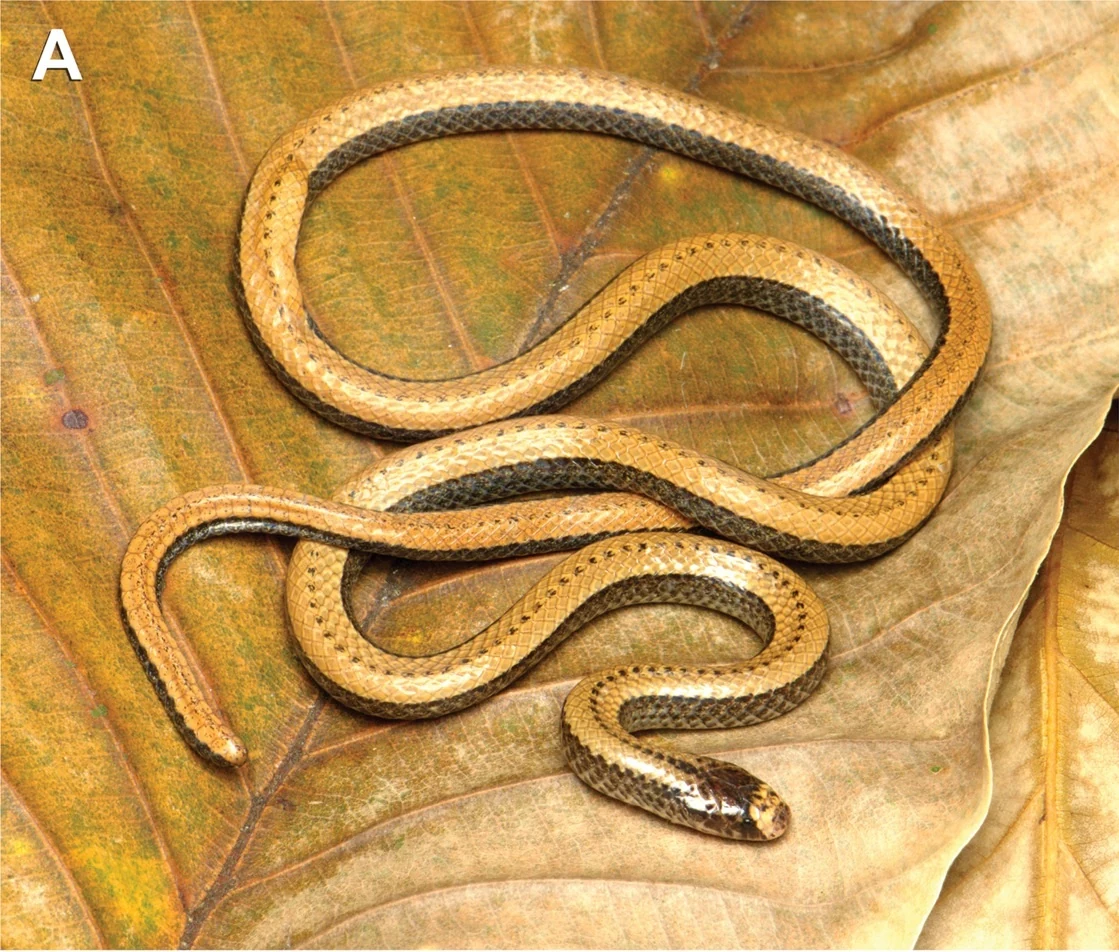
004 · Colubridae
Adler’s lace snake
Vietnam: Khanh Hoa.
Read the species account →Andrey M. Bragin, in Poyarkov et al. (2024) · CC BY 4.0 · https://creativecommons.org/licenses/by/4.0/
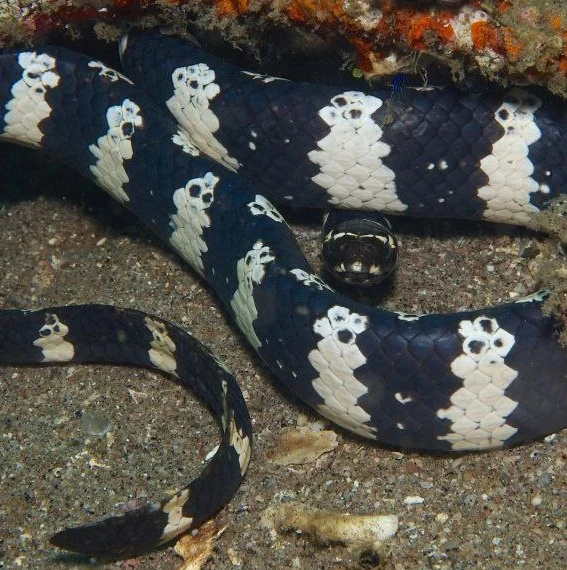
005 · Elapidae
Turtle-headed seasnake
Vietnam: Ba Ria Vung Tau.
Read the species account →IG: divecycle · CC BY-SA 4.0 · https://creativecommons.org/licenses/by-sa/4.0
006 · Homalopsidae
Hoan’s Crab-eating Snake
Vietnam: Ho Chi Minh; Bac Lieu.
Read the species account →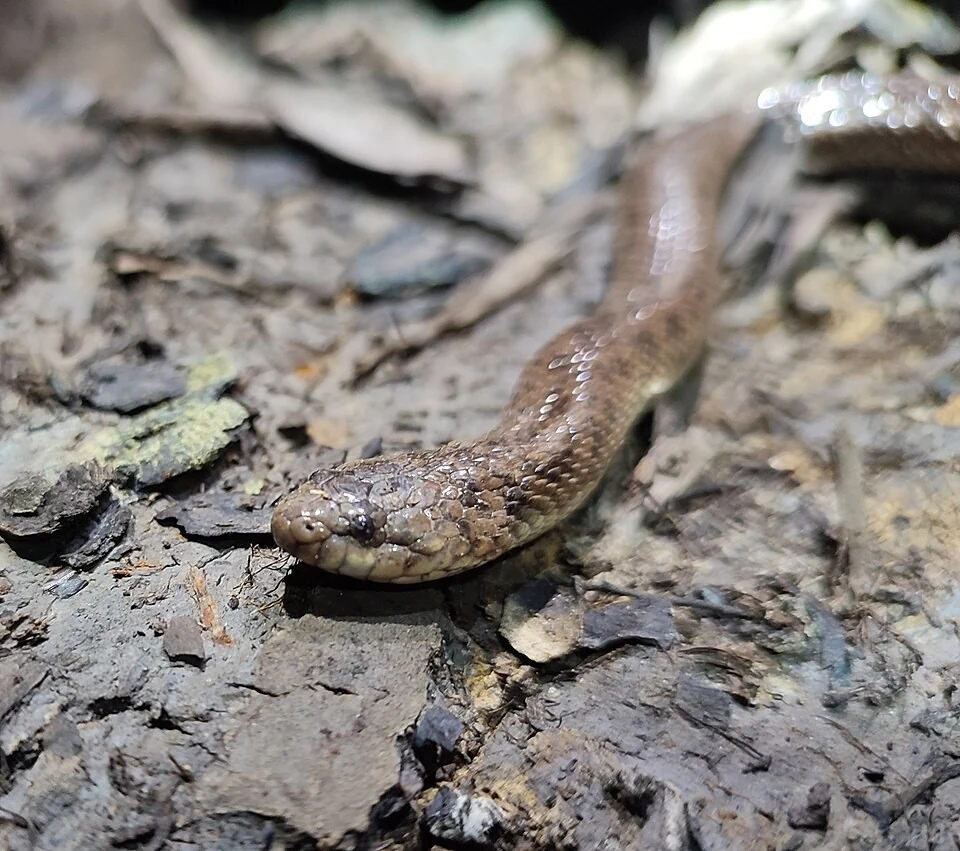
007 · Homalopsidae
Crab-eating (Water) Snake
Vietnam: national occurrence; no finer locality is assigned in this atlas.
Read the species account →Samuel GUIRAUDOU · CC BY 4.0 · https://creativecommons.org/licenses/by/4.0
008 · Elapidae
Bighead Sea Snake
Vietnam: national occurrence; no finer locality is assigned in this atlas.
Read the species account →
009 · Elapidae
Anomalous Sea Snake
Vietnam: national occurrence; no finer locality is assigned in this atlas.
Read the species account →Creator:Unknown · CC-BY-SA · https://www.inaturalist.org/photos/658296
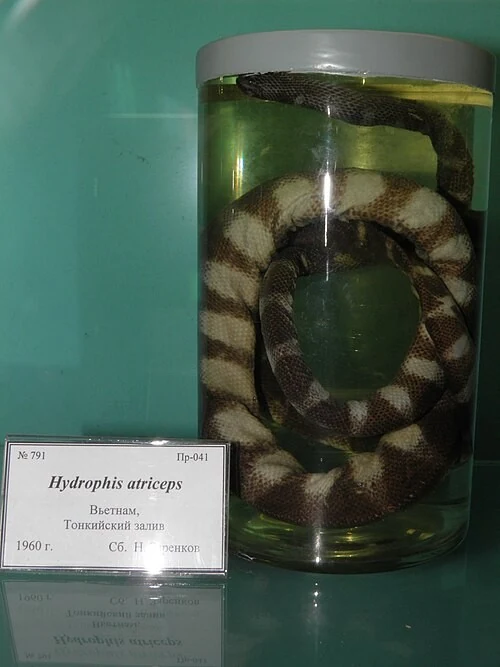
010 · Elapidae
Black-headed seasnake
Vietnam: national occurrence; no finer locality is assigned in this atlas.
Read the species account →A. C. Tatarinov · CC0 · https://creativecommons.org/publicdomain/zero/1.0/deed.en
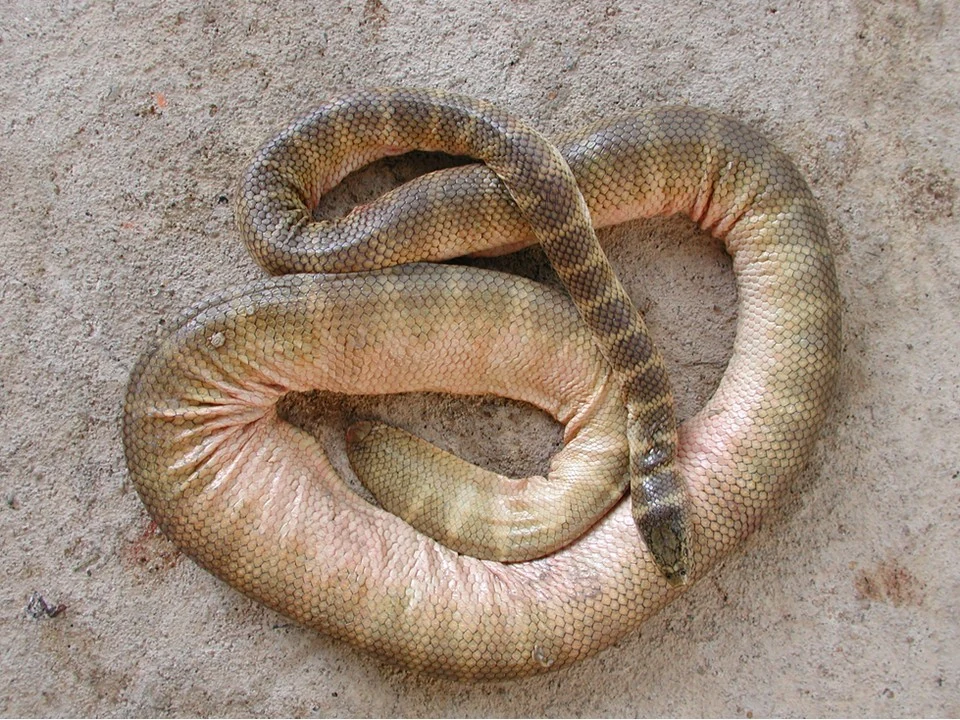
011 · Elapidae
Faint-banded Seasnake
Vietnam: national occurrence; no finer locality is assigned in this atlas.
Read the species account →Rasmussen AR, Murphy JC, Ompi M, Gibbons JW, Uetz P (2011) · CC BY 2.5 · https://creativecommons.org/licenses/by/2.5
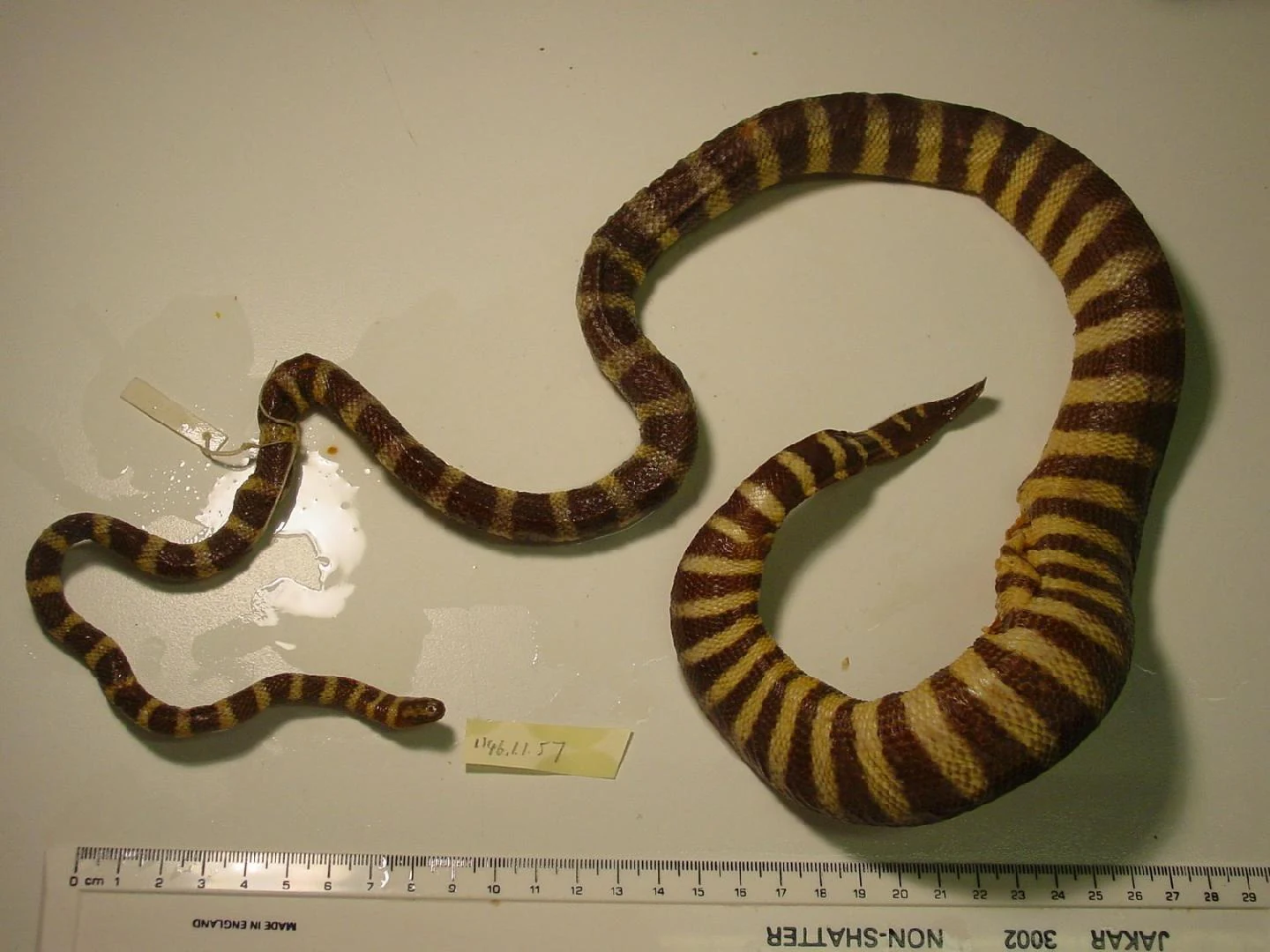
012 · Elapidae
Species account
Vietnam: national occurrence; no finer locality is assigned in this atlas.
Read the species account →Patrick Campbell / The Trustees of the Natural History Museum, London · CC BY 4.0 · https://creativecommons.org/licenses/by/4.0/
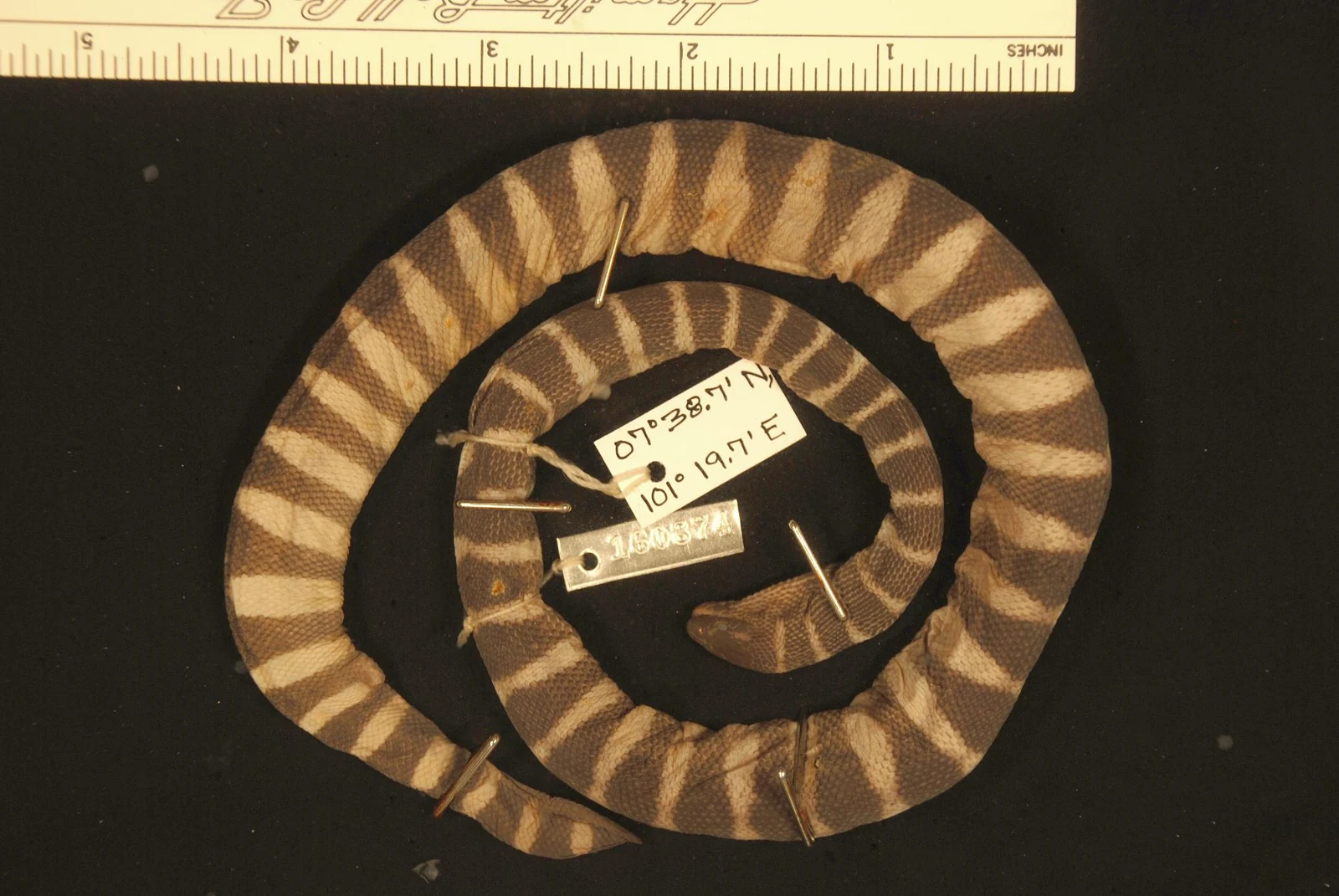
013 · Elapidae
Dwarf Seasnake
Vietnam: national occurrence; no finer locality is assigned in this atlas.
Read the species account →Brittany Rogers · CC0 1.0 · https://creativecommons.org/publicdomain/zero/1.0/
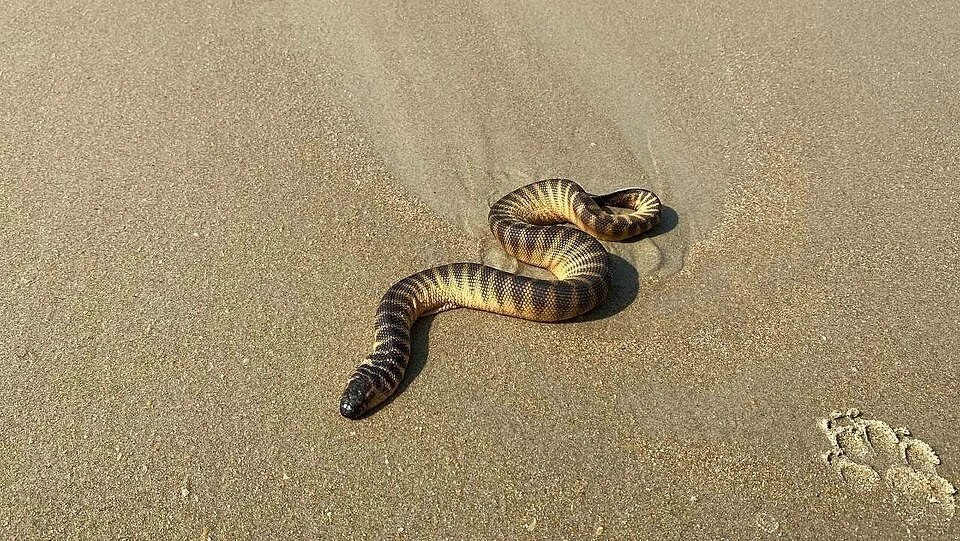
014 · Elapidae
Shaw's Sea Snake
Vietnam: national occurrence; no finer locality is assigned in this atlas.
Read the species account →Светлана Царахова · CC0 · https://creativecommons.org/publicdomain/zero/1.0/deed.en
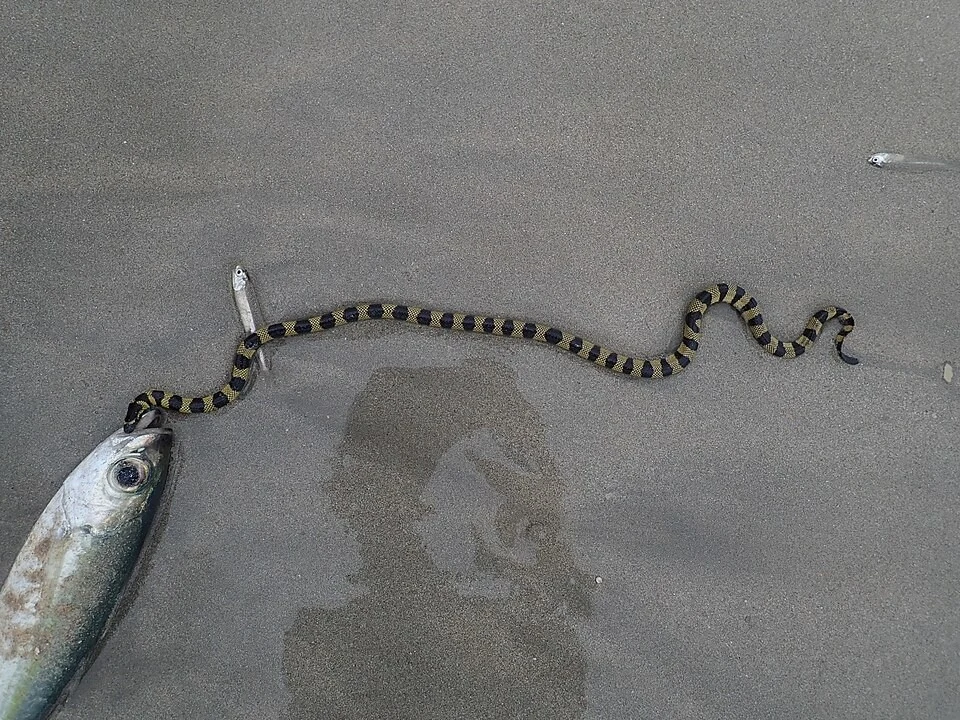
015 · Elapidae
Annulated Sea Snake
Vietnam: national occurrence; no finer locality is assigned in this atlas.
Read the species account →evannazareth · CC BY 4.0 · https://creativecommons.org/licenses/by/4.0
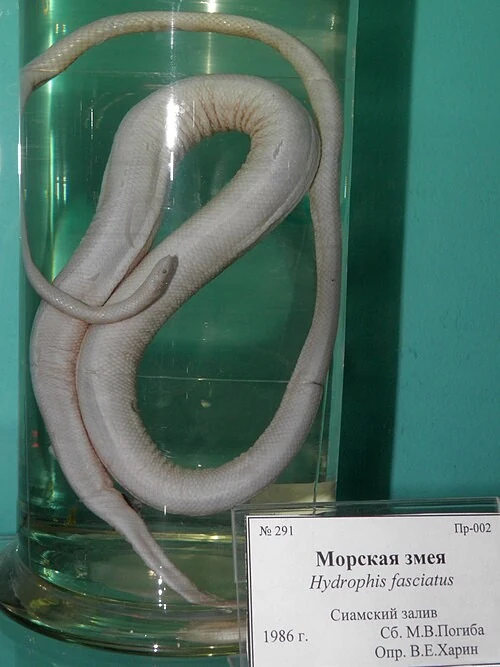
016 · Elapidae
Striped Sea Snake
Vietnam: national occurrence; no finer locality is assigned in this atlas.
Read the species account →A. C. Tatarinov · CC0 · https://creativecommons.org/publicdomain/zero/1.0/deed.en
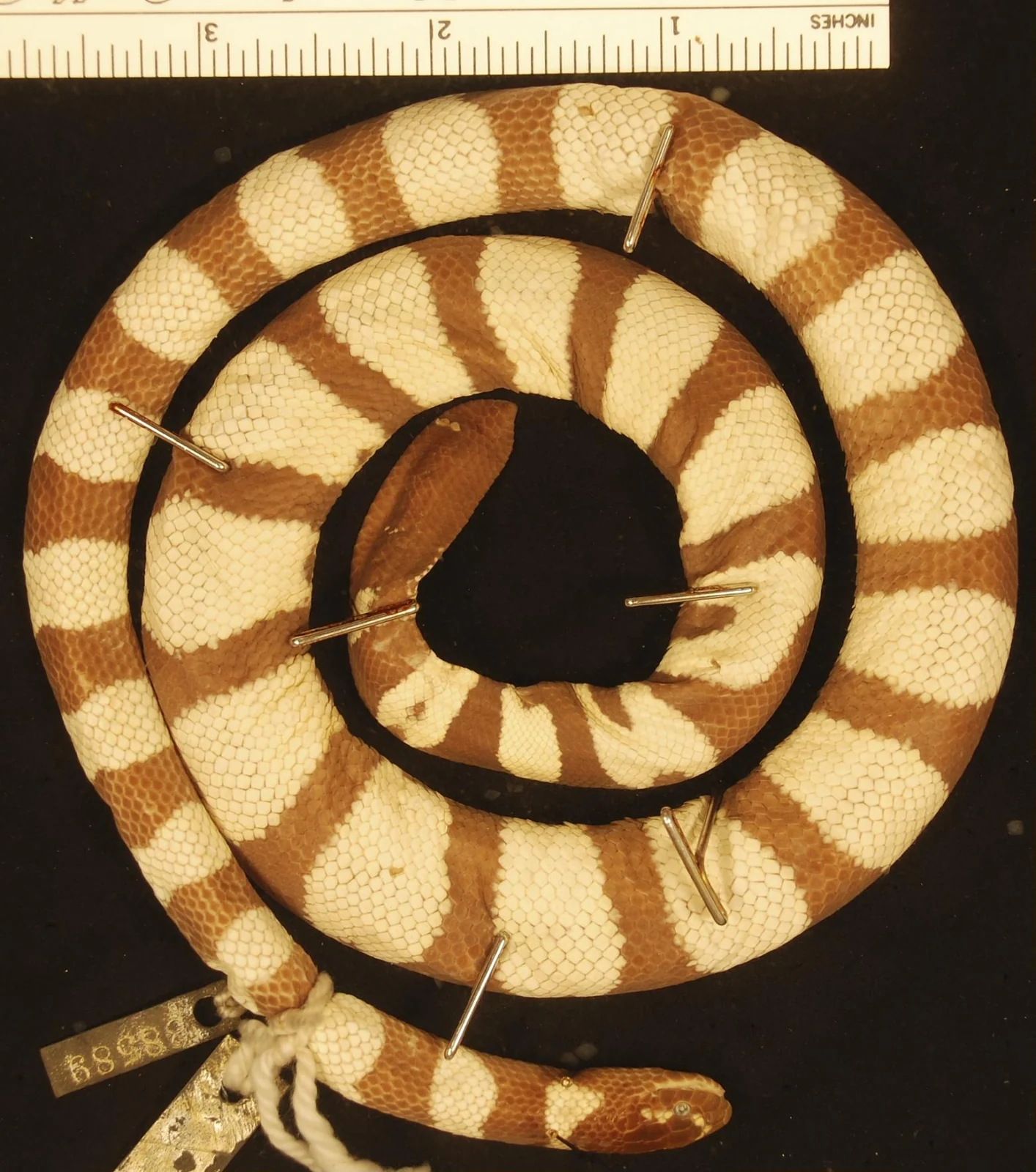
017 · Elapidae
Hardwicke’s spine-bellied seasnake
Vietnam: national occurrence; no finer locality is assigned in this atlas.
Read the species account →Brittany Rogers / Smithsonian Institution, National Museum of Natural History · CC0 1.0 · https://creativecommons.org/publicdomain/zero/1.0/
018 · Elapidae
Saddle-backed sea snake
Vietnam: national occurrence; no finer locality is assigned in this atlas.
Read the species account →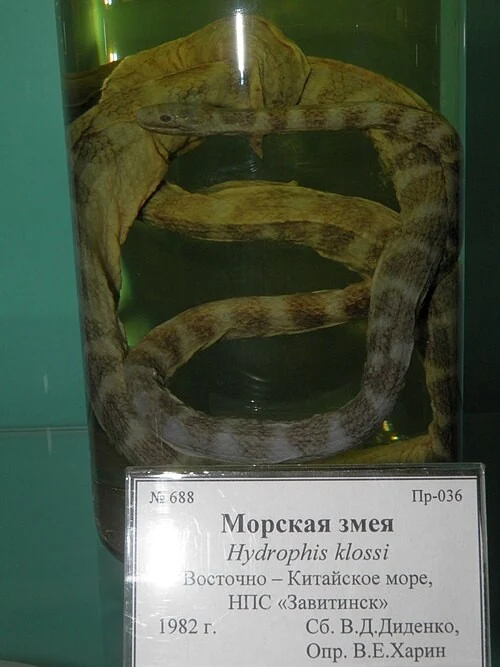
019 · Elapidae
Kloss' Sea Snake
Vietnam: national occurrence; no finer locality is assigned in this atlas.
Read the species account →A. C. Tatarinov · CC0 · https://creativecommons.org/publicdomain/zero/1.0/deed.en
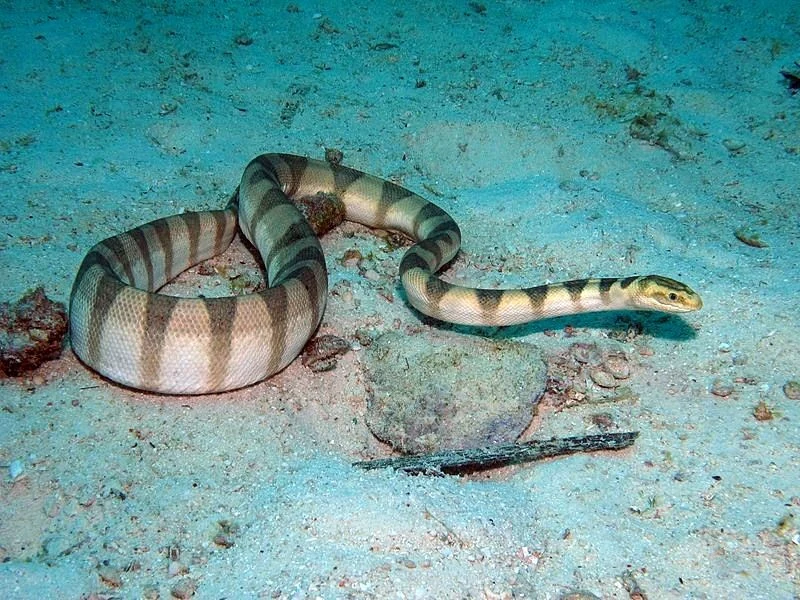
020 · Elapidae
Lambert's Sea Snake
Vietnam: national occurrence; no finer locality is assigned in this atlas.
Read the species account →Franco Colnago · CC BY 4.0 · https://creativecommons.org/licenses/by/4.0
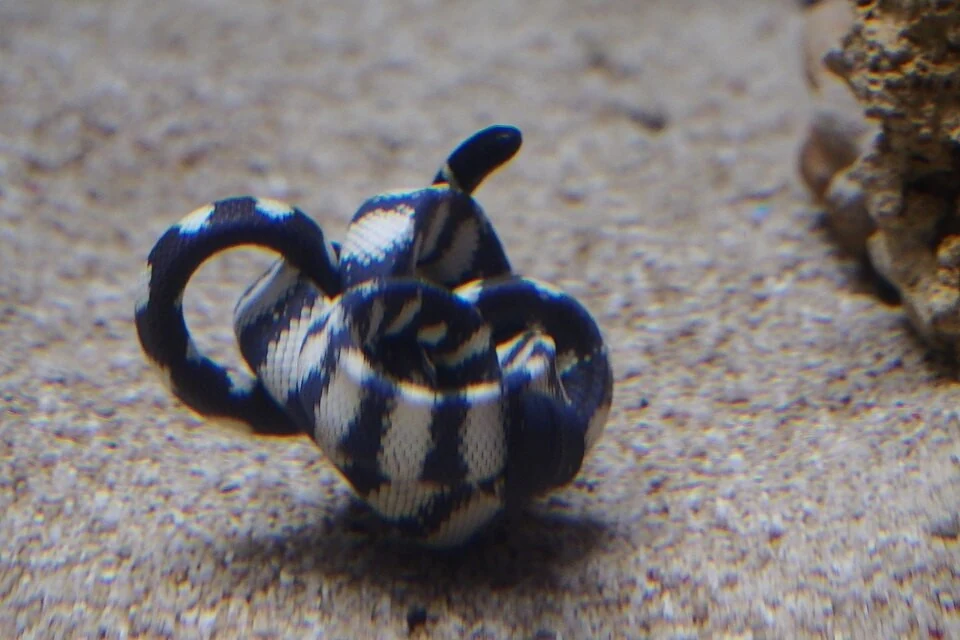
021 · Elapidae
Slender-necked Seasnake
Vietnam: national occurrence; no finer locality is assigned in this atlas.
Read the species account →harum.koh from Kobe city, Japan · CC BY-SA 2.0 · https://creativecommons.org/licenses/by-sa/2.0
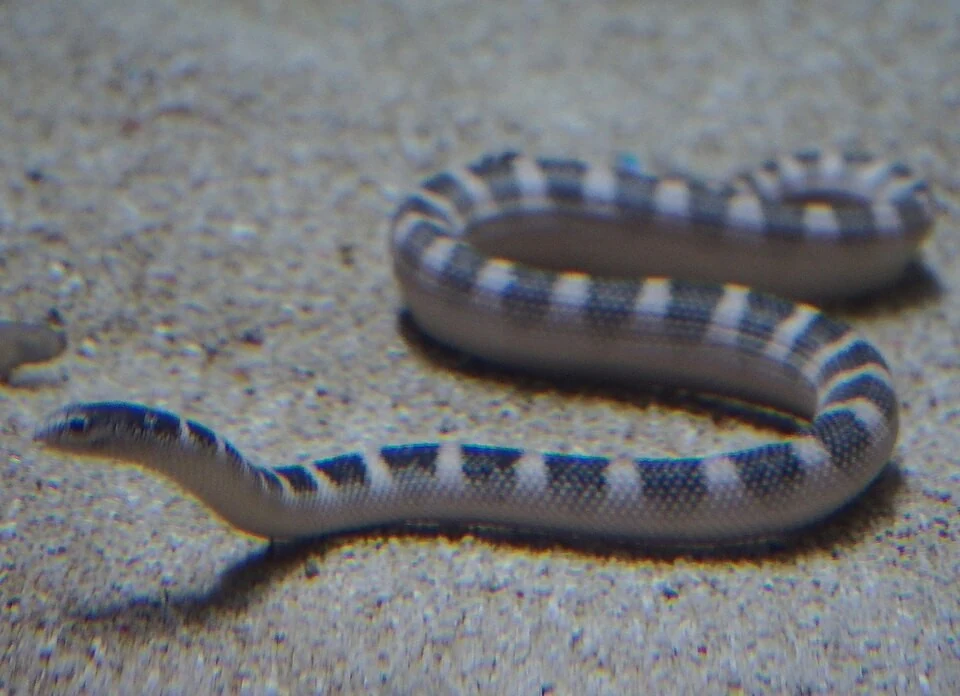
022 · Elapidae
Ornate Reef seasnake
Vietnam: national occurrence; no finer locality is assigned in this atlas.
Read the species account →harum.koh from Kobe city, Japan · CC BY-SA 2.0 · https://creativecommons.org/licenses/by-sa/2.0
023 · Elapidae
Species account
Vietnam: national occurrence; no finer locality is assigned in this atlas.
Read the species account →024 · Elapidae
Species account
Vietnam: national occurrence; no finer locality is assigned in this atlas.
Read the species account →Read further
Guide reviewed 11 October 2026. Source dates and geographic scope matter; landscape photographs do not establish species occurrence.
River-mouth–archipelago connections and island/marine environments; not evidence of a particular sea-snake locality.
Dry coastal forest, reefs, seagrass and land–sea geography. Species totals are not used here.
Marine-inundated karst, coastal habitats and pressures from development, tourism and waste.
Continue through Vietnam
Vietnam’s forest story includes wet southern woodland and unusually dry coastal forest. Look inside the vegetation, then ask which landscape surrounds it.
02Hoang Lien in the northwest and Langbiang in the Central Highlands offer different mountain environments. Elevation is a starting point, not a complete habitat description.
03Vietnamese limestone country joins forest, exposed rock, caves and water. The spaces between the towers matter as much as their silhouettes.
04A northern lake among limestone mountains and a seasonally flooded Mekong wetland are both freshwater habitats, but their water cycles and vegetation differ.
05Can Gio and the Red River Delta show how sediment, tides and freshwater build coastal habitat. Mangrove trees belong to a wider estuarine mosaic.