Conversion to aquaculture
Mui Ca Mau’s 2012 assessment records mangrove degradation associated with encroachment and pond conversion. This is a dated local example of a coastal pressure.
Vietnam · Habitat field guide
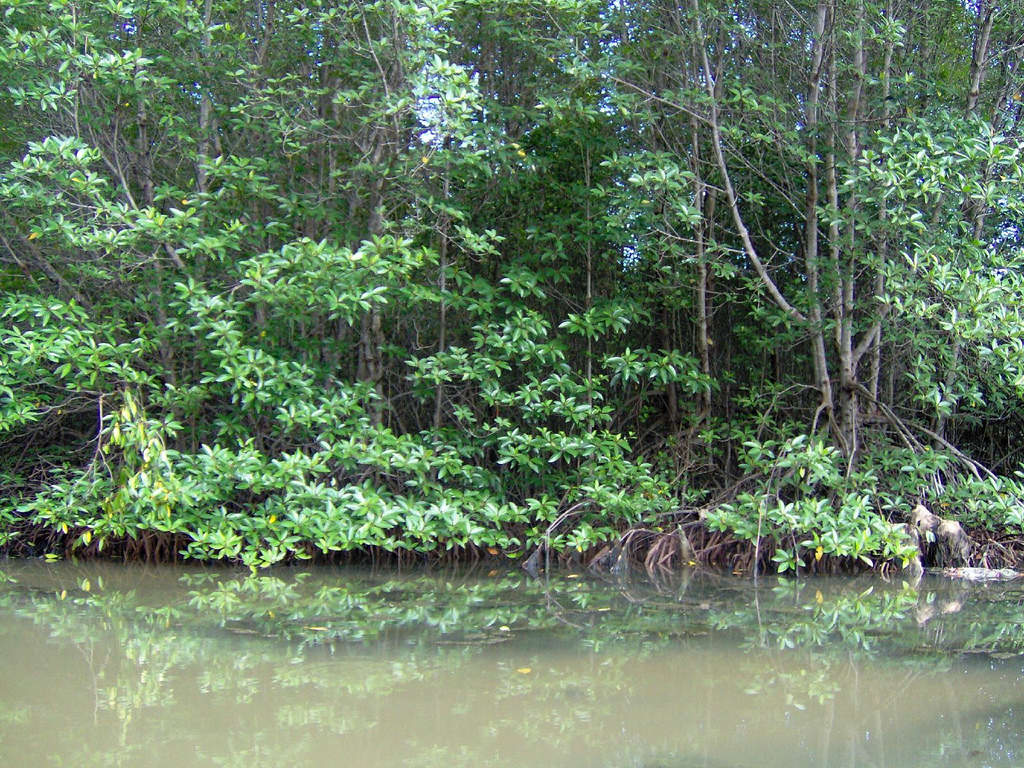
Can Gio and the Red River Delta show how sediment, tides and freshwater build coastal habitat. Mangrove trees belong to a wider estuarine mosaic.
Mangrove trees and exposed roots in Can Gio, Vietnam.
Understanding the environment
Can Gio and the Red River Delta show how sediment, tides and freshwater build coastal habitat. Mangrove trees belong to a wider estuarine mosaic.
Explore the structure · Move from the channel through trees to the open flat.
Select a zone to see what changes.
Moving water
Look for river input and the waterline left by the tide.
Record tidal state where known instead of treating water level as fixed.
A conceptual habitat reading guide. The zones are not to scale and do not establish the presence of any snake at a particular site.
Sources: UNESCO · Can Gio Mangrove Biosphere Reserve · UNESCO · Red River Delta Biosphere Reserve
Field notes · 01
Can Gio’s brackish landscape receives sediment through the Saigon and Dong Nai river systems. UNESCO describes mangroves alongside marshes, mudflats and seagrass.
The useful field question is which part of this mosaic a record concerns. An estuary name alone does not say whether an animal used a bank, a tree or open water.
Field notes · 02
In the Red River Delta, tidal canals move water and sediment through mangroves and mudflats. UNESCO describes the role of vegetation in sediment retention and the importance of local management.
Restoration should match the original habitat. The Mui Ca Mau site assessment explicitly warns that planting trees on valuable open intertidal flats can itself threaten biodiversity.
Sources: UNESCO · Red River Delta Biosphere Reserve · Ramsar · Mui Ca Mau Information Sheet (2012)
Pressures on Vietnam’s habitats
Mui Ca Mau’s 2012 assessment records mangrove degradation associated with encroachment and pond conversion. This is a dated local example of a coastal pressure.
The same assessment identifies tree planting on intertidal mudflats as a biodiversity risk. More tree cover is not automatically the right ecological outcome everywhere.
Protect tidal exchange and sediment pathways, retain open flats where they are part of the natural mosaic, and involve coastal communities in habitat and water-quality monitoring.
The connected collection
These 7 species have supported country occurrence and an explicit habitat association in the shared account. The association may come from elsewhere in their range. This is not a complete local habitat inventory; the places above are landscape examples, not asserted collecting sites.
7 species · showing 7
001 · Acrochordidae
Little filesnake
Vietnam: national occurrence; no finer locality is assigned in this atlas.
Read the species account →Mario Lutz · Copyright Mario Lutz. Authorised for display in this atlas; no third-party reuse licence granted.
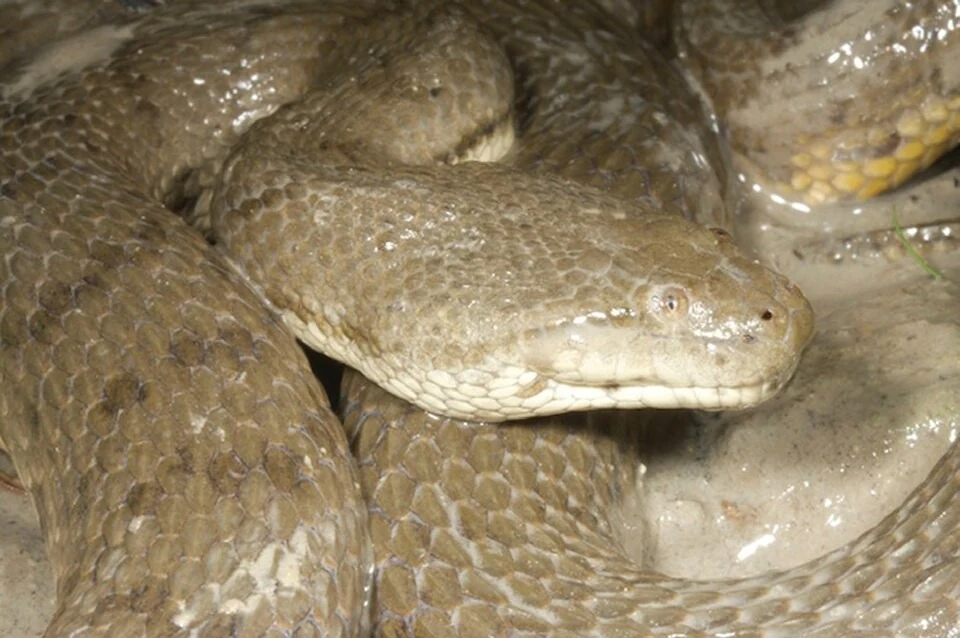
002 · Homalopsidae
Southeast Asian Bockadam
Vietnam: national occurrence; no finer locality is assigned in this atlas.
Read the species account →Mark O’Shea · CC BY 3.0 · https://creativecommons.org/licenses/by/3.0
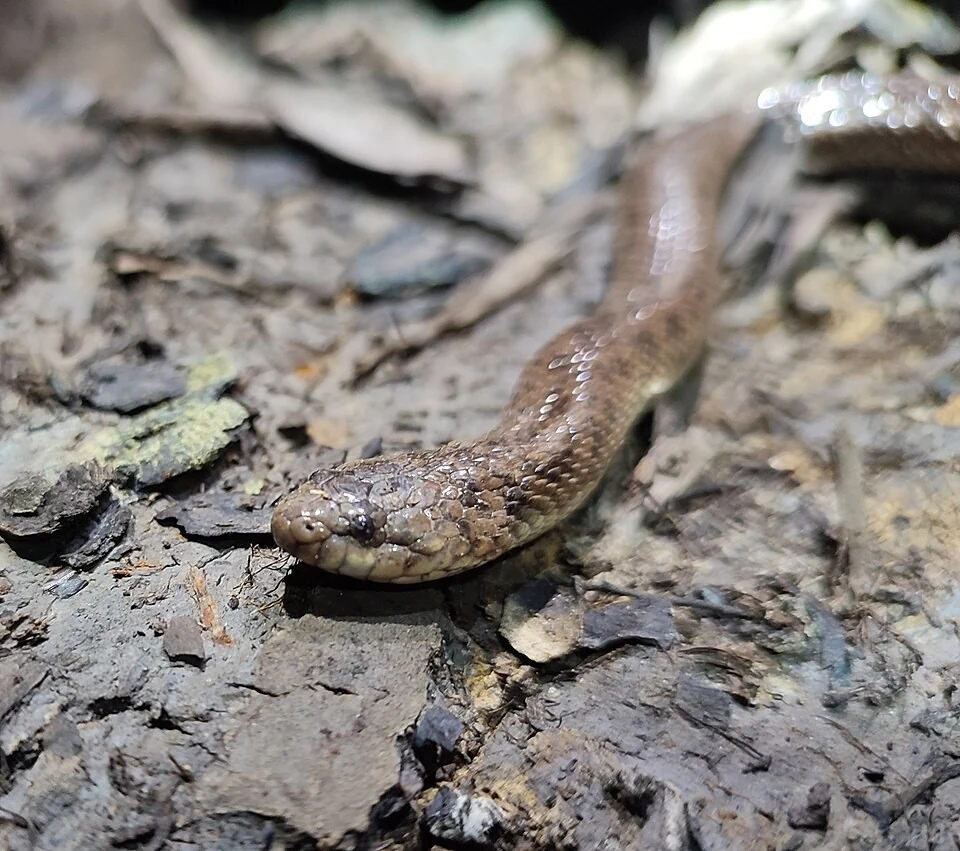
003 · Homalopsidae
Crab-eating (Water) Snake
Vietnam: national occurrence; no finer locality is assigned in this atlas.
Read the species account →Samuel GUIRAUDOU · CC BY 4.0 · https://creativecommons.org/licenses/by/4.0
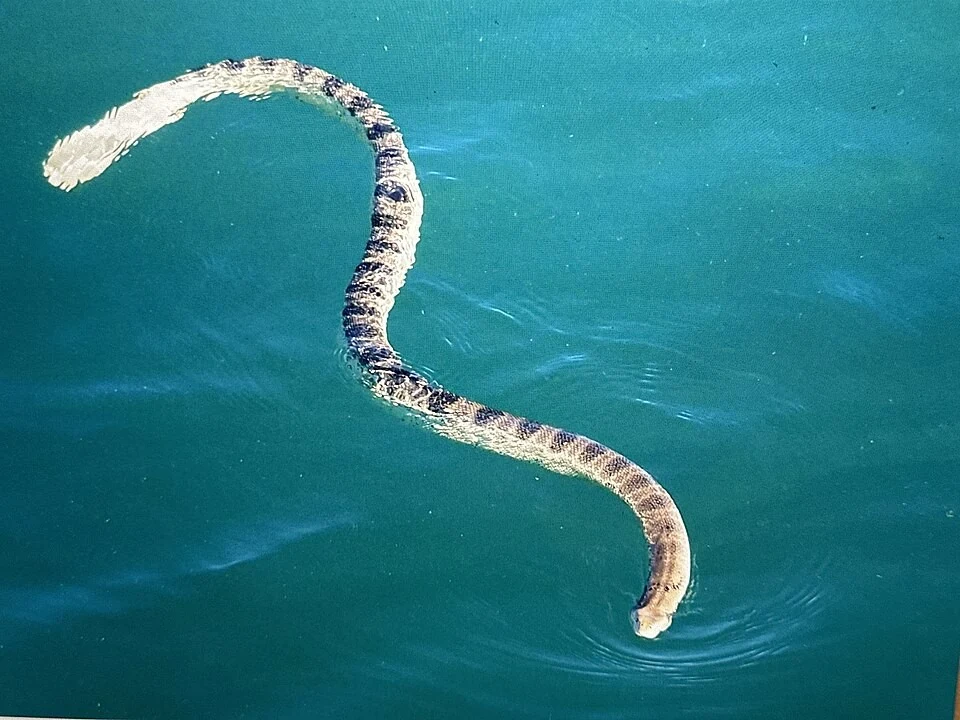
004 · Elapidae
Stoke’s seasnake
Vietnam: national occurrence; no finer locality is assigned in this atlas.
Read the species account →Rosario · CC BY 4.0 · https://creativecommons.org/licenses/by/4.0
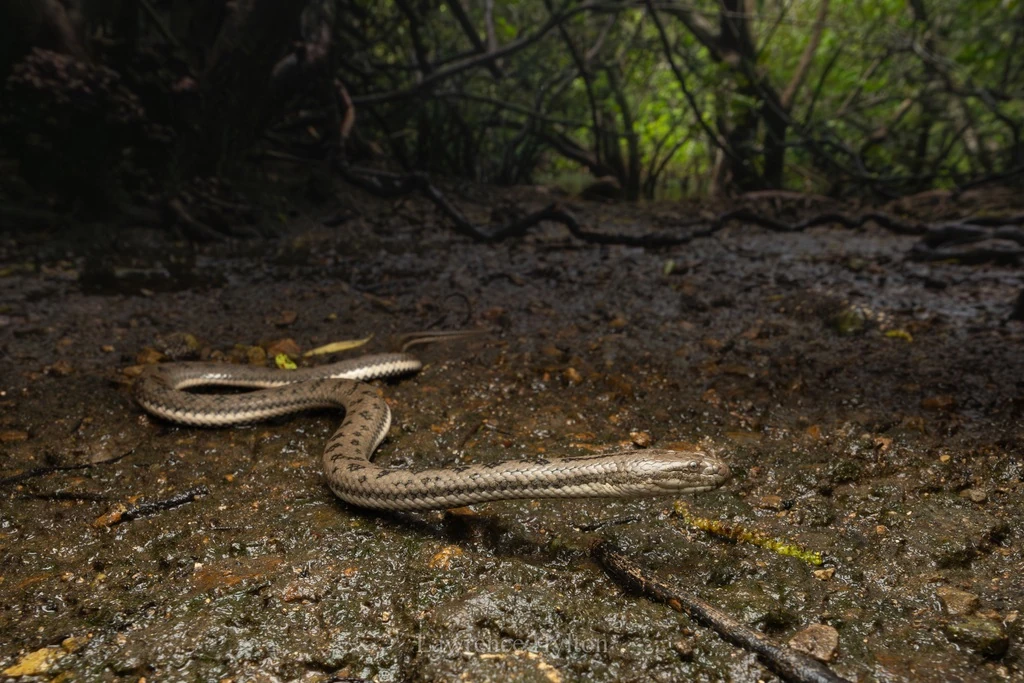
005 · Homalopsidae
Bennett's Mud Snake
Vietnam: national occurrence; no finer locality is assigned in this atlas.
Read the species account →Lawrence Hylton · CC BY 4.0 · https://creativecommons.org/licenses/by/4.0/
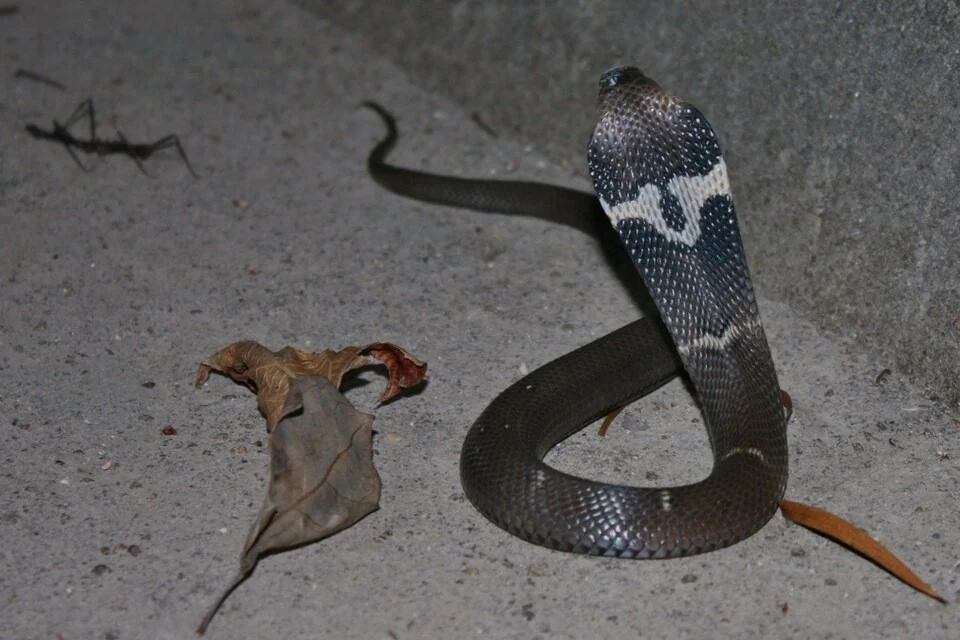
006 · Elapidae
Chinese Cobra
Vietnam: national occurrence; no finer locality is assigned in this atlas. The 2024 provincial checklist explicitly lists this species in Thanh Hoa. The 2026 provincial checklist explicitly lists this species in Ha Tinh. The 2020 provincial checklist explicitly lists this species in Son La. This establishes a provincial record; it does not imply…
Read the species account →Thomas Brown · CC BY 2.0 · https://creativecommons.org/licenses/by/2.0
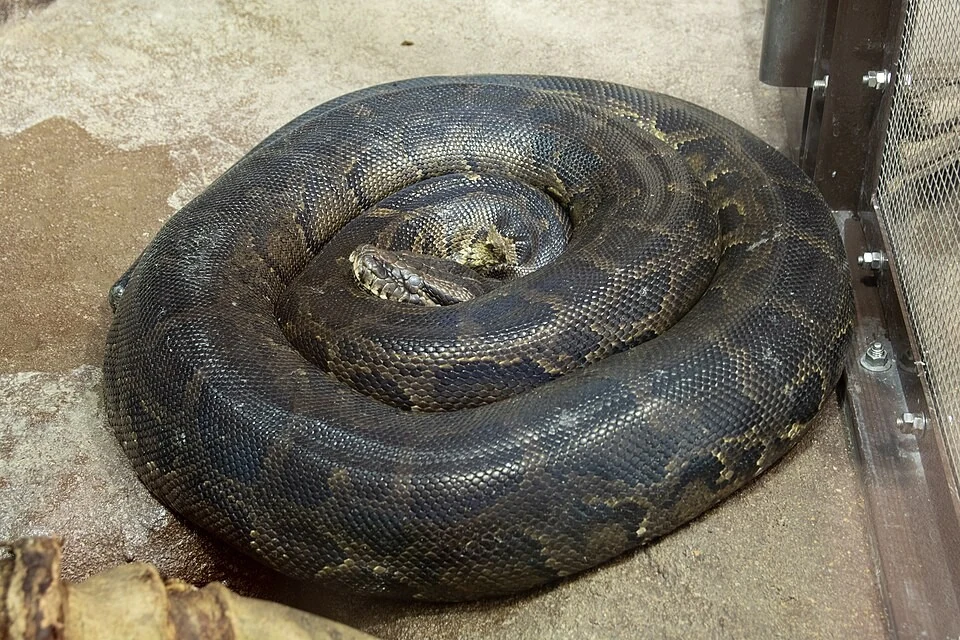
007 · Pythonidae
Burmese Python
Vietnam: Hoa Binh. The 2024 provincial checklist explicitly lists this species in Thanh Hoa. This establishes a provincial record; it does not imply occurrence in every protected area or across the whole editorial region.
Read the species account →Σ64 · CC BY 4.0 · https://creativecommons.org/licenses/by/4.0
Read further
Guide reviewed 11 October 2026. Source dates and geographic scope matter; landscape photographs do not establish species occurrence.
Estuarine sediment supply and mangrove, mudflat, marsh and seagrass habitats.
Tidal canals, estuarine sediment, mangroves, mudflats and community management.
Historical mangrove conversion and the need to preserve intertidal mudflats as habitats in their own right.
Continue through Vietnam
Vietnam’s forest story includes wet southern woodland and unusually dry coastal forest. Look inside the vegetation, then ask which landscape surrounds it.
02Hoang Lien in the northwest and Langbiang in the Central Highlands offer different mountain environments. Elevation is a starting point, not a complete habitat description.
03Vietnamese limestone country joins forest, exposed rock, caves and water. The spaces between the towers matter as much as their silhouettes.
04A northern lake among limestone mountains and a seasonally flooded Mekong wetland are both freshwater habitats, but their water cycles and vegetation differ.
05Vietnam’s coastal atlas reaches from limestone archipelagos to central reefs and seagrass. A shoreline is a meeting of habitats rather than a single uniform environment.