A long north–south country
Vietnam occupies the eastern side of the Indochinese Peninsula. Its national biodiversity report describes an approximately 1,650 km north–south extent and a mainland coastline of about 3,260 km.
Read the source →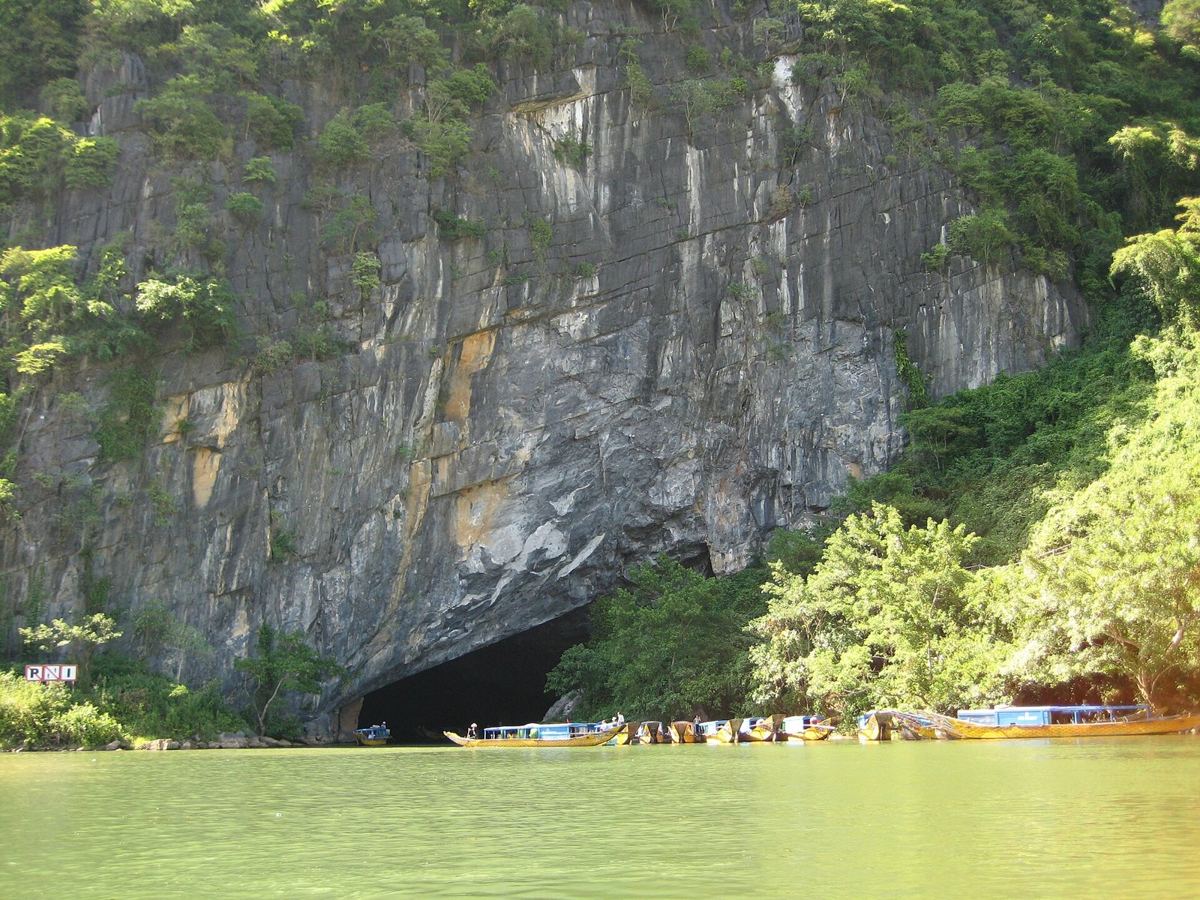
Vietnam · The country atlas
From northern uplands and the Annamites to river deltas, mangroves and a long tropical coast, Vietnam connects very different snake environments within one country.
Forested limestone mountains in Phong Nha-Ke Bang National Park, Vietnam.
Geography & biotopes
From northern uplands and the Annamites to river deltas, mangroves and a long tropical coast, Vietnam connects very different snake environments within one country.
Vietnam occupies the eastern side of the Indochinese Peninsula. Its national biodiversity report describes an approximately 1,650 km north–south extent and a mainland coastline of about 3,260 km.
Read the source →The national reports distinguish mountain and lowland landscapes, river basins, coastal lagoons, islands and marine environments. Wetlands are particularly extensive in the Mekong and Red River deltas.
Read the source →Phong Nha-Ke Bang shares a karst landscape with Hin Nam No in Laos. Its forest and cave environments form part of an ecological system that crosses the national boundary.
Read the source →Habitats & living landscapes
Explore 6 guides to the environments, places and conservation pressures that shape this country. Each guide connects to the regional map and shared species accounts.
Habitat · 01
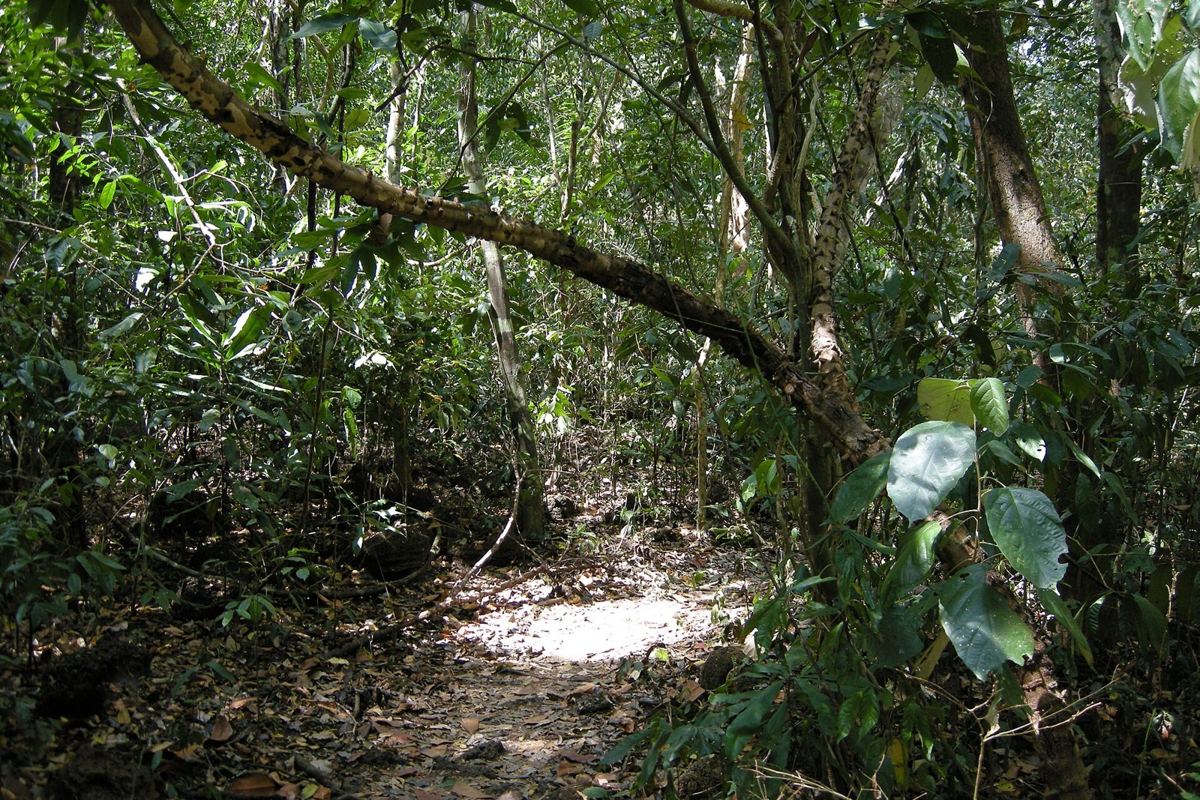
Vietnam’s forest story includes wet southern woodland and unusually dry coastal forest. Look inside the vegetation, then ask which landscape surrounds it.
Explore the habitat ↗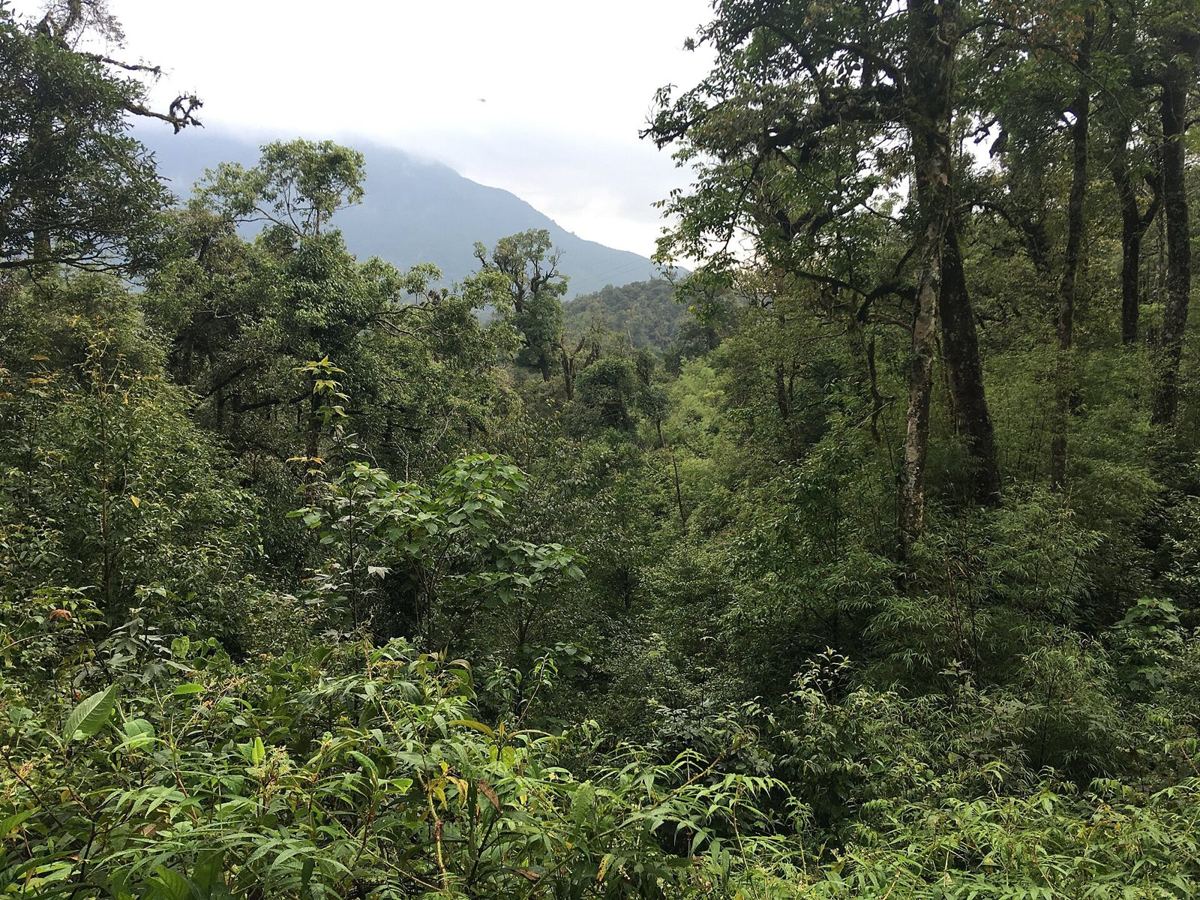
Habitat · 02
Hoang Lien in the northwest and Langbiang in the Central Highlands offer different mountain environments. Elevation is a starting point, not a complete habitat description.
Explore the habitat ↗Habitat · 03
Vietnamese limestone country joins forest, exposed rock, caves and water. The spaces between the towers matter as much as their silhouettes.
Explore the habitat ↗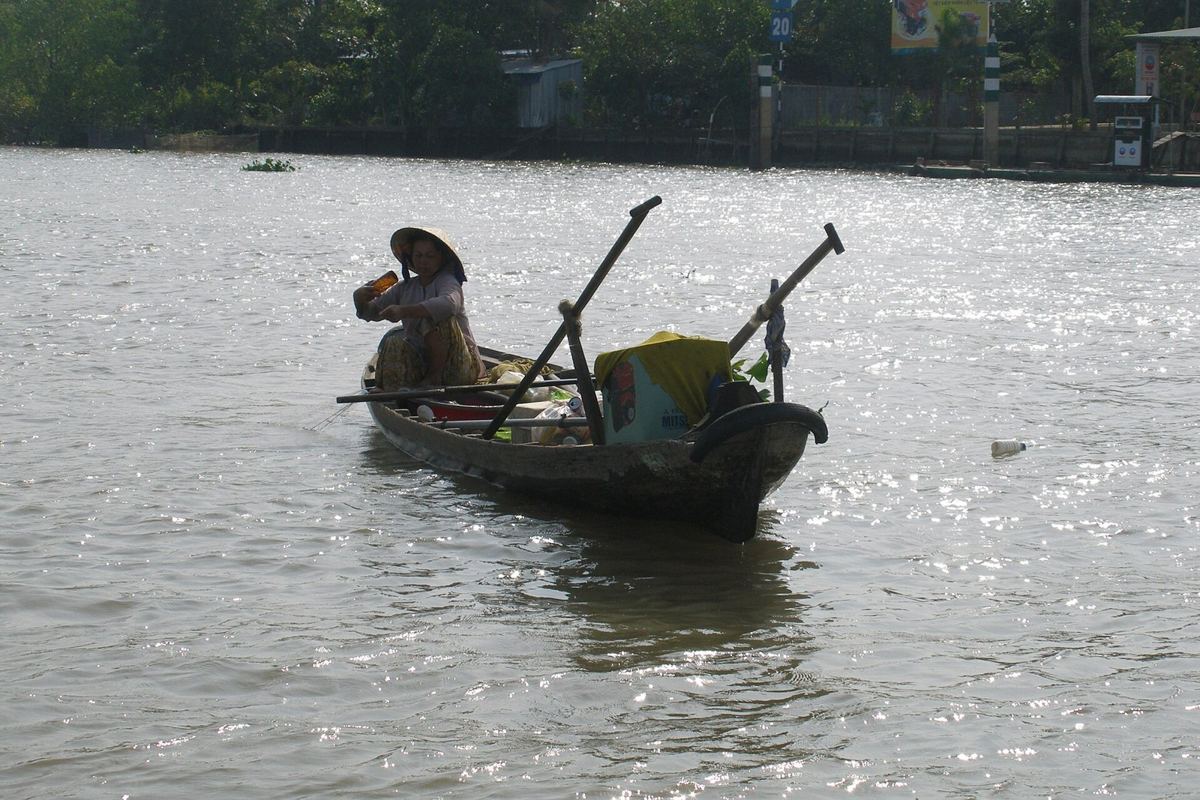
Habitat · 04
A northern lake among limestone mountains and a seasonally flooded Mekong wetland are both freshwater habitats, but their water cycles and vegetation differ.
Explore the habitat ↗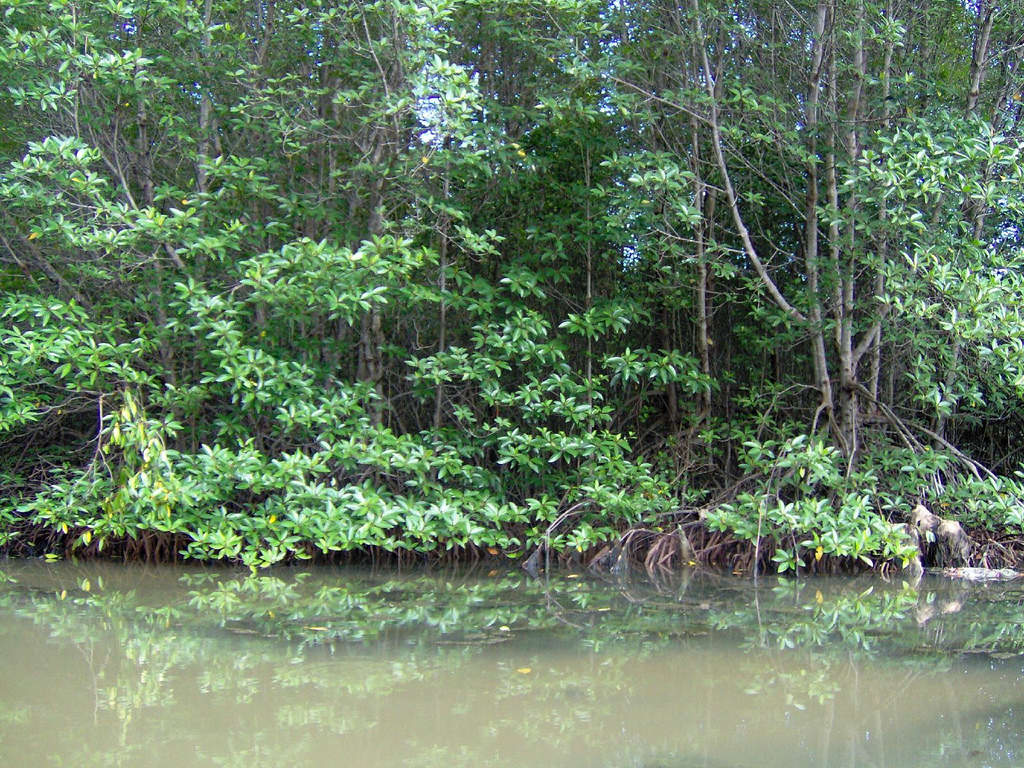
Habitat · 05
Can Gio and the Red River Delta show how sediment, tides and freshwater build coastal habitat. Mangrove trees belong to a wider estuarine mosaic.
Explore the habitat ↗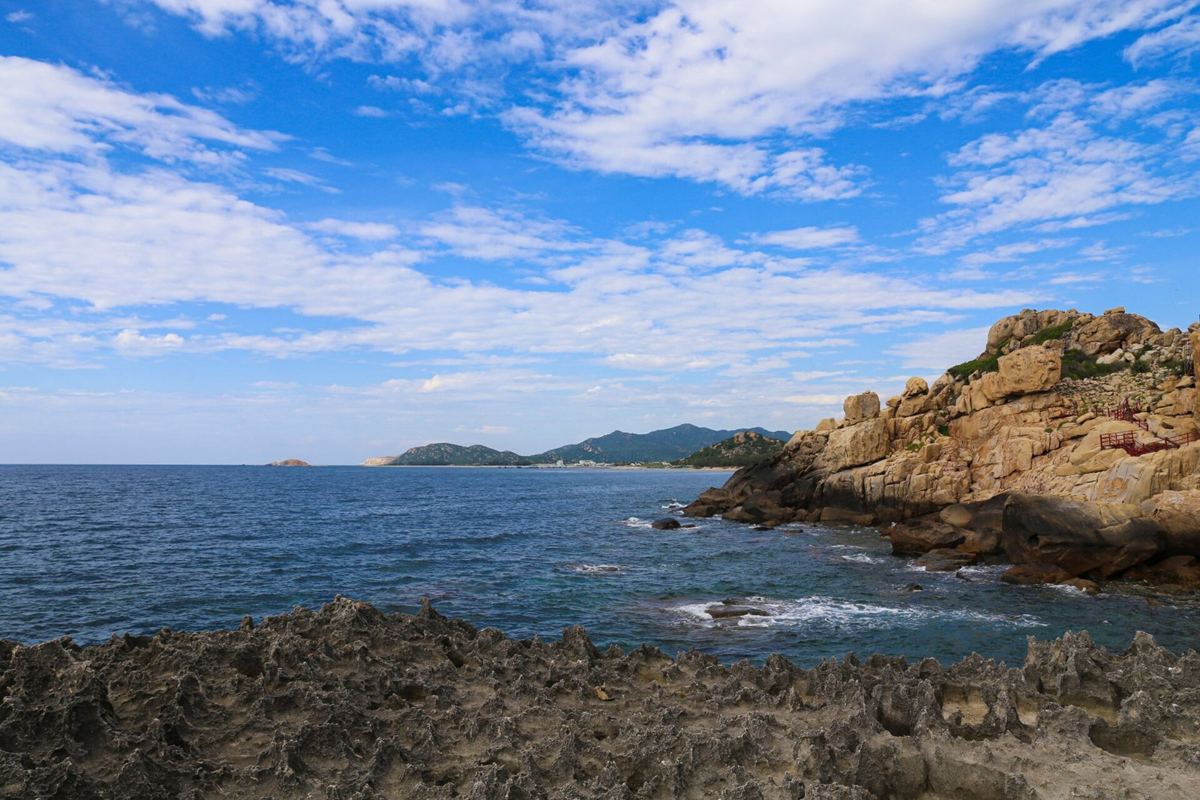
Habitat · 06
Vietnam’s coastal atlas reaches from limestone archipelagos to central reefs and seagrass. A shoreline is a meeting of habitats rather than a single uniform environment.
Explore the habitat ↗Forest in Cat Tien National Park, southeastern Vietnam. — Vyacheslav Argenberg. Original photograph · CC BY 4.0. Cropped for the cards; photographs do not establish snake occurrence.
The Hoang Lien mountain landscape in northern Vietnam. — Christophe95. Original photograph · CC BY-SA 4.0. Cropped for the cards; photographs do not establish snake occurrence.
Forested limestone mountains in Phong Nha-Ke Bang National Park, Vietnam. — Genghiskhanviet. Original photograph · Public domain. Cropped for the cards; photographs do not establish snake occurrence.
A river at Phong Dien in the Mekong Delta, southern Vietnam. — Vyacheslav Argenberg. Original photograph · CC BY 4.0. Cropped for the cards; photographs do not establish snake occurrence.
Mangrove trees and exposed roots in Can Gio, Vietnam. — Tho nau. Original photograph · CC BY-SA 3.0. Cropped for the cards; photographs do not establish snake occurrence.
The coast and dry landscape of Nui Chua National Park, Vietnam. — Hải Âu Cần Thơ. Original photograph · CC BY-SA 4.0. Cropped for the cards; photographs do not establish snake occurrence.
The species collection
Search current and historical names, common names or families. Every entry opens the shared species account with its distribution evidence and references.
270 species · showing 24
001 · Xenodermidae
Bourret's Odd-scaled Snake
Vietnam: national occurrence; no finer locality is assigned in this atlas. The 2024 reassessment confirms Tam Dao specimen MNHN 1935.0050 as A. ater and lists Ngan Son in Table 2.
Read the species account →002 · Xenodermidae
Emily’s Burrowing Snake
Vietnam: Bac Giang, Quang Ninh. Table 2 of the 2024 review lists these Vietnamese reserve records.
Read the species account →003 · Xenodermidae
Julian’s Burrowing Snake
Vietnam: Cao Bang.
Read the species account →004 · Xenodermidae
Pingbian odd-scaled snake
Nguyen and David (2024) identify historical Sa Pa, Lao Cai specimen MNHN-RA-1958.0469 as A. pingbianensis, establishing its Vietnamese occurrence. MNHN-RA-1958.0469 establishes the Vietnamese record after reidentification in 2024.
Read the species account →005 · Xenodermidae
Quang’s Odd-Scaled Snake
Vietnam: Son La; Thanh Hoa, Nghe An, Ha Tinh; Phu Yen. The 2026 provincial checklist explicitly lists this species in Ha Tinh. Six historical Tam Dao specimens formerly labelled A. rufescens were reidentified as A. quangi in 2024. This establishes a provincial record; it does not imply occurrence in every protected area or across the whole editorial region.
Read the species account →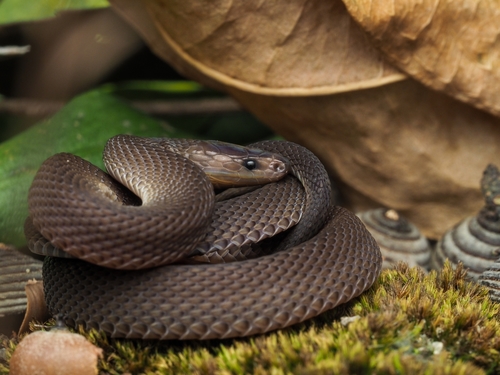
006 · Xenodermidae
Boulenger's Odd-scaled Snake
Vietnam: national occurrence; no finer locality is assigned in this atlas.
Read the species account →Marco Chan · CC-BY · https://www.inaturalist.org/photos/108614091
007 · Xenodermidae
Tim’s Burrowing Snake
Vietnam: Son La. The 2020 provincial checklist explicitly lists this species in Son La. This establishes a provincial record; it does not imply occurrence in every protected area or across the whole editorial region.
Read the species account →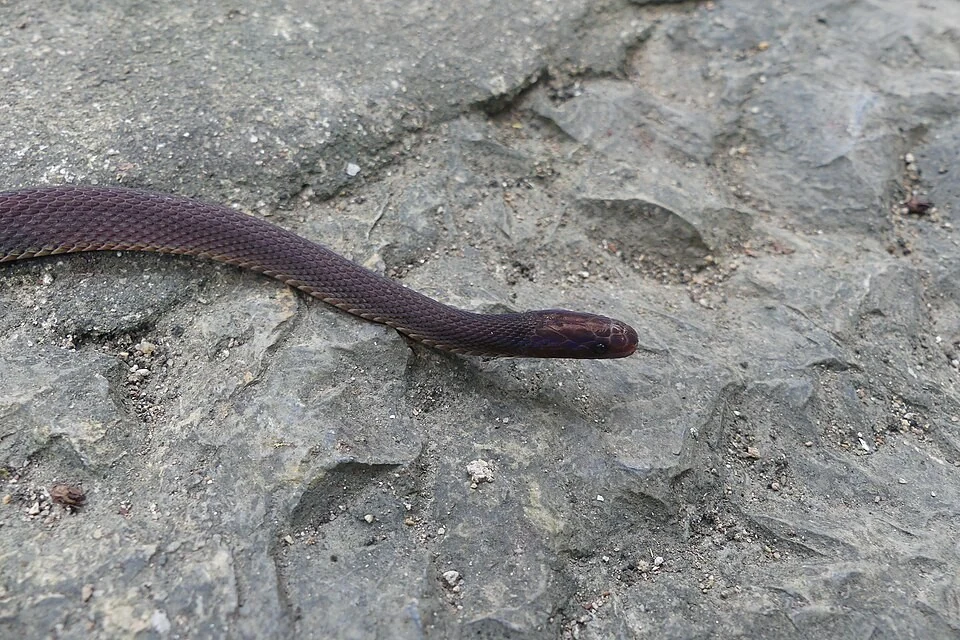
008 · Xenodermidae
Trang An Burrowing Snake
Vietnam: Ninh Binh.
Read the species account →Hà Nghĩa VN · CC BY-SA 4.0 · https://creativecommons.org/licenses/by-sa/4.0
009 · Xenodermidae
Van Ho burrowing snake
Vietnam: Son La.
Read the species account →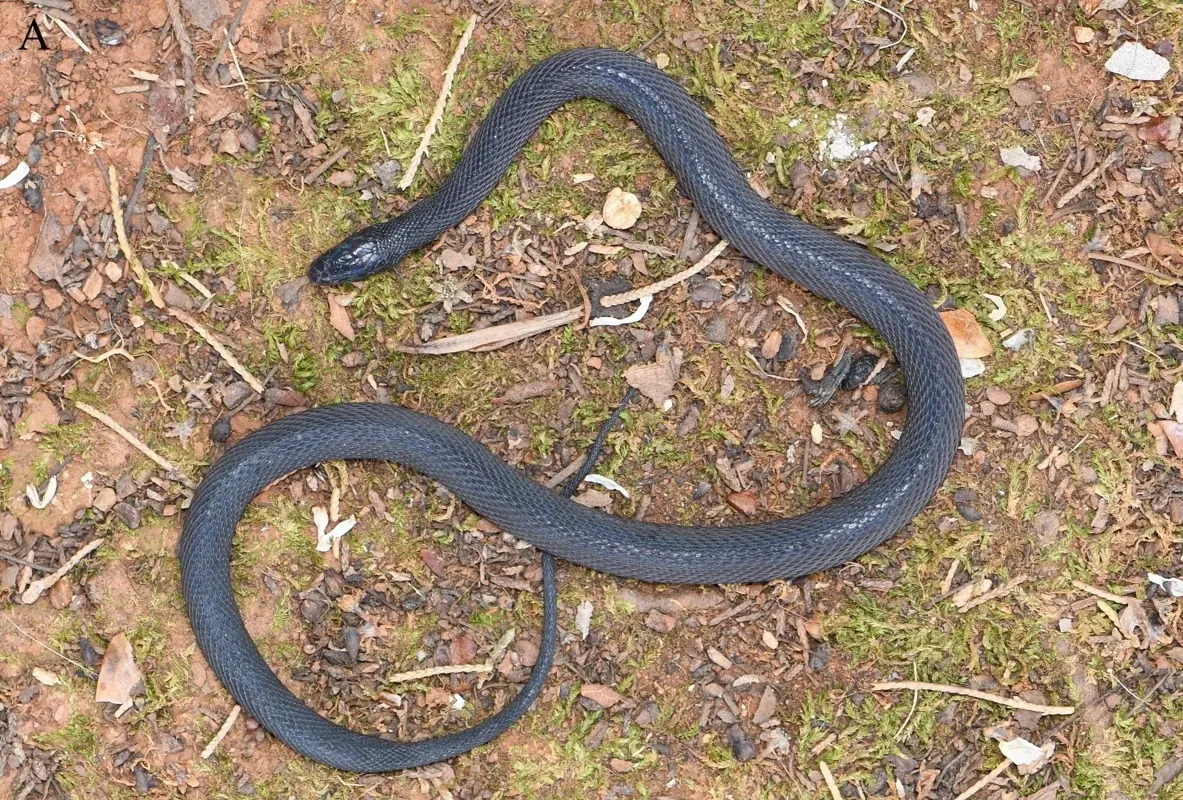
010 · Xenodermidae
Zugs’ Odd-Scaled Snake
Vietnam: Ha Giang.
Read the species account →Liu et al. (2025) · CC BY 4.0 · https://creativecommons.org/licenses/by/4.0/
011 · Acrochordidae
Little filesnake
Vietnam: national occurrence; no finer locality is assigned in this atlas.
Read the species account →Mario Lutz · Copyright Mario Lutz. Authorised for display in this atlas; no third-party reuse licence granted.
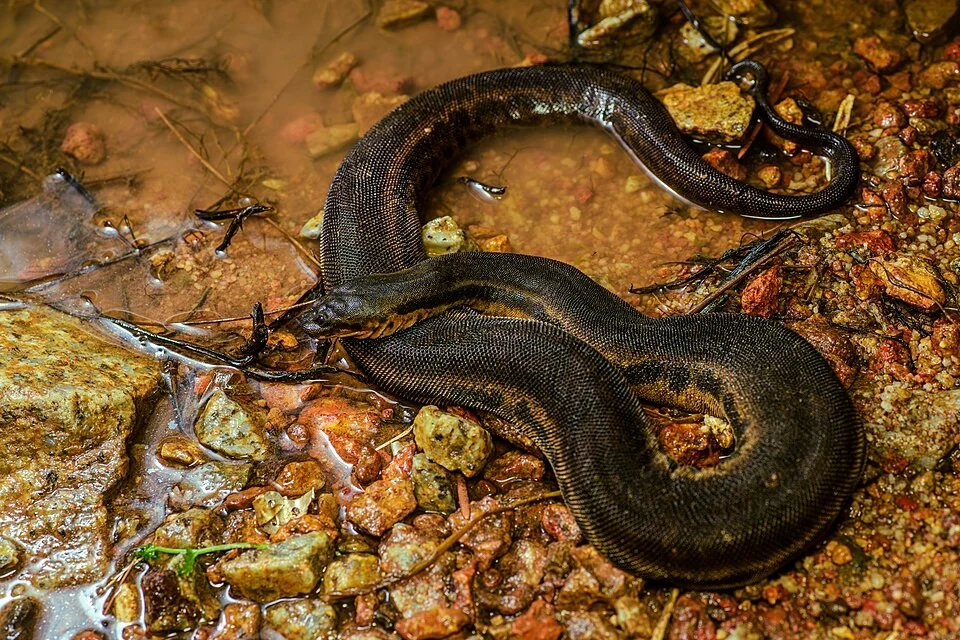
012 · Acrochordidae
Javan File Snake
Vietnam: national occurrence; no finer locality is assigned in this atlas.
Read the species account →Rushenb · CC BY-SA 4.0 · https://creativecommons.org/licenses/by-sa/4.0
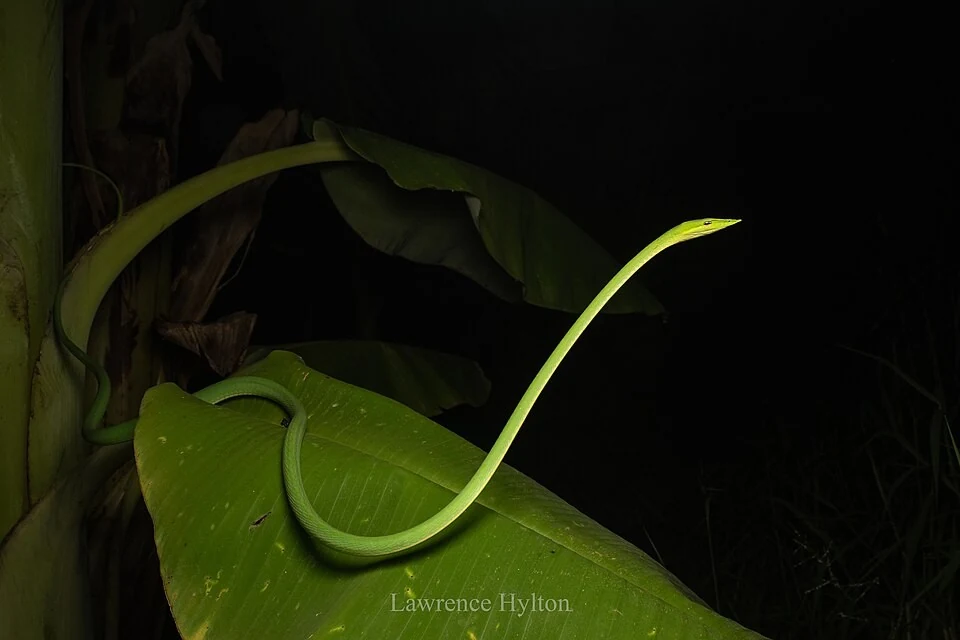
013 · Colubridae
Dark Whip Snake
Vietnam: national occurrence; no finer locality is assigned in this atlas. The 2026 provincial checklist explicitly lists this species in Ha Tinh. This establishes a provincial record; it does not imply occurrence in every protected area or across the whole editorial region.
Read the species account →Lawrence Hylton · CC BY 4.0 · https://creativecommons.org/licenses/by/4.0
014 · Colubridae
Gunther’s whip snake
Vietnam: Hoa Binh. The 2024 provincial checklist explicitly lists this species in Thanh Hoa. The 2026 provincial checklist explicitly lists this species in Ha Tinh. The 2020 provincial checklist explicitly lists this species in Son La. This establishes a provincial record; it does not imply occurrence in every protected area or across the whole editorial…
Read the species account →Mario Lutz · Copyright Mario Lutz. Authorised for display in this atlas; no third-party reuse licence granted.
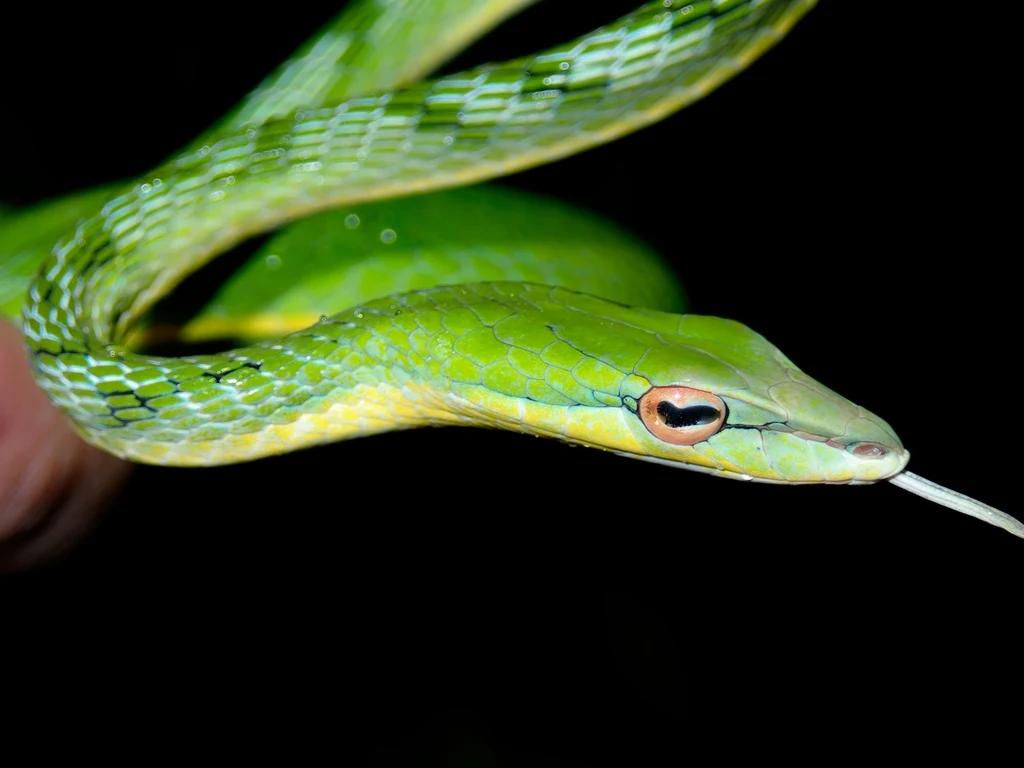
015 · Colubridae
Red-eyed vine snake
Vietnam: Soc Trang.
Read the species account →Jay Paroline · CC BY 4.0 · https://creativecommons.org/licenses/by/4.0/
016 · Elapidae
Spine-tailed seasnake
Vietnam: national occurrence; no finer locality is assigned in this atlas.
Read the species account →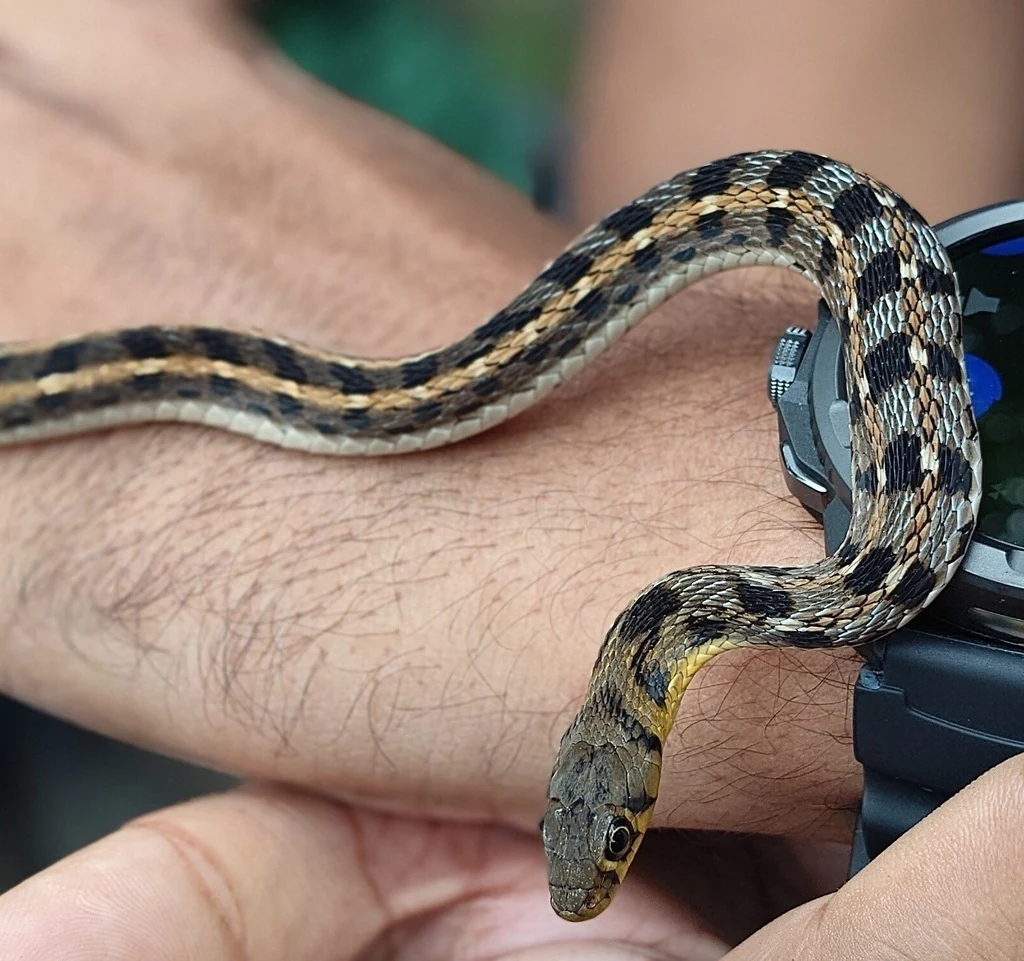
017 · Colubridae
Buff Striped Keelback
Vietnam: Hoa Binh. The 2024 provincial checklist explicitly lists this species in Thanh Hoa. The 2026 provincial checklist explicitly lists this species in Ha Tinh. The 2020 provincial checklist explicitly lists this species in Son La. This establishes a provincial record; it does not imply occurrence in every protected area or across the whole editorial…
Read the species account →Subhadra Devi · CC BY 4.0 · https://creativecommons.org/licenses/by/4.0/
018 · Colubridae
Werner's Ornate Snake
Vietnam: Hoa Binh; Bac Giang; Nghe An.
Read the species account →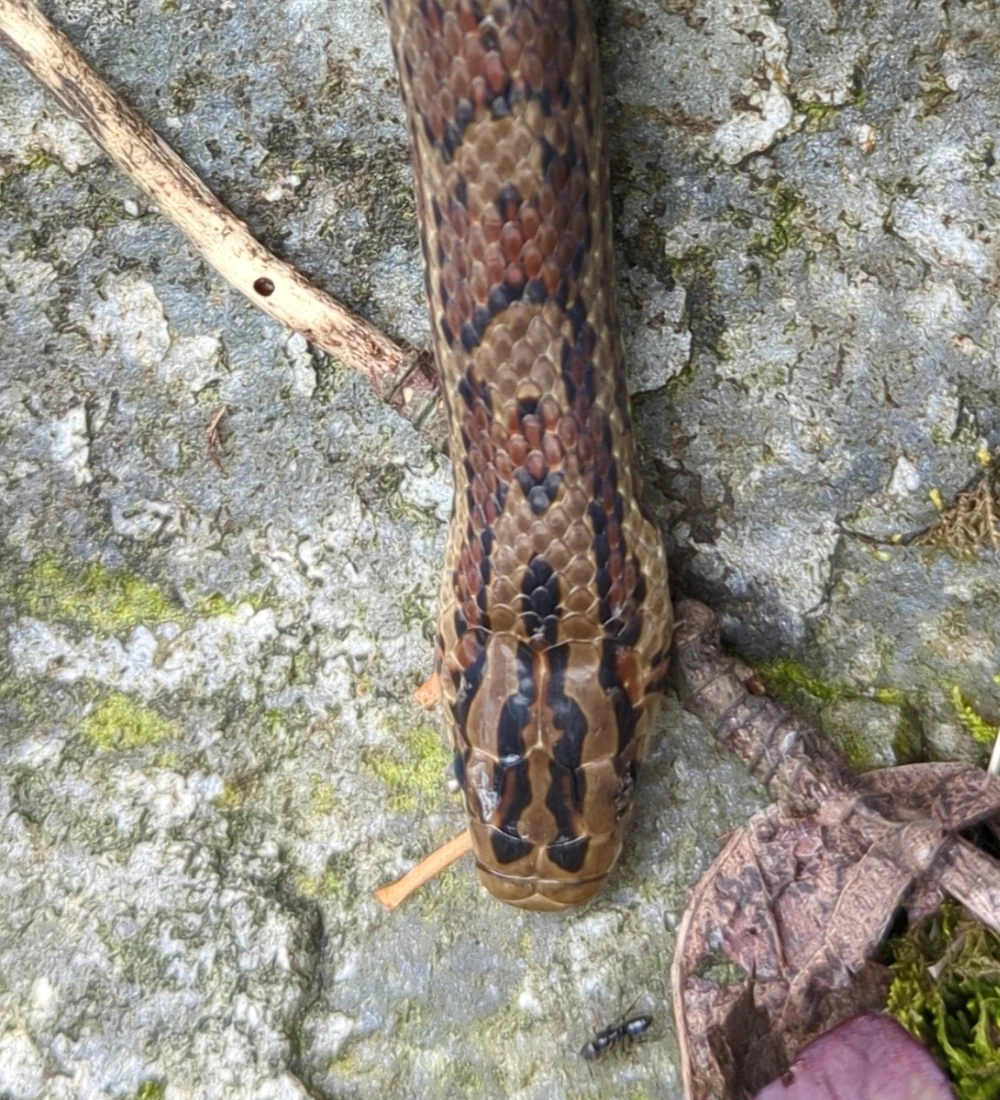
019 · Colubridae
Bella Rat Snake
Vietnam: Lao Cai, Sa Pa, Chapa; Lang Son; Vinh Phuc; Ha Tinh.
Read the species account →Harsha Jayaramaiah · CC BY 4.0 · https://creativecommons.org/licenses/by/4.0/
020 · Typhlopidae
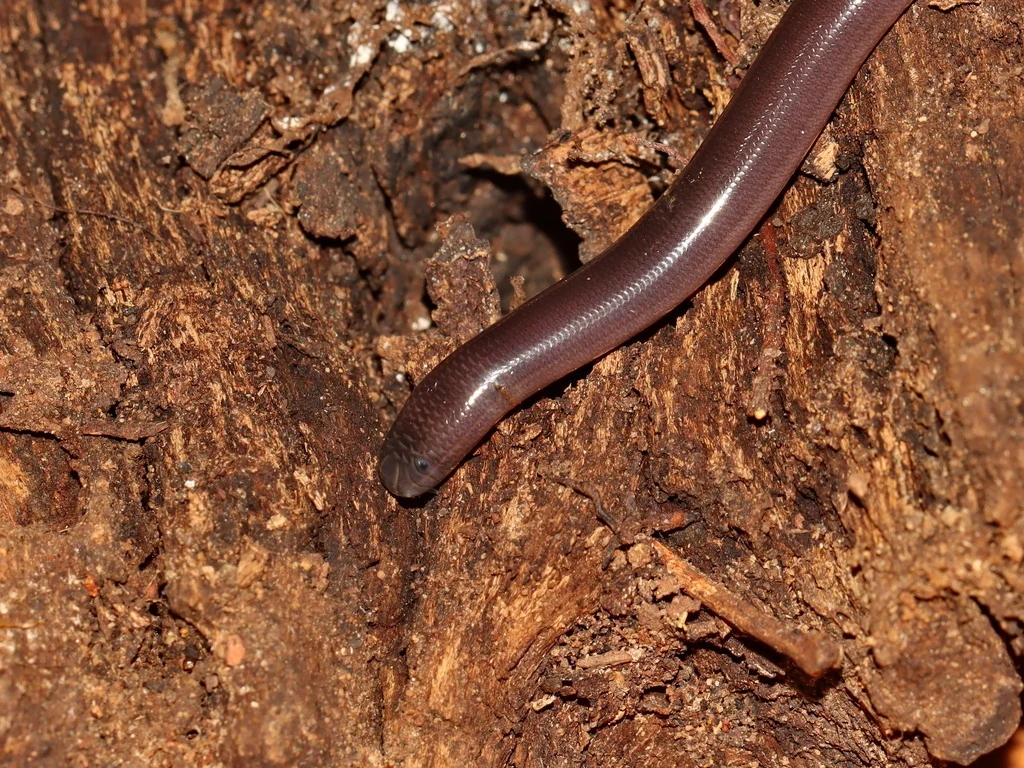
Diard’s blindsnake
Vietnam: national occurrence; no finer locality is assigned in this atlas. The 2024 provincial checklist explicitly lists this species in Thanh Hoa. This establishes a provincial record; it does not imply occurrence in every protected area or across the whole editorial region.
Read the species account →Ian Dugdale · CC BY 4.0 · https://creativecommons.org/licenses/by/4.0/
021 · Typhlopidae
Vietnam Worm Snake
Vietnam: Hanoi; Giadinh.
Read the species account →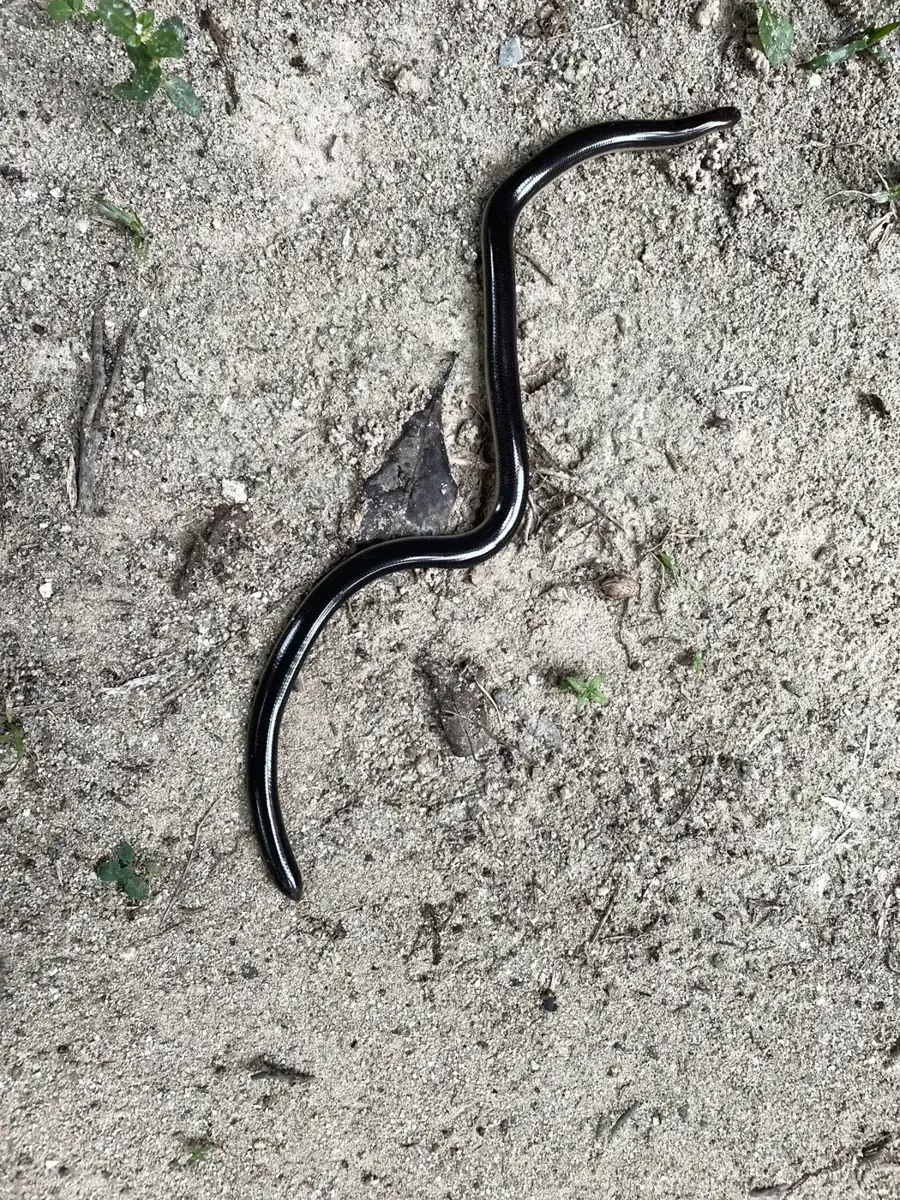
022 · Typhlopidae
Müller’s Blind Snake
Vietnam: national occurrence; no finer locality is assigned in this atlas.
Read the species account →Cook-Price, Makchai & Suwanwaree (2026); photographs credited collectively to the author, James Covert and Vikas Kumar · CC BY 4.0 · https://creativecommons.org/licenses/by/4.0/
023 · Typhlopidae
Thailand Worm Snake, Siamese Blind Snake
Vietnam: national occurrence; no finer locality is assigned in this atlas.
Read the species account →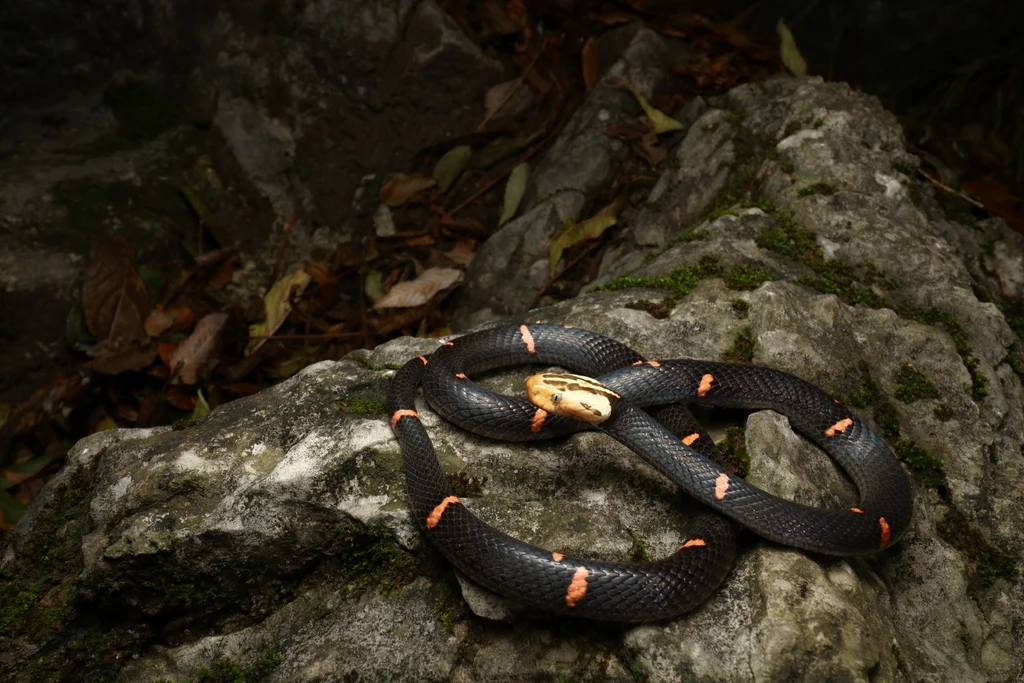
024 · Viperidae
Fea Viper, Black-headed Burmese viper
Vietnam: Cao Bang, Tuyen Quang, Lang Son; Vinh Phuc.
Read the species account →Max Tibby · CC0 1.0 · https://creativecommons.org/publicdomain/zero/1.0/
Living landscapes
New descriptions and revised identifications continue to change these collections. A species known from few localities may be poorly surveyed; the number of records alone is not a population estimate.
A global Red List assessment is not a national census. Where an assessment is linked in a species account, follow its date, geographic scope and taxonomic treatment before interpreting it locally.
Forest loss, altered wetlands and collection pressure are discussed in the national biodiversity literature. The significance of each pressure differs between species and localities.
National reports & studies →The research library
The national collection contains 270 listed species in this edition. Names and country occurrences were checked on 7–8 October 2026 against individual taxonomic treatments, with a country-range and synonymy review on 11 October 2026 and disputed records and synonymies reviewed separately.
Stenger and colleagues counted 244 snake species in their 2023 national reptile assessment (Table 1). This is that publication’s taxonomic baseline, not a continuously updated 2026 count.
The current atlas count uses its documented taxonomic decisions; it is not a claim that every species in nature has been discovered. Regional counts require named localities. Habitat collections require explicit habitat evidence. Neither is calculated by assigning every national species to every landscape.
Country links use a single accepted species identity. Revised names and disputed records are kept visible here; uncertain records do not enter the listed collection or regional totals.
Uncertain — excluded from the listed total
The 2024 revision recommends removing T. macrops from the Vietnamese fauna: the historical records represent T. cardamomensis, T. rubeus or probable T. albolabris, with no supporting voucher for T. macrops in the revised sense.
Uncertain — excluded from the listed total
Nguyen and David (2024) reject Vietnamese A. spinalis after reidentifying Tam Dao and Sa Pa vouchers and finding Thai Nguyen records unsupported. No later verified re-addition was found. Excluded from confirmed country coverage.
Supported country occurrence
The 2024 revision confirms Phu Quoc occurrence through morphological and genetic evidence, including specimen ZMMU Re-14506. This is not an inference from an unverified observation. The 2024 macrops-complex revision confirms Phu Quoc, Kien Giang with voucher ZMMU Re-14506 and sequence evidence. Older island reports labelled T. macrops are reassigned to this species; the island record is not evidence of a continuous mainland range.
Uncertain — excluded from the listed total
The questioned Vietnamese records derive from dealer specimens; wild national occurrence is not established.
Uncertain — excluded from the listed total
The treatment states that occurrence in Vietnam remains unclear; a country label alone does not resolve this conflict.
Liang et al. (2025) synonymized Trimeresurus gumprechti with T. yunnanensis. Historical names, locality evidence and the old URL are retained under one accepted species.
Taxonomic revision ↗Country occurrence unresolved
Vietnam is queried in the checked distribution treatment.
Source 1 ↗Country occurrence unresolved
Recent Vietnamese material was described as Hebius ngoclinhensis in 2026; remaining historical records need specimen-level reassessment.
Source 1 ↗Country occurrence unresolved
The checked account warns that Vietnamese records may be misidentifications of Liopeltis stoliczkae or another species.
Source 1 ↗Counted under the accepted name: Oligodon cinereus
Treated within Oligodon cinereus following David et al. (2023) and Lee et al. (2024), as summarized in the checked taxonomic account; no duplicate count.
Source 1 ↗Excluded from the listed total
The taxonomic treatment separates fasciolatus from cyclurus, which is restricted to India, Bangladesh and Myanmar.
Source 1 ↗Excluded from the listed total
The 2022 revision recognizes berdmorei, abros, kuznetsovorum and temporalis among mainland populations formerly placed in the carinatus complex.
Source 1 ↗ Source 2 ↗Country occurrence unresolved
The 2025 revision describes northwestern Vietnam as expected occurrence, not a confirmed record.
Source 1 ↗ Source 2 ↗Country occurrence unresolved
The source explicitly questions the identification of Vietnamese records.
Source 1 ↗Country occurrence unresolved
Vietnam is presented as probable, not a confirmed record, in the checked distribution account.
Source 1 ↗Country occurrence unresolved
The database gives a broad historical range including Vietnam but also notes its absence from the 2009 national checklist and disagreement over the mainland taxon R. lateralis. A reconciled Vietnamese voucher was not verified, so this entry is not counted as confirmed in this edition.
Source 1 ↗ Source 2 ↗Counted under the accepted name: Trimeresurus yunnanensis
Counted within Trimeresurus yunnanensis following the synonymy of Liang et al. (2025).
Source 1 ↗Excluded from the listed total
The Vietnamese karst specimens formerly assigned to kanburiensis were described as Trimeresurus truongsonensis.
Source 1 ↗ Source 2 ↗Country occurrence unresolved
The country claim derives from dealer specimens whose Vietnamese origin is questioned in the taxonomic account.
Source 1 ↗Table 1: 244 snake species in the study’s national checklist, distinct from its total of 484 reptiles.
Section VII: national geography and biodiversity. Statistics are dated to the report.
Overview of forest, freshwater and coastal ecosystem types. Used for habitat categories, not current species totals or land-cover estimates.
Karst geography and contrasting forest environments, including the 2025 transboundary extension.
Individual species treatments supply taxonomy, distribution, type localities and cited natural-history observations. Each account links its own source.
Used to separate revised species concepts around the Red River and interpret older country records.


