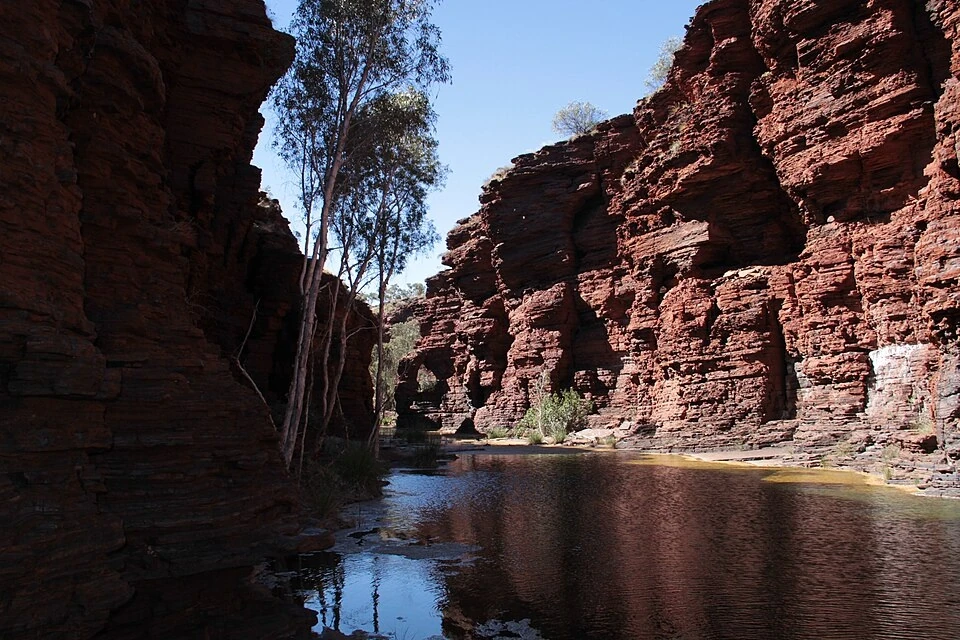
Kalamina Gorge in Karijini National Park, Western Australia.

Australia · Place guide

Western Australia

Western Australia spans dry inland landscapes and a long, varied coast. Ningaloo provides one precise coastal example within this very large state.

132species with extracted evidence
6families
8region guides

Kalamina Gorge in Karijini National Park, Western Australia.

Photograph: Gypsy Denise · Image source · CC BY-SA 4.0. Cropped to fill the hero; darkened for text legibility.

Geography & biotopes

Read the landscape.

Western Australia spans dry inland landscapes and a long, varied coast. Ningaloo provides one precise coastal example within this very large state.

At Ningaloo, reef meets the dry Cape Range landscape. Inland rangelands include grassland, shrubland and woodland rather than a uniform desert surface.

Ecological connections

Read coast, drainage and vegetation as separate layers. A record from the north of the state should not be extended to its southwestern forests or offshore waters.

Explore the setting

Keep the named park or locality attached to an observation and check its current access advice before travelling.

This guide indexes these source names: Western Australia. A country-only record is not automatically assigned to this place. Map markers identify navigation destinations, not collection sites.

Australian Society of Herpetologists · Official Australian species list →

Geoscience Australia · Area of Australia, states and territories →

Australian Bureau of Statistics · ASGS 2021 digital boundary files →

Geography is part of the record

Find your way through Australia.

Select a named region to open its evidence page. The complete directory below keeps every guide accessible, including places where locality evidence has not yet been extracted.

214 of 214 listed species have at least one indexed region record. 0 remain country-only. Even a nonzero count is not a complete regional inventory.

Habitats & living landscapes

Explore the living
landscapes.

Explore 7 guides to the environments, places and conservation pressures that shape this country. Each guide connects to the regional map and shared species accounts.

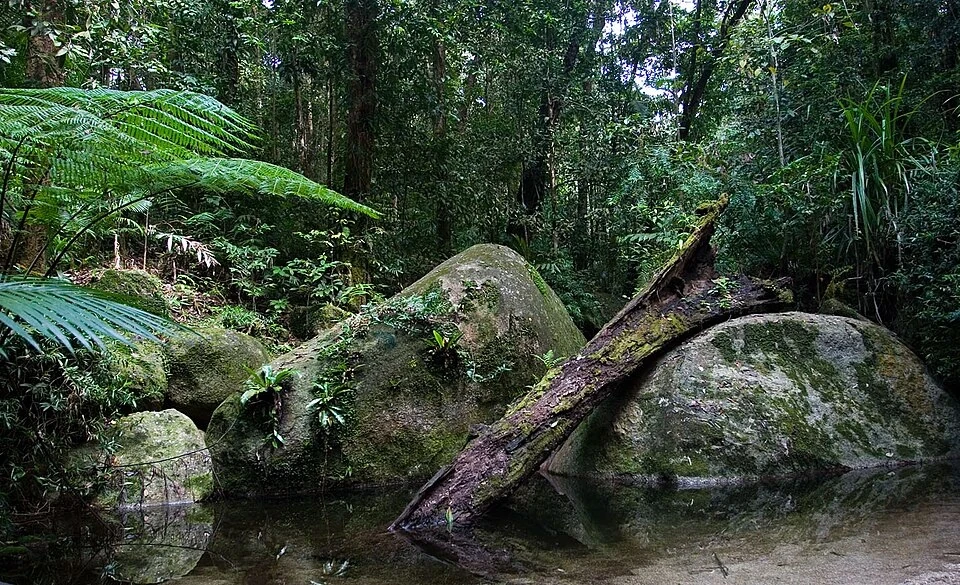
Tropical rainforest at Daintree National Park, Queensland, Australia.

Habitat · 01

Australia’s forests and woodlands

Australian forest varies with climate and terrain. Northeastern rainforest and the eastern escarpment remnants offer two starting points for reading that variety.

Explore the habitat ↗
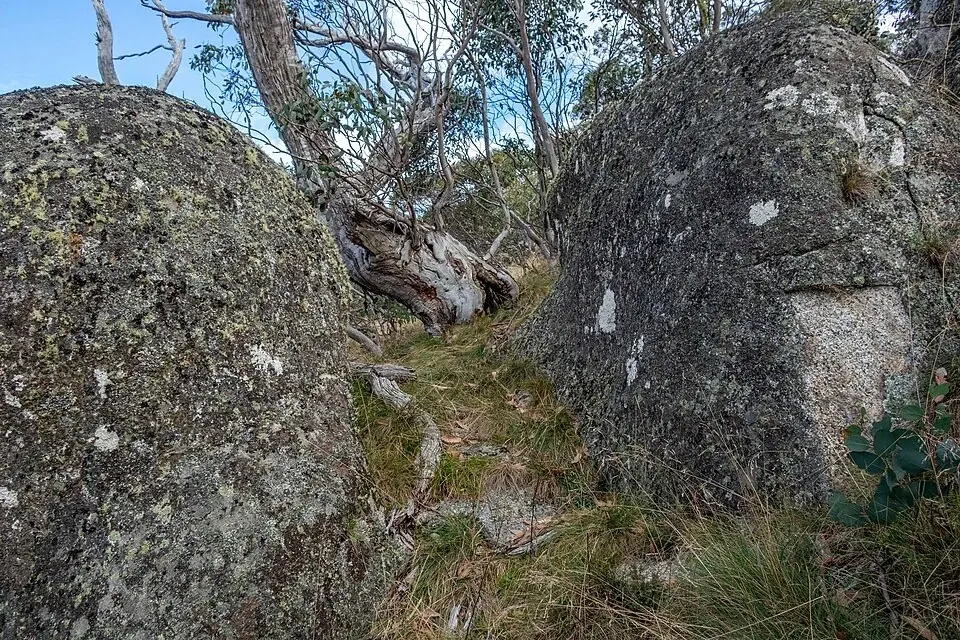
Snow-gum woodland in Kosciuszko National Park, New South Wales, Australia.

Habitat · 02

Australia’s mountain habitats

The southeastern Alps contain forested slopes, high plateaus and wetlands. Their comparatively small upland environments make the transitions between habitats especially useful to read.

Explore the habitat ↗
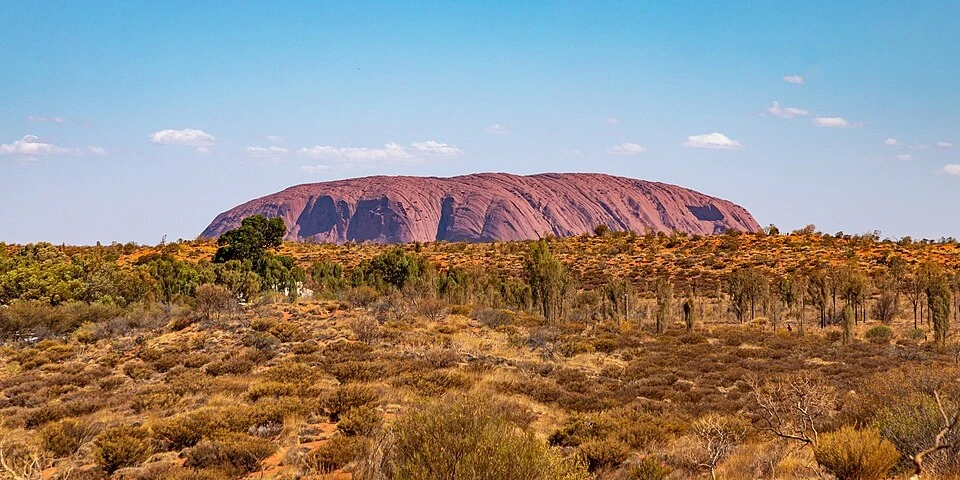
Arid country around Uluru in Uluru–Kata Tjuta National Park, Northern Territory, Australia.

Habitat · 03

Australia’s deserts and dry country

Dry country contains dunes, grassy patches, woodland and water-shaped depressions. Read the ground and recent conditions before assuming that every desert site offers the same shelter.

Explore the habitat ↗
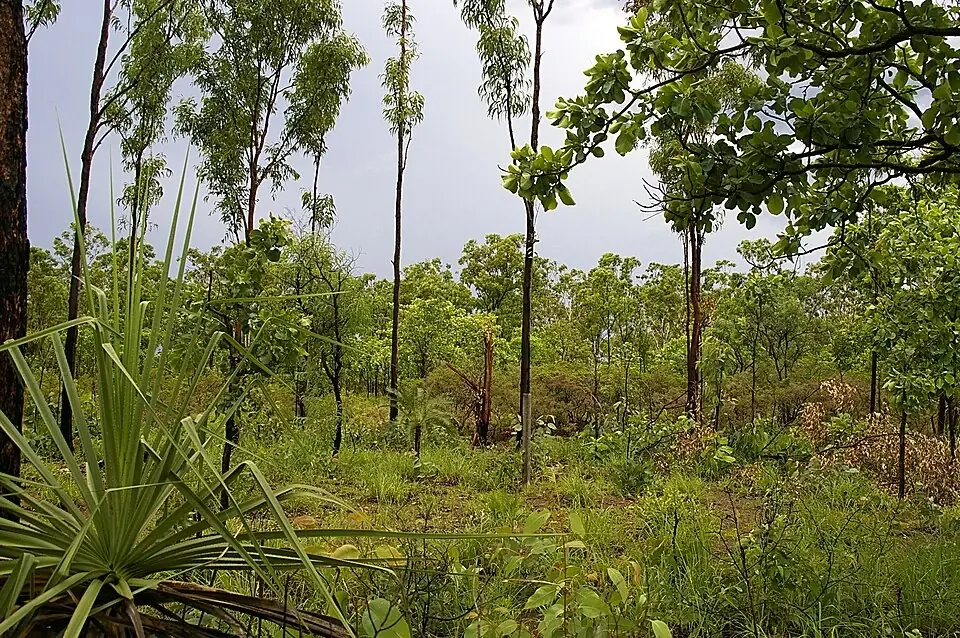
Tropical savanna near Palmerston in the Northern Territory, Australia.

Habitat · 04

Australia’s tropical savannas

Northern savannas combine grass with trees, rocky country and seasonal waterways. An open canopy is part of their character, not by itself evidence of forest loss.

Explore the habitat ↗
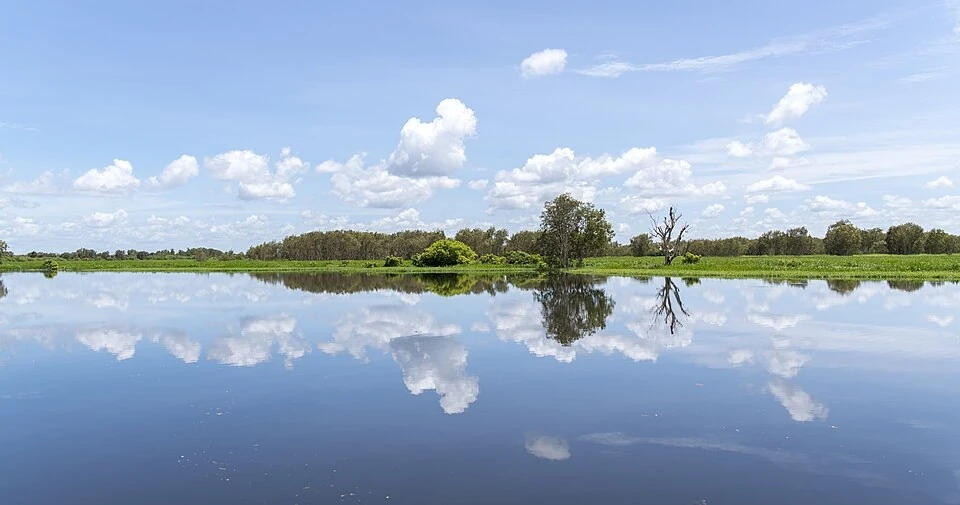
Yellow Water wetland in Kakadu National Park, Northern Territory, Australia.

Habitat · 05

Australia’s rivers and floodplain wetlands

Inland wetlands depend on the timing and pathways of water. Floodplain forest, reed marsh and open channels can change markedly between visits.

Explore the habitat ↗
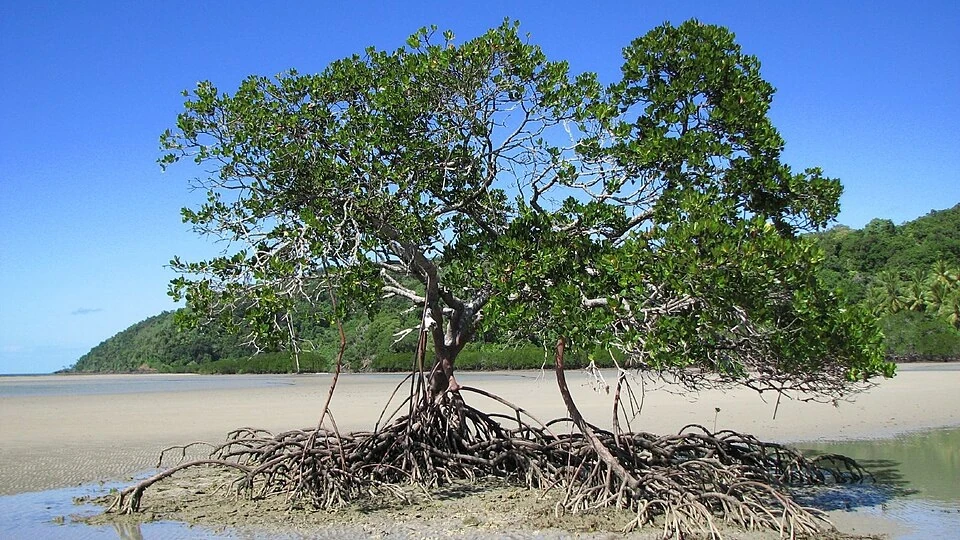
A mangrove on the tidal shore at Cooktown, Queensland, Australia.

Habitat · 06

Australia’s tidal forests

Australia’s mangroves form part of a wider tidal mosaic. Creek edges, wooded flats and neighbouring saltmarsh need to remain visible in the habitat description.

Explore the habitat ↗
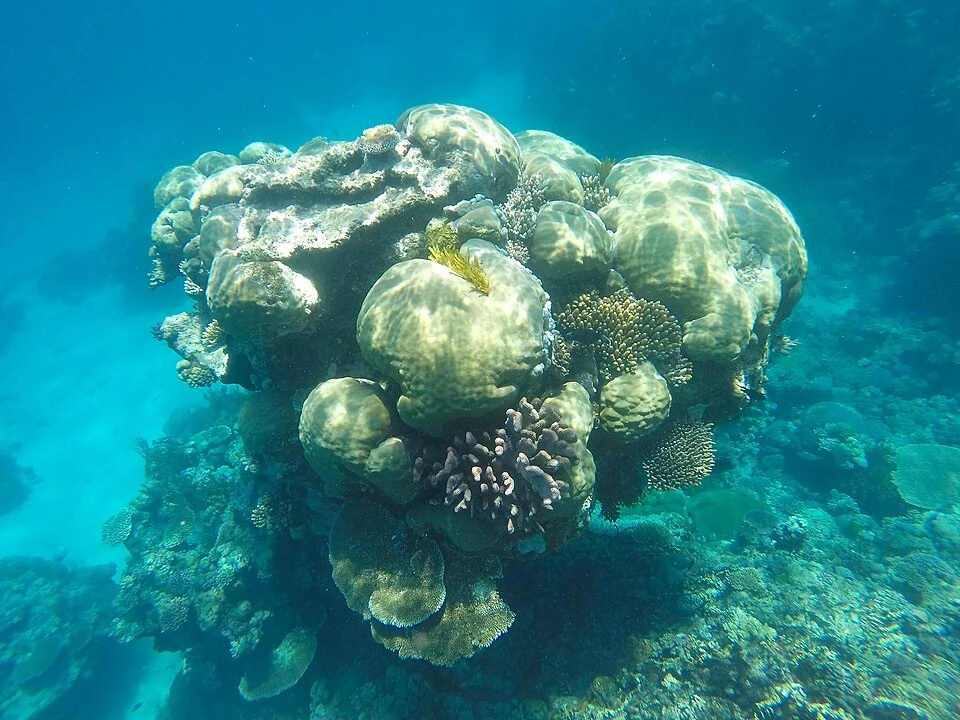
Reef and shallow coastal waters off Queensland, Australia, on the Great Barrier Reef.

Habitat · 07

Australia’s shores and coastal waters

Australia’s coast brings together reef, seagrass, sand, rock and estuaries. The Queensland and Western Australian examples show why a national marine range needs more precise local evidence.

Explore the habitat ↗
Landscape photographs & credits

Tropical rainforest at Daintree National Park, Queensland, Australia. — User:Diliff. Original photograph · CC BY-SA 2.5. Cropped for the cards; photographs do not establish snake occurrence.

Snow-gum woodland in Kosciuszko National Park, New South Wales, Australia. — Steve Bittinger from Canberra, Australia. Original photograph · CC BY 2.0. Cropped for the cards; photographs do not establish snake occurrence.

Arid country around Uluru in Uluru–Kata Tjuta National Park, Northern Territory, Australia. — Dietmar Rabich / Wikimedia Commons. Original photograph · CC BY-SA 4.0. Cropped for the cards; photographs do not establish snake occurrence.

Tropical savanna near Palmerston in the Northern Territory, Australia. — Bidgee. Original photograph · CC BY 3.0. Cropped for the cards; photographs do not establish snake occurrence.

Yellow Water wetland in Kakadu National Park, Northern Territory, Australia. — Poidabro. Original photograph · CC BY-SA 4.0. Cropped for the cards; photographs do not establish snake occurrence.

A mangrove on the tidal shore at Cooktown, Queensland, Australia. — Rob and Stephanie Levy from Townsville, Australia. Original photograph · CC BY 2.0. Cropped for the cards; photographs do not establish snake occurrence.

Reef and shallow coastal waters off Queensland, Australia, on the Great Barrier Reef. — Lukem99. Original photograph · CC BY-SA 4.0. Cropped for the cards; photographs do not establish snake occurrence.

The species catalogue

Snakes · Western Australia.

Only records naming this place appear below. These are extracted locality records, not complete island or regional inventories.

132 species · showing 24

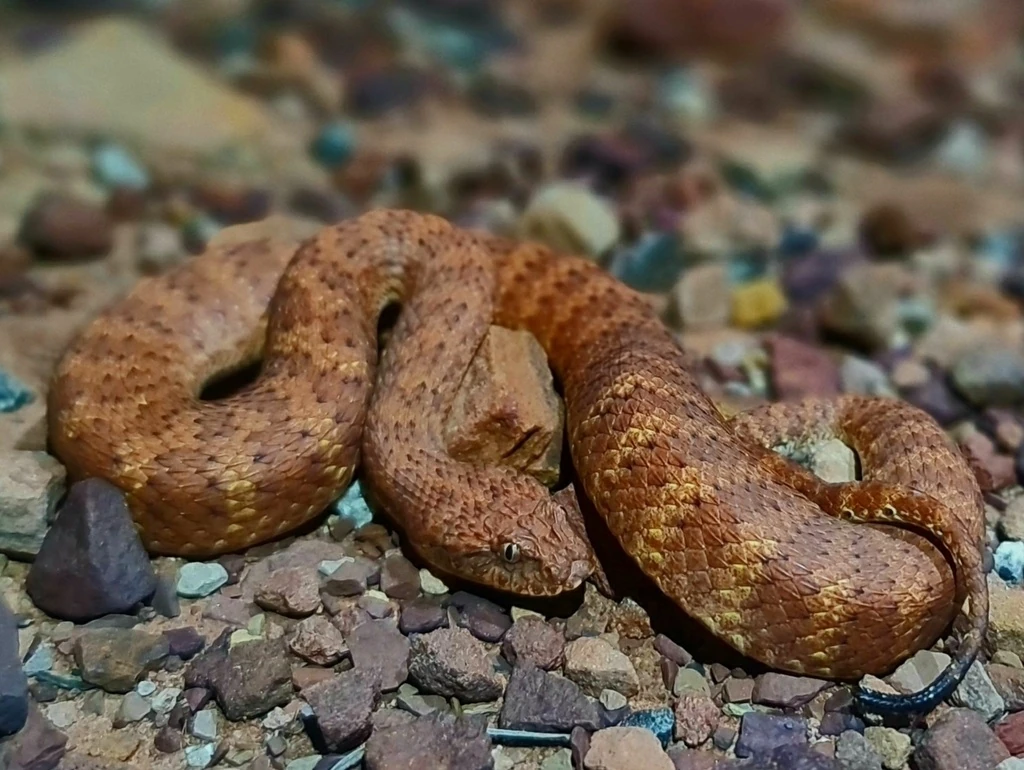
Acanthophis antarcticus photographed in Australia. Identification follows the source community.

001 · Elapidae

Common death adder

Acanthophis antarcticus

(SHAW, 1802)

VenomousClinical severity not established

Australia is listed in the individual taxonomic treatment and the ASH national checklist. Named state/territory evidence: Western Australia, Northern Territory, South Australia, Queensland, New South Wales, Victoria, Australian Capital Territory. These are documented jurisdictions, not continuous range polygons.

Read the species account →

Hector Hind · CC BY 4.0 · https://creativecommons.org/licenses/by/4.0/

ElapidaeAcanthophisPhotograph not yet documented

002 · Elapidae

Kimberley Death Adder

Acanthophis cryptamydros

MADDOCK, ELLIS, DOUGHTY, SMITH & WÜSTER, 2015

VenomousClinical severity not established

Australia is listed in the individual taxonomic treatment and the ASH national checklist. Named state/territory evidence: Western Australia. These are documented jurisdictions, not continuous range polygons. The 2015 description supplies Kimberley museum-voucher records, including the Theda holotype WAM R174083 and Little Mertens Falls WAM R145216. The…

Read the species account →
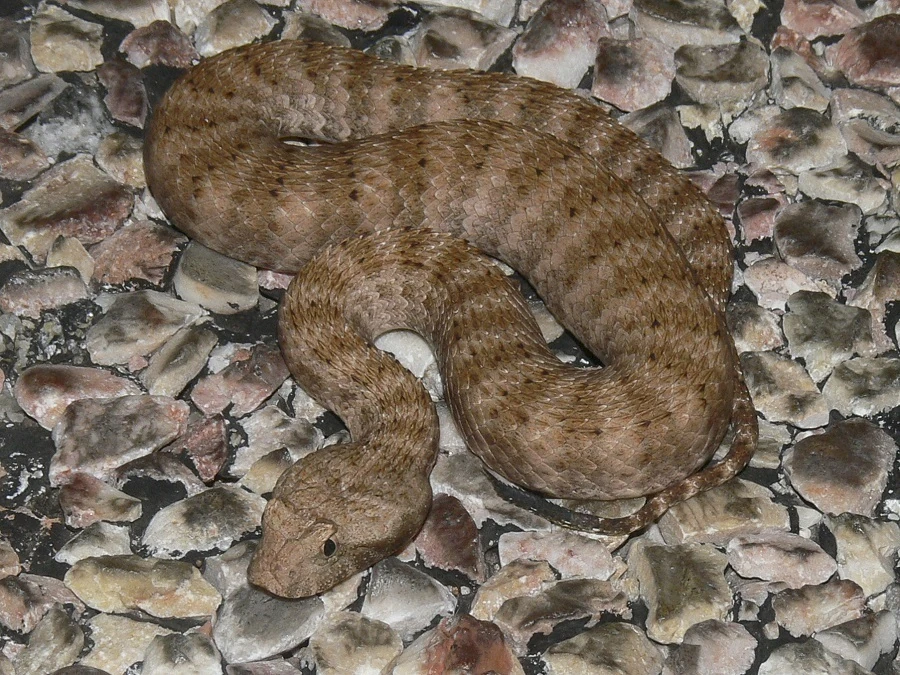
Acanthophis pyrrhus photographed in Australia. Identification follows the source community.

003 · Elapidae

Desert Death Adder

Acanthophis pyrrhus

BOULENGER, 1898

VenomousClinical severity not established

Australia is listed in the individual taxonomic treatment and the ASH national checklist. Named state/territory evidence: Western Australia, Northern Territory, South Australia, Queensland. These are documented jurisdictions, not continuous range polygons.

Read the species account →

Max Tibby · CC0 1.0 · https://creativecommons.org/publicdomain/zero/1.0/

Acanthophis wellsi photographed in Australia. Identification follows the source community.

005 · Elapidae

Pilbara Death Adder

Acanthophis wellsi

HOSER, 1998

VenomousClinical severity not established

Australia is listed in the individual taxonomic treatment and the ASH national checklist. Named state/territory evidence: Western Australia. These are documented jurisdictions, not continuous range polygons.

Read the species account →

dhfischer · CC BY 4.0 · https://creativecommons.org/licenses/by/4.0/

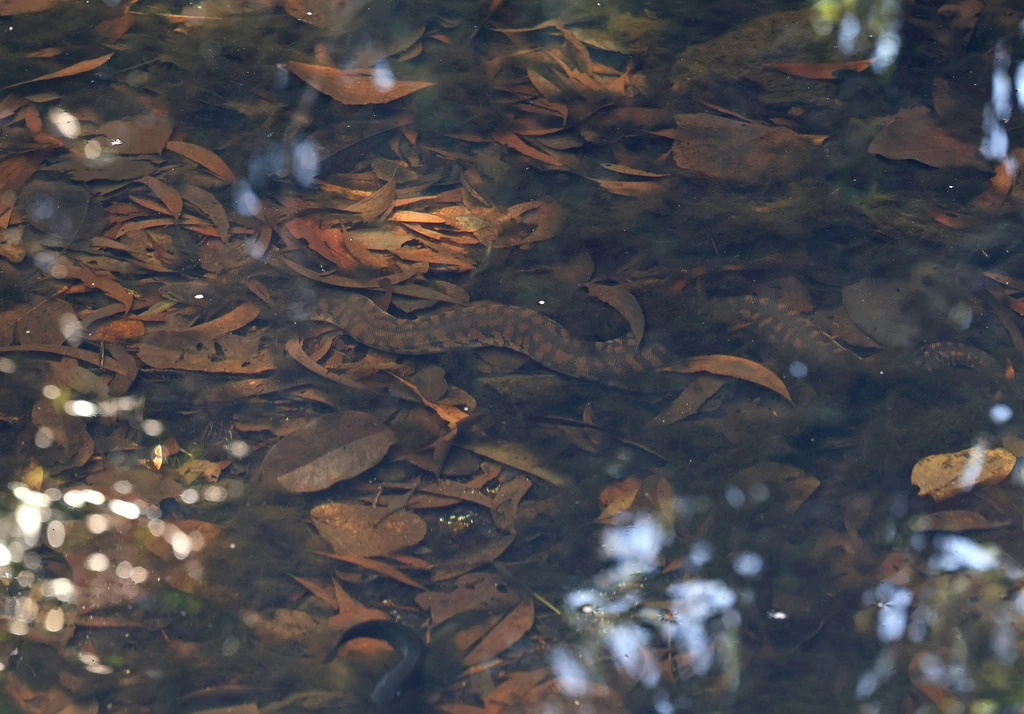
Acrochordus arafurae photographed in Australia. Identification follows the source community.

006 · Acrochordidae

Arafura filesnake

Acrochordus arafurae

MCDOWELL, 1979

Non-venomous

Australia is listed in the individual taxonomic treatment and the ASH national checklist. Named state/territory evidence: Western Australia, Northern Territory, Queensland. These are documented jurisdictions, not continuous range polygons.

Read the species account →

Lachlan Copeland · CC BY-SA 4.0 · https://creativecommons.org/licenses/by-sa/4.0/

Acrochordus granulatus Portrait

007 · Acrochordidae

Little filesnake

Acrochordus granulatus

(SCHNEIDER, 1799)

Non-venomous

Australia is listed in the individual taxonomic treatment and the ASH national checklist. Named state/territory evidence: Western Australia, Northern Territory, Queensland. These are documented jurisdictions, not continuous range polygons.

Read the species account →

Mario Lutz · Copyright Mario Lutz. Authorised for display in this atlas; no third-party reuse licence granted.

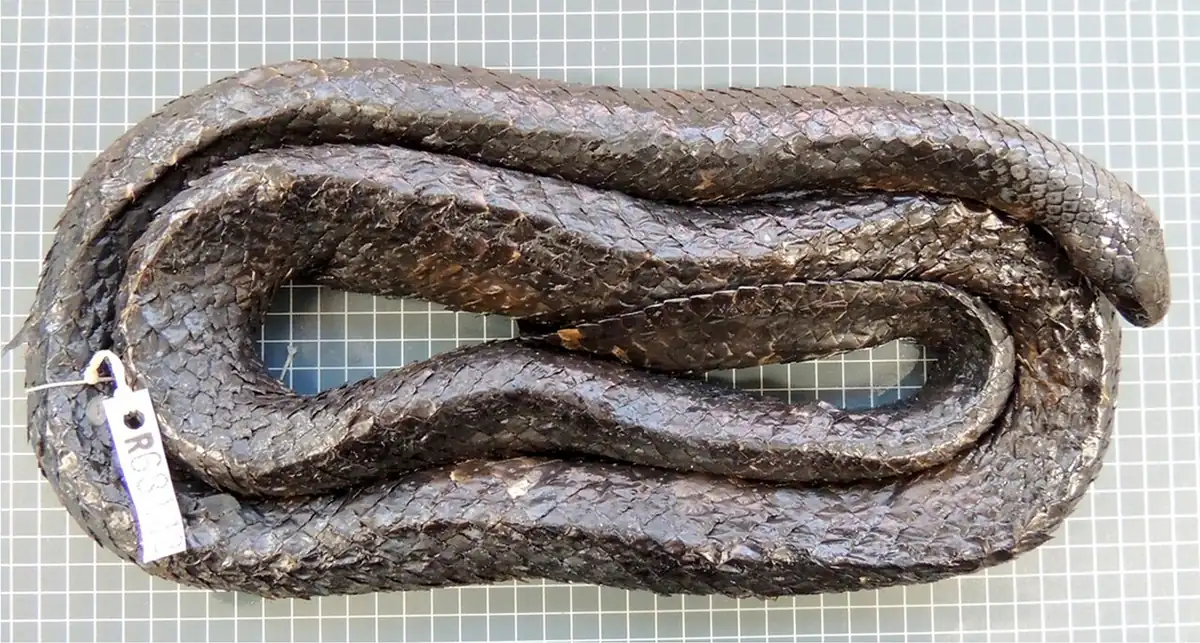
Preserved specimen SAMA R68142, Ashmore Reef, collected in 1996; Sanders et al. (2015), Figure 2.

008 · Elapidae

Short-nosed Sea Snake

Aipysurus apraefrontalis

SMITH, 1926

VenomousClinical severity not established

Australia is listed in the individual taxonomic treatment and the ASH national checklist. Named state/territory evidence: Western Australia. These are documented jurisdictions, not continuous range polygons. The 2016 paper reports five live Exmouth Gulf captures and a courting pair photographed at Ningaloo Reef on 29 April 2013. These live records are…

Read the species account →

Kate L. Sanders, Tina Schroeder, Michael L. Guinea, and Arne R. Rasmussen · CC BY 4.0 · https://creativecommons.org/licenses/by/4.0/

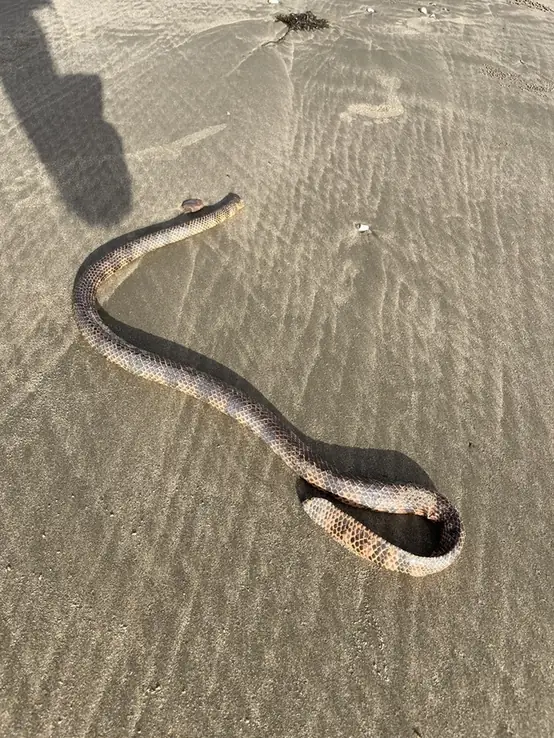
Animal on wet sand, photographed 28 December 2025; original locality label: Great Barrier Reef, Yeppoon, AU.

009 · Elapidae

Reef shallows seasnake

Aipysurus duboisii

BAVAY, 1869

VenomousClinical severity not established

Australia is listed in the individual taxonomic treatment and the ASH national checklist. Named state/territory evidence: Western Australia, Northern Territory, Queensland, New South Wales. These are documented jurisdictions, not continuous range polygons.

Read the species account →

rcrofts / iNaturalist · CC BY 4.0 · https://creativecommons.org/licenses/by/4.0/

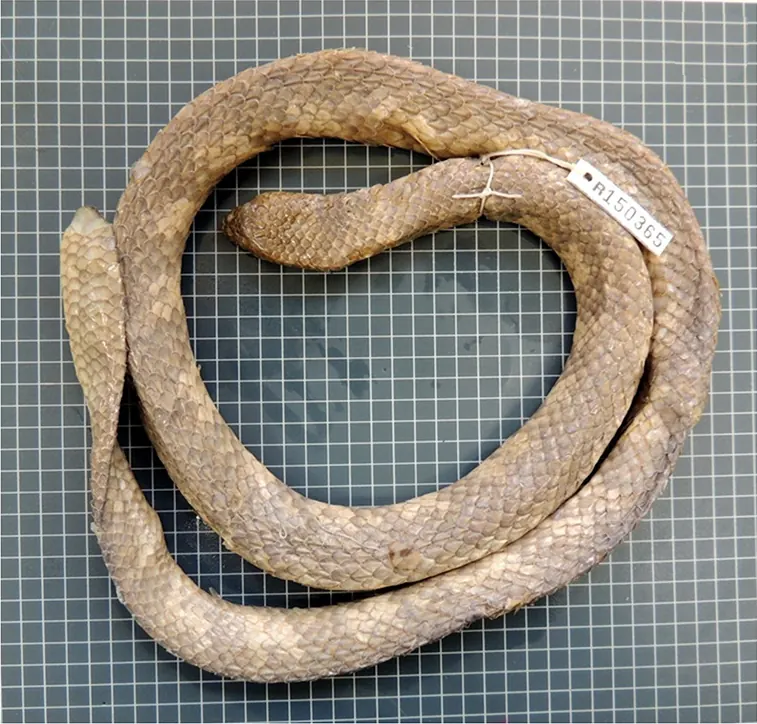
Preserved specimen WAM R150365, Barrow Island, collected in 2010; Sanders et al. (2015), Figure 2.

010 · Elapidae

Leaf-scaled Sea Snake

Aipysurus foliosquama

SMITH, 1926

VenomousClinical severity not established

Australia is listed in the individual taxonomic treatment and the ASH national checklist. Named state/territory evidence: Western Australia. These are documented jurisdictions, not continuous range polygons. The study reports live captures at these Shark Bay localities and uses morphology plus genetic comparisons to reassess identifications. These…

Read the species account →

Kate L. Sanders, Tina Schroeder, Michael L. Guinea, and Arne R. Rasmussen · CC BY 4.0 · https://creativecommons.org/licenses/by/4.0/

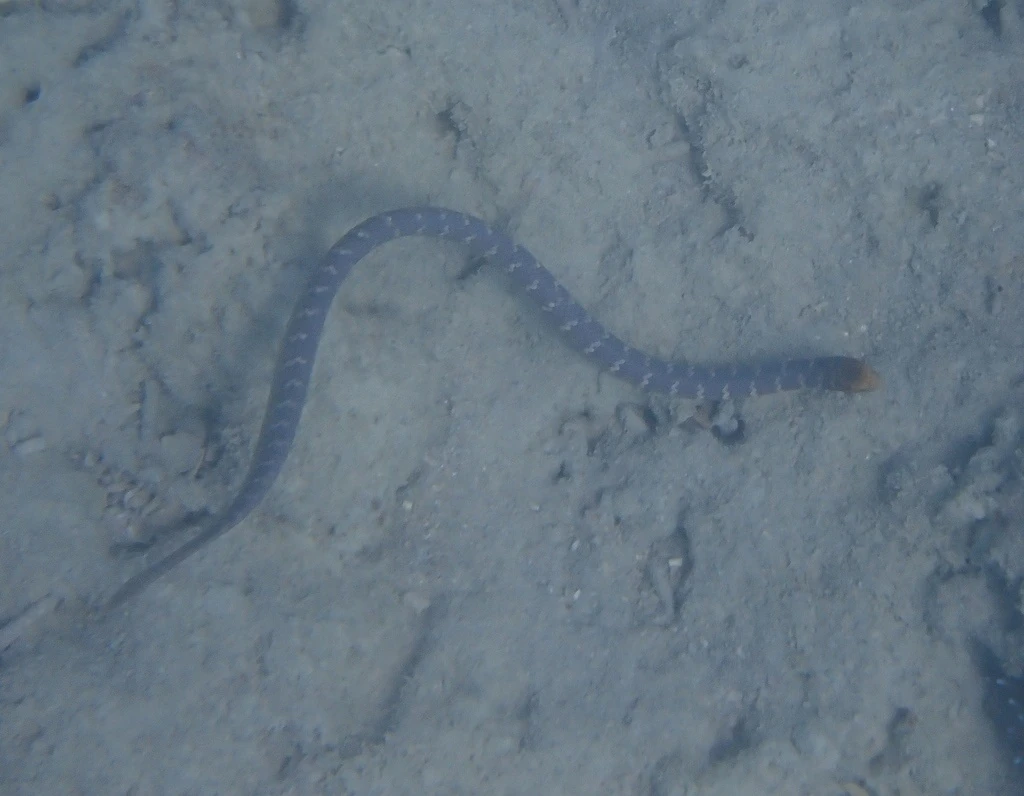
Aipysurus laevis in the linked source observation. Identification follows the source community.

012 · Elapidae

Olive-brown seasnake

Aipysurus laevis

LACÉPÈDE, 1804

VenomousClinical severity not established

Australia is listed in the individual taxonomic treatment and the ASH national checklist. Named state/territory evidence: Western Australia, Northern Territory, Queensland. These are documented jurisdictions, not continuous range polygons. Question-marked states in the source are not promoted to confirmed regional records: New South Wales.

Read the species account →

Debra Baker · CC BY 4.0 · https://creativecommons.org/licenses/by/4.0/

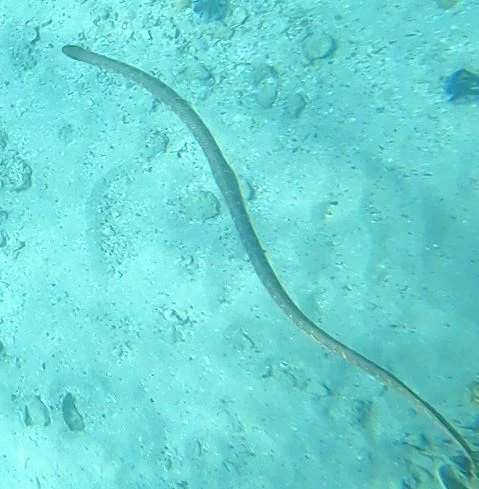
Aipysurus pooleorum photographed in Australia. Identification follows the source community.

014 · Elapidae

Shark Bay Sea Snake

Aipysurus pooleorum

SMITH, 1974

VenomousClinical severity not established

Australia is listed in the individual taxonomic treatment and the ASH national checklist. Named state/territory evidence: Western Australia. These are documented jurisdictions, not continuous range polygons.

Read the species account →

Em Lamond · CC BY 4.0 · https://creativecommons.org/licenses/by/4.0/

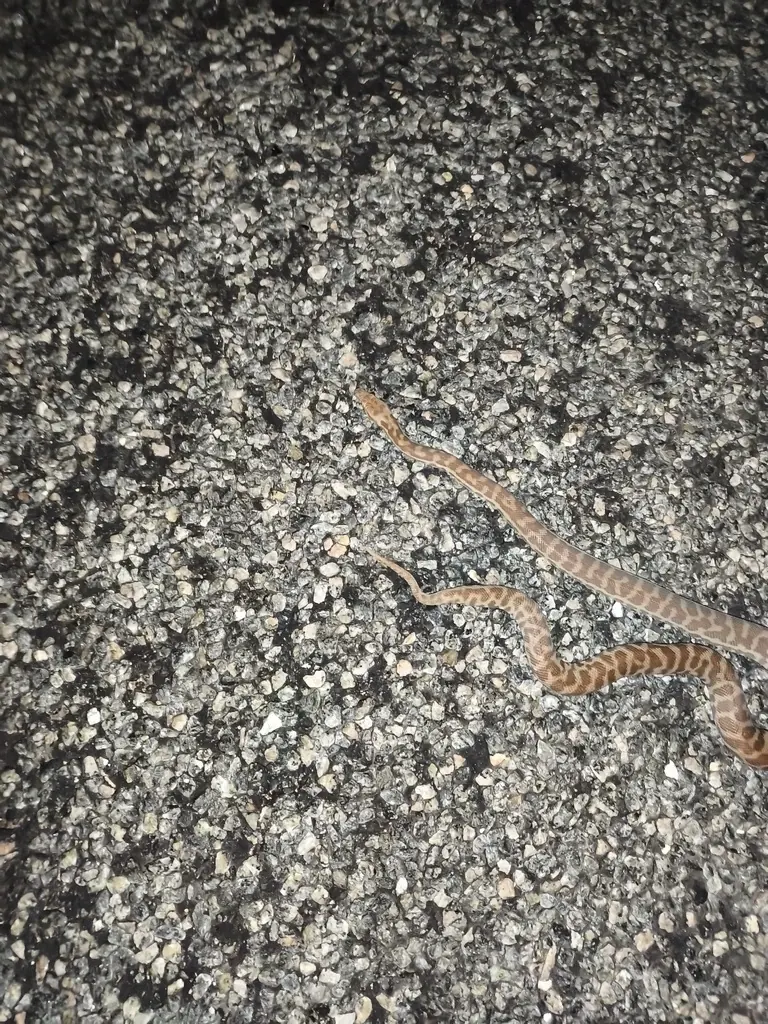
Antaresia childreni photographed in Australia. Identification follows the source community.

016 · Pythonidae

Children’s Python

Antaresia childreni

(GRAY, 1842)

Non-venomous

Australia is listed in the individual taxonomic treatment and the ASH national checklist. Named state/territory evidence: Western Australia, Northern Territory, South Australia, Queensland, New South Wales. These are documented jurisdictions, not continuous range polygons.

Read the species account →

Mark McVeigh · CC0 1.0 · https://creativecommons.org/publicdomain/zero/1.0/

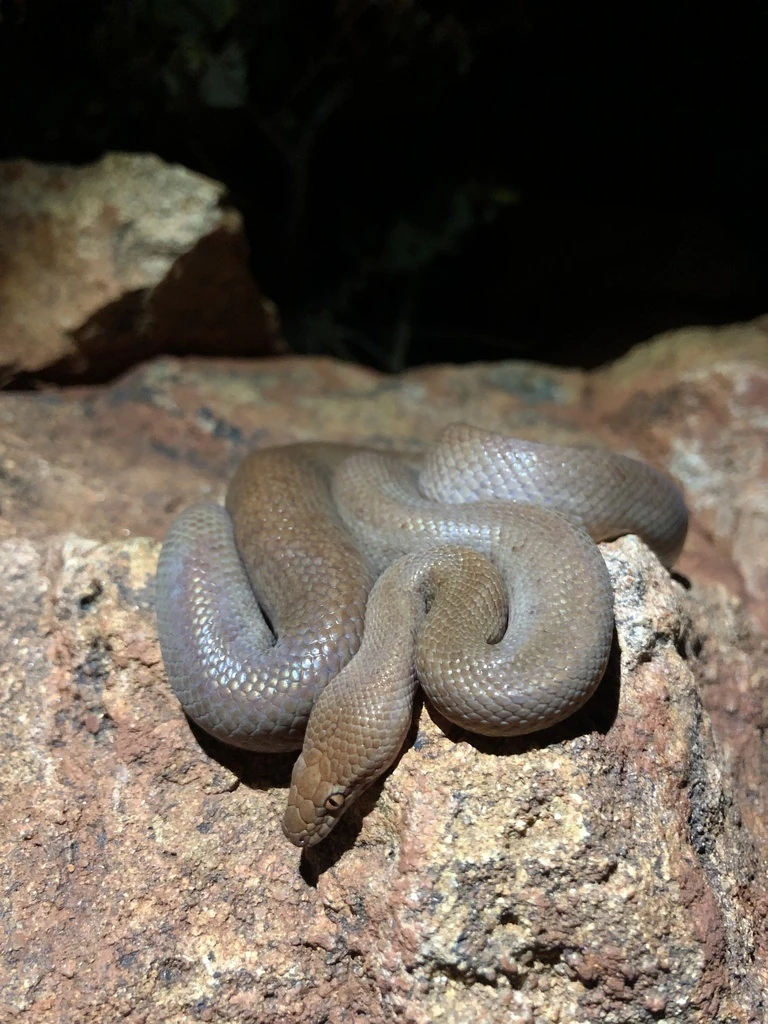
Antaresia perthensis photographed in Australia. Identification follows the source community.

017 · Pythonidae

Pygmy Python

Antaresia perthensis

(STULL, 1932)

Non-venomous

Australia is listed in the individual taxonomic treatment and the ASH national checklist. Named state/territory evidence: Western Australia. These are documented jurisdictions, not continuous range polygons.

Read the species account →

Connor Margetts · CC BY 4.0 · https://creativecommons.org/licenses/by/4.0/

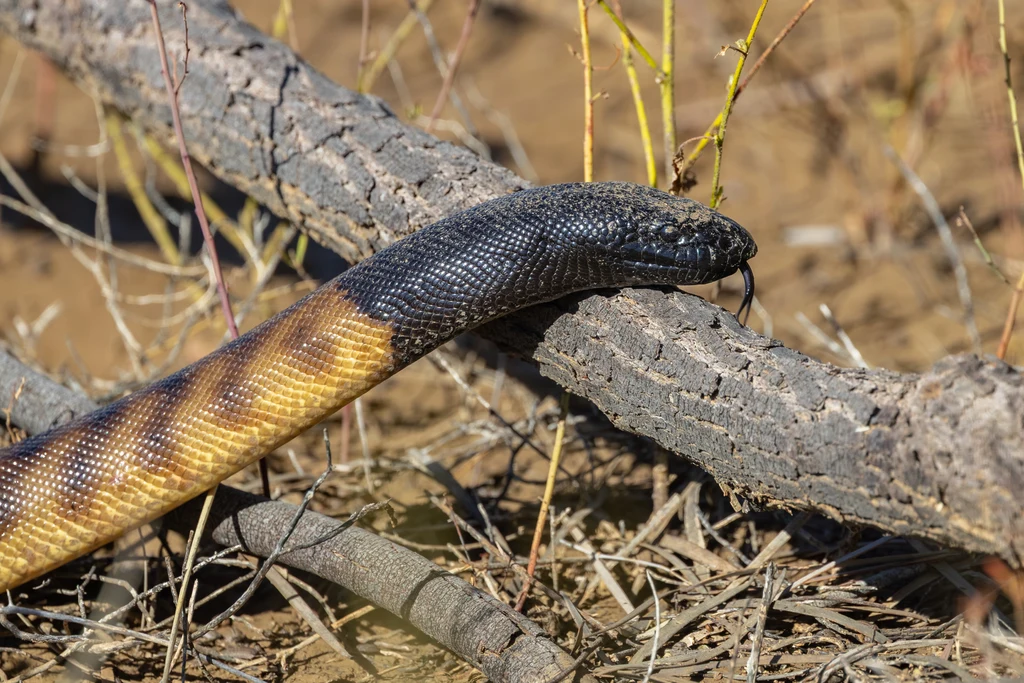
Aspidites melanocephalus. Close view of the head and anterior body. Original observation dated 2026-06-14. Photograph identification follows the cited observation; it adds no geographic occurrence record.

018 · Pythonidae

Black-headed Python

Aspidites melanocephalus

(KREFFT, 1864)

Non-venomous

Australia is listed in the individual taxonomic treatment and the ASH national checklist. Named state/territory evidence: Western Australia, Northern Territory, Queensland. These are documented jurisdictions, not continuous range polygons.

Read the species account →

Ramit Singal · CC BY 4.0 · https://creativecommons.org/licenses/by/4.0/

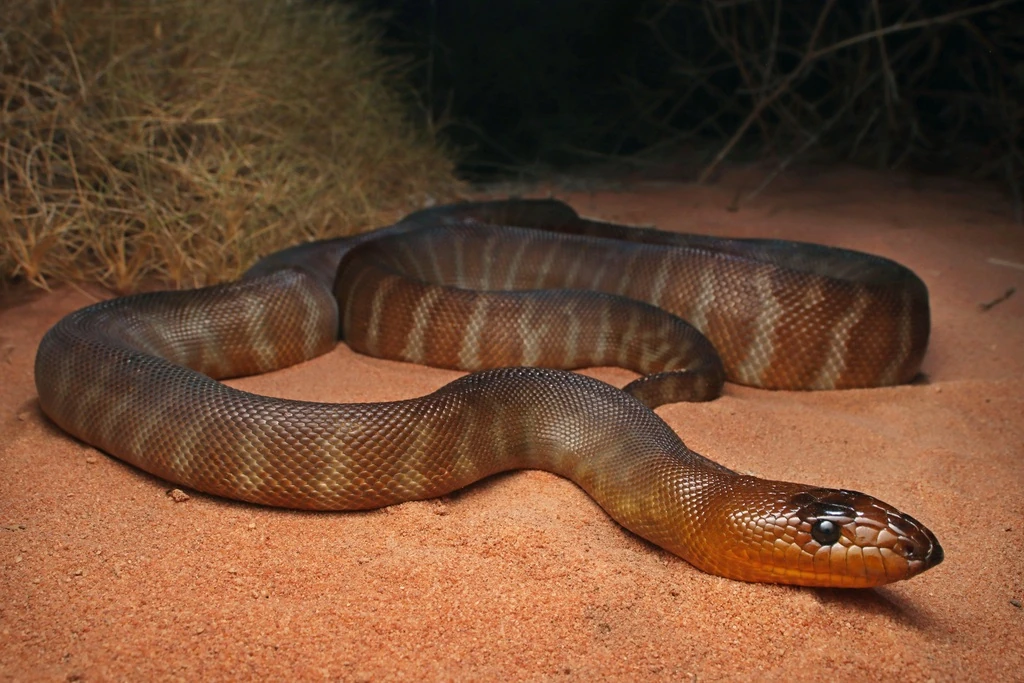
Aspidites ramsayi photographed in Australia. Identification follows the source community.

019 · Pythonidae

Woma

Aspidites ramsayi

(MACLEAY, 1882)

Non-venomous

Australia is listed in the individual taxonomic treatment and the ASH national checklist. Named state/territory evidence: Western Australia, Northern Territory, South Australia, Queensland, New South Wales, Victoria. These are documented jurisdictions, not continuous range polygons. The government profile, updated in 2017, gives late-1890s…

Read the species account →

Connor Margetts · CC0 1.0 · https://creativecommons.org/publicdomain/zero/1.0/

Boiga irregularis photographed in Australia. Identification follows the source community.

020 · Colubridae

Brown catsnake

Boiga irregularis

(BECHSTEIN, 1802)

VenomousPotentially life-threatening

Australia is listed in the individual taxonomic treatment and the ASH national checklist. Named state/territory evidence: Western Australia, Northern Territory, Queensland, New South Wales. These are documented jurisdictions, not continuous range polygons.

Read the species account →

Lucas Christofides · CC BY 4.0 · https://creativecommons.org/licenses/by/4.0/

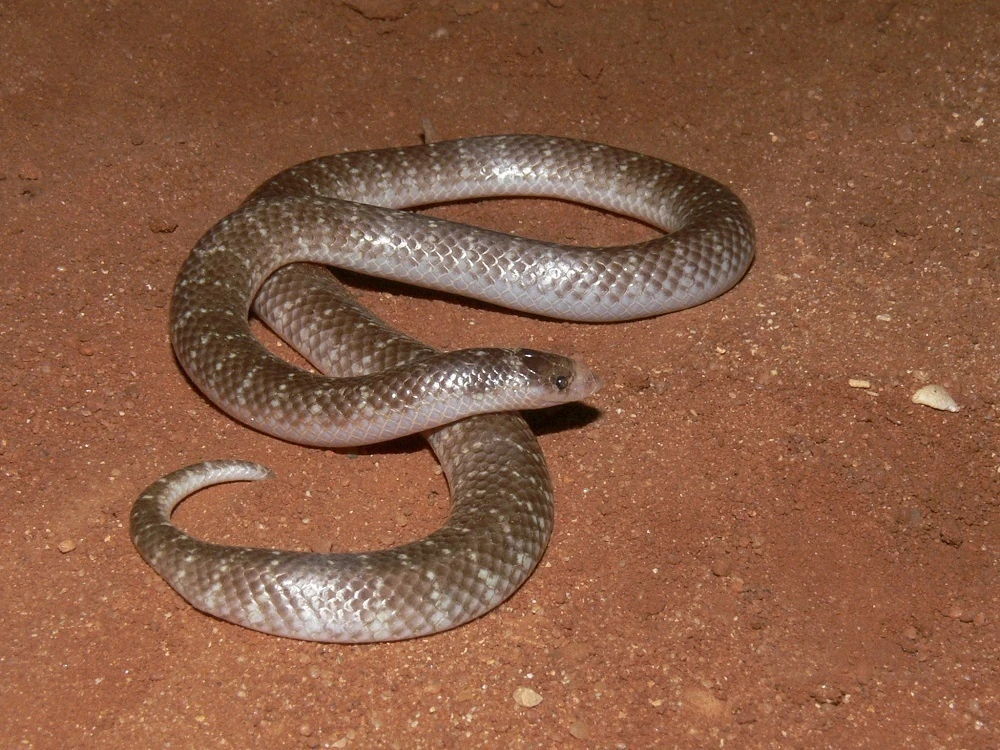
Brachyurophis approximans photographed in Australia. Identification follows the source community.

021 · Elapidae

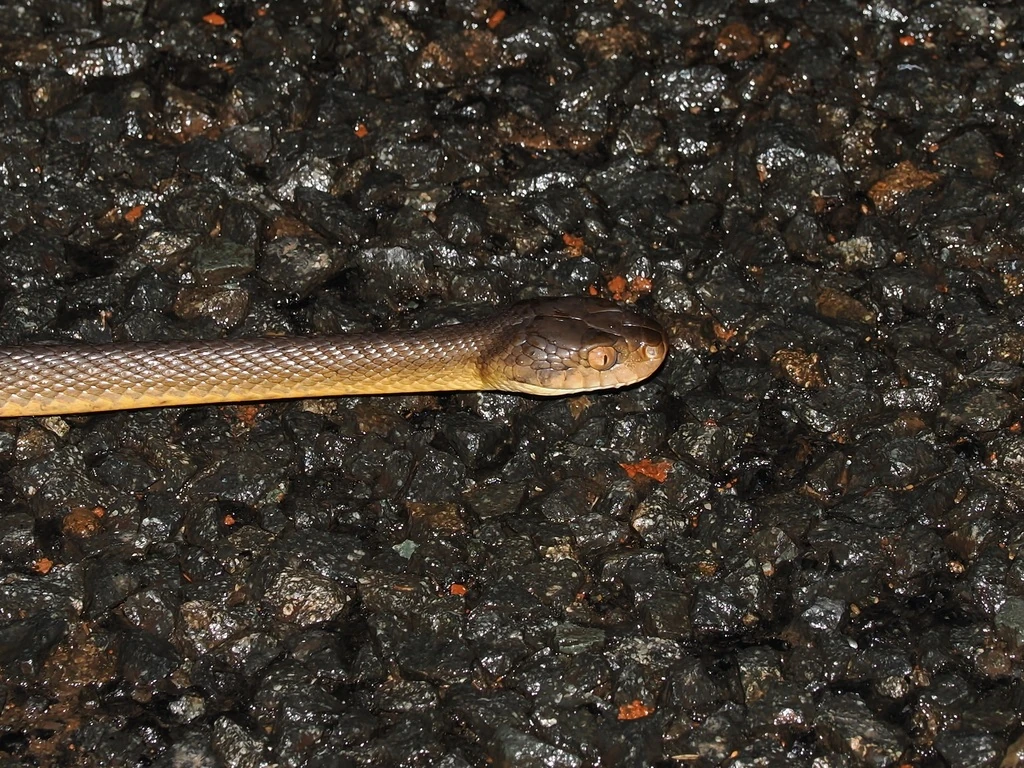
North-western Shovel-nosed Snake

Brachyurophis approximans

(GLAUERT, 1954)

VenomousClinical severity not established

Australia is listed in the individual taxonomic treatment and the ASH national checklist. Named state/territory evidence: Western Australia. These are documented jurisdictions, not continuous range polygons.

Read the species account →

dhfischer · CC BY 4.0 · https://creativecommons.org/licenses/by/4.0/

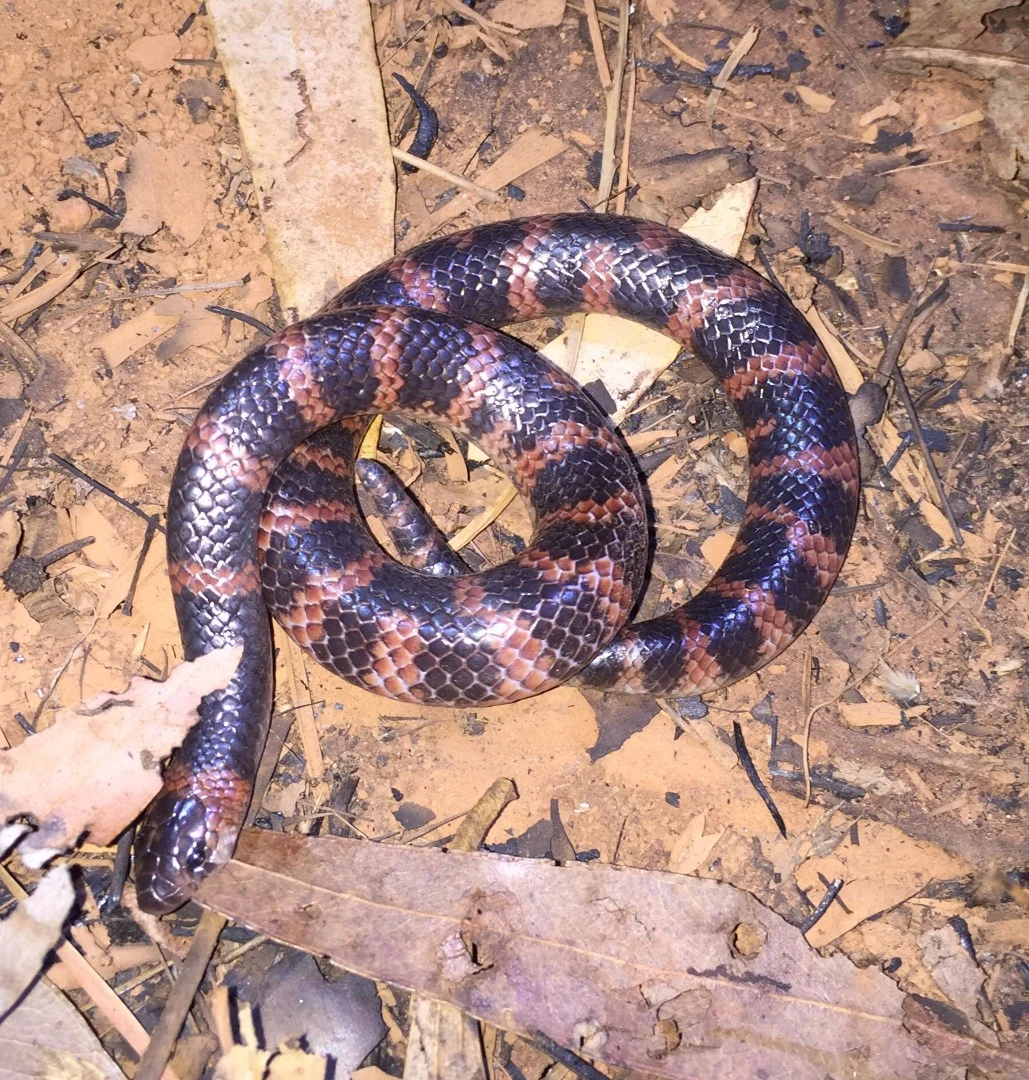
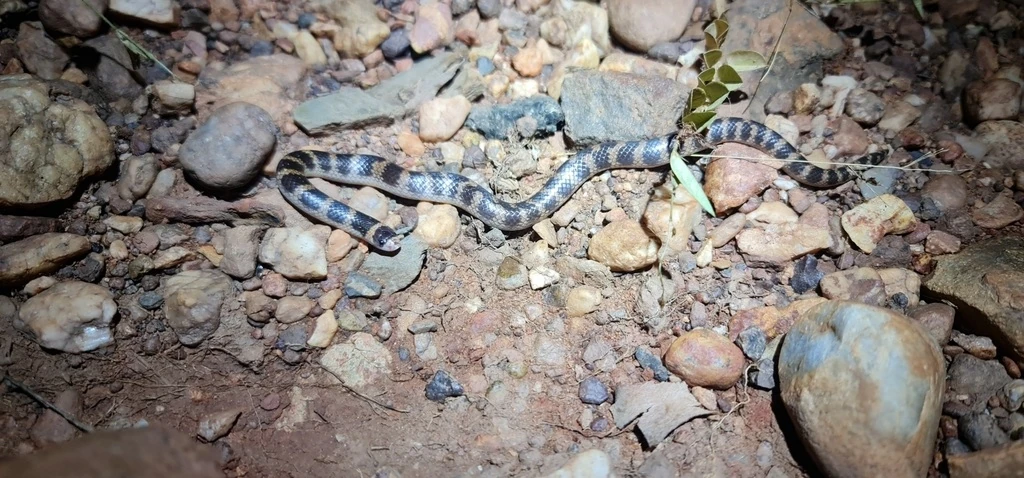
Brachyurophis campbelli. Banded individual photographed on leaf litter. Photograph identification follows the cited source; this image adds no geographic occurrence record.

022 · Elapidae

Cape-York Shovel-nosed Snake

Brachyurophis campbelli

(KINGHORN, 1929)

VenomousClinical severity not established

Australia is listed in the individual taxonomic treatment and the ASH national checklist. Named state/territory evidence: Western Australia, Northern Territory, Queensland. These are documented jurisdictions, not continuous range polygons.

Read the species account →

Lauren Dibben · CC BY 4.0 · https://creativecommons.org/licenses/by/4.0/

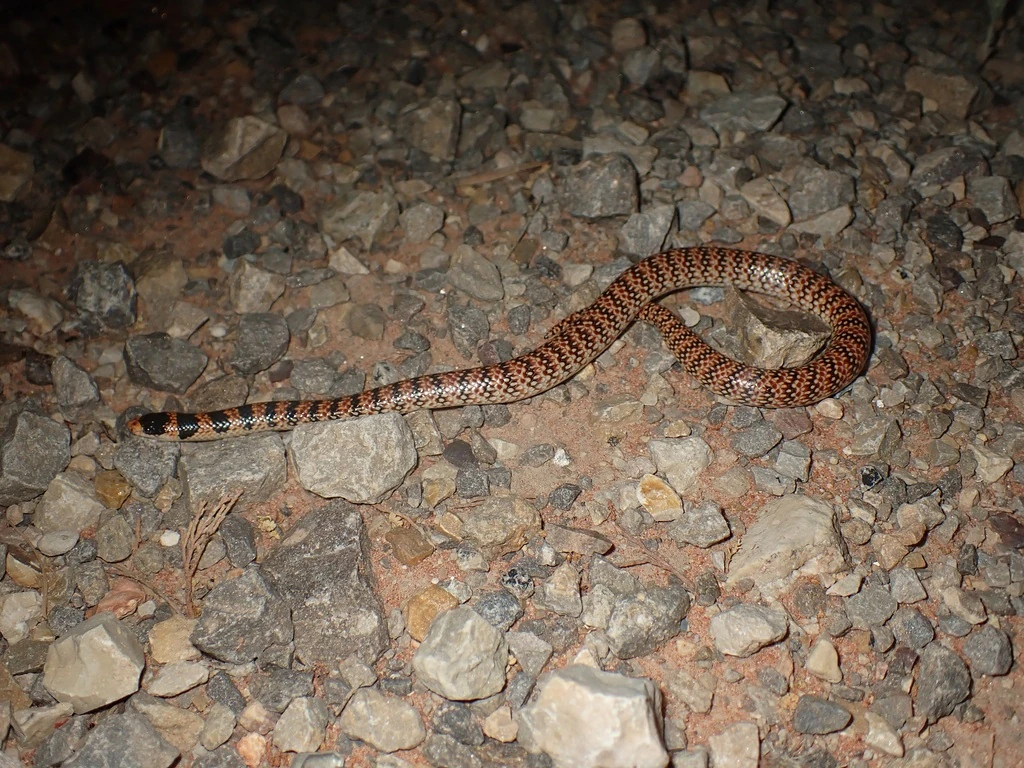
Brachyurophis fasciolatus photographed in Australia. Identification follows the source community.

023 · Elapidae

Narrow-banded Shovel-nosed Snake

Brachyurophis fasciolatus

(GÜNTHER, 1872)

VenomousClinical severity not established

Australia is listed in the individual taxonomic treatment and the ASH national checklist. Named state/territory evidence: Western Australia, Northern Territory, South Australia, Queensland, New South Wales. These are documented jurisdictions, not continuous range polygons.

Read the species account →

Joshua S. Martin · CC0 1.0 · https://creativecommons.org/publicdomain/zero/1.0/

Brachyurophis roperi photographed in Australia. Identification follows the source community.

024 · Elapidae

Northern Shovel-nosed Snake

Brachyurophis roperi

(KINGHORN, 1931)

VenomousClinical severity not established

Australia is listed in the individual taxonomic treatment and the ASH national checklist. Named state/territory evidence: Western Australia, Northern Territory. These are documented jurisdictions, not continuous range polygons.

Read the species account →

Max Tibby · CC0 1.0 · https://creativecommons.org/publicdomain/zero/1.0/

Explore all 214 country records →

The research library

Sources & the checklist.

This edition lists 214 species with supported country records from checked taxonomic treatments and cited field studies. This total includes 1 record marked as introduced; it is not a native-species total. It is not a claim of a complete national inventory. Each account retains its source and check date; individual evidence entries retain their own review dates.

Independent checklist comparison · 2026-10-11

229 database search candidates were checked individually against the 220-name ASH list, Australian Faunal Directory treatments and relevant revisions. Reconciliation supports 214 country records: 165 new canonical profiles and 49 existing shared profiles. Historical names, external-territory records and disputed occurrences explain the different totals. Introduced flowerpot snakes and occasional sea-krait arrivals are labelled separately. 165 accounts have sourced ecology beyond range and reproductive mode; the remainder still need fuller natural-history evidence.

Australian Society of Herpetologists: official Australian species list (2025 edition) ↗

Review still open

Hydrophis hardwickii

Its database range remains uncorrected after separation from H. curtus. The Australian record is withheld under the narrower name until the specimens are reassessed.

Possible marine records

Hydrophis laboutei, H. vorisi and Microcephalophis gracilis are not confirmed Australian records in the checked specimen review. Nearby-country records do not establish Australian occurrence.

Stegonotus parvus

The ASH list retains this name, but the current species treatment restricts it to Yapen, Indonesia. The historical Murray Island assignment is withheld pending a taxonomically current specimen review.

Sea-krait establishment

Laticauda colubrina and L. laticaudata are retained as documented arrivals; the museum review found no established Australian breeding population.

Source and biology gaps

Hydrophis laboutei has a broken AFD link and the Hydrophis platurus AFD route returned no usable treatment. The search and comparison are complete, but species ecology and fine-scale localities remain uneven.

Range and taxonomy review

Country links use a single accepted species identity. Revised names and disputed records are kept visible here; uncertain records do not enter the listed collection or regional totals.

Hydrophis hardwickii

Uncertain — excluded from the listed total

The Australian checklist uses H. curtus. The separate H. hardwickii treatment warns that its distribution has not been corrected following resurrection; an Australian occurrence under this narrower identity remains unverified.

Source 1 ↗

Source 2 ↗

Lycodon capucinus

Uncertain — excluded from the listed total

The Australian jurisdiction record concerns Christmas Island, which has a separate atlas country/territory entry; it is not a mainland or state occurrence.

Source 1 ↗

Hydrophis fasciatus

Uncertain — excluded from the listed total

The Australian population of this unresolved complex is treated as H. atriceps in the specimen-based Australian review. A separate H. fasciatus country record is withheld.

Source 1 ↗

Source 2 ↗

Indotyphlops braminus

Introduced occurrence

Australia is listed in the individual taxonomic treatment and the ASH national checklist. Named state/territory evidence: Western Australia, Northern Territory, Queensland. These are documented jurisdictions, not continuous range polygons. Australian populations are introduced; this record is not labelled native.

Source 1 ↗

Source 2 ↗

Source 3 ↗

Hydrophis inornatus

Uncertain — excluded from the listed total

The specimen-based review rejected the proposed Australian records; the questioned specimens do not establish this species in Australia.

Source 1 ↗

Source 2 ↗

Leiopython albertisii

Uncertain — excluded from the listed total

The 2021 phylogenomic revision found no verified Leiopython records from Australian territory, including Boigu and Saibai; the older broad range statement is withheld.

Source 1 ↗

Source 2 ↗

Hydrophis laboutei

Uncertain — excluded from the listed total

Published Australian occurrence remains a possibility based on nearby New Caledonian specimens, not a confirmed country record.

Source 1 ↗

Source 2 ↗

Hydrophis vorisi

Uncertain — excluded from the listed total

Known southern New Guinean specimens do not establish Australian occurrence; the reviewed Australian list treats it as possible only.

Source 1 ↗

Source 2 ↗

Microcephalophis gracilis

Uncertain — excluded from the listed total

The Australian specimens reviewed were misidentified or of doubtful provenance. Nearby Gulf of Papua records establish only a possible Australian occurrence.

Source 1 ↗

Source 2 ↗

Simalia amethistina

Uncertain — excluded from the listed total

The Australian chapter follows ASH and AFD in recognizing S. kinghorni for Australian scrub pythons. Older broad amethistina records are not counted as a second Australian species.

Source 1 ↗

Source 2 ↗
How the map and counts work

Search results were checked against distribution text and taxonomic qualifications. A geographic name alone does not establish a political country: New Guinea, the Solomon archipelago and Micronesia span more than one country or territory. Introduced and unresolved records require separate interpretation.

Place counts require explicit named localities, including valid type localities. Counts can overlap where sources name multiple places. Regional maps group historical boundary snapshots for navigation, while island outlines use Natural Earth; neither is a species range or an observation map. Small islands can be below the outline dataset’s resolution, so geographic reference markers and the directory remain available.

Australian Bureau of Statistics · ASGS 2021 generalized state and territory boundaries · CC BY 4.0. Eight core jurisdictions; external territories and Jervis Bay are outside this regional index. Navigation boundaries are not species ranges. Map provenance →

  1. UNESCO · Ningaloo Coast ↗

    Reef, arid coast and groundwater setting; management concerns, not a current bleaching report.

  2. DCCEEW · Australian rangelands ↗

    Dryland vegetation and northern savannas; broad ecological context only.

  3. Australian Society of Herpetologists · Official Australian species list ↗
  4. Geoscience Australia · Area of Australia, states and territories ↗
  5. Australian Bureau of Statistics · ASGS 2021 digital boundary files ↗
  6. The Reptile Database

    Individual treatments and locality evidence are linked from each species account.

  7. Meiri (2024): SquamBase 1.0

    Species-level literature measurements and ecological traits. Exact-name matches only; imputed or ambiguous fields are omitted. These summaries are not local observations.

  8. Natural Earth: public-domain geographic data

Continue through the Oceania atlas →