Blocked tidal exchange
The 2021 coastal assessment describes how flood-control structures have disconnected some eastern estuarine wetlands from tides.
Sources: Australia State of the Environment 2021 · Coastal habitats
Australia · Habitat field guide
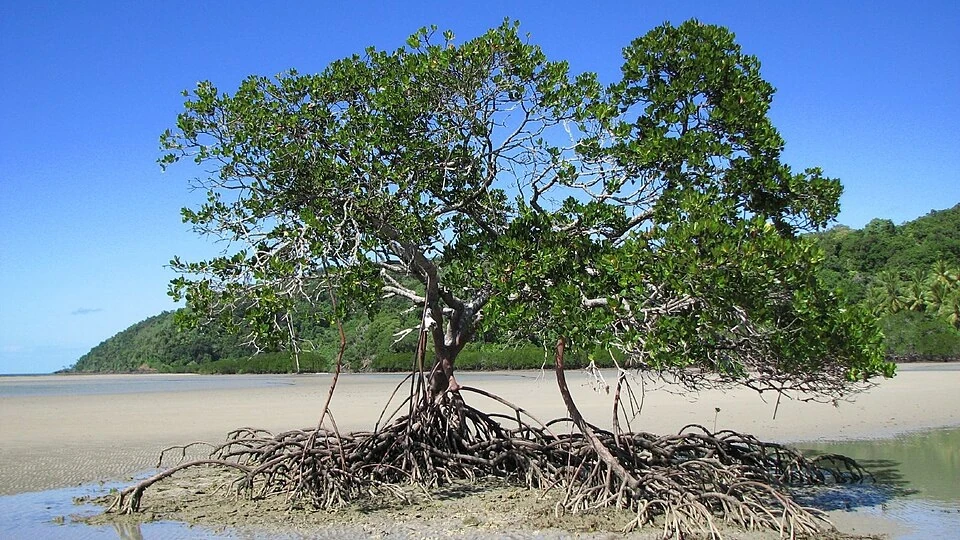
Australia’s mangroves form part of a wider tidal mosaic. Creek edges, wooded flats and neighbouring saltmarsh need to remain visible in the habitat description.
A mangrove on the tidal shore at Cooktown, Queensland, Australia.
Understanding the environment
Australia’s mangroves form part of a wider tidal mosaic. Creek edges, wooded flats and neighbouring saltmarsh need to remain visible in the habitat description.
Explore the structure · Select a zone to read the landscape at a different scale.
Select a zone to see what changes.
Watch the tide
Read exposed banks and flooded roots from an established viewpoint.
Record the tide; a photograph taken hours later may show different ground.
Conceptual habitat zones, not a measured transect or a map of snake occurrences.
Sources: City of Darwin · Habitats and ecosystems · UNESCO · Wet Tropics of Queensland
Field notes · 01
Darwin Harbour connects estuarine, freshwater and terrestrial environments. Large tidal movements expose and flood different surfaces, making the time of observation essential context for a coastal record.
Field notes · 02
UNESCO describes the Hinchinbrook Channel’s mangroves as part of the Wet Tropics coastal mosaic. This forested tidal environment is distinct from the adjoining upland rainforest, despite their geographic proximity.
Sources: UNESCO · Wet Tropics of Queensland
Pressures on Australia’s habitats
The 2021 coastal assessment describes how flood-control structures have disconnected some eastern estuarine wetlands from tides.
Sources: Australia State of the Environment 2021 · Coastal habitats
The same assessment identifies sea-level and other climate-related pressures on mangrove condition. Effects vary with local setting.
Sources: Australia State of the Environment 2021 · Coastal habitats
Retain tidal exchange and room for coastal habitats, and assess restoration against local hydrology.
The connected collection
These 13 species have supported country occurrence and an explicit habitat association in the shared account. The association may come from elsewhere in their range. This is not a complete local habitat inventory; the places above are landscape examples, not asserted collecting sites.
13 species · showing 13
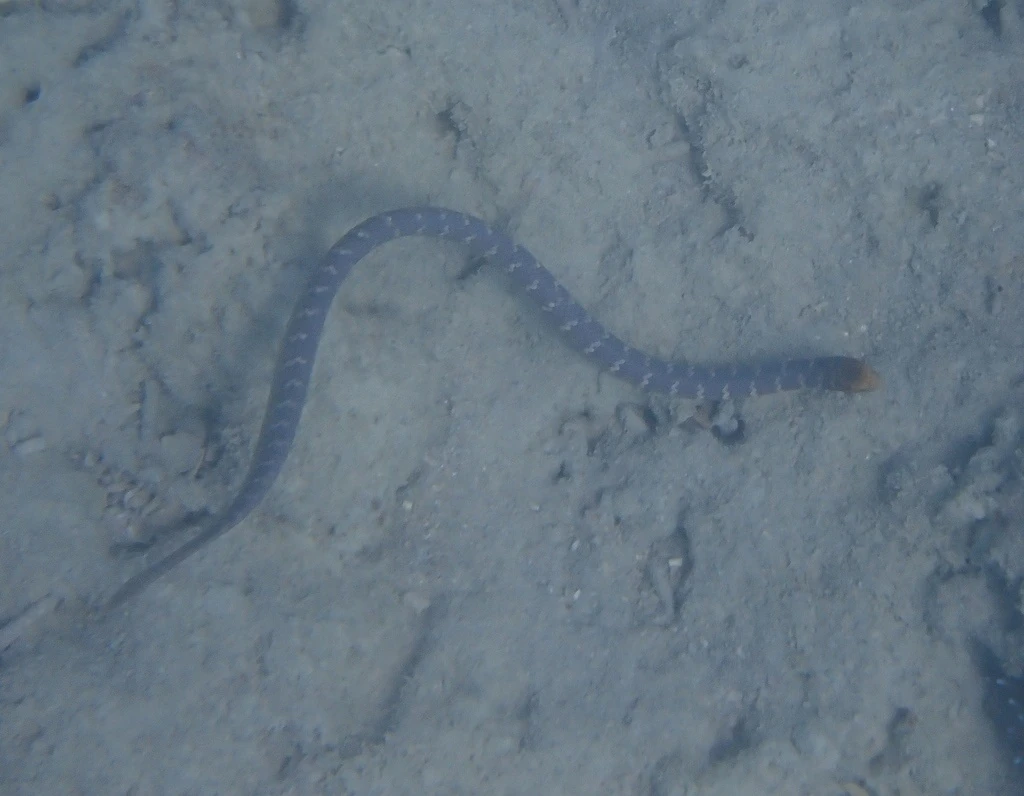
001 · Acrochordidae
Little filesnake
Australia is listed in the individual taxonomic treatment and the ASH national checklist. Named state/territory evidence: Western Australia, Northern Territory, Queensland. These are documented jurisdictions, not continuous range polygons.
Read the species account →Mario Lutz · Copyright Mario Lutz. Authorised for display in this atlas; no third-party reuse licence granted.
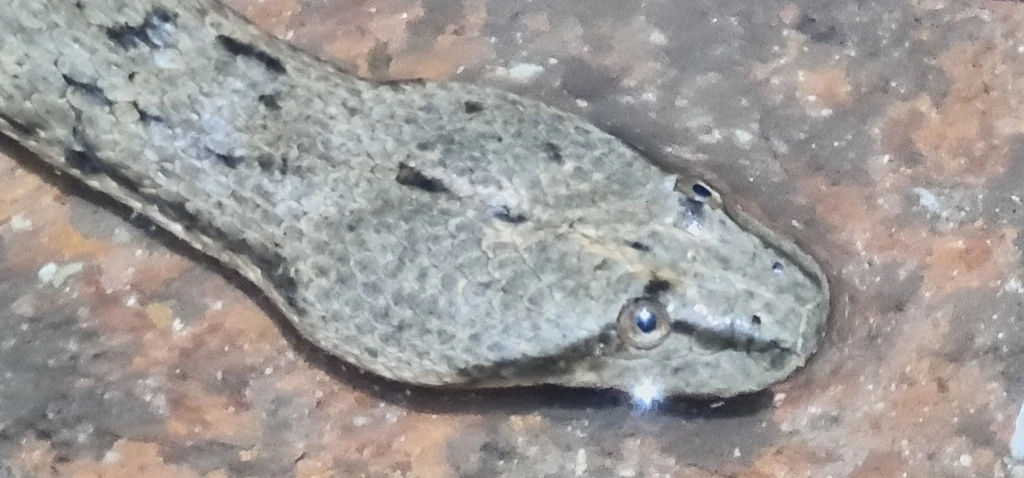
002 · Elapidae
Olive-brown seasnake
Australia is listed in the individual taxonomic treatment and the ASH national checklist. Named state/territory evidence: Western Australia, Northern Territory, Queensland. These are documented jurisdictions, not continuous range polygons. Question-marked states in the source are not promoted to confirmed regional records: New South Wales.
Read the species account →Debra Baker · CC BY 4.0 · https://creativecommons.org/licenses/by/4.0/
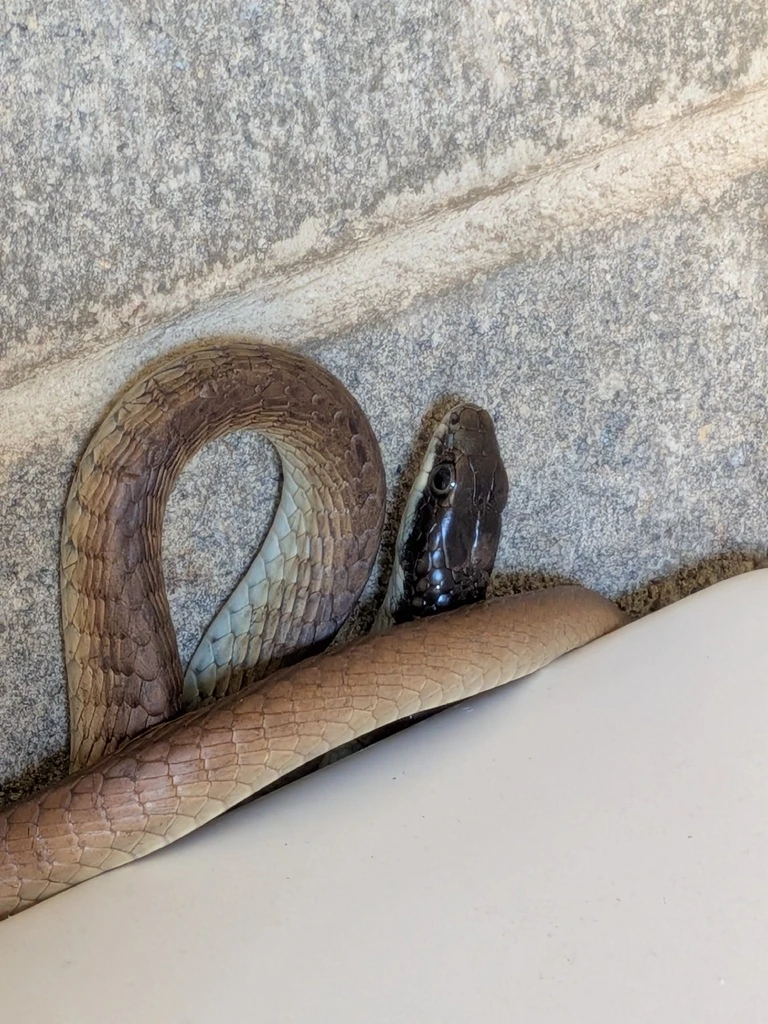
003 · Homalopsidae
Australian Bockadam
Australia is listed in the individual taxonomic treatment and the ASH national checklist. Named state/territory evidence: Western Australia, Northern Territory, Queensland. These are documented jurisdictions, not continuous range polygons.
Read the species account →Max Tibby · CC0 1.0 · https://creativecommons.org/publicdomain/zero/1.0/
004 · Colubridae
Green treesnake
Australia is listed in the individual taxonomic treatment and the ASH national checklist. Named state/territory evidence: Queensland. These are documented jurisdictions, not continuous range polygons.
Read the species account →Matt B · CC BY 4.0 · https://creativecommons.org/licenses/by/4.0/
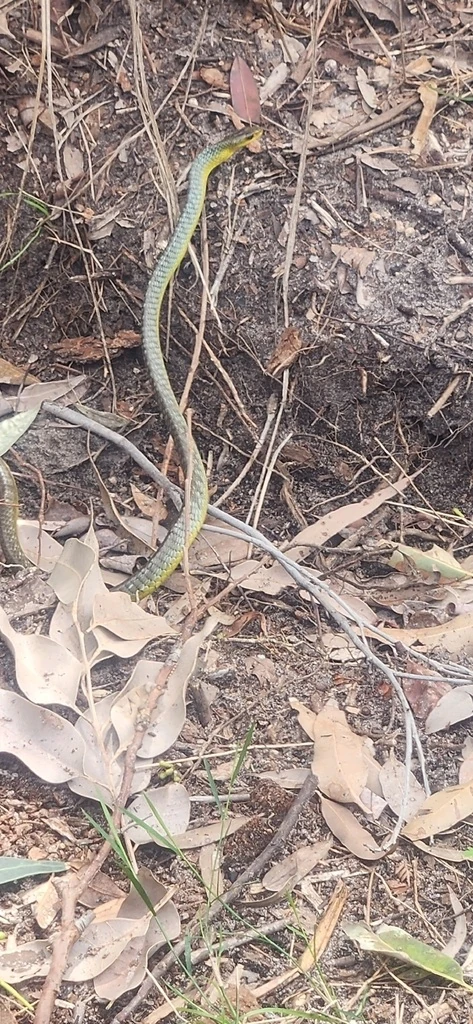
005 · Colubridae
Green Tree Snake, Common Tree Snake
Australia is listed in the individual taxonomic treatment and the ASH national checklist. Named state/territory evidence: Western Australia, Northern Territory, Queensland, New South Wales. These are documented jurisdictions, not continuous range polygons.
Read the species account →Cheryl Porter · CC0 1.0 · https://creativecommons.org/publicdomain/zero/1.0/
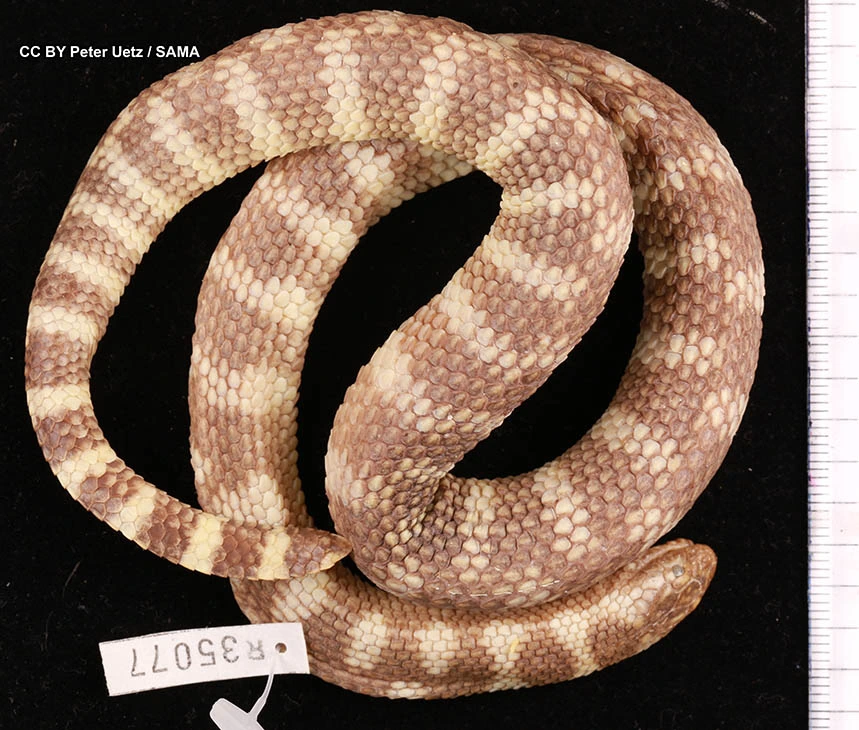
006 · Elapidae
Mangrove Sea Snake
Australia is listed in the individual taxonomic treatment and the ASH national checklist. Named state/territory evidence: Western Australia. These are documented jurisdictions, not continuous range polygons. Question-marked states in the source are not promoted to confirmed regional records: Northern Territory.
Read the species account →Peter Uetz / SAMA · CC BY 4.0 · https://creativecommons.org/licenses/by/4.0/
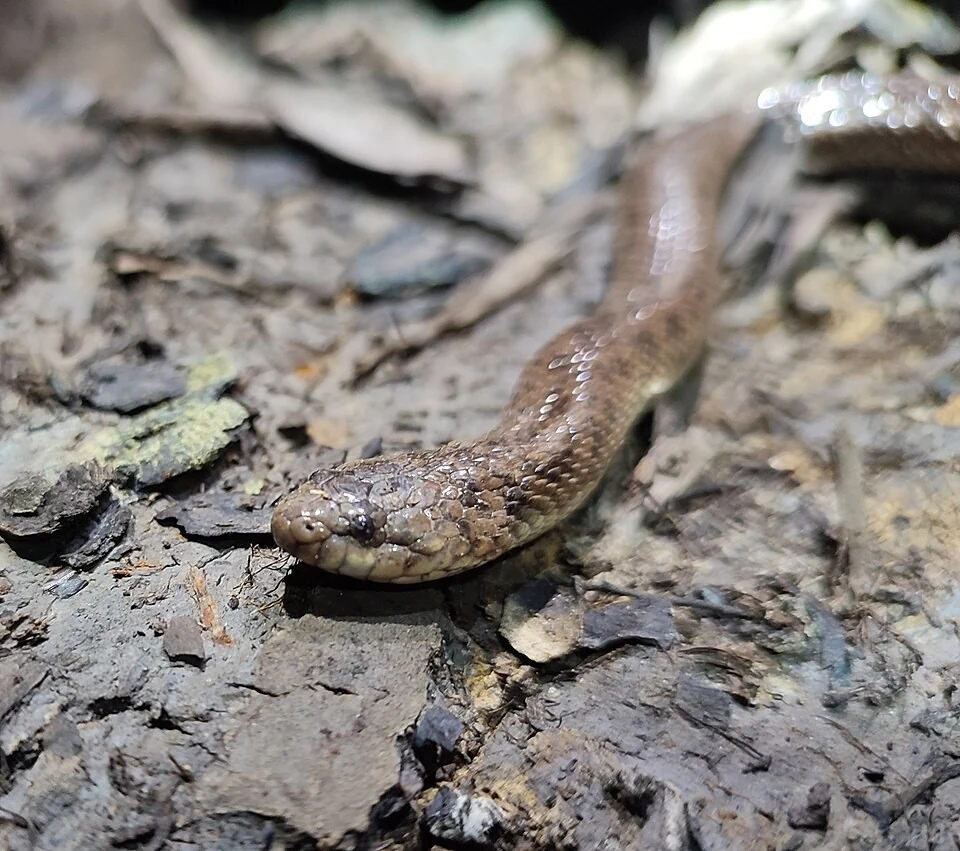
007 · Homalopsidae
Crab-eating (Water) Snake
Australia is listed in the individual taxonomic treatment and the ASH national checklist. Named state/territory evidence: Western Australia, Northern Territory, Queensland. These are documented jurisdictions, not continuous range polygons.
Read the species account →Samuel GUIRAUDOU · CC BY 4.0 · https://creativecommons.org/licenses/by/4.0
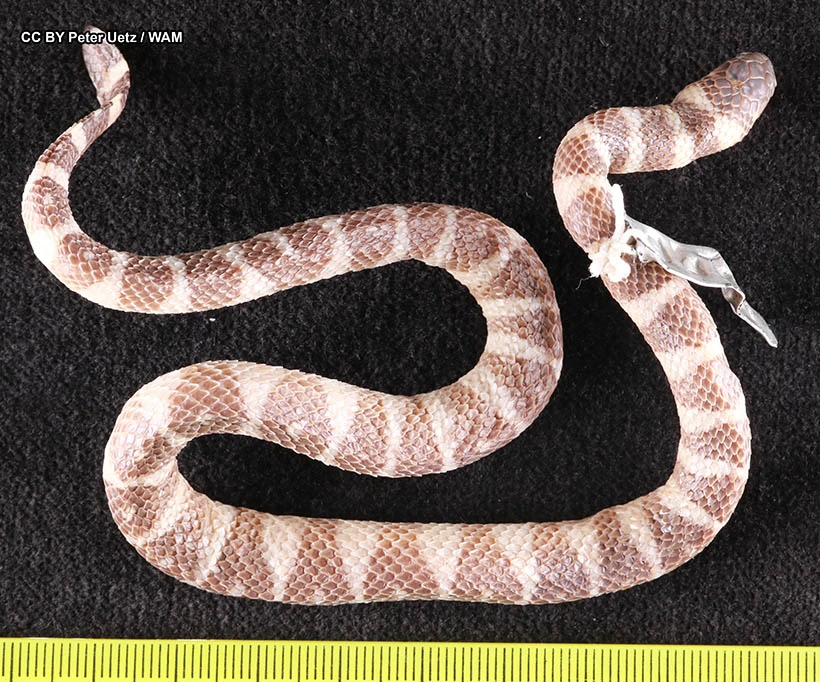
008 · Elapidae
Port Darwin seasnake
Australia is listed in the individual taxonomic treatment and the ASH national checklist. Named state/territory evidence: Western Australia, Northern Territory, Queensland. These are documented jurisdictions, not continuous range polygons.
Read the species account →Peter Uetz / WAM · CC BY 4.0 · https://creativecommons.org/licenses/by/4.0/
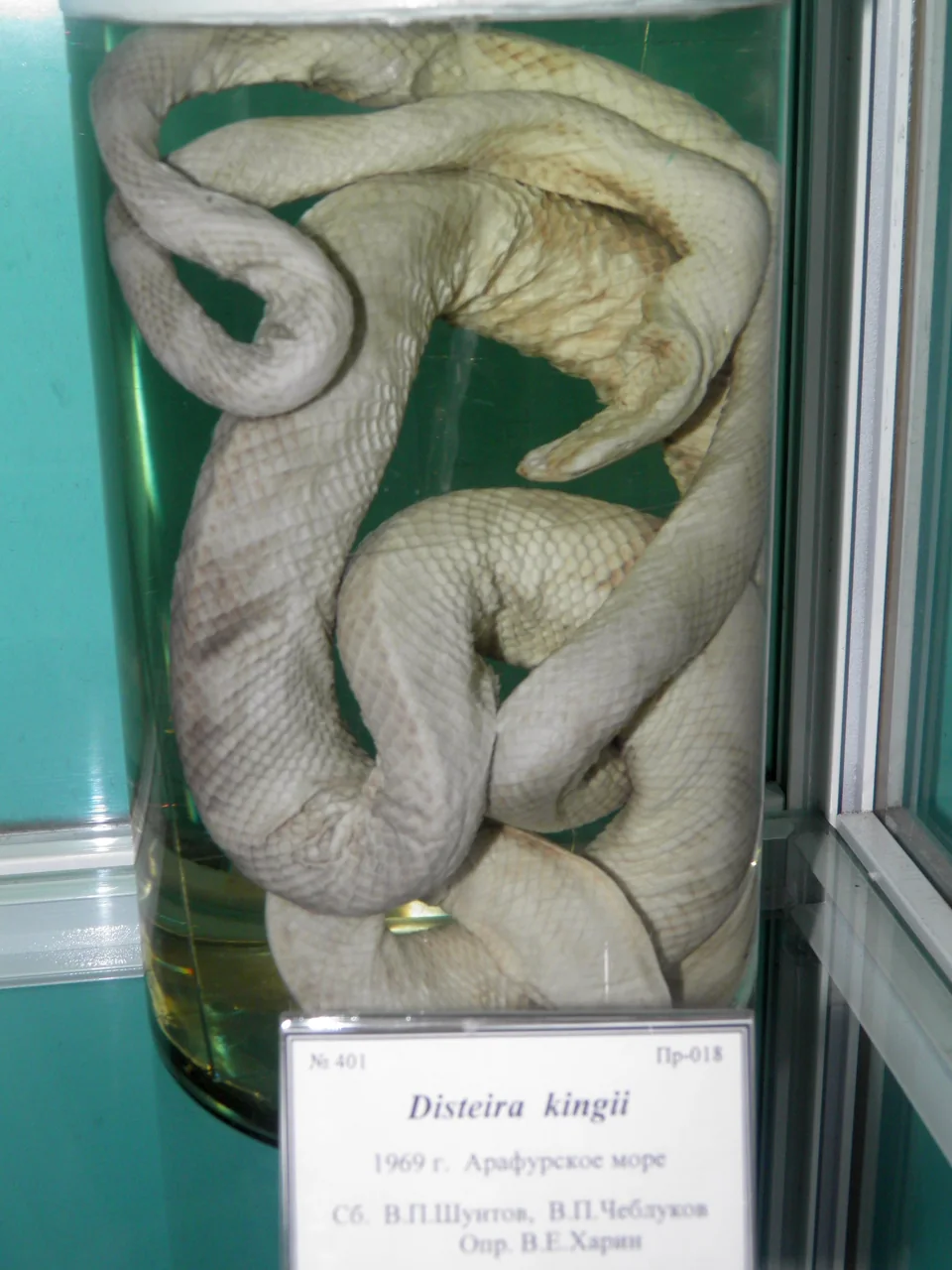
009 · Elapidae
Spectacled or King’s seasnake
Australia is listed in the individual taxonomic treatment and the ASH national checklist. Named state/territory evidence: Western Australia, Northern Territory, Queensland. These are documented jurisdictions, not continuous range polygons. Question-marked states in the source are not promoted to confirmed regional records: New South Wales.
Read the species account →A. C. Tatarinov · CC0 1.0 · https://creativecommons.org/publicdomain/zero/1.0/
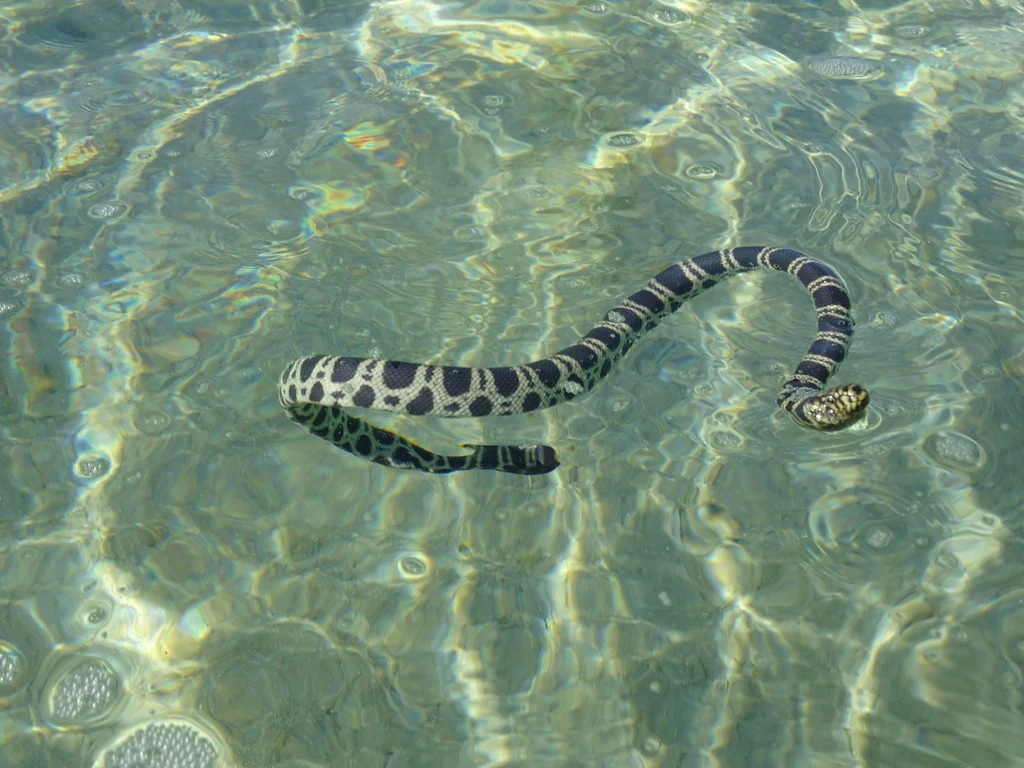
010 · Elapidae
Olive-headed or greater seasnake
Australia is listed in the individual taxonomic treatment and the ASH national checklist. Named state/territory evidence: Western Australia, Northern Territory, Queensland. These are documented jurisdictions, not continuous range polygons. Question-marked states in the source are not promoted to confirmed regional records: New South Wales.
Read the species account →Jiro Iguchi · CC BY 4.0 · https://creativecommons.org/licenses/by/4.0/
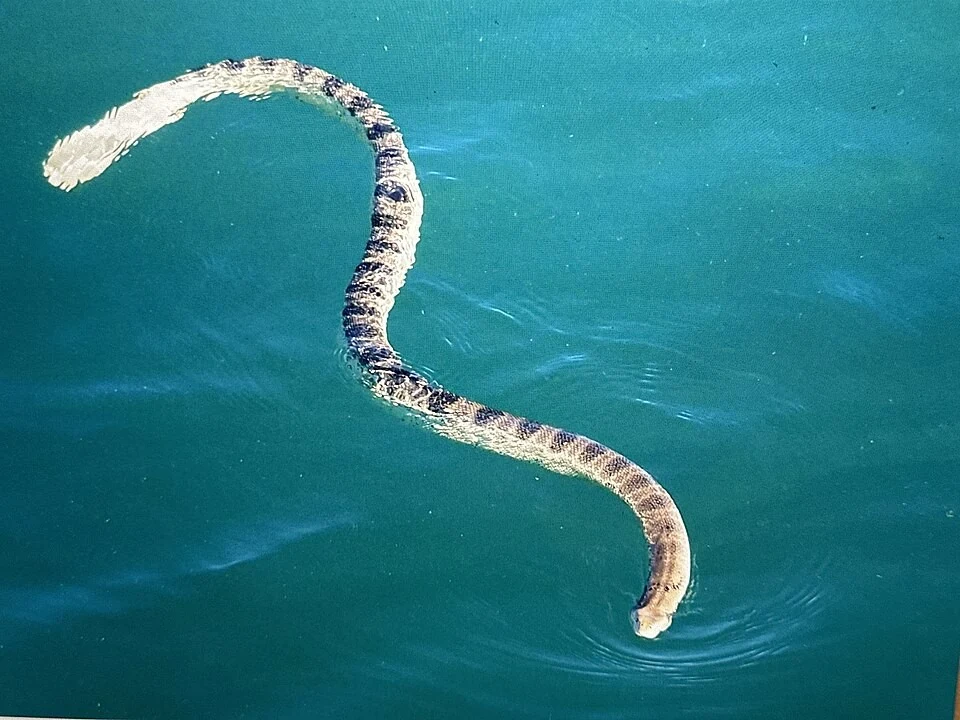
011 · Elapidae
Stoke’s seasnake
Australia is listed in the individual taxonomic treatment and the ASH national checklist. Named state/territory evidence: Western Australia, Queensland, New South Wales. These are documented jurisdictions, not continuous range polygons.
Read the species account →Rosario · CC BY 4.0 · https://creativecommons.org/licenses/by/4.0
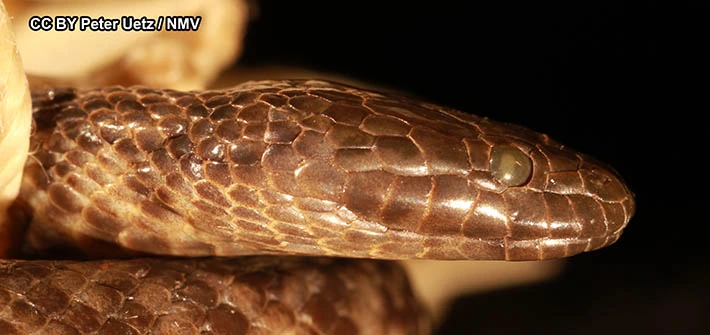
012 · Homalopsidae
Richardson’s mangrove snake
Australia is listed in the individual taxonomic treatment and the ASH national checklist. Named state/territory evidence: Western Australia, Northern Territory, Queensland. These are documented jurisdictions, not continuous range polygons.
Read the species account →Peter Uetz / NMV · CC BY 4.0 · https://creativecommons.org/licenses/by/4.0/
013 · Elapidae
Arafura smooth or northern mangrove seasnake
Australia is listed in the individual taxonomic treatment and the ASH national checklist. Named state/territory evidence: Northern Territory, Queensland. These are documented jurisdictions, not continuous range polygons.
Read the species account →Read further
Guide reviewed 11 October 2026. Source dates and geographic scope matter; landscape photographs do not establish species occurrence.
Harbour tides, mangroves and adjacent habitat types; local account.
Rainforest gradients, coastal connections and documented pressures; heritage description, not a snake checklist.
Historical changes in tidal connections and climate-related coastal pressures.
Continue through Australia
Australian forest varies with climate and terrain. Northeastern rainforest and the eastern escarpment remnants offer two starting points for reading that variety.
02The southeastern Alps contain forested slopes, high plateaus and wetlands. Their comparatively small upland environments make the transitions between habitats especially useful to read.
03Dry country contains dunes, grassy patches, woodland and water-shaped depressions. Read the ground and recent conditions before assuming that every desert site offers the same shelter.
04Northern savannas combine grass with trees, rocky country and seasonal waterways. An open canopy is part of their character, not by itself evidence of forest loss.
05Inland wetlands depend on the timing and pathways of water. Floodplain forest, reed marsh and open channels can change markedly between visits.
06Australia’s coast brings together reef, seagrass, sand, rock and estuaries. The Queensland and Western Australian examples show why a national marine range needs more precise local evidence.