Introduced grazers
The federal assessment identifies horses, deer and pigs as pressures on alpine vegetation and soils.
Australia · Habitat field guide
The southeastern Alps contain forested slopes, high plateaus and wetlands. Their comparatively small upland environments make the transitions between habitats especially useful to read.
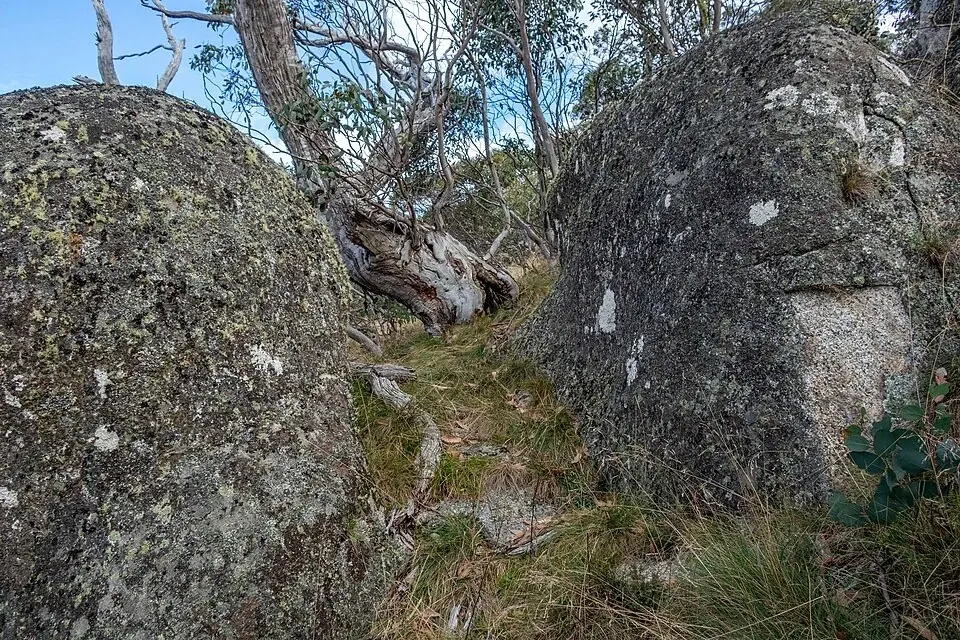
Snow-gum woodland in Kosciuszko National Park, New South Wales, Australia.
Understanding the environment
The southeastern Alps contain forested slopes, high plateaus and wetlands. Their comparatively small upland environments make the transitions between habitats especially useful to read.
Explore the structure · Select a zone to read the landscape at a different scale.
Select a zone to see what changes.
Begin below the ridge
Note where wooded slopes meet a valley or settlement.
A mountain name alone does not establish a high-elevation record.
Conceptual habitat zones, not a measured transect or a map of snake occurrences.
Sources: DCCEEW · Australian Alps priority place · Parks ACT · Namadgi National Park
Field notes · 01
The Australian Alps extend through the ACT, New South Wales and Victoria, and contain headwaters of the Murray, Murrumbidgee and Snowy rivers. Alpine and subalpine settings include lakes, grasslands and bogs.
Field notes · 02
Namadgi protects mountain bushland and high-altitude sphagnum bogs on Ngunnawal Country. The bogs retain and gradually release water; a wet hollow and an exposed slope therefore need different habitat descriptions.
Sources: Parks ACT · Namadgi National Park
Pressures on Australia’s habitats
The federal assessment identifies horses, deer and pigs as pressures on alpine vegetation and soils.
Climate change and changes in fire intensity or frequency threaten alpine communities; responses differ among sites.
Protect headwater vegetation and manage disturbance across connected slopes and wetlands with Traditional Owners.
The connected collection
These 2 species have supported country occurrence and an explicit habitat association in the shared account. The association may come from elsewhere in their range. This is not a complete local habitat inventory; the places above are landscape examples, not asserted collecting sites.
2 species · showing 2
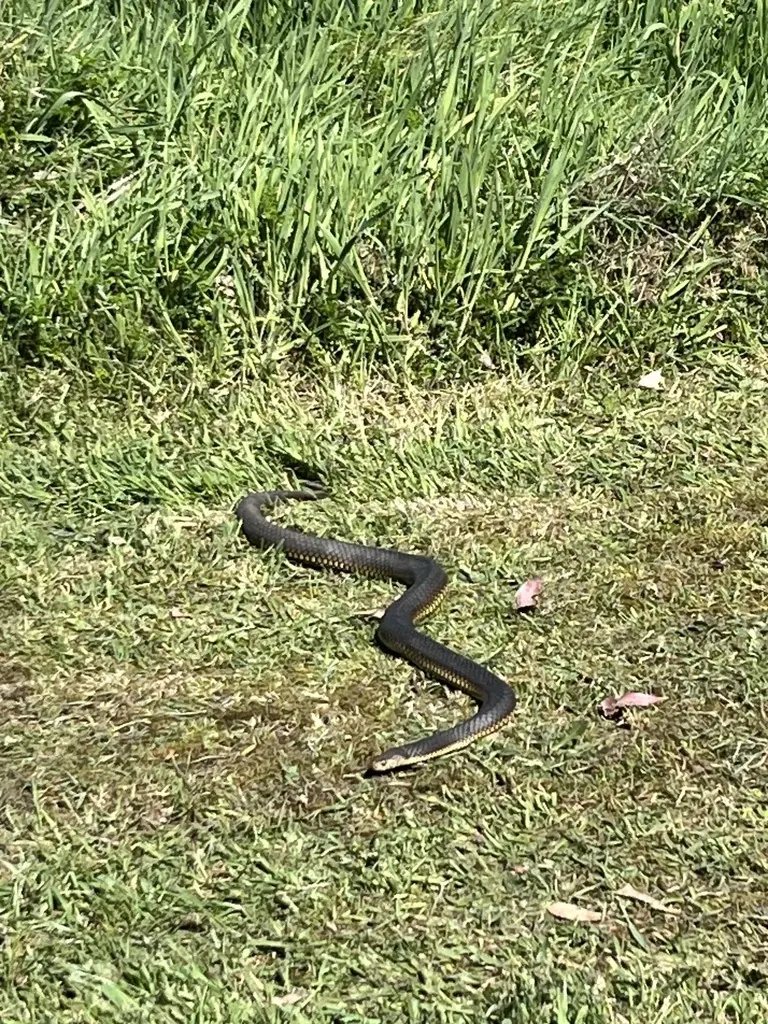
001 · Elapidae
Lowlands Copperhead
Australia is listed in the individual taxonomic treatment and the ASH national checklist. Named state/territory evidence: South Australia, Victoria, Tasmania. These are documented jurisdictions, not continuous range polygons.
Read the species account →c_knut_lord · CC BY 4.0 · https://creativecommons.org/licenses/by/4.0/
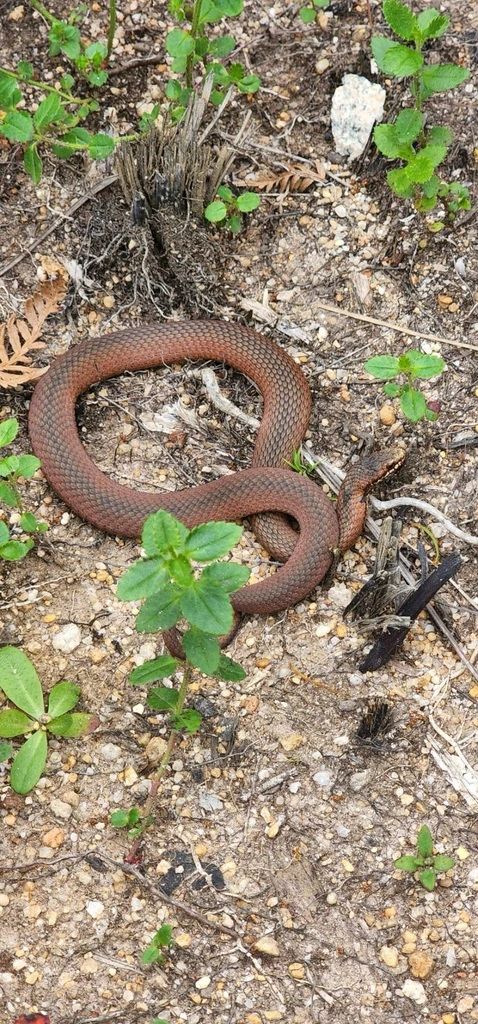
002 · Elapidae
White-lipped Snake
Australia is listed in the individual taxonomic treatment and the ASH national checklist. Named state/territory evidence: South Australia, New South Wales, Victoria, Tasmania, Australian Capital Territory. These are documented jurisdictions, not continuous range polygons.
Read the species account →Bryce Watts-Parker · CC BY 4.0 · https://creativecommons.org/licenses/by/4.0/
Read further
Guide reviewed 11 October 2026. Source dates and geographic scope matter; landscape photographs do not establish species occurrence.
2024 habitat and threat assessment; no snake elevation limit inferred.
Ngunnawal Country, alpine vegetation, bogs and catchments. Recheck operational access information.
Continue through Australia
Australian forest varies with climate and terrain. Northeastern rainforest and the eastern escarpment remnants offer two starting points for reading that variety.
02Dry country contains dunes, grassy patches, woodland and water-shaped depressions. Read the ground and recent conditions before assuming that every desert site offers the same shelter.
03Northern savannas combine grass with trees, rocky country and seasonal waterways. An open canopy is part of their character, not by itself evidence of forest loss.
04Inland wetlands depend on the timing and pathways of water. Floodplain forest, reed marsh and open channels can change markedly between visits.
05Australia’s mangroves form part of a wider tidal mosaic. Creek edges, wooded flats and neighbouring saltmarsh need to remain visible in the habitat description.
06Australia’s coast brings together reef, seagrass, sand, rock and estuaries. The Queensland and Western Australian examples show why a national marine range needs more precise local evidence.