Invasive grasses
The 2021 national assessment identifies buffel grass as a major dryland pressure that also interferes with cultural land management.
Sources: Australia State of the Environment 2021 · Invasive species
Australia · Habitat field guide
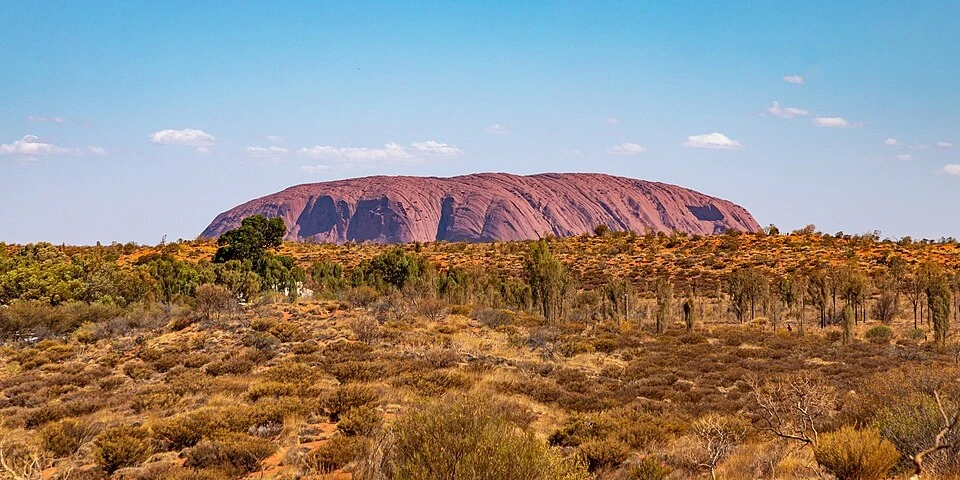
Dry country contains dunes, grassy patches, woodland and water-shaped depressions. Read the ground and recent conditions before assuming that every desert site offers the same shelter.
Arid country around Uluru in Uluru–Kata Tjuta National Park, Northern Territory, Australia.
Understanding the environment
Dry country contains dunes, grassy patches, woodland and water-shaped depressions. Read the ground and recent conditions before assuming that every desert site offers the same shelter.
Explore the structure · Select a zone to read the landscape at a different scale.
Select a zone to see what changes.
Compare surfaces
Separate loose sand, stony ground and exposed flats.
A desert is a patchwork of substrates, not a blank habitat.
Conceptual habitat zones, not a measured transect or a map of snake occurrences.
Sources: South Australia Parks · Munga-Thirri–Simpson Desert · Parks Australia · Cultural burning at Uluru–Kata Tjuta (2023)
Field notes · 01
Munga-Thirri–Simpson Desert National Park protects dune systems alongside playa lakes, spinifex grassland and acacia woodland. A dry lake surface is part of this mosaic; it is not evidence of permanent freshwater habitat.
Sources: South Australia Parks · Munga-Thirri–Simpson Desert
Field notes · 02
Parks Australia describes Anangu-led patch burning around Uluru–Kata Tjuta. Small burns create patches of renewed vegetation while leaving other cover intact. Fire history belongs in a habitat note, rather than being reduced to “burnt” or “unburnt”.
Sources: Parks Australia · Cultural burning at Uluru–Kata Tjuta (2023)
Pressures on Australia’s habitats
The 2021 national assessment identifies buffel grass as a major dryland pressure that also interferes with cultural land management.
Sources: Australia State of the Environment 2021 · Invasive species
Introduced grasses can increase fuel and fire intensity; the presence of grass alone does not identify its ecological role.
Sources: Australia State of the Environment 2021 · Interacting pressures
Support local and Traditional Owner land management, retain habitat mosaics and prevent spread of invasive plants.
The connected collection
These 25 species have supported country occurrence and an explicit habitat association in the shared account. The association may come from elsewhere in their range. This is not a complete local habitat inventory; the places above are landscape examples, not asserted collecting sites.
25 species · showing 24
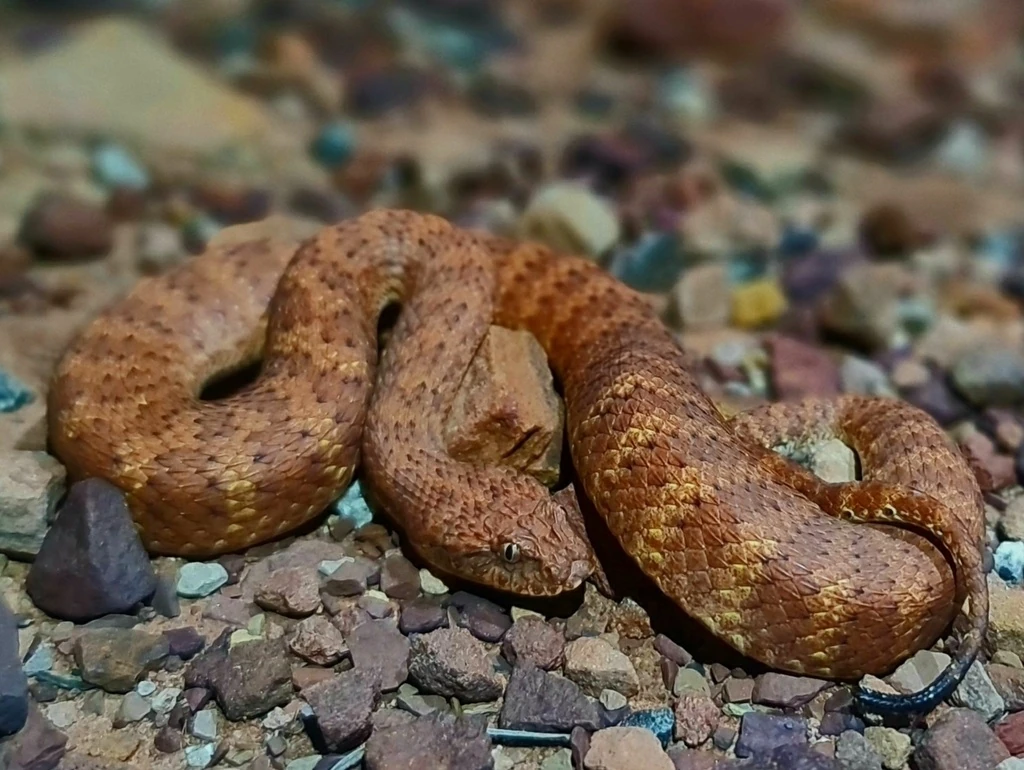
001 · Elapidae
Desert Death Adder
Australia is listed in the individual taxonomic treatment and the ASH national checklist. Named state/territory evidence: Western Australia, Northern Territory, South Australia, Queensland. These are documented jurisdictions, not continuous range polygons.
Read the species account →Max Tibby · CC0 1.0 · https://creativecommons.org/publicdomain/zero/1.0/
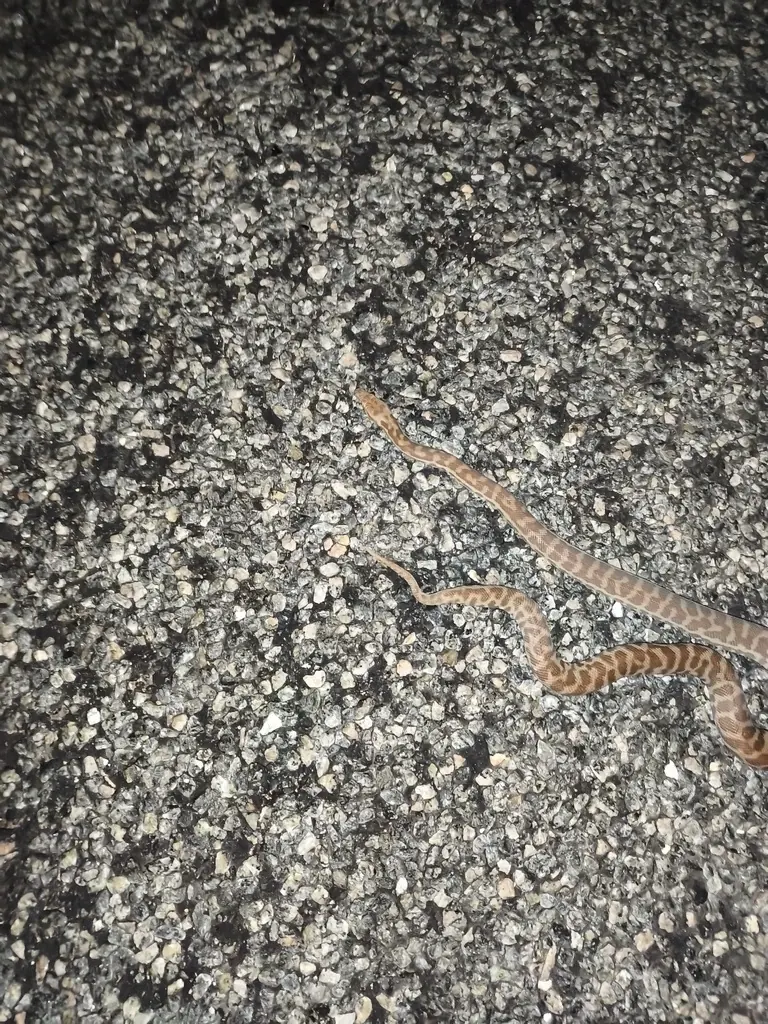
002 · Pythonidae
Children’s Python
Australia is listed in the individual taxonomic treatment and the ASH national checklist. Named state/territory evidence: Western Australia, Northern Territory, South Australia, Queensland, New South Wales. These are documented jurisdictions, not continuous range polygons.
Read the species account →Mark McVeigh · CC0 1.0 · https://creativecommons.org/publicdomain/zero/1.0/
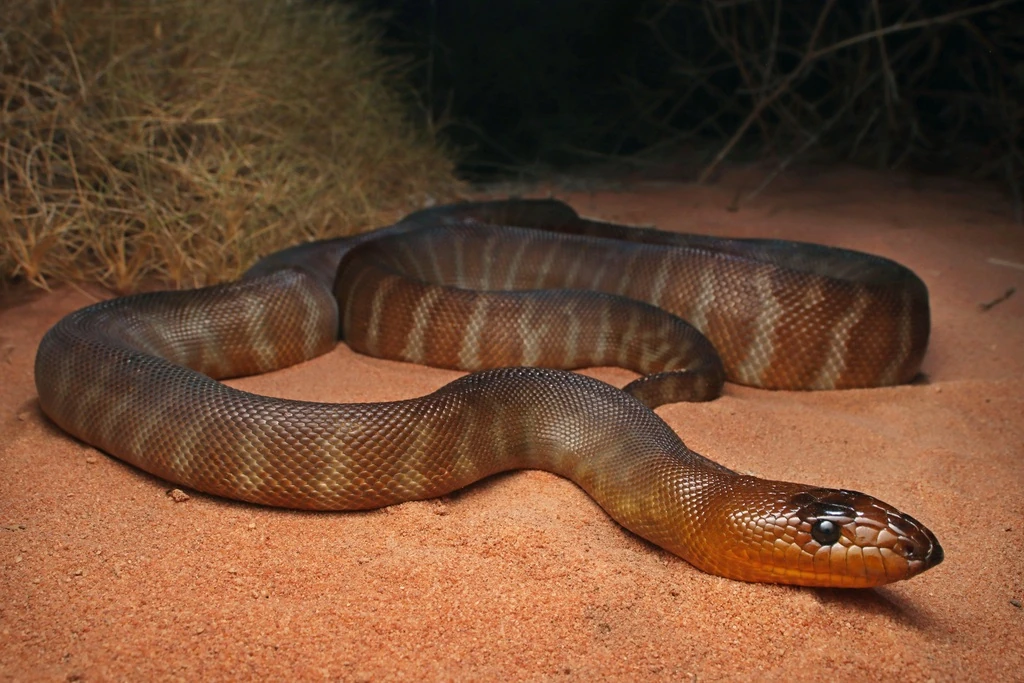
003 · Pythonidae
Woma
Australia is listed in the individual taxonomic treatment and the ASH national checklist. Named state/territory evidence: Western Australia, Northern Territory, South Australia, Queensland, New South Wales, Victoria. These are documented jurisdictions, not continuous range polygons. The government profile, updated in 2017, gives late-1890s…
Read the species account →Connor Margetts · CC0 1.0 · https://creativecommons.org/publicdomain/zero/1.0/
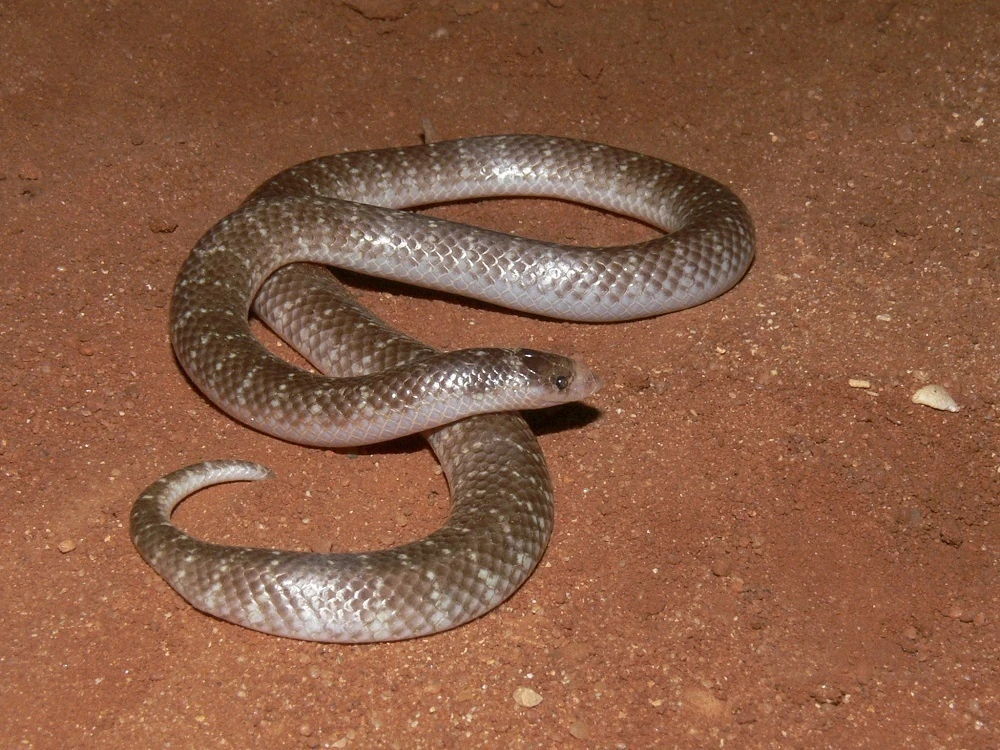
004 · Elapidae
North-western Shovel-nosed Snake
Australia is listed in the individual taxonomic treatment and the ASH national checklist. Named state/territory evidence: Western Australia. These are documented jurisdictions, not continuous range polygons.
Read the species account →dhfischer · CC BY 4.0 · https://creativecommons.org/licenses/by/4.0/
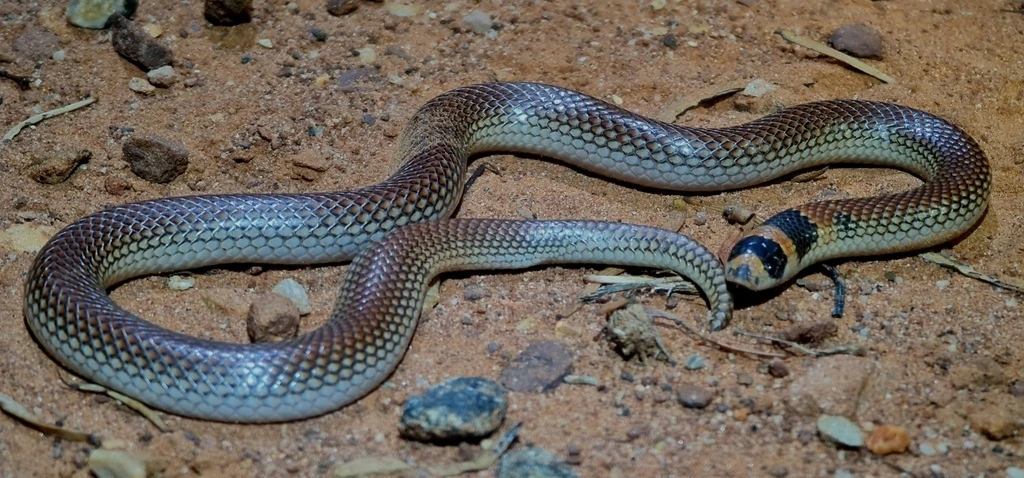
005 · Elapidae
Unbanded Shovel-nosed Snake
Australia is listed in the individual taxonomic treatment and the ASH national checklist. Named state/territory evidence: Northern Territory, Queensland. These are documented jurisdictions, not continuous range polygons.
Read the species account →Max Tibby · CC0 1.0 · https://creativecommons.org/publicdomain/zero/1.0/
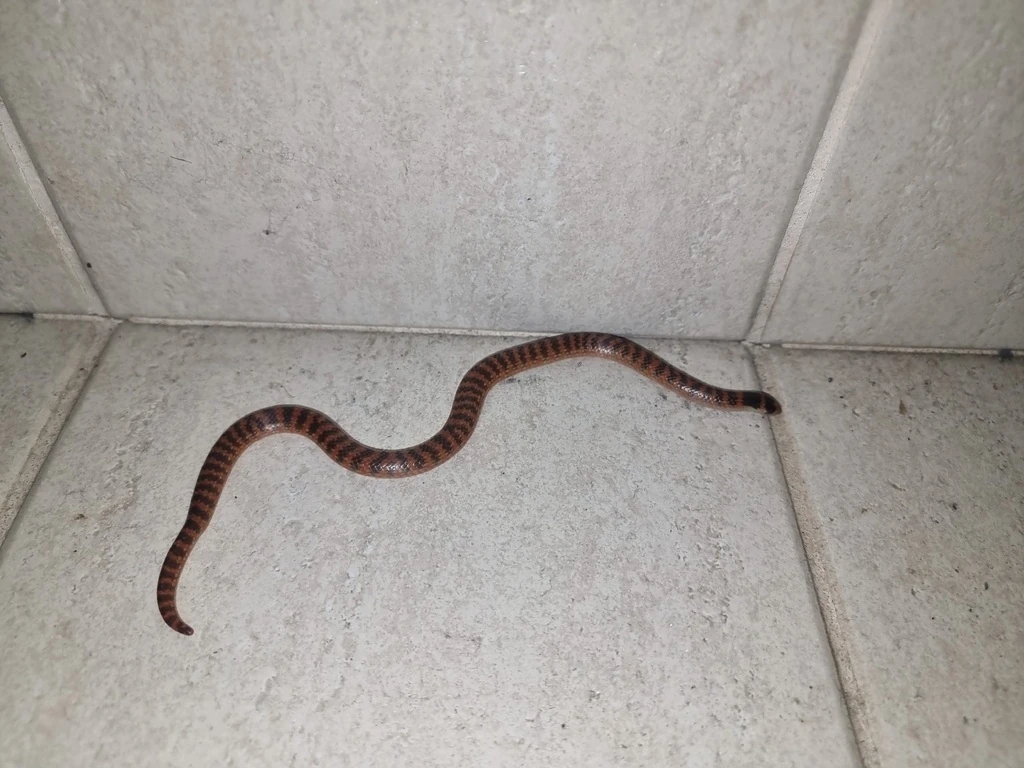
006 · Elapidae
Southern Shovel-nosed Snake
Australia is listed in the individual taxonomic treatment and the ASH national checklist. Named state/territory evidence: Western Australia, Northern Territory, South Australia, Queensland. These are documented jurisdictions, not continuous range polygons.
Read the species account →Helium Luo · CC BY 4.0 · https://creativecommons.org/licenses/by/4.0/
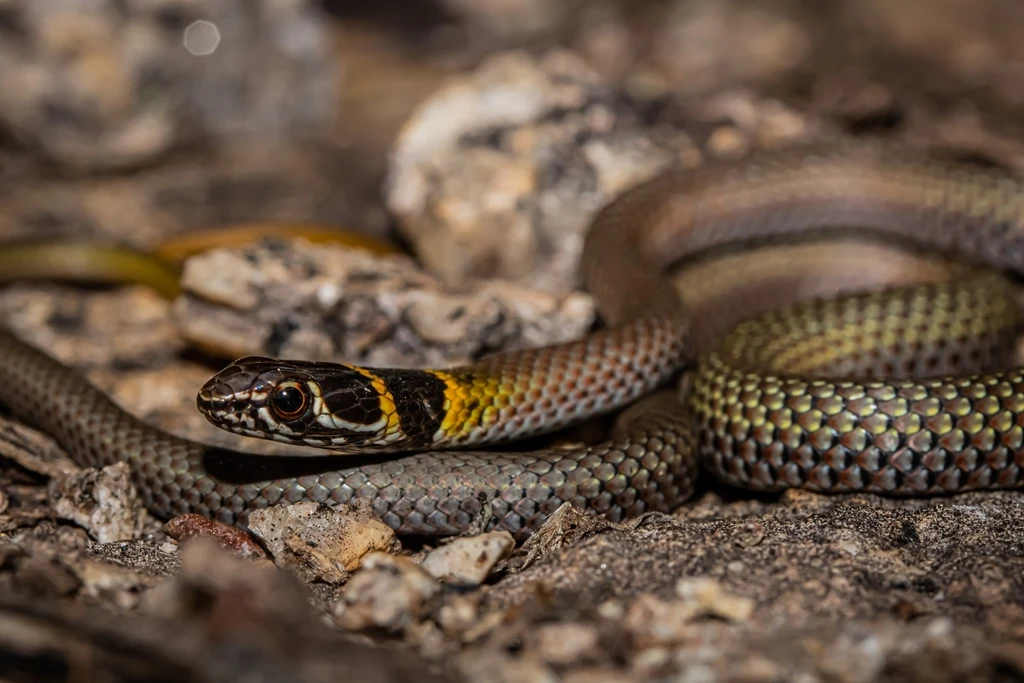
007 · Elapidae
Collared Whip Snake
Australia is listed in the individual taxonomic treatment and the ASH national checklist. Named state/territory evidence: Queensland. These are documented jurisdictions, not continuous range polygons.
Read the species account →Noah Kirkland · CC BY 4.0 · https://creativecommons.org/licenses/by/4.0/
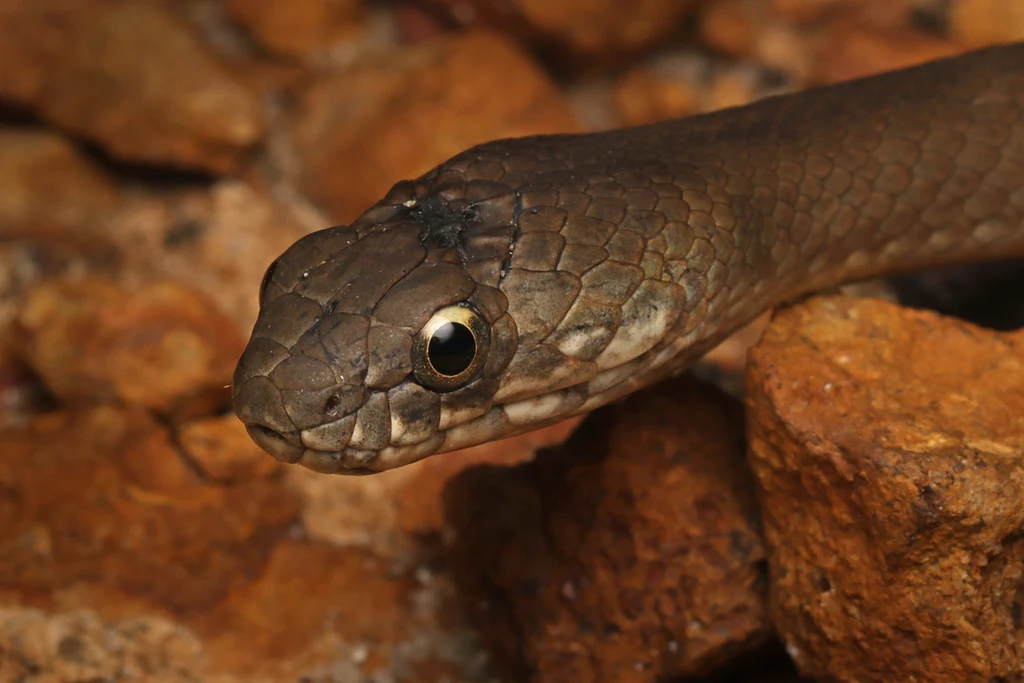
008 · Elapidae
Bardick
Australia is listed in the individual taxonomic treatment and the ASH national checklist. Named state/territory evidence: Western Australia, South Australia, New South Wales, Victoria. These are documented jurisdictions, not continuous range polygons. The official NSW profile distinguishes three dated records: a 1974 museum specimen, a 1983 sighting and…
Read the species account →Connor Margetts · CC0 1.0 · https://creativecommons.org/publicdomain/zero/1.0/
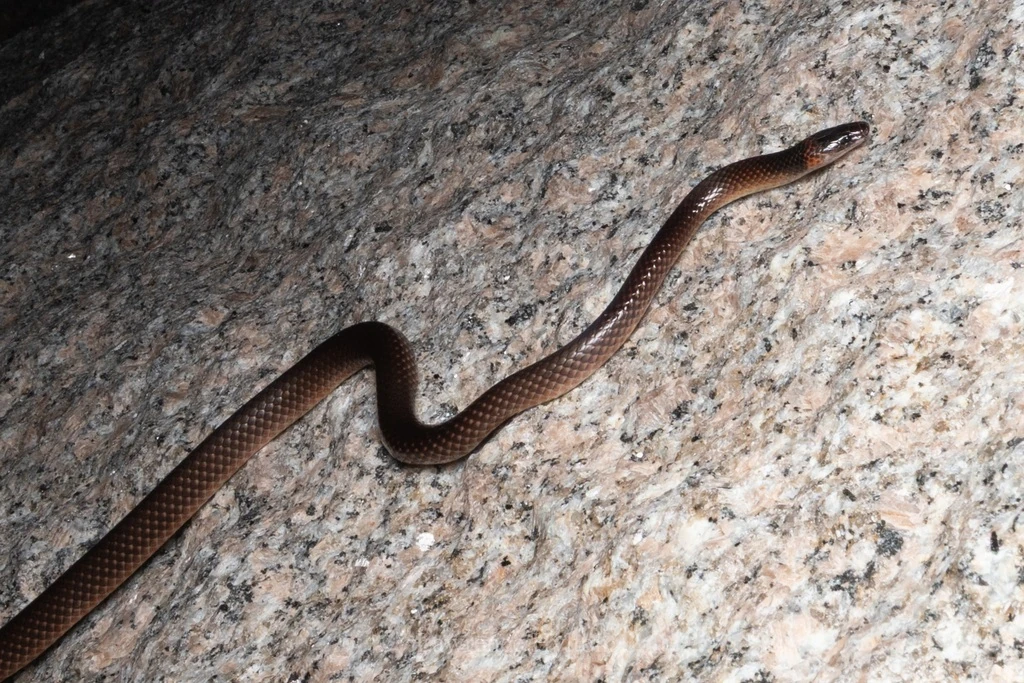
009 · Elapidae
Orange-naped Snake
Australia is listed in the individual taxonomic treatment and the ASH national checklist. Named state/territory evidence: Western Australia, Northern Territory, South Australia, Queensland. These are documented jurisdictions, not continuous range polygons.
Read the species account →Lawrence Hylton · CC BY 4.0 · https://creativecommons.org/licenses/by/4.0/
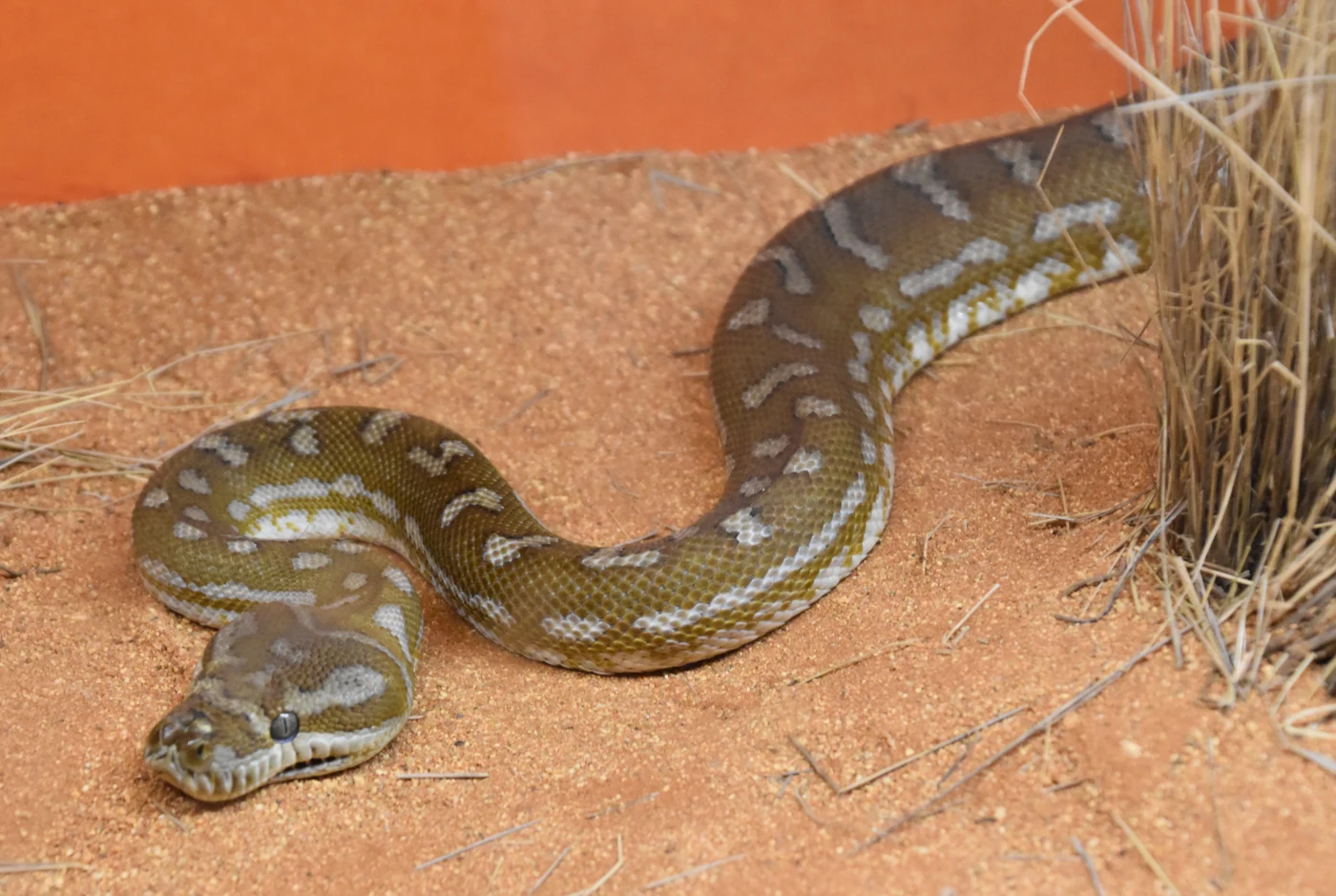
010 · Pythonidae
Centralian Carpet Python
Australia is listed in the individual taxonomic treatment and the ASH national checklist. Named state/territory evidence: Northern Territory. These are documented jurisdictions, not continuous range polygons.
Read the species account →Kenneth Foster · CC BY 4.0 · https://creativecommons.org/licenses/by/4.0/
011 · Elapidae
Black-naped Burrowing Snake
Australia is listed in the individual taxonomic treatment and the ASH national checklist. Named state/territory evidence: Western Australia, South Australia. These are documented jurisdictions, not continuous range polygons.
Read the species account →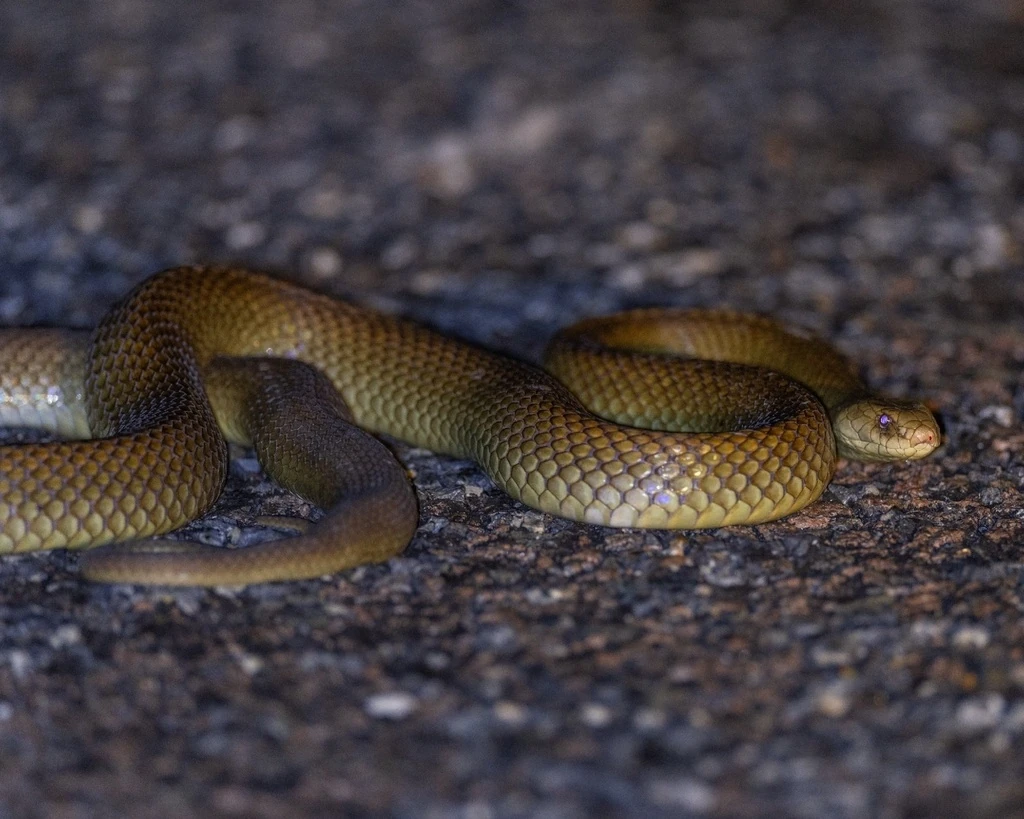
012 · Elapidae
Mulga Snake
Australia is listed in the individual taxonomic treatment and the ASH national checklist. Named state/territory evidence: Western Australia, Northern Territory, South Australia, Queensland, New South Wales. These are documented jurisdictions, not continuous range polygons.
Read the species account →Janne Teivonen · CC BY 4.0 · https://creativecommons.org/licenses/by/4.0/
013 · Elapidae
Spotted Mulga Snake
Australia is listed in the individual taxonomic treatment and the ASH national checklist. Named state/territory evidence: Western Australia. These are documented jurisdictions, not continuous range polygons.
Read the species account →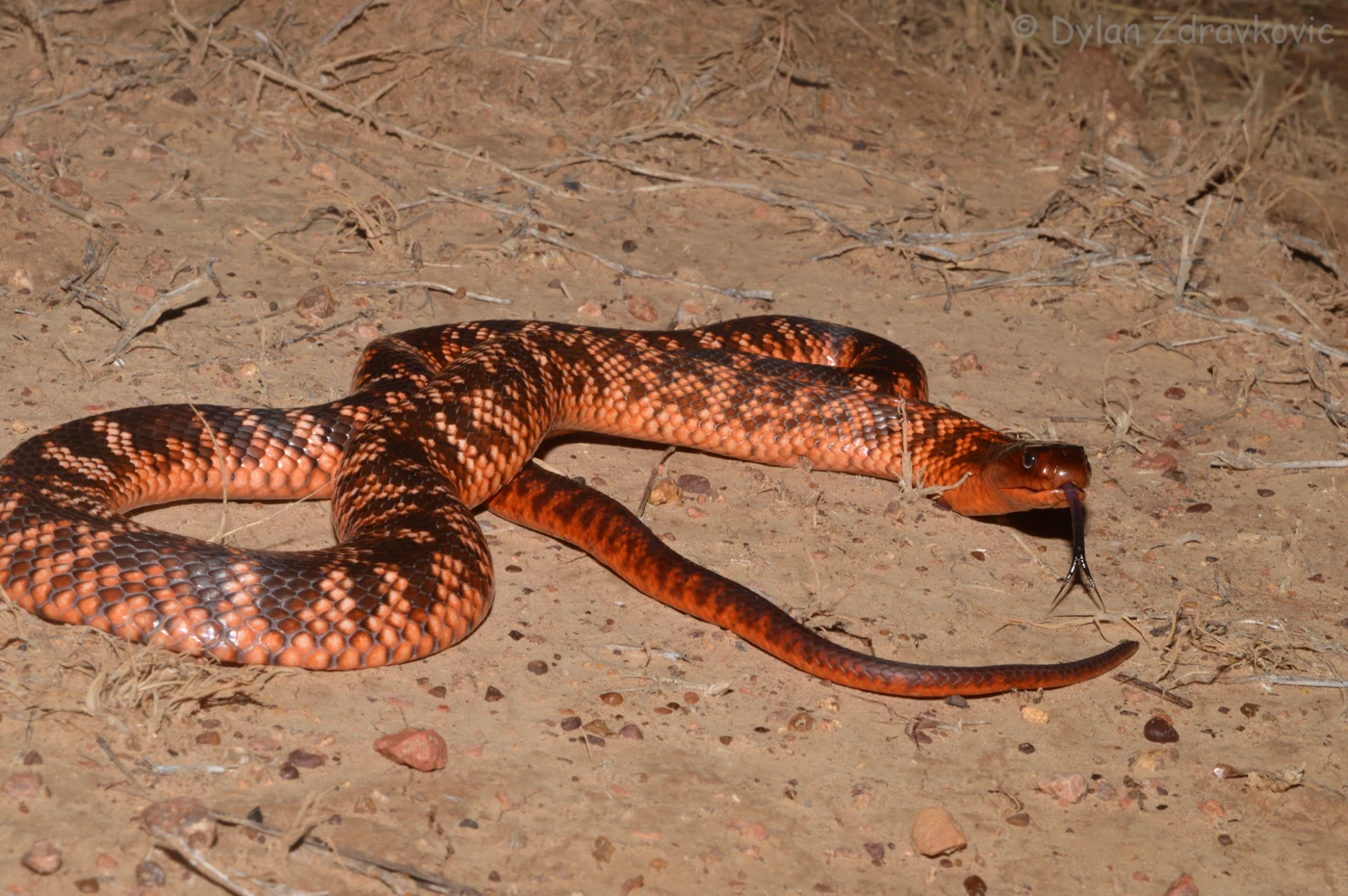
014 · Elapidae
Collett’s Snake
Australia is listed in the individual taxonomic treatment and the ASH national checklist. Named state/territory evidence: Queensland. These are documented jurisdictions, not continuous range polygons.
Read the species account →Dylan Zdravkovic · CC BY 4.0 · https://creativecommons.org/licenses/by/4.0/
015 · Elapidae
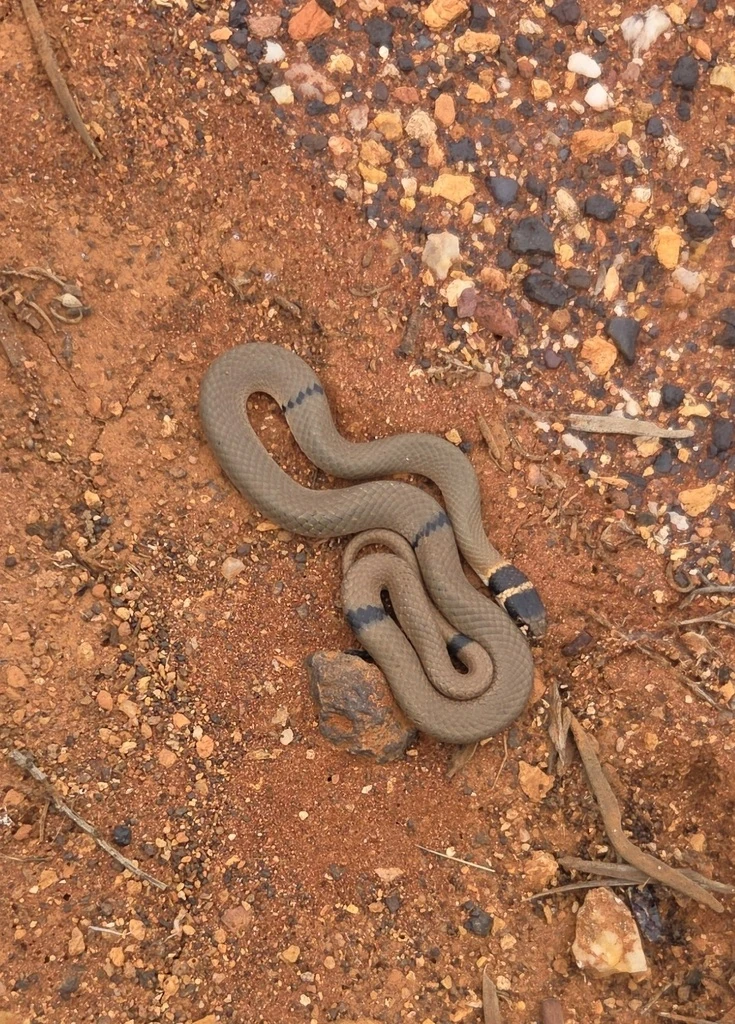
Ringed Brown Snake
Australia is listed in the individual taxonomic treatment and the ASH national checklist. Named state/territory evidence: Western Australia, Northern Territory, South Australia, Queensland, New South Wales. These are documented jurisdictions, not continuous range polygons.
Read the species account →Paul Winthrop · CC BY 4.0 · https://creativecommons.org/licenses/by/4.0/
016 · Elapidae
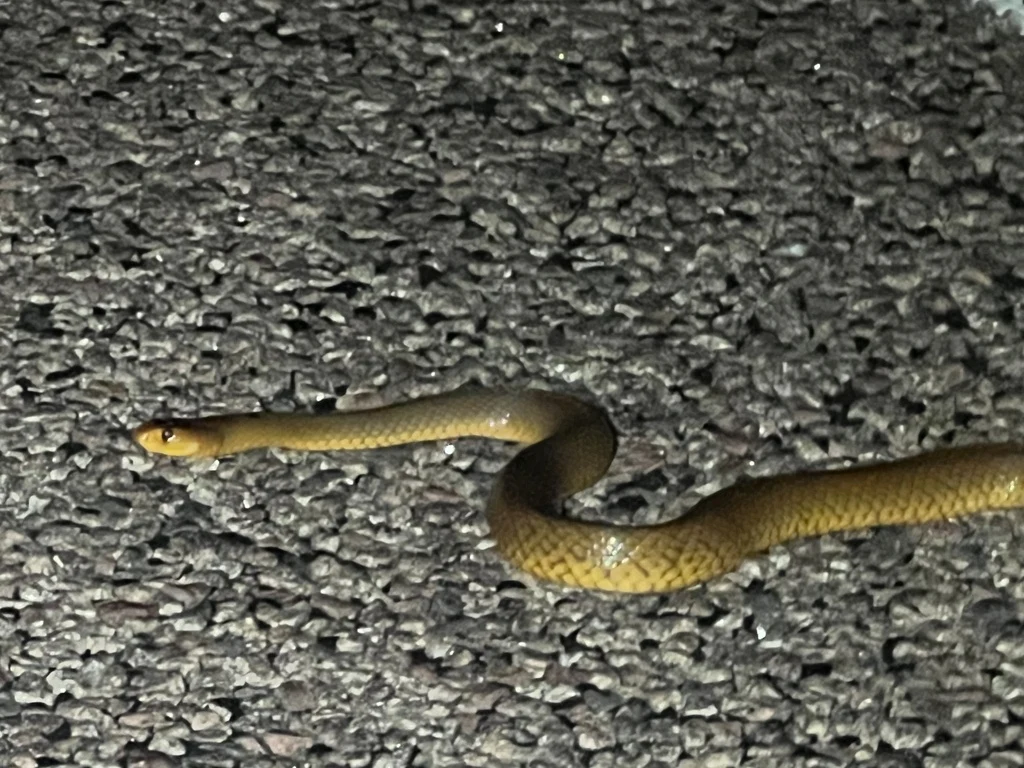
Northern Brown Snake
Australia is listed in the individual taxonomic treatment and the ASH national checklist. Named state/territory evidence: Western Australia, Northern Territory, South Australia, Queensland, Victoria. These are documented jurisdictions, not continuous range polygons.
Read the species account →Brandon Bourassa · CC BY 4.0 · https://creativecommons.org/licenses/by/4.0/
017 · Elapidae
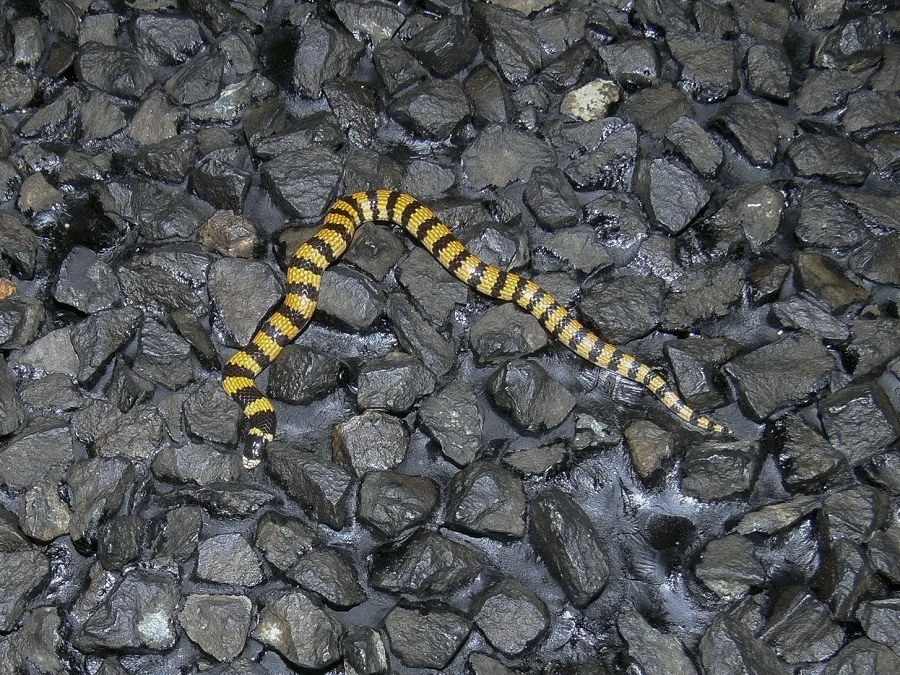
Desert Banded Snake
Australia is listed in the individual taxonomic treatment and the ASH national checklist. Named state/territory evidence: Western Australia, Northern Territory, South Australia. These are documented jurisdictions, not continuous range polygons.
Read the species account →dhfischer · CC BY 4.0 · https://creativecommons.org/licenses/by/4.0/
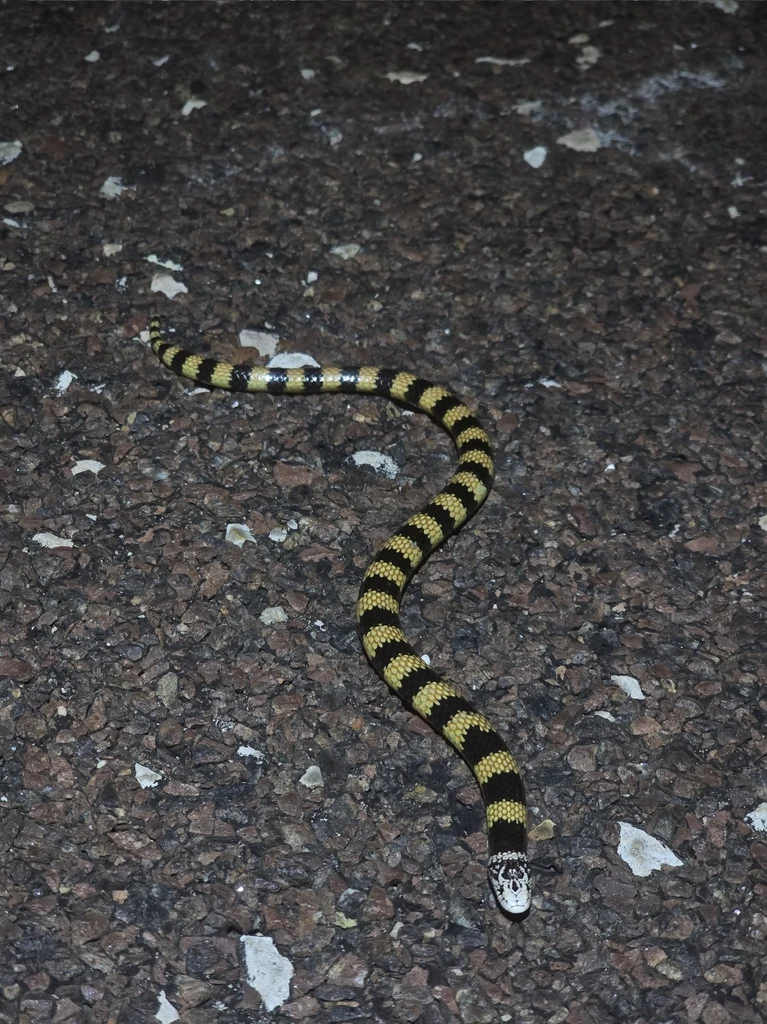
018 · Elapidae
Jan’s Banded Snake
Australia is listed in the individual taxonomic treatment and the ASH national checklist. Named state/territory evidence: Western Australia, Northern Territory, South Australia. These are documented jurisdictions, not continuous range polygons.
Read the species account →Max Tibby · CC0 1.0 · https://creativecommons.org/publicdomain/zero/1.0/
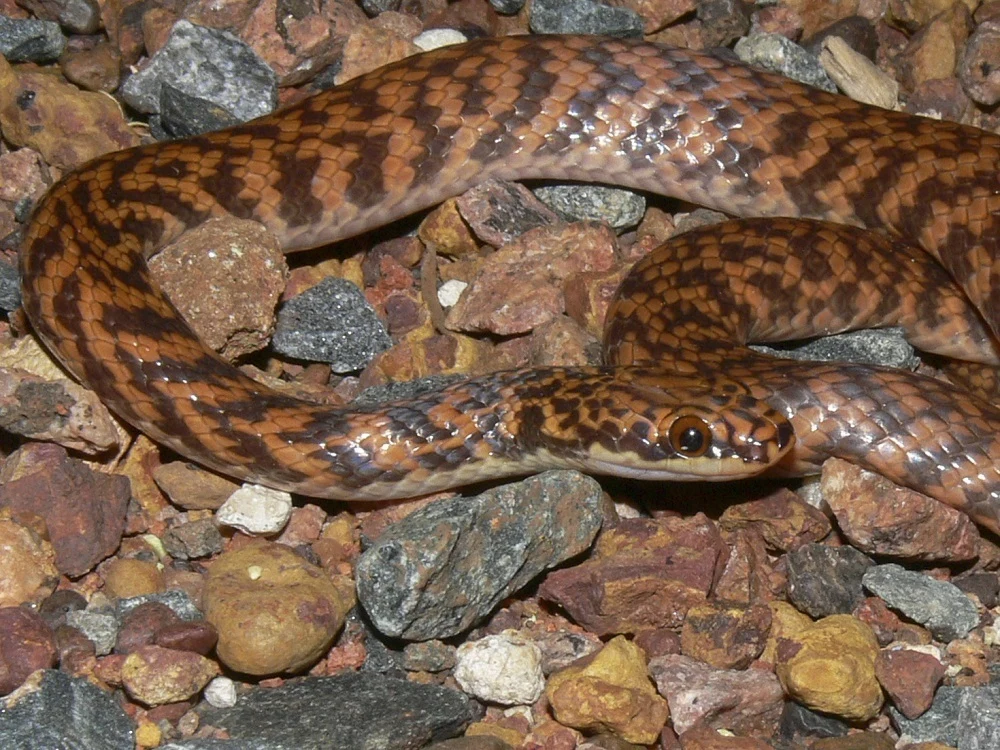
019 · Elapidae
Rosen’s Snake
Australia is listed in the individual taxonomic treatment and the ASH national checklist. Named state/territory evidence: Western Australia. These are documented jurisdictions, not continuous range polygons.
Read the species account →dhfischer · CC BY 4.0 · https://creativecommons.org/licenses/by/4.0/
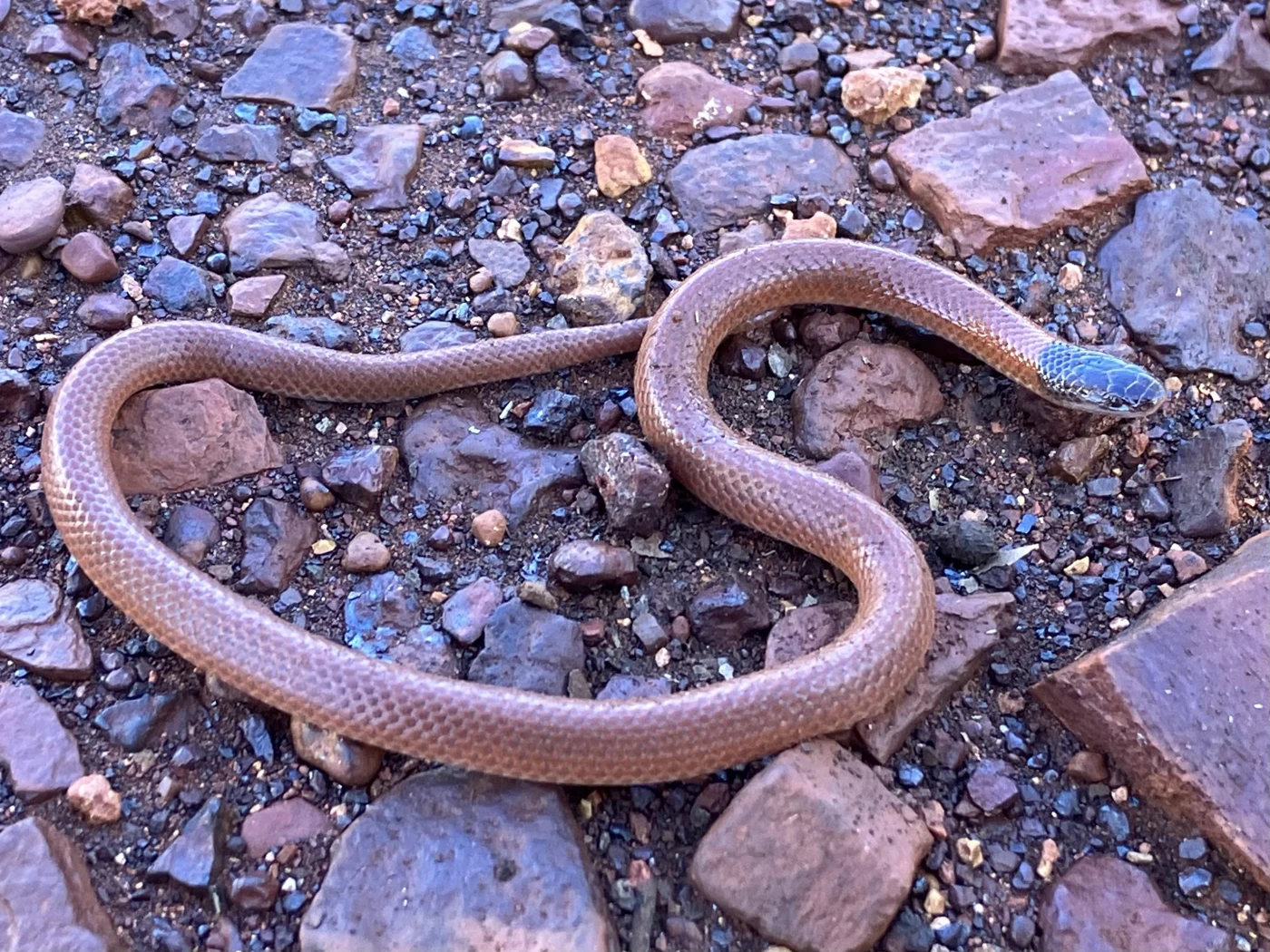
020 · Elapidae
Pilbara Hooded Snake
Australia is listed in the individual taxonomic treatment and the ASH national checklist. Named state/territory evidence: Western Australia. These are documented jurisdictions, not continuous range polygons.
Read the species account →Robert Browne-Cooper · CC BY 4.0 · https://creativecommons.org/licenses/by/4.0/
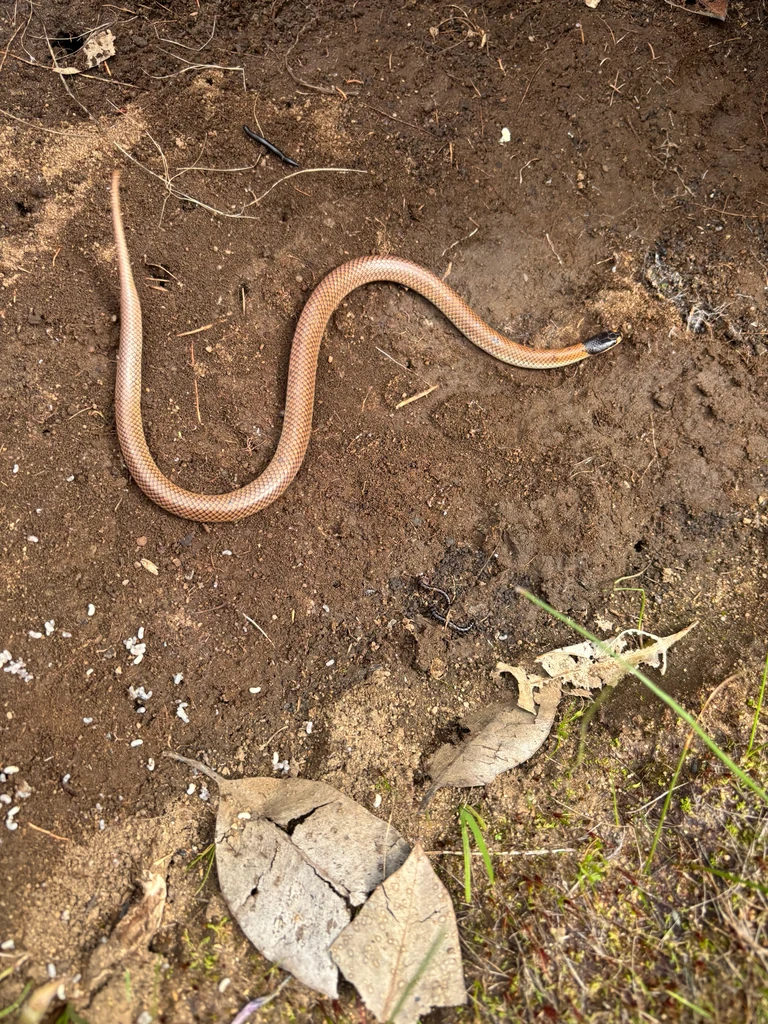
021 · Elapidae
Gould’s Hooded Snake
Australia is listed in the individual taxonomic treatment and the ASH national checklist. Named state/territory evidence: Western Australia, South Australia. These are documented jurisdictions, not continuous range polygons.
Read the species account →evaladyman · CC0 1.0 · https://creativecommons.org/publicdomain/zero/1.0/
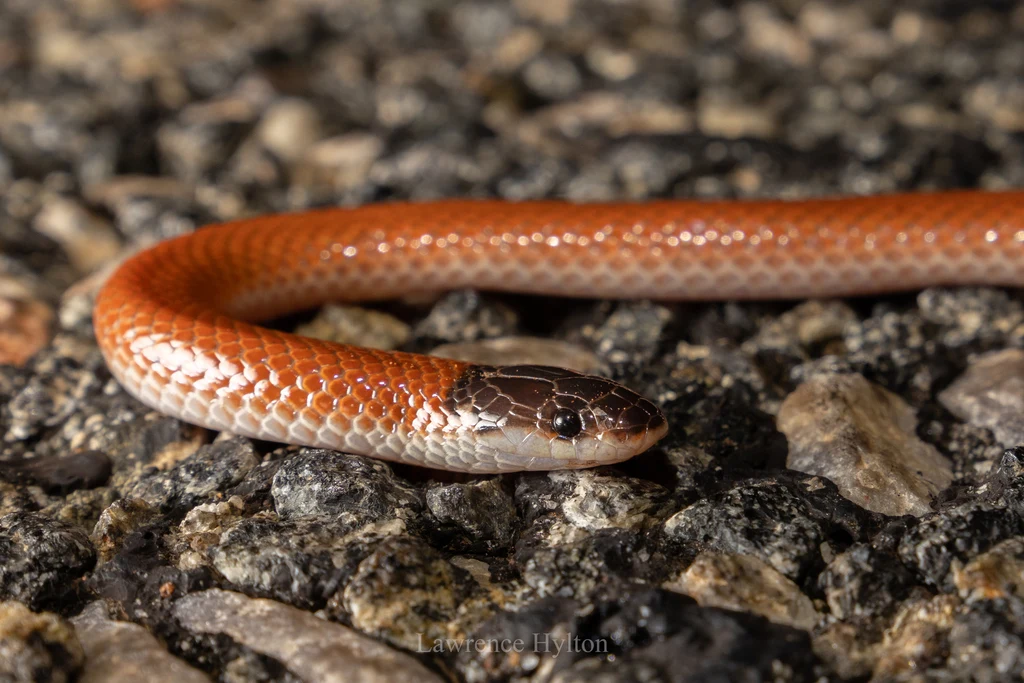
022 · Elapidae
Monk Snake
Australia is listed in the individual taxonomic treatment and the ASH national checklist. Named state/territory evidence: Western Australia, Northern Territory, South Australia. These are documented jurisdictions, not continuous range polygons.
Read the species account →Lawrence Hylton · CC BY 4.0 · https://creativecommons.org/licenses/by/4.0/
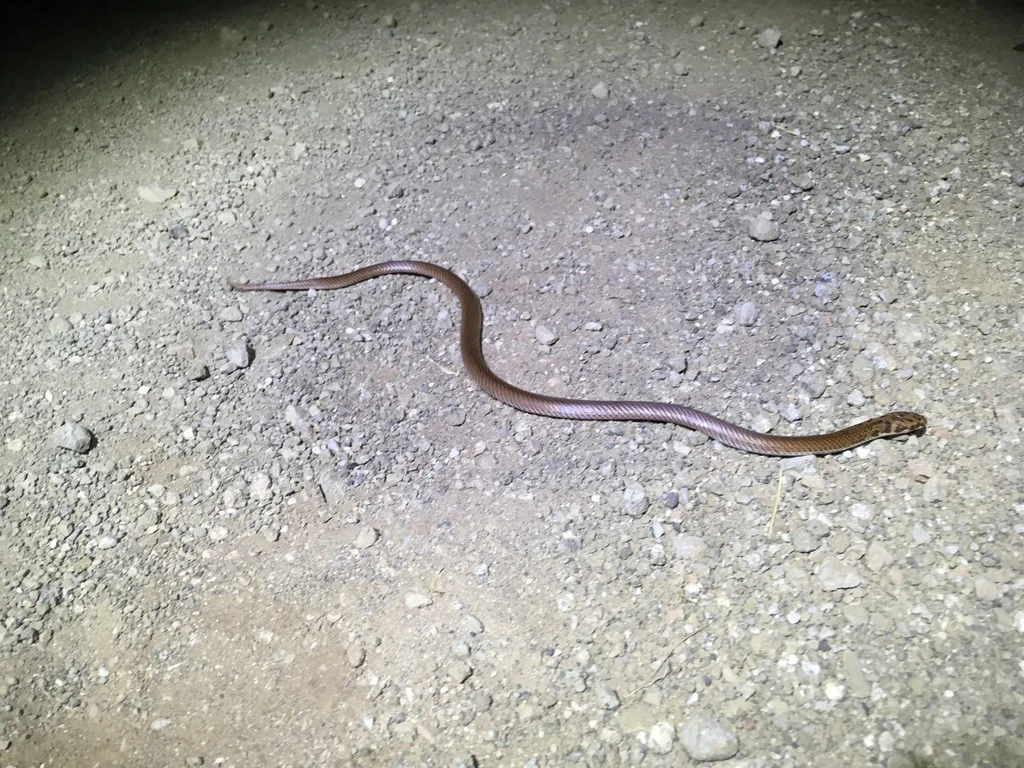
023 · Elapidae
Little Spotted Snake
Australia is listed in the individual taxonomic treatment and the ASH national checklist. Named state/territory evidence: Western Australia, Northern Territory, Queensland. These are documented jurisdictions, not continuous range polygons.
Read the species account →Donna Belder · CC BY 4.0 · https://creativecommons.org/licenses/by/4.0/
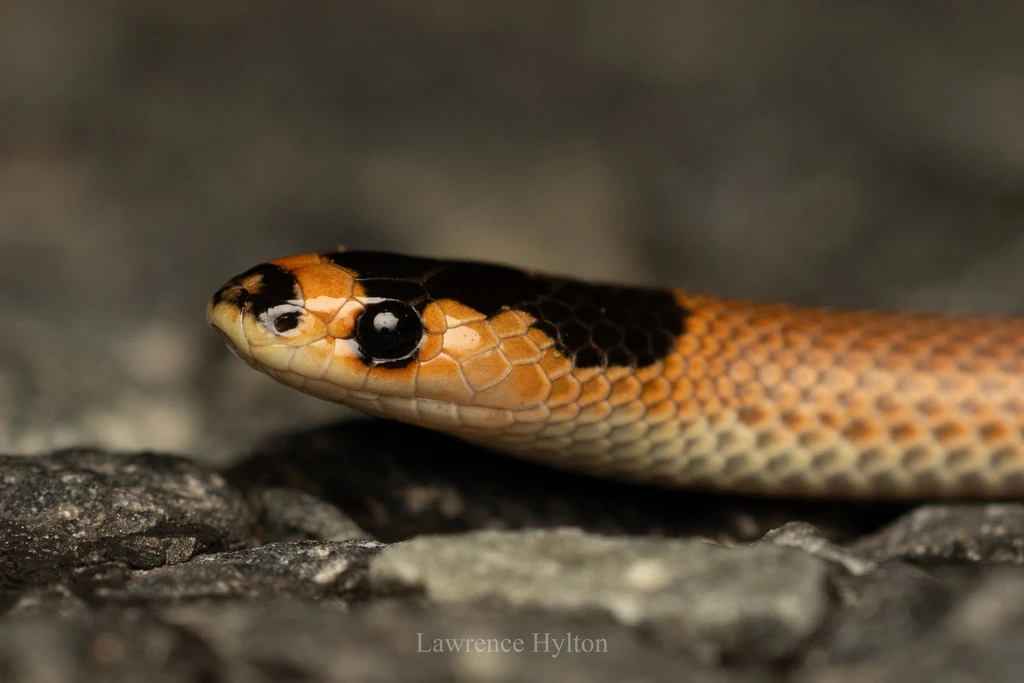
024 · Elapidae
Mallee Black-headed Snake
Australia is listed in the individual taxonomic treatment and the ASH national checklist. Named state/territory evidence: Western Australia, South Australia, Queensland, New South Wales, Victoria. These are documented jurisdictions, not continuous range polygons.
Read the species account →Lawrence Hylton · CC BY 4.0 · https://creativecommons.org/licenses/by/4.0/
Read further
Guide reviewed 11 October 2026. Source dates and geographic scope matter; landscape photographs do not establish species occurrence.
Dunes, playa lakes, spinifex and acacia; current alerts are maintained on the source page.
Anangu-led patch burning and different animal responses; not a universal prescription for fire.
Dated national assessment of buffel grass and other introduced organisms.
Invasive grasses, fuel loads and fire; dated assessment, not a current local fire report.
Continue through Australia
Australian forest varies with climate and terrain. Northeastern rainforest and the eastern escarpment remnants offer two starting points for reading that variety.
02The southeastern Alps contain forested slopes, high plateaus and wetlands. Their comparatively small upland environments make the transitions between habitats especially useful to read.
03Northern savannas combine grass with trees, rocky country and seasonal waterways. An open canopy is part of their character, not by itself evidence of forest loss.
04Inland wetlands depend on the timing and pathways of water. Floodplain forest, reed marsh and open channels can change markedly between visits.
05Australia’s mangroves form part of a wider tidal mosaic. Creek edges, wooded flats and neighbouring saltmarsh need to remain visible in the habitat description.
06Australia’s coast brings together reef, seagrass, sand, rock and estuaries. The Queensland and Western Australian examples show why a national marine range needs more precise local evidence.