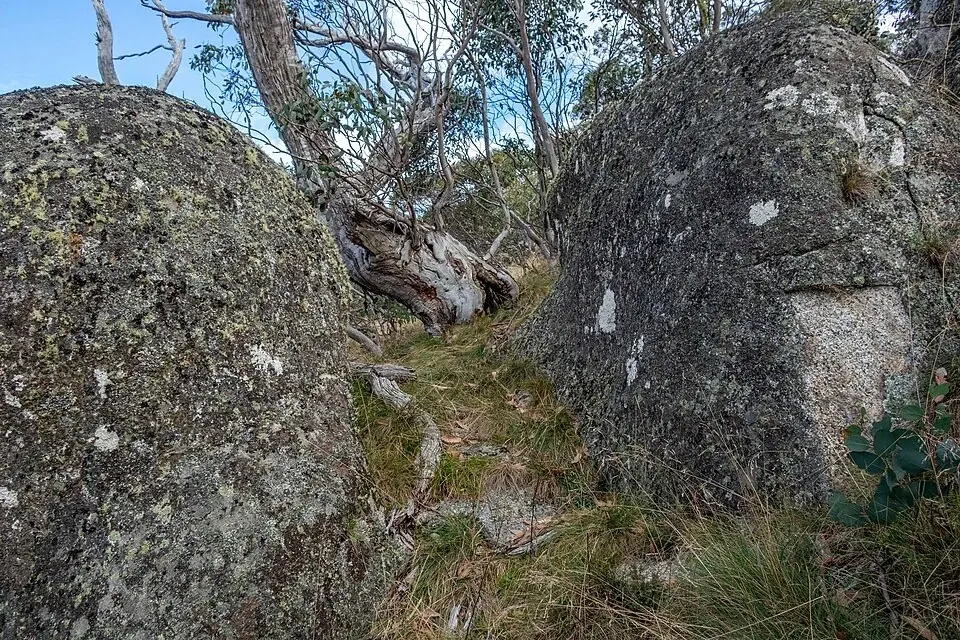
Snow-gum woodland in Kosciuszko National Park, New South Wales, Australia.

Australia · Place guide

New South Wales

New South Wales includes eastern rainforest remnants, mountain headwaters and inland wetland systems.

60species with extracted evidence
4families
8region guides

Snow-gum woodland in Kosciuszko National Park, New South Wales, Australia.

Photograph: Steve Bittinger from Canberra, Australia · Image source · CC BY 2.0. Cropped to fill the hero; darkened for text legibility.

Geography & biotopes

Read the landscape.

New South Wales includes eastern rainforest remnants, mountain headwaters and inland wetland systems.

The Gondwana Rainforests property includes multiple NSW reserves along the eastern escarpment. Farther inland, the Macquarie Marshes provide a contrasting floodplain setting.

Ecological connections

A state-wide range can hide major breaks in habitat. Use the named reserve, river or catchment, and keep an observed elevation separate from the broader mountain label.

Explore the setting

Check the relevant reserve’s current access arrangements and water conditions; the regional page does not imply that all habitats are accessible together.

This guide indexes these source names: New South Wales. A country-only record is not automatically assigned to this place. Map markers identify navigation destinations, not collection sites.

Australian Society of Herpetologists · Official Australian species list →

Geoscience Australia · Area of Australia, states and territories →

Australian Bureau of Statistics · ASGS 2021 digital boundary files →

Geography is part of the record

Find your way through Australia.

Select a named region to open its evidence page. The complete directory below keeps every guide accessible, including places where locality evidence has not yet been extracted.

214 of 214 listed species have at least one indexed region record. 0 remain country-only. Even a nonzero count is not a complete regional inventory.

Habitats & living landscapes

Explore the living
landscapes.

Explore 7 guides to the environments, places and conservation pressures that shape this country. Each guide connects to the regional map and shared species accounts.

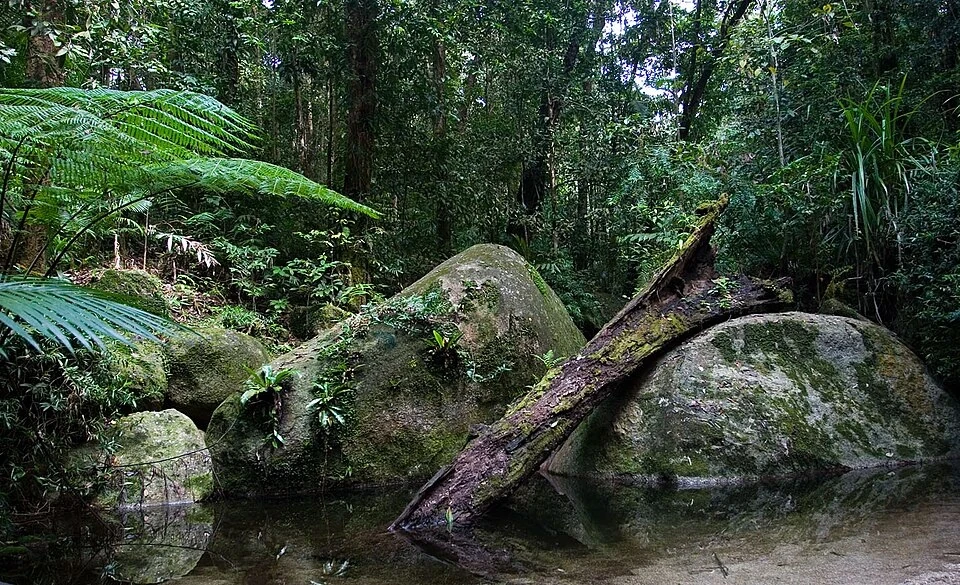
Tropical rainforest at Daintree National Park, Queensland, Australia.

Habitat · 01

Australia’s forests and woodlands

Australian forest varies with climate and terrain. Northeastern rainforest and the eastern escarpment remnants offer two starting points for reading that variety.

Explore the habitat ↗
Snow-gum woodland in Kosciuszko National Park, New South Wales, Australia.

Habitat · 02

Australia’s mountain habitats

The southeastern Alps contain forested slopes, high plateaus and wetlands. Their comparatively small upland environments make the transitions between habitats especially useful to read.

Explore the habitat ↗
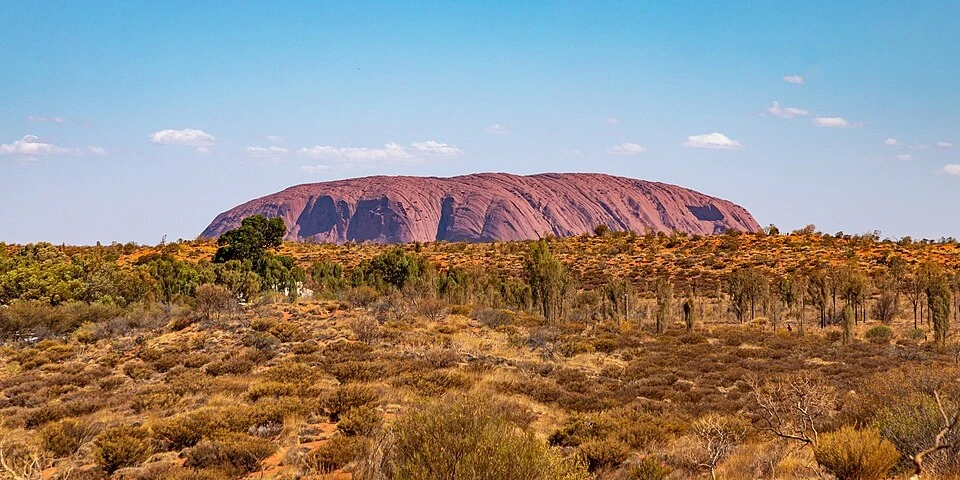
Arid country around Uluru in Uluru–Kata Tjuta National Park, Northern Territory, Australia.

Habitat · 03

Australia’s deserts and dry country

Dry country contains dunes, grassy patches, woodland and water-shaped depressions. Read the ground and recent conditions before assuming that every desert site offers the same shelter.

Explore the habitat ↗
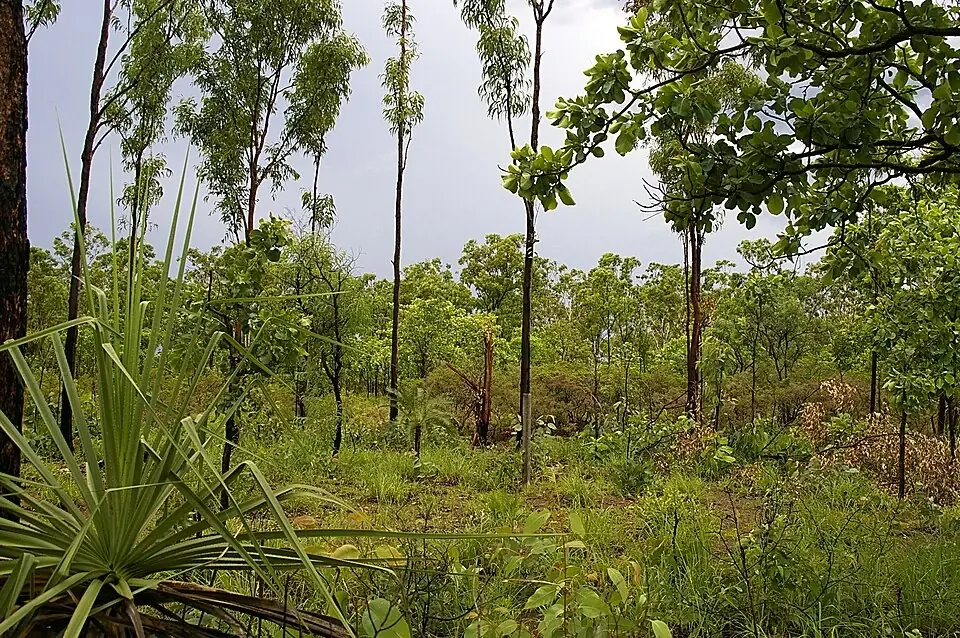
Tropical savanna near Palmerston in the Northern Territory, Australia.

Habitat · 04

Australia’s tropical savannas

Northern savannas combine grass with trees, rocky country and seasonal waterways. An open canopy is part of their character, not by itself evidence of forest loss.

Explore the habitat ↗
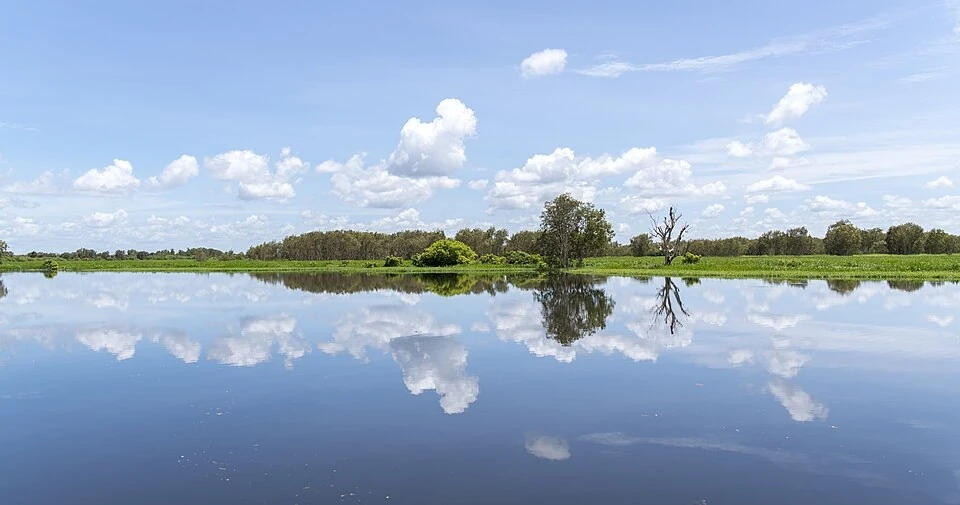
Yellow Water wetland in Kakadu National Park, Northern Territory, Australia.

Habitat · 05

Australia’s rivers and floodplain wetlands

Inland wetlands depend on the timing and pathways of water. Floodplain forest, reed marsh and open channels can change markedly between visits.

Explore the habitat ↗
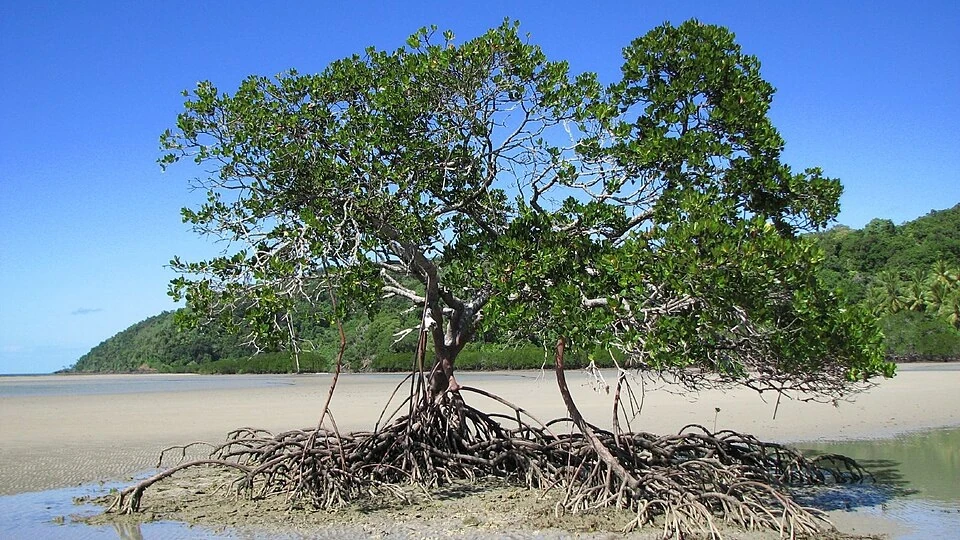
A mangrove on the tidal shore at Cooktown, Queensland, Australia.

Habitat · 06

Australia’s tidal forests

Australia’s mangroves form part of a wider tidal mosaic. Creek edges, wooded flats and neighbouring saltmarsh need to remain visible in the habitat description.

Explore the habitat ↗
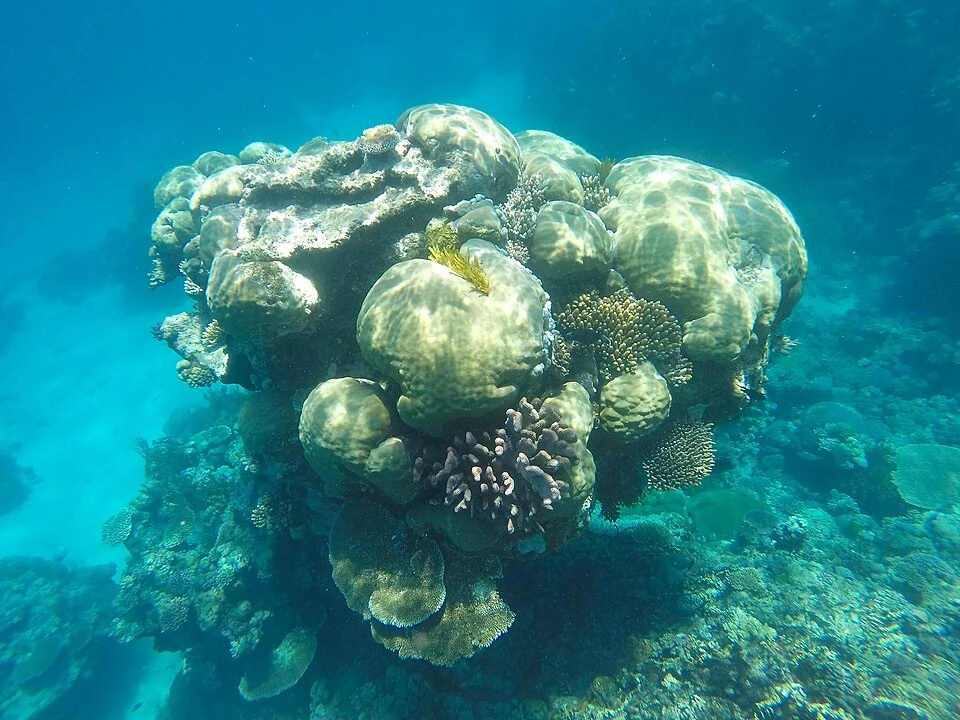
Reef and shallow coastal waters off Queensland, Australia, on the Great Barrier Reef.

Habitat · 07

Australia’s shores and coastal waters

Australia’s coast brings together reef, seagrass, sand, rock and estuaries. The Queensland and Western Australian examples show why a national marine range needs more precise local evidence.

Explore the habitat ↗
Landscape photographs & credits

Tropical rainforest at Daintree National Park, Queensland, Australia. — User:Diliff. Original photograph · CC BY-SA 2.5. Cropped for the cards; photographs do not establish snake occurrence.

Snow-gum woodland in Kosciuszko National Park, New South Wales, Australia. — Steve Bittinger from Canberra, Australia. Original photograph · CC BY 2.0. Cropped for the cards; photographs do not establish snake occurrence.

Arid country around Uluru in Uluru–Kata Tjuta National Park, Northern Territory, Australia. — Dietmar Rabich / Wikimedia Commons. Original photograph · CC BY-SA 4.0. Cropped for the cards; photographs do not establish snake occurrence.

Tropical savanna near Palmerston in the Northern Territory, Australia. — Bidgee. Original photograph · CC BY 3.0. Cropped for the cards; photographs do not establish snake occurrence.

Yellow Water wetland in Kakadu National Park, Northern Territory, Australia. — Poidabro. Original photograph · CC BY-SA 4.0. Cropped for the cards; photographs do not establish snake occurrence.

A mangrove on the tidal shore at Cooktown, Queensland, Australia. — Rob and Stephanie Levy from Townsville, Australia. Original photograph · CC BY 2.0. Cropped for the cards; photographs do not establish snake occurrence.

Reef and shallow coastal waters off Queensland, Australia, on the Great Barrier Reef. — Lukem99. Original photograph · CC BY-SA 4.0. Cropped for the cards; photographs do not establish snake occurrence.

The species catalogue

Snakes · New South Wales.

Only records naming this place appear below. These are extracted locality records, not complete island or regional inventories.

60 species · showing 24

Acanthophis antarcticus photographed in Australia. Identification follows the source community.

001 · Elapidae

Common death adder

Acanthophis antarcticus

(SHAW, 1802)

VenomousClinical severity not established

Australia is listed in the individual taxonomic treatment and the ASH national checklist. Named state/territory evidence: Western Australia, Northern Territory, South Australia, Queensland, New South Wales, Victoria, Australian Capital Territory. These are documented jurisdictions, not continuous range polygons.

Read the species account →

Hector Hind · CC BY 4.0 · https://creativecommons.org/licenses/by/4.0/

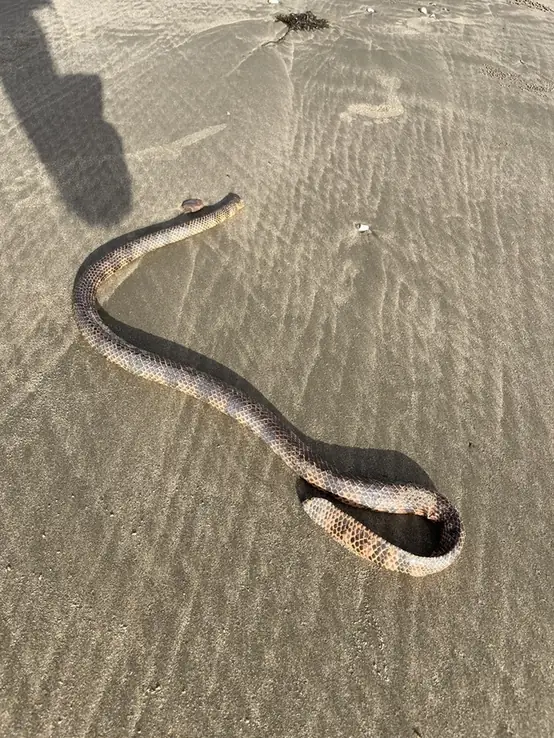
Animal on wet sand, photographed 28 December 2025; original locality label: Great Barrier Reef, Yeppoon, AU.

002 · Elapidae

Reef shallows seasnake

Aipysurus duboisii

BAVAY, 1869

VenomousClinical severity not established

Australia is listed in the individual taxonomic treatment and the ASH national checklist. Named state/territory evidence: Western Australia, Northern Territory, Queensland, New South Wales. These are documented jurisdictions, not continuous range polygons.

Read the species account →

rcrofts / iNaturalist · CC BY 4.0 · https://creativecommons.org/licenses/by/4.0/

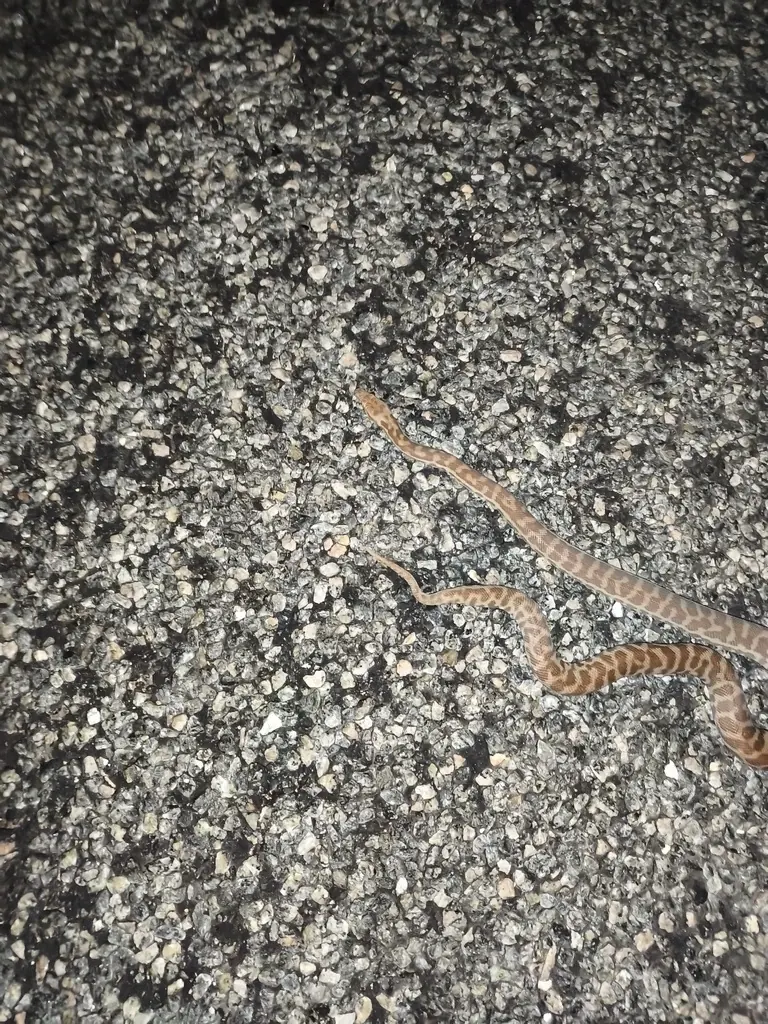
Antaresia childreni photographed in Australia. Identification follows the source community.

003 · Pythonidae

Children’s Python

Antaresia childreni

(GRAY, 1842)

Non-venomous

Australia is listed in the individual taxonomic treatment and the ASH national checklist. Named state/territory evidence: Western Australia, Northern Territory, South Australia, Queensland, New South Wales. These are documented jurisdictions, not continuous range polygons.

Read the species account →

Mark McVeigh · CC0 1.0 · https://creativecommons.org/publicdomain/zero/1.0/

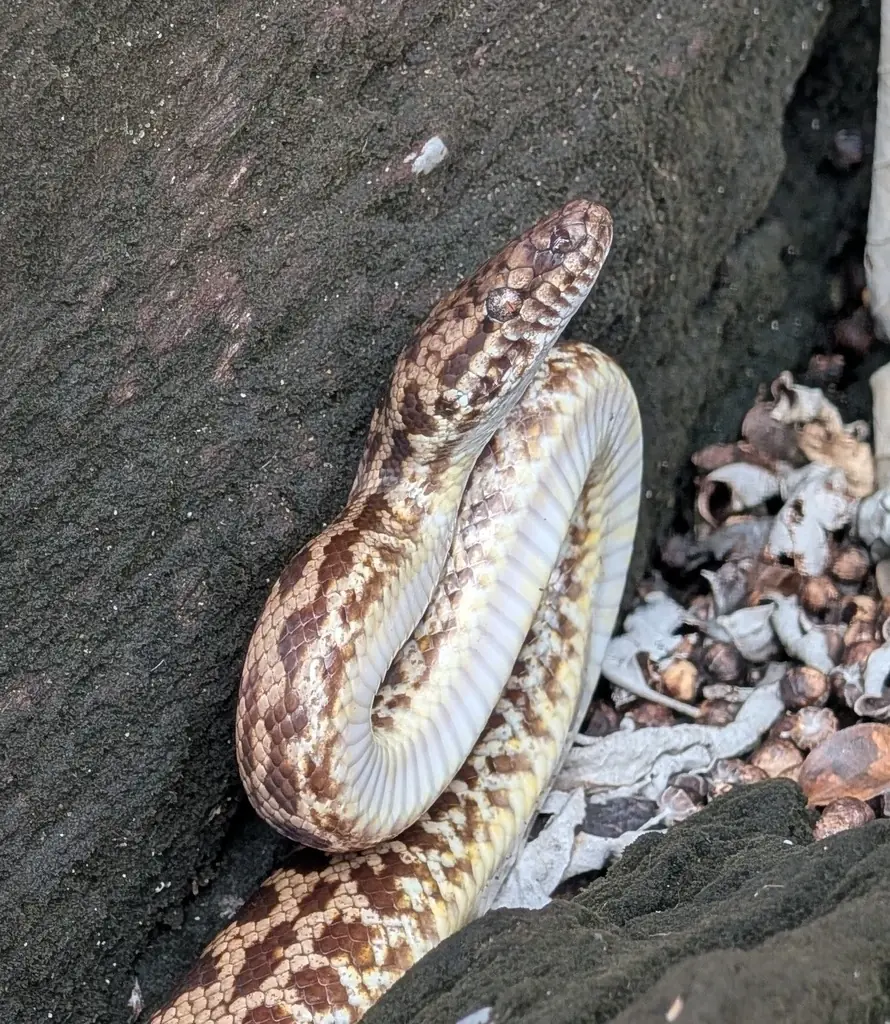
Antaresia maculosa photographed in Australia. Identification follows the source community.

004 · Pythonidae

Cape York Spotted Python

Antaresia maculosa

(PETERS, 1873)

Non-venomous

Australia is listed in the individual taxonomic treatment and the ASH national checklist. Named state/territory evidence: Queensland, New South Wales. These are documented jurisdictions, not continuous range polygons.

Read the species account →

maxark · CC BY 4.0 · https://creativecommons.org/licenses/by/4.0/

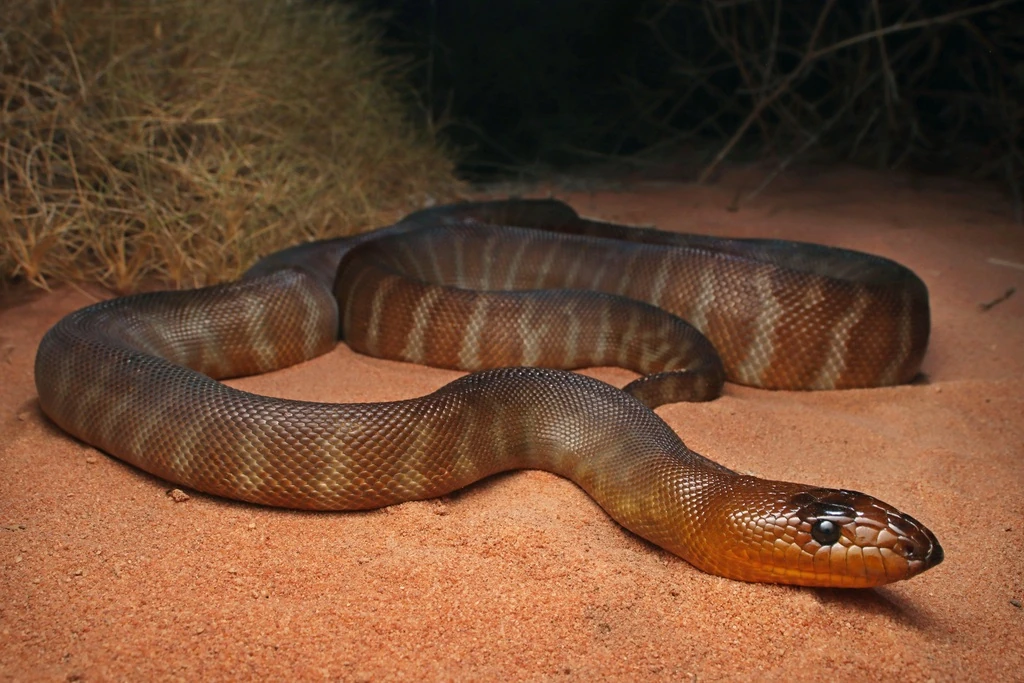
Aspidites ramsayi photographed in Australia. Identification follows the source community.

005 · Pythonidae

Woma

Aspidites ramsayi

(MACLEAY, 1882)

Non-venomous

Australia is listed in the individual taxonomic treatment and the ASH national checklist. Named state/territory evidence: Western Australia, Northern Territory, South Australia, Queensland, New South Wales, Victoria. These are documented jurisdictions, not continuous range polygons. The government profile, updated in 2017, gives late-1890s…

Read the species account →

Connor Margetts · CC0 1.0 · https://creativecommons.org/publicdomain/zero/1.0/

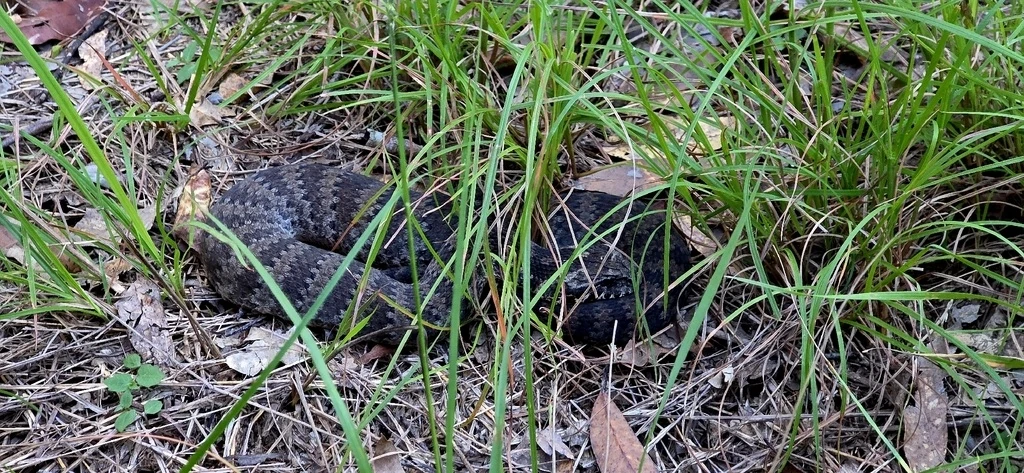
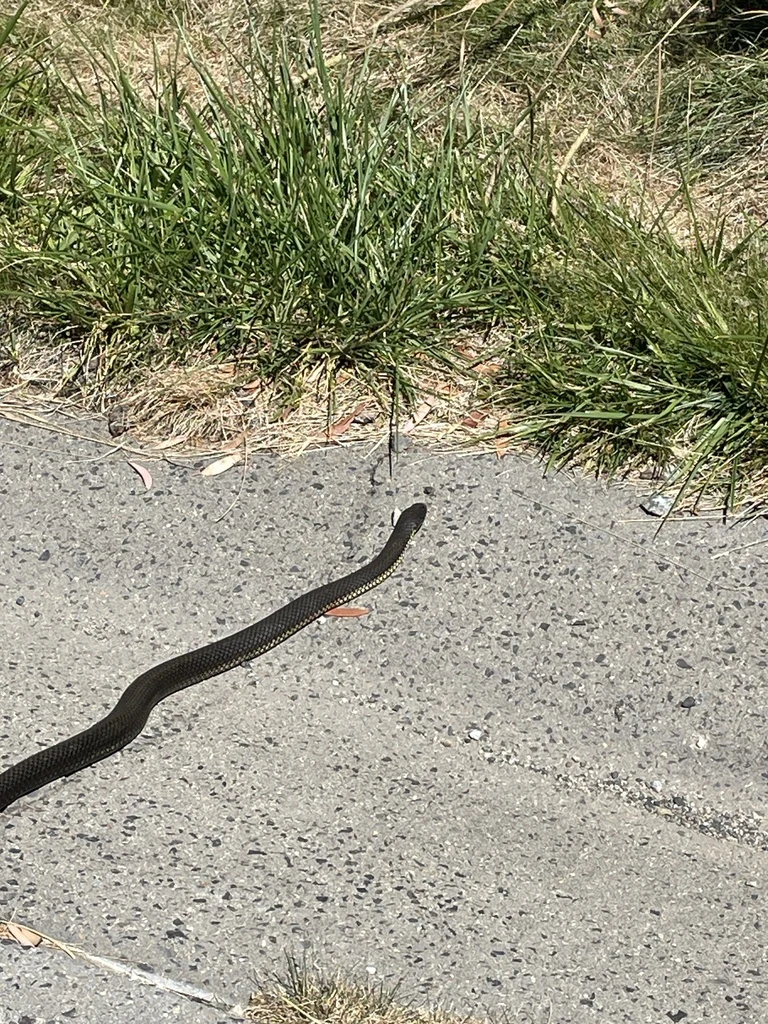
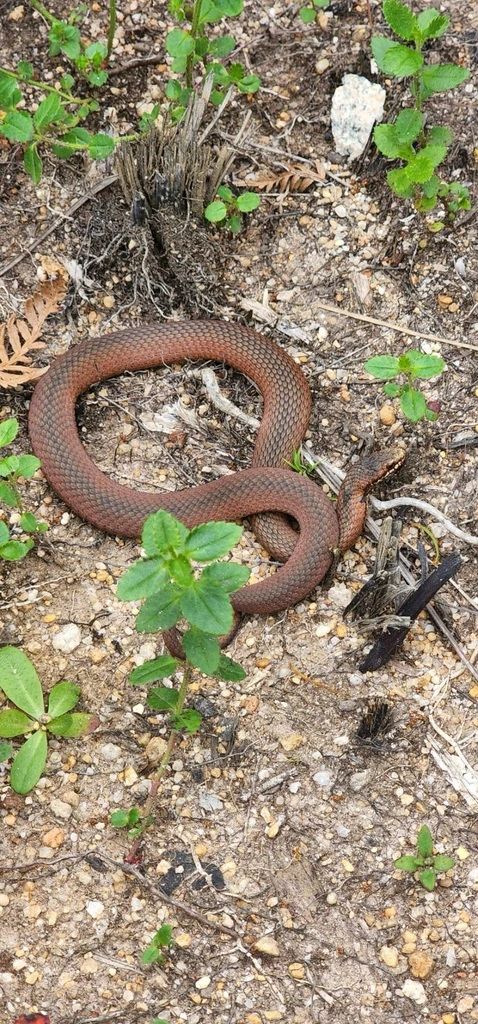
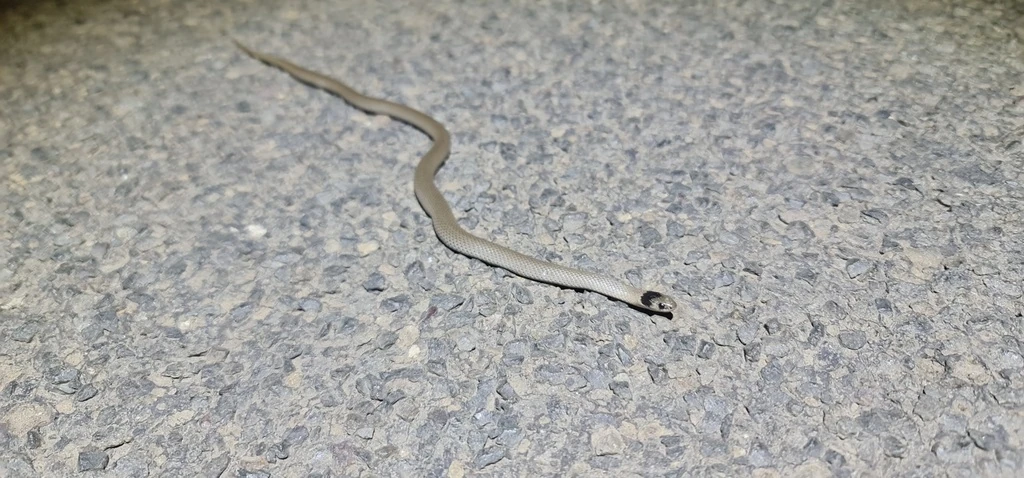
Austrelaps ramsayi. Individual photographed crossing a path. Original observation dated 2024-03-19. Photograph identification follows the cited observation; it adds no geographic occurrence record.

006 · Elapidae

Highlands Copperhead

Austrelaps ramsayi

(KREFFT, 1864)

VenomousClinical severity not established

Australia is listed in the individual taxonomic treatment and the ASH national checklist. Named state/territory evidence: New South Wales, Victoria, Australian Capital Territory. These are documented jurisdictions, not continuous range polygons.

Read the species account →

Hilary Rose Dawson · CC BY 4.0 · https://creativecommons.org/licenses/by/4.0/

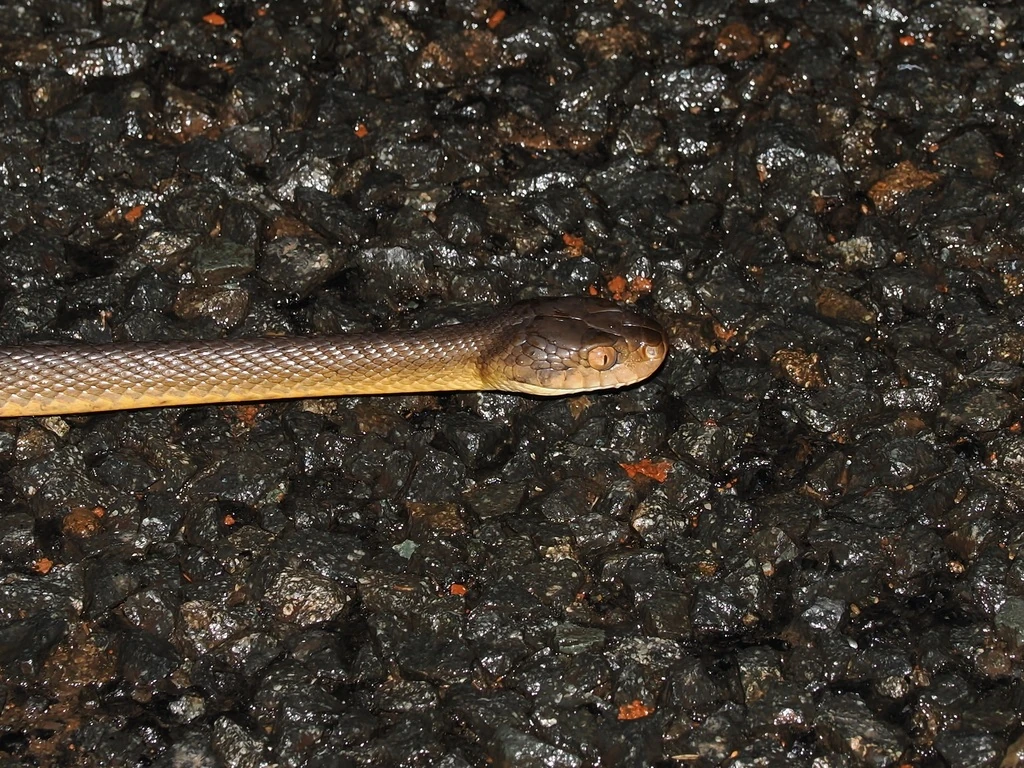
Boiga irregularis photographed in Australia. Identification follows the source community.

007 · Colubridae

Brown catsnake

Boiga irregularis

(BECHSTEIN, 1802)

VenomousPotentially life-threatening

Australia is listed in the individual taxonomic treatment and the ASH national checklist. Named state/territory evidence: Western Australia, Northern Territory, Queensland, New South Wales. These are documented jurisdictions, not continuous range polygons.

Read the species account →

Lucas Christofides · CC BY 4.0 · https://creativecommons.org/licenses/by/4.0/

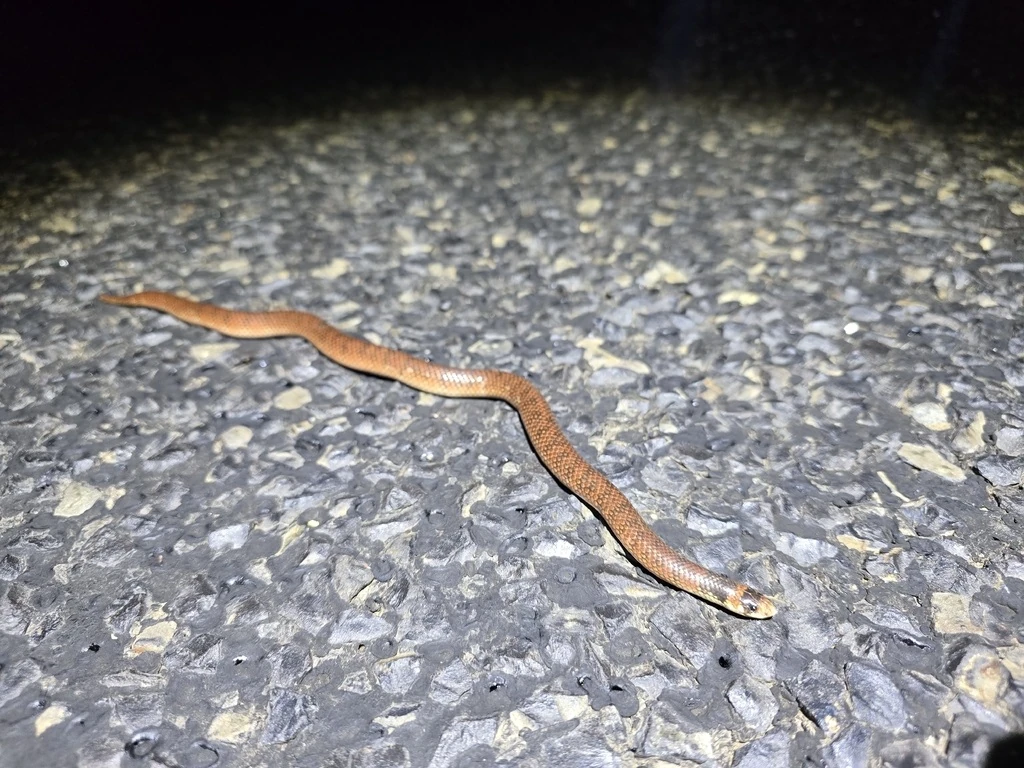
Brachyurophis australis photographed in Australia. Identification follows the source community.

008 · Elapidae

Australian Coral Snake

Brachyurophis australis

(KREFFT, 1864)

VenomousClinical severity not established

Australia is listed in the individual taxonomic treatment and the ASH national checklist. Named state/territory evidence: South Australia, Queensland, New South Wales, Victoria. These are documented jurisdictions, not continuous range polygons.

Read the species account →

Max Tibby · CC0 1.0 · https://creativecommons.org/publicdomain/zero/1.0/

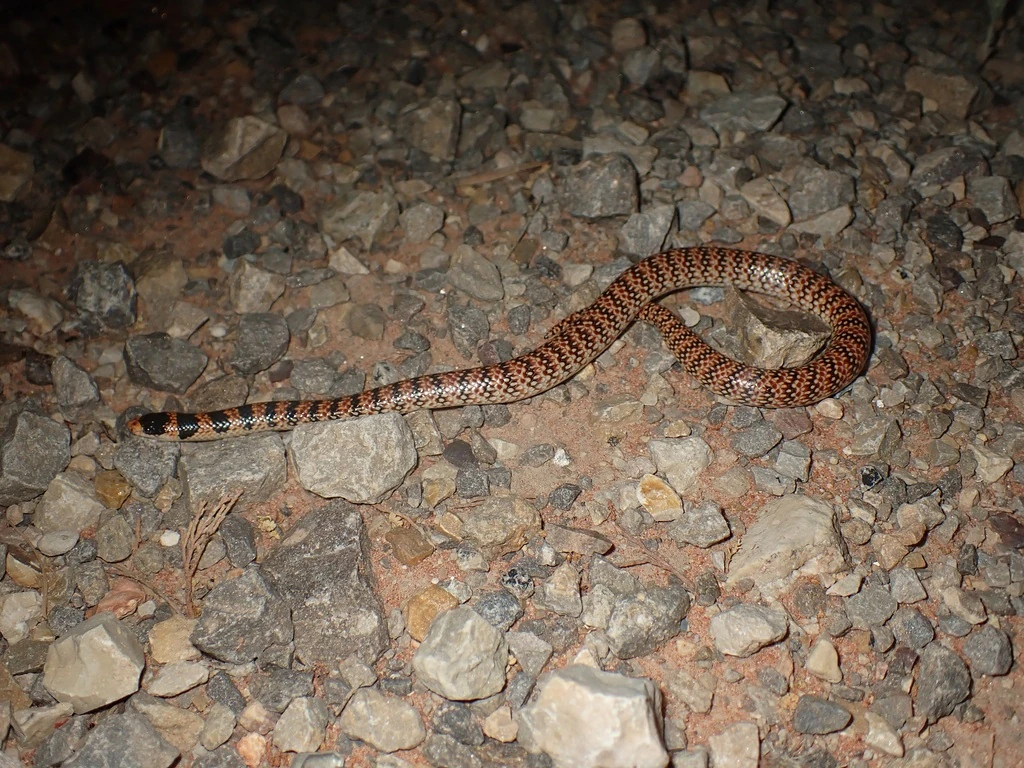
Brachyurophis fasciolatus photographed in Australia. Identification follows the source community.

009 · Elapidae

Narrow-banded Shovel-nosed Snake

Brachyurophis fasciolatus

(GÜNTHER, 1872)

VenomousClinical severity not established

Australia is listed in the individual taxonomic treatment and the ASH national checklist. Named state/territory evidence: Western Australia, Northern Territory, South Australia, Queensland, New South Wales. These are documented jurisdictions, not continuous range polygons.

Read the species account →

Joshua S. Martin · CC0 1.0 · https://creativecommons.org/publicdomain/zero/1.0/

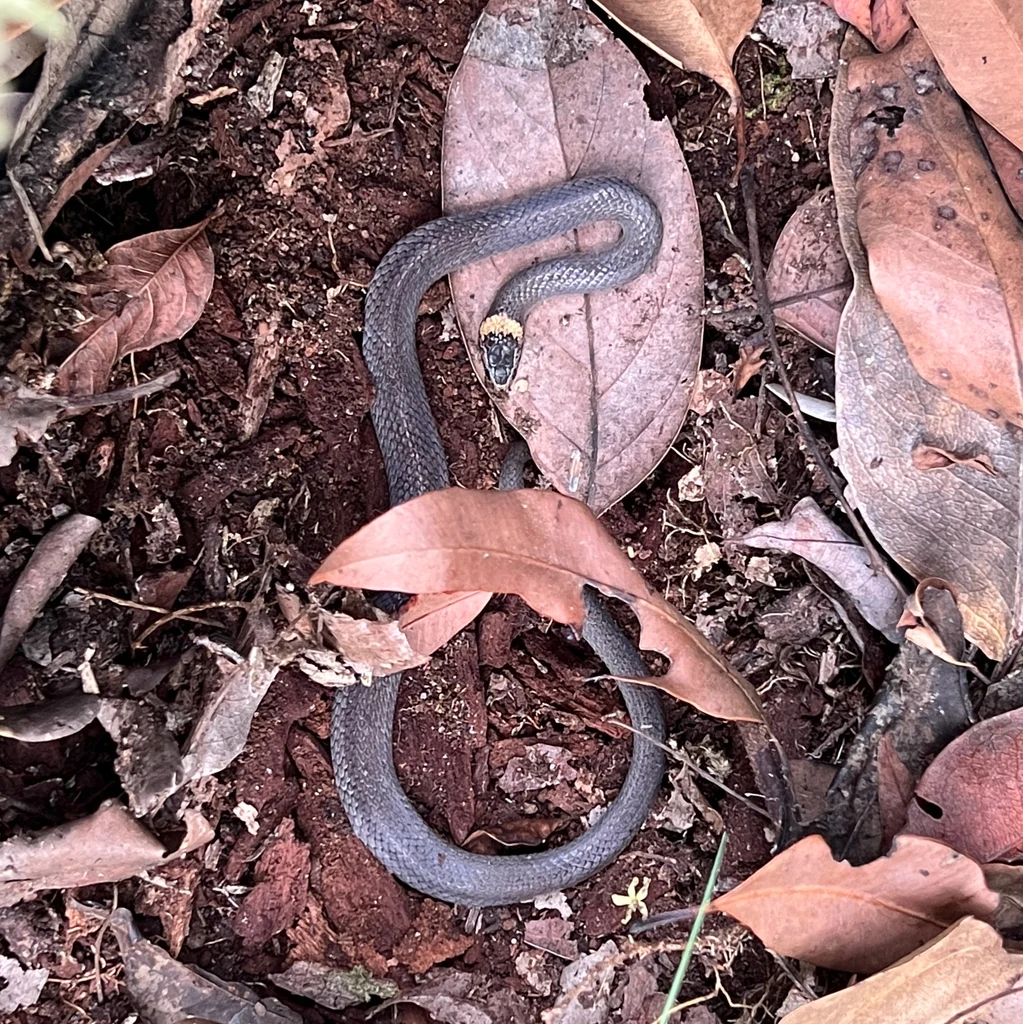
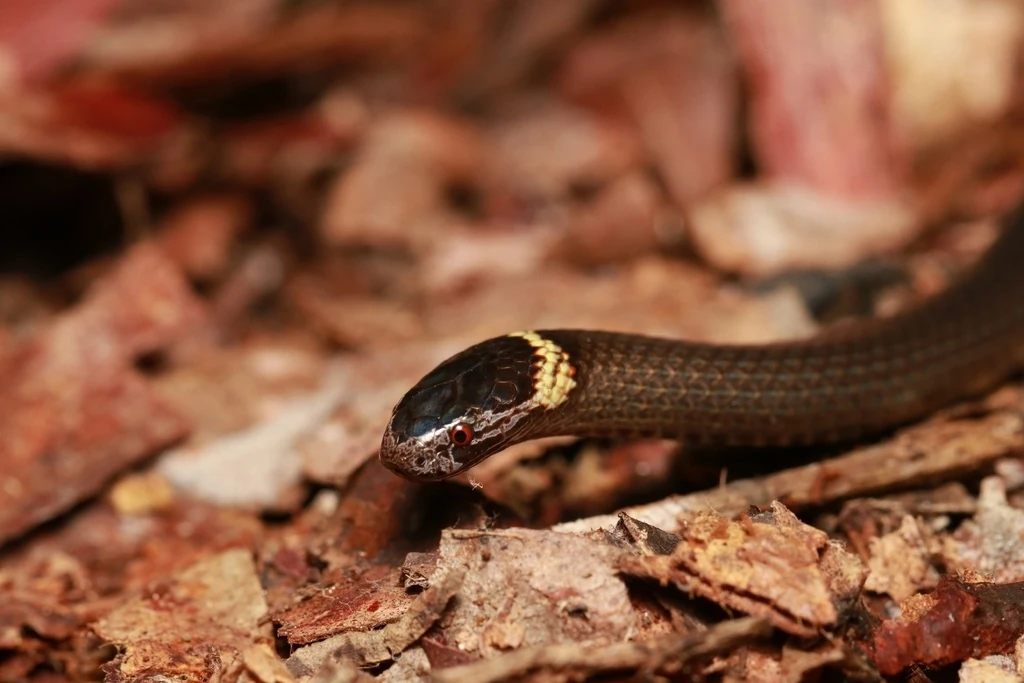
Cacophis harriettae. Individual photographed among leaf litter. Original observation dated 2025-11-24. Photograph identification follows the cited observation; it adds no geographic occurrence record.

010 · Elapidae

White-crowned Snake

Cacophis harriettae

KREFFT, 1869

VenomousClinical severity not established

Australia is listed in the individual taxonomic treatment and the ASH national checklist. Named state/territory evidence: Queensland, New South Wales. These are documented jurisdictions, not continuous range polygons.

Read the species account →

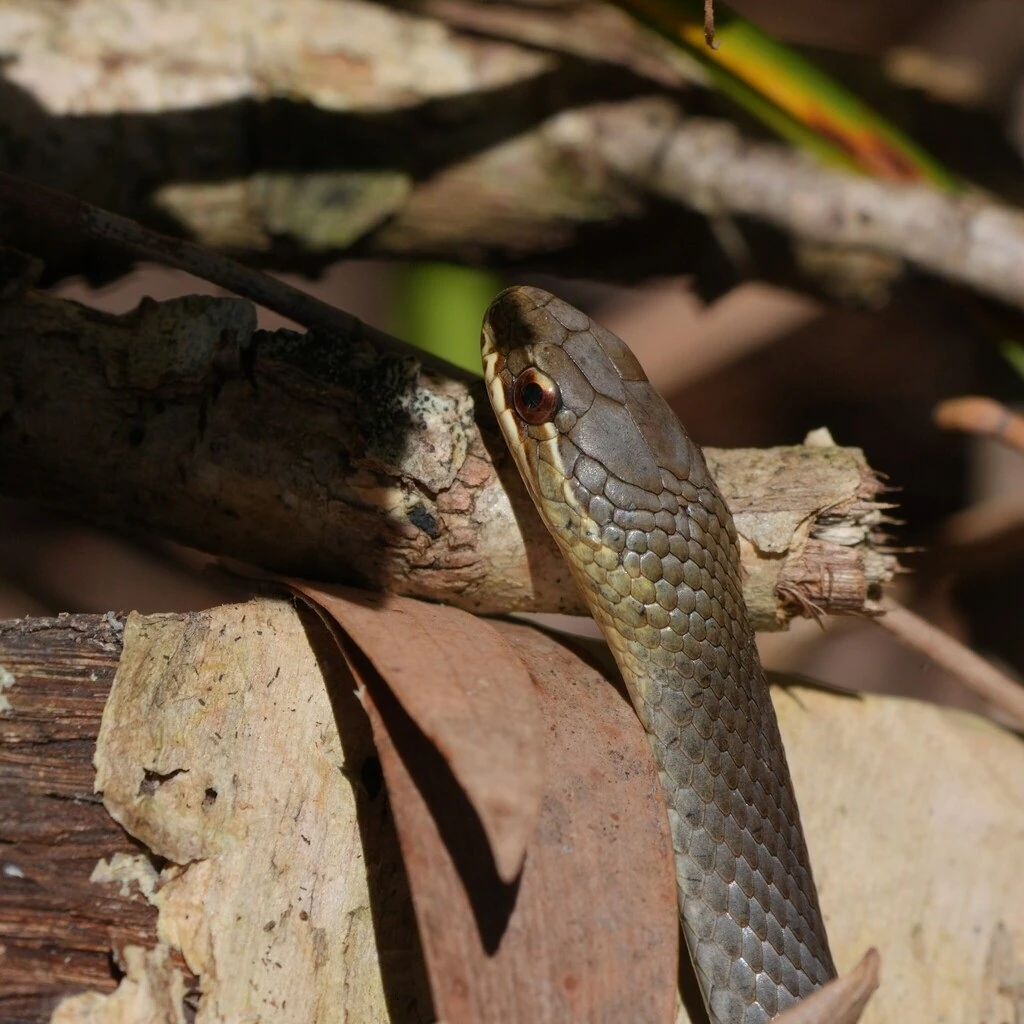
James K. Douch · CC BY-SA 4.0 · https://creativecommons.org/licenses/by-sa/4.0/

Cacophis krefftii photographed in Australia. Identification follows the source community.

011 · Elapidae

Dwarf Crowned Snake

Cacophis krefftii

GÜNTHER, 1863

VenomousClinical severity not established

Australia is listed in the individual taxonomic treatment and the ASH national checklist. Named state/territory evidence: Queensland, New South Wales. These are documented jurisdictions, not continuous range polygons.

Read the species account →

Max Tibby · CC0 1.0 · https://creativecommons.org/publicdomain/zero/1.0/

Cacophis squamulosus photographed in Australia. Identification follows the source community.

012 · Elapidae

Golden-crowned Snake

Cacophis squamulosus

(DUMÉRIL, BIBRON & DUMÉRIL, 1854)

VenomousClinical severity not established

Australia is listed in the individual taxonomic treatment and the ASH national checklist. Named state/territory evidence: Queensland, New South Wales. These are documented jurisdictions, not continuous range polygons.

Read the species account →

Connor Chapman · CC0 1.0 · https://creativecommons.org/publicdomain/zero/1.0/

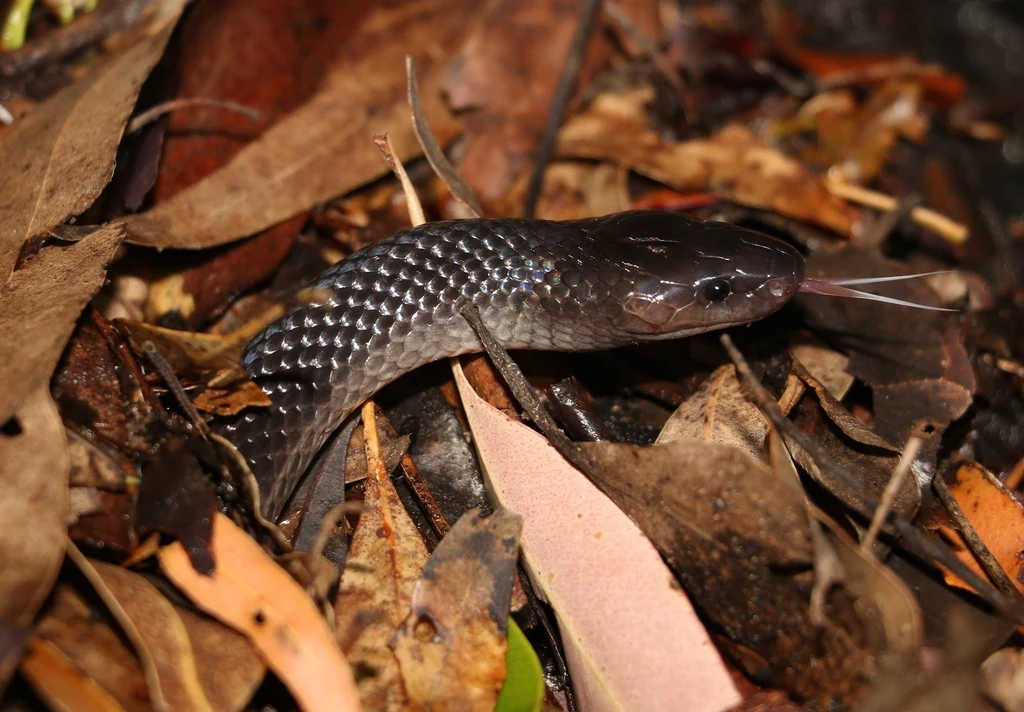
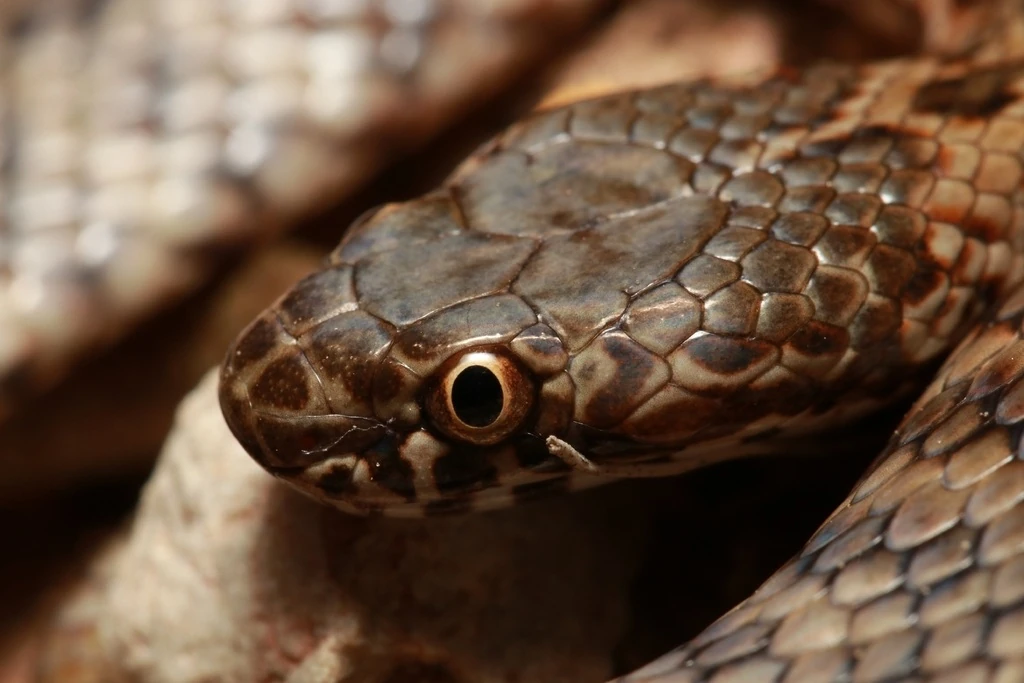
Cryptophis nigrescens. Head and anterior body photographed among leaf litter. Original observation dated 2022-02-01. Photograph identification follows the cited observation; it adds no geographic occurrence record.

013 · Elapidae

Small-eyed Snake

Cryptophis nigrescens

(GÜNTHER, 1862)

VenomousClinical severity not established

Australia is listed in the individual taxonomic treatment and the ASH national checklist. Named state/territory evidence: Queensland, New South Wales, Victoria, Australian Capital Territory. These are documented jurisdictions, not continuous range polygons.

Read the species account →

Greg Tasney · CC BY-SA 4.0 · https://creativecommons.org/licenses/by-sa/4.0/

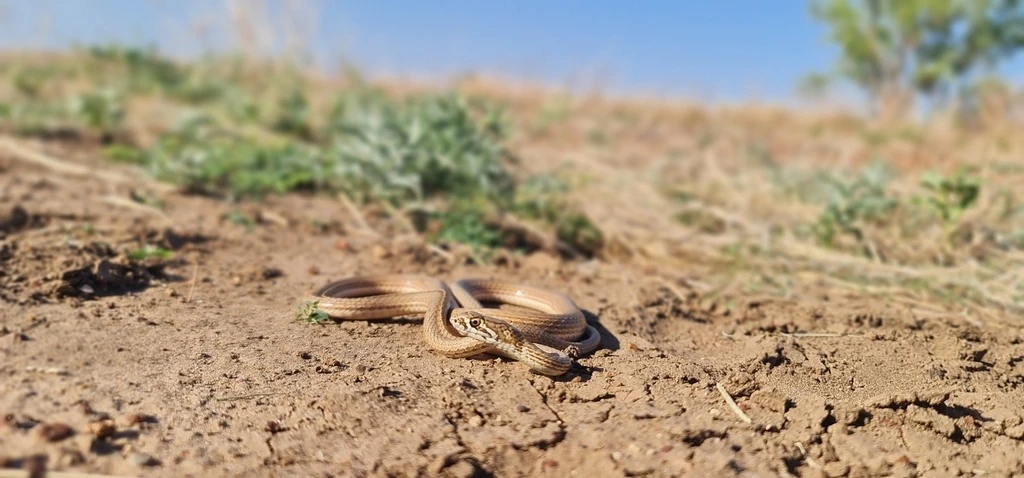
Demansia rimicola in the linked source observation. Identification follows the source community.

014 · Elapidae

Blacksoil Whip Snake

Demansia rimicola

SCANLON, 2007

VenomousClinical severity not established

Australia is listed in the individual taxonomic treatment and the ASH national checklist. Named state/territory evidence: Western Australia, Northern Territory, South Australia, Queensland, New South Wales. These are documented jurisdictions, not continuous range polygons.

Read the species account →

Max Tibby · CC0 1.0 · https://creativecommons.org/publicdomain/zero/1.0/

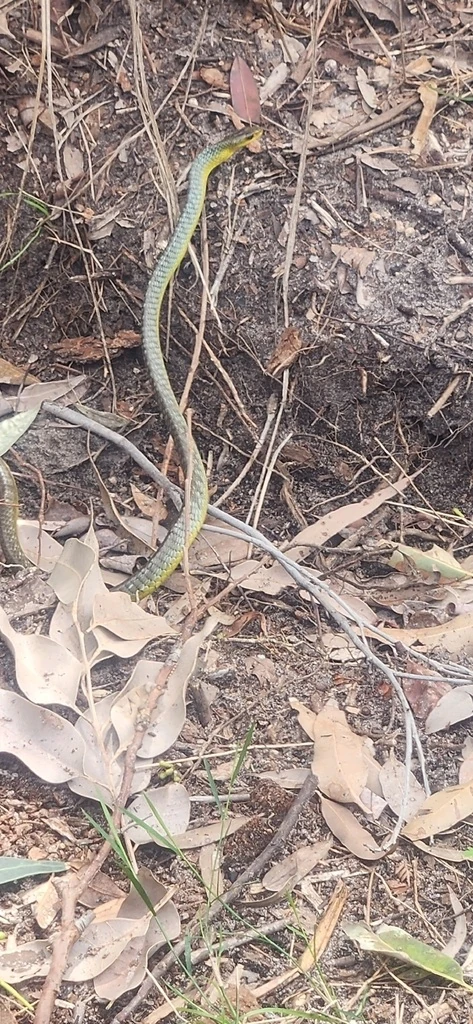
Dendrelaphis punctulatus photographed in Australia. Identification follows the source community.

015 · Colubridae

Green Tree Snake, Common Tree Snake

Dendrelaphis punctulatus

(GRAY, 1826)

Non-venomous

Australia is listed in the individual taxonomic treatment and the ASH national checklist. Named state/territory evidence: Western Australia, Northern Territory, Queensland, New South Wales. These are documented jurisdictions, not continuous range polygons.

Read the species account →

Cheryl Porter · CC0 1.0 · https://creativecommons.org/publicdomain/zero/1.0/

Denisonia devisi photographed in Australia. Identification follows the source community.

016 · Elapidae

De Vis’ Banded Snake

Denisonia devisi

(WAITE & LONGMAN, 1920)

VenomousClinical severity not established

Australia is listed in the individual taxonomic treatment and the ASH national checklist. Named state/territory evidence: Queensland, New South Wales, Victoria. These are documented jurisdictions, not continuous range polygons.

Read the species account →

Max Tibby · CC0 1.0 · https://creativecommons.org/publicdomain/zero/1.0/

Drysdalia coronoides photographed in Australia. Identification follows the source community.

017 · Elapidae

White-lipped Snake

Drysdalia coronoides

(GÜNTHER, 1858)

VenomousClinical severity not established

Australia is listed in the individual taxonomic treatment and the ASH national checklist. Named state/territory evidence: South Australia, New South Wales, Victoria, Tasmania, Australian Capital Territory. These are documented jurisdictions, not continuous range polygons.

Read the species account →

Bryce Watts-Parker · CC BY 4.0 · https://creativecommons.org/licenses/by/4.0/

Drysdalia rhodogaster photographed in Australia. Identification follows the source community.

018 · Elapidae

Mustard-bellied Snake

Drysdalia rhodogaster

(JAN, 1873)

VenomousClinical severity not established

Australia is listed in the individual taxonomic treatment and the ASH national checklist. Named state/territory evidence: New South Wales. These are documented jurisdictions, not continuous range polygons.

Read the species account →

Max Tibby · CC0 1.0 · https://creativecommons.org/publicdomain/zero/1.0/

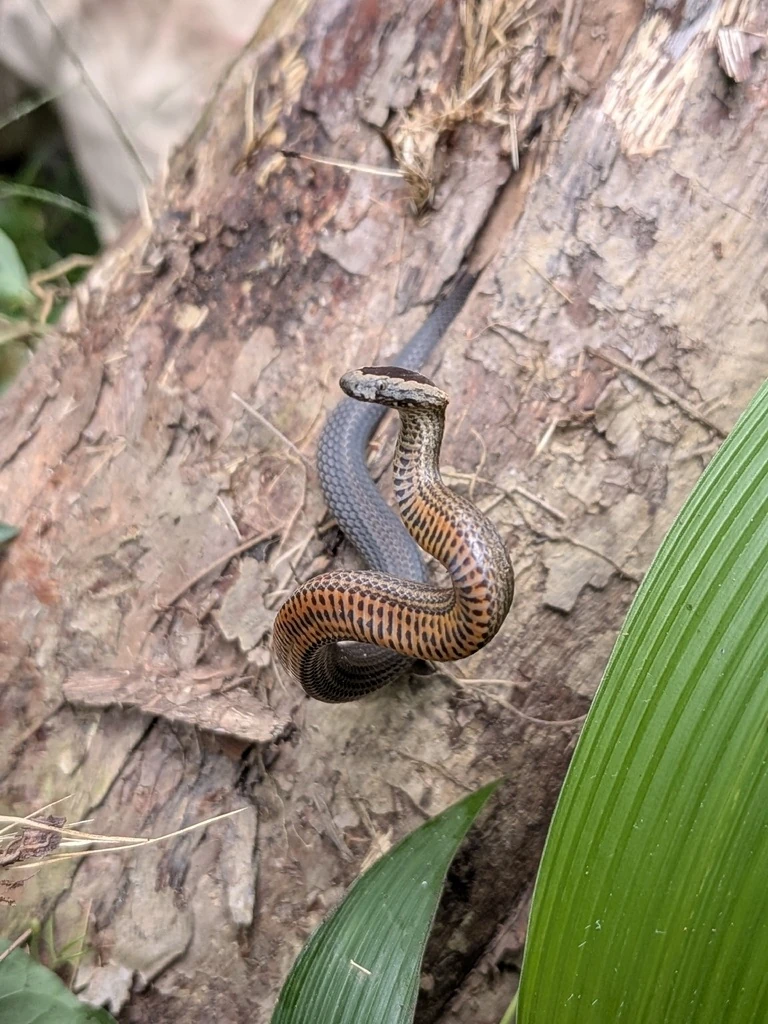
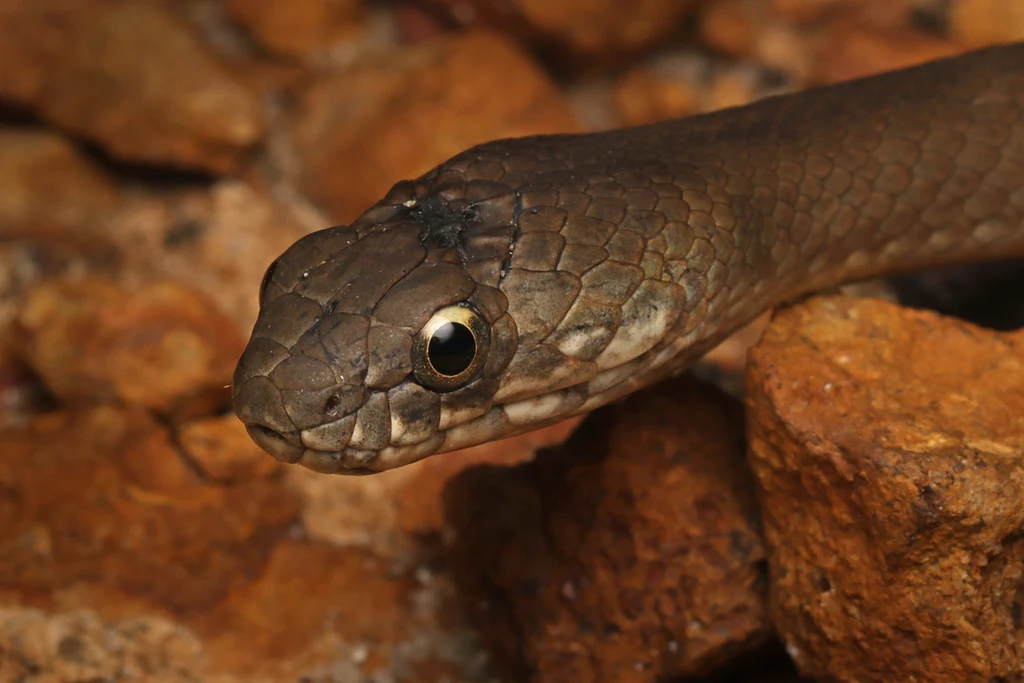
Echiopsis curta. Close view of the head and anterior body. Original observation dated 2025-03-24. Photograph identification follows the cited observation; it adds no geographic occurrence record.

019 · Elapidae

Bardick

Echiopsis curta

(SCHLEGEL, 1837)

VenomousClinical severity not established

Australia is listed in the individual taxonomic treatment and the ASH national checklist. Named state/territory evidence: Western Australia, South Australia, New South Wales, Victoria. These are documented jurisdictions, not continuous range polygons. The official NSW profile distinguishes three dated records: a 1974 museum specimen, a 1983 sighting and…

Read the species account →

Connor Margetts · CC0 1.0 · https://creativecommons.org/publicdomain/zero/1.0/

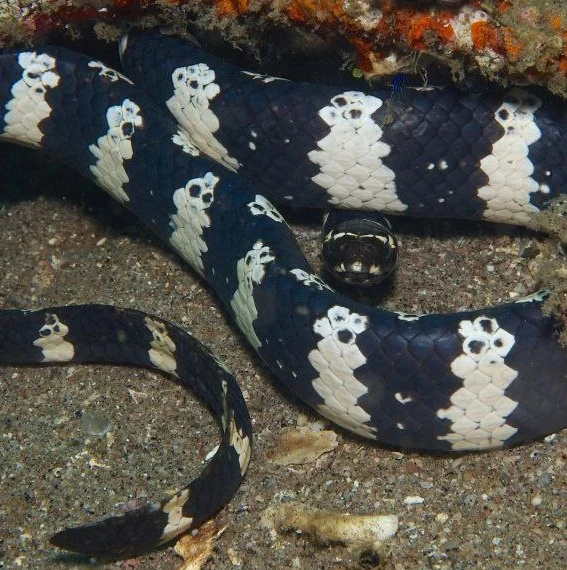
Emydocephalus annulatus — real specimen photograph; identification follows the linked source.

020 · Elapidae

Turtle-headed seasnake

Emydocephalus annulatus

KREFFT, 1869

VenomousClinical severity not established

Australia is listed in the individual taxonomic treatment and the ASH national checklist. Named state/territory evidence: Western Australia, Northern Territory, Queensland, New South Wales. These are documented jurisdictions, not continuous range polygons.

Read the species account →

IG: divecycle · CC BY-SA 4.0 · https://creativecommons.org/licenses/by-sa/4.0

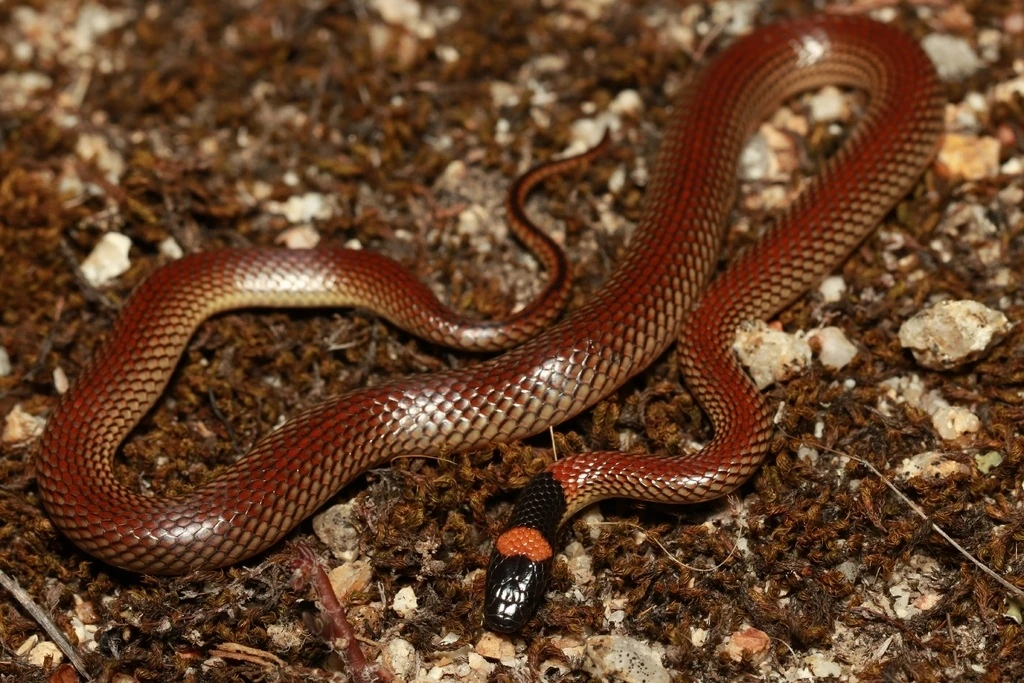
Furina diadema photographed in Australia. Identification follows the source community.

021 · Elapidae

Red-naped Snake

Furina diadema

(SCHLEGEL, 1837)

VenomousClinical severity not established

Australia is listed in the individual taxonomic treatment and the ASH national checklist. Named state/territory evidence: South Australia, Queensland, New South Wales, Victoria, Australian Capital Territory. These are documented jurisdictions, not continuous range polygons.

Read the species account →

Max Tibby · CC0 1.0 · https://creativecommons.org/publicdomain/zero/1.0/

ElapidaeFurinaPhotograph not yet documented

022 · Elapidae

Dunmall’s Snake

Furina dunmalli

(WORRELL, 1955)

VenomousClinical severity not established

Australia is listed in the individual taxonomic treatment and the ASH national checklist. Named state/territory evidence: Queensland, New South Wales. These are documented jurisdictions, not continuous range polygons. The NSW government profile specifically includes the Darling Downs within the species’ inland Queensland range. Its suggested extension…

Read the species account →
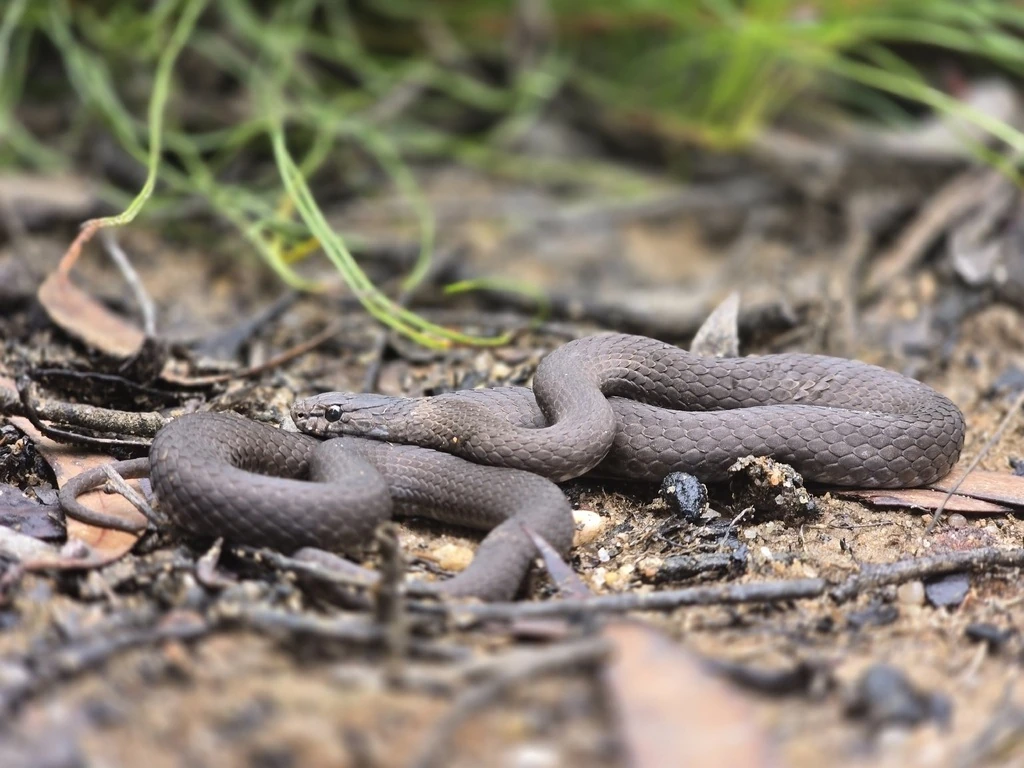
Hemiaspis damelii photographed in Australia. Identification follows the source community.

023 · Elapidae

Grey Snake

Hemiaspis damelii

(GÜNTHER, 1876)

VenomousClinical severity not established

Australia is listed in the individual taxonomic treatment and the ASH national checklist. Named state/territory evidence: Queensland, New South Wales. These are documented jurisdictions, not continuous range polygons. The NSW government profile identifies these occupied wetland areas among geographically separated subpopulations. Records follow several…

Read the species account →

Max Tibby · CC0 1.0 · https://creativecommons.org/publicdomain/zero/1.0/

Hemiaspis signata photographed in Australia. Identification follows the source community.

024 · Elapidae

Marsh Snake

Hemiaspis signata

(JAN, 1859)

VenomousClinical severity not established

Australia is listed in the individual taxonomic treatment and the ASH national checklist. Named state/territory evidence: Queensland, New South Wales. These are documented jurisdictions, not continuous range polygons.

Read the species account →

themaskedlapwing · CC0 1.0 · https://creativecommons.org/publicdomain/zero/1.0/

Explore all 214 country records →

The research library

Sources & the checklist.

This edition lists 214 species with supported country records from checked taxonomic treatments and cited field studies. This total includes 1 record marked as introduced; it is not a native-species total. It is not a claim of a complete national inventory. Each account retains its source and check date; individual evidence entries retain their own review dates.

Independent checklist comparison · 2026-10-11

229 database search candidates were checked individually against the 220-name ASH list, Australian Faunal Directory treatments and relevant revisions. Reconciliation supports 214 country records: 165 new canonical profiles and 49 existing shared profiles. Historical names, external-territory records and disputed occurrences explain the different totals. Introduced flowerpot snakes and occasional sea-krait arrivals are labelled separately. 165 accounts have sourced ecology beyond range and reproductive mode; the remainder still need fuller natural-history evidence.

Australian Society of Herpetologists: official Australian species list (2025 edition) ↗

Review still open

Hydrophis hardwickii

Its database range remains uncorrected after separation from H. curtus. The Australian record is withheld under the narrower name until the specimens are reassessed.

Possible marine records

Hydrophis laboutei, H. vorisi and Microcephalophis gracilis are not confirmed Australian records in the checked specimen review. Nearby-country records do not establish Australian occurrence.

Stegonotus parvus

The ASH list retains this name, but the current species treatment restricts it to Yapen, Indonesia. The historical Murray Island assignment is withheld pending a taxonomically current specimen review.

Sea-krait establishment

Laticauda colubrina and L. laticaudata are retained as documented arrivals; the museum review found no established Australian breeding population.

Source and biology gaps

Hydrophis laboutei has a broken AFD link and the Hydrophis platurus AFD route returned no usable treatment. The search and comparison are complete, but species ecology and fine-scale localities remain uneven.

Range and taxonomy review

Country links use a single accepted species identity. Revised names and disputed records are kept visible here; uncertain records do not enter the listed collection or regional totals.

Hydrophis hardwickii

Uncertain — excluded from the listed total

The Australian checklist uses H. curtus. The separate H. hardwickii treatment warns that its distribution has not been corrected following resurrection; an Australian occurrence under this narrower identity remains unverified.

Source 1 ↗

Source 2 ↗

Lycodon capucinus

Uncertain — excluded from the listed total

The Australian jurisdiction record concerns Christmas Island, which has a separate atlas country/territory entry; it is not a mainland or state occurrence.

Source 1 ↗

Hydrophis fasciatus

Uncertain — excluded from the listed total

The Australian population of this unresolved complex is treated as H. atriceps in the specimen-based Australian review. A separate H. fasciatus country record is withheld.

Source 1 ↗

Source 2 ↗

Indotyphlops braminus

Introduced occurrence

Australia is listed in the individual taxonomic treatment and the ASH national checklist. Named state/territory evidence: Western Australia, Northern Territory, Queensland. These are documented jurisdictions, not continuous range polygons. Australian populations are introduced; this record is not labelled native.

Source 1 ↗

Source 2 ↗

Source 3 ↗

Hydrophis inornatus

Uncertain — excluded from the listed total

The specimen-based review rejected the proposed Australian records; the questioned specimens do not establish this species in Australia.

Source 1 ↗

Source 2 ↗

Leiopython albertisii

Uncertain — excluded from the listed total

The 2021 phylogenomic revision found no verified Leiopython records from Australian territory, including Boigu and Saibai; the older broad range statement is withheld.

Source 1 ↗

Source 2 ↗

Hydrophis laboutei

Uncertain — excluded from the listed total

Published Australian occurrence remains a possibility based on nearby New Caledonian specimens, not a confirmed country record.

Source 1 ↗

Source 2 ↗

Hydrophis vorisi

Uncertain — excluded from the listed total

Known southern New Guinean specimens do not establish Australian occurrence; the reviewed Australian list treats it as possible only.

Source 1 ↗

Source 2 ↗

Microcephalophis gracilis

Uncertain — excluded from the listed total

The Australian specimens reviewed were misidentified or of doubtful provenance. Nearby Gulf of Papua records establish only a possible Australian occurrence.

Source 1 ↗

Source 2 ↗

Simalia amethistina

Uncertain — excluded from the listed total

The Australian chapter follows ASH and AFD in recognizing S. kinghorni for Australian scrub pythons. Older broad amethistina records are not counted as a second Australian species.

Source 1 ↗

Source 2 ↗
How the map and counts work

Search results were checked against distribution text and taxonomic qualifications. A geographic name alone does not establish a political country: New Guinea, the Solomon archipelago and Micronesia span more than one country or territory. Introduced and unresolved records require separate interpretation.

Place counts require explicit named localities, including valid type localities. Counts can overlap where sources name multiple places. Regional maps group historical boundary snapshots for navigation, while island outlines use Natural Earth; neither is a species range or an observation map. Small islands can be below the outline dataset’s resolution, so geographic reference markers and the directory remain available.

Australian Bureau of Statistics · ASGS 2021 generalized state and territory boundaries · CC BY 4.0. Eight core jurisdictions; external territories and Jervis Bay are outside this regional index. Navigation boundaries are not species ranges. Map provenance →

  1. UNESCO · Gondwana Rainforests of Australia ↗

    Rainforest remnants in southeast Queensland and northeast NSW; vegetation and escarpment context.

  2. NSW Environment · Macquarie Marshes ↗

    Wetland vegetation, changed flow regimes and catchment pressures; source updated 2023.

  3. Australian Society of Herpetologists · Official Australian species list ↗
  4. Geoscience Australia · Area of Australia, states and territories ↗
  5. Australian Bureau of Statistics · ASGS 2021 digital boundary files ↗
  6. The Reptile Database

    Individual treatments and locality evidence are linked from each species account.

  7. Meiri (2024): SquamBase 1.0

    Species-level literature measurements and ecological traits. Exact-name matches only; imputed or ambiguous fields are omitted. These summaries are not local observations.

  8. Natural Earth: public-domain geographic data

Continue through the Oceania atlas →