Warming and water quality
UNESCO identifies climate change and water quality among the Great Barrier Reef’s long-term management concerns. This is not a current bleaching-status report.
Sources: UNESCO · Great Barrier Reef
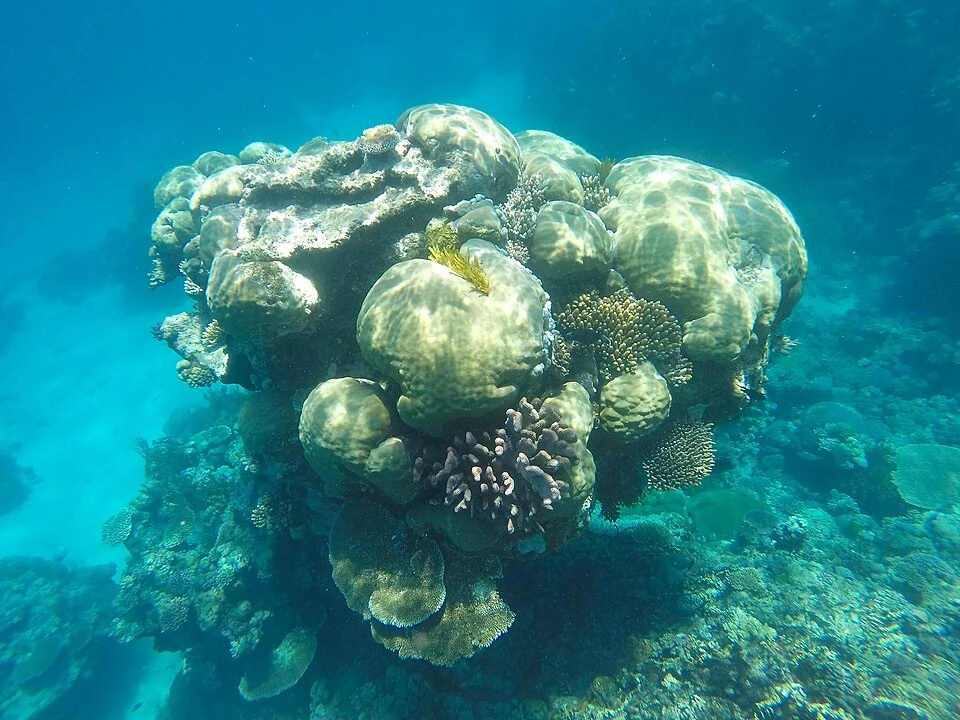
Australia · Habitat field guide
Australia’s coast brings together reef, seagrass, sand, rock and estuaries. The Queensland and Western Australian examples show why a national marine range needs more precise local evidence.
Reef and shallow coastal waters off Queensland, Australia, on the Great Barrier Reef.
Understanding the environment
Australia’s coast brings together reef, seagrass, sand, rock and estuaries. The Queensland and Western Australian examples show why a national marine range needs more precise local evidence.
Explore the structure · Select a zone to read the landscape at a different scale.
Select a zone to see what changes.
Begin above the water
Distinguish rocky shore, sand, vegetation and river mouths.
Keep each observation tied to its actual shore or island.
Conceptual habitat zones, not a measured transect or a map of snake occurrences.
Sources: UNESCO · Great Barrier Reef · UNESCO · Ningaloo Coast
Field notes · 01
The Great Barrier Reef World Heritage property includes far more than individual coral reefs. Keep an observation’s reef, island or mainland shoreline attached to its record instead of extending it throughout the property.
Sources: UNESCO · Great Barrier Reef
Field notes · 02
Ningaloo combines a coastal reef with the dry Cape Range landscape and important groundwater systems. Its land–sea setting differs from a river-dominated tropical shore.
Sources: UNESCO · Ningaloo Coast
Pressures on Australia’s habitats
UNESCO identifies climate change and water quality among the Great Barrier Reef’s long-term management concerns. This is not a current bleaching-status report.
Sources: UNESCO · Great Barrier Reef
Ningaloo’s heritage assessment identifies vegetation damage, waste and increasing water demand as issues needing management.
Sources: UNESCO · Ningaloo Coast
Connect shore protection with catchment and marine management, and follow local zoning and access advice.
The connected collection
These 38 species have supported country occurrence and an explicit habitat association in the shared account. The association may come from elsewhere in their range. This is not a complete local habitat inventory; the places above are landscape examples, not asserted collecting sites.
38 species · showing 24
001 · Acrochordidae
Little filesnake
Australia is listed in the individual taxonomic treatment and the ASH national checklist. Named state/territory evidence: Western Australia, Northern Territory, Queensland. These are documented jurisdictions, not continuous range polygons.
Read the species account →Mario Lutz · Copyright Mario Lutz. Authorised for display in this atlas; no third-party reuse licence granted.
002 · Elapidae
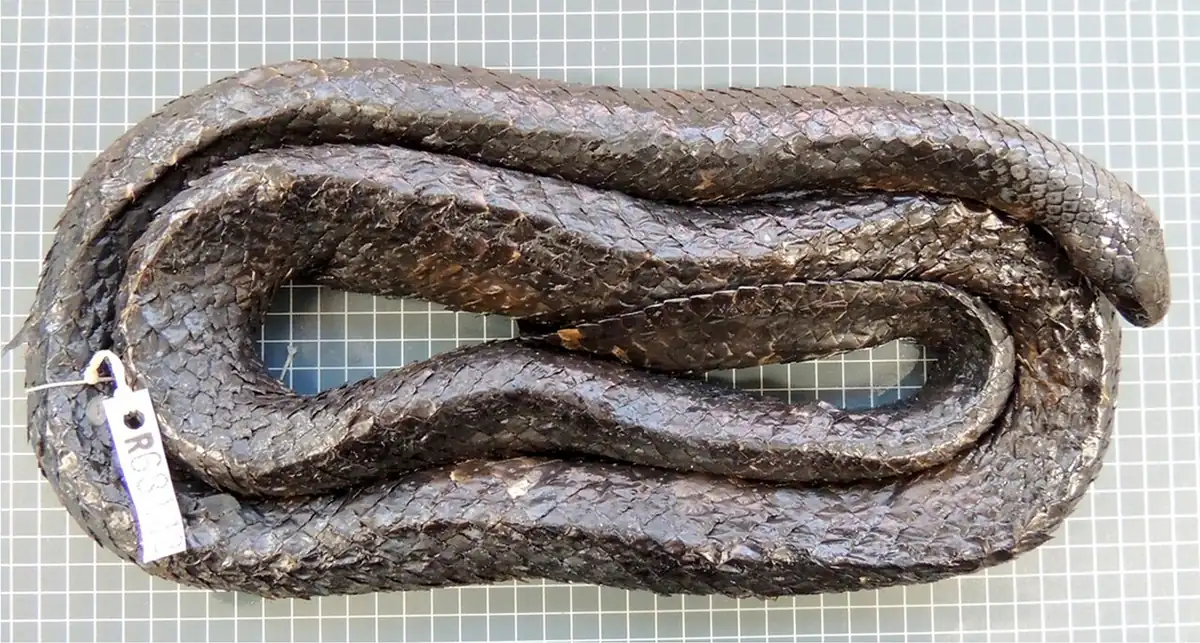
Short-nosed Sea Snake
Australia is listed in the individual taxonomic treatment and the ASH national checklist. Named state/territory evidence: Western Australia. These are documented jurisdictions, not continuous range polygons. The 2016 paper reports five live Exmouth Gulf captures and a courting pair photographed at Ningaloo Reef on 29 April 2013. These live records are…
Read the species account →Kate L. Sanders, Tina Schroeder, Michael L. Guinea, and Arne R. Rasmussen · CC BY 4.0 · https://creativecommons.org/licenses/by/4.0/
003 · Elapidae
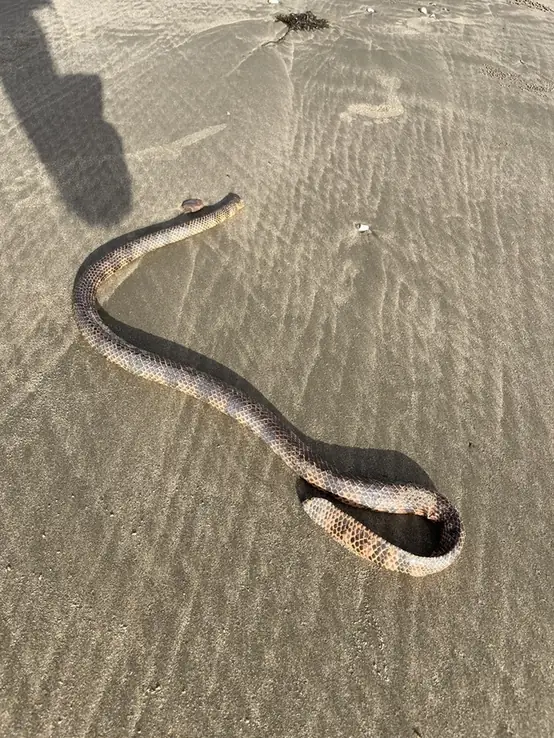
Reef shallows seasnake
Australia is listed in the individual taxonomic treatment and the ASH national checklist. Named state/territory evidence: Western Australia, Northern Territory, Queensland, New South Wales. These are documented jurisdictions, not continuous range polygons.
Read the species account →rcrofts / iNaturalist · CC BY 4.0 · https://creativecommons.org/licenses/by/4.0/
004 · Elapidae
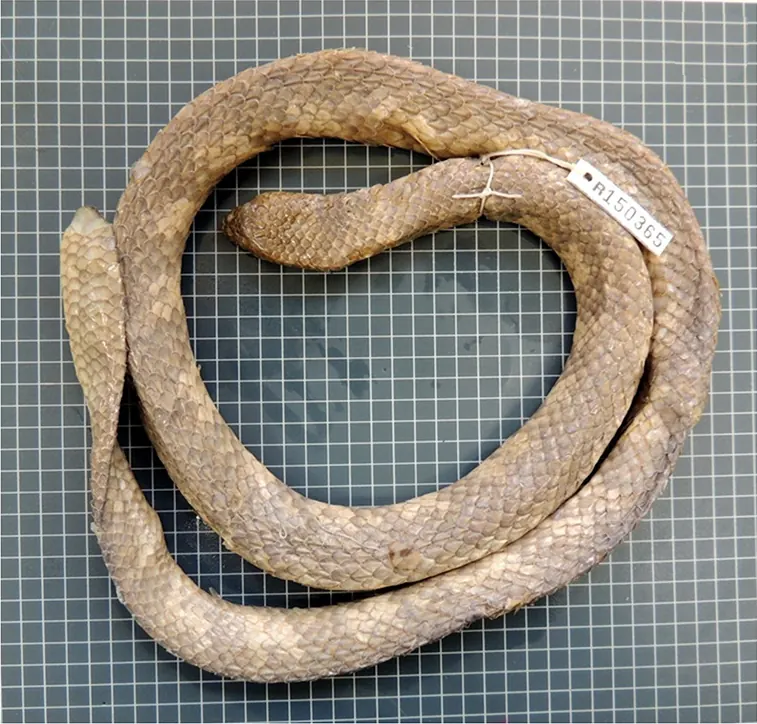
Leaf-scaled Sea Snake
Australia is listed in the individual taxonomic treatment and the ASH national checklist. Named state/territory evidence: Western Australia. These are documented jurisdictions, not continuous range polygons. The study reports live captures at these Shark Bay localities and uses morphology plus genetic comparisons to reassess identifications. These…
Read the species account →Kate L. Sanders, Tina Schroeder, Michael L. Guinea, and Arne R. Rasmussen · CC BY 4.0 · https://creativecommons.org/licenses/by/4.0/
005 · Elapidae
Dusky Seasnake
Australia is listed in the individual taxonomic treatment and the ASH national checklist. Named state/territory evidence: Western Australia. These are documented jurisdictions, not continuous range polygons.
Read the species account →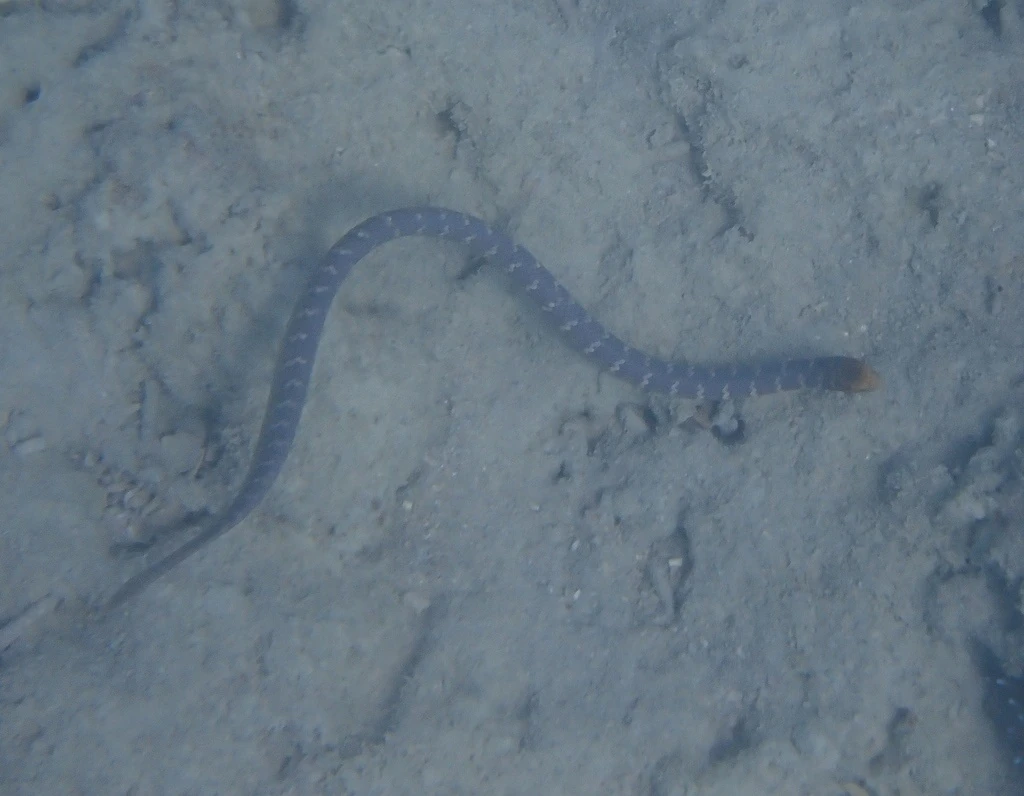
006 · Elapidae
Olive-brown seasnake
Australia is listed in the individual taxonomic treatment and the ASH national checklist. Named state/territory evidence: Western Australia, Northern Territory, Queensland. These are documented jurisdictions, not continuous range polygons. Question-marked states in the source are not promoted to confirmed regional records: New South Wales.
Read the species account →Debra Baker · CC BY 4.0 · https://creativecommons.org/licenses/by/4.0/
007 · Elapidae
Mosaic Sea Snake
Australia is listed in the individual taxonomic treatment and the ASH national checklist. Named state/territory evidence: Western Australia, Northern Territory, Queensland. These are documented jurisdictions, not continuous range polygons.
Read the species account →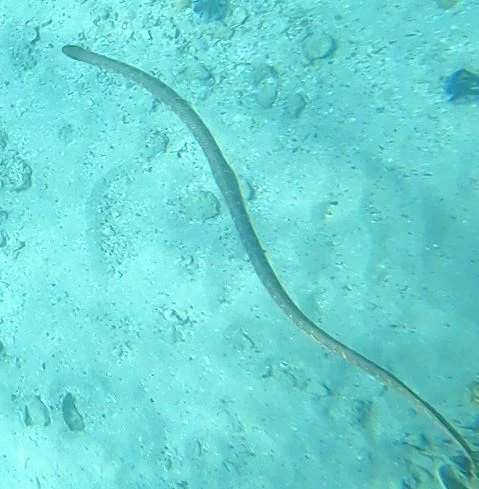
008 · Elapidae
Shark Bay Sea Snake
Australia is listed in the individual taxonomic treatment and the ASH national checklist. Named state/territory evidence: Western Australia. These are documented jurisdictions, not continuous range polygons.
Read the species account →Em Lamond · CC BY 4.0 · https://creativecommons.org/licenses/by/4.0/
009 · Elapidae
Brown-lined Sea Snake
Australia is listed in the individual taxonomic treatment and the ASH national checklist. Named state/territory evidence: Western Australia. These are documented jurisdictions, not continuous range polygons.
Read the species account →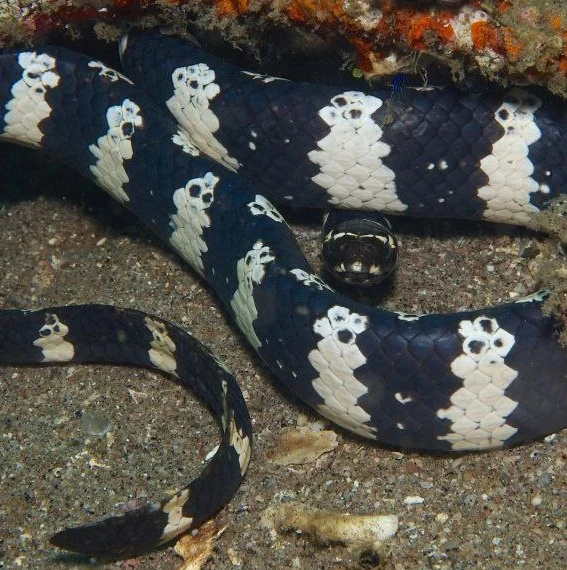
010 · Elapidae
Turtle-headed seasnake
Australia is listed in the individual taxonomic treatment and the ASH national checklist. Named state/territory evidence: Western Australia, Northern Territory, Queensland, New South Wales. These are documented jurisdictions, not continuous range polygons.
Read the species account →IG: divecycle · CC BY-SA 4.0 · https://creativecommons.org/licenses/by-sa/4.0
011 · Elapidae
Western Turtle-headed Sea Snake
Australia is listed in the individual taxonomic treatment and the ASH national checklist. Named state/territory evidence: Western Australia. These are documented jurisdictions, not continuous range polygons.
Read the species account →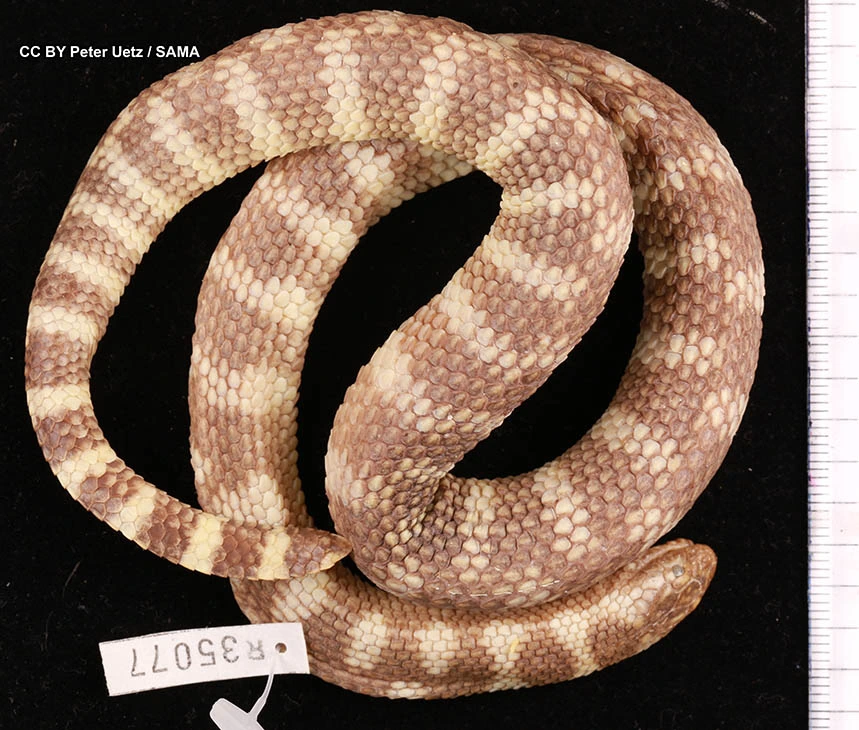
012 · Elapidae
Mangrove Sea Snake
Australia is listed in the individual taxonomic treatment and the ASH national checklist. Named state/territory evidence: Western Australia. These are documented jurisdictions, not continuous range polygons. Question-marked states in the source are not promoted to confirmed regional records: Northern Territory.
Read the species account →Peter Uetz / SAMA · CC BY 4.0 · https://creativecommons.org/licenses/by/4.0/
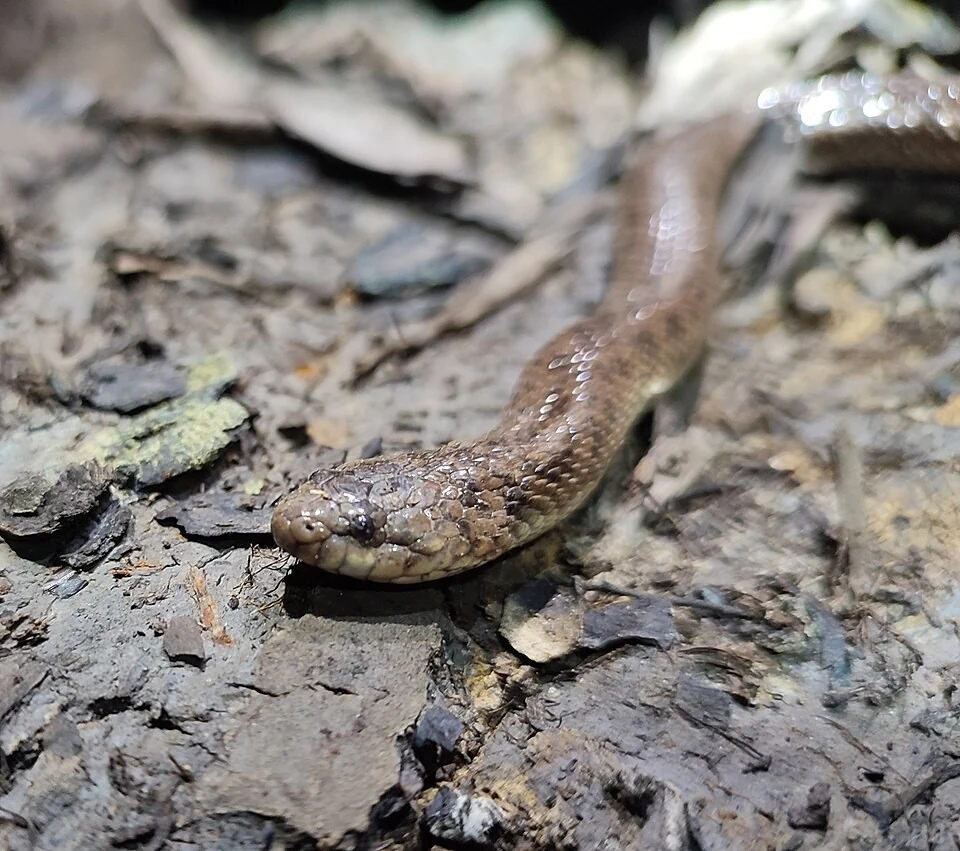
013 · Homalopsidae
Crab-eating (Water) Snake
Australia is listed in the individual taxonomic treatment and the ASH national checklist. Named state/territory evidence: Western Australia, Northern Territory, Queensland. These are documented jurisdictions, not continuous range polygons.
Read the species account →Samuel GUIRAUDOU · CC BY 4.0 · https://creativecommons.org/licenses/by/4.0
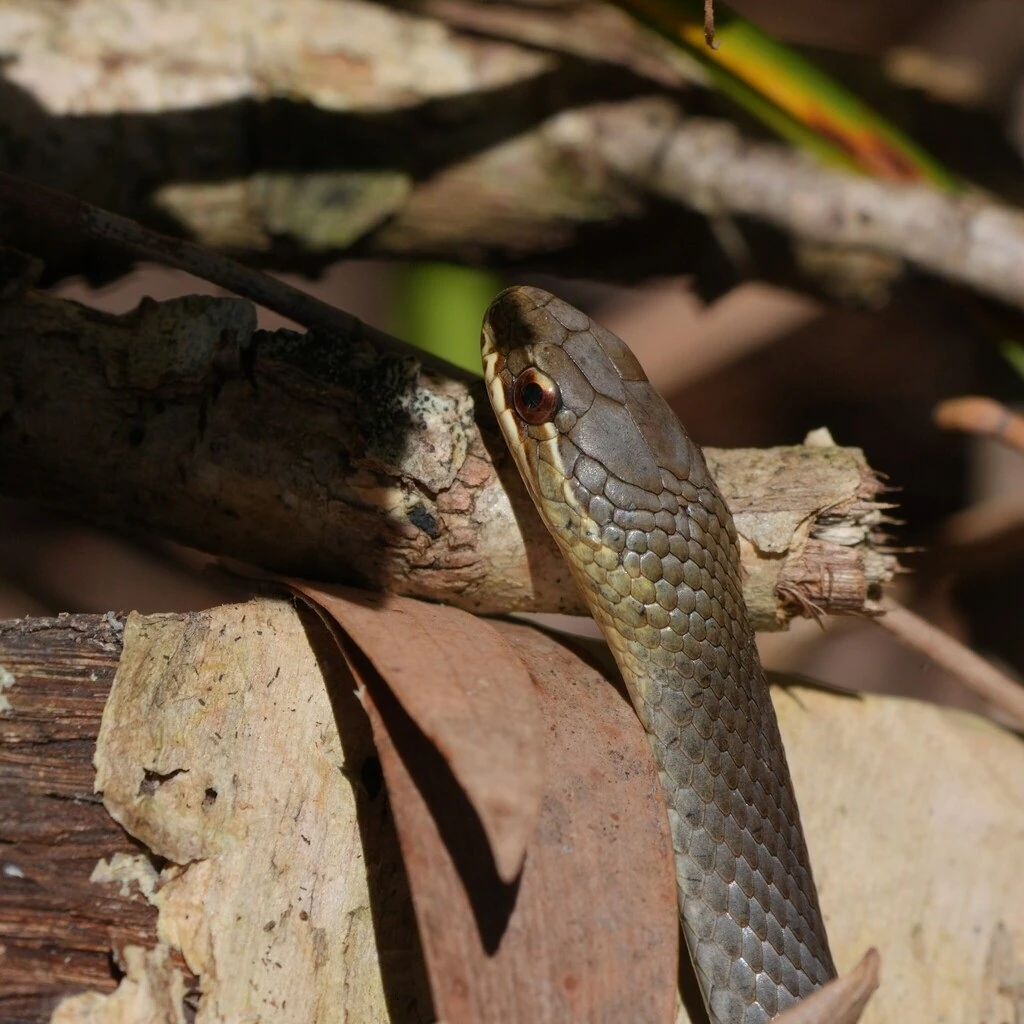
014 · Elapidae
Marsh Snake
Australia is listed in the individual taxonomic treatment and the ASH national checklist. Named state/territory evidence: Queensland, New South Wales. These are documented jurisdictions, not continuous range polygons.
Read the species account →themaskedlapwing · CC0 1.0 · https://creativecommons.org/publicdomain/zero/1.0/

015 · Elapidae
Port Darwin seasnake
Australia is listed in the individual taxonomic treatment and the ASH national checklist. Named state/territory evidence: Western Australia, Northern Territory, Queensland. These are documented jurisdictions, not continuous range polygons.
Read the species account →Peter Uetz / WAM · CC BY 4.0 · https://creativecommons.org/licenses/by/4.0/
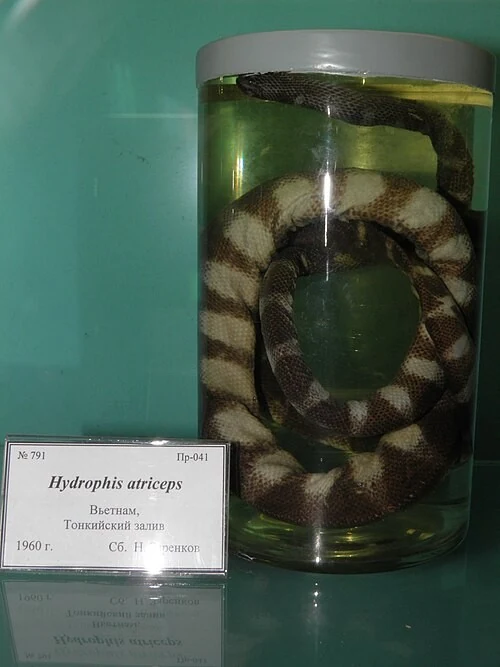
016 · Elapidae
Black-headed seasnake
Australia is listed in the individual taxonomic treatment and the ASH national checklist. Named state/territory evidence: Northern Territory. These are documented jurisdictions, not continuous range polygons. Question-marked states in the source are not promoted to confirmed regional records: Western Australia.
Read the species account →A. C. Tatarinov · CC0 · https://creativecommons.org/publicdomain/zero/1.0/deed.en
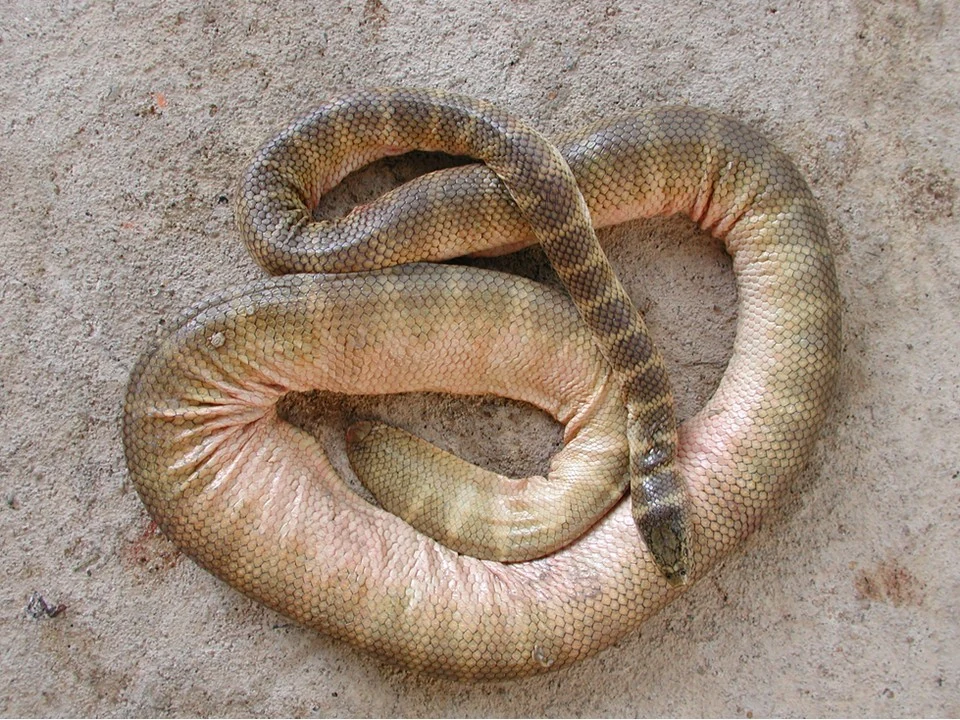
017 · Elapidae
Faint-banded Seasnake
Australia is listed in the individual taxonomic treatment and the ASH national checklist. Named state/territory evidence: Western Australia. These are documented jurisdictions, not continuous range polygons.
Read the species account →Rasmussen AR, Murphy JC, Ompi M, Gibbons JW, Uetz P (2011) · CC BY 2.5 · https://creativecommons.org/licenses/by/2.5
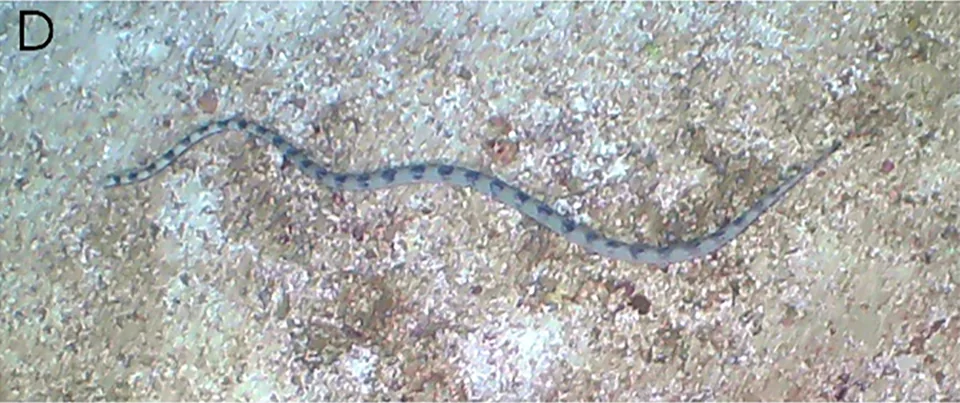
018 · Elapidae
Slender-necked Seasnake
Australia is listed in the individual taxonomic treatment and the ASH national checklist. Named state/territory evidence: Western Australia, Queensland. These are documented jurisdictions, not continuous range polygons.
Read the species account →Speed, Wilson, Somaweera, Udyawer, Meekan, Whisson & Miller (2022) · CC BY 4.0 · https://creativecommons.org/licenses/by/4.0/
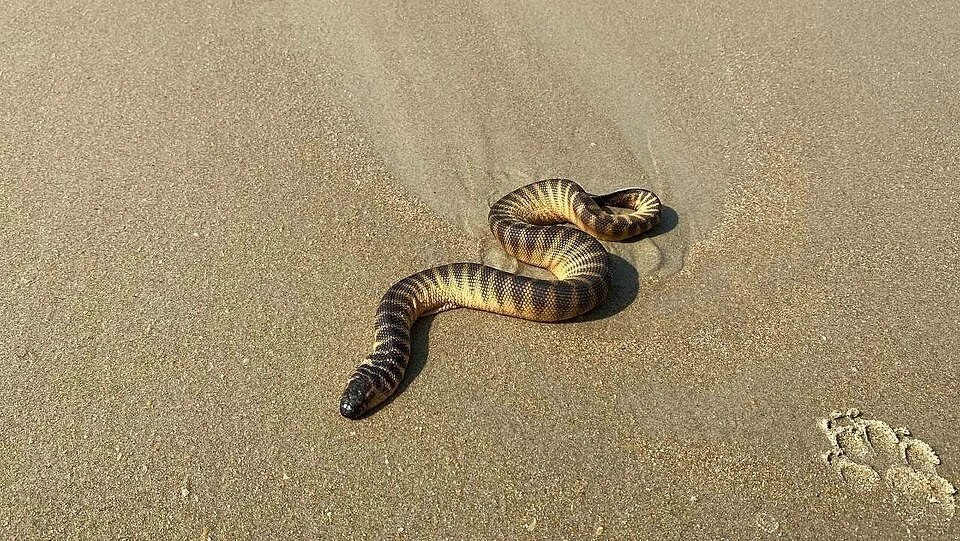
019 · Elapidae
Shaw's Sea Snake
Australia is listed in the individual taxonomic treatment and the ASH national checklist. Named state/territory evidence: Western Australia, Northern Territory, Queensland. These are documented jurisdictions, not continuous range polygons.
Read the species account →Светлана Царахова · CC0 · https://creativecommons.org/publicdomain/zero/1.0/deed.en
020 · Elapidae
Fine-spined Seasnake
Australia is listed in the individual taxonomic treatment and the ASH national checklist. Named state/territory evidence: Western Australia. These are documented jurisdictions, not continuous range polygons.
Read the species account →021 · Elapidae
Donald’s Sea Snake
Australia is listed in the individual taxonomic treatment and the ASH national checklist. Named state/territory evidence: Northern Territory, Queensland. These are documented jurisdictions, not continuous range polygons. Documented from Queensland and the Northern Territory, with a verified museum specimen from Gulf Province, Papua New Guinea. The 2026…
Read the species account →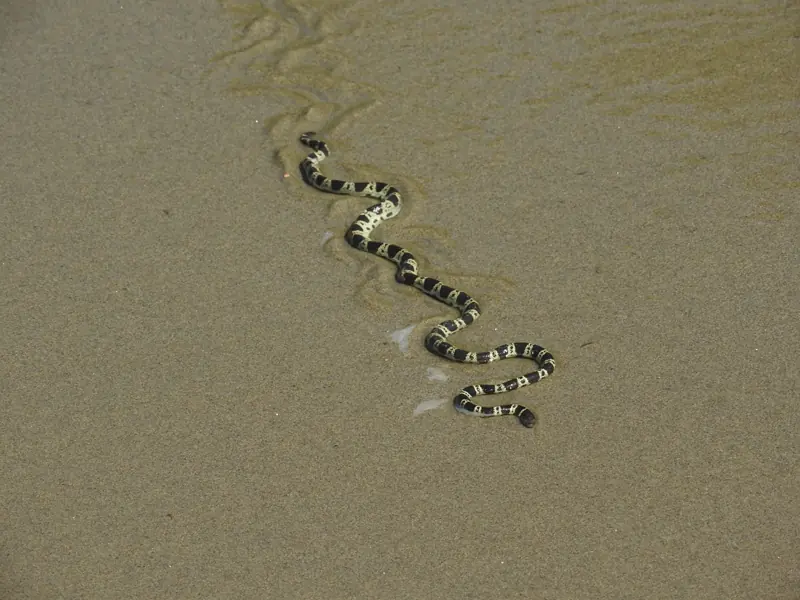
022 · Elapidae
Elegant or bar-bellied seasnake
Australia is listed in the individual taxonomic treatment and the ASH national checklist. Named state/territory evidence: Western Australia, Northern Territory, Queensland, New South Wales. These are documented jurisdictions, not continuous range polygons.
Read the species account →george_vaughan / iNaturalist · CC0 1.0 · https://creativecommons.org/publicdomain/zero/1.0/
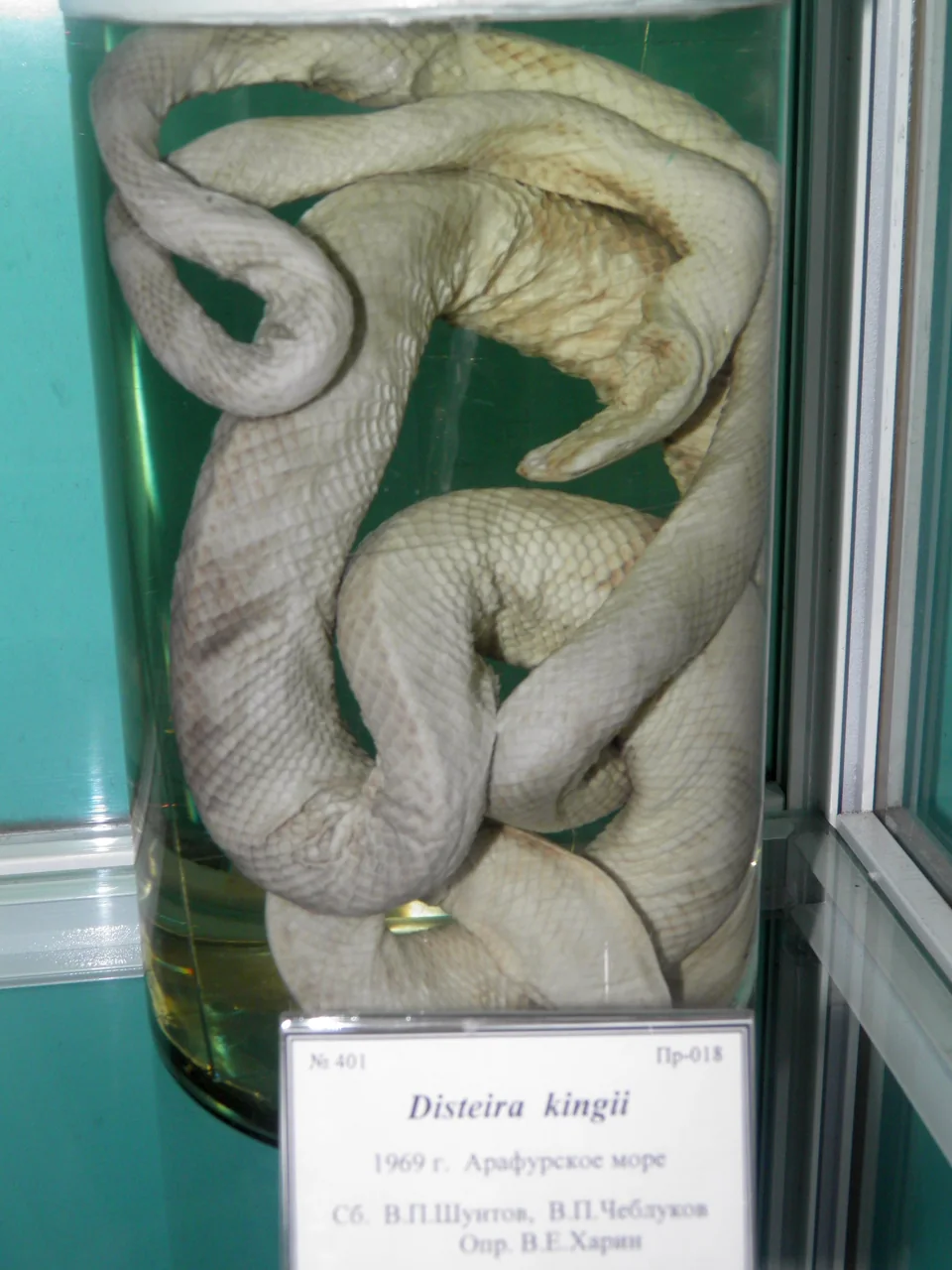
023 · Elapidae
Spectacled or King’s seasnake
Australia is listed in the individual taxonomic treatment and the ASH national checklist. Named state/territory evidence: Western Australia, Northern Territory, Queensland. These are documented jurisdictions, not continuous range polygons. Question-marked states in the source are not promoted to confirmed regional records: New South Wales.
Read the species account →A. C. Tatarinov · CC0 1.0 · https://creativecommons.org/publicdomain/zero/1.0/
024 · Elapidae
Small-headed or McDowell’s seasnake
Australia is listed in the individual taxonomic treatment and the ASH national checklist. Named state/territory evidence: Western Australia, Northern Territory, Queensland. These are documented jurisdictions, not continuous range polygons.
Read the species account →Read further
Guide reviewed 11 October 2026. Source dates and geographic scope matter; landscape photographs do not establish species occurrence.
Marine habitat diversity and climate, water-quality and coastal-development concerns. Historical assessments remain dated.
Reef, arid coast and groundwater setting; management concerns, not a current bleaching report.
Continue through Australia
Australian forest varies with climate and terrain. Northeastern rainforest and the eastern escarpment remnants offer two starting points for reading that variety.
02The southeastern Alps contain forested slopes, high plateaus and wetlands. Their comparatively small upland environments make the transitions between habitats especially useful to read.
03Dry country contains dunes, grassy patches, woodland and water-shaped depressions. Read the ground and recent conditions before assuming that every desert site offers the same shelter.
04Northern savannas combine grass with trees, rocky country and seasonal waterways. An open canopy is part of their character, not by itself evidence of forest loss.
05Inland wetlands depend on the timing and pathways of water. Floodplain forest, reed marsh and open channels can change markedly between visits.
06Australia’s mangroves form part of a wider tidal mosaic. Creek edges, wooded flats and neighbouring saltmarsh need to remain visible in the habitat description.