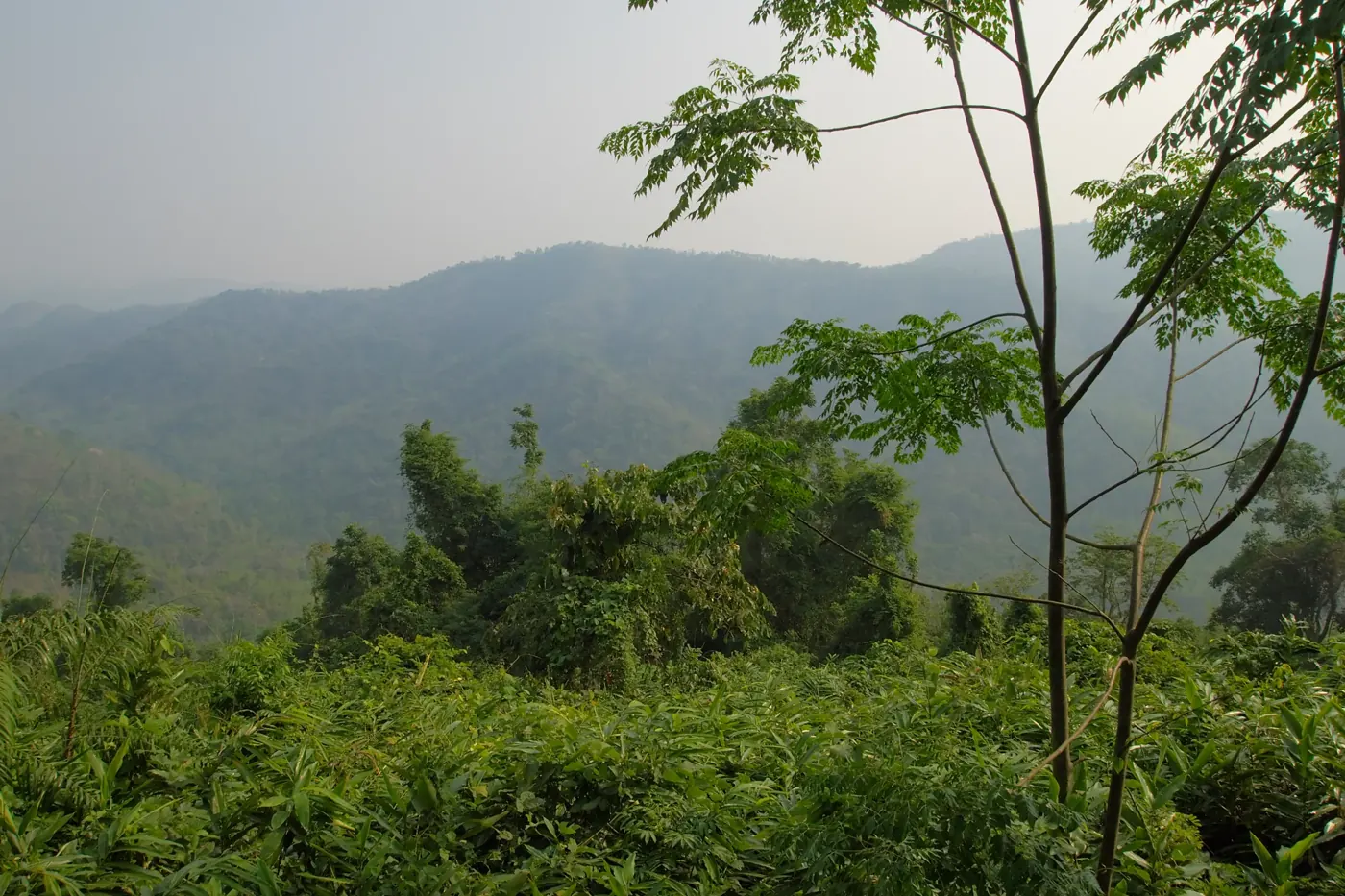
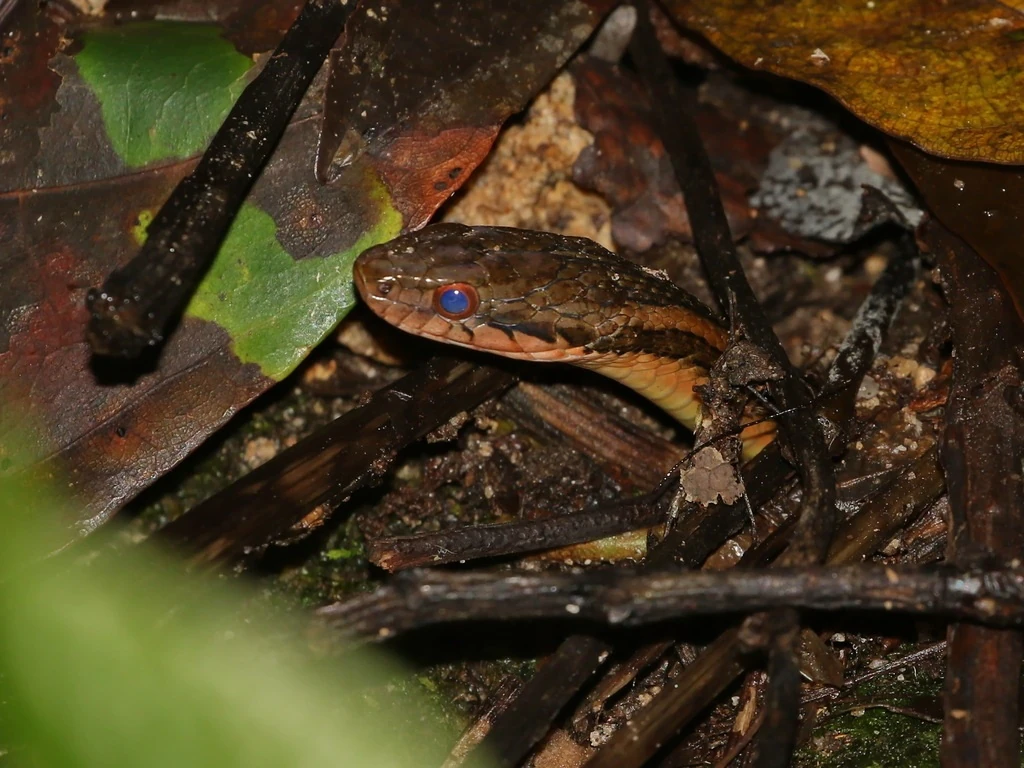
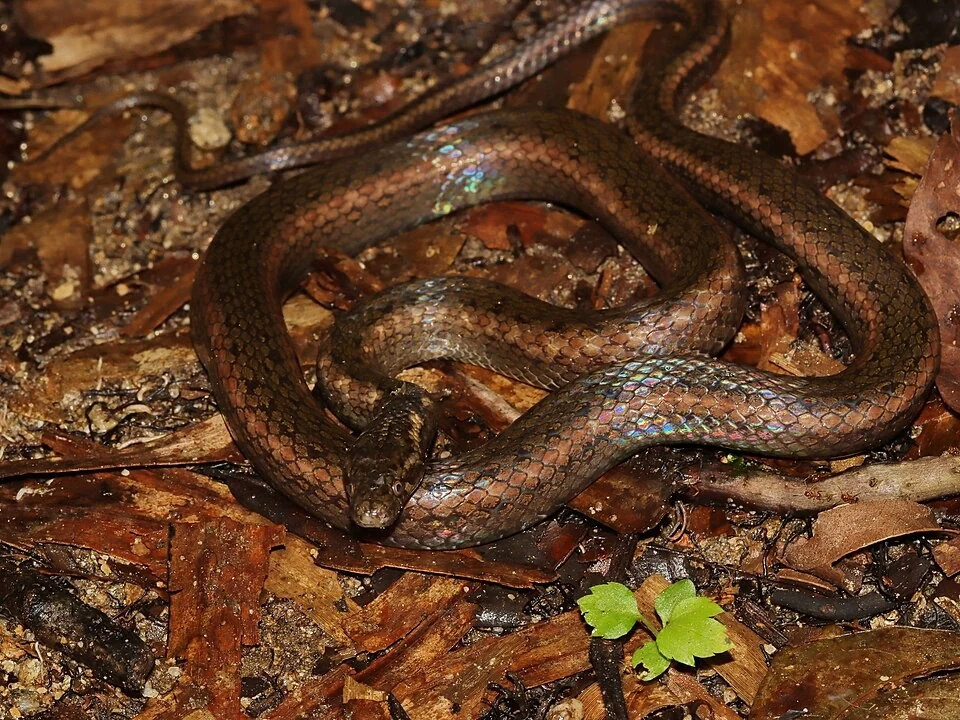
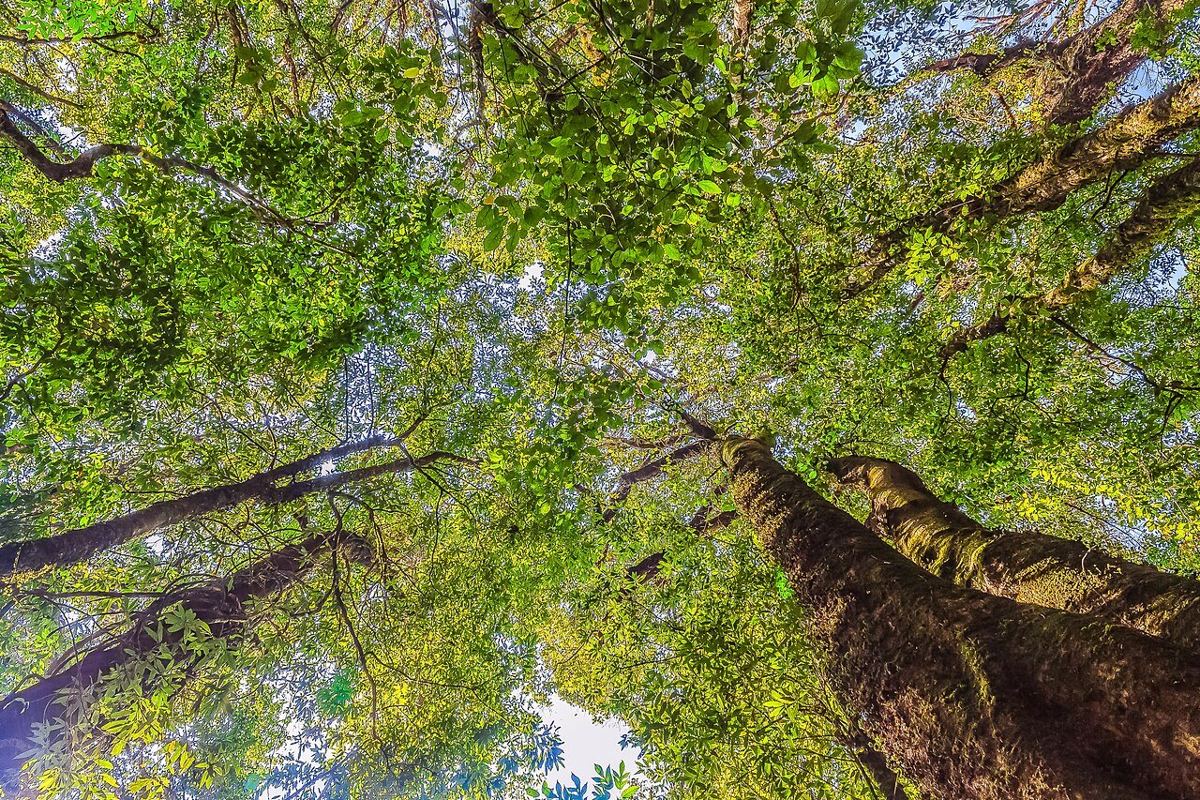
Forest on the Kiew Mae Pan nature trail, Doi Inthanon National Park, northern Thailand.

Thailand · Place guide

Northern mountains

Mountain watersheds, limestone massifs and cultivated valleys frame northern Thailand.

36species with extracted evidence
6families
6region guides

Forest on the Kiew Mae Pan nature trail, Doi Inthanon National Park, northern Thailand.

Photograph: Kwhisky · Image source · CC BY-SA 4.0. Cropped to fill the hero; darkened for text legibility.

Geography & biotopes

Read the landscape.

Mountain watersheds, limestone massifs and cultivated valleys frame northern Thailand.

Doi Inthanon provides a montane evergreen-forest example; Doi Chiang Dao adds limestone and headwater environments. Compare local elevation and vegetation rather than treating all northern woodland as one habitat.

Ecological connections

Geographic proximity does not establish identical snake communities. A locality on one mountain remains a record for that place; its elevation and habitat description should travel with it.

Explore the setting

Use the mountain and karst guides to compare these settings. Follow established routes and retain the historical place names used by the original literature.

This guide indexes these source names: Chiang Mai, Chiang Rai, Mae Hong Son, Lamphun, Lampang, Phrae, Nan, Phayao, Uttaradit, Chieng Mai. A country-only record is not automatically assigned to this place. Map markers identify navigation destinations, not collection sites.

UNESCO: Dong Phayayen–Khao Yai Forest Complex →
Geography is part of the record

Find your way through Thailand.

Select a named region to open its evidence page. The complete directory below keeps every guide accessible, including places where locality evidence has not yet been extracted.

180 of 247 listed species have at least one indexed region record. 67 remain country-only. Even a nonzero count is not a complete regional inventory.

Habitats & living landscapes

Explore the living
landscapes.

Explore 6 guides to the environments, places and conservation pressures that shape this country. Each guide connects to the regional map and shared species accounts.

Landscape photographs & credits

Forested hills in Khao Yai National Park, Thailand. — Vyacheslav Argenberg. Original photograph · CC BY 4.0. Cropped for the cards; photographs do not establish snake occurrence.

Forest on the Kiew Mae Pan nature trail, Doi Inthanon National Park, northern Thailand. — Kwhisky. Original photograph · CC BY-SA 4.0. Cropped for the cards; photographs do not establish snake occurrence.

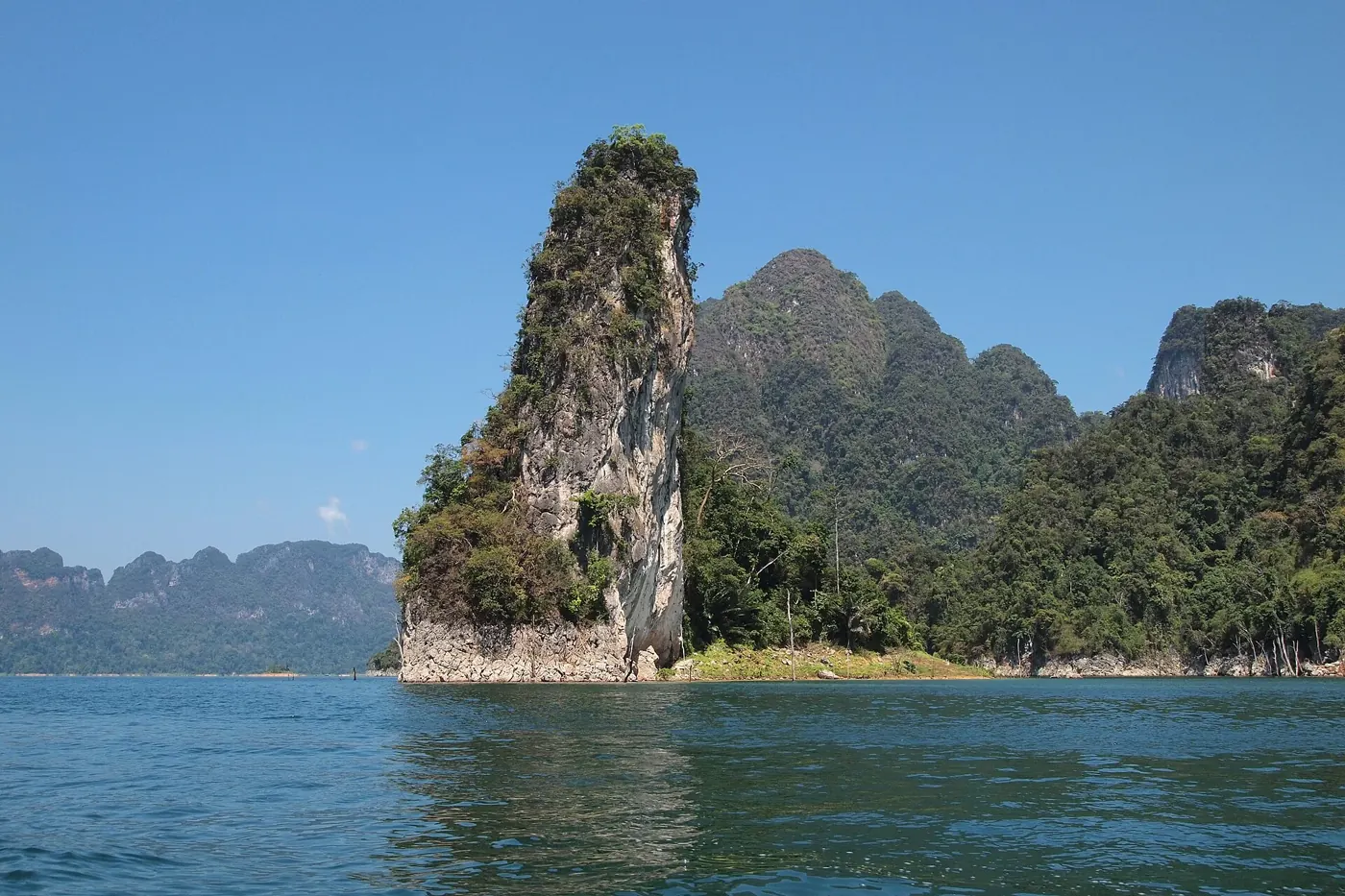
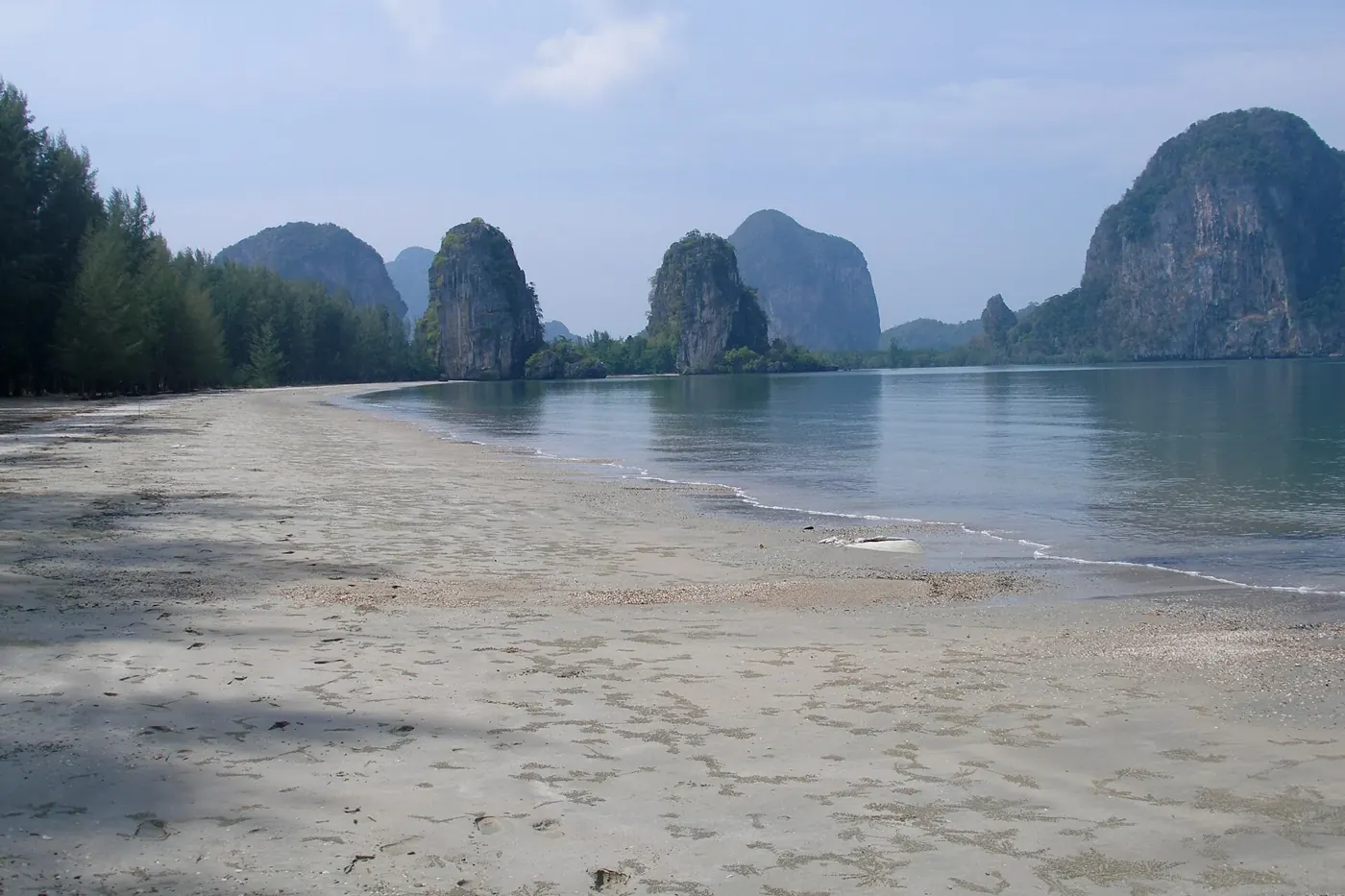
Limestone towers on Cheow Lan Lake, Khao Sok, Thailand. — Vyacheslav Argenberg. Original photograph · CC BY 4.0. Cropped for the cards; photographs do not establish snake occurrence.

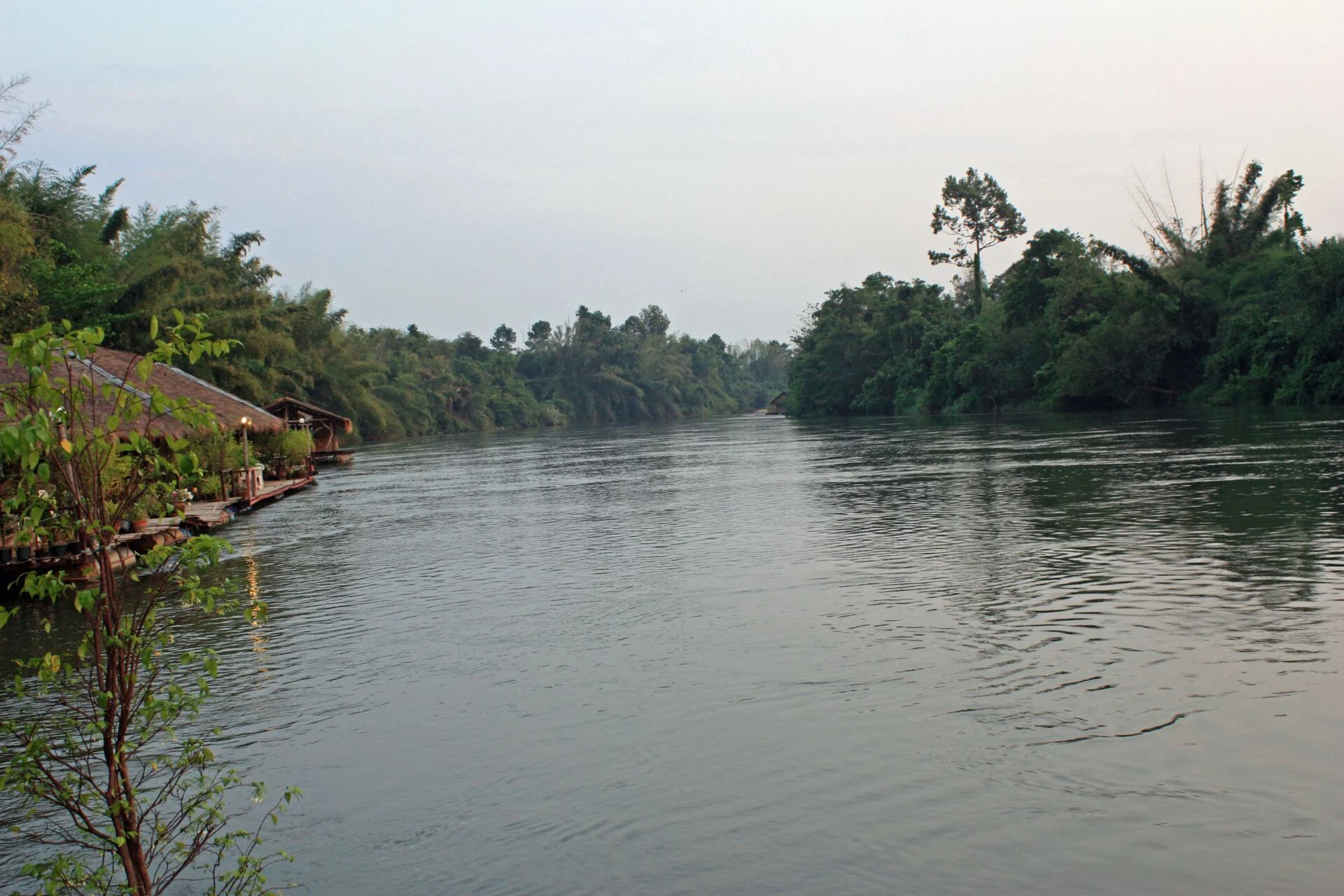
The Khwae Noi River in Thailand. — Aleksasfi. Original photograph · Public domain. Cropped for the cards; photographs do not establish snake occurrence.

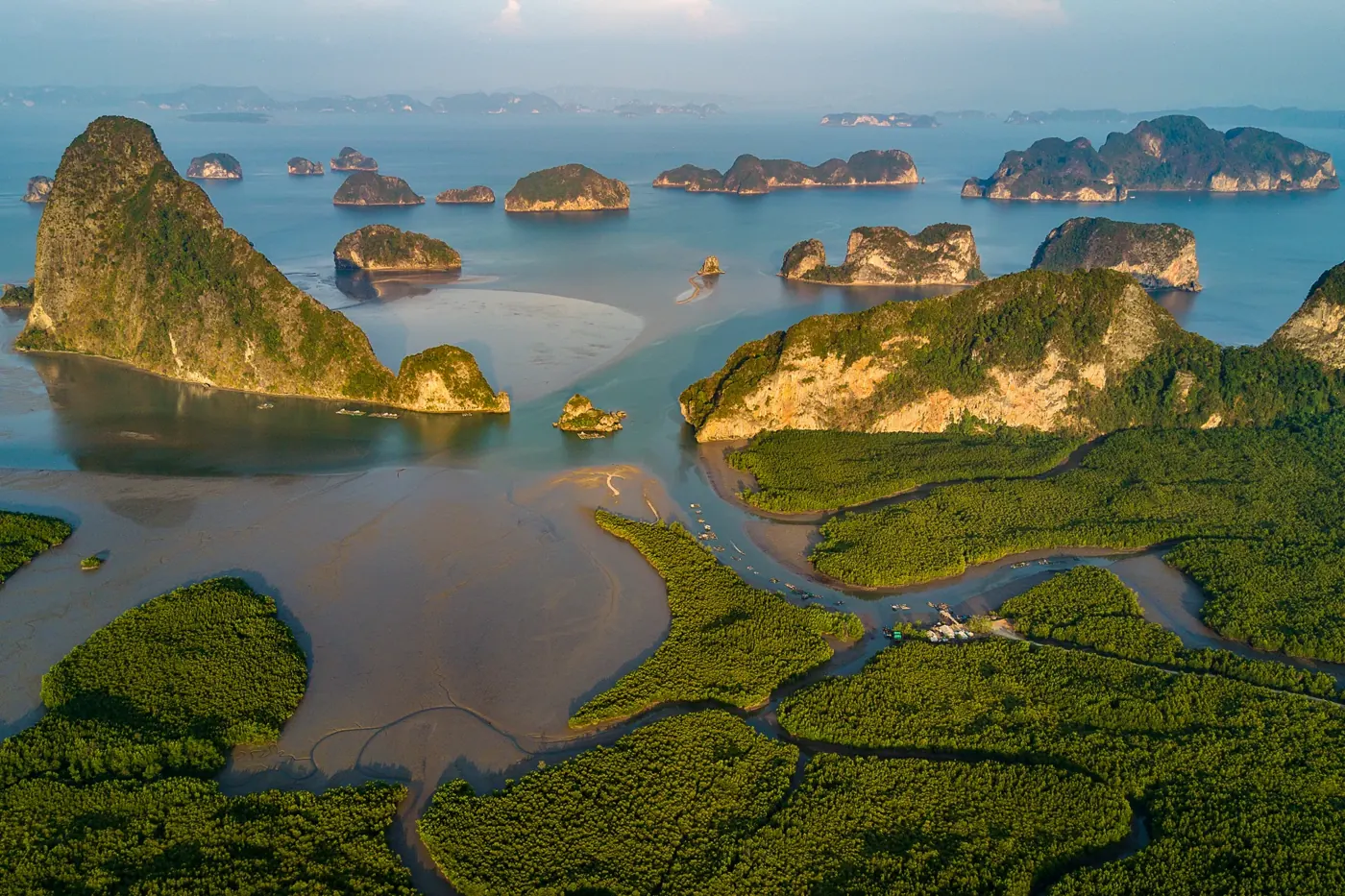
Mangrove channels and limestone islands in Phang Nga Bay, Thailand. — Stéphane Bidouze. Original photograph · CC BY-SA 4.0. Cropped for the cards; photographs do not establish snake occurrence.

Rajamangala Bay on the Andaman coast of Trang, Thailand. — Vyacheslav Argenberg. Original photograph · CC BY 4.0. Cropped for the cards; photographs do not establish snake occurrence.

The species catalogue

Snakes · Northern mountains.

Only records naming this place appear below. These are extracted locality records, not complete island or regional inventories.

36 species · showing 24

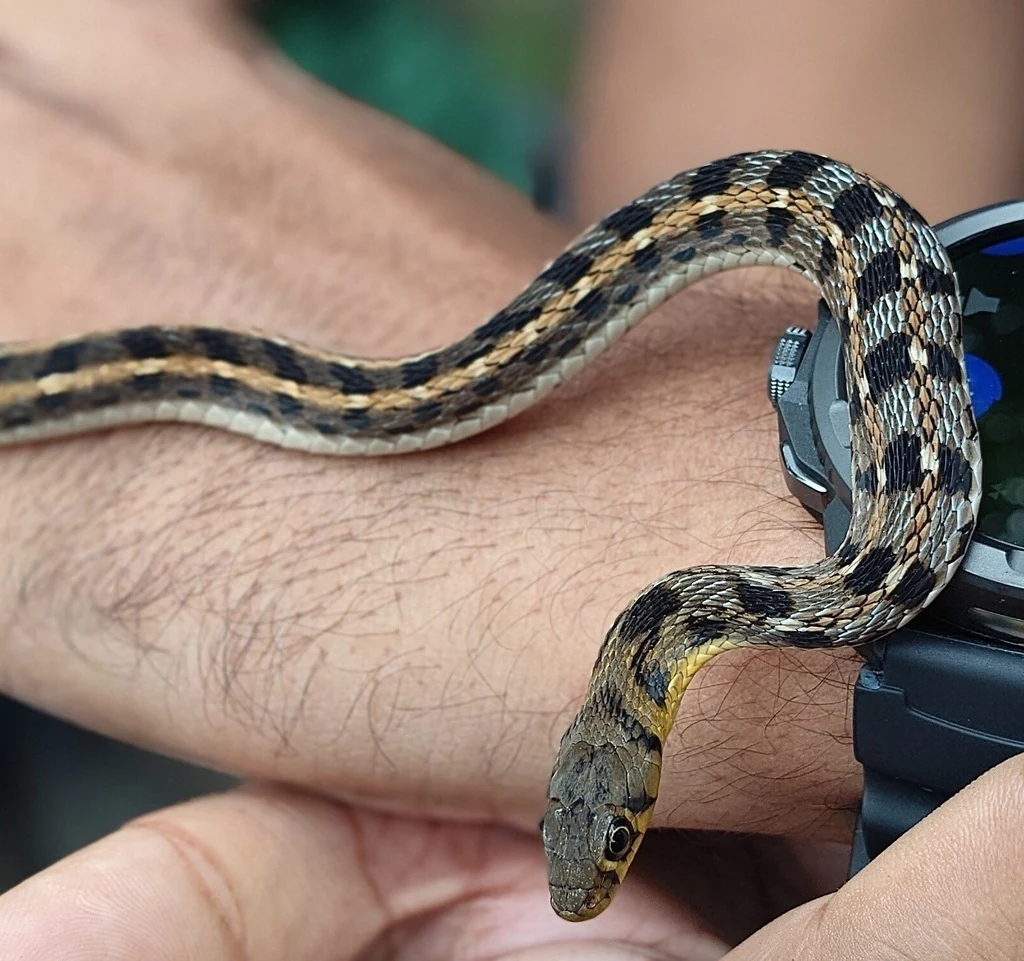
Amphiesma stolatum — India, 2026-09-05. The snake is being held for the photograph.

001 · Colubridae

Buff Striped Keelback

Amphiesma stolatum

(LINNAEUS, 1758)

Non-venomous

Thailand: country-level record; no named guide locality extracted. The Thai government Red Data account (2005, p. 147) documents these named Thai localities. These are historical locality records, not a complete present-day range survey.

Read the species account →

Subhadra Devi · CC BY 4.0 · https://creativecommons.org/licenses/by/4.0/

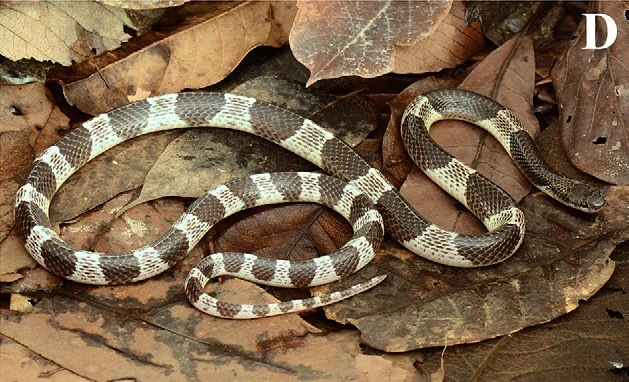
Bungarus candidus — photographed at Batu Hampar Recreational Forest, Kedah, Malaysia (Hong et al. 2021).

002 · Elapidae

Blue Krait

Bungarus candidus

(LINNAEUS, 1758)

VenomousPotentially life-threatening

Thailand: country-level record; no named guide locality extracted. The Thai government Red Data account (2005, p. 151) documents these named Thai localities. These are historical locality records, not a complete present-day range survey.

Read the species account →

Zijia Hong, Shahrul Anuar, L. Lee Grismer and Evan S. H. Quah (2021) · CC BY 4.0 · https://creativecommons.org/licenses/by/4.0/

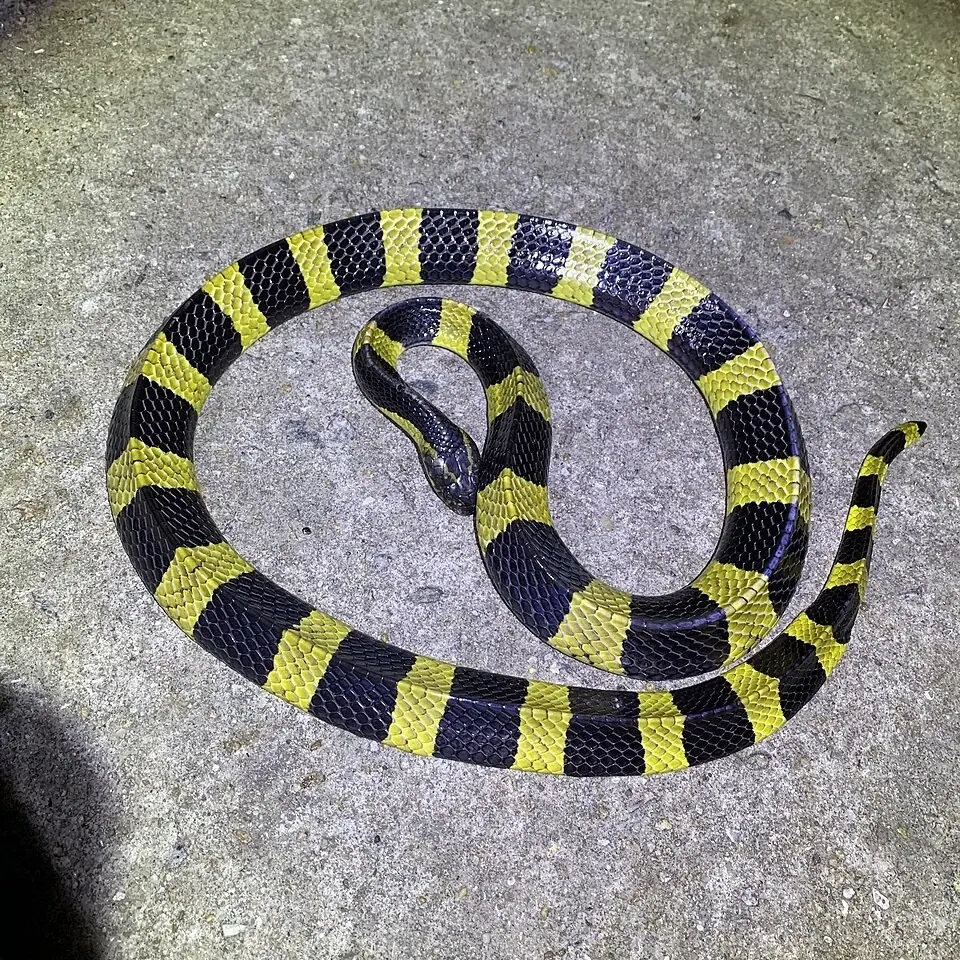
Bungarus fasciatus — real specimen photograph; identification follows the linked source.

003 · Elapidae

Banded Krait

Bungarus fasciatus

(SCHNEIDER, 1801)

VenomousPotentially life-threatening

Thailand: country-level record; no named guide locality extracted. The Thai government Red Data account (2005, p. 151–152) documents these named Thai localities. These are historical locality records, not a complete present-day range survey.

Read the species account →

灯管儿 · CC BY 4.0 · https://creativecommons.org/licenses/by/4.0

Bungarus slowinskii — real specimen photograph; identification follows the linked source.

004 · Elapidae

Red River Krait

Bungarus slowinskii

KUCH, KIZIRIAN, NGUYEN, LAWSON, DONNELLY & MEBS, 2005

VenomousClinical severity not established

Thailand: Nan.

Read the species account →

Chris Oldnall · CC BY-SA 4.0 · https://creativecommons.org/licenses/by-sa/4.0

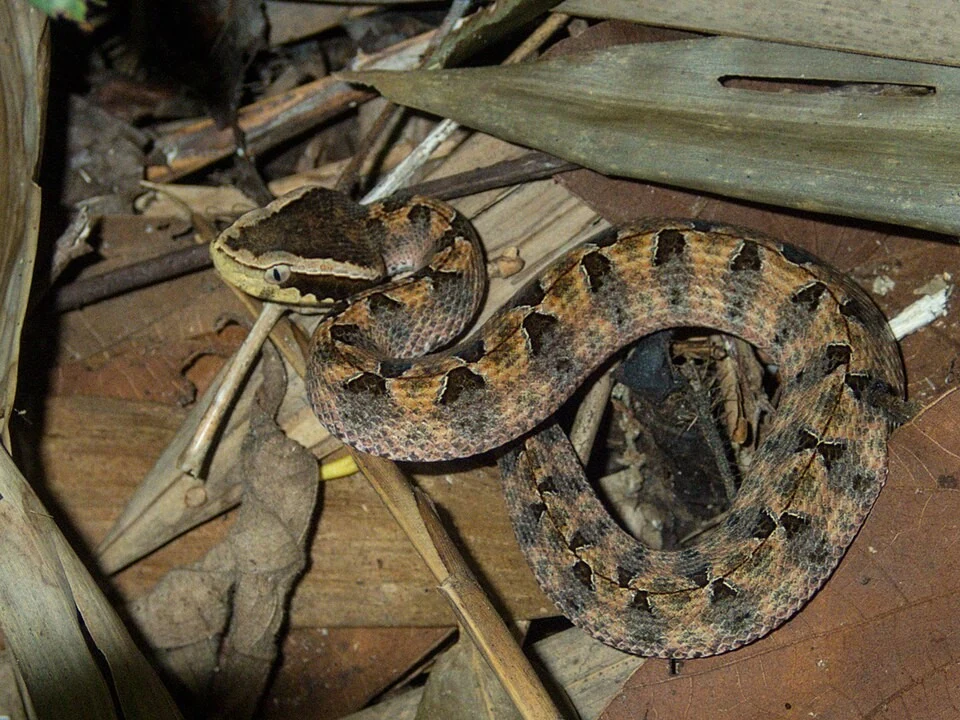
Calloselasma rhodostoma — real specimen photograph; identification follows the linked source.

005 · Viperidae

Malayan Pit Viper

Calloselasma rhodostoma

(KUHL, 1824)

VenomousPotentially life-threatening

Thailand: country-level record; no named guide locality extracted. The Thai government Red Data account (2005, p. 153–154) documents these named Thai localities. These are historical locality records, not a complete present-day range survey.

Read the species account →

Gerard Chartier · CC BY 4.0 · https://creativecommons.org/licenses/by/4.0

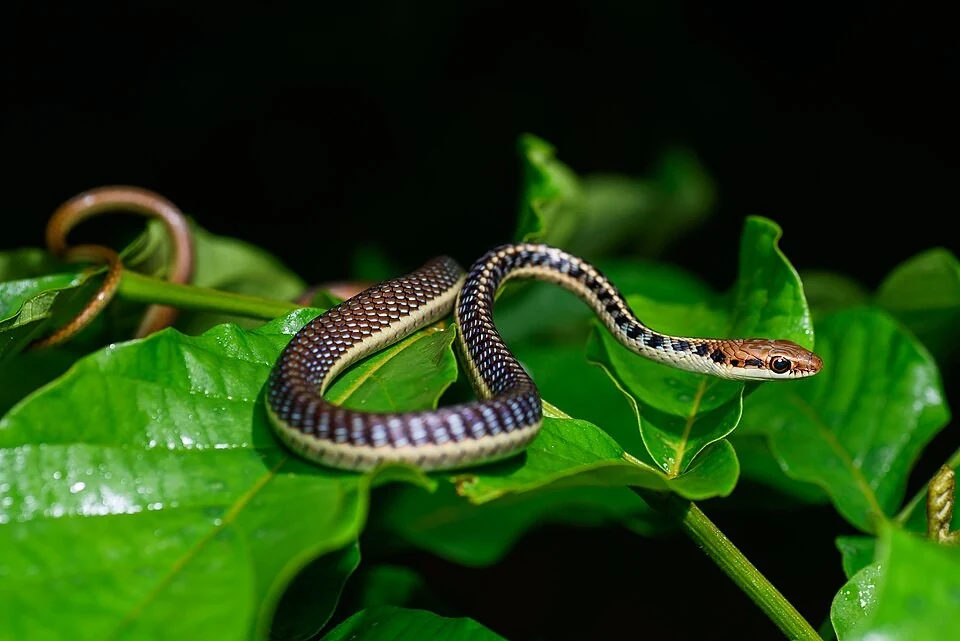
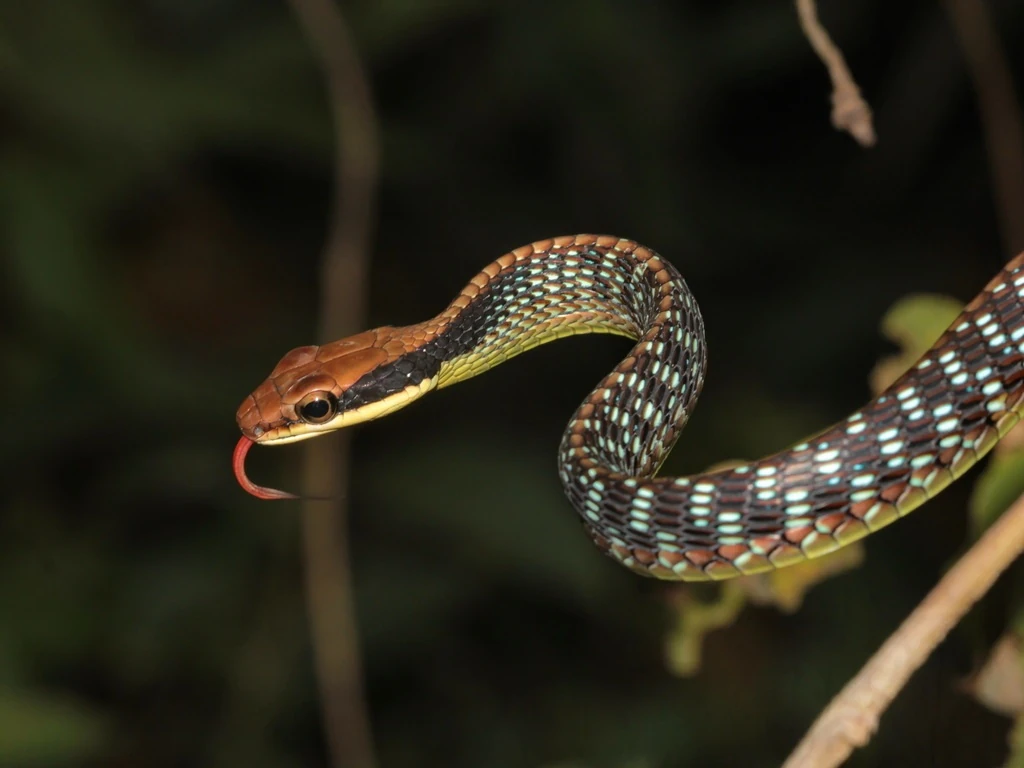
Dendrelaphis subocularis — real specimen photograph; identification follows the linked source.

006 · Colubridae

Mountain Bronzeback

Dendrelaphis subocularis

(BOULENGER, 1888)

Non-venomous

Thailand: country-level record; no named guide locality extracted. The Thai government Red Data account (2005, p. 139) documents these named Thai localities. These are historical locality records, not a complete present-day range survey.

Read the species account →

Rushenb · CC BY-SA 4.0 · https://creativecommons.org/licenses/by-sa/4.0

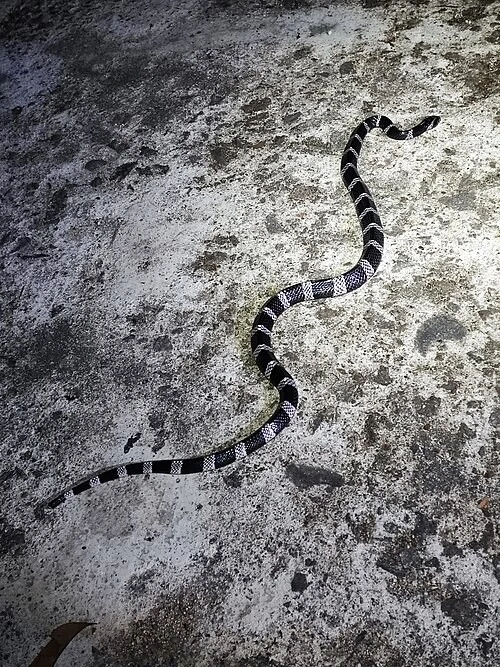
Dinodon septentrionalis. Identification follows the linked source community.

008 · Colubridae

White-banded Wolf Snake, Northern Large-toothed Snake

Dinodon septentrionalis

(GÜNTHER, 1875)

Non-venomous

Thailand: country-level record; no named guide locality extracted. The Thai government Red Data account (2005, p. 161) documents these named Thai localities. The source uses the name Dinodon septentrionale. These are historical locality records, not a complete present-day range survey.

Read the species account →

Ashwin Viswanathan · CC BY 4.0 · https://creativecommons.org/licenses/by/4.0/

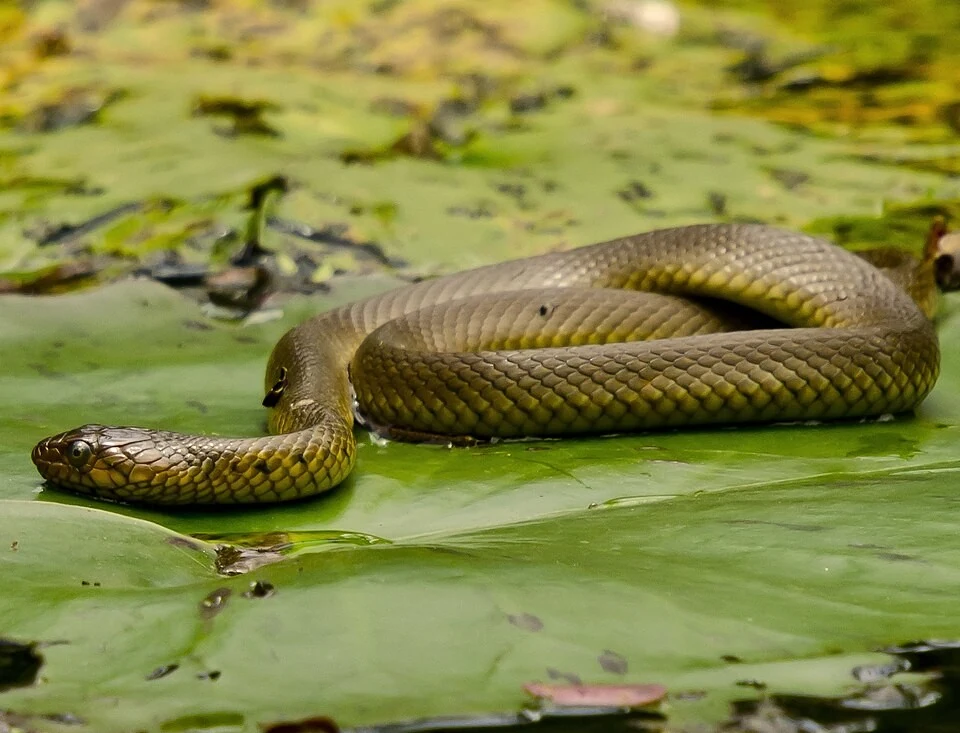
Enhydris enhydris — real specimen photograph; identification follows the linked source.

009 · Homalopsidae

Rainbow Mud Snake

Enhydris enhydris

(SCHNEIDER, 1799)

VenomousClinical severity not established

Thailand: country-level record; no named guide locality extracted. The Thai government Red Data account (2005, p. 145) documents these named Thai localities. These are historical locality records, not a complete present-day range survey.

Read the species account →

Srikaanth Sekar · CC BY 2.0 · https://creativecommons.org/licenses/by/2.0

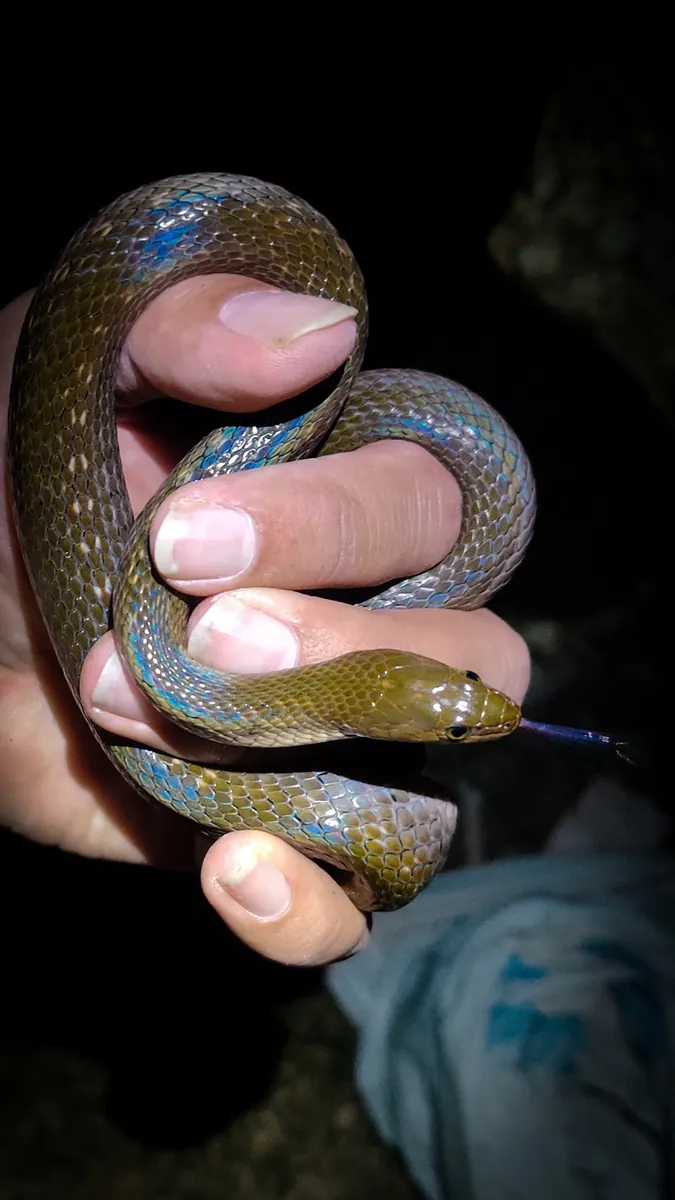
Living animal held by the observer, photographed at Kambipura, Karnataka, India, on 19 January 2021.

010 · Colubridae

Asiatic Water Snakes, Checkered Keelback

Fowlea piscator

(SCHNEIDER, 1799)

Venom unknownNot yet assessed

Thailand: Nan.

Read the species account →

Chayant Gonsalves / iNaturalist · CC BY 4.0 · https://creativecommons.org/licenses/by/4.0/

Hebius bitaeniatus. Identification follows the linked source community.

013 · Colubridae

Kutkai Keelback

Hebius bitaeniatus

(WALL, 1925)

Non-venomous

Thailand: country-level record; no named guide locality extracted. The Thai government Red Data account (2005, p. 163) documents these named Thai localities. The source uses the name Amphiesma bitaeniatum. These are historical locality records, not a complete present-day range survey.

Read the species account →

Ian Dugdale · CC BY 4.0 · https://creativecommons.org/licenses/by/4.0/

Hebius deschauenseei — real specimen photograph; identification follows the linked source.

014 · Colubridae

Northern Keelback, Deschauensee’s Keelback

Hebius deschauenseei

(TAYLOR, 1934)

Non-venomous

Thailand: Chiang Mai, Chiang Rai, Chieng Mai; Uthai Thani.

Read the species account →

Ian Dugdale · CC BY 4.0 · https://creativecommons.org/licenses/by/4.0

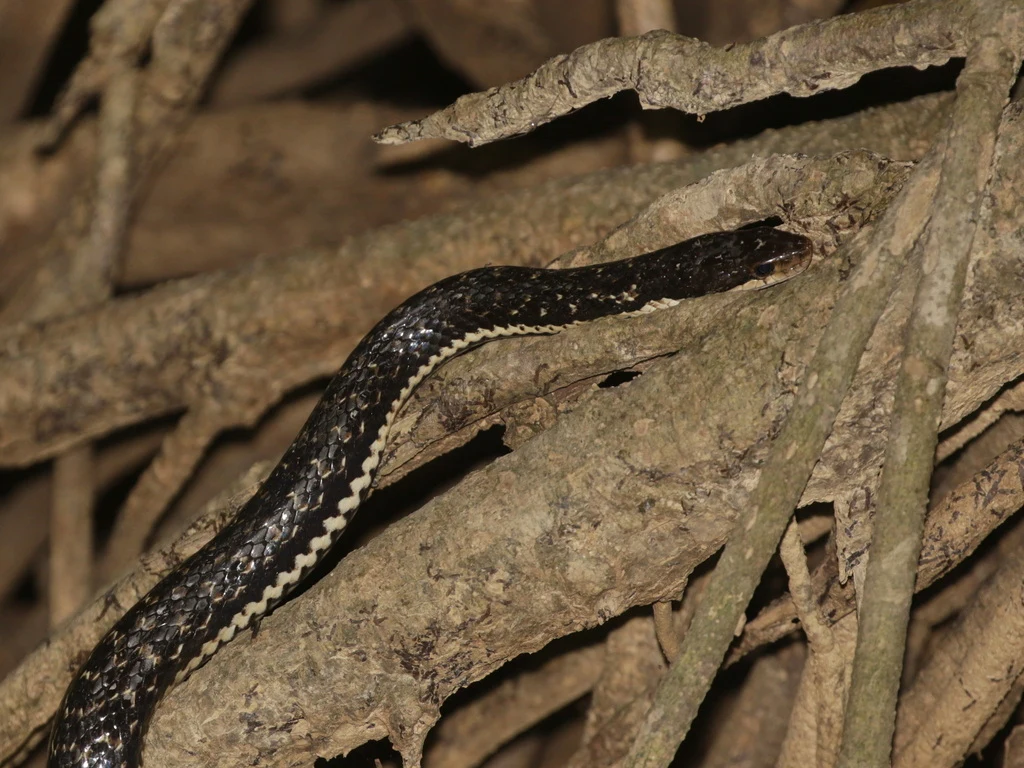
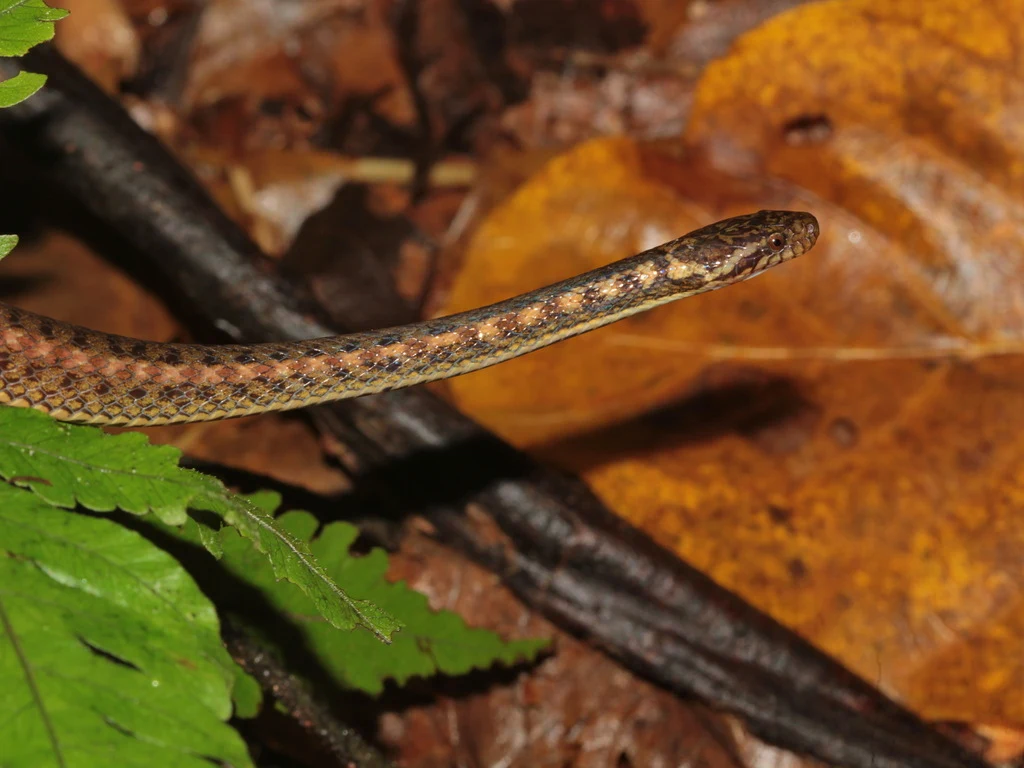
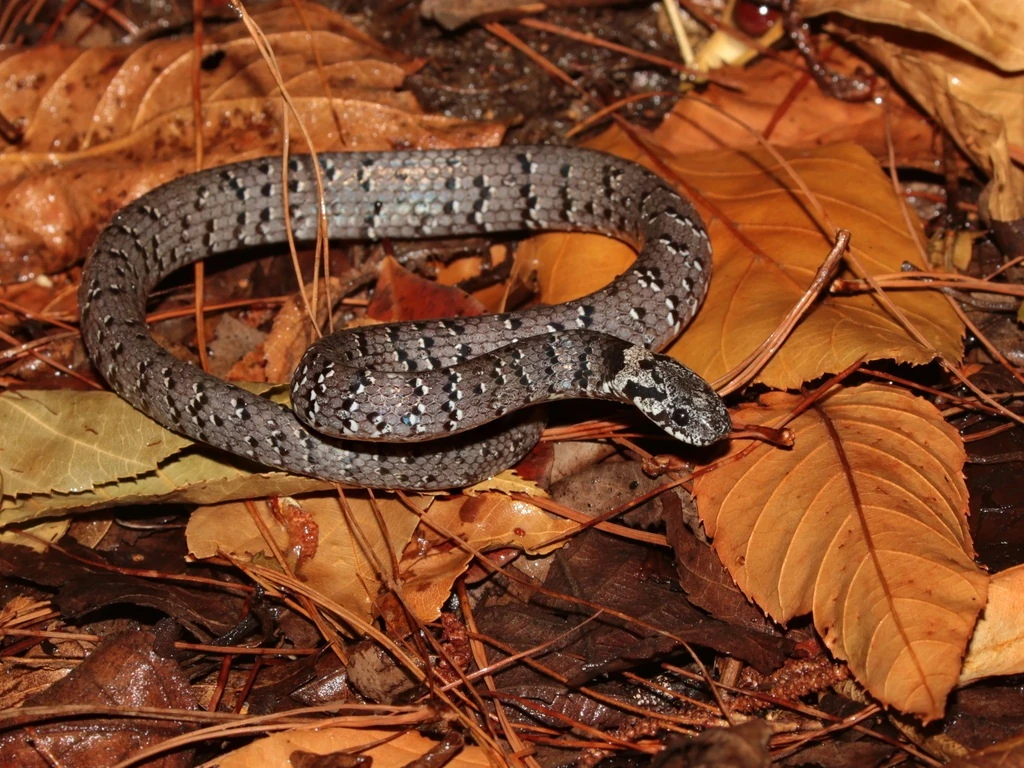
Hebius igneus. Head and anterior body photographed among leaves. Original observation dated 2020-08-22. Photograph identification follows the cited observation; it adds no geographic occurrence record.

015 · Colubridae

Species account

Hebius igneus

DAVID, VOGEL, NGUYEN, ORLOV, PAUWELS, TEYNIÉ & ZIEGLER, 2021

Non-venomous

Thailand: Nan.

Read the species account →

Ian Dugdale · CC BY 4.0 · https://creativecommons.org/licenses/by/4.0/

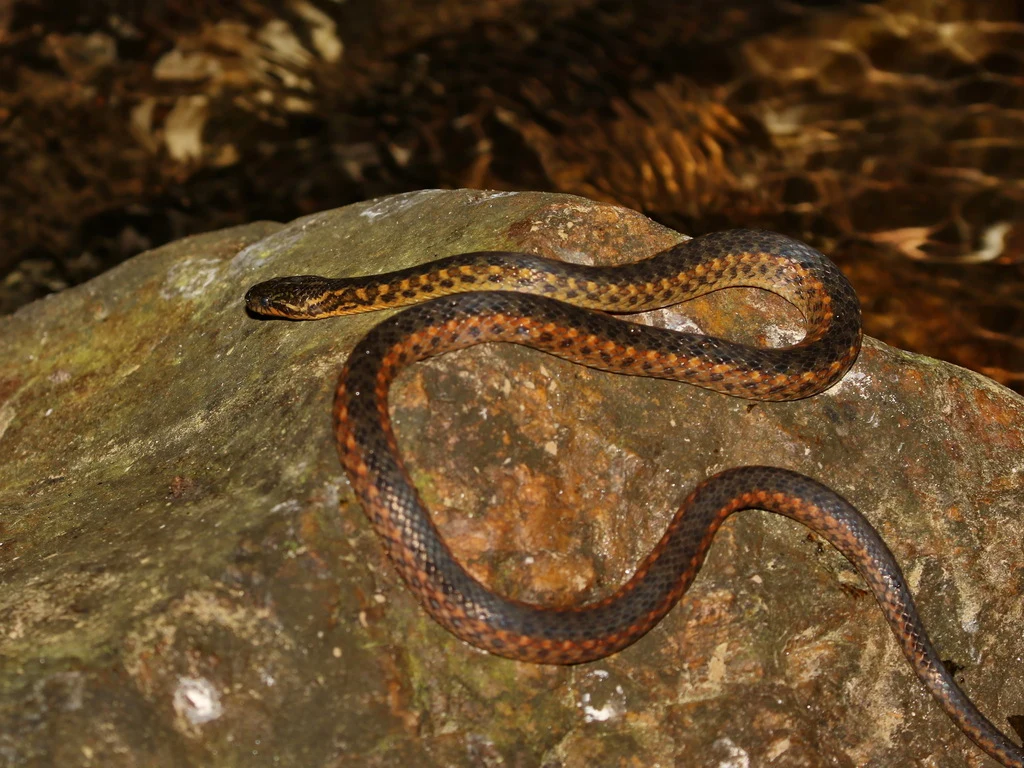
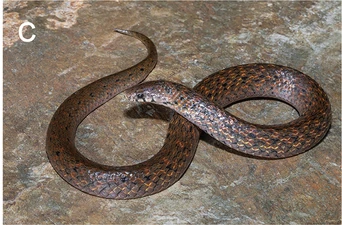
Hebius terrakarenorum. Whole individual photographed on rock. Original observation dated 2021-03-09. Photograph identification follows the cited observation; it adds no geographic occurrence record.

016 · Colubridae

Species account

Hebius terrakarenorum

HAUSER, SMITS & DAVID, 2022

Non-venomous

Thailand: Chiang Mai, Mae Hong Son; Kanchanaburi, Tak.

Read the species account →

Ian Dugdale · CC BY 4.0 · https://creativecommons.org/licenses/by/4.0/

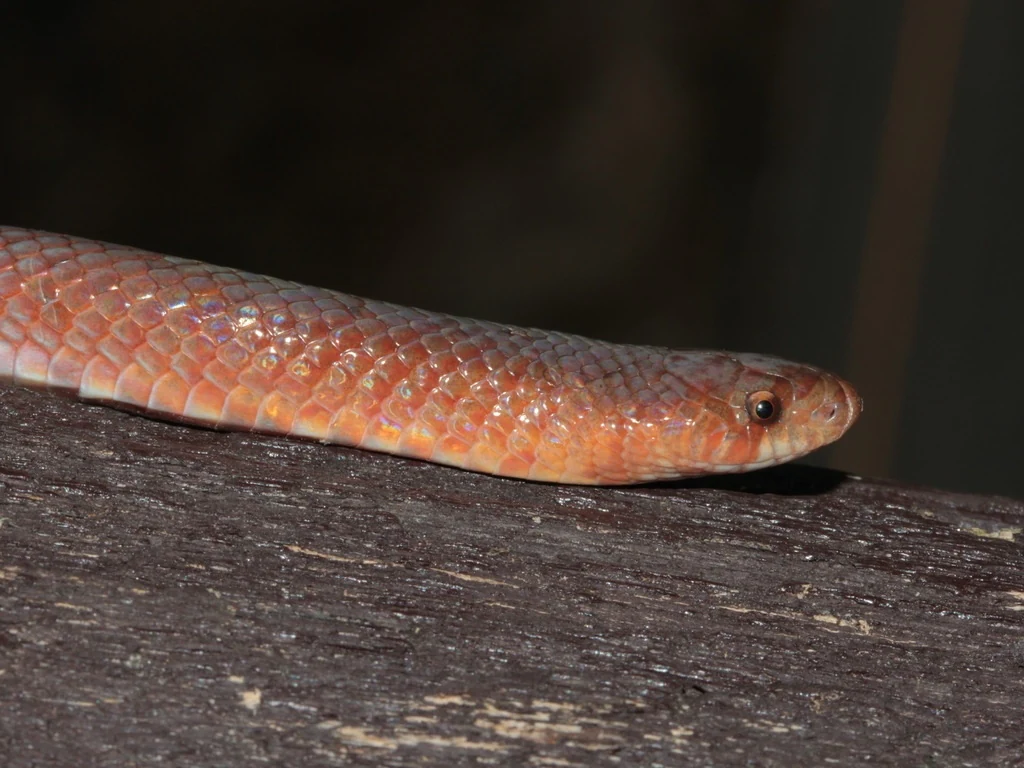
Indotyphlops braminus — photographed on Ko Pha-ngan, Thailand.

017 · Typhlopidae

Flowerpot Snake

Indotyphlops braminus

(DAUDIN, 1803)

Non-venomous

Thailand: Nan. The 2021–2023 field survey documented this species on Ko Pha-ngan, Surat Thani (published 2026, Table 1 and species treatment). This island record does not delimit its wider Thai range.

Read the species account →

Cook-Price, Makchai & Suwanwaree (2026); photographs credited collectively to the author, James Covert and Vikas Kumar · CC BY 4.0 · https://creativecommons.org/licenses/by/4.0/

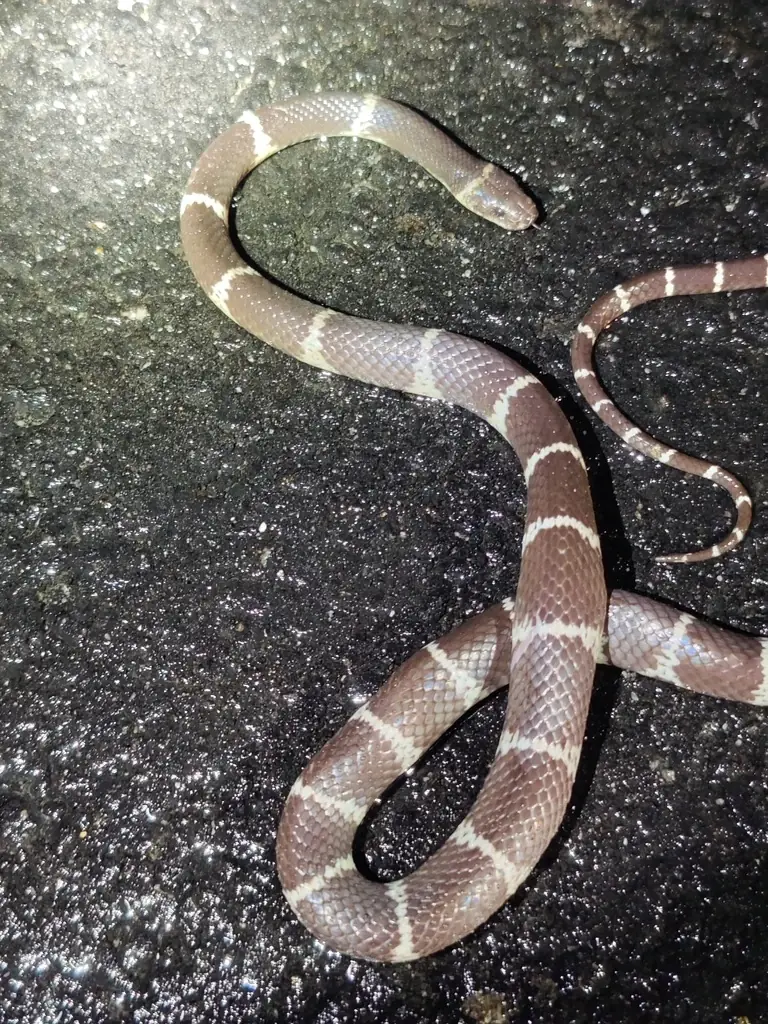
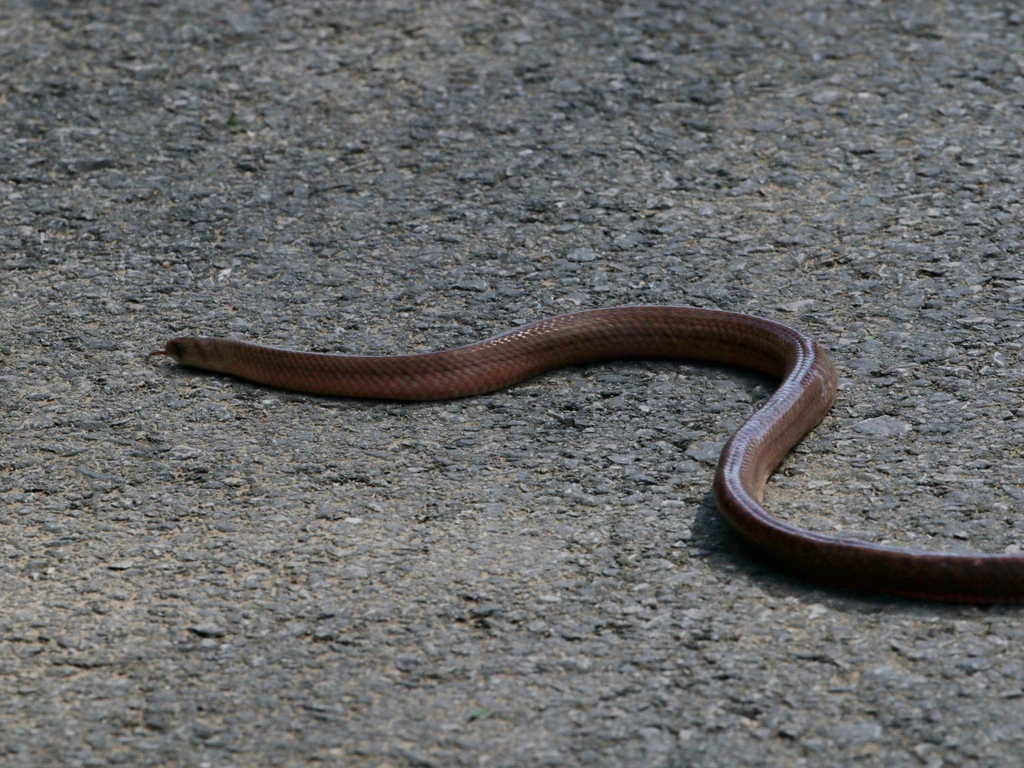
Oligodon cinereus — Thailand, 2014-11-28. The source obscures locality; only the public country label is retained.

019 · Colubridae

Günther's Kukri Snake, Ashy Kukri Snake

Oligodon cinereus

(GÜNTHER, 1864)

Non-venomous

Thailand: country-level record; no named guide locality extracted. The Thai government Red Data account (2005, p. 142) documents these named Thai localities. These are historical locality records, not a complete present-day range survey.

Read the species account →

Ian Dugdale · CC BY 4.0 · https://creativecommons.org/licenses/by/4.0/

Oligodon joynsoni. Photographed alive. Source community identification; no new geographic occurrence record is inferred.

020 · Colubridae

Gray Kukri Snake, Joynson’s Kukri Snake

Oligodon joynsoni

(SMITH, 1917)

Non-venomous

Thailand: country-level record; no named guide locality extracted. The Thai government Red Data account (2005, p. 142–143) documents these named Thai localities. These are historical locality records, not a complete present-day range survey.

Read the species account →

Ian Dugdale · CC BY 4.0 · https://creativecommons.org/licenses/by/4.0/

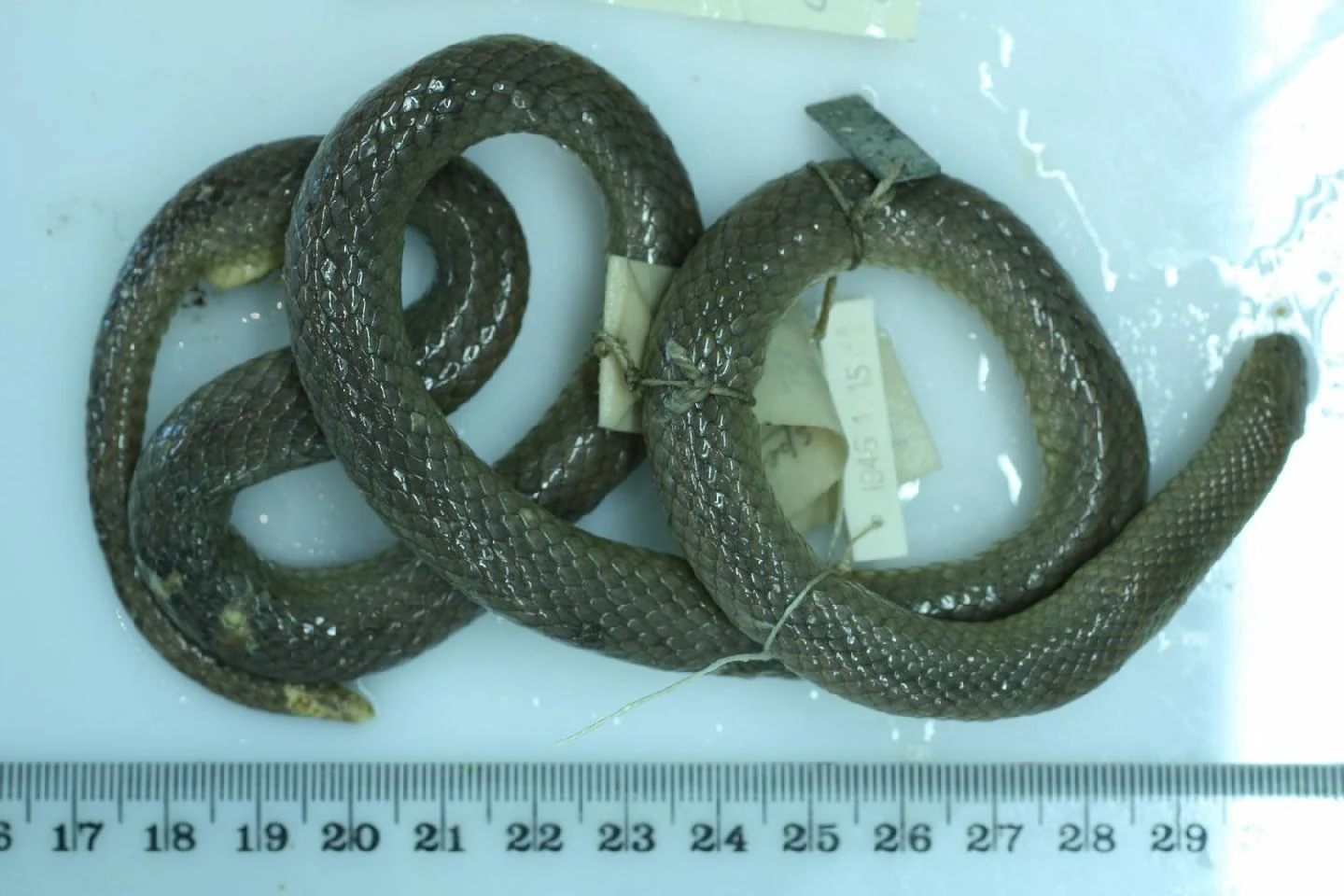
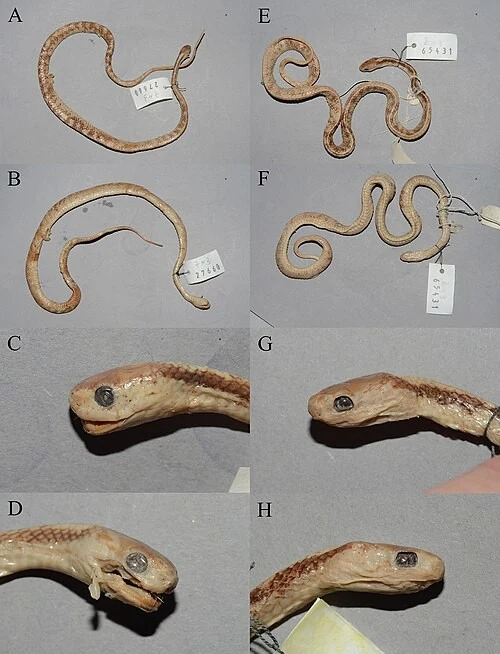
Opisthotropis spenceri. Preserved museum specimen, Natural History Museum, London, 1946.1.15.31. Colours may have changed in preservative. This collection image adds no geographic occurrence record.

021 · Colubridae

Spencer’s Stream Snake, Smith's Mountain Keelback

Opisthotropis spenceri

SMITH, 1918

Venom unknownNot yet assessed

Thailand: Lampang.

Read the species account →

Patrick Campbell / The Trustees of the Natural History Museum, London · CC BY 4.0 · https://creativecommons.org/licenses/by/4.0/

Explore all 247 country records →

The research library

Sources & the checklist.

This edition lists 247 species with supported country records from checked taxonomic treatments and cited field studies. It is not a claim of a complete national inventory. Each account retains its source and check date; individual evidence entries retain their own review dates.

Range and taxonomy review

Country links use a single accepted species identity. Revised names and disputed records are kept visible here; uncertain records do not enter the listed collection or regional totals.

Hydrophis nigrocinctus

Uncertain — excluded from the listed total

The reviewed historical Patani specimens were reidentified as H. klossi; they cannot confirm H. nigrocinctus in Thailand.

Source 1 ↗

Hypsiscopus wettsteini

Uncertain — excluded from the listed total

The earlier broad distribution included Thailand, but the 2024 revision separates western populations as H. murphyi. A Thai record of H. wettsteini in the revised sense has not been established.

Source 1 ↗

Source 2 ↗

Trimeresurus nebularis

Uncertain — excluded from the listed total

Pawangkhanant et al. (2025) identifies the southern Thai reports as likely misidentifications of Trimeresurus sabahi. They are excluded from the confirmed Thai count pending verification.

Source 1 ↗

Source 2 ↗

Trimeresurus sabahi

Supported country occurrence

The 2024 revision treats fucatus as a subspecies of Trimeresurus sabahi. The checked fucatus treatment documents this country; it is counted once under the existing T. sabahi species record. The current fucatus treatment lists these Thai provinces; the 2024 revision treats fucatus as a subspecies of T. sabahi. Probable additional southern records are not assigned to provinces. The 2024 revision records the fucatus type locality as Nakhon Si Thammarat and resolves its current placement under T. sabahi.

Source 1 ↗

Source 2 ↗

Source 3 ↗

Calliophis intestinalis

Supported country occurrence

Thai occurrence is explicitly listed in the taxonomic treatment and independently documented in the 2026 Thai coral-snake cohort (seven C. intestinalis lineata cases). This resolves the earlier generic search-exclusion entry. The Thai government Red Data account (2005, p. 113) documents these named Thai localities. The source uses the name Calliophis intestinalis lineata. These are historical locality records, not a complete present-day range survey.

Source 1 ↗

Source 2 ↗

Source 3 ↗

Trimeresurus gumprechti

Liang et al. (2025) synonymized Trimeresurus gumprechti with T. yunnanensis. Historical names, locality evidence and the old URL are retained under one accepted species.

Taxonomic revision ↗
How the map and counts work

Search results were checked against distribution text and taxonomic qualifications. A geographic name alone does not establish a political country: New Guinea, the Solomon archipelago and Micronesia span more than one country or territory. Introduced and unresolved records require separate interpretation.

Place counts require explicit named localities, including valid type localities. Counts can overlap where sources name multiple places. Regional maps group historical boundary snapshots for navigation, while island outlines use Natural Earth; neither is a species range or an observation map. Small islands can be below the outline dataset’s resolution, so geographic reference markers and the directory remain available.

geoBoundaries 2017 snapshot · Open Data Commons Open Database License 1.0. Editorial groups of named provinces; not species ranges. Map provenance →

Exclusions & qualifications (5)

Gonyosoma prasinum

The treatment reassigns northern Thai populations to G. coeruleum.

Read source 1 ↗

Oligodon cyclurus

The treatment distinguishes O. fasciolatus and restricts O. cyclurus to India, Bangladesh and Myanmar.

Read source 1 ↗

Pareas hamptoni

The revised distribution is Myanmar and northwestern Vietnam, with possible Yunnan occurrence; a Thai record is not established.

Read source 1 ↗

Trimeresurus erythrurus

The treatment records disagreement about Thailand; this edition excludes the unresolved country record.

Read source 1 ↗

Trimeresurus stejnegeri

Thai specimens have been reassigned to T. vogeli and T. gumprechti.

Read source 1 ↗
  1. Smithsonian ForestGEO · Doi Inthanon ↗

    Long-term forest plot at 1,700 m and the local contrast between deciduous and montane evergreen forest.

  2. UNESCO · Doi Chiang Dao Biosphere Reserve ↗

    Limestone, elevation zones and Upper Ping watershed. Local habitat descriptions do not define snake ranges.

  3. UNESCO: Dong Phayayen–Khao Yai Forest Complex ↗
  4. The Reptile Database

    Individual treatments and locality evidence are linked from each species account.

  5. Meiri (2024): SquamBase 1.0

    Species-level literature measurements and ecological traits. Exact-name matches only; imputed or ambiguous fields are omitted. These summaries are not local observations.

  6. Natural Earth: public-domain geographic data

Continue through the Asia atlas →