Altered water and invasive species
The Songkhram assessment identifies water-management changes and invasive species among site pressures. The annual pattern of connection needs attention as well as permanent open water.
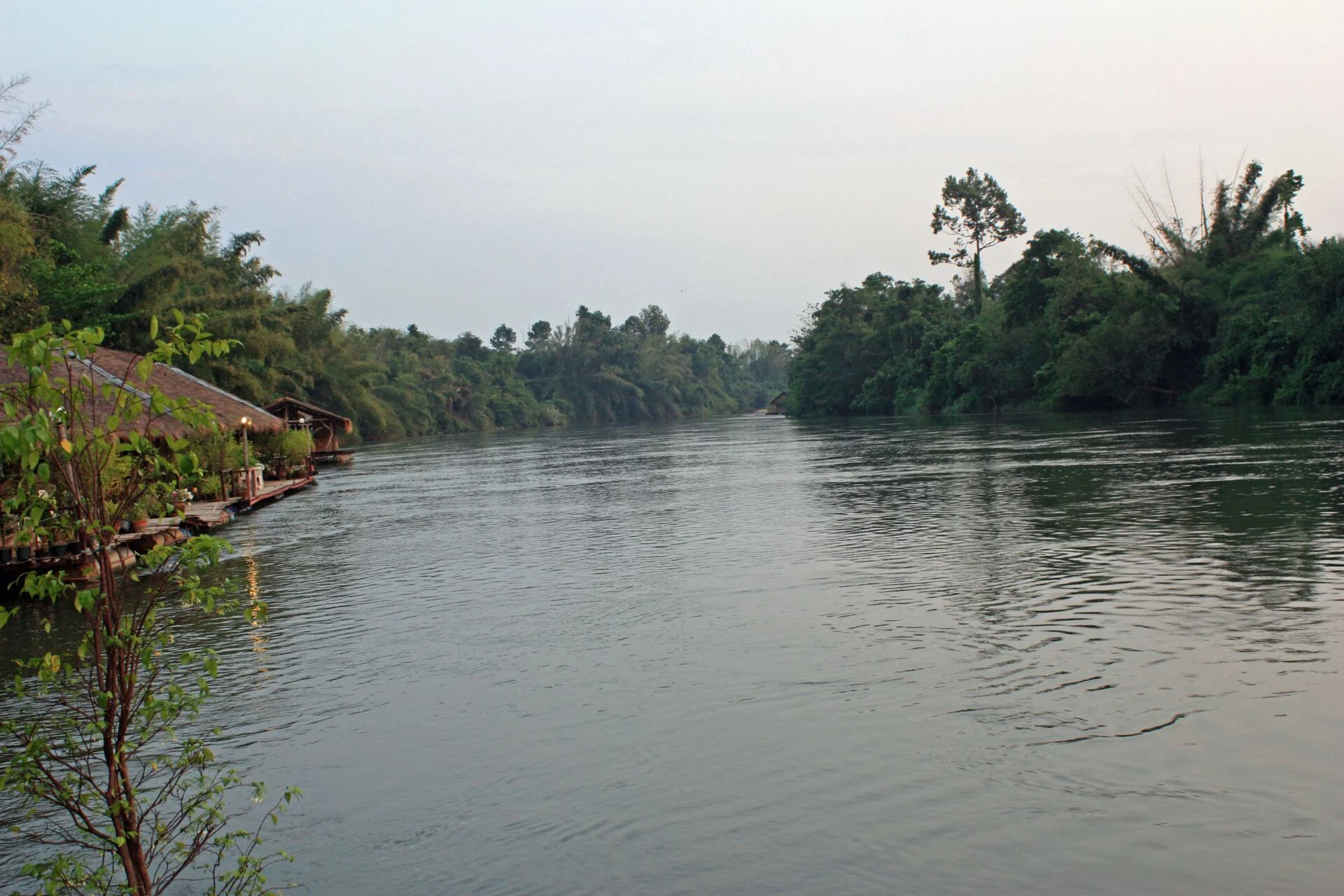
Thailand · Habitat field guide
Thailand’s river habitats include seasonal floodplains, marshes and managed lowlands. Their ecological boundaries move with water.
The Khwae Noi River in Thailand.
Understanding the environment
Thailand’s river habitats include seasonal floodplains, marshes and managed lowlands. Their ecological boundaries move with water.
Explore the structure · Follow the river into flooded vegetation and adjoining land.
Select a zone to see what changes.
Connected water
Observe flow and connections to side channels.
A map drawn in one season cannot show every period of inundation.
A conceptual habitat reading guide. The zones are not to scale and do not establish the presence of any snake at a particular site.
Sources: Ramsar · Lower Songkhram River (2020) · Ramsar · Khao Sam Roi Yot Wetland Information Sheet (2015)
Field notes · 01
Ramsar describes seasonal inundation in the Lower Songkhram basin, driven by rain and occasional Mekong backflow. River, floodplain and marsh habitats become connected during the wet phase.
A species record should retain the season and named locality where available. Do not use a country-wide freshwater tag as a prediction for the entire Mekong basin.
Field notes · 02
Khao Sam Roi Yot offers a western wetland example with documented pressures from aquaculture, recreation and agricultural effluent. Water management and adjacent land use belong in a habitat account.
The species collection may include stream-margin animals as well as aquatic specialists. Refer to the account before making claims about how much time a particular snake spends underwater.
Sources: Ramsar · Khao Sam Roi Yot Wetland Information Sheet (2015)
Pressures on Thailand’s habitats
The Songkhram assessment identifies water-management changes and invasive species among site pressures. The annual pattern of connection needs attention as well as permanent open water.
Khao Sam Roi Yot’s 2015 assessment lists agricultural effluent and aquaculture among adverse factors. It is a dated site baseline, not a present nationwide rate of wetland loss.
Sources: Ramsar · Khao Sam Roi Yot Wetland Information Sheet (2015)
Protect seasonal connections, water quality and vegetated margins. Evaluate upstream and adjoining land use before proposing wetland restoration.
The connected collection
These 36 species have supported country occurrence and an explicit habitat association in the shared account. The association may come from elsewhere in their range. This is not a complete local habitat inventory; the places above are landscape examples, not asserted collecting sites.
36 species · showing 24
001 · Acrochordidae
Little filesnake
Thailand: country-level record; no named guide locality extracted. The Thai government Red Data account (2005, p. 135) documents these named Thai localities. These are historical locality records, not a complete present-day range survey.
Read the species account →Mario Lutz · Copyright Mario Lutz. Authorised for display in this atlas; no third-party reuse licence granted.
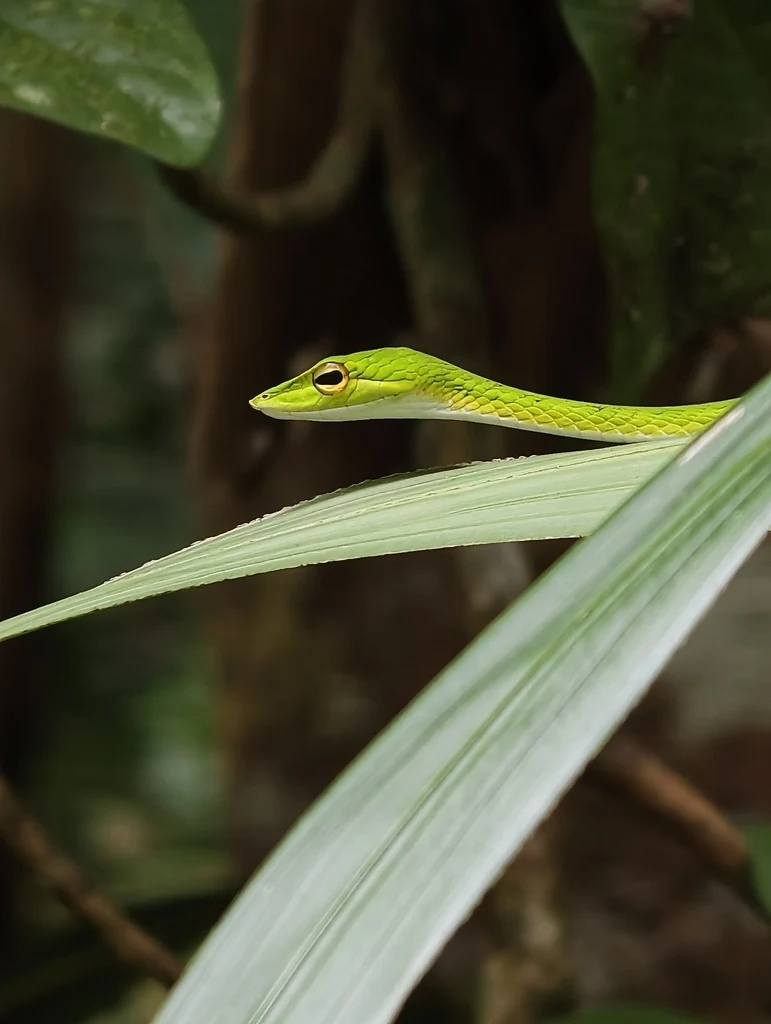
002 · Colubridae
Malayan (Green) Whipsnake
Thailand: country-level record; no named guide locality extracted.
Read the species account →Doreen · CC BY 4.0 · https://creativecommons.org/licenses/by/4.0/
003 · Elapidae
Spine-tailed seasnake
Thailand: country-level record; no named guide locality extracted. The 2012 revision lists museum voucher BMNH 1987.37 from Sai Buri, Thailand. This is a coastal specimen locality, not an inland or entire-province habitat claim.
Read the species account →004 · Colubridae
White-spotted Cat Snake
Thailand: Kanchanaburi. The Thai government Red Data account (2005, p. 137) documents these named Thai localities. These are historical locality records, not a complete present-day range survey.
Read the species account →Mario Lutz · Copyright Mario Lutz. Authorised for display in this atlas; no third-party reuse licence granted.
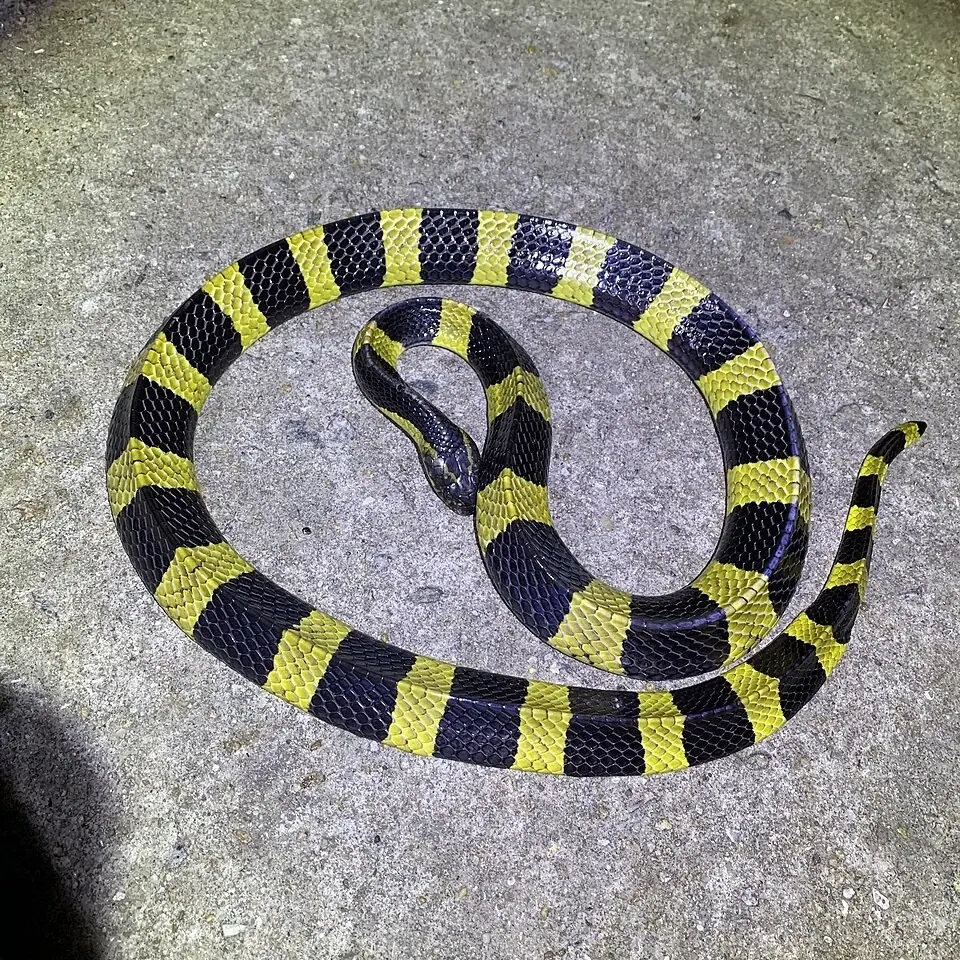
005 · Elapidae
Banded Krait
Thailand: country-level record; no named guide locality extracted. The Thai government Red Data account (2005, p. 151–152) documents these named Thai localities. These are historical locality records, not a complete present-day range survey.
Read the species account →灯管儿 · CC BY 4.0 · https://creativecommons.org/licenses/by/4.0
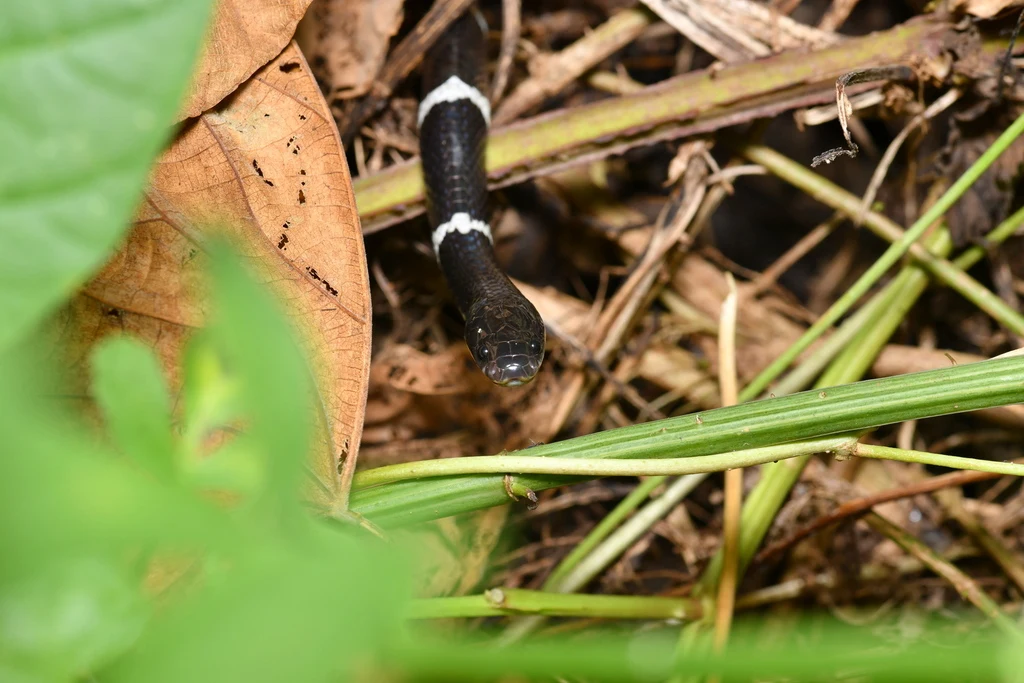
006 · Elapidae
Many-banded Krait
Thailand: country-level record; no named guide locality extracted.
Read the species account →Yung-Lun Lin · CC BY 4.0 · https://creativecommons.org/licenses/by/4.0/
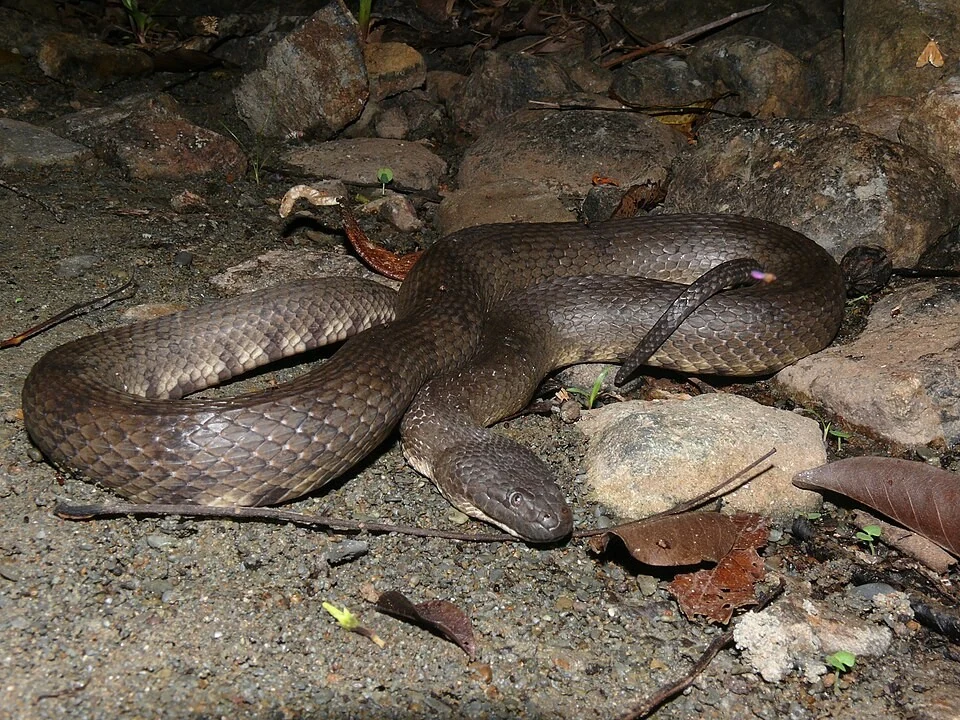
007 · Homalopsidae
South Asian Bockadam, New Guinea bockadam, Dog-faced Water Snake
Thailand: country-level record; no named guide locality extracted.
Read the species account →Swati Sidhu · CC BY-SA 4.0 · https://creativecommons.org/licenses/by-sa/4.0
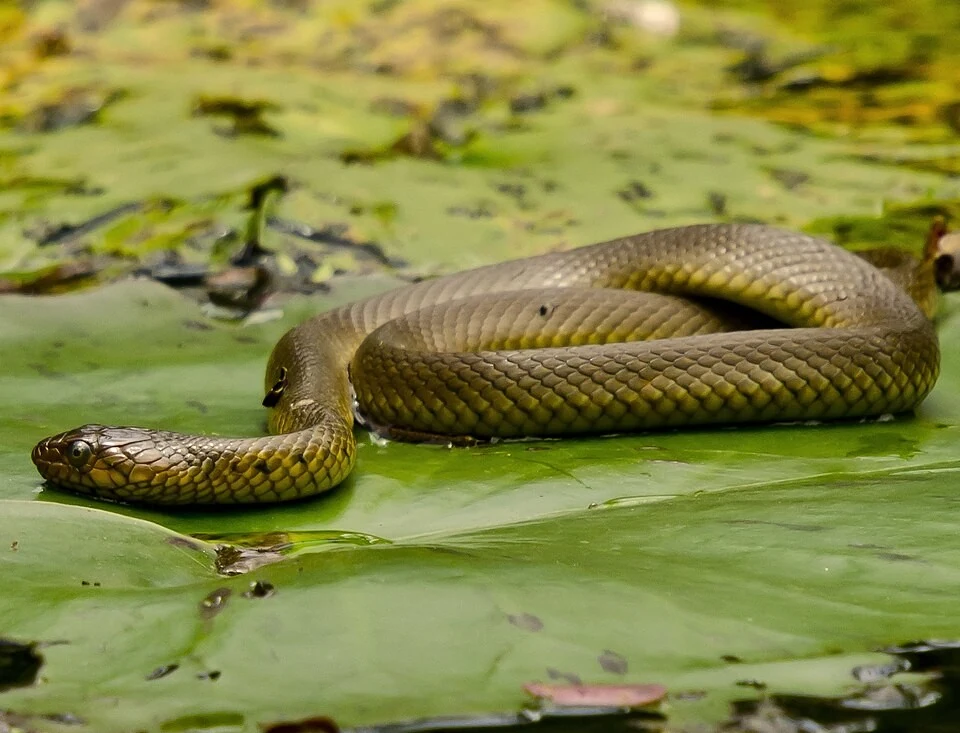
008 · Homalopsidae
Rainbow Mud Snake
Thailand: country-level record; no named guide locality extracted. The Thai government Red Data account (2005, p. 145) documents these named Thai localities. These are historical locality records, not a complete present-day range survey.
Read the species account →Srikaanth Sekar · CC BY 2.0 · https://creativecommons.org/licenses/by/2.0
009 · Homalopsidae
Bangkok Mud Snake, Striped Water Snake, Jagor’s Water Snake
Thailand: country-level record; no named guide locality extracted. The Thai government Red Data account (2005, p. 163) documents these named Thai localities. These are historical locality records, not a complete present-day range survey.
Read the species account →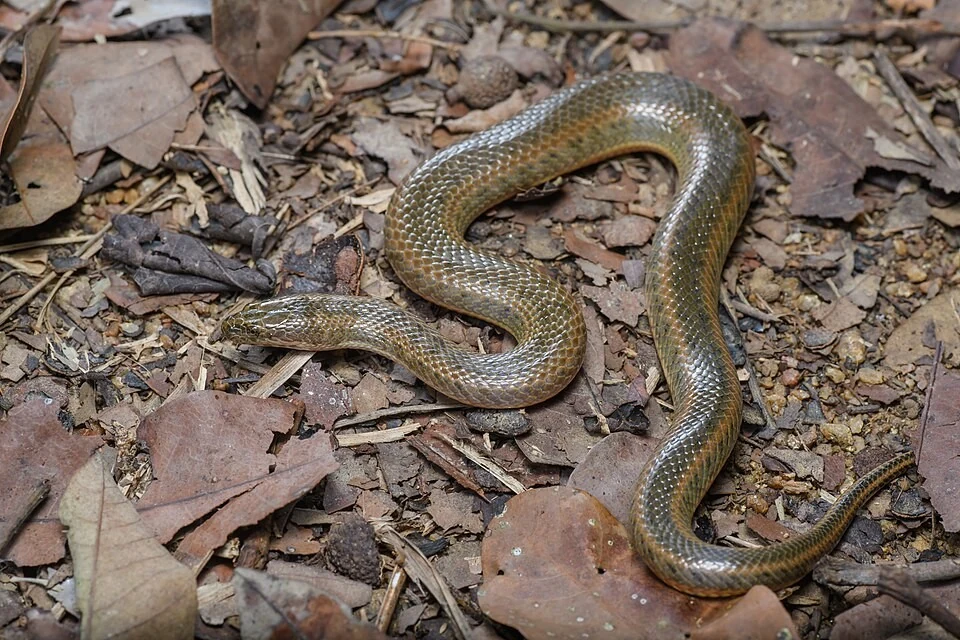
010 · Homalopsidae
Mekong Mud Snake
Thailand: country-level record; no named guide locality extracted. The Thai government Red Data account (2005, p. 146) documents these named Thai localities. These are historical locality records, not a complete present-day range survey.
Read the species account →Rushen · CC BY-SA 2.0 · https://creativecommons.org/licenses/by-sa/2.0
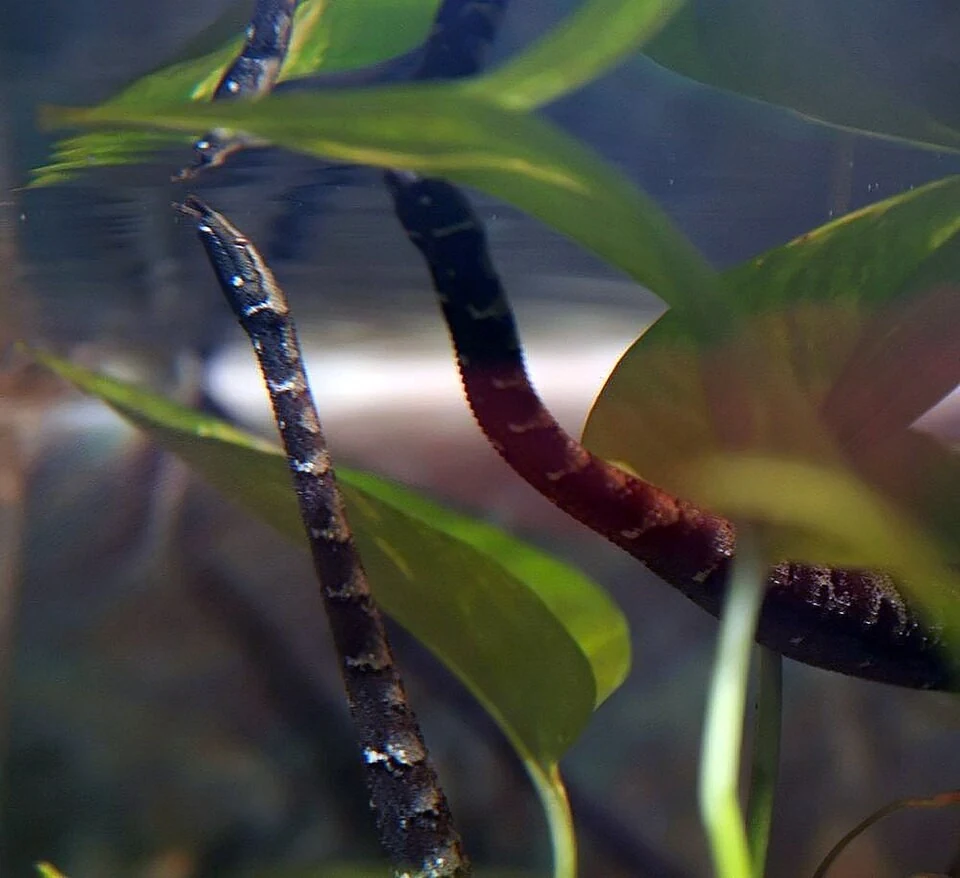
011 · Homalopsidae
Tentacle Snake
Thailand: country-level record; no named guide locality extracted. The Thai government Red Data account (2005, p. 146) documents these named Thai localities. These are historical locality records, not a complete present-day range survey.
Read the species account →Photo by David J. Stang · CC BY-SA 4.0 · https://creativecommons.org/licenses/by-sa/4.0
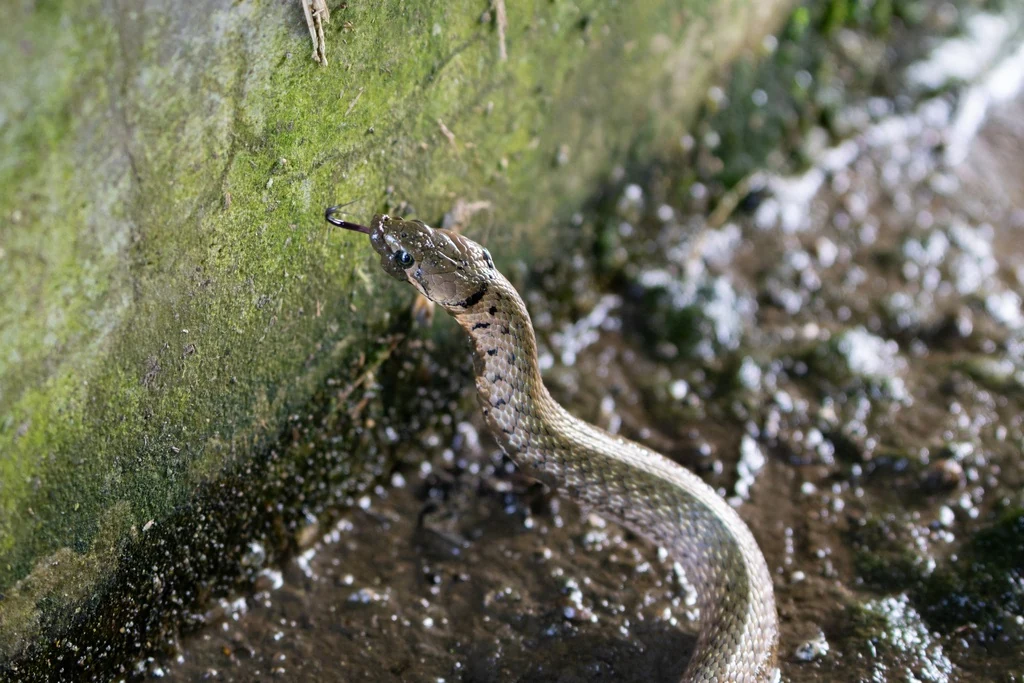
012 · Colubridae
Yellow-Spotted Keelback
Thailand: country-level record; no named guide locality extracted.
Read the species account →observe-syz · CC0 1.0 · https://creativecommons.org/publicdomain/zero/1.0/
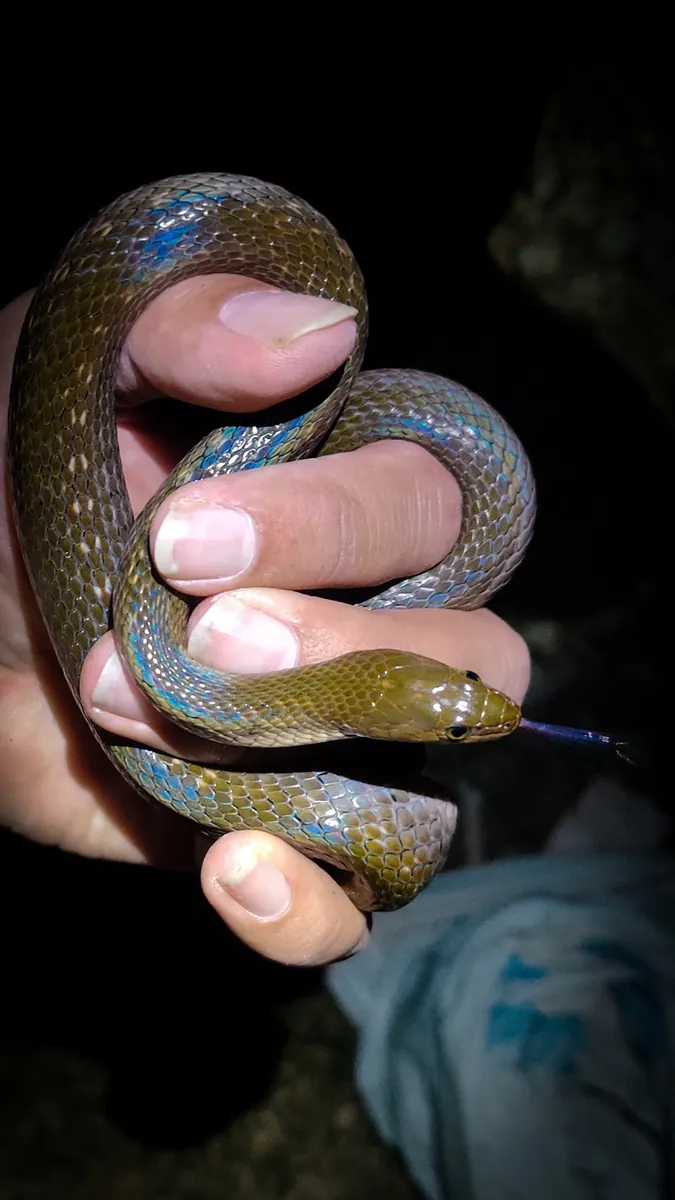
013 · Colubridae
Asiatic Water Snakes, Checkered Keelback
Thailand: Nan.
Read the species account →Chayant Gonsalves / iNaturalist · CC BY 4.0 · https://creativecommons.org/licenses/by/4.0/
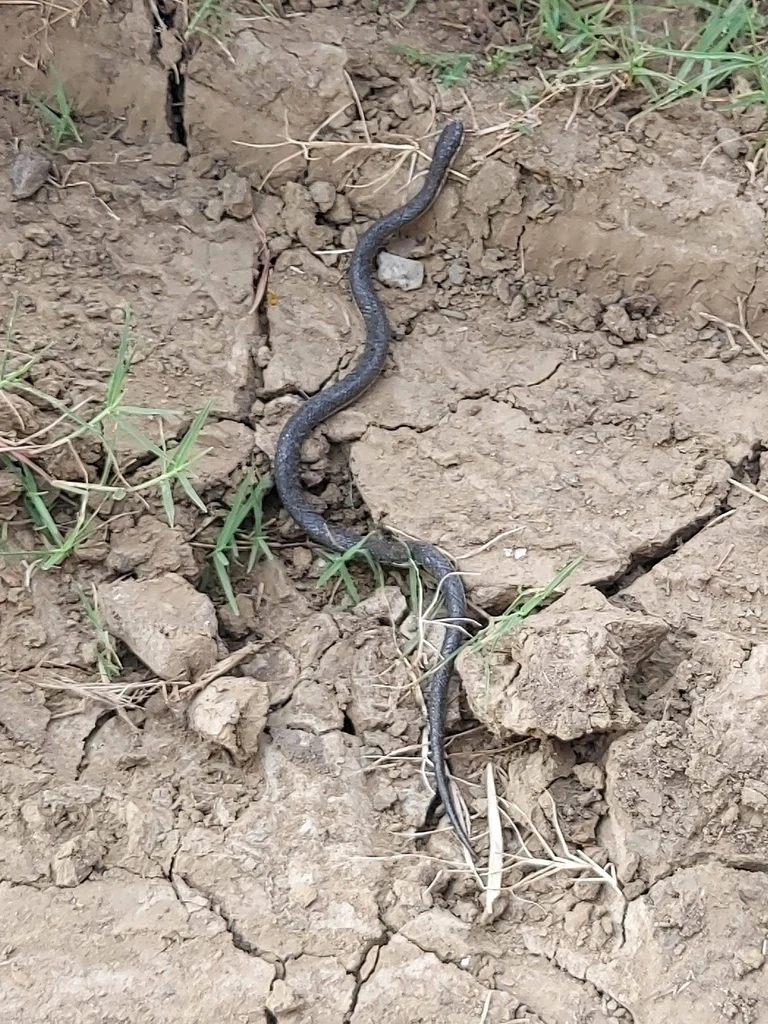
014 · Homalopsidae
Gerard's Water Snake
Thailand: country-level record; no named guide locality extracted. The Thai government Red Data account (2005, p. 163) documents these named Thai localities. These are historical locality records, not a complete present-day range survey.
Read the species account →Ramesh Shenai · CC BY 4.0 · https://creativecommons.org/licenses/by/4.0/
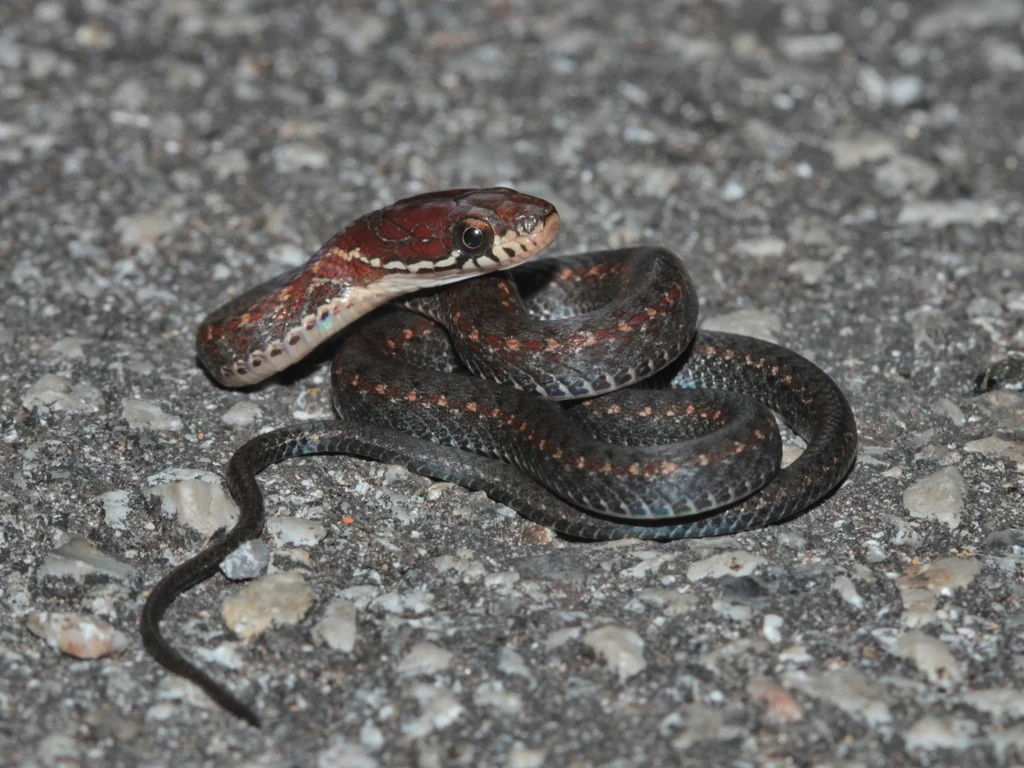
015 · Colubridae
Khasi Hills Keelback, Khasi Keelback
Thailand: country-level record; no named guide locality extracted.
Read the species account →Ian Dugdale · CC BY 4.0 · https://creativecommons.org/licenses/by/4.0/
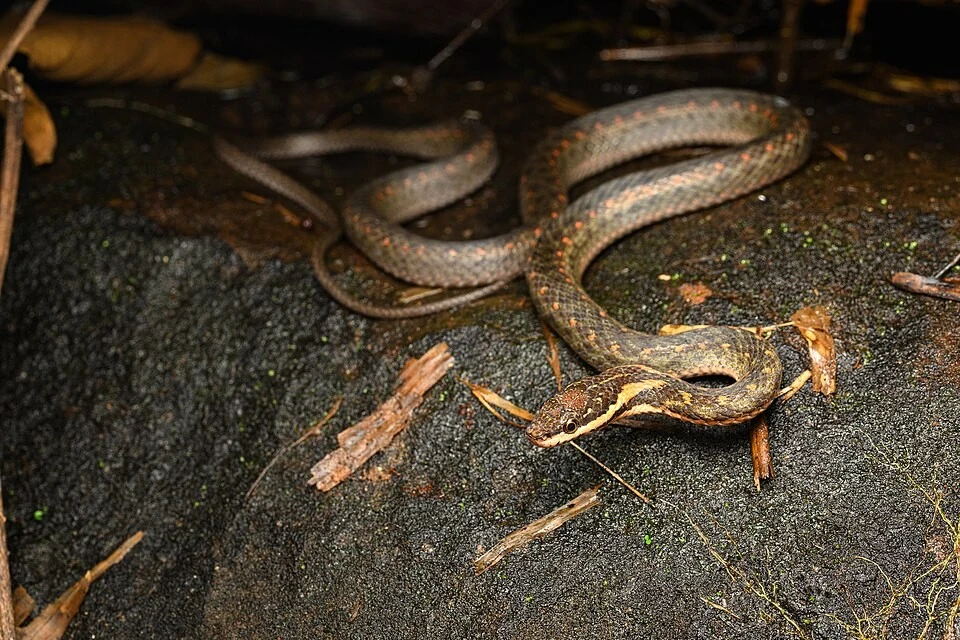
016 · Colubridae
White-lipped Keelback
Thailand: country-level record; no named guide locality extracted.
Read the species account →Rushenb · CC BY-SA 4.0 · https://creativecommons.org/licenses/by-sa/4.0
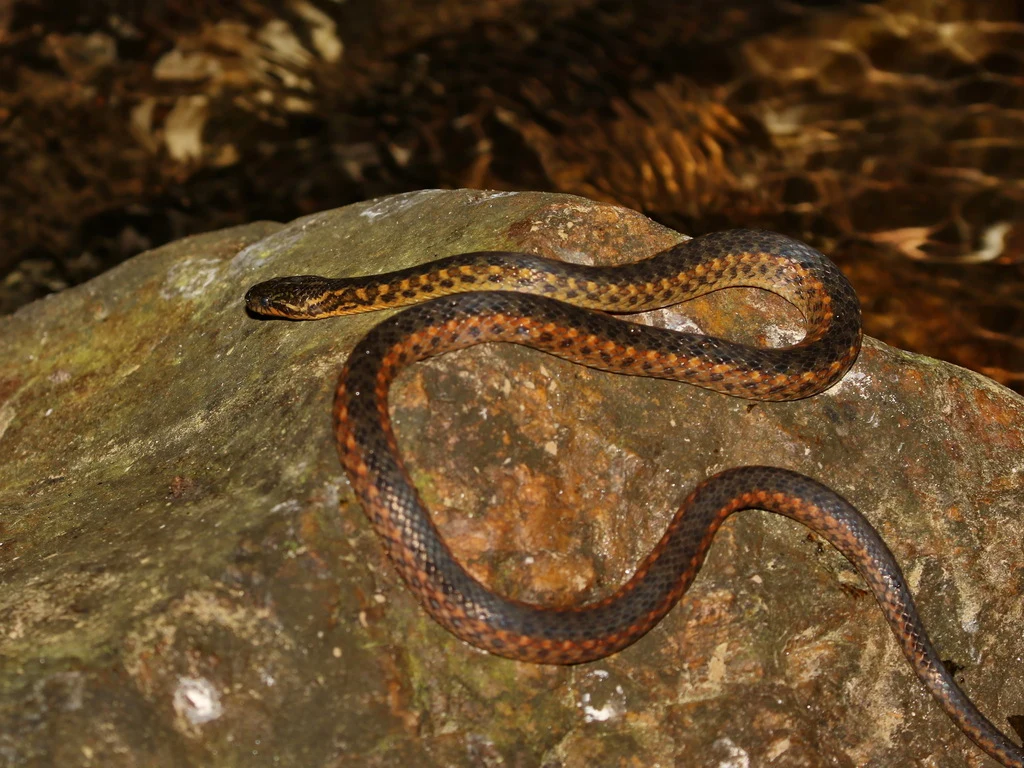
017 · Colubridae
Species account
Thailand: Chiang Mai, Mae Hong Son; Kanchanaburi, Tak.
Read the species account →Ian Dugdale · CC BY 4.0 · https://creativecommons.org/licenses/by/4.0/
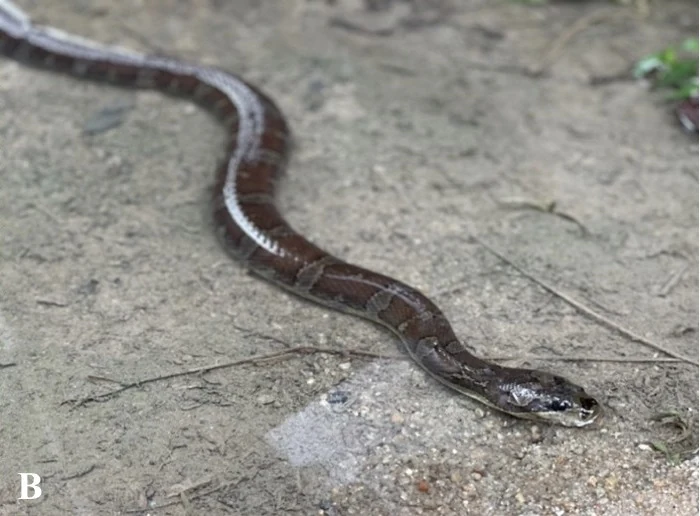
018 · Homalopsidae
Linne’s Water Snake
Thailand: country-level record; no named guide locality extracted. The 2021–2023 field survey documented this species on Ko Pha-ngan, Surat Thani (published 2026, Table 1 and species treatment). This island record does not delimit its wider Thai range.
Read the species account →Cook-Price, Makchai & Suwanwaree (2026); photographs credited collectively to the author, James Covert and Vikas Kumar · CC BY 4.0 · https://creativecommons.org/licenses/by/4.0/
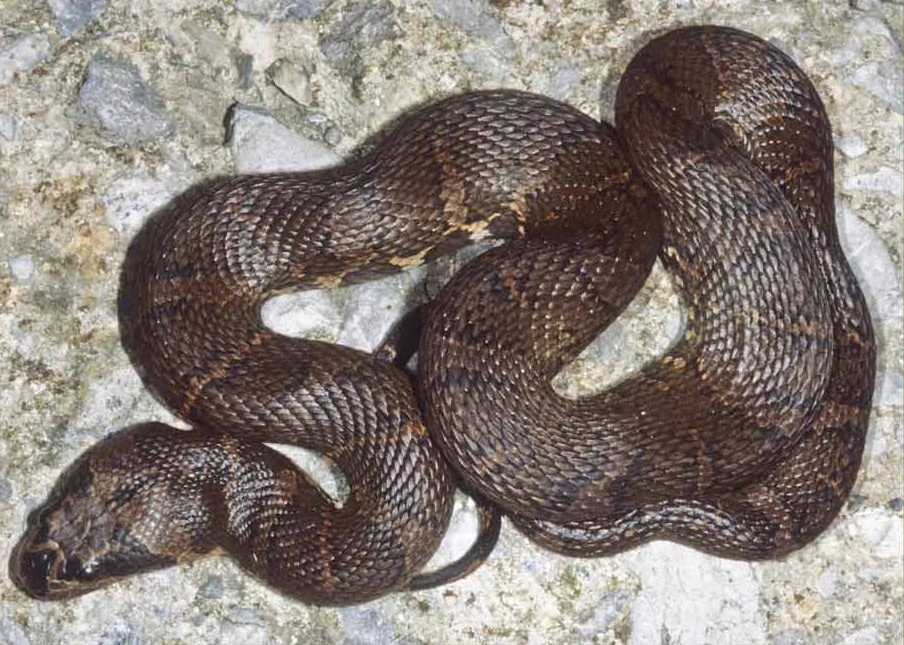
019 · Homalopsidae
Deuve’s Water Snake
Thailand: Nong Khai.
Read the species account →JCM · CC BY 3.0 · https://creativecommons.org/licenses/by/3.0
020 · Elapidae
Bighead Sea Snake
Thailand: country-level record; no named guide locality extracted. The Thai government Red Data account (2005, p. 167) documents these named Thai localities. The source uses the name Kolpophis annandalei. These are historical locality records, not a complete present-day range survey.
Read the species account →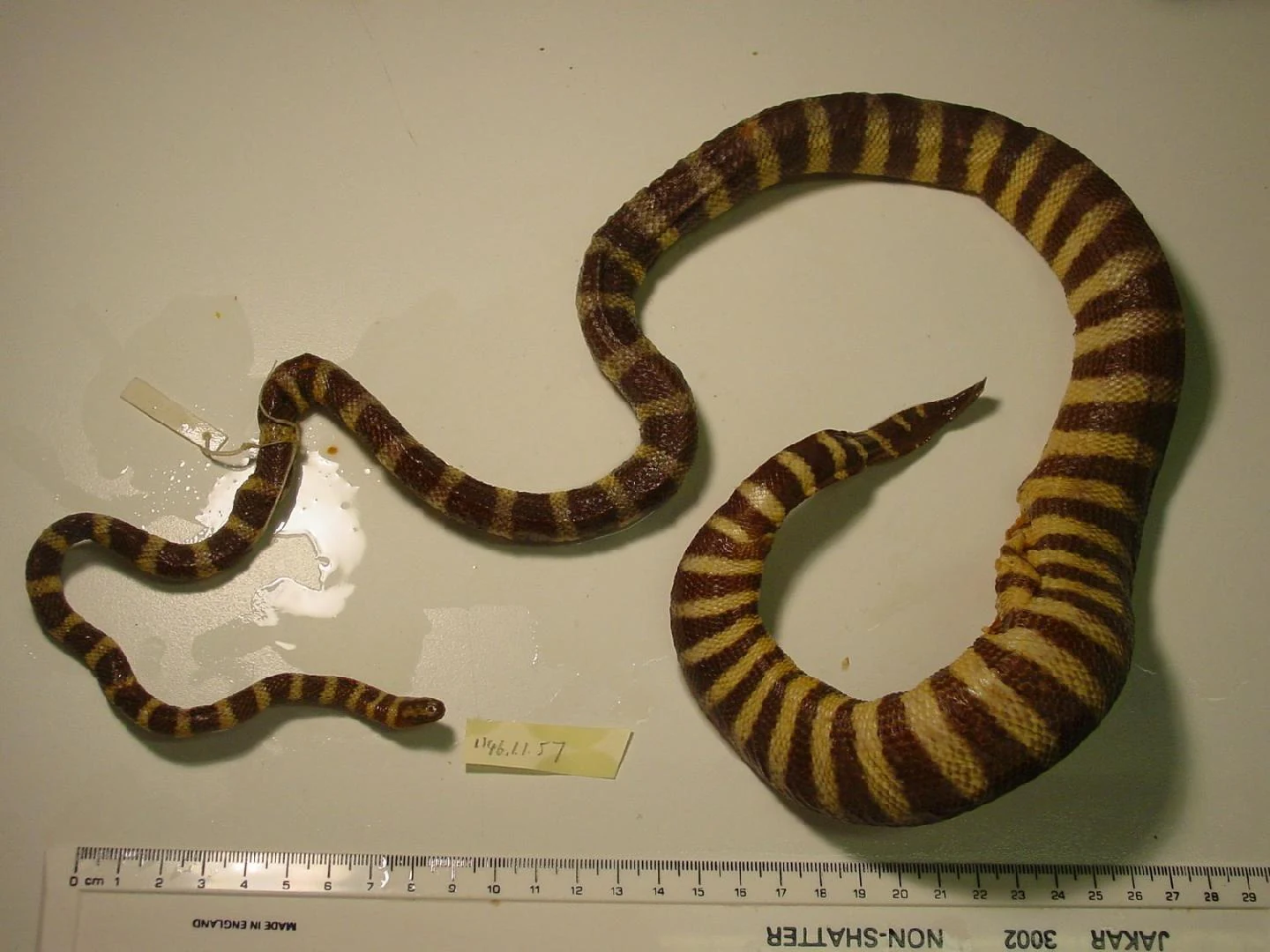
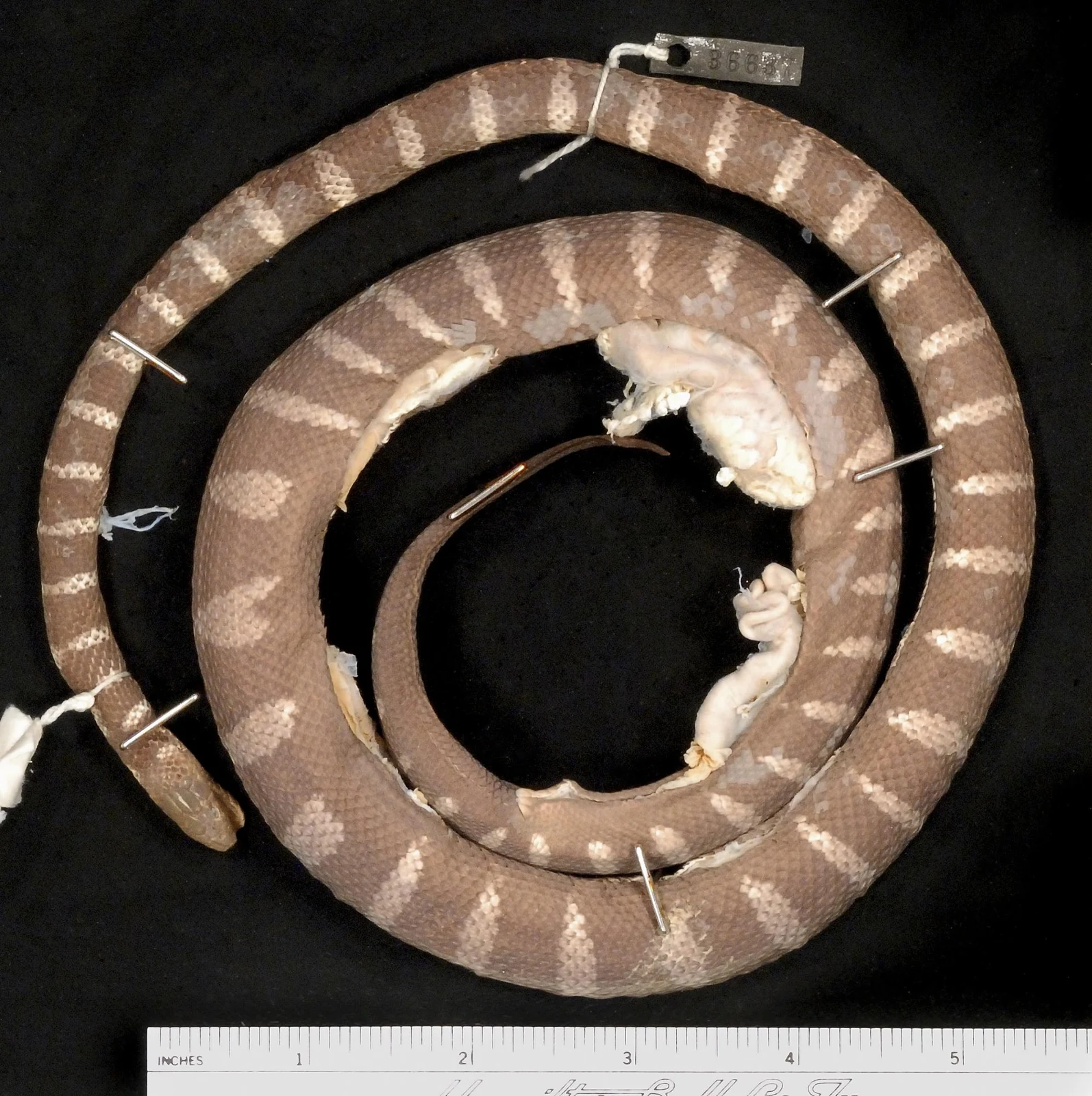
021 · Elapidae
Species account
Thailand: country-level record; no named guide locality extracted.
Read the species account →Patrick Campbell / The Trustees of the Natural History Museum, London · CC BY 4.0 · https://creativecommons.org/licenses/by/4.0/
022 · Elapidae
Black-banded
Thailand: country-level record; no named guide locality extracted.
Read the species account →Brittany Rogers · CC0 1.0 · https://creativecommons.org/publicdomain/zero/1.0/
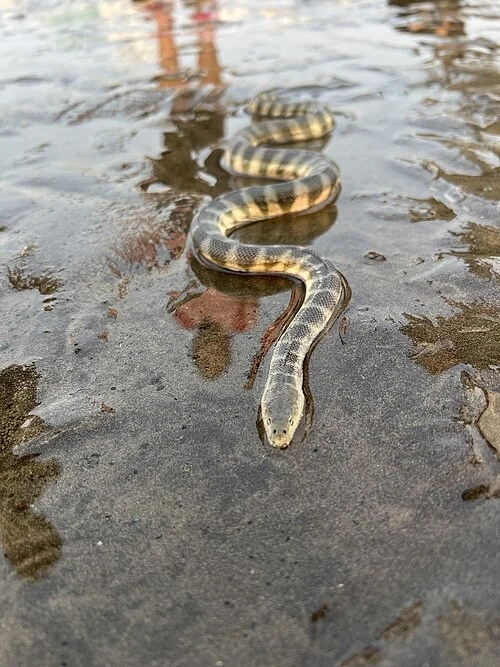
023 · Elapidae
Common or beaked seasnake
Thailand: country-level record; no named guide locality extracted.
Read the species account →Shaunak Modi · CC BY 4.0 · https://creativecommons.org/licenses/by/4.0
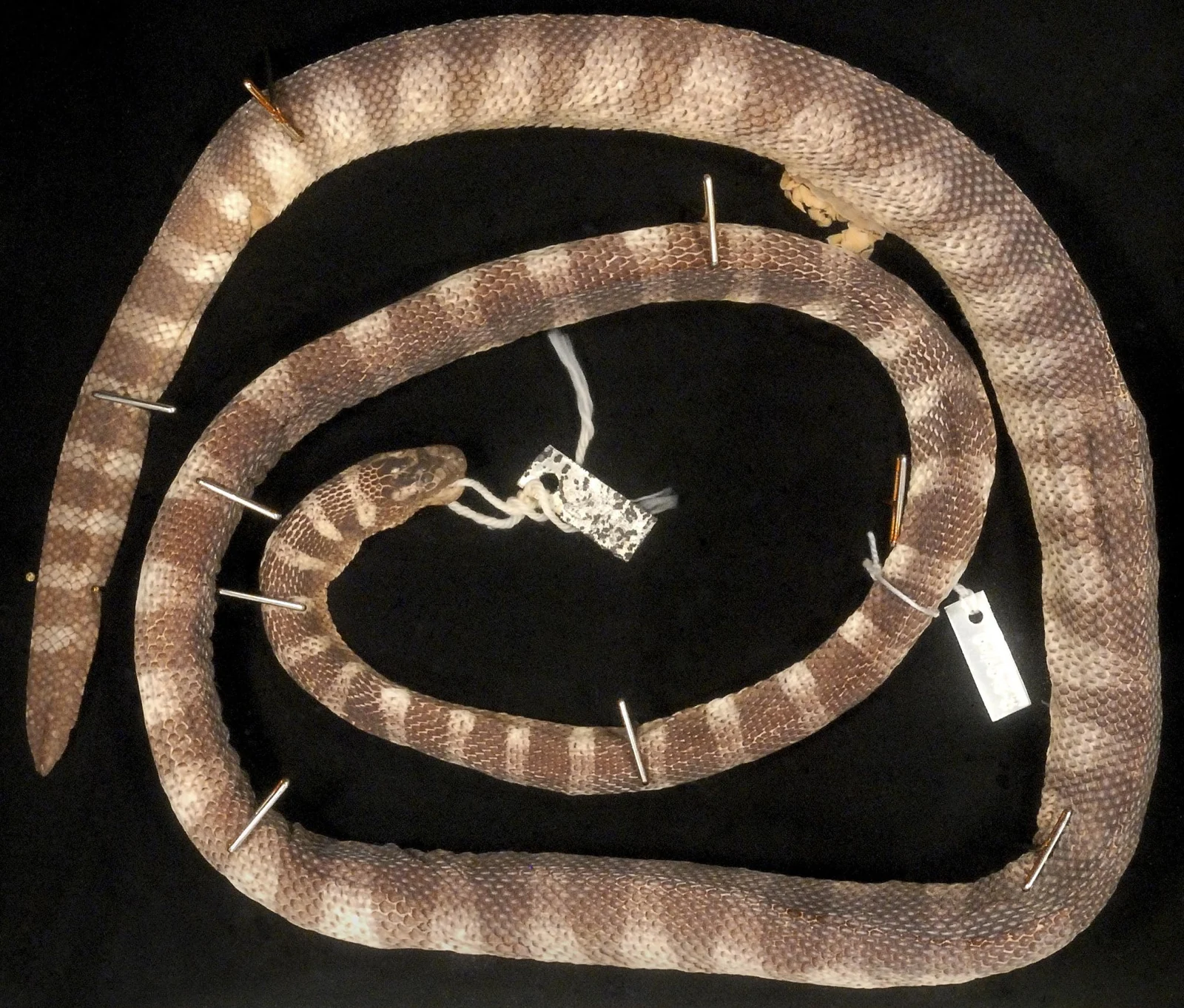
024 · Elapidae
West Coast Black-headed Sea Snake
Thailand: country-level record; no named guide locality extracted.
Read the species account →Brittany Rogers · CC0 1.0 · https://creativecommons.org/publicdomain/zero/1.0/
Read further
Guide reviewed 11 October 2026. Source dates and geographic scope matter; landscape photographs do not establish species occurrence.
Seasonal flood pulse, river/floodplain habitat and rainfall/invasive-species threats. The 2020 species labels are not a current checklist.
Water management, agricultural pollution and invasive-species pressures reported in the site assessment.
Wetland context and listed aquaculture, recreation and effluent pressures; historical assessment.
Continue through Thailand
Thailand’s forests include evergreen stands, seasonal woodland and dry dipterocarp formations. Reading their differences is more useful than expecting one national rainforest.
02Northern Thailand’s mountain forests change with elevation, landform and moisture. Doi Inthanon and Doi Chiang Dao provide two different ways to read that gradient.
03Thailand’s karst includes northern mountain massifs and southern limestone coasts. Forest, drainage and the position of the sea give the rock its ecological context.
04The Andaman coast’s mangroves sit among river mouths, limestone, mudflats and seagrass. Tides and catchments keep those habitats connected.
05Thailand faces both the Gulf of Thailand and the Andaman Sea. Their islands, shores and seabeds must retain their own locality evidence.