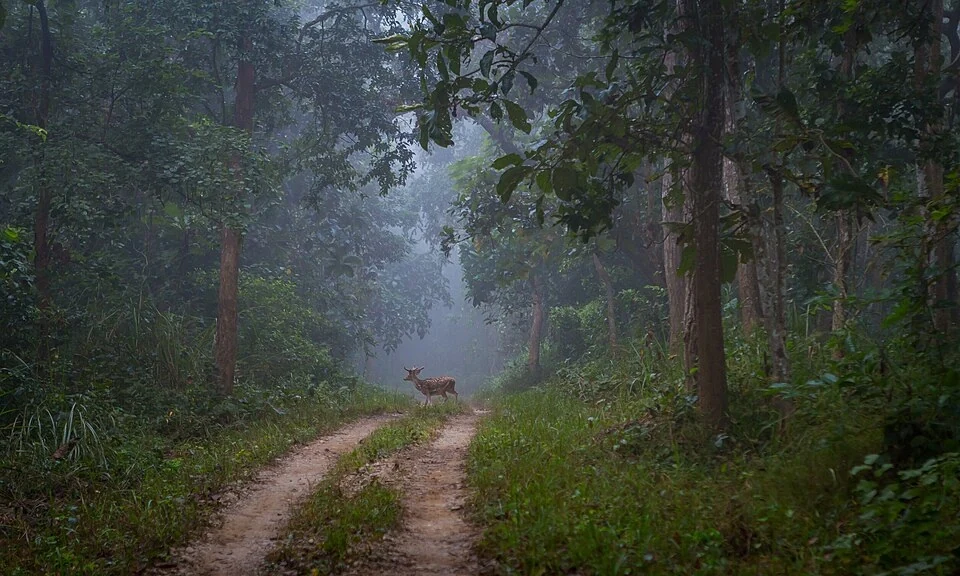
Forest and tracks in Chitwan National Park, Nepal.

Nepal · Habitat field guide

Forests & woodland

Terai sal and riverine forests provide different cover.

Forest and tracks in Chitwan National Park, Nepal.

Photograph: Vadim Tolbatov · Image source · CC BY-SA 4.0. Cropped to fill the hero; darkened for text legibility.

Understanding the environment

A sense of the habitat.

Terai sal and riverine forests provide different cover.

Read closely
Vegetation, water and substrate
Local example
Chitwan, Chitwan district
Evidence scale
Named sites, not country-wide occurrence

Explore the structure · Select a zone to compare its structure and details worth recording.

Read the habitat

Select a zone to see what changes.

Look upward

Tree crowns

Compare canopy continuity, gaps and exposed edges.

Observation prompts do not establish that a particular snake occurs in this zone.

Conceptual zones, not a measured transect or a map of snake occurrences.

Sources: UNESCO · Chitwan National Park · Nepal DNPWC · Bardia National Park

Field notes · 01

Landscape context

Chitwan contains sal forest, riverine woodland and grasslands. Bardia’s official account describes sal-dominated lowlands with grass patches and Karnali–Babai river sections. These examples concern the Terai, not every Himalayan forest.

Sources: UNESCO · Chitwan National Park · Nepal DNPWC · Bardia National Park

Field notes · 02

From habitat to an observation

Keep the locality, date and habitat description together. A landscape source explains the setting; only a verified species record establishes occurrence. The collection below may be smaller than the variety of environments described here.

Pressures on Nepal’s habitats

What is at risk?

A site-specific assessment of pressures has not yet been extracted for this guide. The landscape sources below provide context; they do not establish a current threat level for each snake species.

What helps this habitat

Retain the local habitat mosaic and its connections. Interpret pressures using the cited site evidence and current local management guidance.

The connected collection

Snakes with habitat evidence.

These 24 species have supported country occurrence and an explicit habitat association in the shared account. The association may come from elsewhere in their range. This is not a complete local habitat inventory; the places above are landscape examples, not asserted collecting sites.

24 species · showing 24

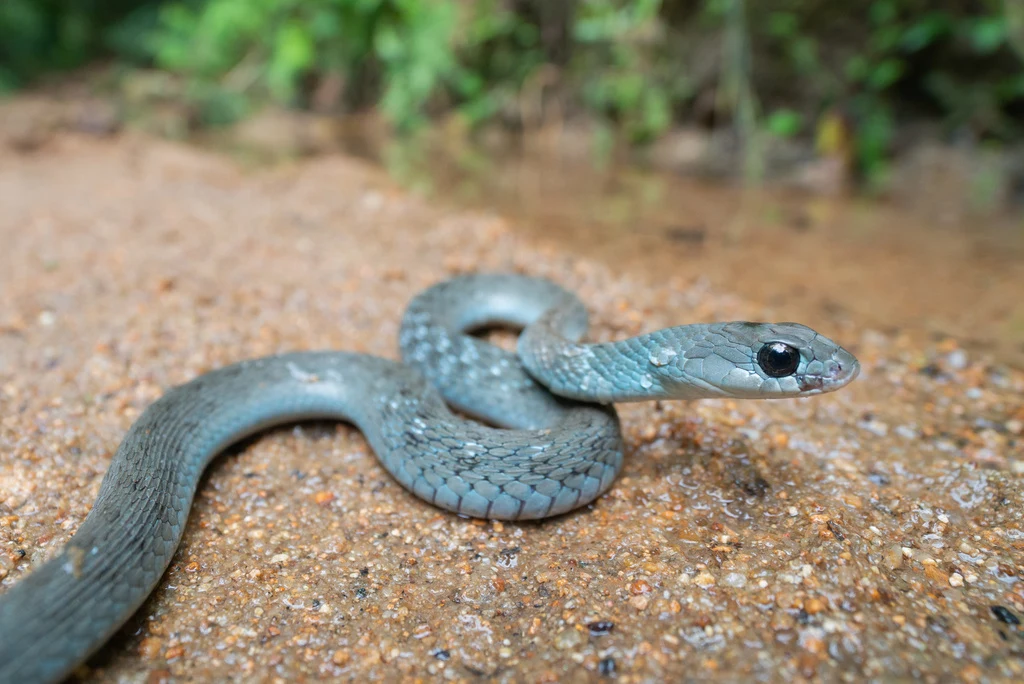
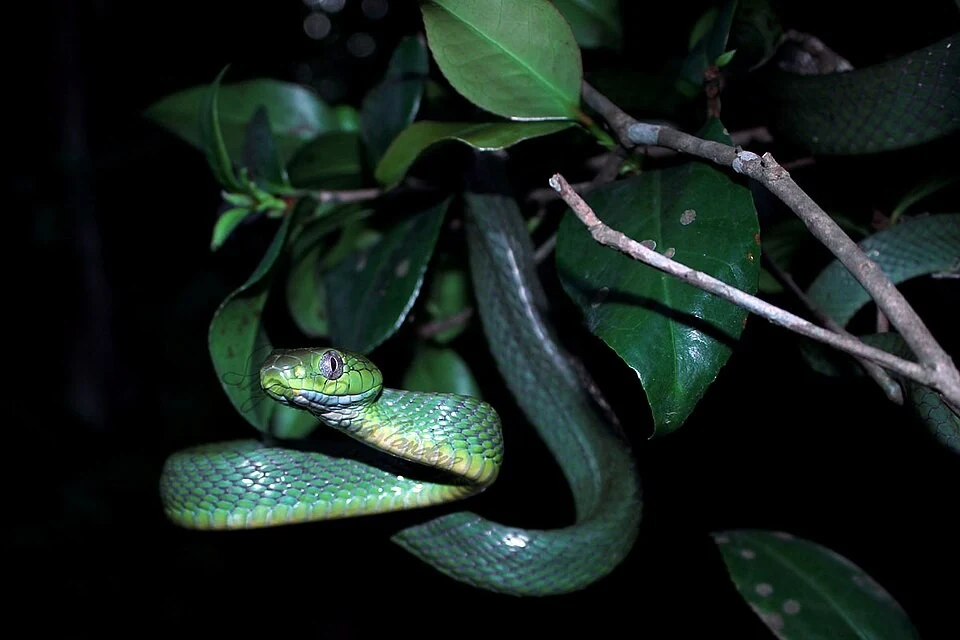
Boiga cyanea — real specimen photograph; identification follows the linked source.

001 · Colubridae

Green Cat Snake

Boiga cyanea

(DUMÉRIL, BIBRON & DUMÉRIL, 1854)

VenomousClinical severity not established

Nepal is explicitly listed in the checked individual taxonomic treatment.

Read the species account →

Sp.herp · CC BY-SA 3.0 · https://creativecommons.org/licenses/by-sa/3.0
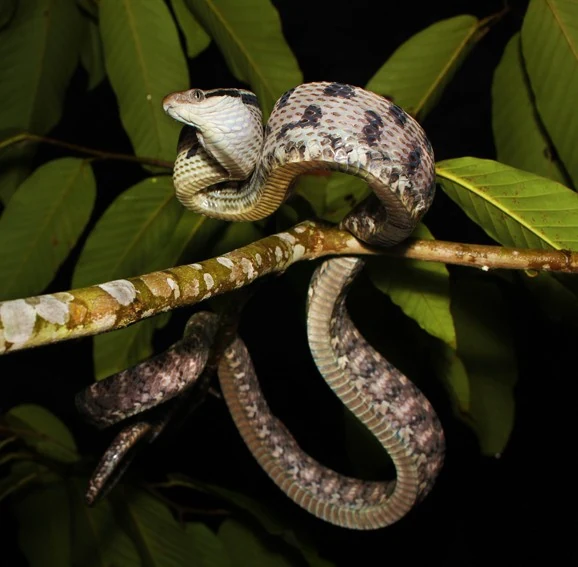
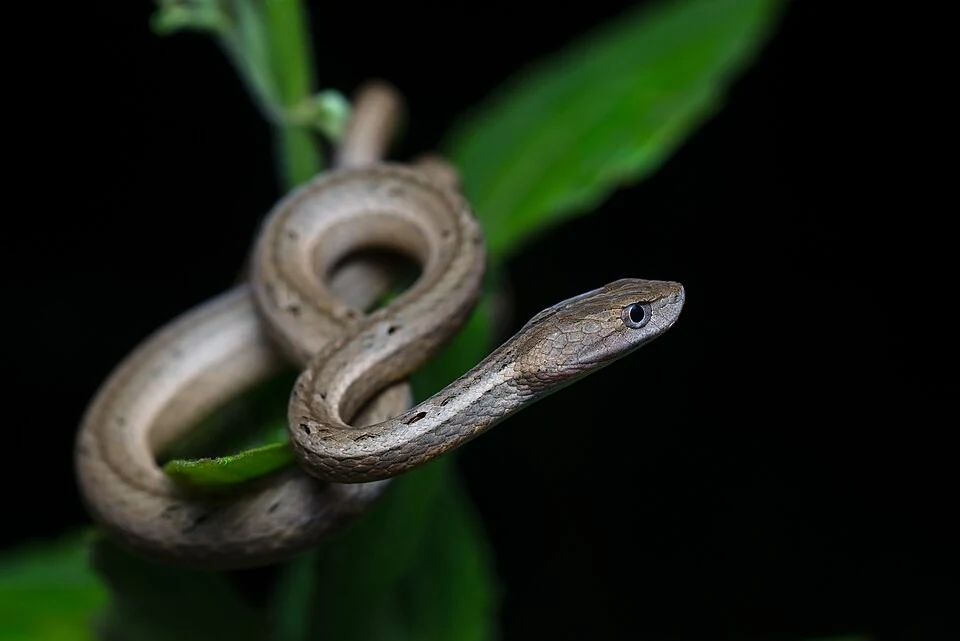
Boiga siamensis — real specimen photograph; identification follows the linked source.

002 · Colubridae

Gray Cat Snake, Eyed Cat Snake

Boiga siamensis

NUTAPHAND, 1971

VenomousClinical severity not established

Nepal is explicitly listed in the checked individual taxonomic treatment.

Read the species account →

1davidfrohlich · CC BY-SA 4.0 · https://creativecommons.org/licenses/by-sa/4.0

Bungarus niger. Identification follows the linked source community.

003 · Elapidae

Greater Black Krait

Bungarus niger

WALL, 1908

VenomousClinical severity not established

Nepal is explicitly listed in the checked individual taxonomic treatment.

Read the species account →

lovelymon lamin · CC0 1.0 · https://creativecommons.org/publicdomain/zero/1.0/

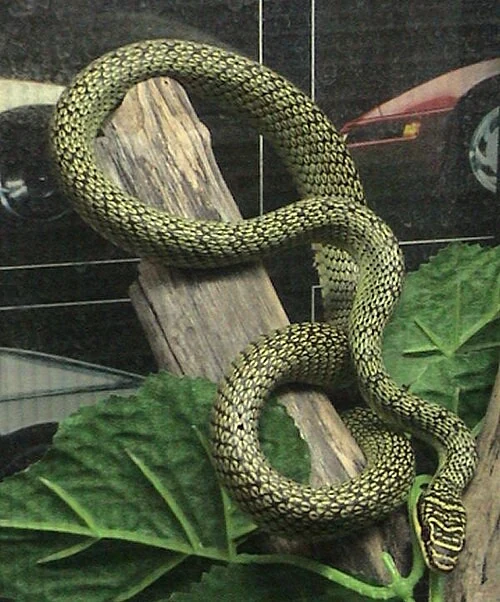
Chrysopelea ornata — real specimen photograph; identification follows the linked source.

004 · Colubridae

Golden Flying Snake, Indian Flying Snake

Chrysopelea ornata

(SHAW, 1802)

VenomousClinical severity not established

Nepal is explicitly listed in the checked individual taxonomic treatment.

Read the species account →

LA Dawson · CC BY-SA 2.5 · https://creativecommons.org/licenses/by-sa/2.5

Coelognathus radiatus — real specimen photograph; identification follows the linked source.

005 · Colubridae

Radiated Ratsnakes

Coelognathus radiatus

(BOIE, 1827)

Non-venomous

Nepal is explicitly listed in the checked individual taxonomic treatment.

Read the species account →

Rushenb · CC BY-SA 4.0 · https://creativecommons.org/licenses/by-sa/4.0

Elaphe hodgsonii. Identification follows the linked source community.

006 · Colubridae

English common name not available

Elaphe hodgsonii

(GÜNTHER, 1860)

Non-venomous

Nepal is explicitly listed in the checked individual taxonomic treatment. The 2026 Dang survey supplies an independent Lumbini record. Regional evidence: Dang Valley / Deukhuri. Named records do not imply continuous occurrence throughout a region. Nepal: Dang Valley, Banglachuli. Subedi et al. (2026) document these localities from their 2018–2024 study;…

Read the species account →

Name · CC BY 4.0 · https://creativecommons.org/licenses/by/4.0/

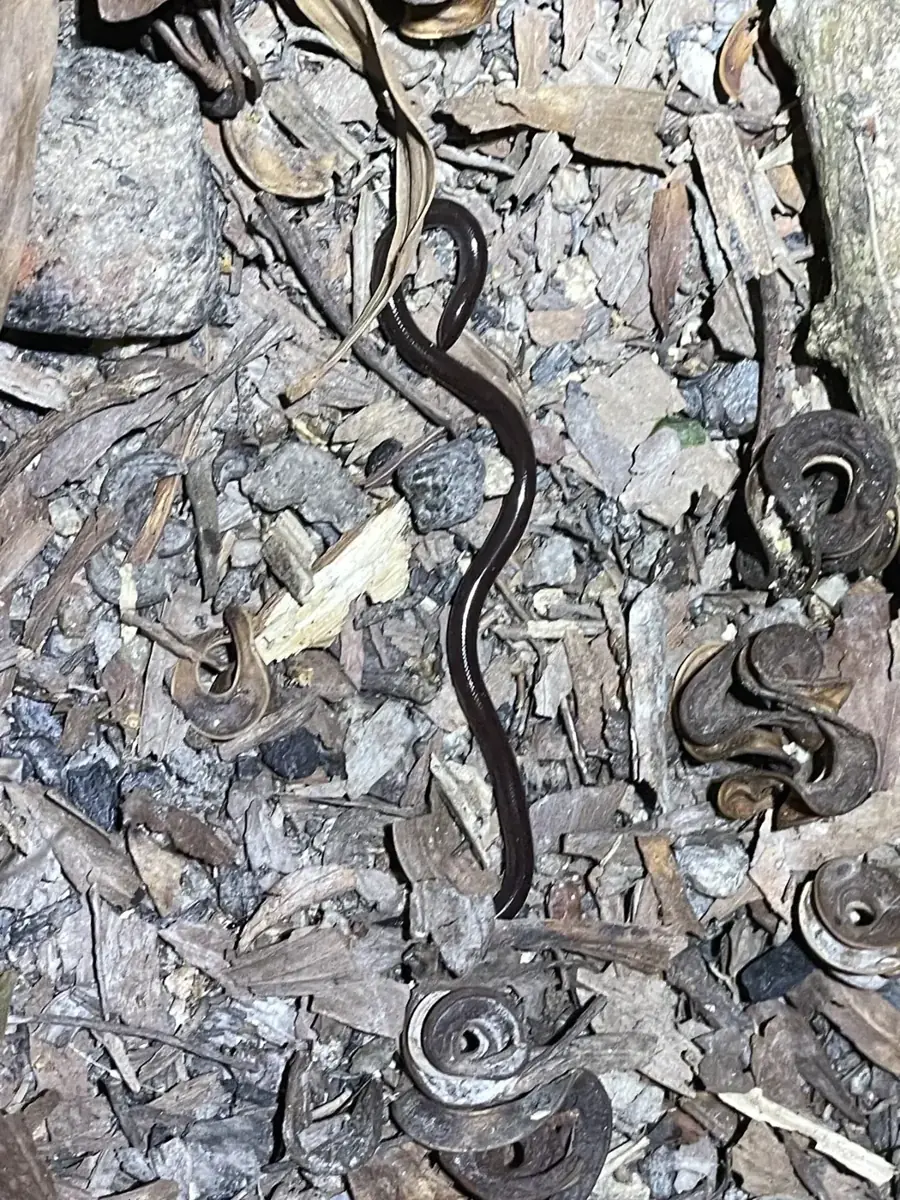
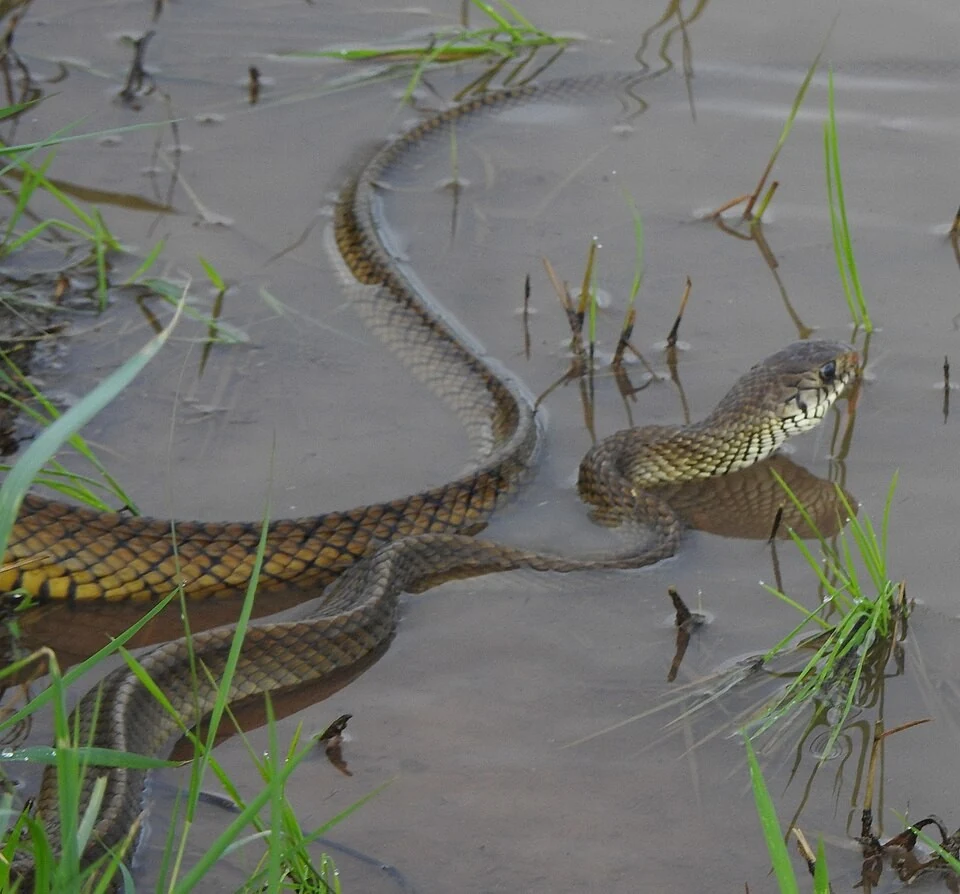
Indotyphlops braminus — photographed on Ko Pha-ngan, Thailand.

007 · Typhlopidae

Flowerpot Snake

Indotyphlops braminus

(DAUDIN, 1803)

Non-venomous

Nepal is explicitly listed in the checked individual taxonomic treatment.

Read the species account →

Cook-Price, Makchai & Suwanwaree (2026); photographs credited collectively to the author, James Covert and Vikas Kumar · CC BY 4.0 · https://creativecommons.org/licenses/by/4.0/

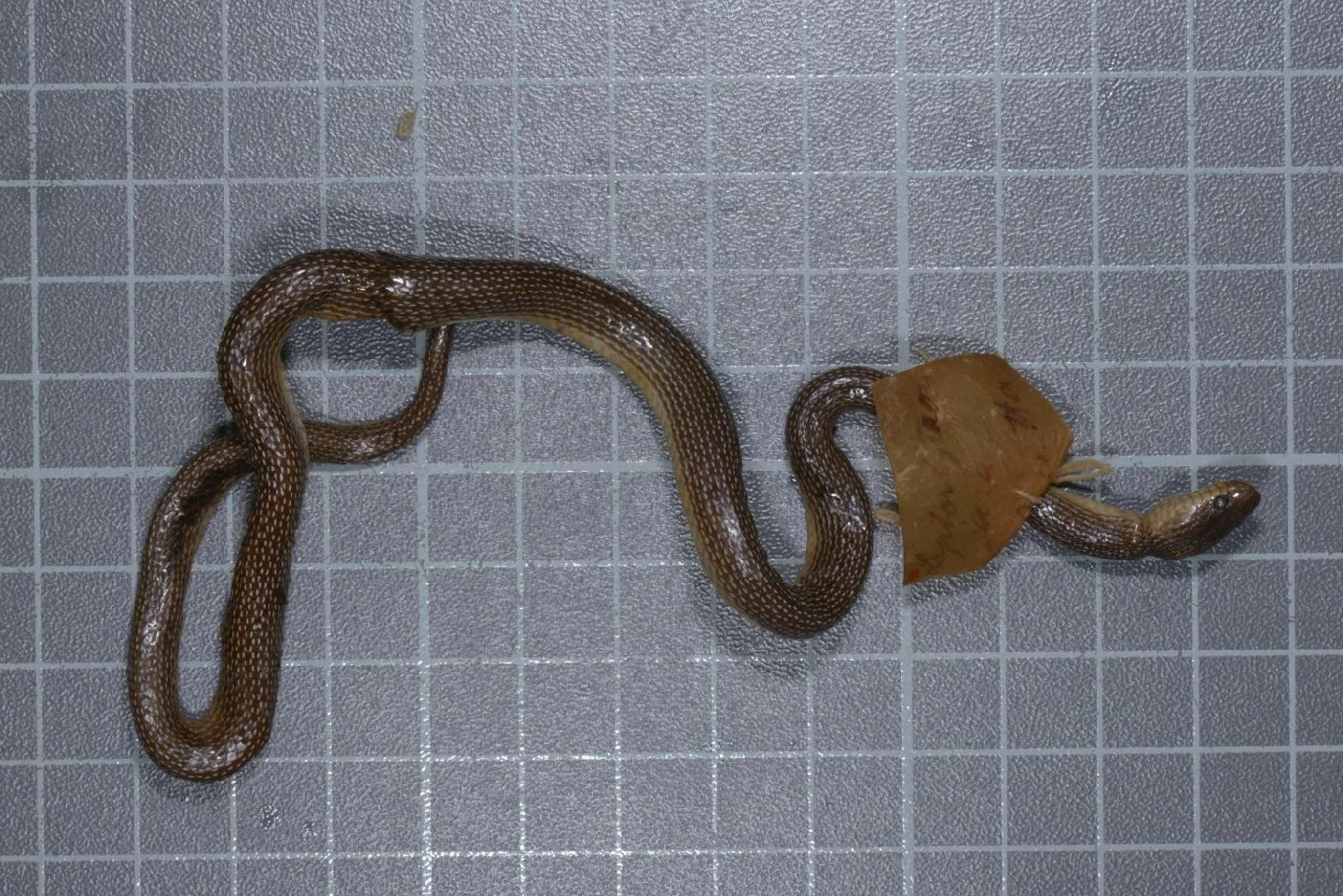
Lycodon jara. Preserved museum specimen, Natural History Museum, London, 1892.2.4.5. Colours may have changed in preservative. This collection image adds no geographic occurrence record.

008 · Colubridae

Twin-spotted Wolf Snake

Lycodon jara

(SHAW, 1802)

Non-venomous

Nepal is explicitly listed in the checked individual taxonomic treatment. The 2026 Dang survey supplies an independent Lumbini record. Regional evidence: Dang Valley / Deukhuri. Named records do not imply continuous occurrence throughout a region. Nepal: Deukhuri Valley. Subedi et al. (2026) document these localities from their 2018–2024 study; rescue…

Read the species account →

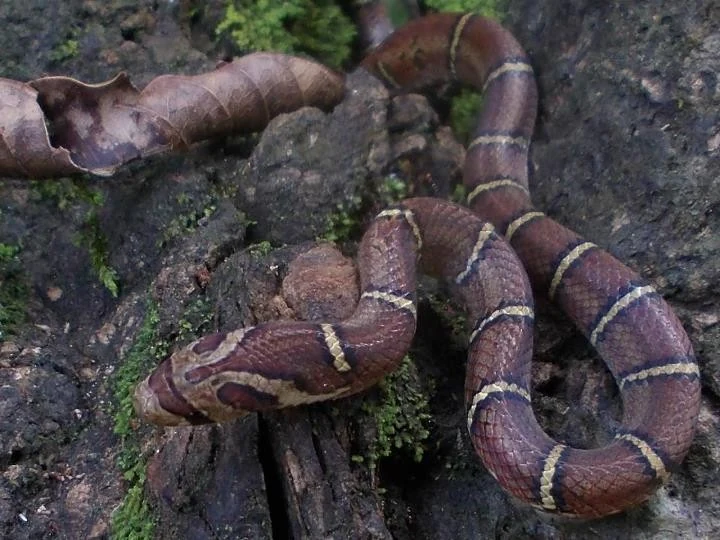
Wai Yee Cooper / The Trustees of the Natural History Museum, London · CC BY 4.0 · https://creativecommons.org/licenses/by/4.0/

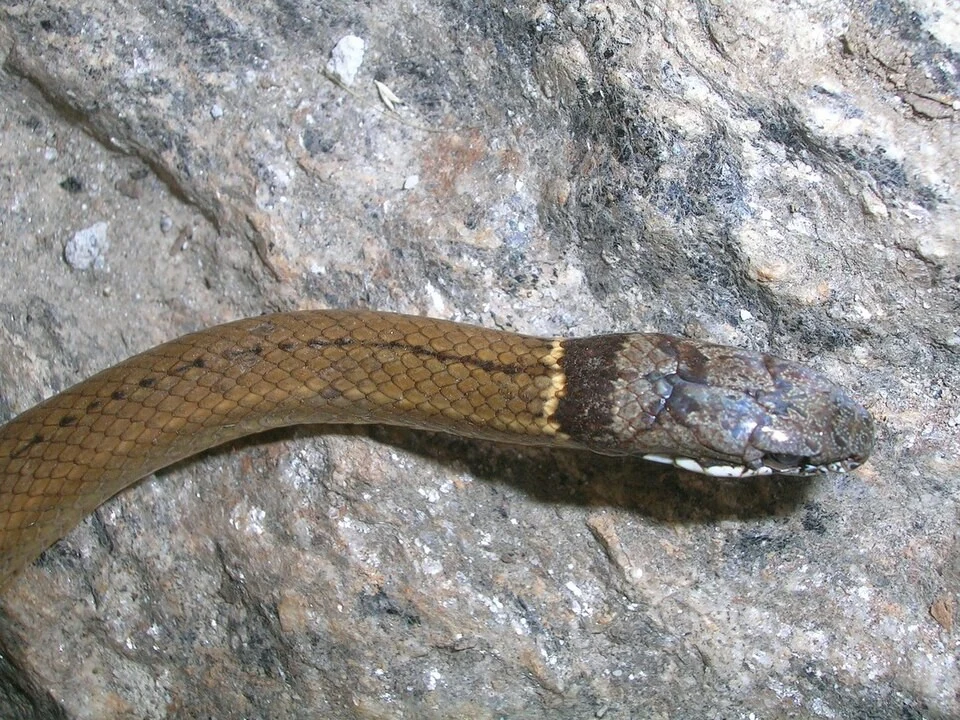
Oligodon albocinctus — real specimen photograph; identification follows the linked source.

009 · Colubridae

Light-barred Kukri Snake

Oligodon albocinctus

(CANTOR, 1839)

Non-venomous

Nepal is explicitly listed in the checked individual taxonomic treatment.

Read the species account →

steve kharmawphlang · CC BY 2.0 · https://creativecommons.org/licenses/by/2.0

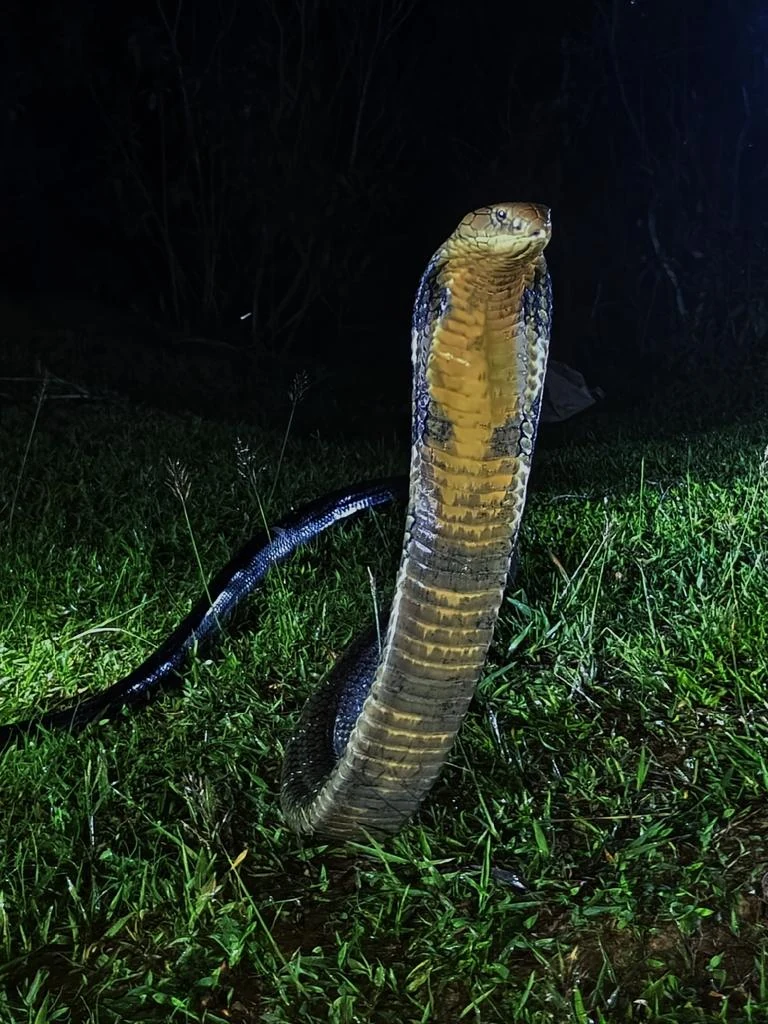
Ophiophagus hannah — India, 2026-05-29.

010 · Elapidae

Hamadryad, King Cobra

Ophiophagus hannah

(CANTOR, 1836)

VenomousPotentially life-threatening

Nepal is explicitly listed in the checked individual taxonomic treatment.

Read the species account →

Ankur Nandi · CC BY 4.0 · https://creativecommons.org/licenses/by/4.0/

Oreocryptophis porphyraceus — real specimen photograph; identification follows the linked source.

011 · Colubridae

Black-banded Trinket Snake

Oreocryptophis porphyraceus

(CANTOR, 1839)

Venom unknownNot yet assessed

Nepal is explicitly listed in the checked individual taxonomic treatment.

Read the species account →

LiCheng Shih · CC BY 2.0 · https://creativecommons.org/licenses/by/2.0

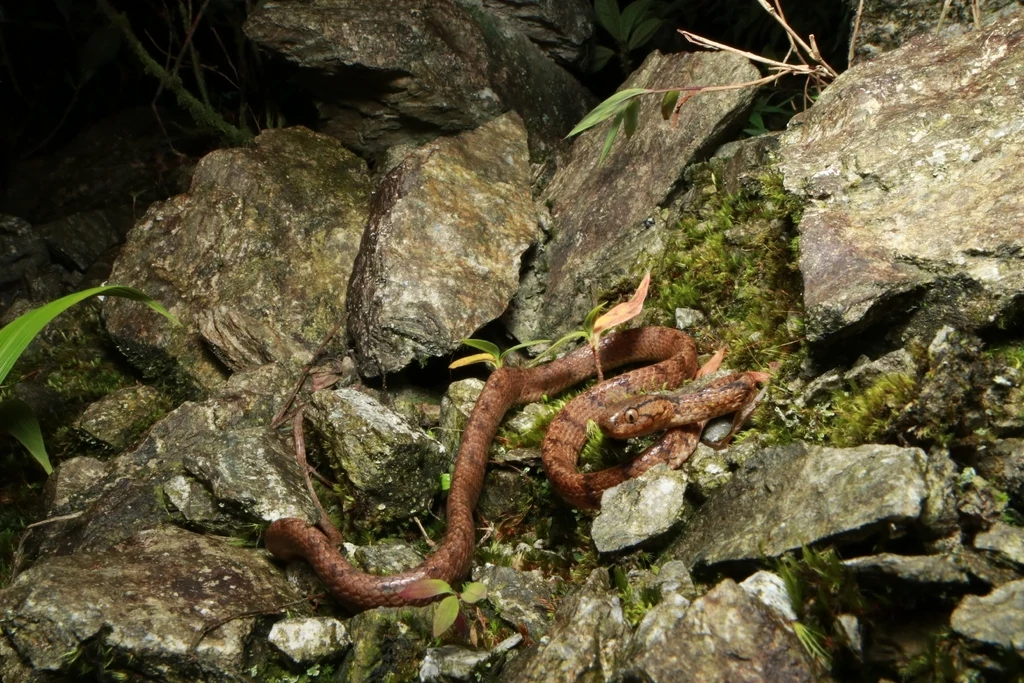
Pareas monticola. Individual photographed on mossy stones. Original observation dated 2026-08-07. Photograph identification follows the cited observation; it adds no geographic occurrence record.

012 · Pareidae

Common Slug Snake

Pareas monticola

(CANTOR, 1839)

Non-venomous

Nepal is explicitly listed in the checked individual taxonomic treatment.

Read the species account →

Max Tibby · CC0 1.0 · https://creativecommons.org/publicdomain/zero/1.0/

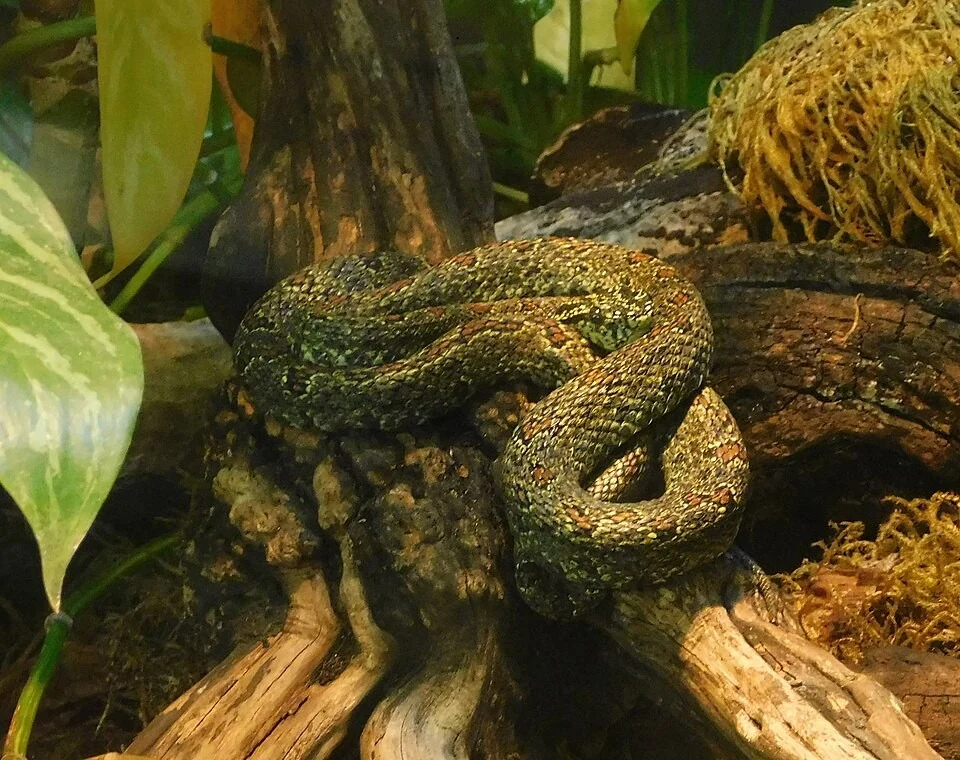
Protobothrops jerdonii — real specimen photograph; identification follows the linked source.

013 · Viperidae

Jerdon’s pitviper (bourreti: Bourret’s pitviper, xanthomelas: Red spotted pitviper)

Protobothrops jerdonii

(GÜNTHER, 1875)

VenomousClinical severity not established

Nepal is explicitly listed in the checked individual taxonomic treatment.

Read the species account →

Ruff tuff cream puff · CC0 · https://creativecommons.org/publicdomain/zero/1.0/deed.en

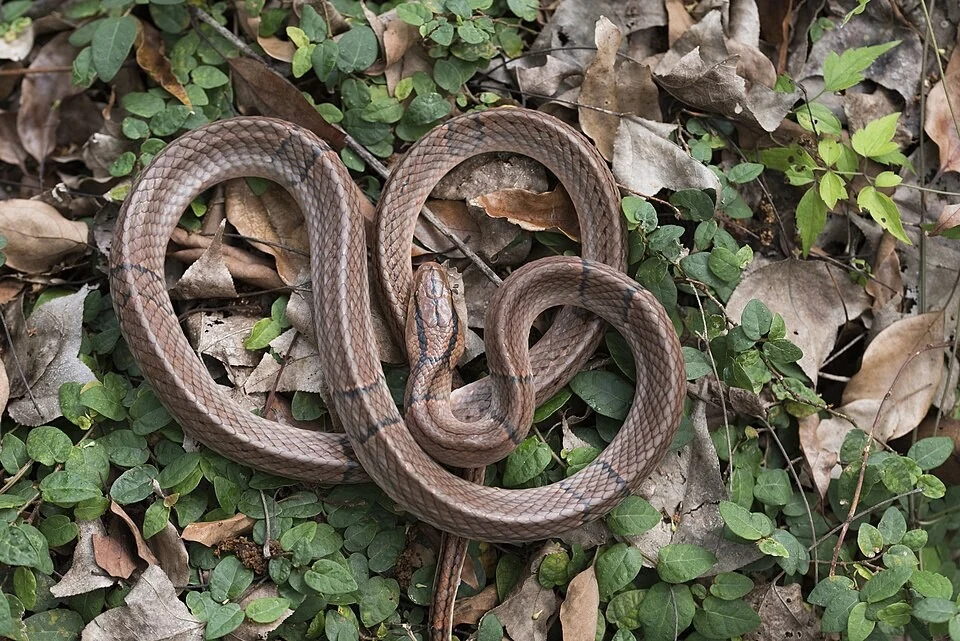
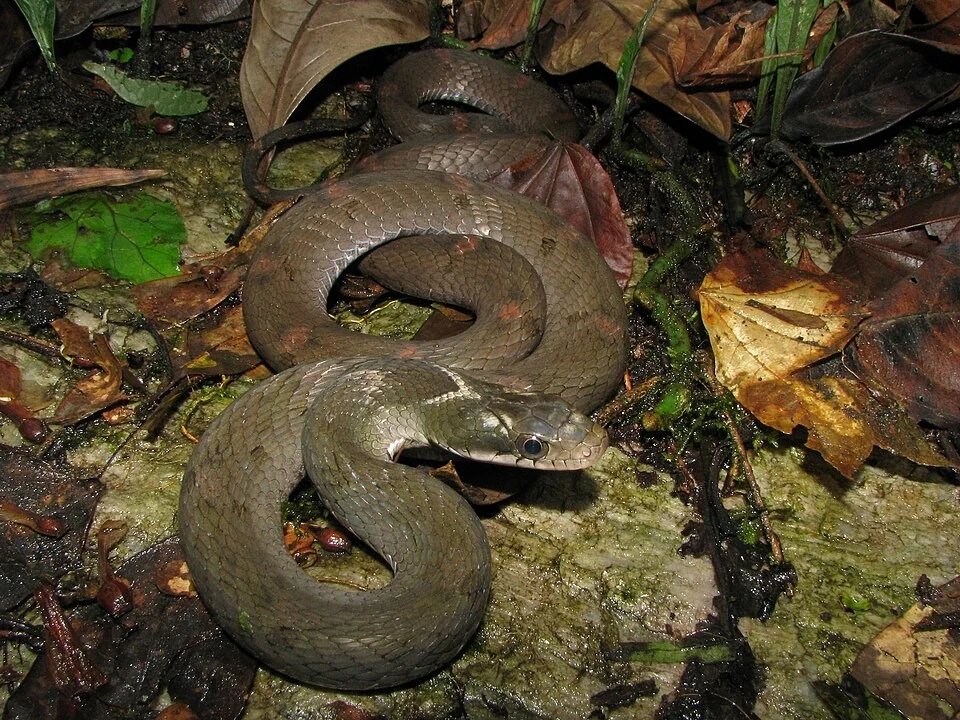
Psammodynastes pulverulentus — real specimen photograph; identification follows the linked source.

014 · Psammodynastidae

Common Mock Viper

Psammodynastes pulverulentus

(BOIE, 1827)

VenomousClinical severity not established

Nepal is explicitly listed in the checked individual taxonomic treatment.

Read the species account →

Rushenb · CC BY-SA 4.0 · https://creativecommons.org/licenses/by-sa/4.0

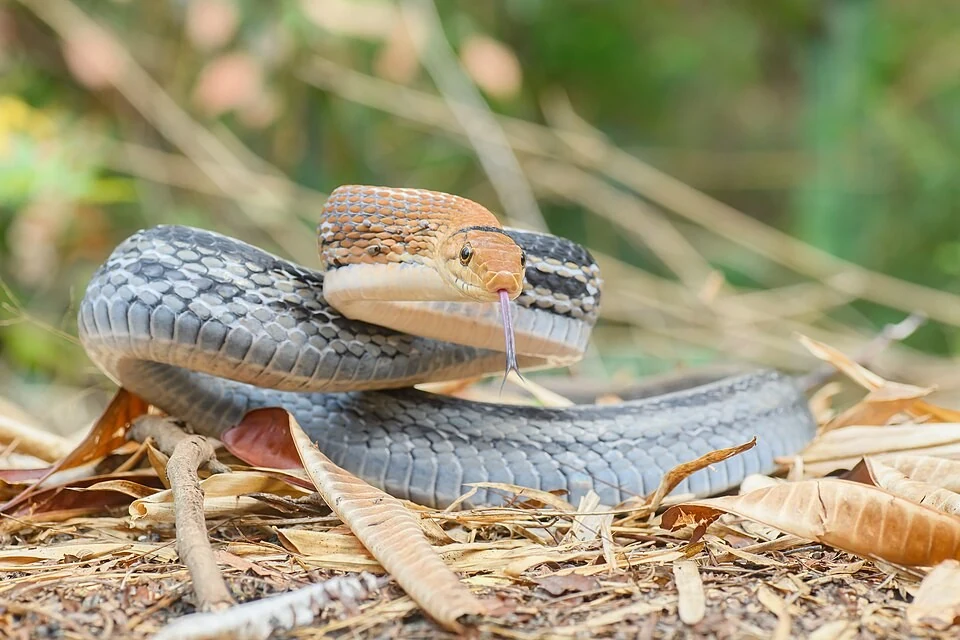
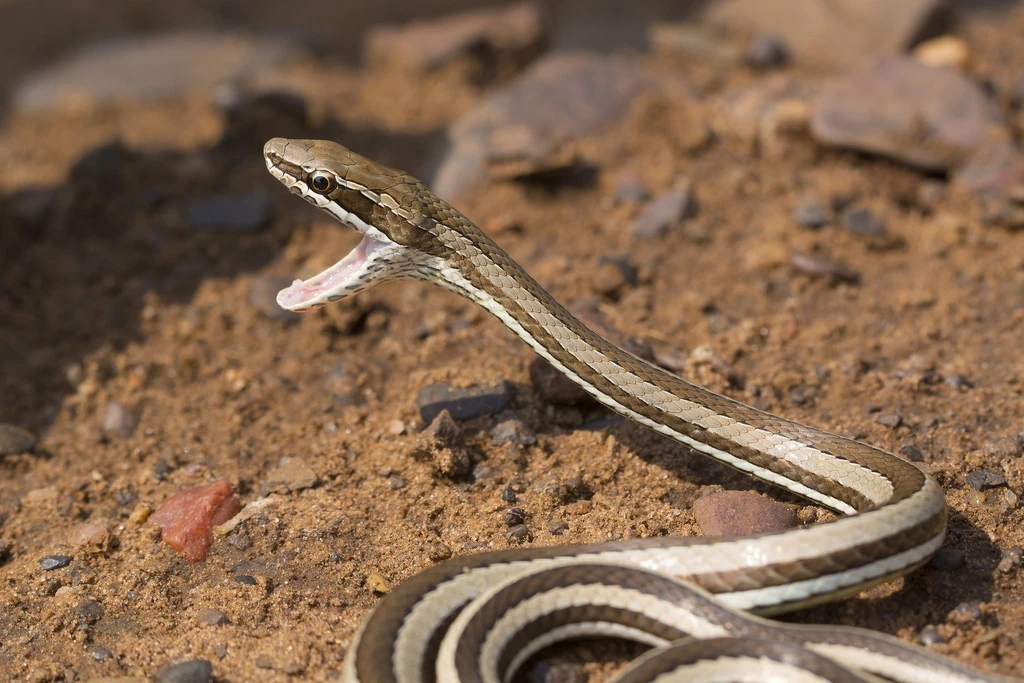
Psammophis condanarus. Identification follows the linked source community.

015 · Psammophiidae

Sand Snake

Psammophis condanarus

(MERREM, 1820)

VenomousClinical severity not established

Nepal is explicitly listed in the checked individual taxonomic treatment.

Read the species account →

S.MORE · CC0 1.0 · https://creativecommons.org/publicdomain/zero/1.0/

Pseudoxenodon macrops — real specimen photograph; identification follows the linked source.

016 · Colubridae

(Large-eyed or) Big-eyed Bamboo Snake, Mock Cobra

Pseudoxenodon macrops

(BLYTH, 1855)

Venom unknownNot yet assessed

Nepal is explicitly listed in the checked individual taxonomic treatment. Nepal: historical vouchers from Gandrung forest (1973; 2,360 m) and Ulleri (1954; 2,000 m).

Read the species account →

Umeshsrinivasan · CC BY-SA 3.0 · https://creativecommons.org/licenses/by-sa/3.0
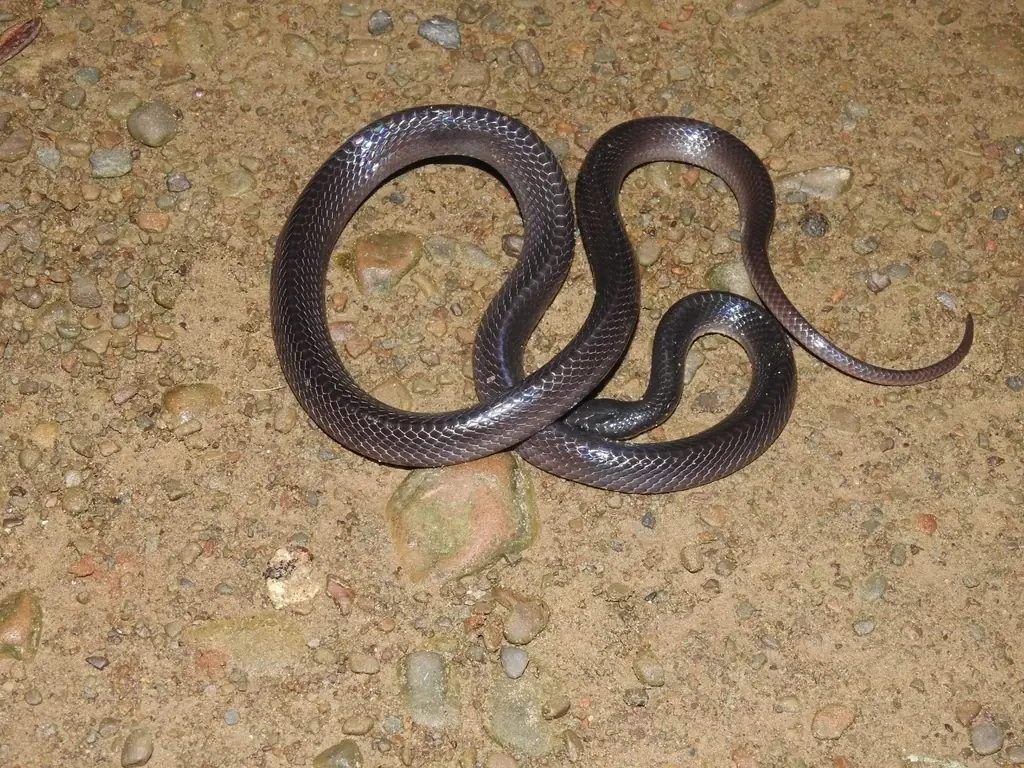
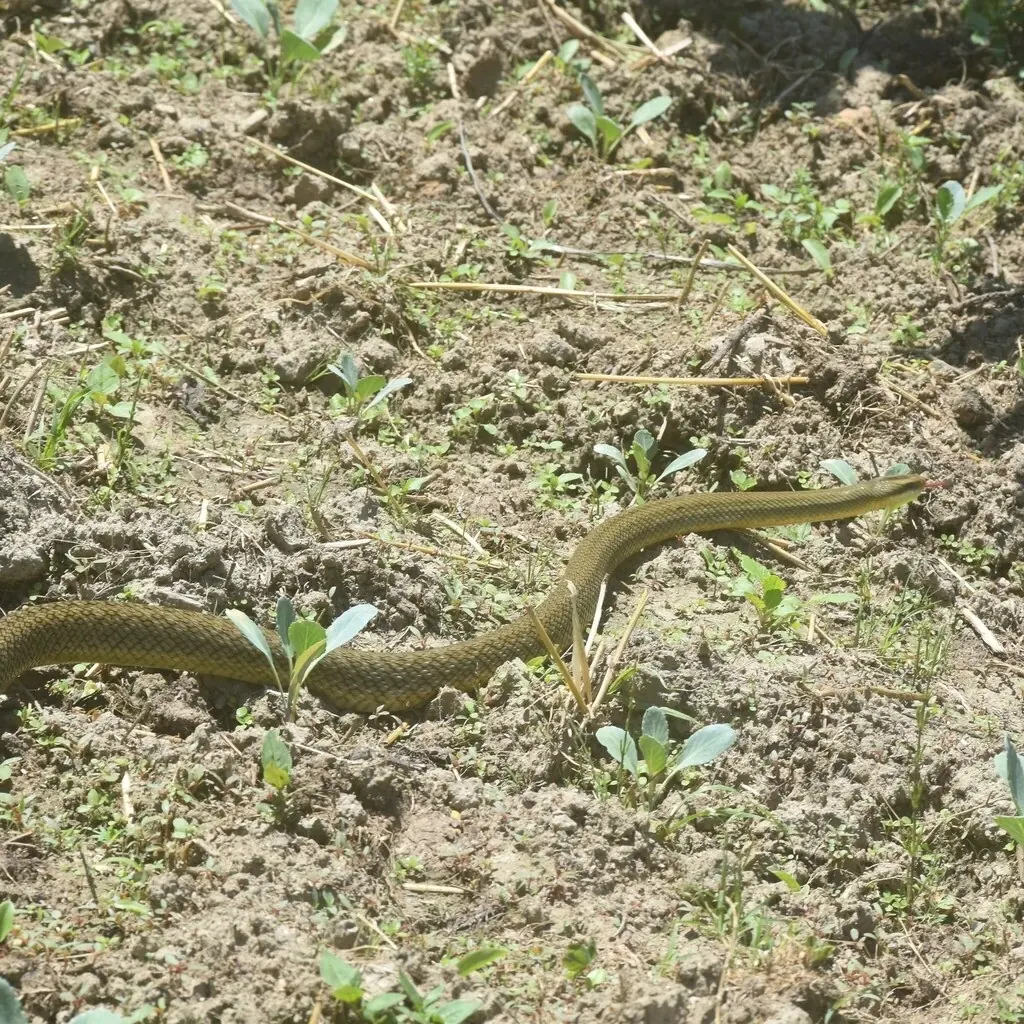
Ptyas mucosa — real specimen photograph; identification follows the linked source.

017 · Colubridae

Dhaman

Ptyas mucosa

(LINNAEUS, 1758)

Non-venomous

Nepal is explicitly listed in the checked individual taxonomic treatment.

Read the species account →

Afsar Nayakkan · CC BY 4.0 · https://creativecommons.org/licenses/by/4.0

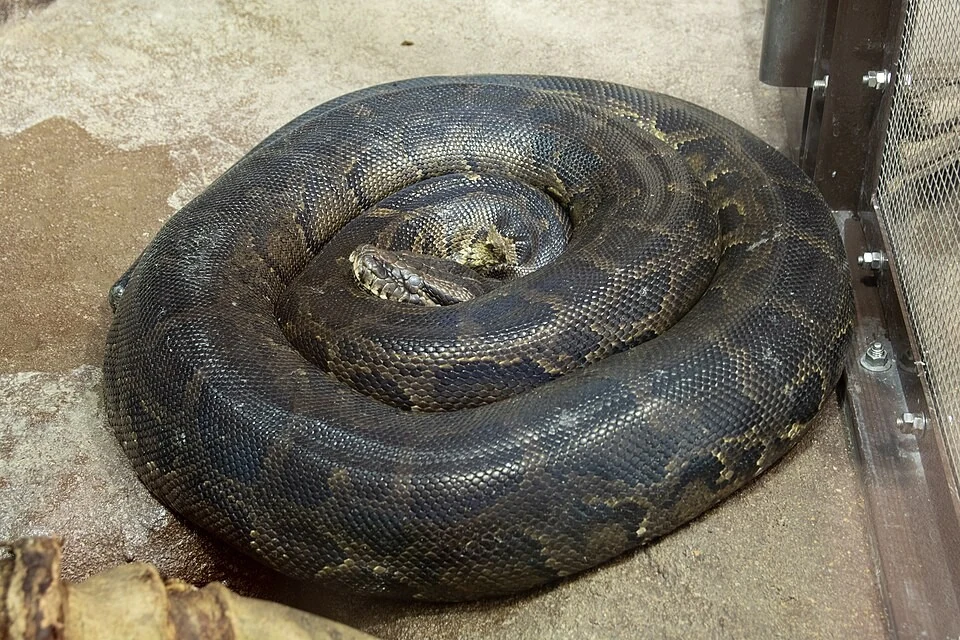
Python bivittatus — real specimen photograph; identification follows the linked source.

018 · Pythonidae

Burmese Python

Python bivittatus

KUHL, 1820

Non-venomous

Nepal is explicitly listed in the checked individual taxonomic treatment.

Read the species account →

Σ64 · CC BY 4.0 · https://creativecommons.org/licenses/by/4.0

Rhabdophis helleri. An anerythristic individual, as explicitly described by the photographer; this colour variant is not the typical appearance. Original observation dated 2021-06-05. Photograph identification follows the cited observation; it adds no geographic occurrence record.

019 · Colubridae

Heller’s Red-necked Keelback

Rhabdophis helleri

(SCHMIDT, 1925)

VenomousClinical severity not established

Nepal is explicitly listed in the checked individual taxonomic treatment.

Read the species account →

Lawrence Hylton · CC BY 4.0 · https://creativecommons.org/licenses/by/4.0/

Sibynophis collaris — real specimen photograph; identification follows the linked source.

020 · Colubridae

Common Many-tooth Snake

Sibynophis collaris

(GRAY, 1853)

Non-venomous

Nepal is explicitly listed in the checked individual taxonomic treatment. Nepal: named specimen and observation sites from 1973–1981 in the 1987 monograph.

Read the species account →

L. Shyamal · CC BY-SA 3.0 · https://creativecommons.org/licenses/by-sa/3.0
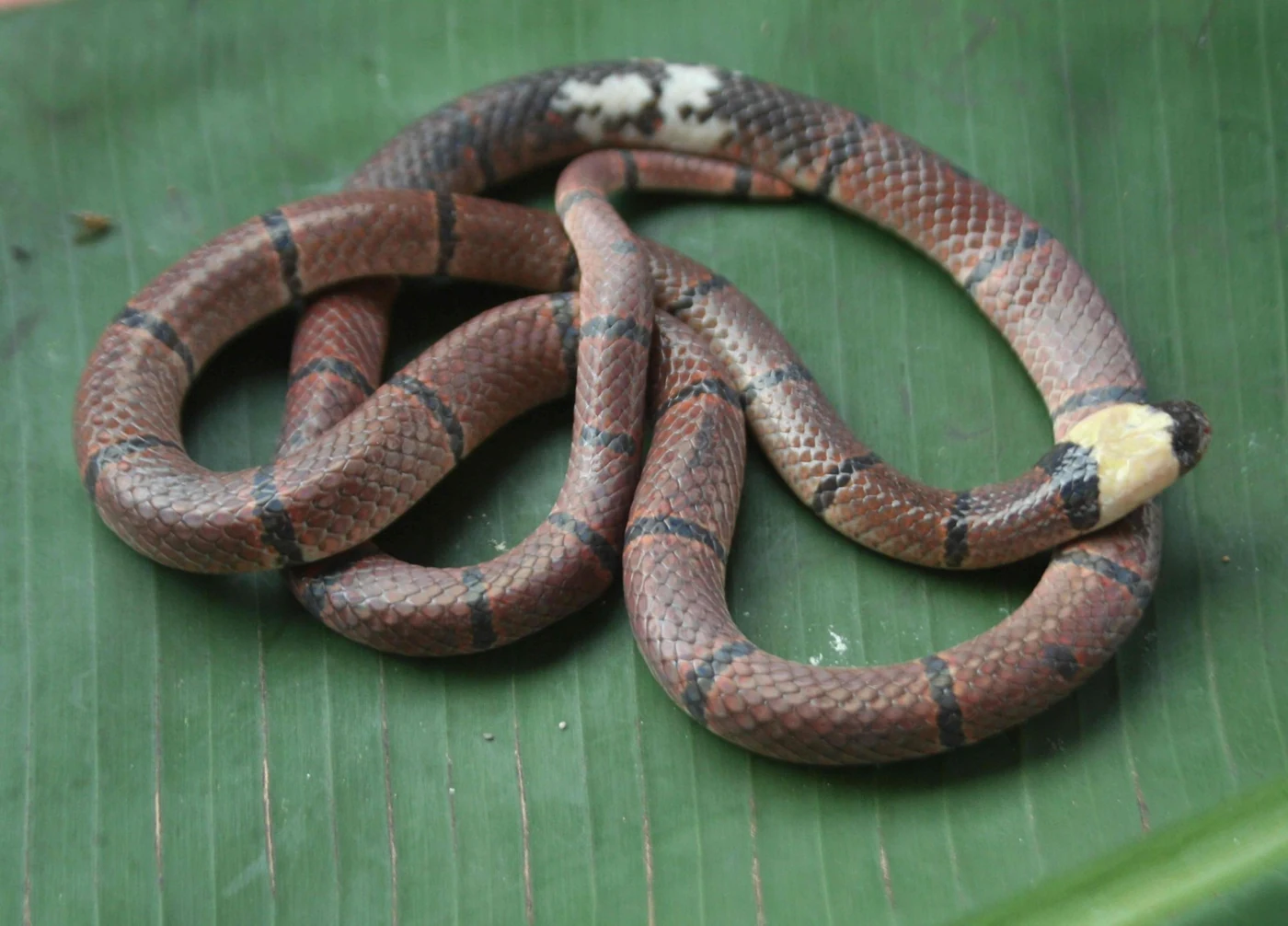
Sinomicrurus macclellandi — original article specimen photograph.

021 · Elapidae

MacClelland’s Coral Snake

Sinomicrurus macclellandi

(REINHARDT, 1844)

VenomousMedically significant effects

Nepal is explicitly listed in the checked individual taxonomic treatment.

Read the species account →

Luong et al. (2025) · CC BY 4.0 · https://creativecommons.org/licenses/by/4.0/

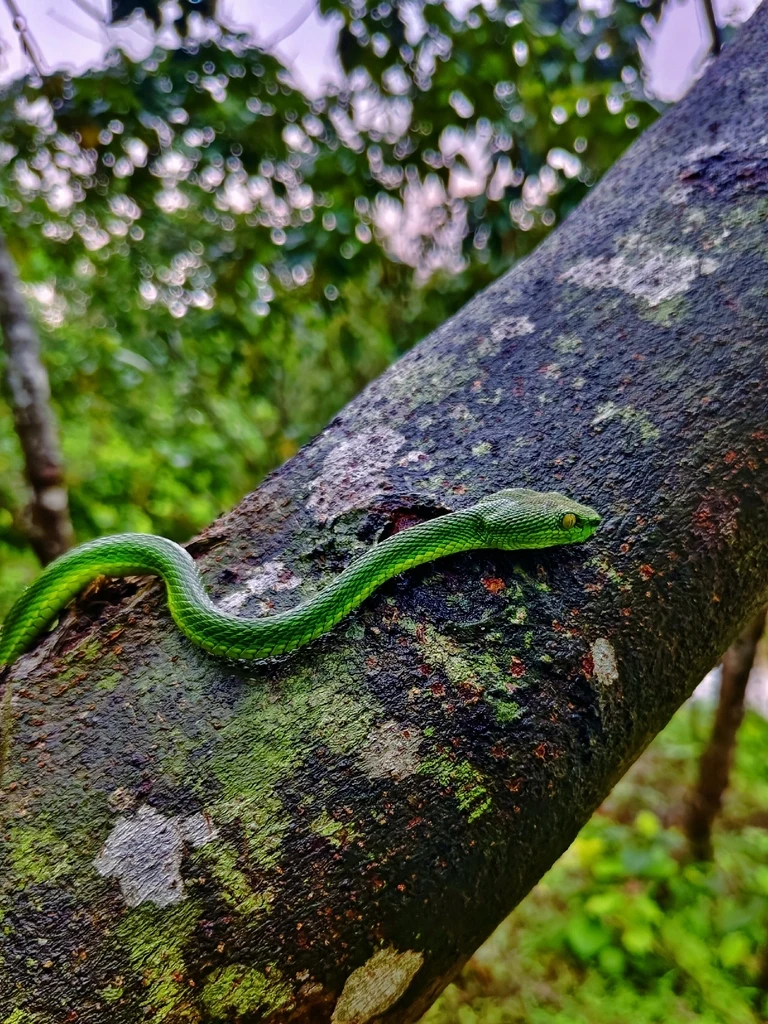
Trimeresurus erythrurus. Arboreal individual photographed on a tree. Original observation dated 2026-04-27. Photograph identification follows the cited observation; it adds no geographic occurrence record.

023 · Viperidae

Redtail (bamboo) Pit Viper

Trimeresurus erythrurus

(CANTOR, 1839)

VenomousClinical severity not established

Nepal is explicitly listed in the checked individual taxonomic treatment.

Read the species account →

Ankur Nandi · CC BY 4.0 · https://creativecommons.org/licenses/by/4.0/

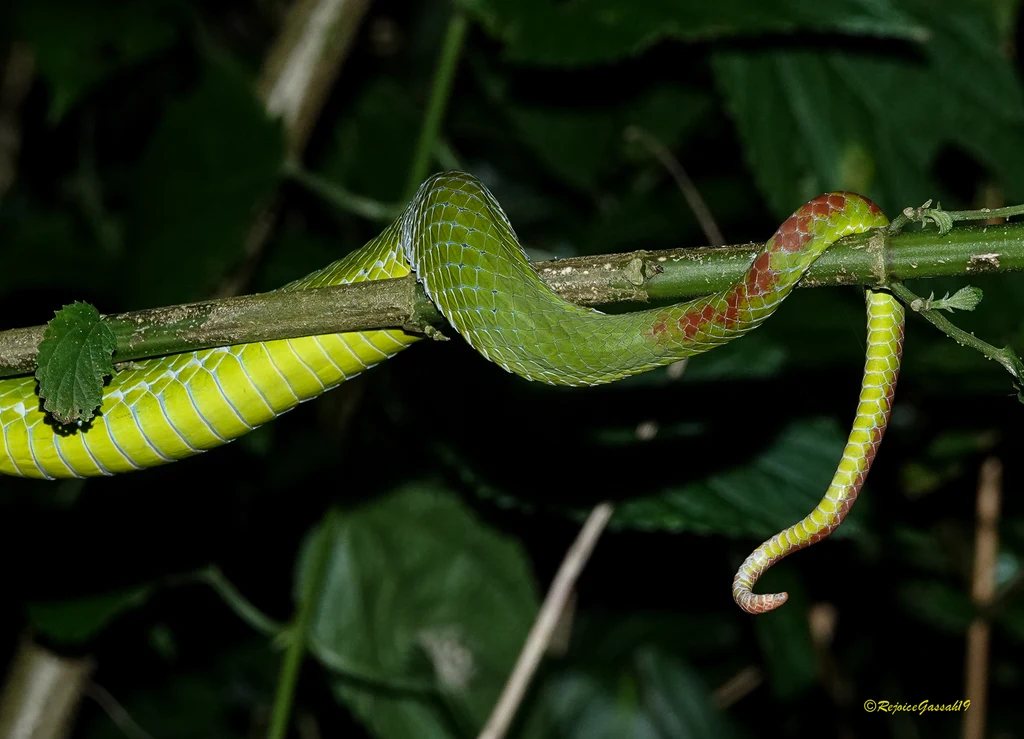
Trimeresurus popeiorum. Arboreal individual photographed on a branch; original photographer watermark preserved. Original observation dated 2019-10-09. Photograph identification follows the cited observation; it adds no geographic occurrence record.

024 · Viperidae

Pope’s Tree Viper

Trimeresurus popeiorum

SMITH, 1937

VenomousClinical severity not established

Nepal is explicitly listed in the checked individual taxonomic treatment.

Read the species account →

Rejoice Gassah · CC BY 4.0 · https://creativecommons.org/licenses/by/4.0/

All 81 species in the country collection →

Read further

Evidence & sources.

Guide reviewed 11 October 2026. Source dates and geographic scope matter; landscape photographs do not establish species occurrence.

  1. UNESCO · Chitwan National Park

    Terai sal forest, riverine woodland, grasslands and river setting.

  2. Nepal DNPWC · Bardia National Park

    Official Nepali account of sal forest, grassland and Karnali/Babai river sections; no fauna totals imported.

Continue through Nepal

Explore another habitat.

01

Mountain habitats

Mountain habitat needs more detail than a summit name.

02

Grassland & open woodland

Terai grasslands form mosaics with forest and rivers.

03

Rivers, lakes & wetlands

Oxbows, managed waters and hill lakes remain distinct habitats.