Grazing pressure
The official Shuklaphanta account identifies grazing among the park’s management problems. The concern is local, not a measured national grassland trend.
Nepal · Habitat field guide
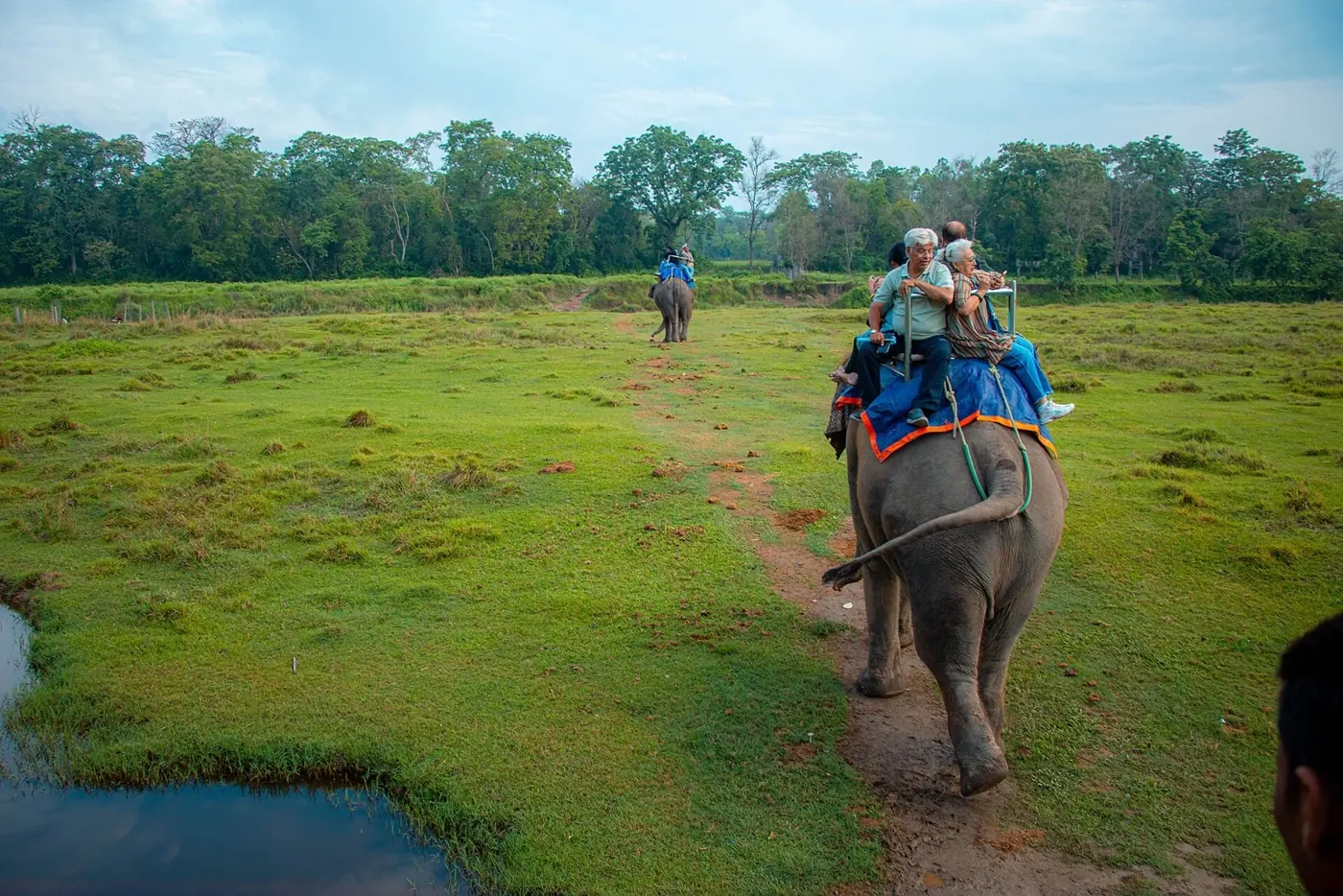
Terai grasslands form mosaics with forest and rivers.
Open grassland in Chitwan National Park, Nepal, with an elephant safari.
Understanding the environment
Terai grasslands form mosaics with forest and rivers.
Explore the structure · Select a zone to compare its structure and details worth recording.
Select a zone to see what changes.
Read the structure
Note grass height and the open ground between stems.
Observation prompts do not establish that a particular snake occurs in this zone.
Conceptual zones, not a measured transect or a map of snake occurrences.
Sources: Nepal DNPWC · Shuklaphanta National Park · UNESCO · Chitwan National Park
Field notes · 01
Shuklaphanta’s official account describes grasslands and wetlands shaped by the former Mahakali river course. Chitwan adds riverine grassland–forest transitions. This atlas open-habitat category does not imply a shared dry savanna climate.
Sources: Nepal DNPWC · Shuklaphanta National Park · UNESCO · Chitwan National Park
Field notes · 02
Keep the locality, date and habitat description together. A landscape source explains the setting; only a verified species record establishes occurrence. The collection below may be smaller than the variety of environments described here.
Pressures on Nepal’s habitats
The official Shuklaphanta account identifies grazing among the park’s management problems. The concern is local, not a measured national grassland trend.
Retain the local habitat mosaic and its connections. Interpret pressures using the cited site evidence and current local management guidance.
The connected collection
These 1 species have supported country occurrence and an explicit habitat association in the shared account. The association may come from elsewhere in their range. This is not a complete local habitat inventory; the places above are landscape examples, not asserted collecting sites.
1 species · showing 1
001 · Pythonidae
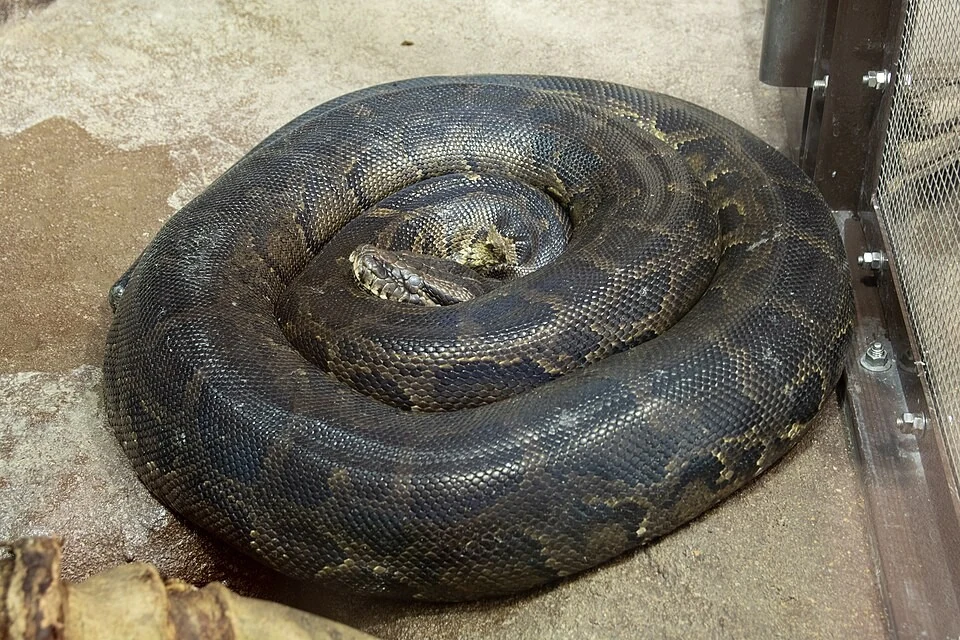
Burmese Python
Nepal is explicitly listed in the checked individual taxonomic treatment.
Read the species account →Σ64 · CC BY 4.0 · https://creativecommons.org/licenses/by/4.0
Read further
Guide reviewed 11 October 2026. Source dates and geographic scope matter; landscape photographs do not establish species occurrence.
Official Nepali account of grasslands, marshes, sal forest and grazing pressure. Old fauna counts are not reused.
Terai sal forest, riverine woodland, grasslands and river setting.
Continue through Nepal