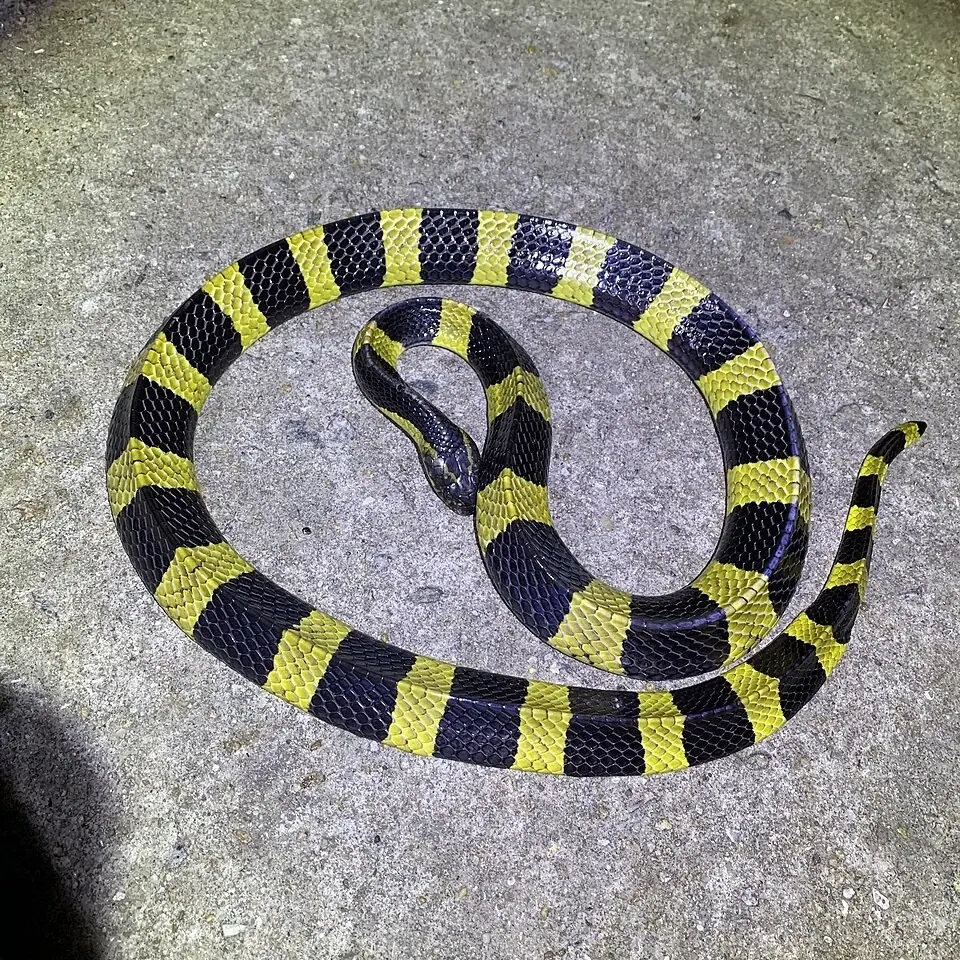
001 · Elapidae
Banded Krait
Bungarus fasciatus
VenomousPotentially life-threateningNepal is explicitly listed in the checked individual taxonomic treatment.
Read the species account →灯管儿 · CC BY 4.0 · https://creativecommons.org/licenses/by/4.0
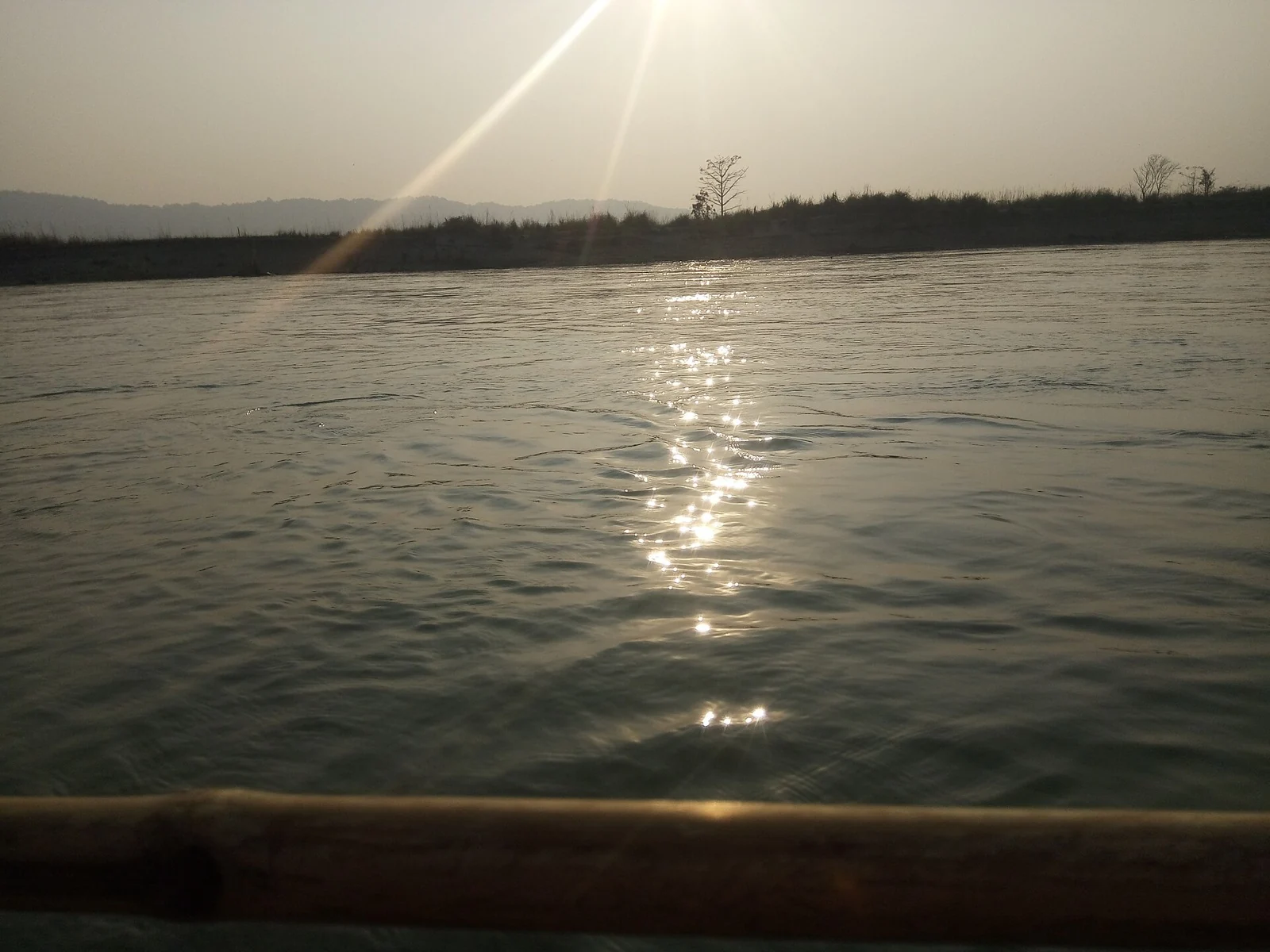
Nepal · Habitat field guide
Oxbows, managed waters and hill lakes remain distinct habitats.
Rapti River, Nepal.
Understanding the environment
Oxbows, managed waters and hill lakes remain distinct habitats.
Explore the structure · Select a zone to compare its structure and details worth recording.
Select a zone to see what changes.
Name the system
Distinguish river, lake, pool and managed reservoir.
Observation prompts do not establish that a particular snake occurs in this zone.
Conceptual zones, not a measured transect or a map of snake occurrences.
Sources: UNESCO · Chitwan National Park · Ramsar · Pokhara Valley lake cluster
Field notes · 01
Chitwan’s account places Beeshazar in its buffer zone. Pokhara’s designation groups several valley lakes; retain the individual lake name rather than widening a record to the cluster.
Sources: UNESCO · Chitwan National Park · Ramsar · Pokhara Valley lake cluster
Field notes · 02
Keep the locality, date and habitat description together. A landscape source explains the setting; only a verified species record establishes occurrence. The collection below may be smaller than the variety of environments described here.
Pressures on Nepal’s habitats
A site-specific assessment of pressures has not yet been extracted for this guide. The landscape sources below provide context; they do not establish a current threat level for each snake species.
Retain the local habitat mosaic and its connections. Interpret pressures using the cited site evidence and current local management guidance.
The connected collection
These 7 species have supported country occurrence and an explicit habitat association in the shared account. The association may come from elsewhere in their range. This is not a complete local habitat inventory; the places above are landscape examples, not asserted collecting sites.
7 species · showing 7
001 · Elapidae
Banded Krait
Nepal is explicitly listed in the checked individual taxonomic treatment.
Read the species account →灯管儿 · CC BY 4.0 · https://creativecommons.org/licenses/by/4.0
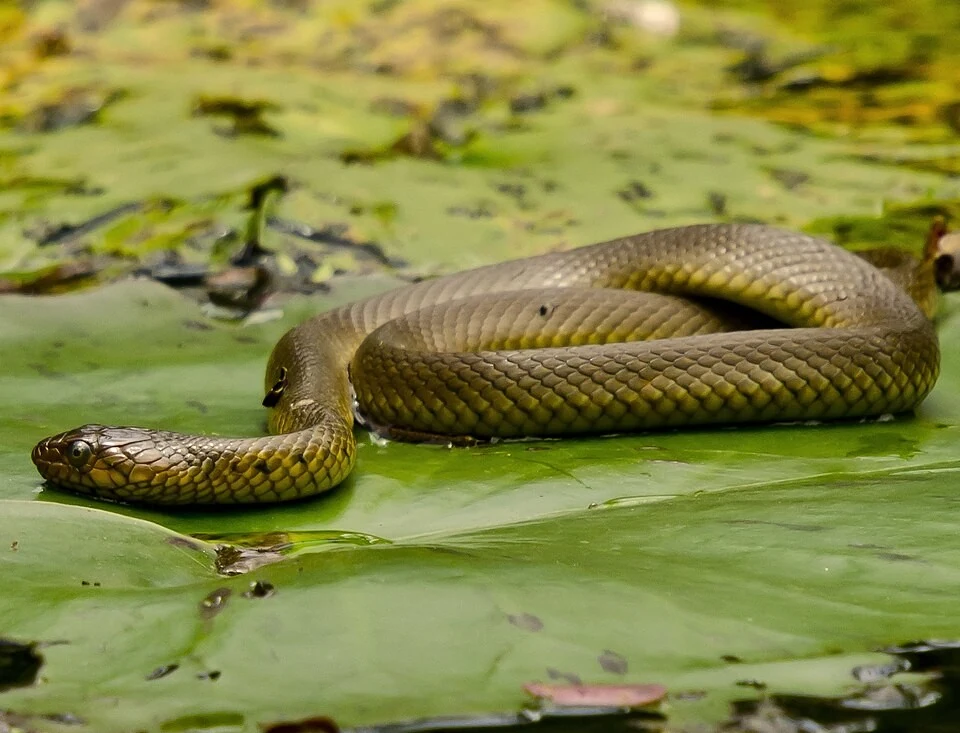
002 · Homalopsidae
Rainbow Mud Snake
Nepal is explicitly listed in the checked individual taxonomic treatment.
Read the species account →Srikaanth Sekar · CC BY 2.0 · https://creativecommons.org/licenses/by/2.0
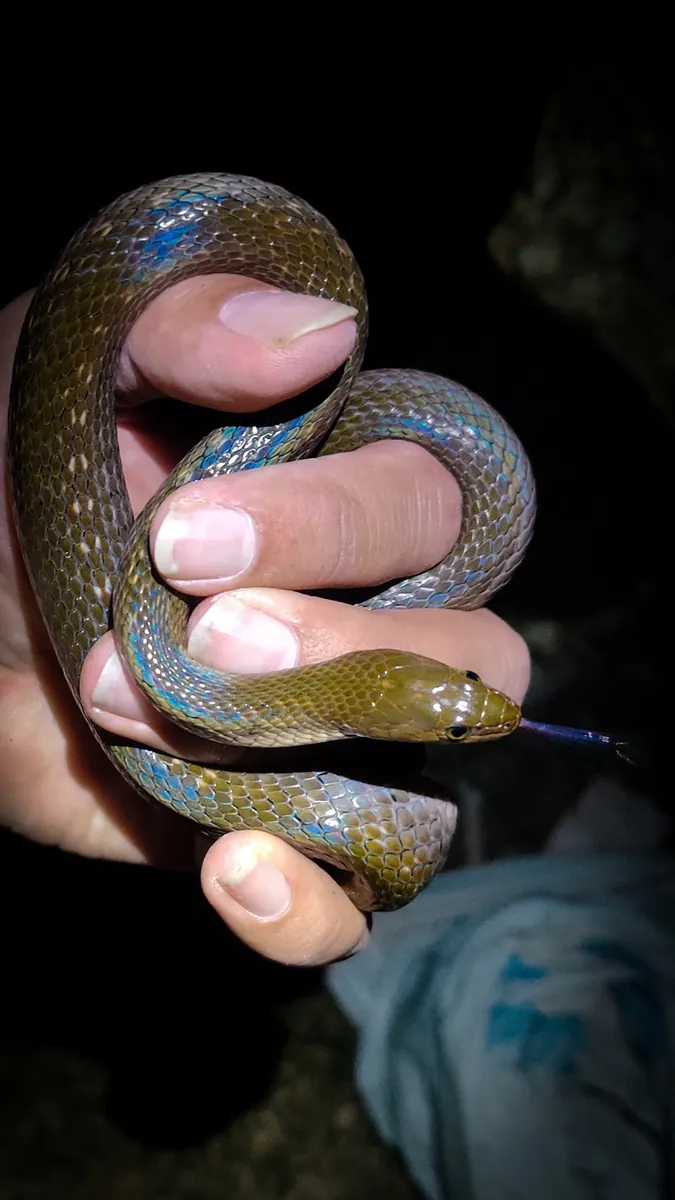
003 · Colubridae
Asiatic Water Snakes, Checkered Keelback
Nepal is explicitly listed in the checked individual taxonomic treatment.
Read the species account →Chayant Gonsalves / iNaturalist · CC BY 4.0 · https://creativecommons.org/licenses/by/4.0/

004 · Typhlopidae
Flowerpot Snake
Nepal is explicitly listed in the checked individual taxonomic treatment.
Read the species account →Cook-Price, Makchai & Suwanwaree (2026); photographs credited collectively to the author, James Covert and Vikas Kumar · CC BY 4.0 · https://creativecommons.org/licenses/by/4.0/
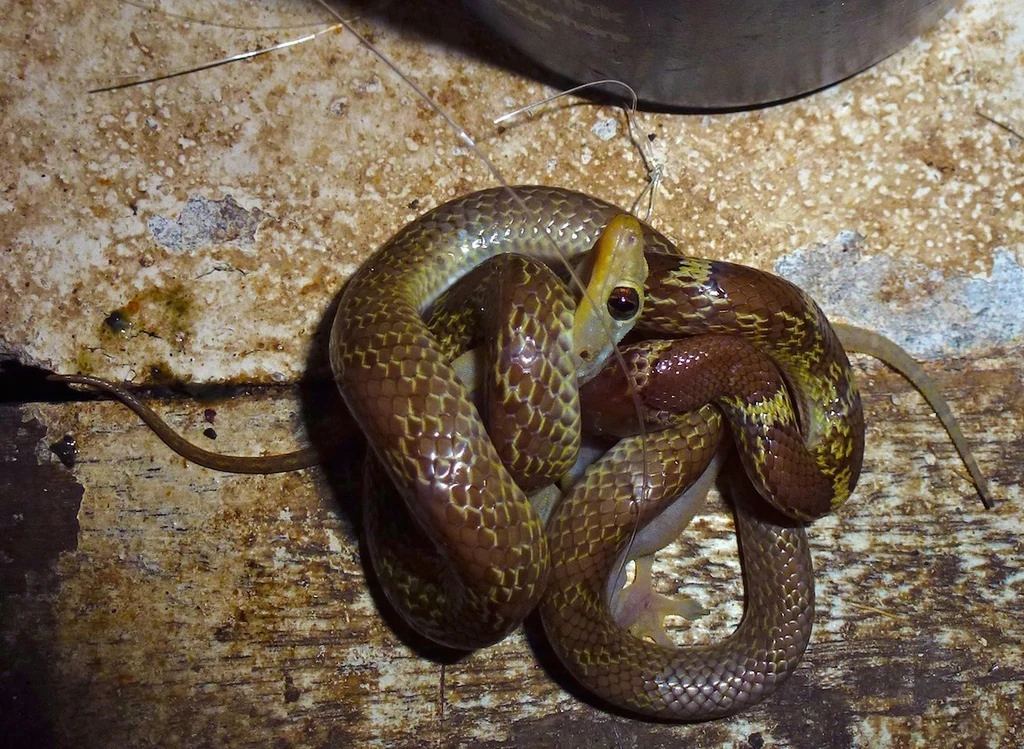
005 · Colubridae
Indian Wolf Snake, Common Wolf Snake
Nepal is explicitly listed in the checked individual taxonomic treatment.
Read the species account →Eliane Küpfer · CC BY-SA 4.0 · https://creativecommons.org/licenses/by-sa/4.0/
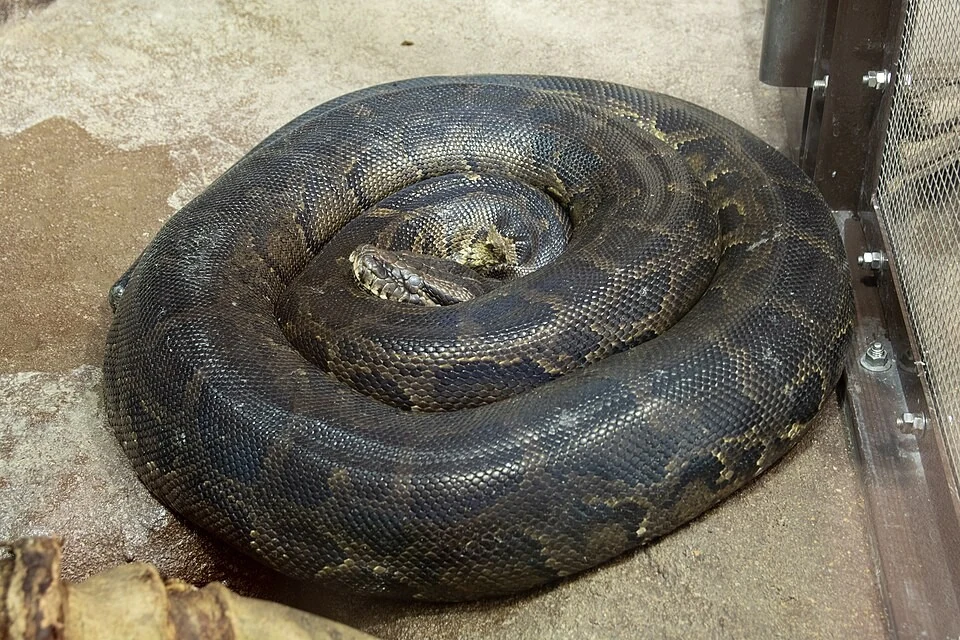
006 · Pythonidae
Burmese Python
Nepal is explicitly listed in the checked individual taxonomic treatment.
Read the species account →Σ64 · CC BY 4.0 · https://creativecommons.org/licenses/by/4.0
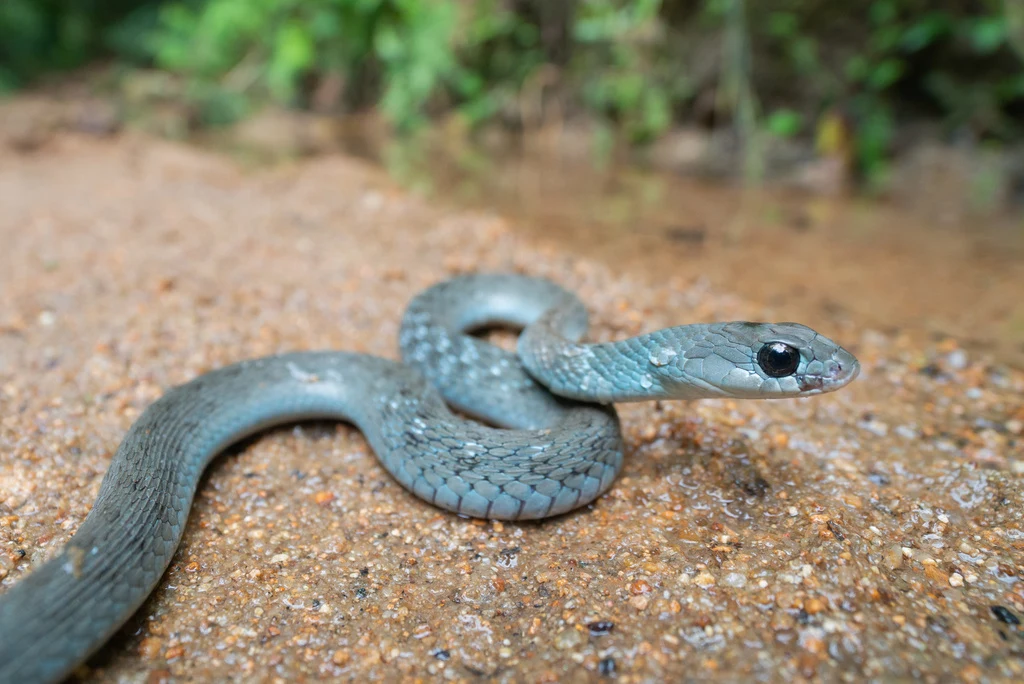
007 · Colubridae
Heller’s Red-necked Keelback
Nepal is explicitly listed in the checked individual taxonomic treatment.
Read the species account →Lawrence Hylton · CC BY 4.0 · https://creativecommons.org/licenses/by/4.0/
Read further
Guide reviewed 11 October 2026. Source dates and geographic scope matter; landscape photographs do not establish species occurrence.
Terai sal forest, riverine woodland, grasslands and river setting.
2016 designation account; historical context, not current water-quality assessment.
Continue through Nepal