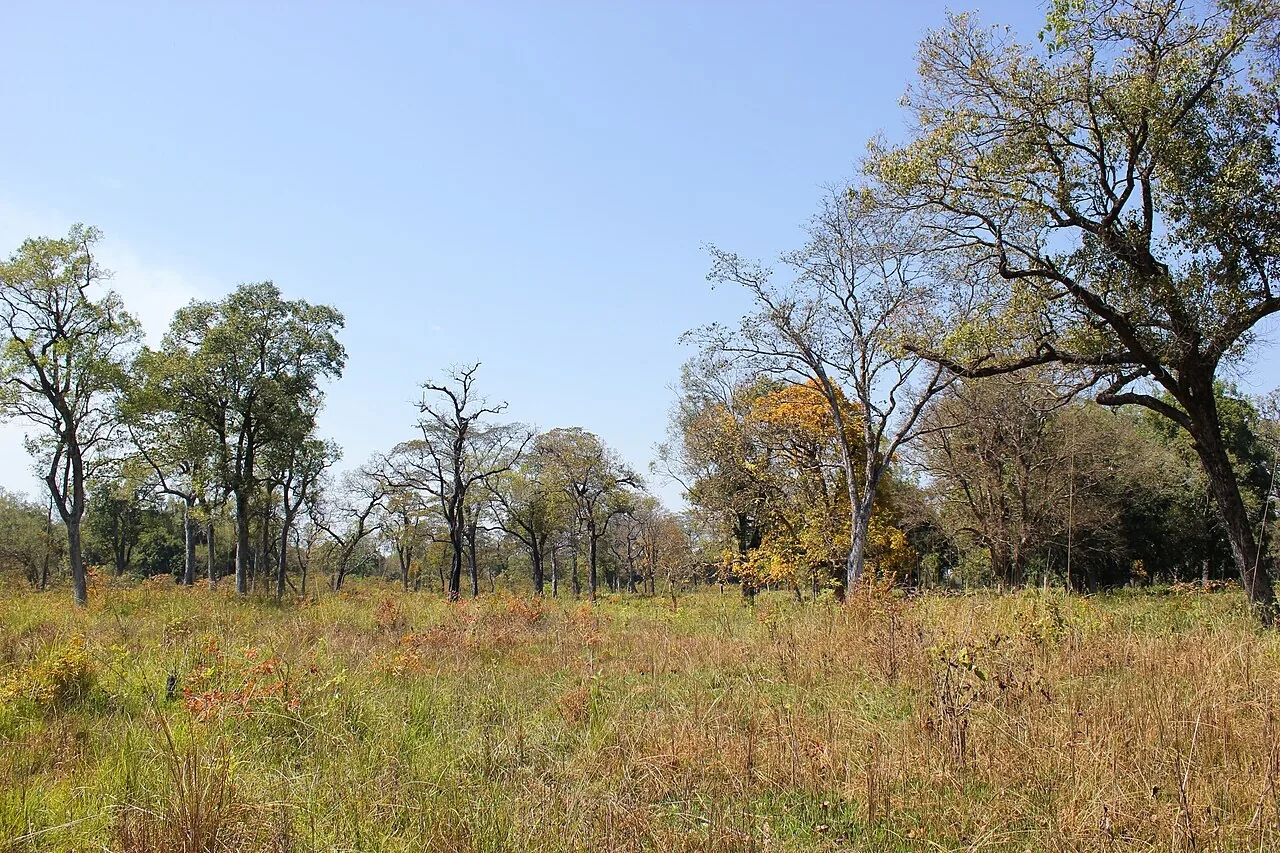
Open woodland and grass in Bardiya National Park, Lumbini Province, Nepal, photographed in March 2014.

Nepal · Place guide

Lumbini

Lumbini includes western Terai forests and rivers.

7species with extracted evidence
2families
7region guides

Open woodland and grass in Bardiya National Park, Lumbini Province, Nepal, photographed in March 2014.

Photograph: Trilok Shrivastava · Image source · CC BY-SA 4.0. Cropped to fill the hero; darkened for text legibility.

Geography & biotopes

Read the landscape.

Lumbini includes western Terai forests and rivers.

Bardia’s account describes sal forest, grassland and Karnali–Babai river sections.

Ecological connections

Keep park localities separate from province-scale evidence.

Explore the setting

Keep the named locality and date with each record. Check official access information and respect local communities; this geographic guide is not an access permit.

This guide indexes these source names: Lumbini, Lumbini Province. A country-only record is not automatically assigned to this place. Map markers identify navigation destinations, not collection sites.

UNESCO · Chitwan National Park →

geoBoundaries · Open ADM1 boundary provenance →

Geography is part of the record

Find your way through Nepal.

Select a named region to open its evidence page. The complete directory below keeps every guide accessible, including places where locality evidence has not yet been extracted.

12 of 81 listed species have at least one indexed region record. 69 remain country-only. Even a nonzero count is not a complete regional inventory.

Habitats & living landscapes

Explore the living
landscapes.

Explore 4 guides to the environments, places and conservation pressures that shape this country. Each guide connects to the regional map and shared species accounts.

Landscape photographs & credits

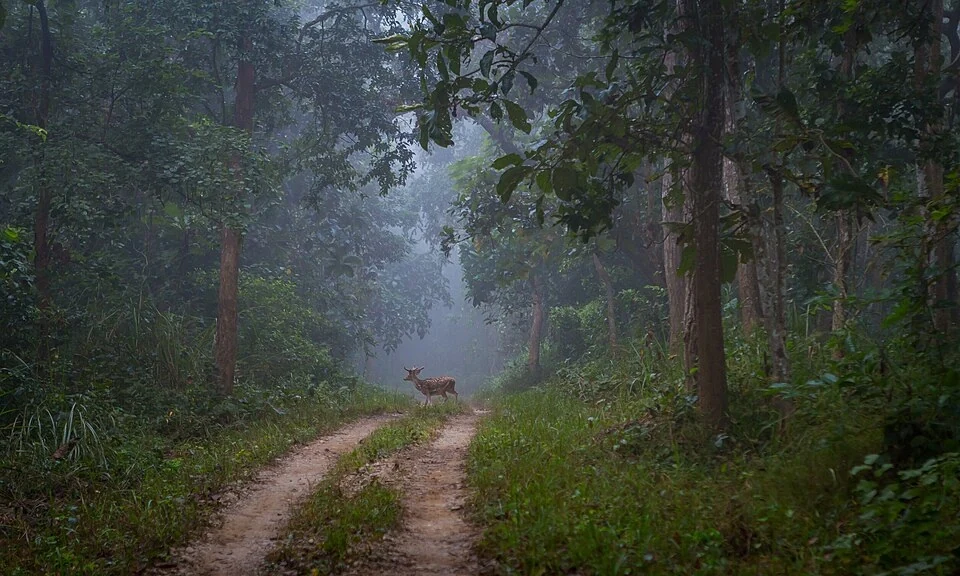
Forest and tracks in Chitwan National Park, Nepal. — Vadim Tolbatov. Original photograph · CC BY-SA 4.0. Cropped for the cards; photographs do not establish snake occurrence.

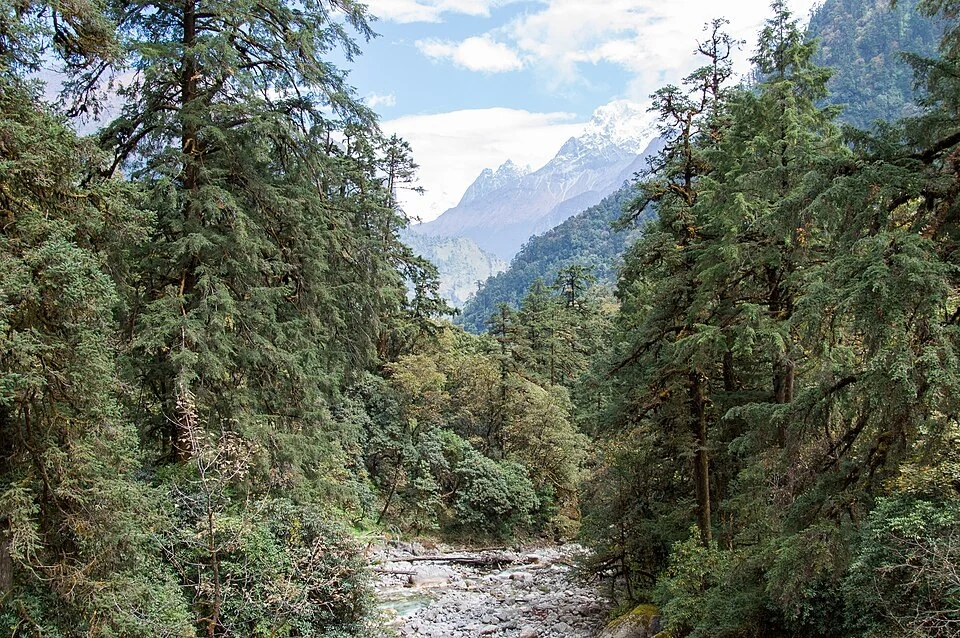
Mountain forest near Timang on the Annapurna Circuit, Nepal. — Sergey Ashmarin. Original photograph · CC BY-SA 3.0. Cropped for the cards; photographs do not establish snake occurrence.

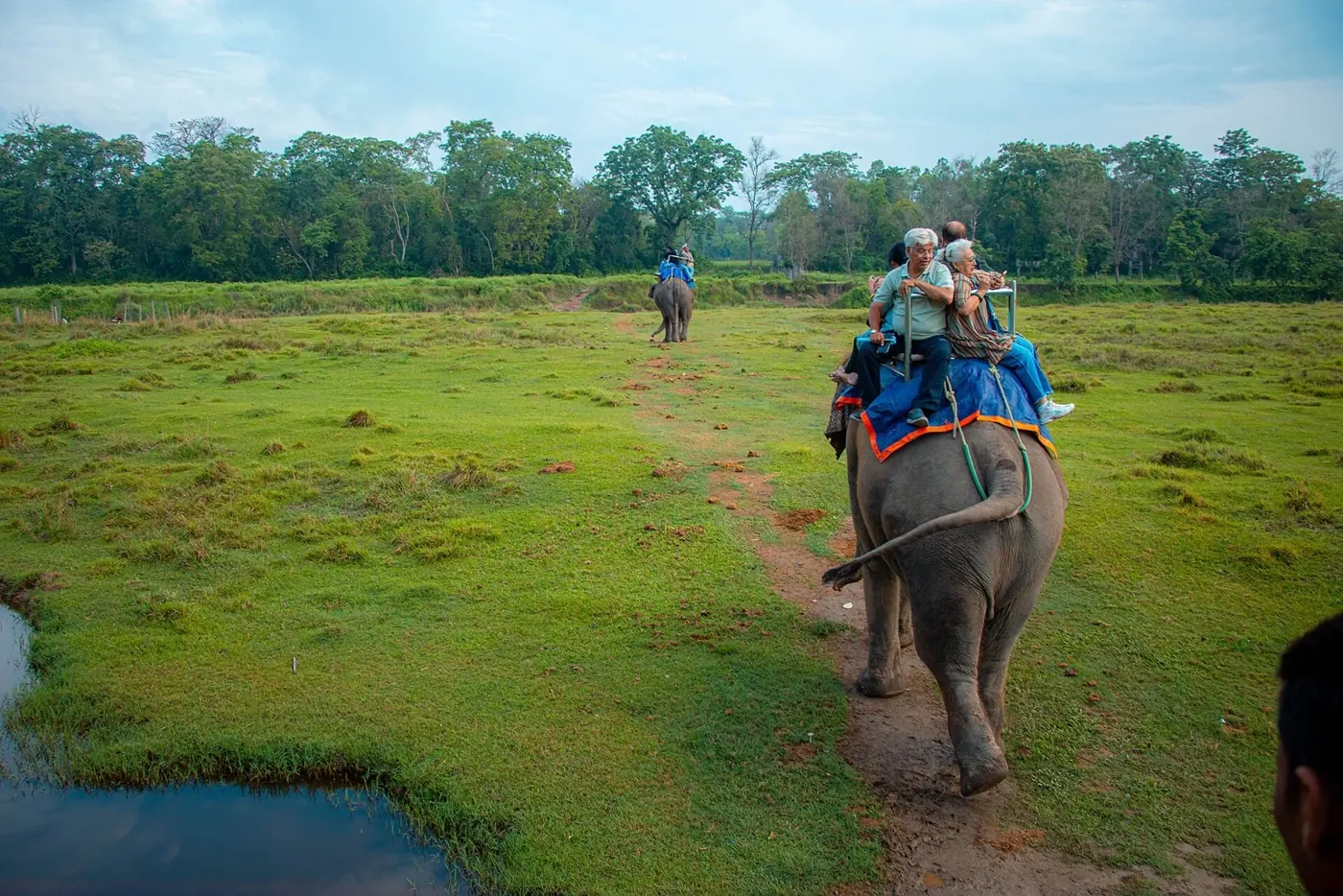
Open grassland in Chitwan National Park, Nepal, with an elephant safari. — Shlok Maharjan. Original photograph · CC BY-SA 4.0. Cropped for the cards; photographs do not establish snake occurrence.

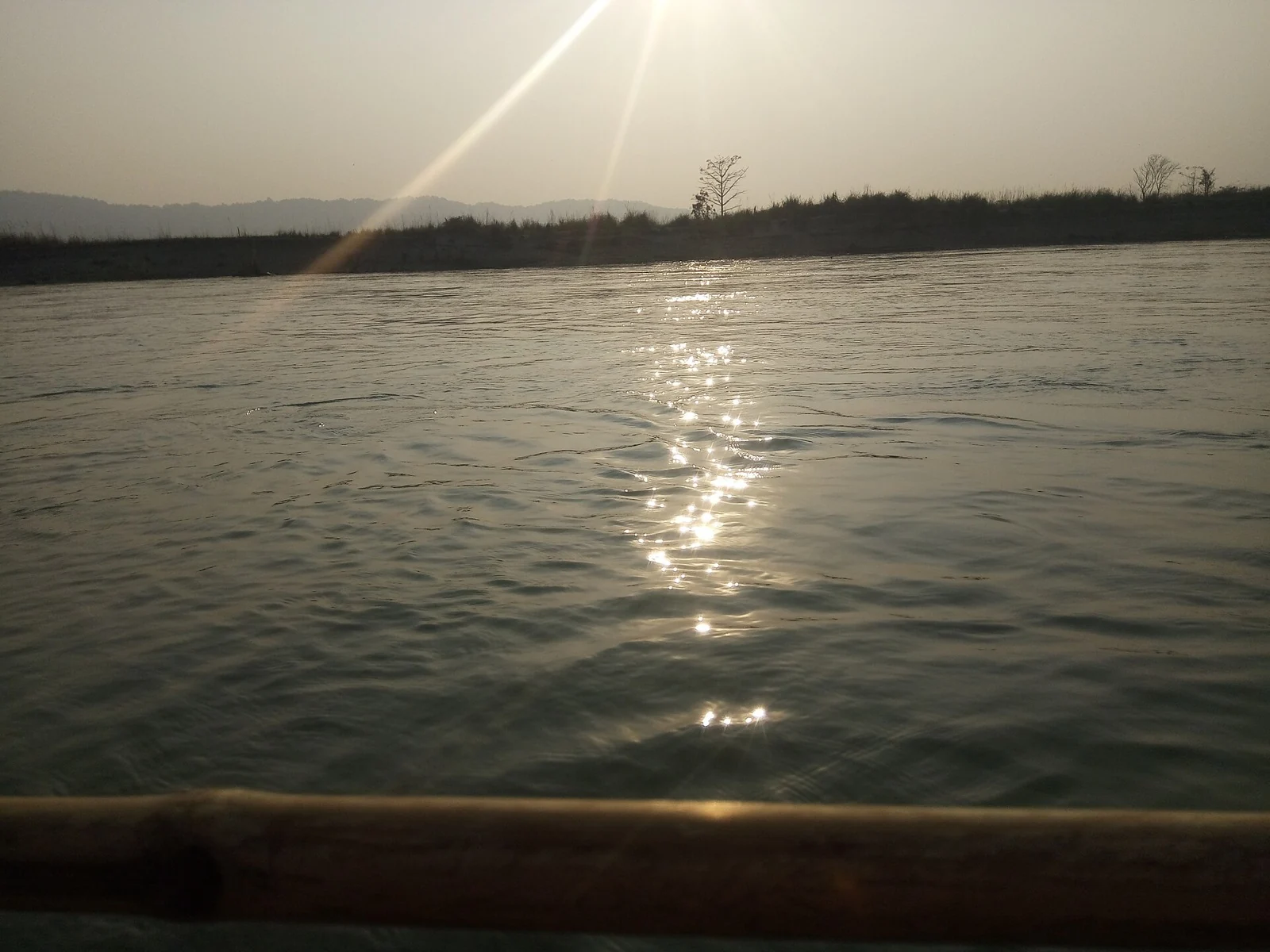
Rapti River, Nepal. — User.ani2074. Original photograph · CC BY-SA 4.0. Cropped for the cards; photographs do not establish snake occurrence.

The species catalogue

Snakes · Lumbini.

Only records naming this place appear below. These are extracted locality records, not complete island or regional inventories.

7 species · showing 7

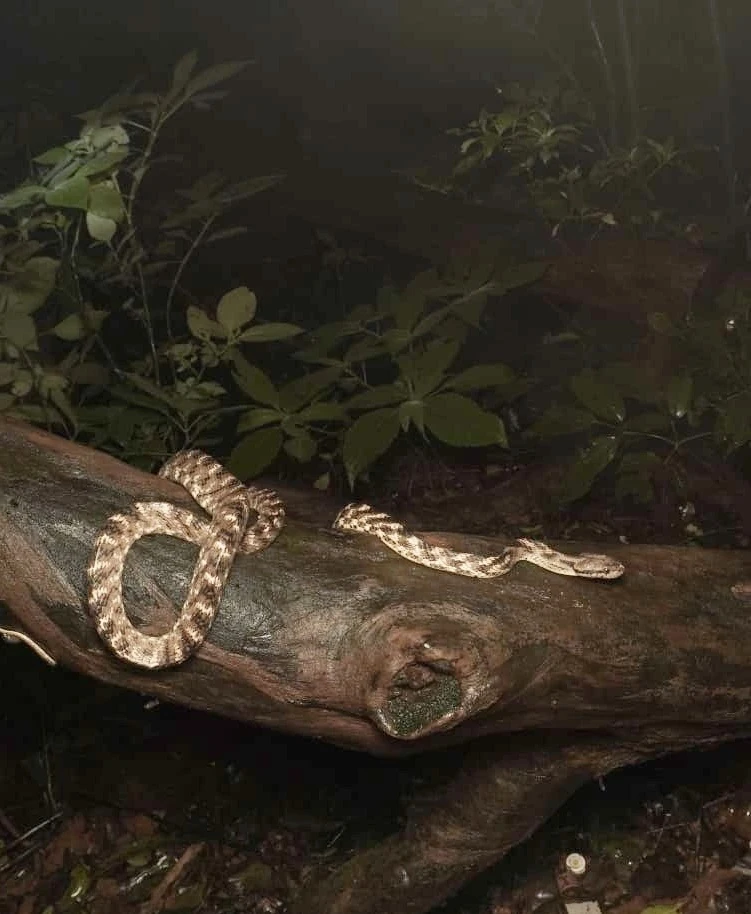
Boiga forsteni. Identification follows the linked source community.

001 · Colubridae

Forsten's Cat Snake

Boiga forsteni

(DUMÉRIL, BIBRON & DUMÉRIL, 1854)

VenomousClinical severity not established

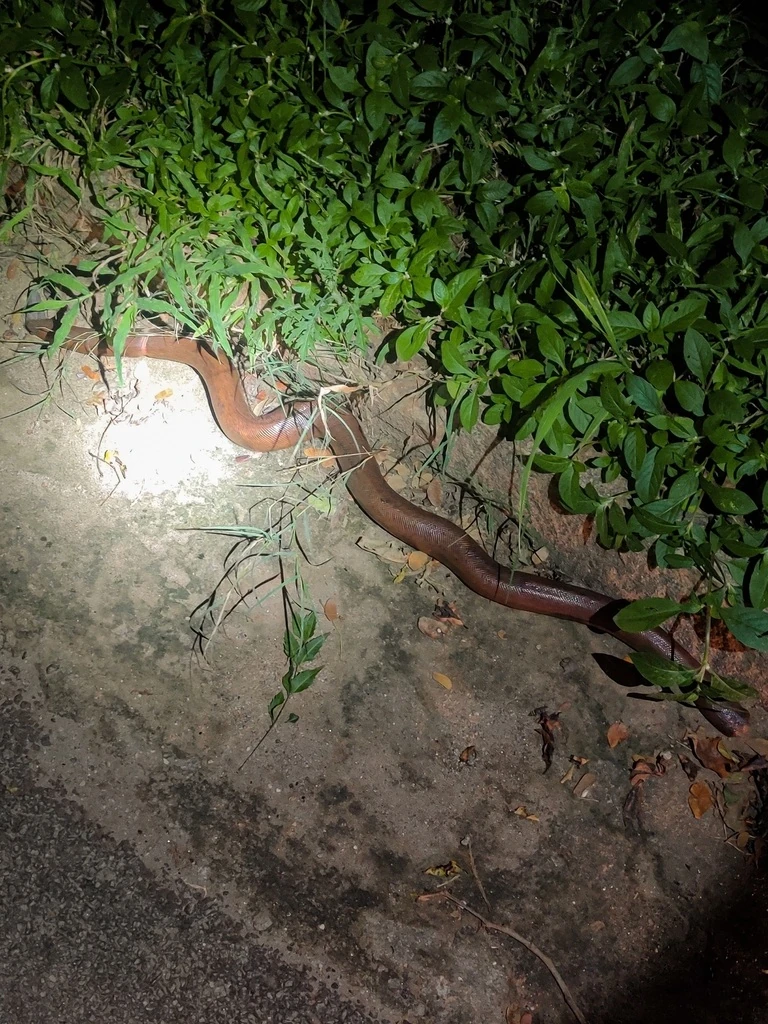
Nepal is explicitly listed in the checked individual taxonomic treatment. The 2026 Dang survey supplies an independent Lumbini record. Regional evidence: Dang Valley / Deukhuri. Named records do not imply continuous occurrence throughout a region. Nepal: Dang Valley. Subedi et al. (2026) document these localities from their 2018–2024 study; rescue and…

Read the species account →

Bhushan Dalvi · CC0 1.0 · https://creativecommons.org/publicdomain/zero/1.0/

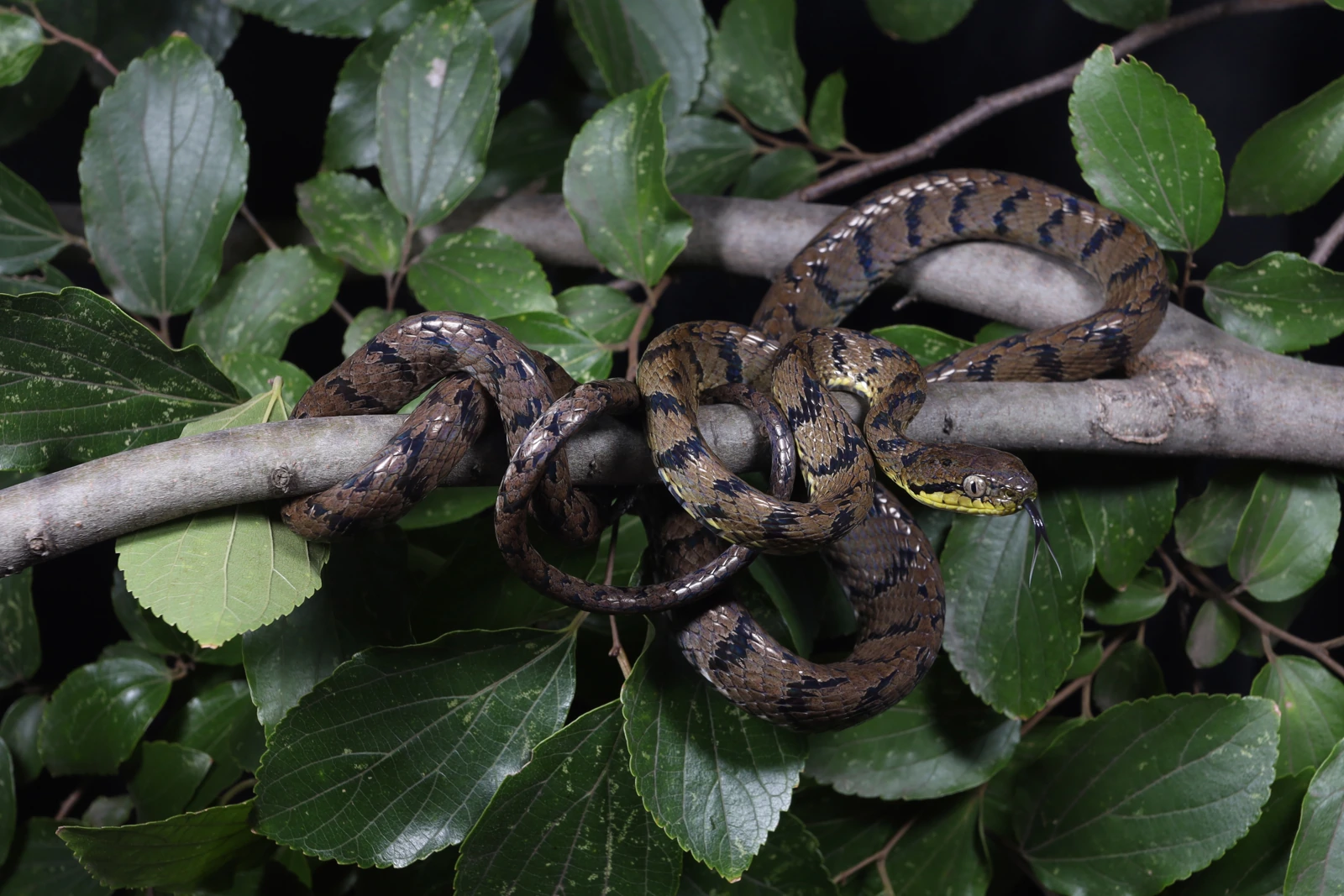
Boiga stoliczkae. Photographed in life. Figure 1. TBR2023045. Scientific source photograph; no new occurrence record is inferred.

002 · Colubridae

Tawny Cat Snake

Boiga stoliczkae

(WALL, 1909)

VenomousClinical severity not established

Nepal is explicitly listed in the checked individual taxonomic treatment. The 2026 Dang survey supplies an independent Lumbini record. Regional evidence: Dang Valley / Deukhuri. Named records do not imply continuous occurrence throughout a region. Nepal: Dang Valley. Subedi et al. (2026) document these localities from their 2018–2024 study; rescue and…

Read the species account →

Diancheng Yang · CC BY 4.0 · https://creativecommons.org/licenses/by/4.0/

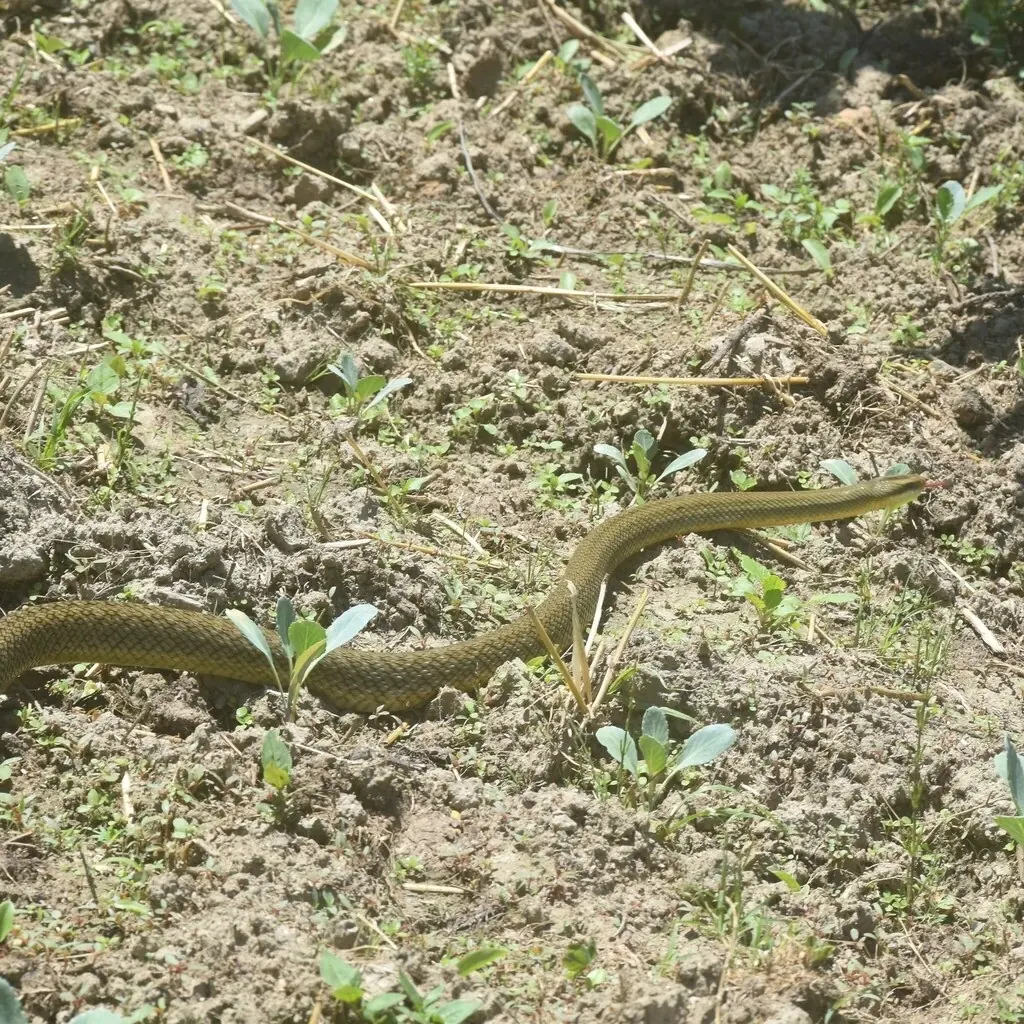
Elaphe hodgsonii. Identification follows the linked source community.

003 · Colubridae

English common name not available

Elaphe hodgsonii

(GÜNTHER, 1860)

Non-venomous

Nepal is explicitly listed in the checked individual taxonomic treatment. The 2026 Dang survey supplies an independent Lumbini record. Regional evidence: Dang Valley / Deukhuri. Named records do not imply continuous occurrence throughout a region. Nepal: Dang Valley, Banglachuli. Subedi et al. (2026) document these localities from their 2018–2024 study;…

Read the species account →

Name · CC BY 4.0 · https://creativecommons.org/licenses/by/4.0/

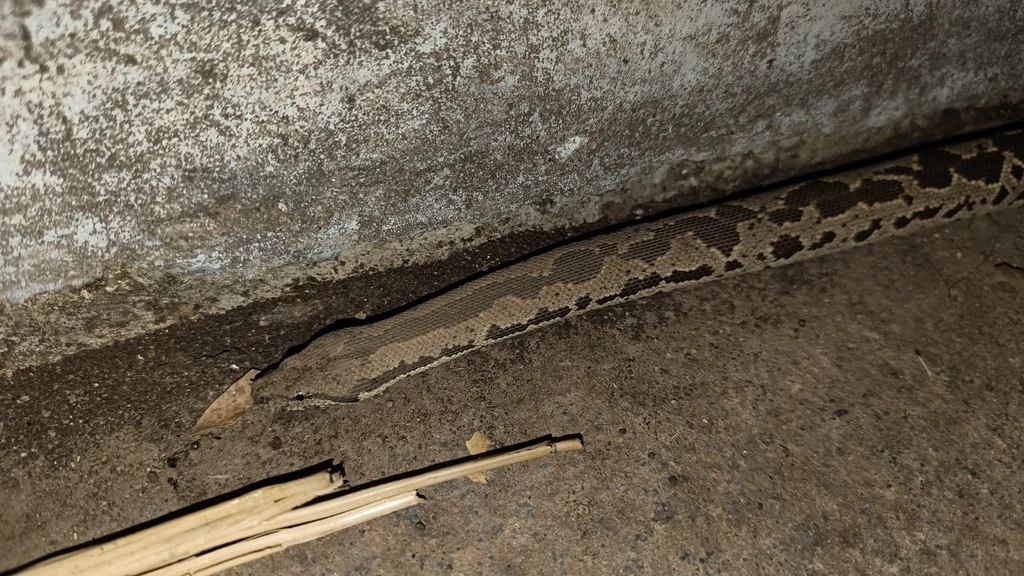
Eryx conicus. Identification follows the linked source community.

004 · Boidae

Rough-tailed Sand Boa, Common Sand Boa

Eryx conicus

(SCHNEIDER, 1801)

Non-venomous

Nepal is explicitly listed in the checked individual taxonomic treatment. The 2026 Dang survey supplies an independent Lumbini record. Regional evidence: Dang Valley / Deukhuri. Named records do not imply continuous occurrence throughout a region. Nepal: Deukhuri Valley. Subedi et al. (2026) document these localities from their 2018–2024 study; rescue…

Read the species account →

Aruna Gamuz · CC0 1.0 · https://creativecommons.org/publicdomain/zero/1.0/

Eryx johnii. Identification follows the linked source community.

005 · Boidae

Brown Sand Boa, Indian Sand Boa, Red Sand Boa

Eryx johnii

(RUSSELL, 1801)

Non-venomous

Nepal is explicitly listed in the checked individual taxonomic treatment. The 2026 Dang survey supplies an independent Lumbini record. Regional evidence: Dang Valley / Deukhuri. Named records do not imply continuous occurrence throughout a region. Nepal: Deukhuri Valley. Subedi et al. (2026) document these localities from their 2018–2024 study; rescue…

Read the species account →

Chayant Gonsalves · CC BY 4.0 · https://creativecommons.org/licenses/by/4.0/

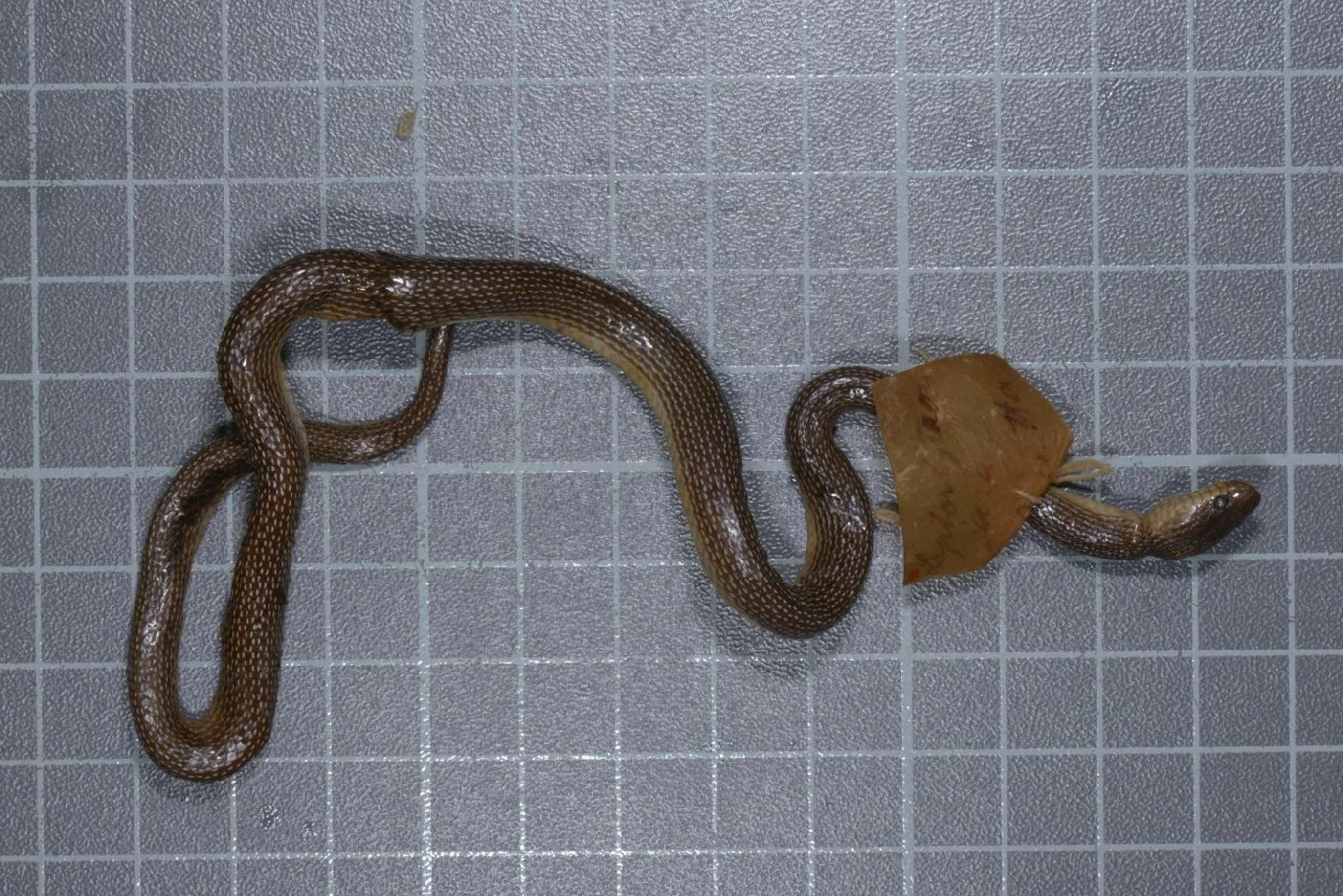
Lycodon jara. Preserved museum specimen, Natural History Museum, London, 1892.2.4.5. Colours may have changed in preservative. This collection image adds no geographic occurrence record.

006 · Colubridae

Twin-spotted Wolf Snake

Lycodon jara

(SHAW, 1802)

Non-venomous

Nepal is explicitly listed in the checked individual taxonomic treatment. The 2026 Dang survey supplies an independent Lumbini record. Regional evidence: Dang Valley / Deukhuri. Named records do not imply continuous occurrence throughout a region. Nepal: Deukhuri Valley. Subedi et al. (2026) document these localities from their 2018–2024 study; rescue…

Read the species account →

Wai Yee Cooper / The Trustees of the Natural History Museum, London · CC BY 4.0 · https://creativecommons.org/licenses/by/4.0/

Oligodon taeniolatus. Identification follows the linked source community.

007 · Colubridae

Streaked Kukuri Snake

Oligodon taeniolatus

(JERDON, 1853)

Non-venomous

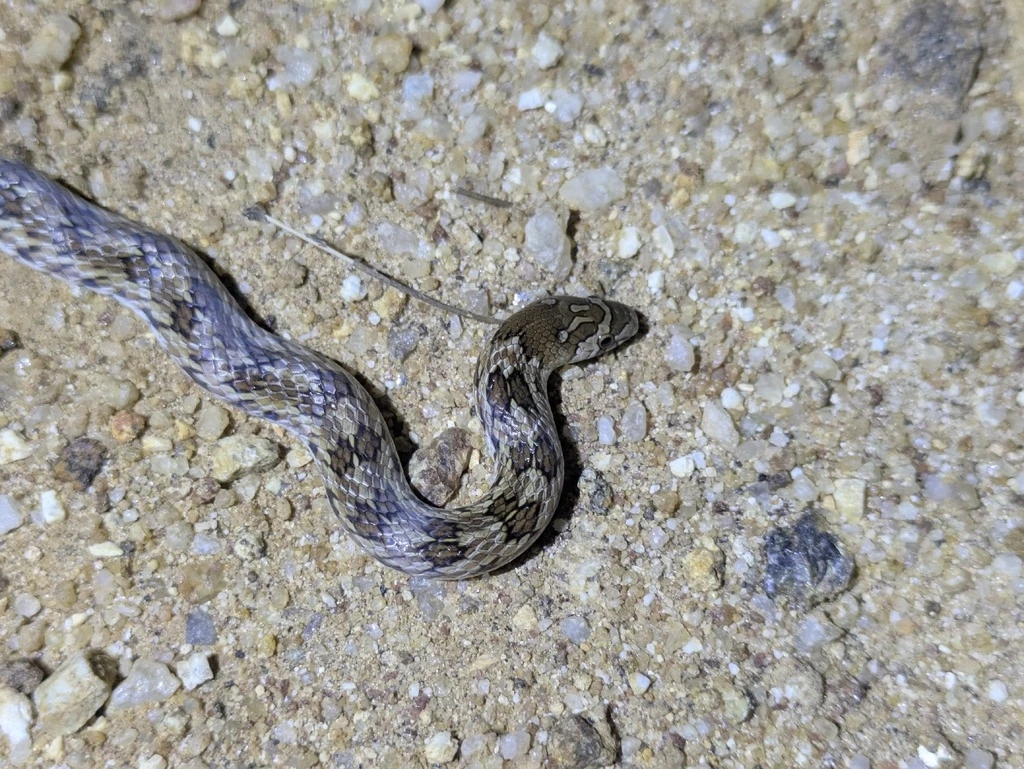
Nepal is explicitly listed in the checked individual taxonomic treatment. The 2026 Dang survey supplies an independent Lumbini record. Regional evidence: Dang Valley / Deukhuri. Named records do not imply continuous occurrence throughout a region. Nepal: photographed at Lalmatiya, Deukhuri, on 5 July 2023. Subedi et al. (2026) report voucher…

Read the species account →

Paulmathi Vinod · CC BY 4.0 · https://creativecommons.org/licenses/by/4.0/

Explore all 81 country records →

The research library

Sources & the checklist.

This edition lists 81 species with supported country records from checked taxonomic treatments and cited field studies. It is not a claim of a complete national inventory. Each account retains its source and check date; individual evidence entries retain their own review dates.

Independent checklist comparison · 2026-10-11

Current individual treatments provide country occurrences, supplemented by the 2026 Dang Valley survey. The documented Oligodon taeniolatus voucher supplies a Lumbini record despite an older negative country note. A local survey does not establish a complete national inventory or range across all provinces.

Subedi et al. (2026): herpetofauna of Dang Valley and adjacent hills ↗

Review still open

Unresolved Himalayan records

Indotyphlops gyirongensis remains question-marked; Gonyosoma prasinum is only probable without a precise record in the checked treatment.

Province coverage

National records are not automatically copied into each province. Unassigned species remain visible in Browse all.

Range and taxonomy review

Country links use a single accepted species identity. Revised names and disputed records are kept visible here; uncertain records do not enter the listed collection or regional totals.

Trimeresurus albolabris

Uncertain — excluded from the listed total

The modern review excludes the Indian subcontinent from the restricted albolabris range; Himalayan records must be reassessed against T. septentrionalis and related species.

Source 1 ↗

Source 2 ↗

Naja kaouthia

Uncertain — excluded from the listed total

The treatment flags a conflict with the IUCN range east of Nepal. No current voucher resolving that conflict was checked.

Source 1 ↗

Boiga cyanea

Supported country occurrence

Nepal is explicitly listed in the checked individual taxonomic treatment.

Source 1 ↗

Pseudoxenodon macrops

Supported country occurrence

Nepal is explicitly listed in the checked individual taxonomic treatment. Nepal: historical vouchers from Gandrung forest (1973; 2,360 m) and Ulleri (1954; 2,000 m).

Source 1 ↗

Source 2 ↗

Sibynophis collaris

Supported country occurrence

Nepal is explicitly listed in the checked individual taxonomic treatment. Nepal: named specimen and observation sites from 1973–1981 in the 1987 monograph.

Source 1 ↗

Source 2 ↗

Gloydius himalayanus

Uncertain — excluded from the listed total

The 2026 integrative revision assigns verified western and west-central Nepal populations to Gloydius nepalensis and restricts G. himalayanus sensu stricto to India. Older eastern Nepal reports lack credible vouchers and include misidentified Ovophis. The historical broad himalayanus label is therefore withheld from Nepal; the existing G. nepalensis profile remains confirmed.

Source 1 ↗
How the map and counts work

Search results were checked against distribution text and taxonomic qualifications. A geographic name alone does not establish a political country: New Guinea, the Solomon archipelago and Micronesia span more than one country or territory. Introduced and unresolved records require separate interpretation.

Place counts require explicit named localities, including valid type localities. Counts can overlap where sources name multiple places. Regional maps group historical boundary snapshots for navigation, while island outlines use Natural Earth; neither is a species range or an observation map. Small islands can be below the outline dataset’s resolution, so geographic reference markers and the directory remain available.

geoBoundaries gbOpen ADM1 · 2020 snapshot · Creative Commons Attribution 3.0 Intergovernmental Organisations (CC BY 3.0 IGO). Editorial navigation groups; boundaries are not snake ranges or statements of territorial status. Map provenance →

  1. Nepal DNPWC · Bardia National Park ↗

    Official Nepali account of sal forest, grassland and Karnali/Babai river sections; no fauna totals imported.

  2. UNESCO · Chitwan National Park ↗
  3. geoBoundaries · Open ADM1 boundary provenance ↗
  4. The Reptile Database

    Individual treatments and locality evidence are linked from each species account.

  5. Meiri (2024): SquamBase 1.0

    Species-level literature measurements and ecological traits. Exact-name matches only; imputed or ambiguous fields are omitted. These summaries are not local observations.

  6. Natural Earth: public-domain geographic data

Continue through the Asia atlas →