Habitat conversion
Fauna & Flora identifies habitat destruction as a Cambodian conservation pressure. Wetland assessment must include the land exposed during the dry season.
Cambodia · Habitat field guide
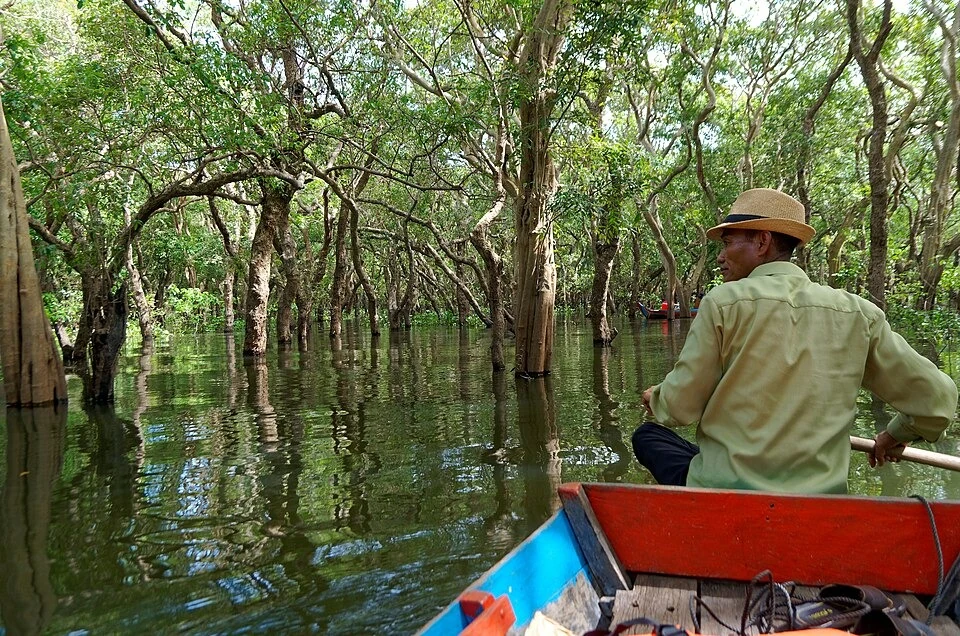
Seasonal inundation connects the Tonle Sap lake, flooded woodland, marshes and working landscapes. The changing waterline is part of the habitat.
Seasonally flooded freshwater forest at Kampong Phlouk, Tonle Sap, Cambodia.
Understanding the environment
Seasonal inundation connects the Tonle Sap lake, flooded woodland, marshes and working landscapes. The changing waterline is part of the habitat.
Explore the structure · Explore three connected parts of this landscape.
Select a zone to see what changes.
Follow water downhill
Look beyond the bank to the vegetation and land draining toward it.
Record whether flow follows rain, managed releases or a permanent stream.
A conceptual reading guide, not a measured transect, access route or snake occurrence map.
Sources: UNESCO · Tonle Sap Biosphere Reserve · NatureLife Cambodia · Annual report 2022
Field notes · 01
UNESCO describes flooded forest as a central part of the Tonle Sap system. A dry-season view of exposed ground and a wet-season view of submerged trees can describe the same place. Add the month and water condition to any habitat note.
Sources: UNESCO · Tonle Sap Biosphere Reserve
Field notes · 02
NatureLife’s 2022 report describes Boeung Prek Lapouv in Takeo as seasonally inundated grassland in the Bassac floodplain, supporting local livelihoods. It is a different environment from Prek Toal’s flooded woodland; neither should be used as a template for all freshwater sites.
Sources: NatureLife Cambodia · Annual report 2022 · Ramsar · Prek Toal designation (2015)
Pressures on Cambodia’s habitats
Fauna & Flora identifies habitat destruction as a Cambodian conservation pressure. Wetland assessment must include the land exposed during the dry season.
The 2015 Prek Toal account describes historical egg and chick harvesting and a community protection response; this is evidence about the wetland’s birds, not a measured snake decline.
Maintain seasonal water connections and work with fishing and farming communities when managing wetland vegetation and access.
The connected collection
These 21 species have supported country occurrence and an explicit habitat association in the shared account. The association may come from elsewhere in their range. This is not a complete local habitat inventory; the places above are landscape examples, not asserted collecting sites.
21 species · showing 21
001 · Acrochordidae
Little filesnake
Listed in the checked distribution source.
Read the species account →Mario Lutz · Copyright Mario Lutz. Authorised for display in this atlas; no third-party reuse licence granted.
002 · Elapidae
Spine-tailed seasnake
Listed in the checked distribution source.
Read the species account →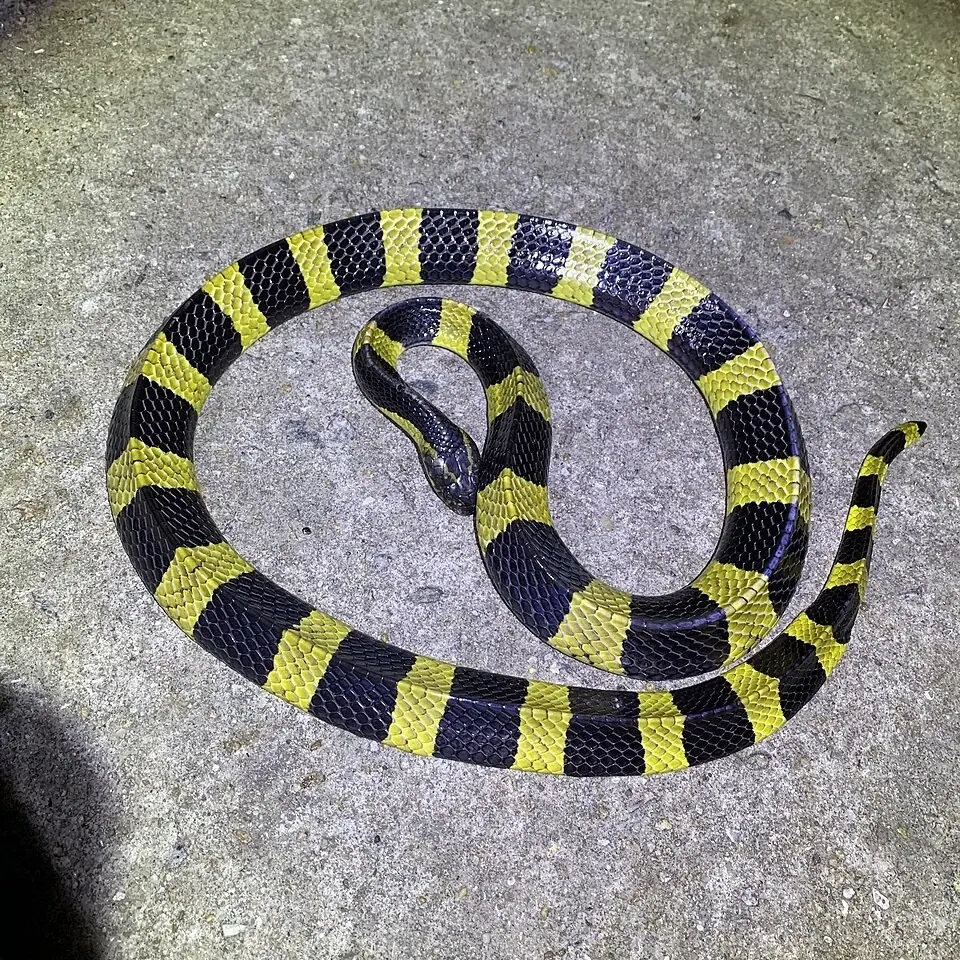
003 · Elapidae
Banded Krait
The source reports a possibly introduced Micronesian record without resolving a country or island; retained as uncertain, not an established native range.
Read the species account →灯管儿 · CC BY 4.0 · https://creativecommons.org/licenses/by/4.0
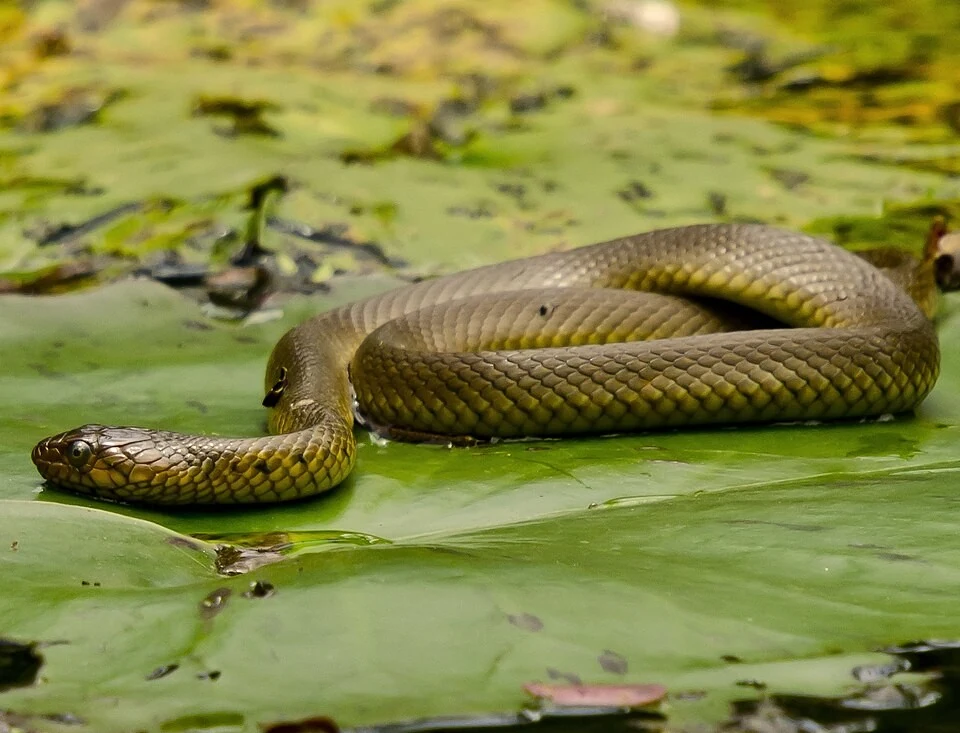
004 · Homalopsidae
Rainbow Mud Snake
Listed in the checked distribution source. English et al. (2022): 77 individuals in a local fisherman’s bycatch, November 2019; separate from market samples. Capture coordinates were not supplied.
Read the species account →Srikaanth Sekar · CC BY 2.0 · https://creativecommons.org/licenses/by/2.0
005 · Homalopsidae
Long-tailed mud snake
The current accepted taxon and its type locality establish Cambodia (Tonle Sap). The lake crosses several atlas regions; no province assignment is made from the lake name alone. English et al. (2022): 228 individuals in a local fisherman’s bycatch, November 2019; separate from market samples. Capture coordinates were not supplied.
Read the species account →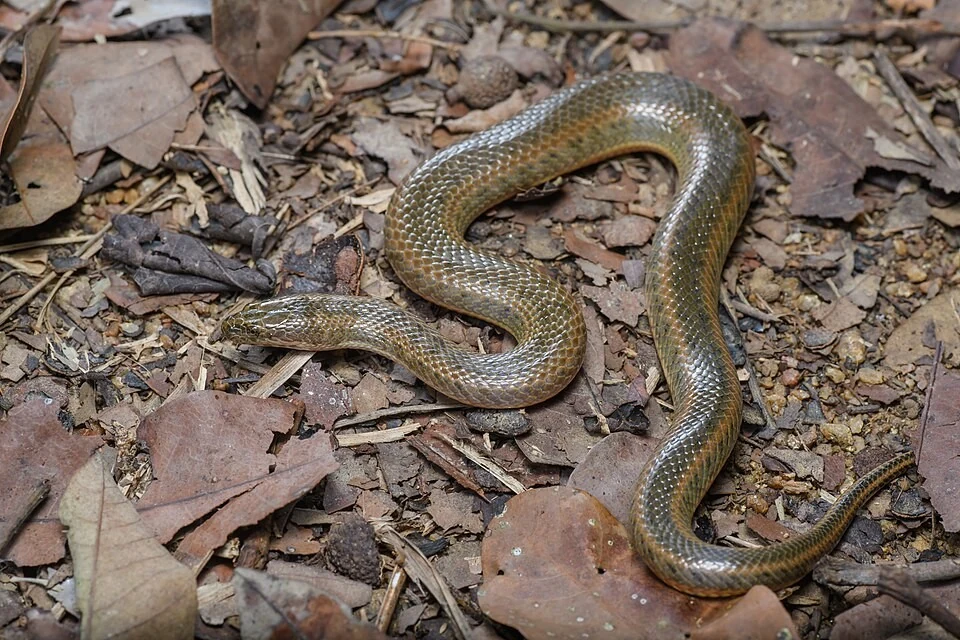
006 · Homalopsidae
Mekong Mud Snake
Cambodia is explicitly included in the checked species distribution treatment. Country membership reviewed on 11 October 2026; no finer locality is assigned by this record.
Read the species account →Rushen · CC BY-SA 2.0 · https://creativecommons.org/licenses/by-sa/2.0
007 · Homalopsidae
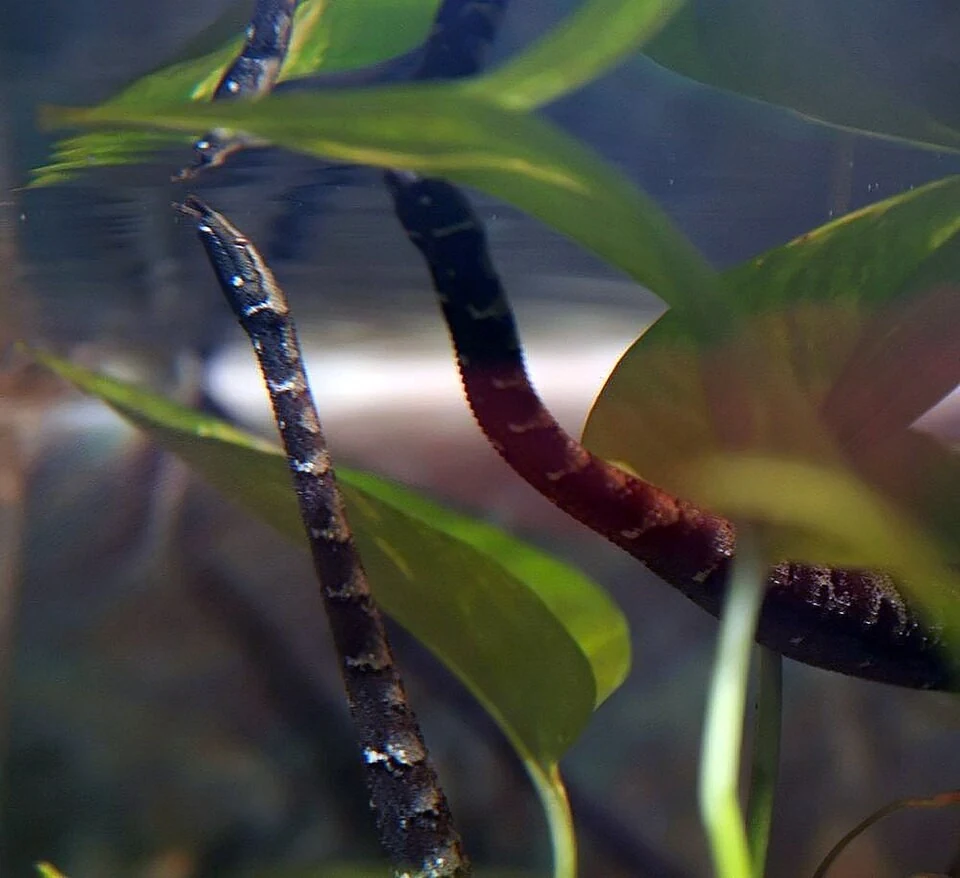
Tentacle Snake
Cambodia is explicitly included in the checked species distribution treatment. Country membership reviewed on 11 October 2026; no finer locality is assigned by this record. English et al. (2022): 10 individuals in a local fisherman’s bycatch, November 2019; separate from market samples. Capture coordinates were not supplied.
Read the species account →Photo by David J. Stang · CC BY-SA 4.0 · https://creativecommons.org/licenses/by-sa/4.0
008 · Colubridae
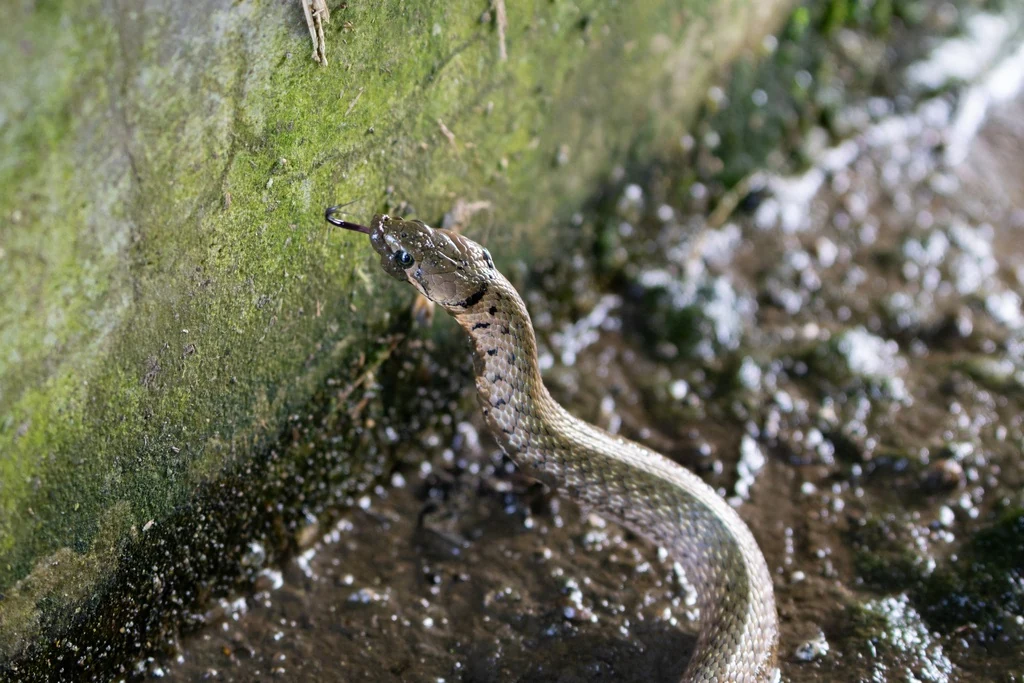
Yellow-Spotted Keelback
Cambodia is explicitly included in the checked species distribution treatment. Country membership reviewed on 11 October 2026; no finer locality is assigned by this record. English et al. (2022): 18 individuals in a local fisherman’s bycatch, November 2019; separate from market samples. Capture coordinates were not supplied.
Read the species account →observe-syz · CC0 1.0 · https://creativecommons.org/publicdomain/zero/1.0/
009 · Homalopsidae
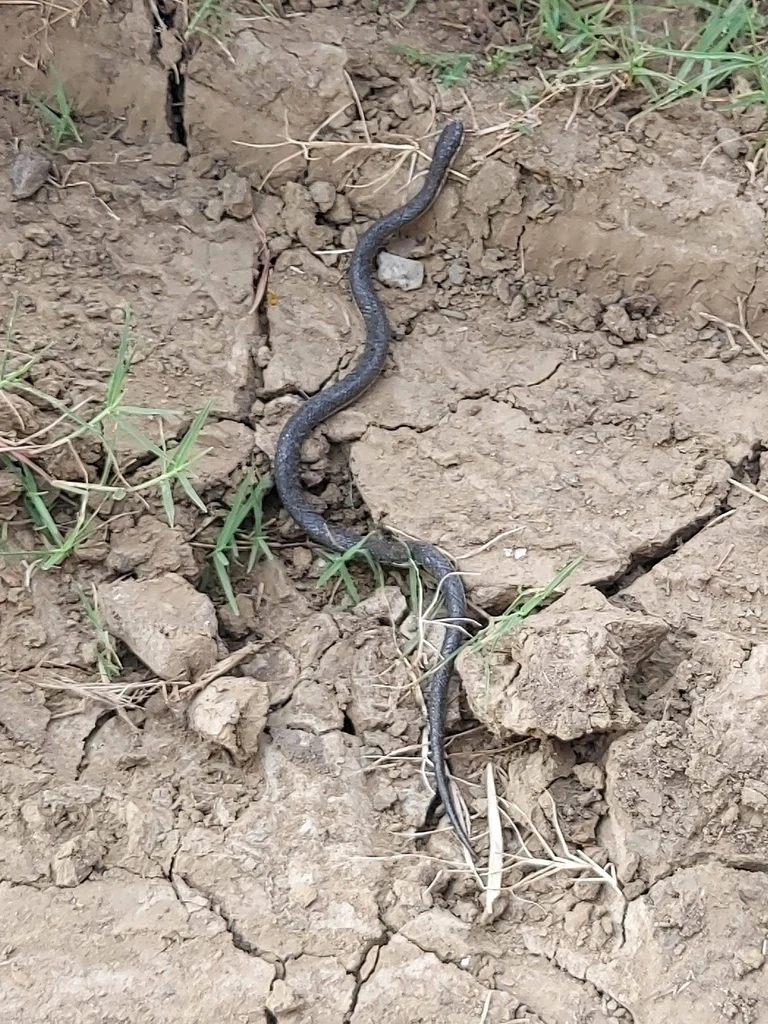
Gerard's Water Snake
Listed in the checked distribution source.
Read the species account →Ramesh Shenai · CC BY 4.0 · https://creativecommons.org/licenses/by/4.0/
010 · Colubridae
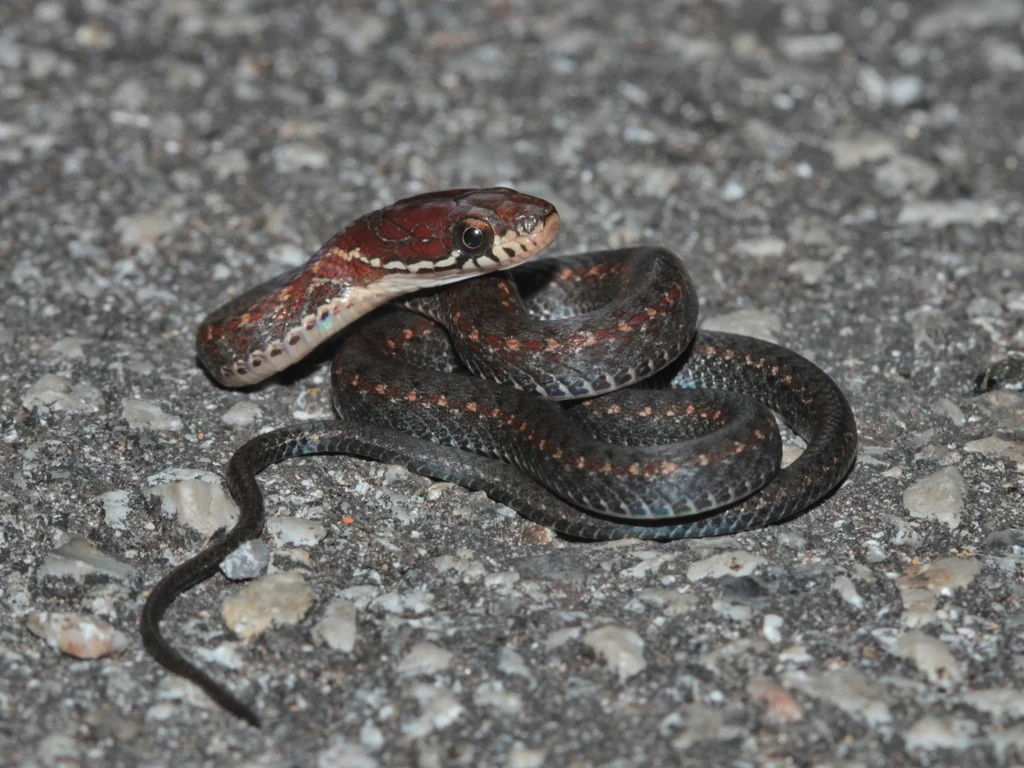
Khasi Hills Keelback, Khasi Keelback
Cambodia is explicitly included in the checked species distribution treatment. Country membership reviewed on 11 October 2026; no finer locality is assigned by this record.
Read the species account →Ian Dugdale · CC BY 4.0 · https://creativecommons.org/licenses/by/4.0/
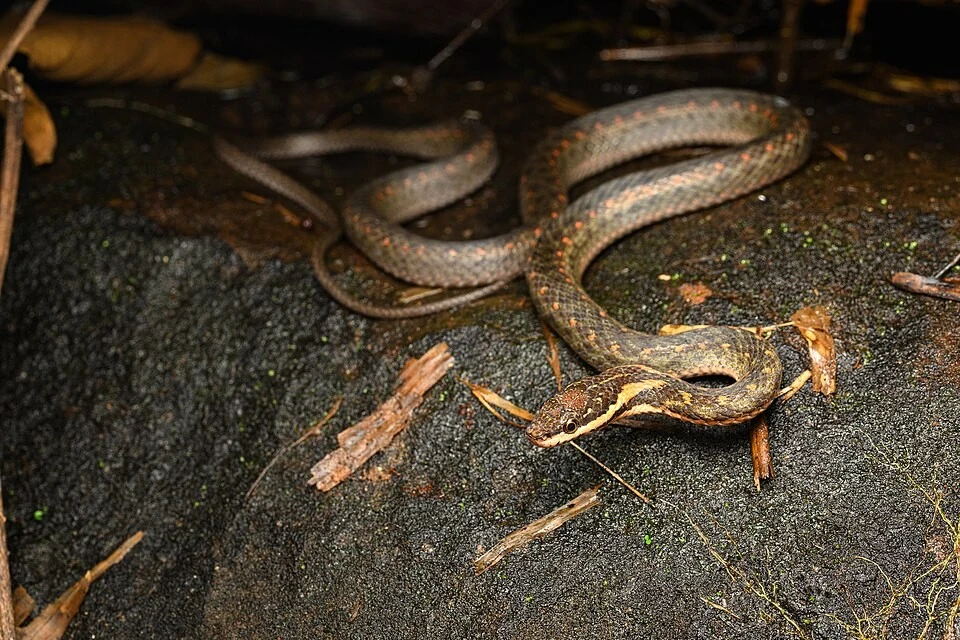
011 · Colubridae
White-lipped Keelback
The 2024 Fauna & Flora / Ministry of Environment Virachey biodiversity survey reports this species from the 2021–2023 field programme in Virachey National Park. This is reserve-level evidence, not a claim that every northeastern province is occupied. The account specifically identifies Veal Thom.
Read the species account →Rushenb · CC BY-SA 4.0 · https://creativecommons.org/licenses/by-sa/4.0
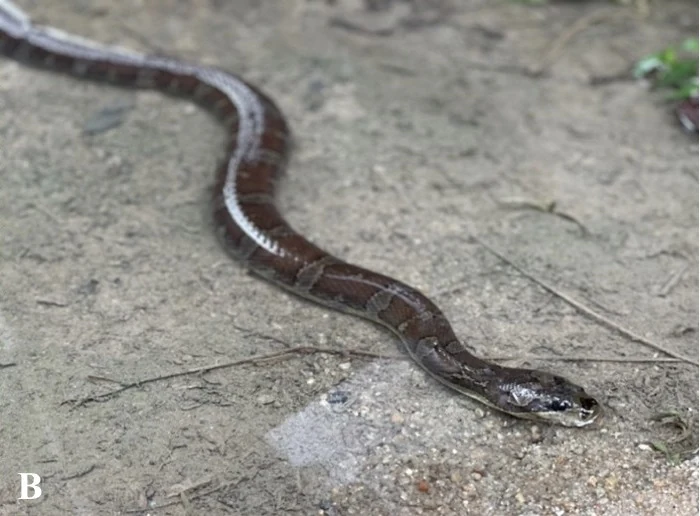
012 · Homalopsidae
Linne’s Water Snake
Listed in the checked distribution source.
Read the species account →Cook-Price, Makchai & Suwanwaree (2026); photographs credited collectively to the author, James Covert and Vikas Kumar · CC BY 4.0 · https://creativecommons.org/licenses/by/4.0/
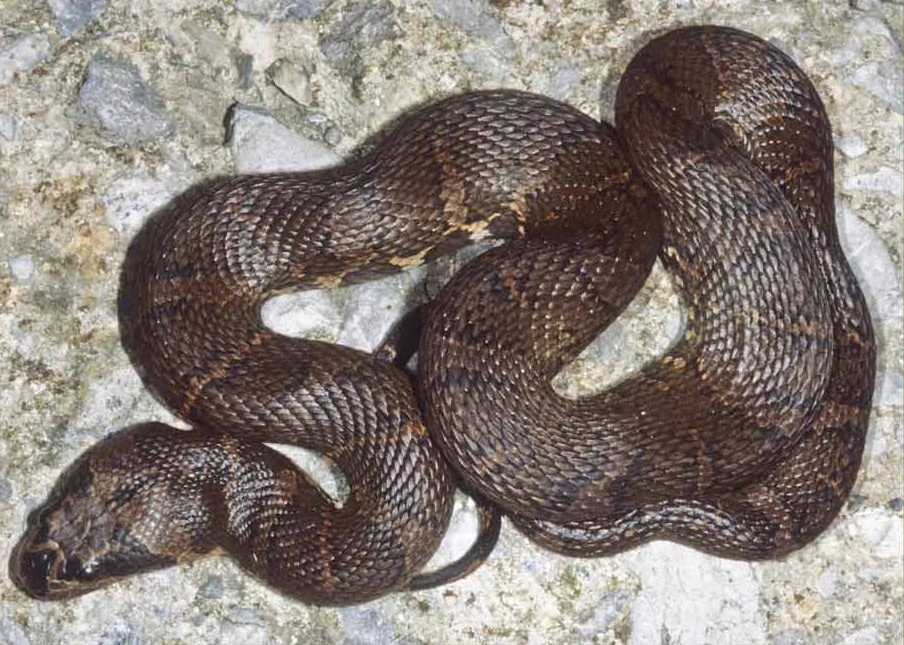
013 · Homalopsidae
Deuve’s Water Snake
Cambodia is explicitly included in the checked species distribution treatment. Country membership reviewed on 11 October 2026; no finer locality is assigned by this record. Stuart, Sok & Neang (2006), pp. 149–150, document FMNH 263029–263033 from Ta Veng and Siem Pang in November–December 2003. These preserved vouchers support named northeastern…
Read the species account →JCM · CC BY 3.0 · https://creativecommons.org/licenses/by/3.0
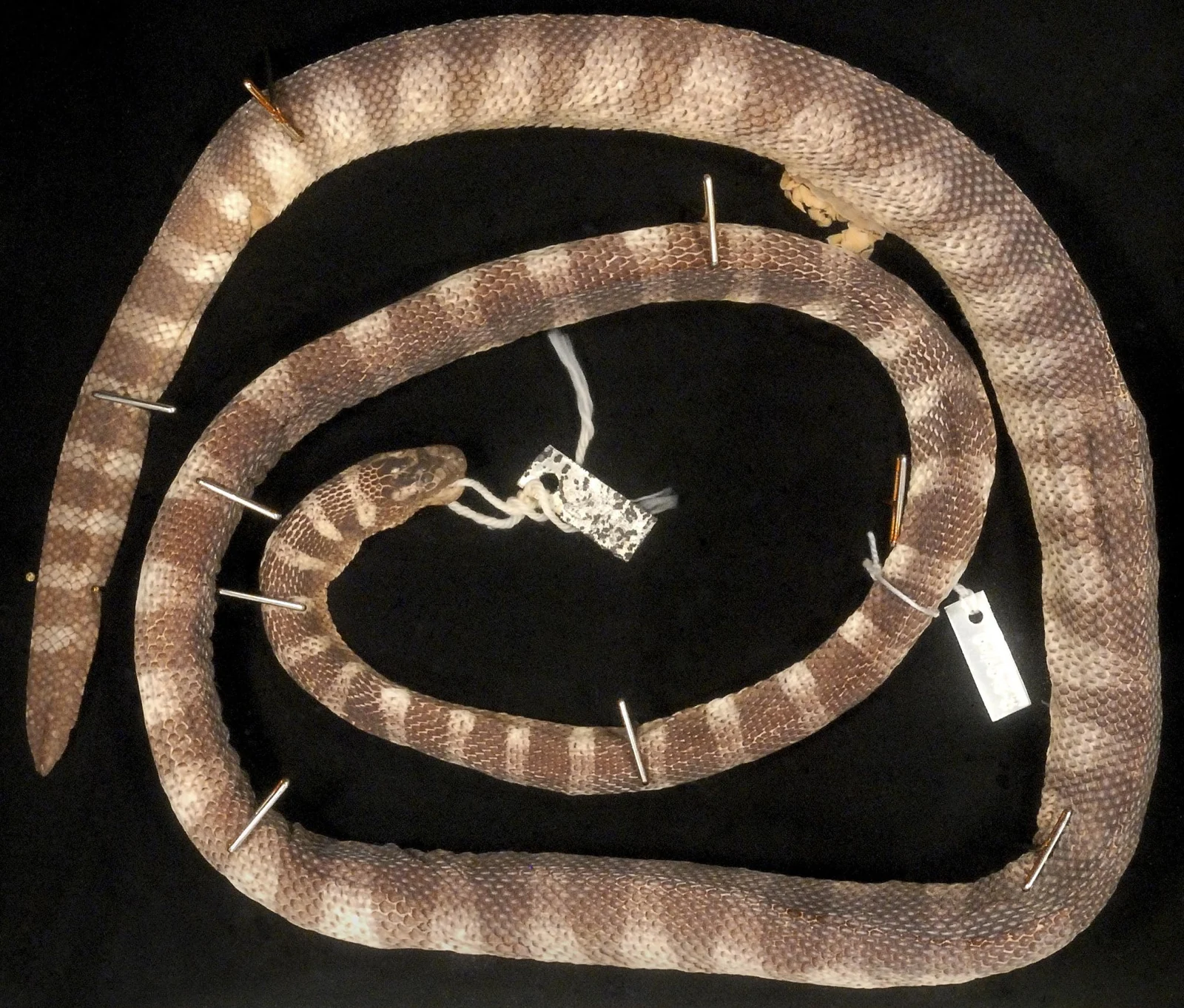
014 · Elapidae
West Coast Black-headed Sea Snake
Listed in the checked distribution source.
Read the species account →Brittany Rogers · CC0 1.0 · https://creativecommons.org/publicdomain/zero/1.0/
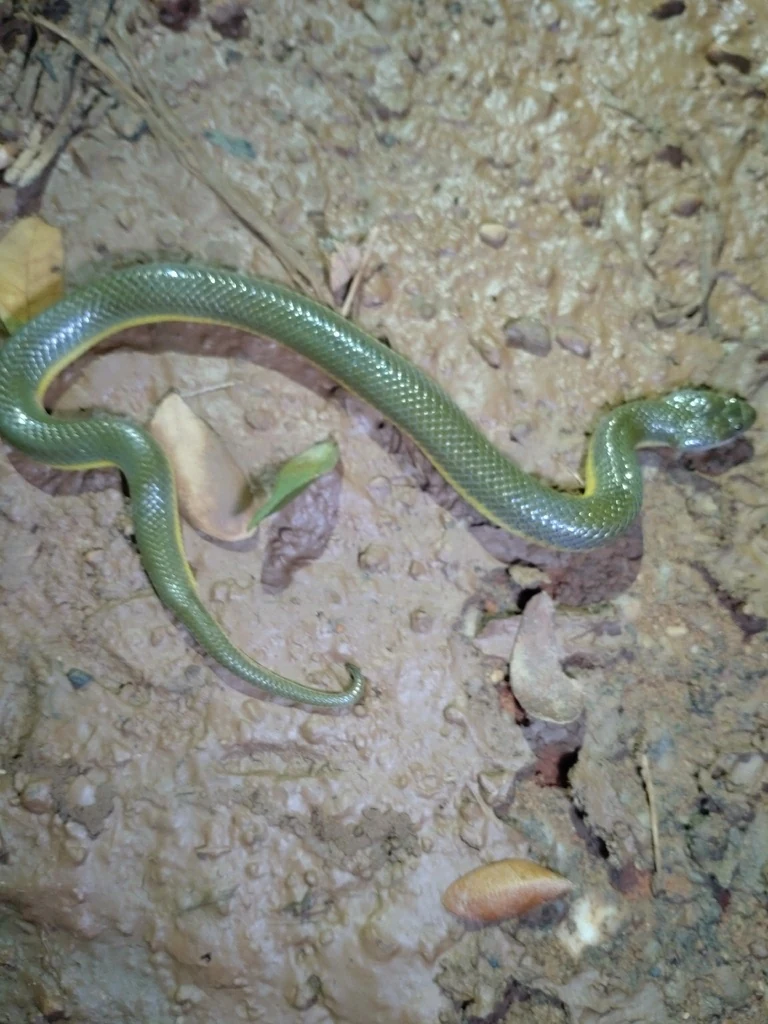
015 · Homalopsidae
Murphy’s Mud Snake
The western lineage recognized as Hypsiscopus murphyi in the 2024 revision includes Cambodian specimens. Bernstein et al. (2022) paratypes: FMNH 259222 from Phnom Nam Lyr (2000, 700 m); MVZ 258174–177 from Veal Thom (2007, 601–661 m). These identified vouchers resolve older broad Hypsiscopus names.
Read the species account →Utain Pummarin · CC BY 4.0 · https://creativecommons.org/licenses/by/4.0/
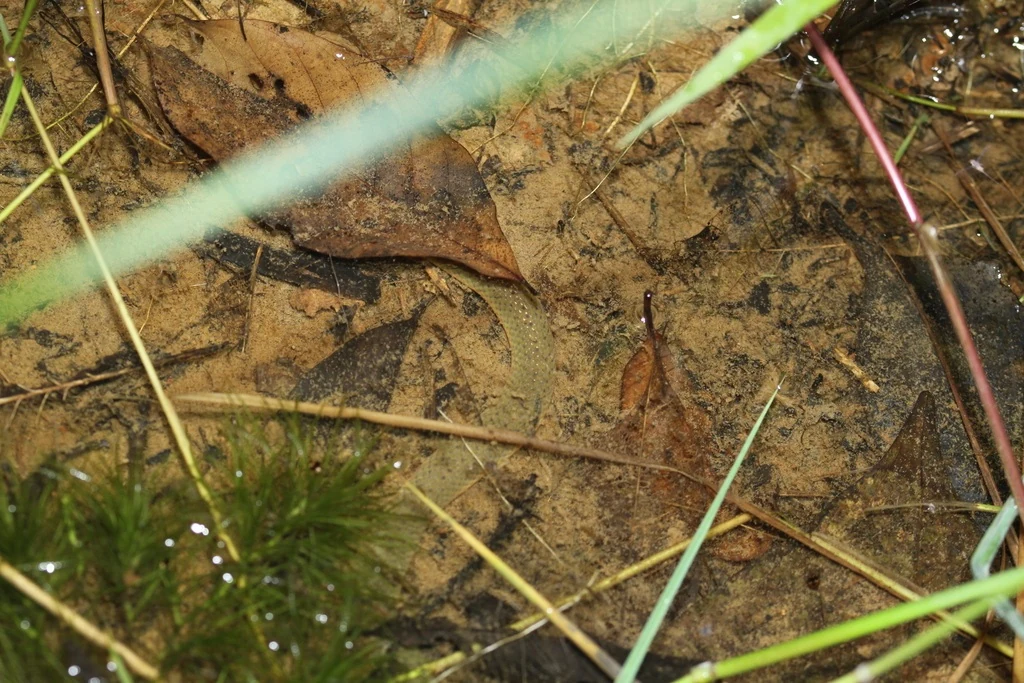
016 · Homalopsidae
Boie’s Mud Snake
Listed in the checked distribution source.
Read the species account →Samuel GUIRAUDOU · CC BY 4.0 · https://creativecommons.org/licenses/by/4.0/

017 · Typhlopidae
Flowerpot Snake
Cosmopolitan transported species: countries denotes supported occurrence, not a claim of native status. IntroducedCountries captures explicit source introductions; native/introduced status of the remaining localities is unresolved. Broad New Guinea and Micronesia are not converted to countries.
Read the species account →Cook-Price, Makchai & Suwanwaree (2026); photographs credited collectively to the author, James Covert and Vikas Kumar · CC BY 4.0 · https://creativecommons.org/licenses/by/4.0/
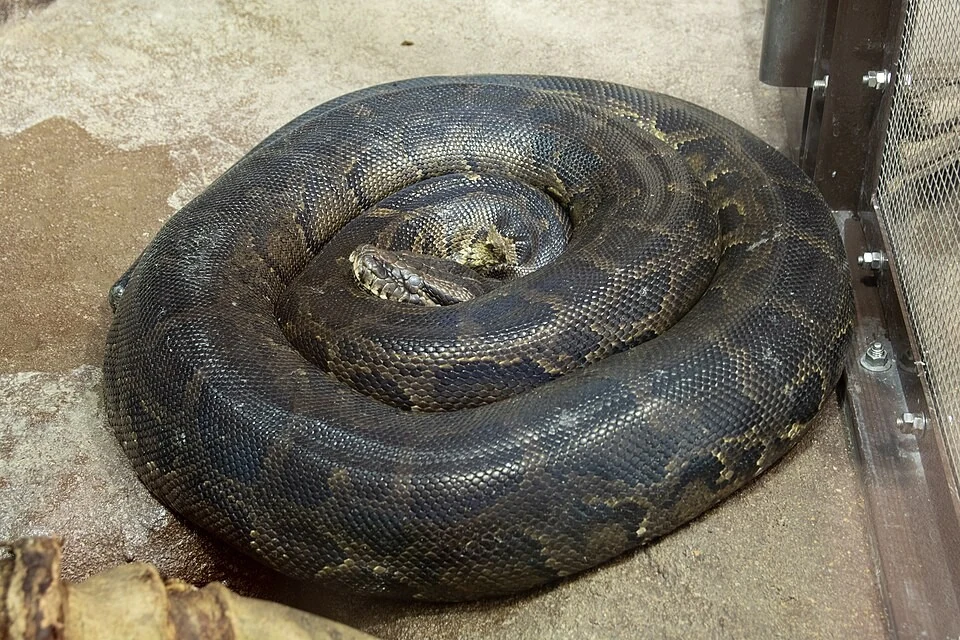
018 · Pythonidae
Burmese Python
Listed in the checked distribution source.
Read the species account →Σ64 · CC BY 4.0 · https://creativecommons.org/licenses/by/4.0
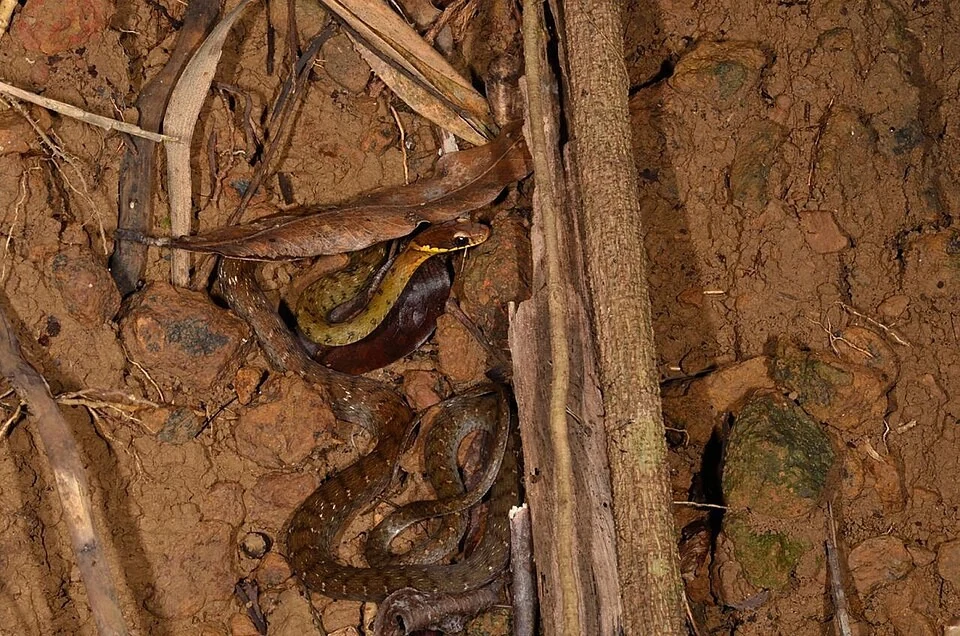
019 · Colubridae
Specklebelly Keelback
Listed in the checked distribution source. The 2024 Fauna & Flora / Ministry of Environment Virachey biodiversity survey reports this species from the 2021–2023 field programme in Virachey National Park. This is reserve-level evidence, not a claim that every northeastern province is occupied. FMNH 263381–382; Stuart & Emmett (2006), 22. LSUHC 7461;…
Read the species account →Eugene Popov · CC BY 4.0 · https://creativecommons.org/licenses/by/4.0
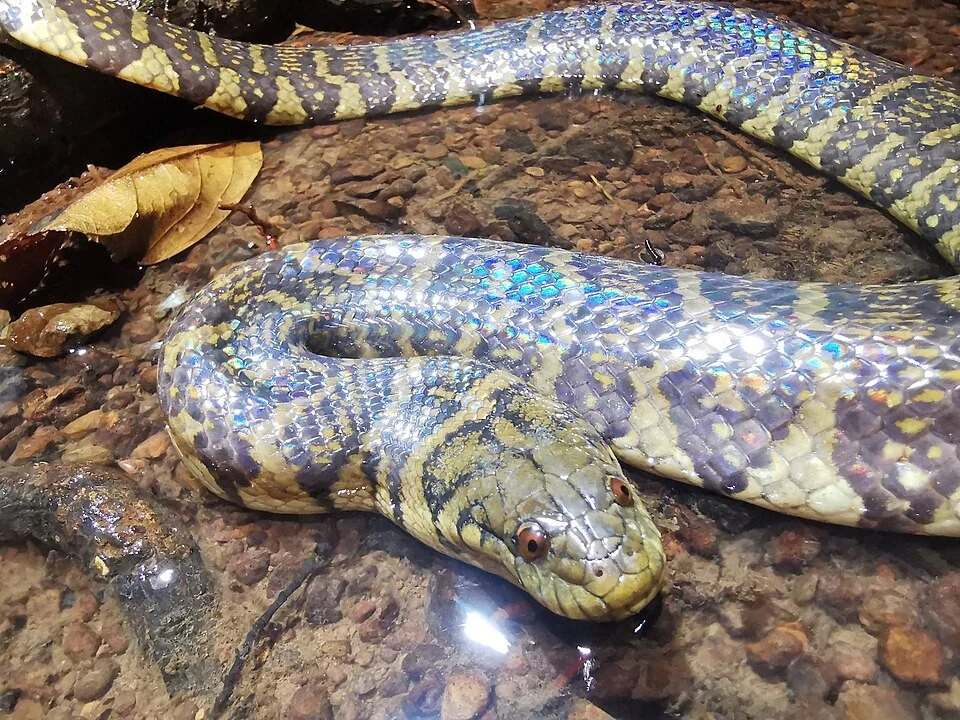
020 · Homalopsidae
Bocourt’s Mud Snake, Bocourt's Water Snake
Cambodia is explicitly included in the checked species distribution treatment. Country membership reviewed on 11 October 2026; no finer locality is assigned by this record. FMNH 267721; Stuart & Emmett (2006), 20. English et al. (2022): 11 individuals in a local fisherman’s bycatch, November 2019; separate from market samples. Capture coordinates were…
Read the species account →Chris Oldnall · CC BY-SA 4.0 · https://creativecommons.org/licenses/by-sa/4.0
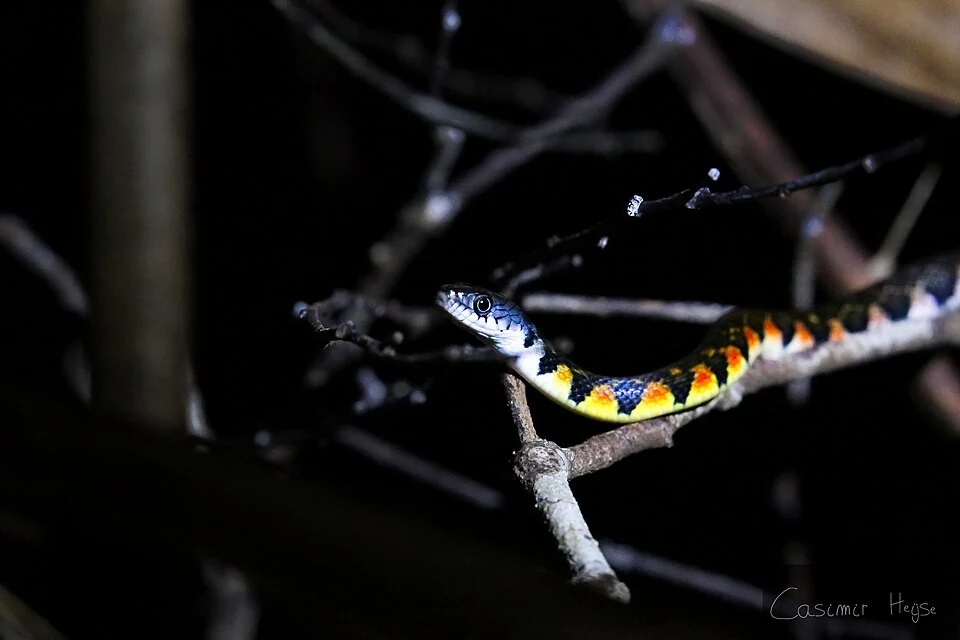
021 · Colubridae
Triangle Keelback
Listed in the checked distribution source. FMNH 263378, 263390; Stuart & Emmett (2006), 22.
Read the species account →Kaasmier · CC BY-SA 4.0 · https://creativecommons.org/licenses/by-sa/4.0
Read further
Guide reviewed 11 October 2026. Source dates and geographic scope matter; landscape photographs do not establish species occurrence.
Flooded forest, lake and basin context; ecological boundaries differ from the atlas regional groups.
Boeung Prek Lapouv seasonally flooded grassland in Takeo and its community use; historical monitoring report.
Designation-era flooded-forest habitat and community conservation; not a 2026 population assessment.
Forest and coastal habitats and national programme pressures.
Continue through Cambodia
Cambodia’s forest habitats range from open seasonal woodland to wet mountain rainforest. Tree cover, water and season need to be read together.
02Mountain habitats occur in both the Cardamom landscape and the northeastern highlands. Neither should be represented by one uniform band of forest.
03Cambodian karst includes isolated limestone hills, forested surfaces and underground habitats. Recent surveys show why small outcrops deserve individual attention.
04Koh Kong’s mangroves connect tidal forest, fishing livelihoods and the Gulf of Thailand. These are working coastal landscapes as well as wildlife habitat.
05The Gulf of Thailand chapter brings together island shores, seagrass and coral reefs. A coastal map needs these habitat differences as well as island names.