Coastal development
Fauna & Flora’s marine programme identifies unregulated development among pressures on Cambodia’s coastal habitats.
Cambodia · Habitat field guide
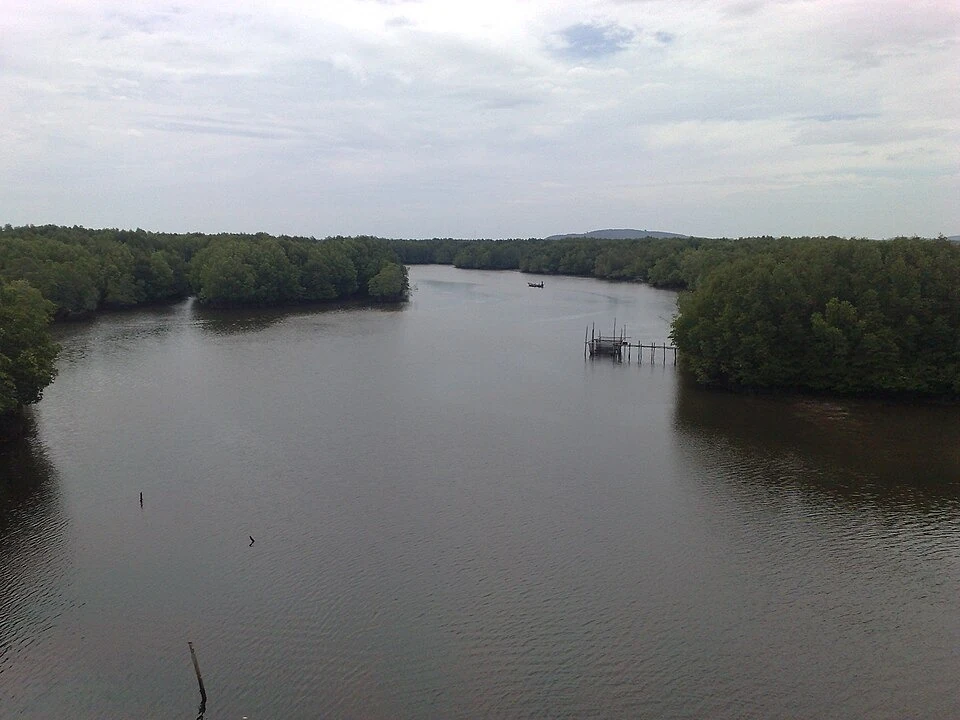
Koh Kong’s mangroves connect tidal forest, fishing livelihoods and the Gulf of Thailand. These are working coastal landscapes as well as wildlife habitat.
Tidal mangrove landscape at Peam Krasop Wildlife Sanctuary, Koh Kong, Cambodia.
Understanding the environment
Koh Kong’s mangroves connect tidal forest, fishing livelihoods and the Gulf of Thailand. These are working coastal landscapes as well as wildlife habitat.
Explore the structure · Explore three connected parts of this landscape.
Select a zone to see what changes.
Start above frequent flooding
Compare adjoining woodland or settled land with the tidal forest.
Freshwater swamp and mangrove may meet but are not interchangeable.
A conceptual reading guide, not a measured transect, access route or snake occurrence map.
Sources: IUCN · Koh Kapik community mangrove conservation (2025) · Fauna & Flora · Conservation in Cambodia
Field notes · 01
IUCN’s 2025 project account describes women-led nursery and livelihood work at Koh Kapik. Restoration is a continuing process: planting activity should be recorded separately from seedling survival and recovery of an entire estuary.
Sources: IUCN · Koh Kapik community mangrove conservation (2025)
Field notes · 02
Fauna & Flora describes Cambodian mangroves alongside seagrass and reefs. When viewing a channel from a boat, distinguish wooded banks from mudflat and open water; their different appearances do not imply that one is unused habitat.
Pressures on Cambodia’s habitats
Fauna & Flora’s marine programme identifies unregulated development among pressures on Cambodia’s coastal habitats.
The Cambodian programme also addresses ocean plastic and habitat destruction; local monitoring is needed to locate the affected creeks and shorelines.
Combine protection of tidal connections with community stewardship and site-specific restoration monitoring.
The connected collection
These 5 species have supported country occurrence and an explicit habitat association in the shared account. The association may come from elsewhere in their range. This is not a complete local habitat inventory; the places above are landscape examples, not asserted collecting sites.
5 species · showing 5
001 · Acrochordidae
Little filesnake
Listed in the checked distribution source.
Read the species account →Mario Lutz · Copyright Mario Lutz. Authorised for display in this atlas; no third-party reuse licence granted.
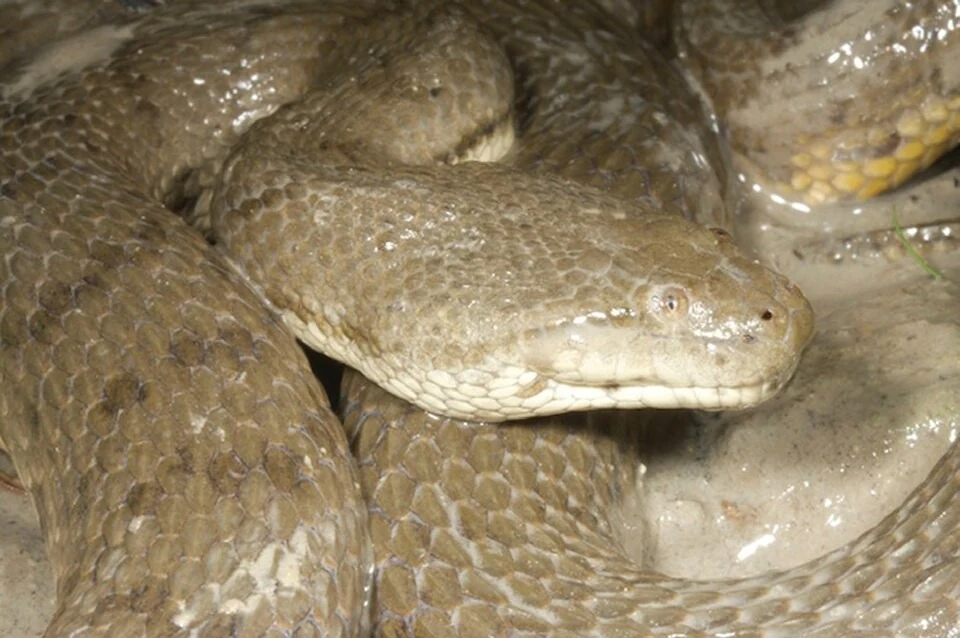
002 · Homalopsidae
Southeast Asian Bockadam
Listed in the checked distribution source.
Read the species account →Mark O’Shea · CC BY 3.0 · https://creativecommons.org/licenses/by/3.0
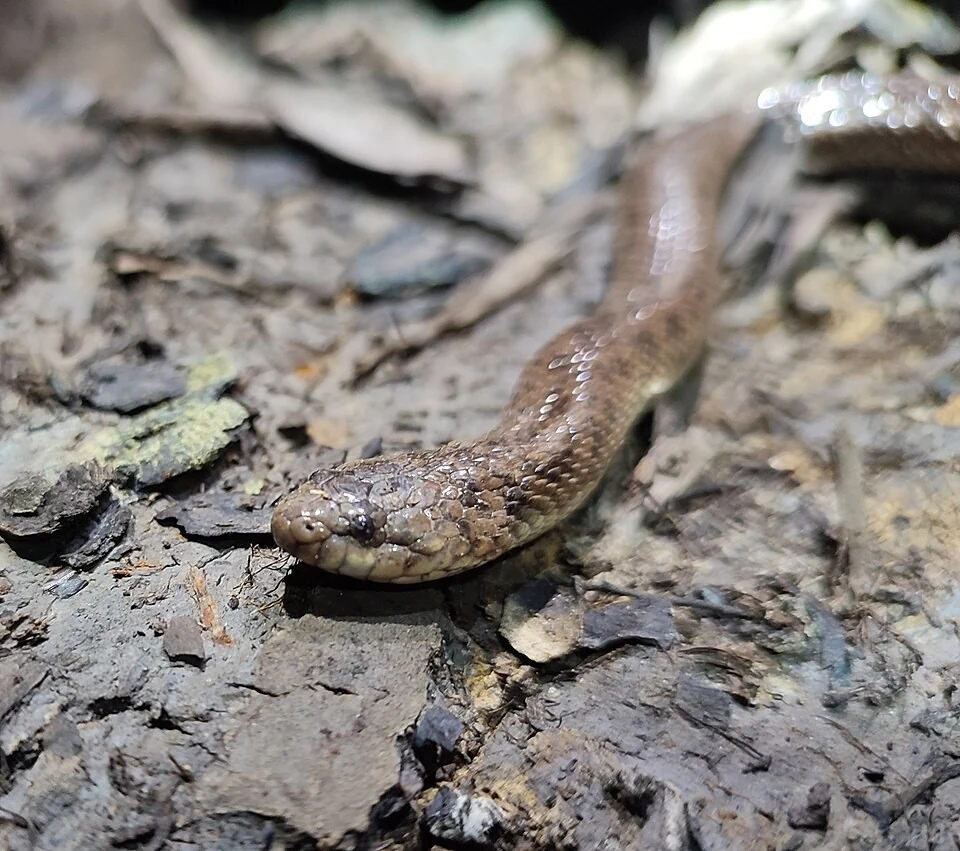
003 · Homalopsidae
Crab-eating (Water) Snake
Listed in the checked distribution source.
Read the species account →Samuel GUIRAUDOU · CC BY 4.0 · https://creativecommons.org/licenses/by/4.0
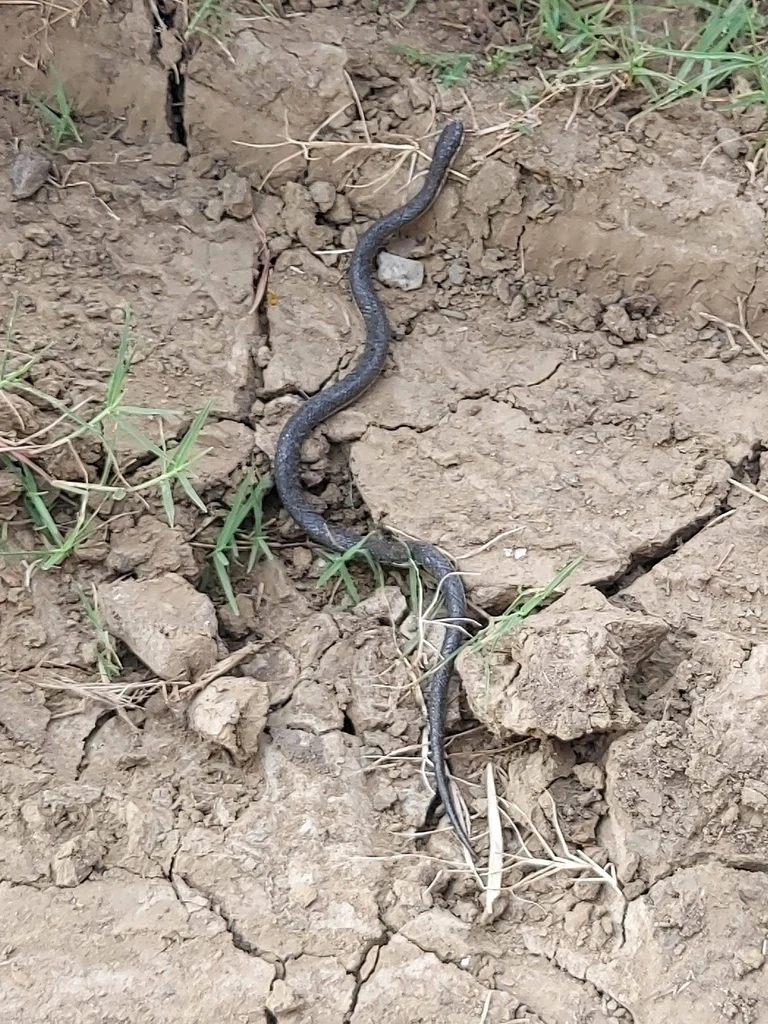
004 · Homalopsidae
Gerard's Water Snake
Listed in the checked distribution source.
Read the species account →Ramesh Shenai · CC BY 4.0 · https://creativecommons.org/licenses/by/4.0/
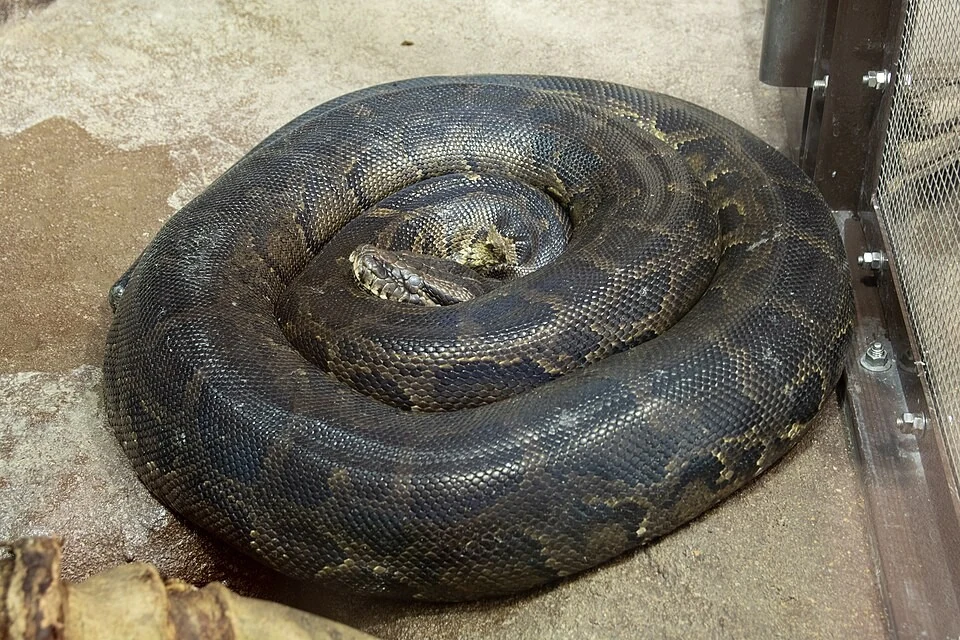
005 · Pythonidae
Burmese Python
Listed in the checked distribution source.
Read the species account →Σ64 · CC BY 4.0 · https://creativecommons.org/licenses/by/4.0
Read further
Guide reviewed 11 October 2026. Source dates and geographic scope matter; landscape photographs do not establish species occurrence.
Local livelihoods and mangrove restoration programme; not evidence that all planting sites have recovered.
Forest and coastal habitats and national programme pressures.
Cambodian reef/seagrass work, Koh Rong and coastal-development/fishing pressures. Marine flagship species are not a snake checklist.
Continue through Cambodia
Cambodia’s forest habitats range from open seasonal woodland to wet mountain rainforest. Tree cover, water and season need to be read together.
02Mountain habitats occur in both the Cardamom landscape and the northeastern highlands. Neither should be represented by one uniform band of forest.
03Cambodian karst includes isolated limestone hills, forested surfaces and underground habitats. Recent surveys show why small outcrops deserve individual attention.
04Seasonal inundation connects the Tonle Sap lake, flooded woodland, marshes and working landscapes. The changing waterline is part of the habitat.
05The Gulf of Thailand chapter brings together island shores, seagrass and coral reefs. A coastal map needs these habitat differences as well as island names.