Fragmented woodland
UNESCO identifies settlement and livestock grazing among pressures fragmenting habitat at Ziarat.
Sources: UNESCO · Ziarat Juniper Forests
Pakistan · Habitat field guide
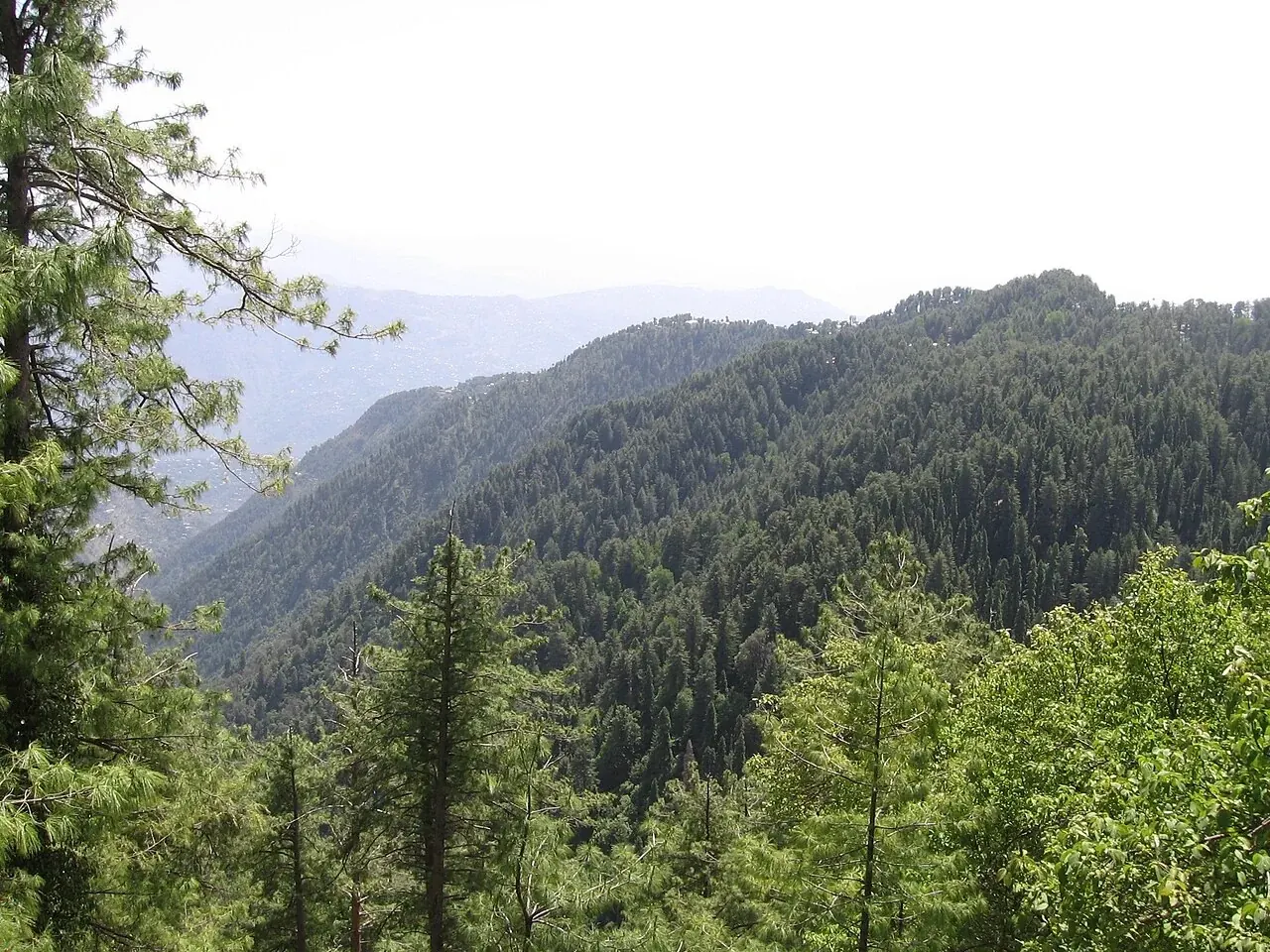
Pakistan’s forest examples span both dry uplands and moister mountain slopes.
Forested hills in Ayubia National Park, Pakistan.
Understanding the environment
Pakistan’s forest examples span both dry uplands and moister mountain slopes.
Explore the structure · Select a feature to compare
Select a zone to see what changes.
Look upwards
Compare a closed crown layer with a break in the trees.
Use the sourced examples below to place these observations in context.
Conceptual observation prompts, not a measured transect, habitat boundary or snake range.
Field notes · 01
Ziarat’s juniper landscape in Balochistan is a slow-growing forest system with settlements concentrated in valleys and some on slopes. Its structure should not be equated with a dense moist forest.
Sources: UNESCO · Ziarat Juniper Forests
Field notes · 02
UNESCO describes the Gallies as western Himalayan moist temperate forest. The AJK forestry account separately identifies moist forest in Neelum and Jhelum valleys and drier conifer woodland in Upper Neelum and Leepa.
Sources: UNESCO · Pakistan biosphere reserves (2026) · AJK Forestry Department · Montane temperate forest
Pressures on Pakistan’s habitats
UNESCO identifies settlement and livestock grazing among pressures fragmenting habitat at Ziarat.
Sources: UNESCO · Ziarat Juniper Forests
Support site-led protection of the landscape processes described here. Keep habitat notes precise and use the linked sources before extending a claim to another place.
The connected collection
These 7 species have supported country occurrence and an explicit habitat association in the shared account. The association may come from elsewhere in their range. This is not a complete local habitat inventory; the places above are landscape examples, not asserted collecting sites.
7 species · showing 7
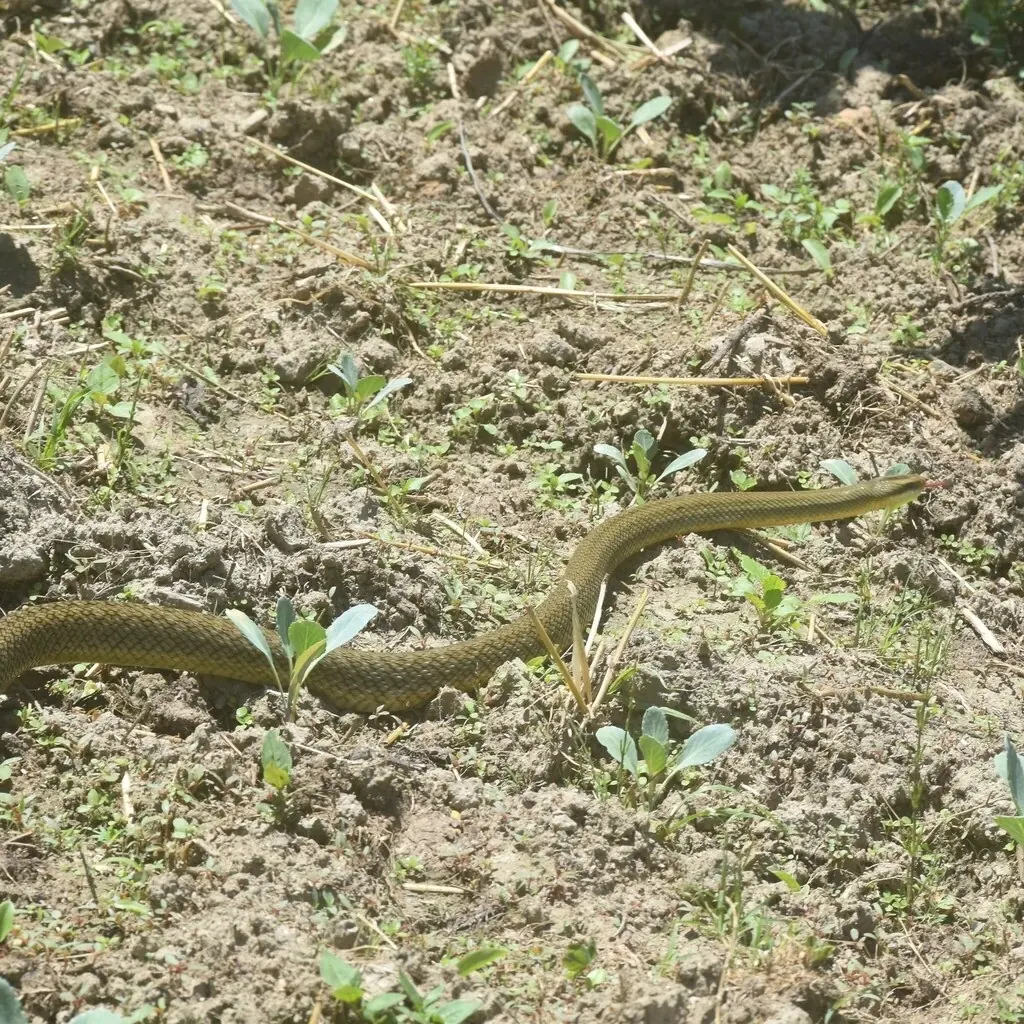
001 · Colubridae
English common name not available
The first verified Pakistani records published in 2025 include Sundhi/Baffa Pakhal (2,994 m), Khanspur Road at Ayubia (2,372 m), and Nagdar Kanari in Neelum (1,863–2,700 m). Voucher PMNH 5164 supports the Neelum record.
Read the species account →Name · CC BY 4.0 · https://creativecommons.org/licenses/by/4.0/
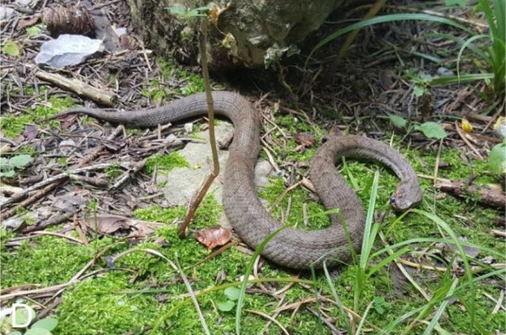
002 · Viperidae
Hazara Pitviper
The 2026 integrative revision identifies northern Pakistani populations east of the Indus as G. hazarensis, with documented districts in Khyber Pakhtunkhwa, Punjab and Pakistan-administered Azad Jammu and Kashmir. The contact zone farther east remains unresolved. The 2026 integrative revision identifies northern Pakistani populations east of the Indus as…
Read the species account →Rafaqat Masroor · CC BY 4.0 · https://creativecommons.org/licenses/by/4.0/
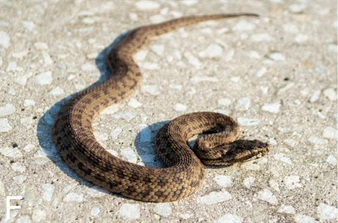
003 · Viperidae
Hindu Kush Pitviper
The 2026 revision confirms this lineage in the Pakistani Hindu Kush, with genetic and morphological records from Chitral, Swat, Dir, Gilgit and Diamer. Occurrence across the Afghan border remains unconfirmed. The 2026 revision confirms this lineage in the Pakistani Hindu Kush, with genetic and morphological records from Chitral, Swat, Dir, Gilgit and…
Read the species account →Muhammad Idrees · CC BY 4.0 · https://creativecommons.org/licenses/by/4.0/

004 · Typhlopidae
Flowerpot Snake
Pakistan is explicitly recorded in the checked individual species treatment. Published survey identification; individual observation coordinates are not provided. Listed in the March 2011–July 2013 field survey; no specimen-level locality or habitat assignment is supplied.
Read the species account →Cook-Price, Makchai & Suwanwaree (2026); photographs credited collectively to the author, James Covert and Vikas Kumar · CC BY 4.0 · https://creativecommons.org/licenses/by/4.0/
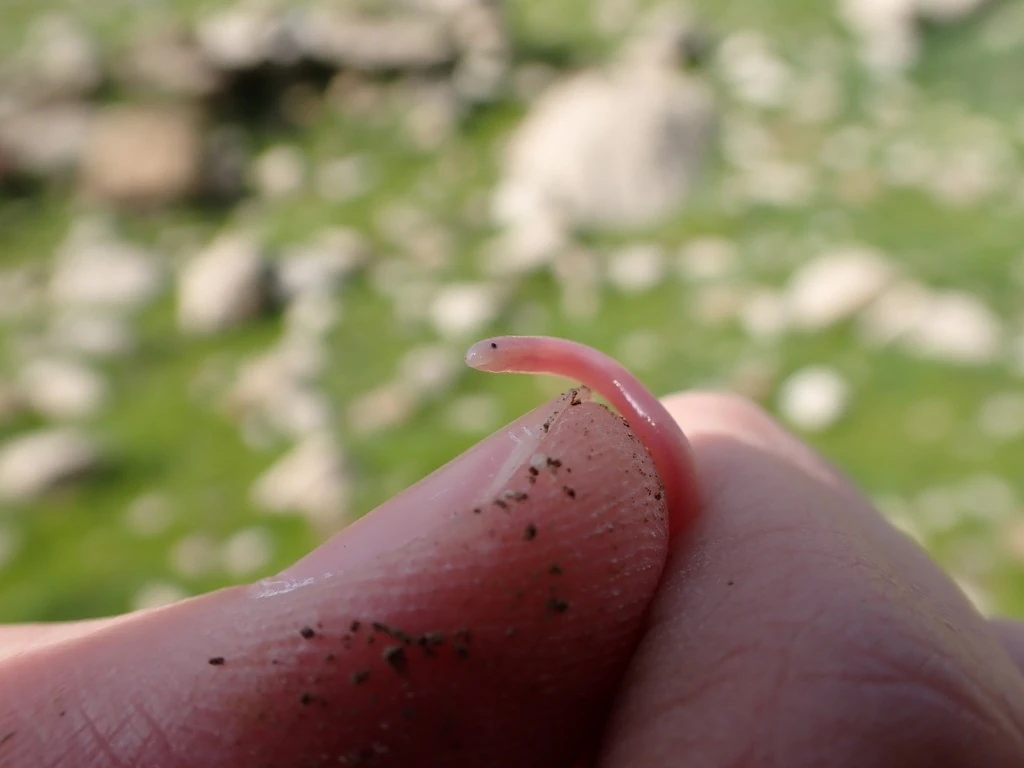
005 · Leptotyphlopidae
Longnosed Worm Snake, Hook-snouted worm snake
Pakistan is explicitly recorded in the checked individual species treatment. Published survey identification; individual observation coordinates are not provided.
Read the species account →Kian · CC BY 4.0 · https://creativecommons.org/licenses/by/4.0/
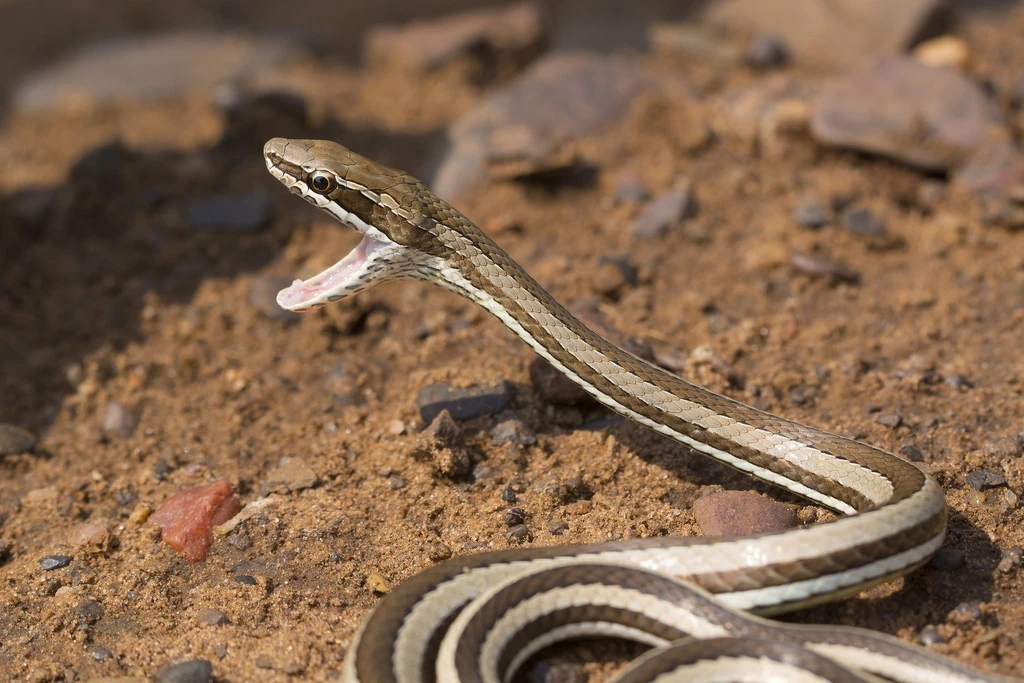
006 · Psammophiidae
Sand Snake
Pakistan is explicitly recorded in the checked individual species treatment.
Read the species account →S.MORE · CC0 1.0 · https://creativecommons.org/publicdomain/zero/1.0/
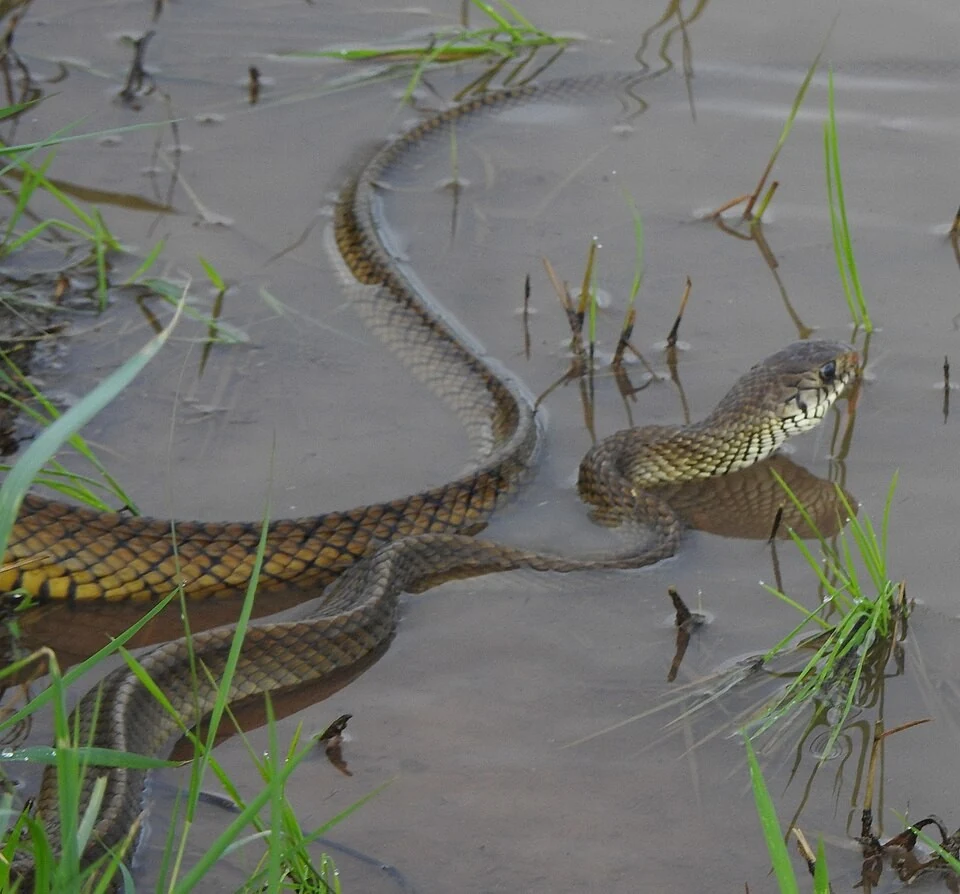
007 · Colubridae
Dhaman
Pakistan is explicitly recorded in the checked individual species treatment. Published survey identification; individual observation coordinates are not provided. Listed in the March 2011–July 2013 field survey; no specimen-level locality or habitat assignment is supplied.
Read the species account →Afsar Nayakkan · CC BY 4.0 · https://creativecommons.org/licenses/by/4.0
Read further
Guide reviewed 11 October 2026. Source dates and geographic scope matter; landscape photographs do not establish species occurrence.
Juniper woodland, valley livelihoods and fragmentation pressures; speculative tree ages excluded.
Gallies moist forest and Chitral mountain landscape; no nationwide extrapolation.
Department account read through indexed full text; direct fetch blocked. Moist and dry forest examples in Neelum/Jhelum/Leepa; inconsistent rainfall units omitted.
Continue through Pakistan
Keep glacier scenery separate from the actual elevation of a wildlife record.
02The boundary between dry ground and managed water can be conspicuous.
03A reservoir, a river channel and a shallow lagoon are related but different habitats.
04Tidal water and freshwater supply meet in Pakistan’s delta forests.
05A named shore is more informative than a national marine label.