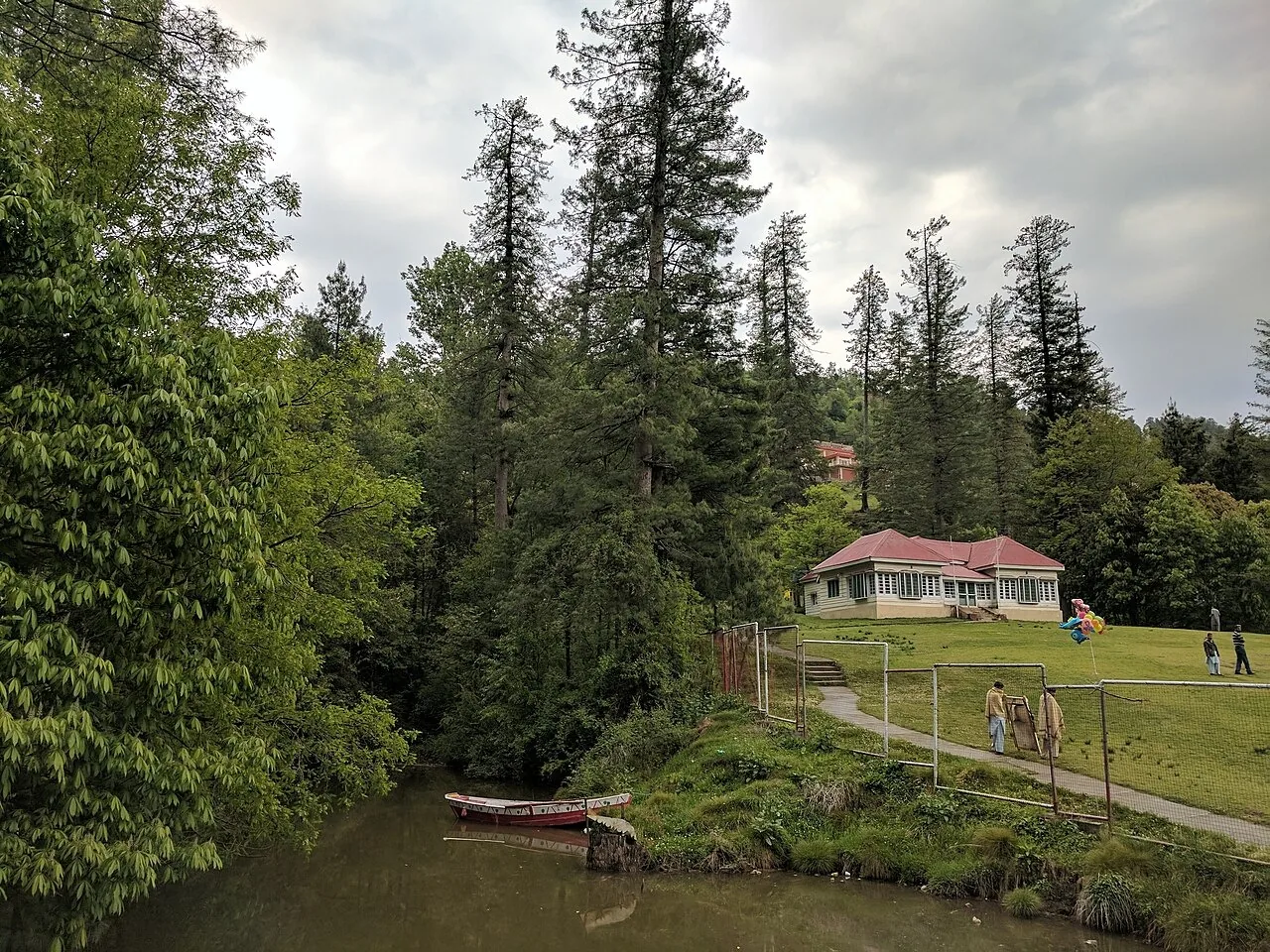
Trees, water and visitor facilities at Banjosa Lake in Pakistan-administered Azad Kashmir, photographed in May 2017.

Pakistan · Place guide

Azad Kashmir

This guide follows the named source unit without settling territorial claims.

4species with extracted evidence
3families
7region guides

Trees, water and visitor facilities at Banjosa Lake in Pakistan-administered Azad Kashmir, photographed in May 2017.

Photograph: Amir Yusufzai · Image source · CC BY-SA 4.0. Cropped to fill the hero; darkened for text legibility.

Geography & biotopes

Read the landscape.

This guide follows the named source unit without settling territorial claims.

The forestry department distinguishes moist montane forests in Neelum and Jhelum valleys from drier conifer vegetation in Upper Neelum and Leepa.

Ecological connections

Broad Kashmir records remain ambiguous until country and locality evidence resolves them. No cross-border occurrence is inferred.

Explore the setting

Use official site information for access and local conditions. Keep precise locality and date with observations; the map grouping is not a permit or a complete biological region.

This guide indexes these source names: Azad Kashmir, Azad Jammu and Kashmir, AJK. A country-only record is not automatically assigned to this place. Map markers identify navigation destinations, not collection sites.

Ramsar · Indus Delta →

geoBoundaries · Open ADM1 boundary provenance →

Geography is part of the record

Find your way through Pakistan.

Select a named region to open its evidence page. The complete directory below keeps every guide accessible, including places where locality evidence has not yet been extracted.

24 of 72 listed species have at least one indexed region record. 48 remain country-only. Even a nonzero count is not a complete regional inventory.

Habitats & living landscapes

Explore the living
landscapes.

Explore 6 guides to the environments, places and conservation pressures that shape this country. Each guide connects to the regional map and shared species accounts.

Landscape photographs & credits

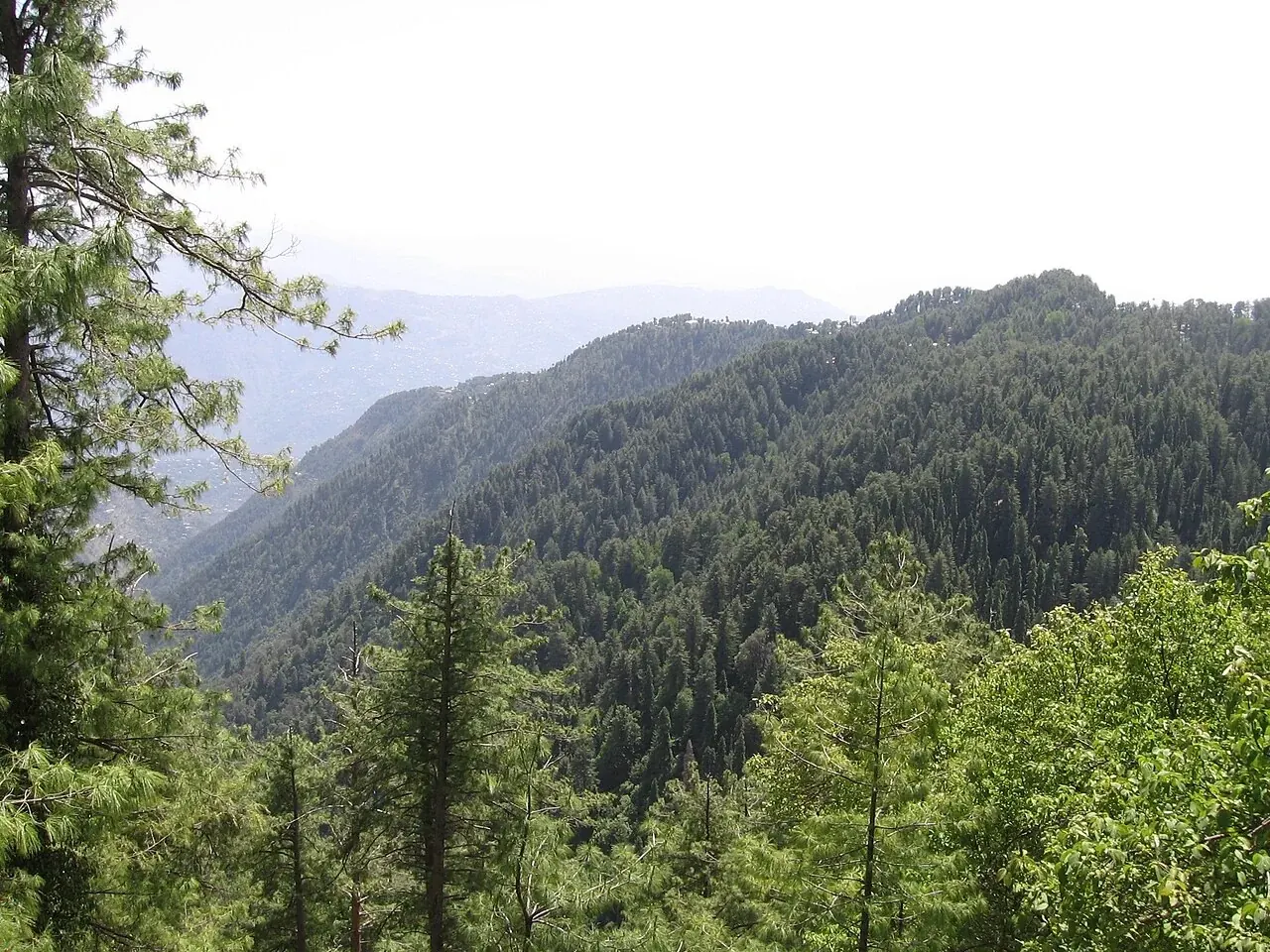
Forested hills in Ayubia National Park, Pakistan. — Sbutt76. Original photograph · CC BY-SA 3.0. Cropped for the cards; photographs do not establish snake occurrence.

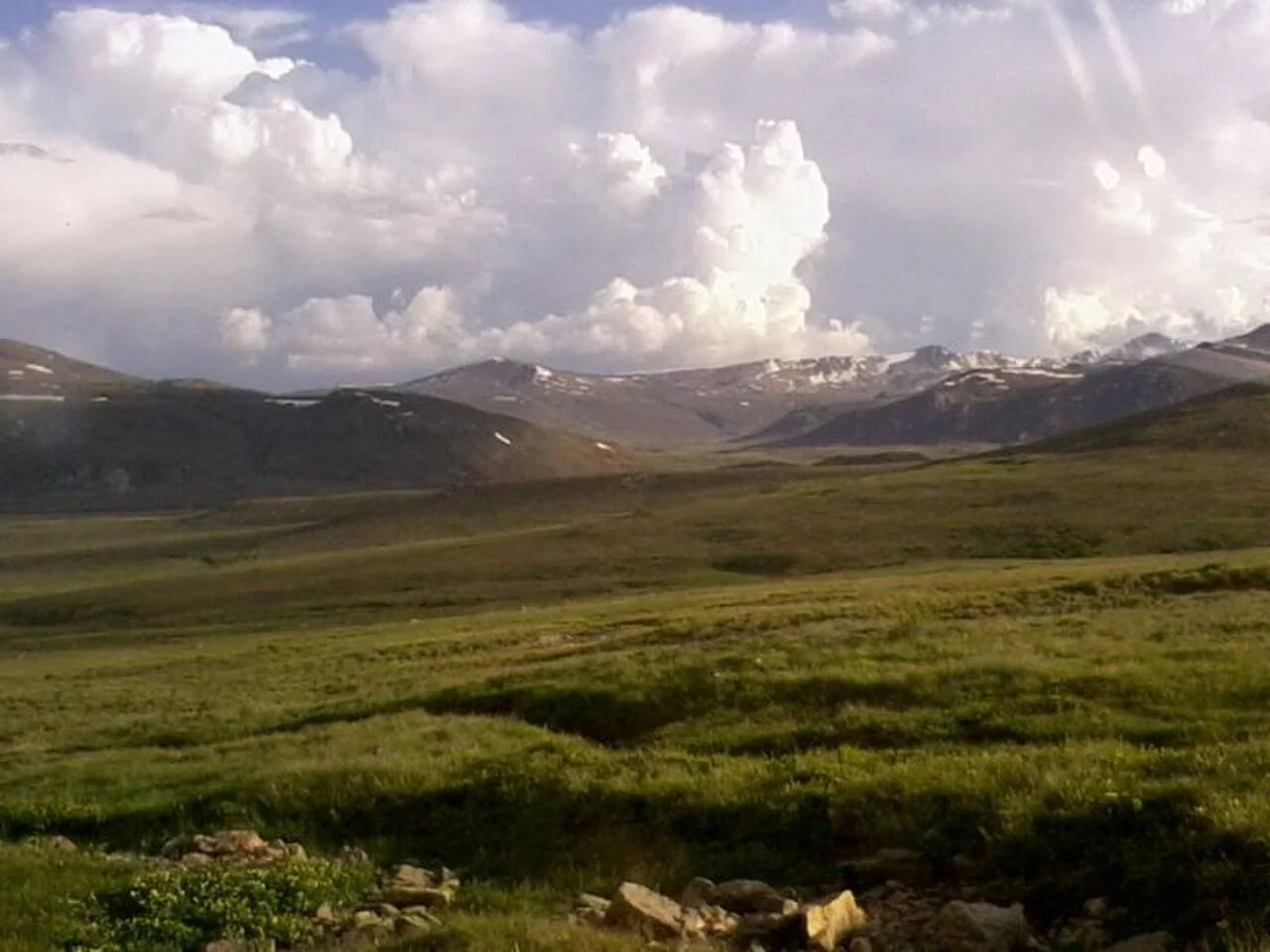
High plateau landscape in Deosai National Park, Gilgit-Baltistan. — M kashi1. Original photograph · CC BY-SA 3.0. Cropped for the cards; photographs do not establish snake occurrence.

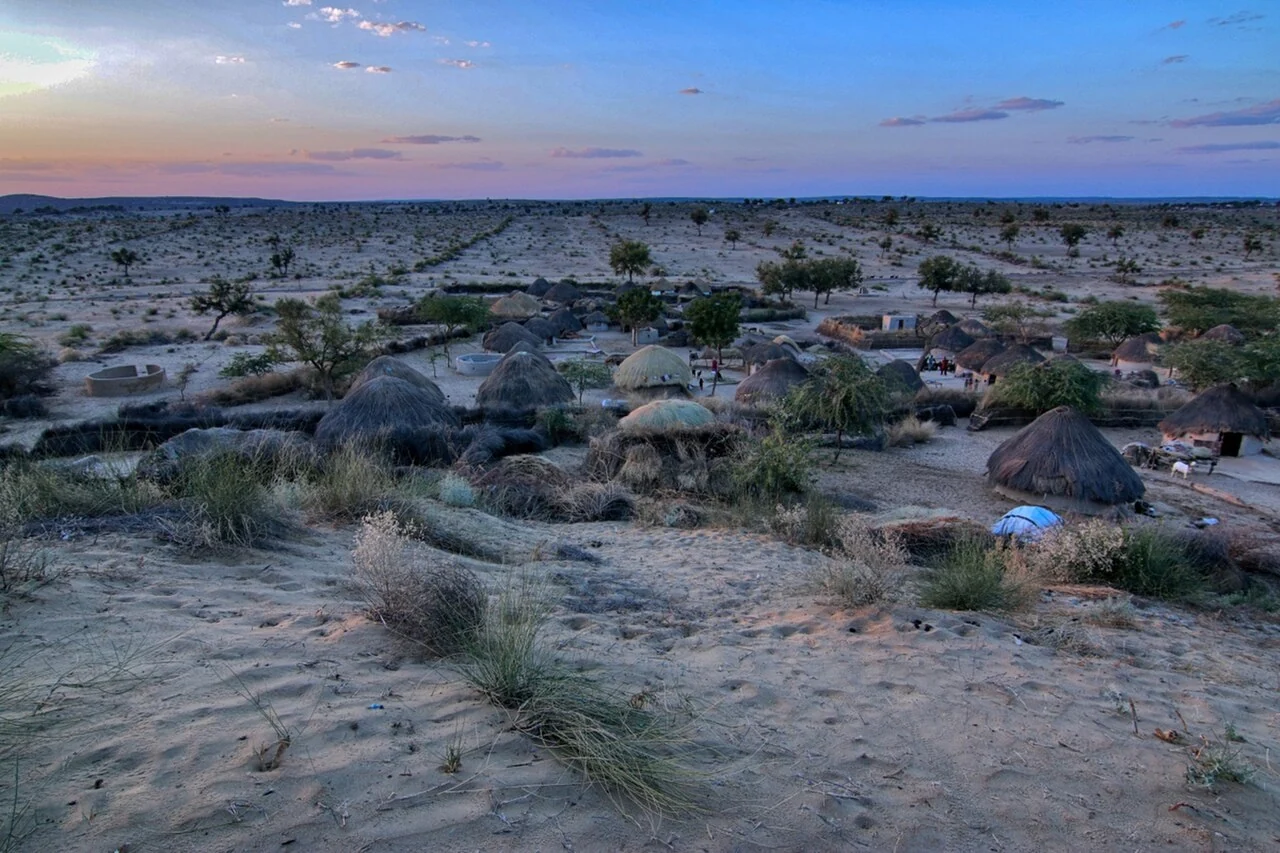
Sandy desert scrub and a village in Tharparkar, Sindh, Pakistan. — Zaferauf. Original photograph · CC BY-SA 4.0. Cropped for the cards; photographs do not establish snake occurrence.

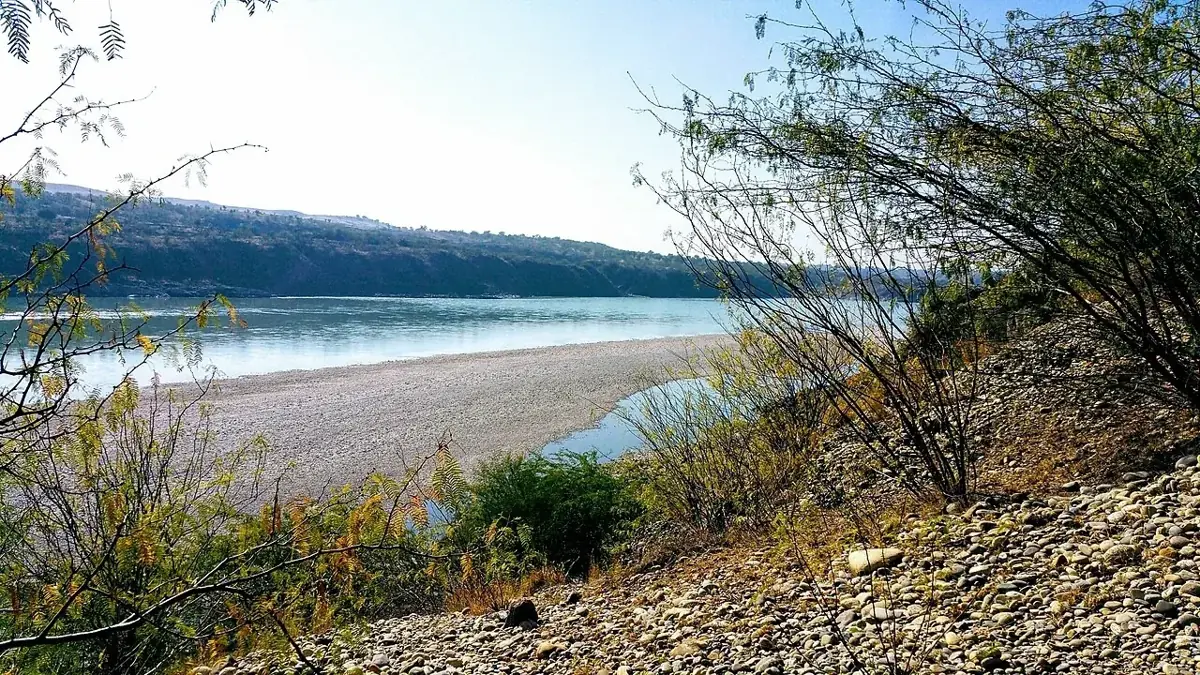
Indus River and stony riverbank at Khushal Garh, Pakistan. — Fahad Anees. Original photograph · CC BY-SA 4.0. Cropped for the cards; photographs do not establish snake occurrence.

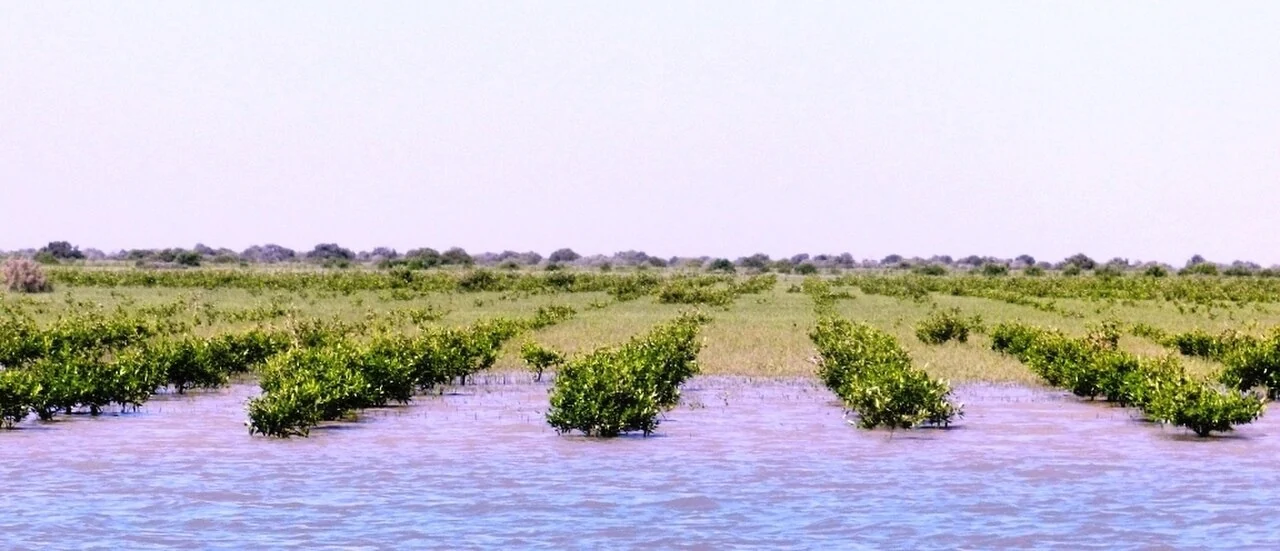
Young mangrove plantation in the Indus Delta, Pakistan. — Agha Tahir Hussain. Original photograph · CC BY-SA 4.0. Cropped for the cards; photographs do not establish snake occurrence.

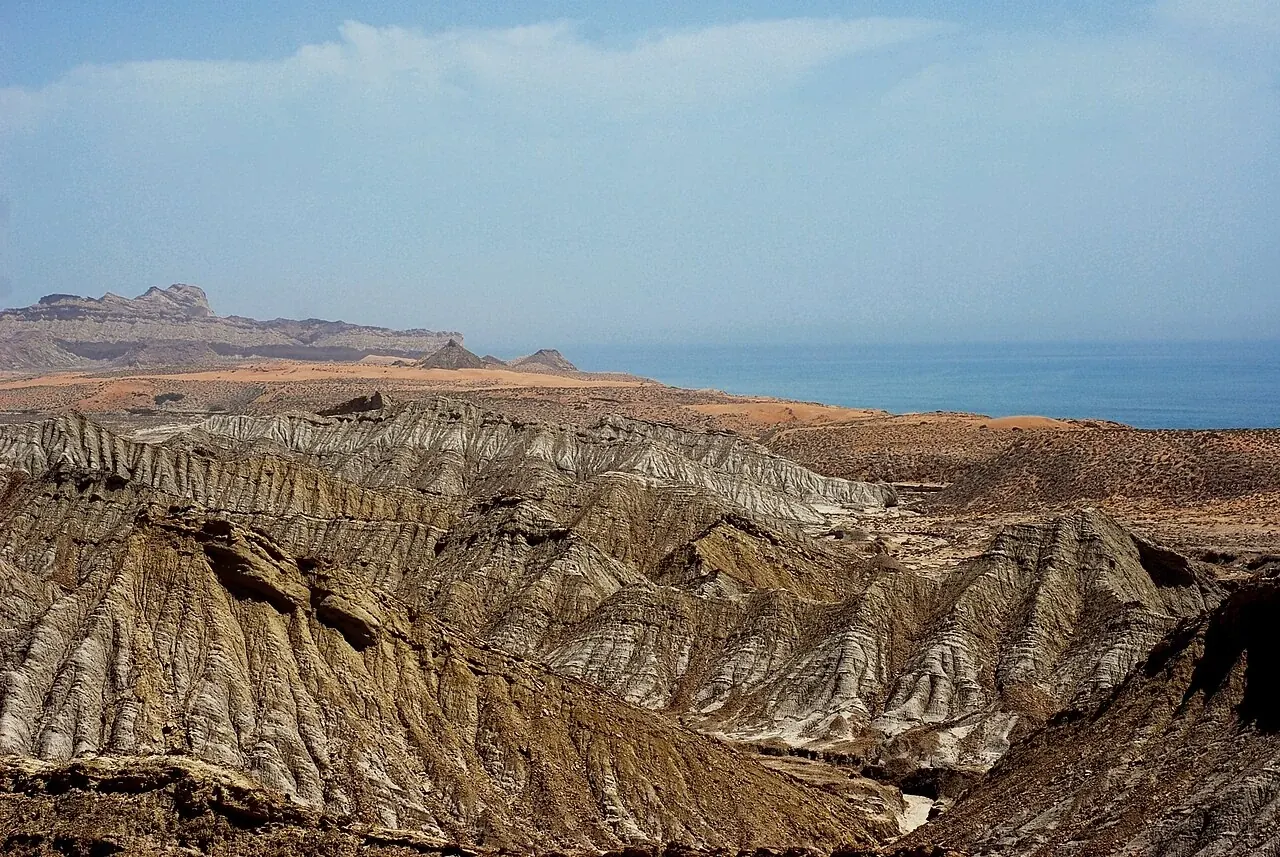
Eroded coastal terrain near Kund Malir, Hingol, Balochistan, Pakistan. — Fahim Akhter. Original photograph · CC BY 3.0. Cropped for the cards; photographs do not establish snake occurrence.

The species catalogue

Snakes · Azad Kashmir.

Only records naming this place appear below. These are extracted locality records, not complete island or regional inventories.

4 species · showing 4

Elaphe hodgsonii. Identification follows the linked source community.

001 · Colubridae

English common name not available

Elaphe hodgsonii

(GÜNTHER, 1860)

Non-venomous

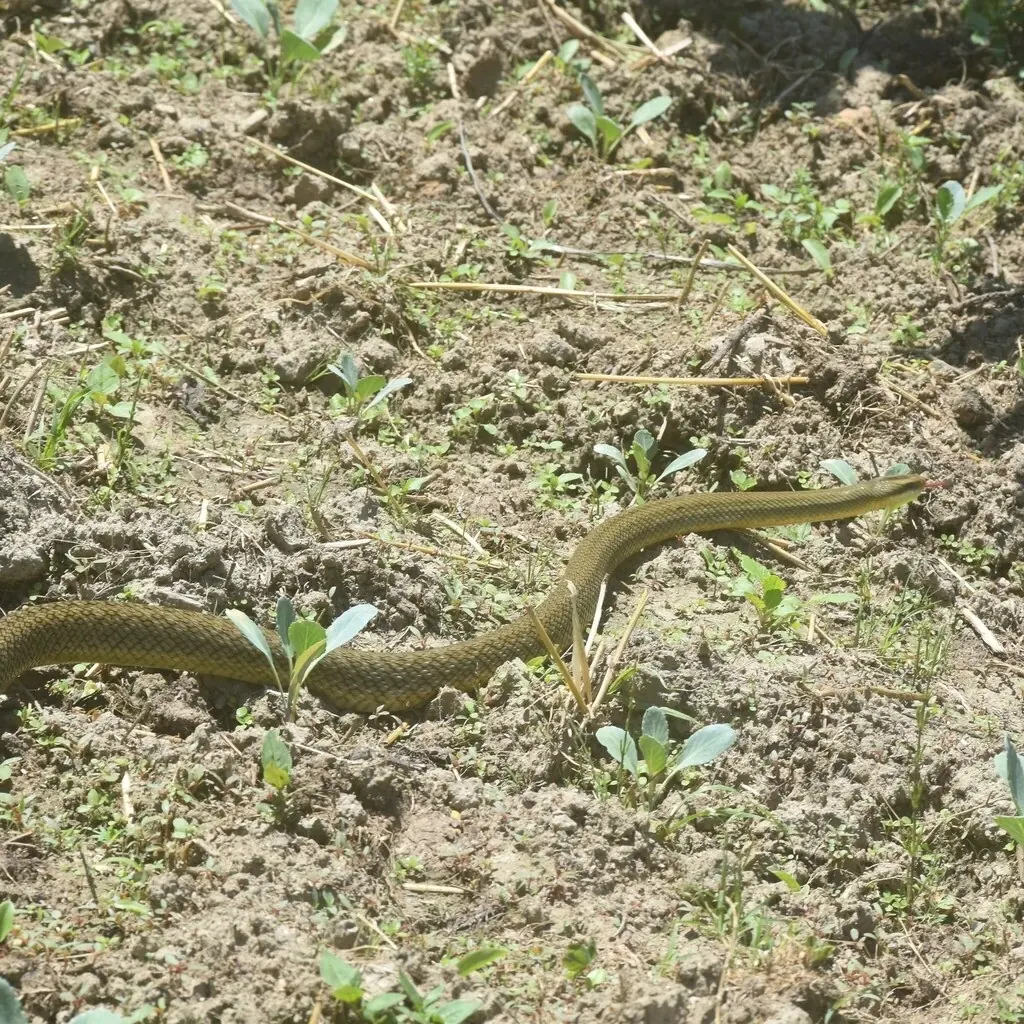
The first verified Pakistani records published in 2025 include Sundhi/Baffa Pakhal (2,994 m), Khanspur Road at Ayubia (2,372 m), and Nagdar Kanari in Neelum (1,863–2,700 m). Voucher PMNH 5164 supports the Neelum record.

Read the species account →

Name · CC BY 4.0 · https://creativecommons.org/licenses/by/4.0/

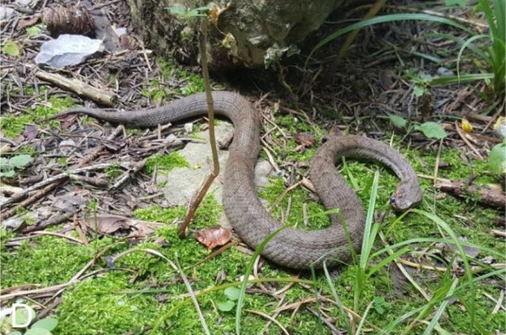
Gloydius hazarensis. Adult specimen from Naran Valley, Khyber Pakhtunkhwa, Pakistan. Figure20D. Isolated source photograph; no new occurrence record is inferred.

002 · Viperidae

Hazara Pitviper

Gloydius hazarensis

JABLONSKI, TILLACK, TILLACK, PETZOLD, WILZO, DAS, IDREES, BANIYA, MASROOR & HOFMANN, 2026

VenomousClinical severity not established

The 2026 integrative revision identifies northern Pakistani populations east of the Indus as G. hazarensis, with documented districts in Khyber Pakhtunkhwa, Punjab and Pakistan-administered Azad Jammu and Kashmir. The contact zone farther east remains unresolved. The 2026 integrative revision identifies northern Pakistani populations east of the Indus as…

Read the species account →

Rafaqat Masroor · CC BY 4.0 · https://creativecommons.org/licenses/by/4.0/

Explore all 72 country records →

The research library

Sources & the checklist.

This edition lists 72 species with supported country records from checked taxonomic treatments and cited field studies. It is not a claim of a complete national inventory. Each account retains its source and check date; individual evidence entries retain their own review dates.

Independent checklist comparison · 2026-10-11

72 confirmed or introduced shared species currently link to this chapter. The comparison source prints 83 snake entries, including subspecies, older synonyms and inconsistent spellings. These reconcile to 69 current identity candidates: 64 have accepted Pakistani records here, while five require country or split reconciliation. Thus 83 is not a deduplicated accepted-species total. The verified 2022 Coelognathus helena and 2025 Elaphe hodgsonii country records are added independently, while the retracted king-cobra claim is excluded. The 2026 Gloydius revision replaces obsolete Pakistani himalayanus assignments with hazarensis and hindukushensis. Old negative country notes require independently checked primary evidence before override.

Safi & Karl: A review on the updated checklists of the amphibians and reptiles of Pakistan: Present and prehistoric ↗

Review still open

Argyrophis diardii

No unqualified modern-country evidence in the checked distribution. Search hits, historical type localities and neighbouring territories do not prove occurrence.

Dendrelaphis tristis

The individual taxonomic treatment rejects or explicitly questions Pakistan. An older checklist or broad range alone does not resolve this conflict.

Enhydris enhydris

The individual taxonomic treatment rejects or explicitly questions Pakistan. An older checklist or broad range alone does not resolve this conflict.

Eryx miliaris

No unqualified modern-country evidence in the checked distribution. Search hits, historical type localities and neighbouring territories do not prove occurrence.

Fowlea schnurrenbergeri

The individual taxonomic treatment rejects or explicitly questions Pakistan. An older checklist or broad range alone does not resolve this conflict.

Gloydius himalayanus

The 2026 integrative revision restricts nominal himalayanus to India. Pakistani populations are represented by G. hazarensis and G. hindukushensis; the obsolete broad name is not counted again.

Hydrophis hardwickii

The individual taxonomic treatment rejects or explicitly questions Pakistan. An older checklist or broad range alone does not resolve this conflict.

Indotyphlops pammeces

The individual taxonomic treatment rejects or explicitly questions Pakistan. An older checklist or broad range alone does not resolve this conflict.

Lycodon striatus

The 2023 revision places Pakistan-to-Central-Asia populations in Lycodon bicolor. Older striatus assignments are not counted again without a modern voucher.

Pseudoindotyphlops porrectus

The individual taxonomic treatment rejects or explicitly questions Pakistan. An older checklist or broad range alone does not resolve this conflict.

Rhabdophis plumbicolor

The individual taxonomic treatment rejects or explicitly questions Pakistan. An older checklist or broad range alone does not resolve this conflict.

Xerotyphlops vermicularis

The individual taxonomic treatment rejects or explicitly questions Pakistan. An older checklist or broad range alone does not resolve this conflict.

Indotyphlops ductuliformes / Eryx tataricus speciosus

The printed blind-snake name is a synonym of Pseudoindotyphlops porrectus, whose Pakistani identity remains disputed. The sand-boa name falls under Eryx miliaris; a current Pakistani voucher under that identity was not independently checked. Neither historical name is created as another species.

Range and taxonomy review

Country links use a single accepted species identity. Revised names and disputed records are kept visible here; uncertain records do not enter the listed collection or regional totals.

Fowlea piscator

Supported country occurrence

Pakistan is explicitly recorded in the checked individual species treatment. Published survey identification; individual observation coordinates are not provided. Listed in the March 2011–July 2013 field survey; no specimen-level locality or habitat assignment is supplied.

Source 1 ↗

Source 2 ↗

Source 3 ↗

Source 4 ↗

Gloydius himalayanus

Uncertain — excluded from the listed total

The 2026 integrative revision restricts nominal himalayanus to India. Pakistani populations are represented by G. hazarensis and G. hindukushensis; the obsolete broad name is not counted again.

Source 1 ↗

Source 2 ↗

Lycodon striatus

Uncertain — excluded from the listed total

The 2023 revision places Pakistan-to-Central-Asia populations in Lycodon bicolor. Older striatus assignments are not counted again without a modern voucher.

Source 1 ↗

Source 2 ↗

Dendrelaphis tristis

Uncertain — excluded from the listed total

The individual taxonomic treatment rejects or explicitly questions Pakistan. An older checklist or broad range alone does not resolve this conflict.

Source 1 ↗
Enhydris enhydris

Uncertain — excluded from the listed total

The individual taxonomic treatment rejects or explicitly questions Pakistan. An older checklist or broad range alone does not resolve this conflict.

Source 1 ↗
Fowlea schnurrenbergeri

Uncertain — excluded from the listed total

The individual taxonomic treatment rejects or explicitly questions Pakistan. An older checklist or broad range alone does not resolve this conflict.

Source 1 ↗
Hydrophis hardwickii

Uncertain — excluded from the listed total

The individual taxonomic treatment rejects or explicitly questions Pakistan. An older checklist or broad range alone does not resolve this conflict.

Source 1 ↗
Indotyphlops pammeces

Uncertain — excluded from the listed total

The individual taxonomic treatment rejects or explicitly questions Pakistan. An older checklist or broad range alone does not resolve this conflict.

Source 1 ↗
Pseudoindotyphlops porrectus

Uncertain — excluded from the listed total

The individual taxonomic treatment rejects or explicitly questions Pakistan. An older checklist or broad range alone does not resolve this conflict.

Source 1 ↗
Rhabdophis plumbicolor

Uncertain — excluded from the listed total

The individual taxonomic treatment rejects or explicitly questions Pakistan. An older checklist or broad range alone does not resolve this conflict.

Source 1 ↗
Xerotyphlops vermicularis

Uncertain — excluded from the listed total

The individual taxonomic treatment rejects or explicitly questions Pakistan. An older checklist or broad range alone does not resolve this conflict.

Source 1 ↗
How the map and counts work

Search results were checked against distribution text and taxonomic qualifications. A geographic name alone does not establish a political country: New Guinea, the Solomon archipelago and Micronesia span more than one country or territory. Introduced and unresolved records require separate interpretation.

Place counts require explicit named localities, including valid type localities. Counts can overlap where sources name multiple places. Regional maps group historical boundary snapshots for navigation, while island outlines use Natural Earth; neither is a species range or an observation map. Small islands can be below the outline dataset’s resolution, so geographic reference markers and the directory remain available.

geoBoundaries gbOpen ADM1 · 2019 snapshot · geoBoundaries, source: geoBoundaries, Wikipedia · Public Domain. Generalised navigation geometry, not snake ranges or a statement of territorial status. Map provenance →

  1. AJK Forestry Department · Montane temperate forest ↗

    Department account read through indexed full text; direct fetch blocked. Moist and dry forest examples in Neelum/Jhelum/Leepa; inconsistent rainfall units omitted.

  2. Ramsar · Indus Delta ↗
  3. geoBoundaries · Open ADM1 boundary provenance ↗
  4. The Reptile Database

    Individual treatments and locality evidence are linked from each species account.

  5. Meiri (2024): SquamBase 1.0

    Species-level literature measurements and ecological traits. Exact-name matches only; imputed or ambiguous fields are omitted. These summaries are not local observations.

  6. Natural Earth: public-domain geographic data

Continue through the Asia atlas →