Indus River and stony riverbank at Khushal Garh, Pakistan.

Pakistan · Habitat field guide

The Indus and managed wetland margins

A reservoir, a river channel and a shallow lagoon are related but different habitats.

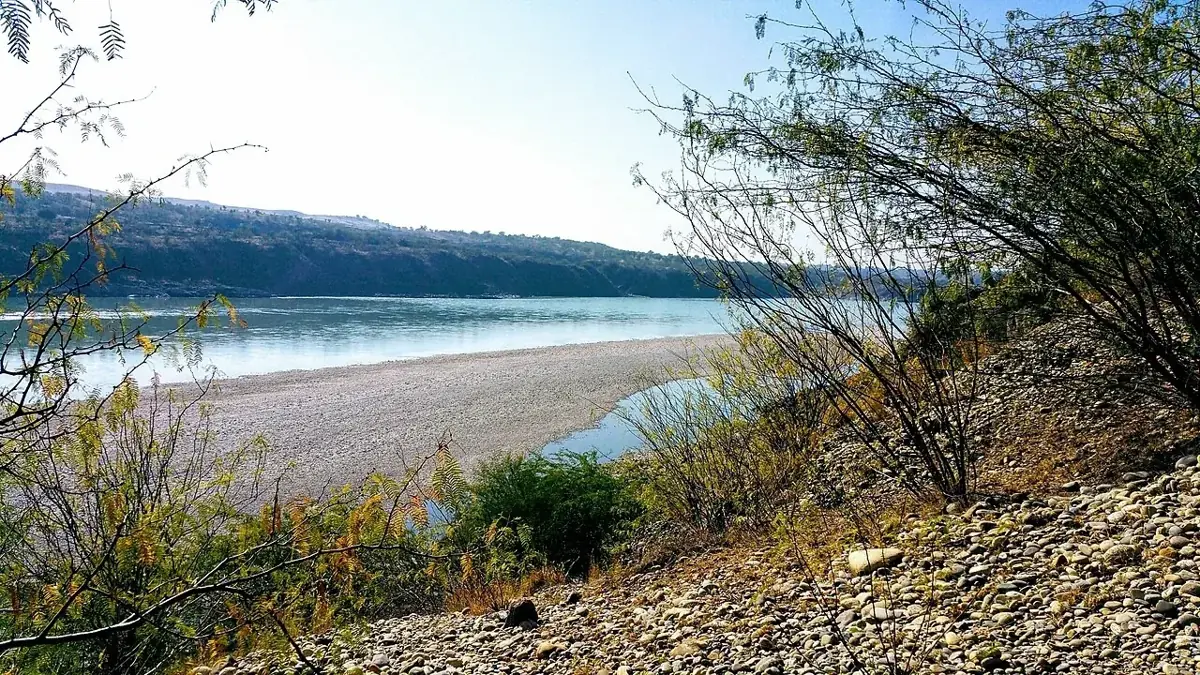
Indus River and stony riverbank at Khushal Garh, Pakistan.

Photograph: Fahad Anees · Image source · CC BY-SA 4.0. Cropped to fill the hero; darkened for text legibility.

Understanding the environment

A sense of the habitat.

A reservoir, a river channel and a shallow lagoon are related but different habitats.

Landscape evidence
Named examples, not complete habitat coverage
Record detail
Locality · season · observed cover

Explore the structure · Select a feature to compare

Read the landscape

Select a zone to see what changes.

Look upstream

Catchment

Identify the named river or lake and any visible management structures.

Use the sourced examples below to place these observations in context.

Conceptual observation prompts, not a measured transect, habitat boundary or snake range.

Field notes · 01

A managed river landscape

The Taunsa information sheet describes an irrigation barrage reservoir on the Indus. Embankments retain shallow lagoons as the main channel falls, and cultivated land borders parts of the water.

Sources: Ramsar · Taunsa Barrage information sheet

Field notes · 02

Vegetation and water history

Lal Suhanra includes Patisar, originally built as a reservoir, with reedbeds and aquatic vegetation. Keep this managed history in field notes rather than treating all open water as a natural lake.

Sources: UNESCO · Lal Suhanra

Pressures on Pakistan’s habitats

What is at risk?

A site-specific assessment of pressures has not yet been extracted for this guide. The landscape sources below provide context; they do not establish a current threat level for each snake species.

What helps this habitat

Support site-led protection of the landscape processes described here. Keep habitat notes precise and use the linked sources before extending a claim to another place.

The connected collection

Snakes with habitat evidence.

These 6 species have supported country occurrence and an explicit habitat association in the shared account. The association may come from elsewhere in their range. This is not a complete local habitat inventory; the places above are landscape examples, not asserted collecting sites.

6 species · showing 6

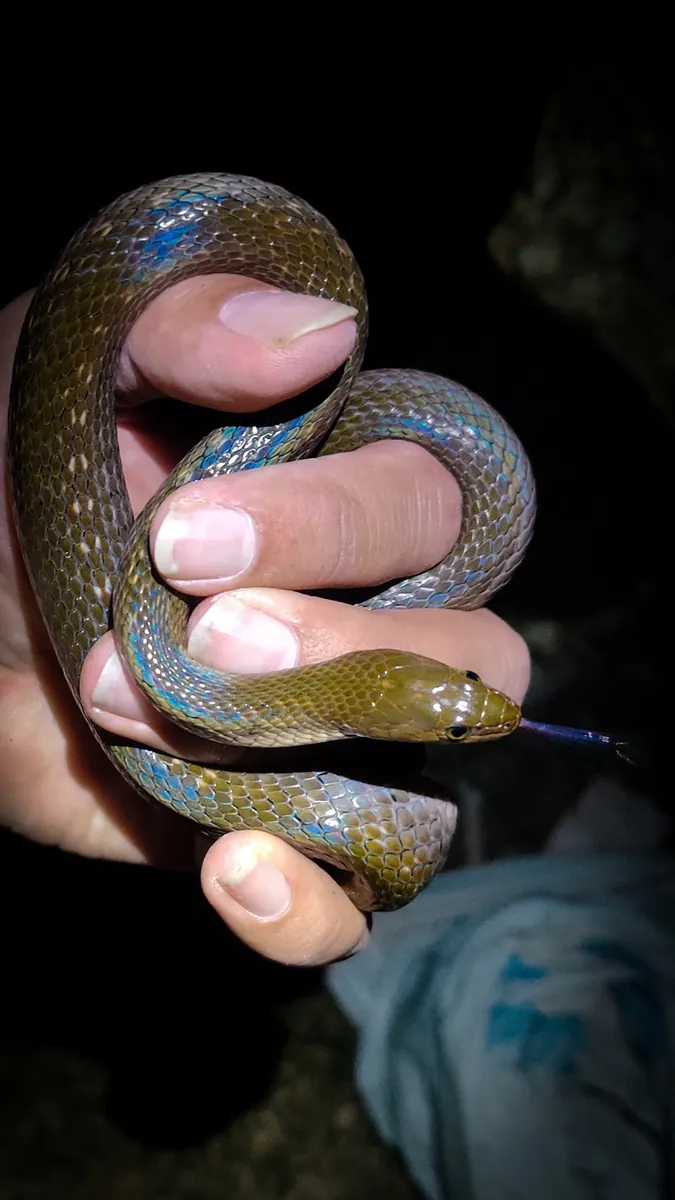
Living animal held by the observer, photographed at Kambipura, Karnataka, India, on 19 January 2021.

001 · Colubridae

Asiatic Water Snakes, Checkered Keelback

Fowlea piscator

(SCHNEIDER, 1799)

Venom unknownNot yet assessed

Pakistan is explicitly recorded in the checked individual species treatment. Published survey identification; individual observation coordinates are not provided. Listed in the March 2011–July 2013 field survey; no specimen-level locality or habitat assignment is supplied.

Read the species account →

Chayant Gonsalves / iNaturalist · CC BY 4.0 · https://creativecommons.org/licenses/by/4.0/
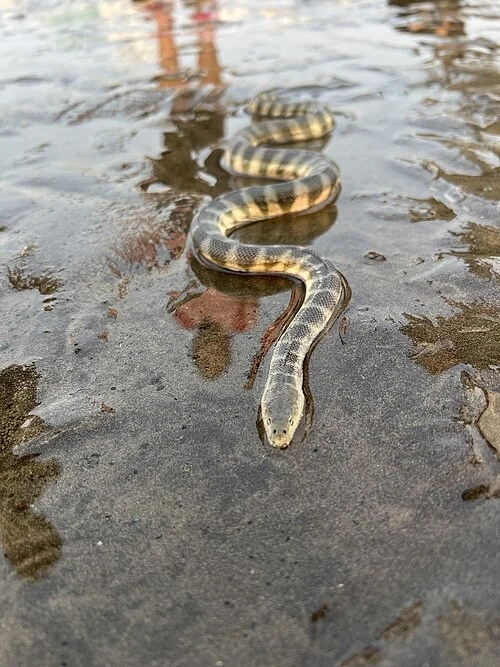
Hydrophis schistosus — real specimen photograph; identification follows the linked source.

002 · Elapidae

Common or beaked seasnake

Hydrophis schistosus

DAUDIN, 1803

VenomousClinical severity not established

Pakistan is explicitly recorded in the checked individual species treatment.

Read the species account →

Shaunak Modi · CC BY 4.0 · https://creativecommons.org/licenses/by/4.0

Indotyphlops braminus — photographed on Ko Pha-ngan, Thailand.

003 · Typhlopidae

Flowerpot Snake

Indotyphlops braminus

(DAUDIN, 1803)

Non-venomous

Pakistan is explicitly recorded in the checked individual species treatment. Published survey identification; individual observation coordinates are not provided. Listed in the March 2011–July 2013 field survey; no specimen-level locality or habitat assignment is supplied.

Read the species account →

Cook-Price, Makchai & Suwanwaree (2026); photographs credited collectively to the author, James Covert and Vikas Kumar · CC BY 4.0 · https://creativecommons.org/licenses/by/4.0/

Lycodon aulicus, photographed 2012-05-12. Identification follows the linked research-grade observation.

004 · Colubridae

Indian Wolf Snake, Common Wolf Snake

Lycodon aulicus

(LINNAEUS, 1758)

Non-venomous

Pakistan is explicitly recorded in the checked individual species treatment.

Read the species account →

Eliane Küpfer · CC BY-SA 4.0 · https://creativecommons.org/licenses/by-sa/4.0/

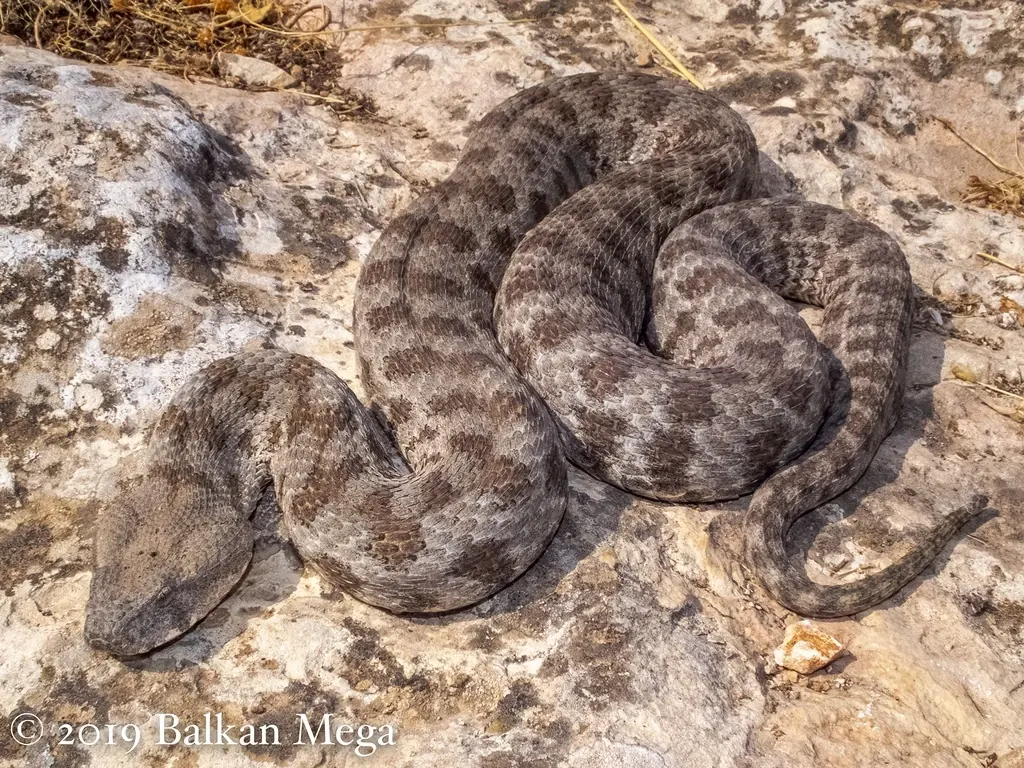
Macrovipera lebetinus. Identification follows the linked source community.

005 · Viperidae

Levantine Viper

Macrovipera lebetinus

(LINNAEUS, 1758)

VenomousClinical severity not established

Pakistan is explicitly recorded in the checked individual species treatment.

Read the species account →

Balkan Mega · CC BY 4.0 · https://creativecommons.org/licenses/by/4.0/
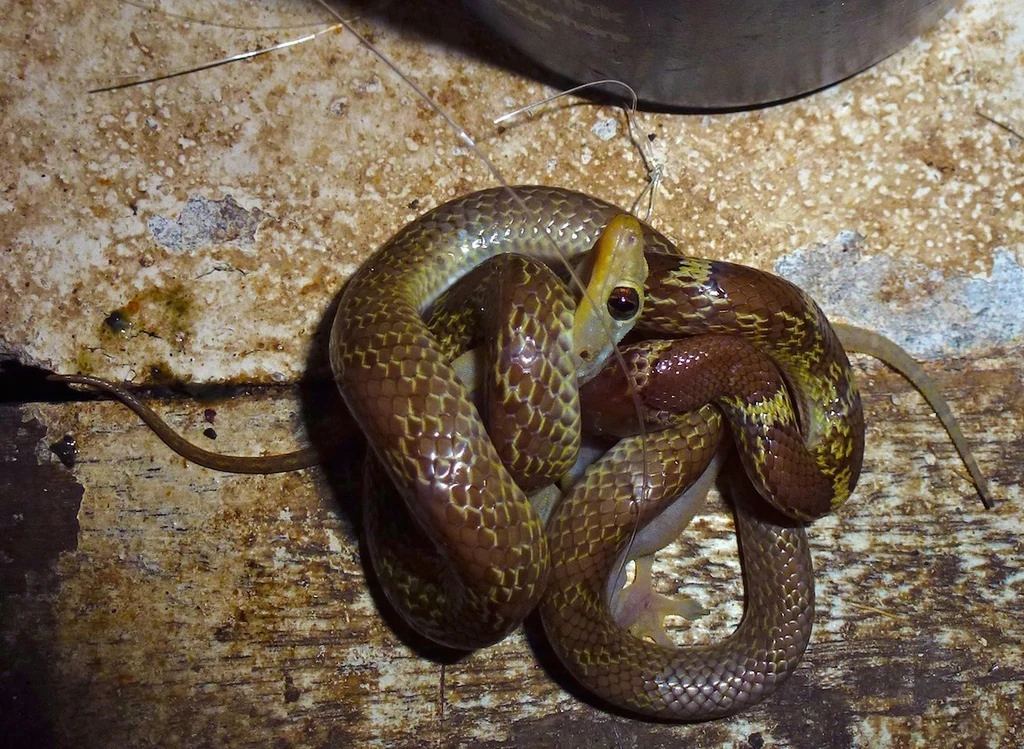
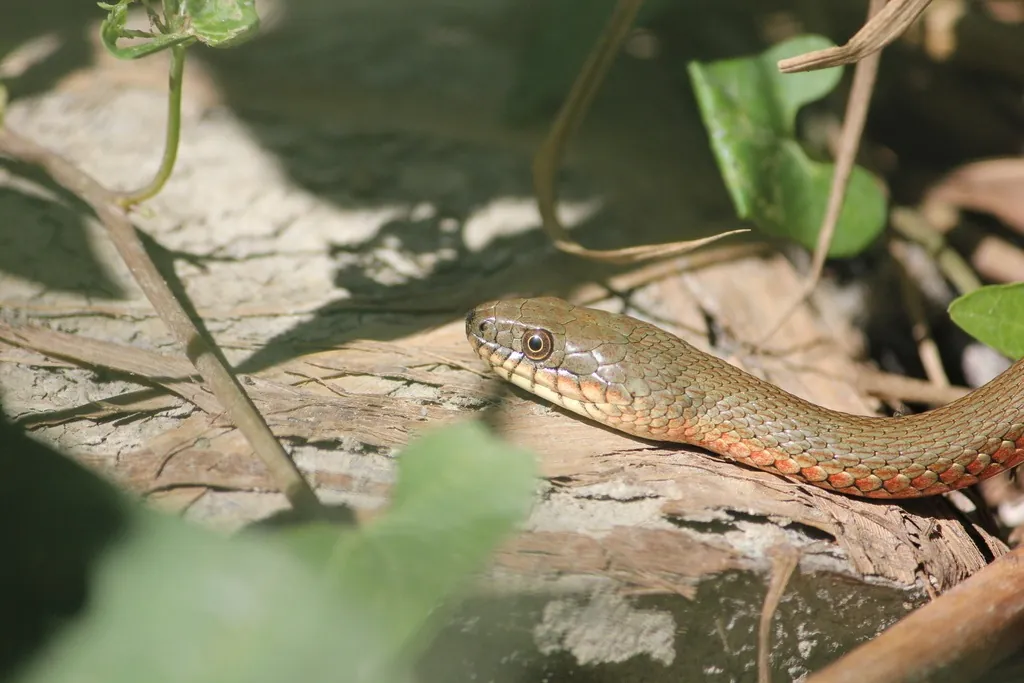
Unspotted dice snake photographed in Dagestan, Russia, in September 2026. Identification follows the linked source community.

006 · Colubridae

Dice Snake

Natrix tessellata

(LAURENTI, 1768)

Venom unknownNot yet assessed

Pakistan is explicitly recorded in the checked individual species treatment.

Read the species account →

KsenoSnake · CC0 1.0 · https://creativecommons.org/publicdomain/zero/1.0/

All 72 species in the country collection →

Read further

Evidence & sources.

Guide reviewed 11 October 2026. Source dates and geographic scope matter; landscape photographs do not establish species occurrence.

  1. Ramsar · Taunsa Barrage information sheet

    Historical Punjab reservoir, lagoons and riverine vegetation. No old management proposal treated as current law.

  2. UNESCO · Lal Suhanra

    Cholistan dunes, thorn woodland, irrigated plantations and Patisar reservoir; dated social statistics omitted.

Continue through Pakistan

Explore another habitat.

01

Juniper, moist forest and valley woodland

Pakistan’s forest examples span both dry uplands and moister mountain slopes.

02

High mountains and their lower slopes

Keep glacier scenery separate from the actual elevation of a wildlife record.

03

Dunes, thorn vegetation and watered patches

The boundary between dry ground and managed water can be conspicuous.

04

Mangroves in an arid coastal setting

Tidal water and freshwater supply meet in Pakistan’s delta forests.

05

Creeks, flats and Arabian Sea beaches

A named shore is more informative than a national marine label.