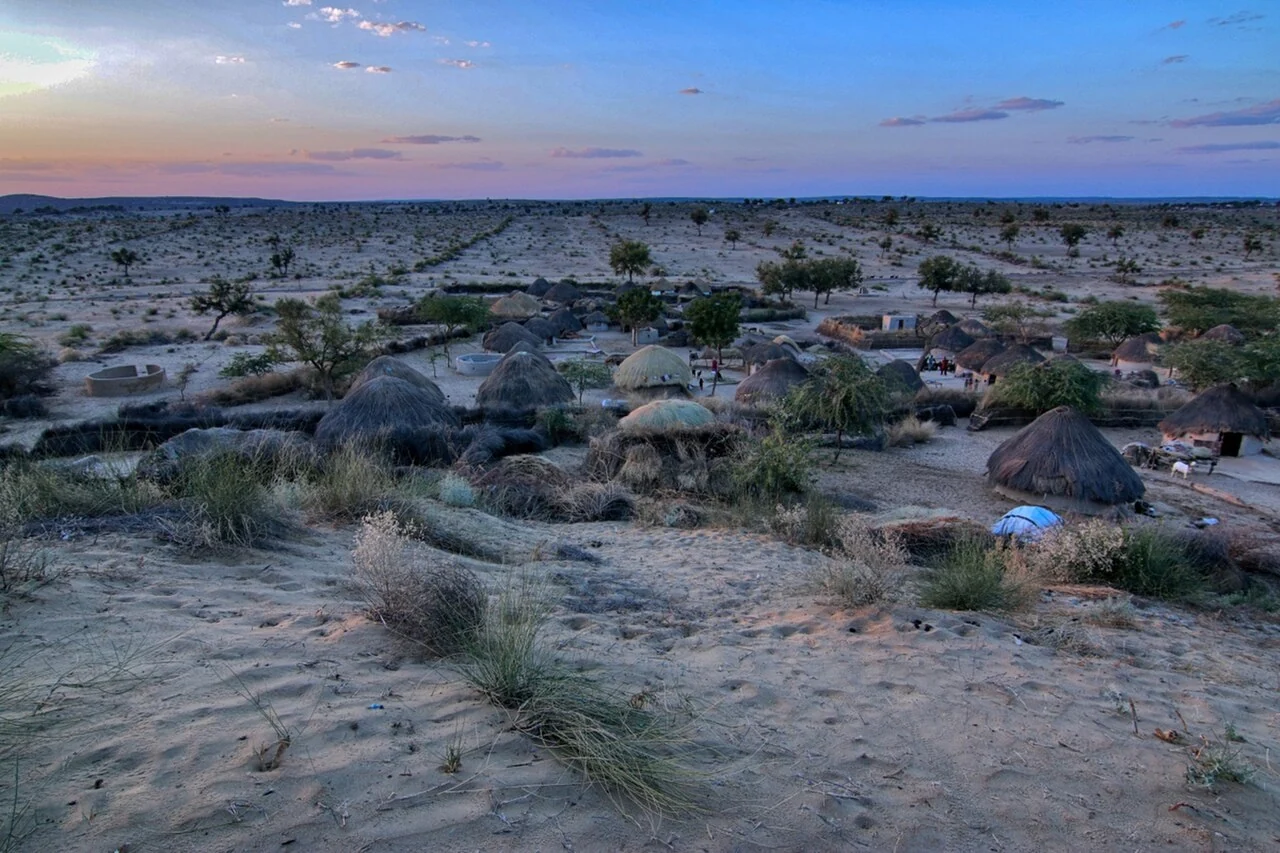
Sandy desert scrub and a village in Tharparkar, Sindh, Pakistan.

Pakistan · Habitat field guide

Dunes, thorn vegetation and watered patches

The boundary between dry ground and managed water can be conspicuous.

Sandy desert scrub and a village in Tharparkar, Sindh, Pakistan.

Photograph: Zaferauf · Image source · CC BY-SA 4.0. Cropped to fill the hero; darkened for text legibility.

Understanding the environment

A sense of the habitat.

The boundary between dry ground and managed water can be conspicuous.

Landscape evidence
Named examples, not complete habitat coverage
Record detail
Locality · season · observed cover

Explore the structure · Select a feature to compare

Read the landscape

Select a zone to see what changes.

Look at the surface

Open substrate

Distinguish mobile sand, gravel, rock and salt crust.

Use the sourced examples below to place these observations in context.

Conceptual observation prompts, not a measured transect, habitat boundary or snake range.

Field notes · 01

Cholistan edge

Lal Suhanra lies on the northwestern edge of the Cholistan Desert. UNESCO describes relatively flat sandy terrain, dunes, thorn forest, irrigated plantations and a reservoir wetland within the reserve.

Sources: UNESCO · Lal Suhanra

Field notes · 02

Cold drylands are different

Chitral adds a highland example with cold-desert and dry-alpine habitats. Preserve that distinction from the warmer dune landscape instead of treating aridity as a single climate.

Sources: UNESCO · Chitral Bashkar Garmchashm

Pressures on Pakistan’s habitats

What is at risk?

A site-specific assessment of pressures has not yet been extracted for this guide. The landscape sources below provide context; they do not establish a current threat level for each snake species.

What helps this habitat

Support site-led protection of the landscape processes described here. Keep habitat notes precise and use the linked sources before extending a claim to another place.

The connected collection

Snakes with habitat evidence.

These 8 species have supported country occurrence and an explicit habitat association in the shared account. The association may come from elsewhere in their range. This is not a complete local habitat inventory; the places above are landscape examples, not asserted collecting sites.

8 species · showing 8

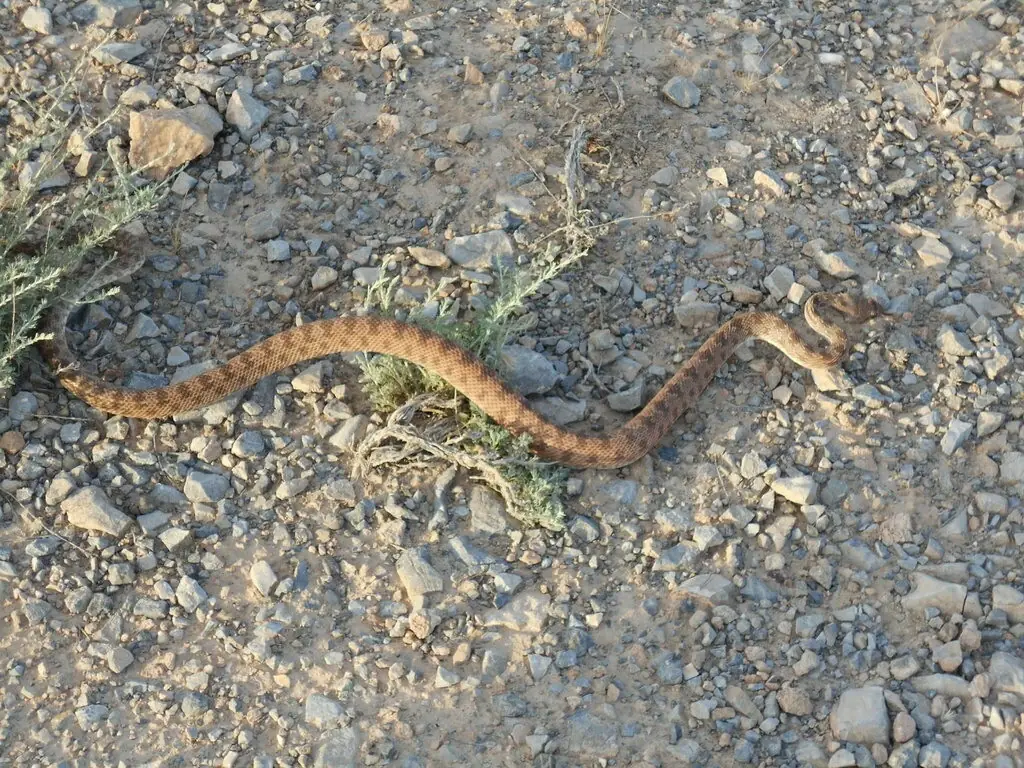
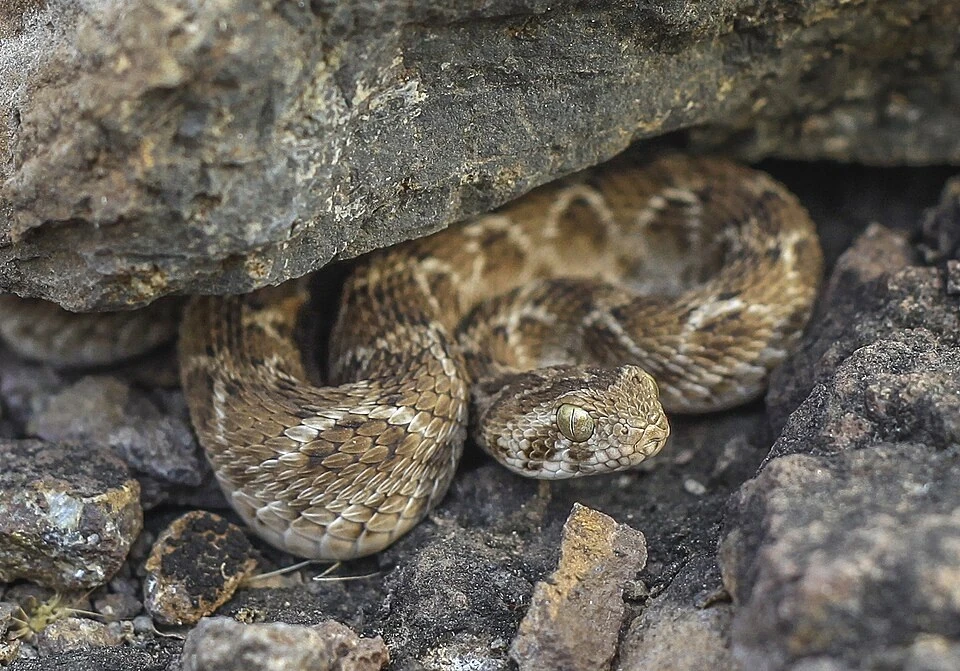
Echis carinatus. Identification follows the linked source photograph.

001 · Viperidae

Saw-scaled Viper, Phoorsa

Echis carinatus

(SCHNEIDER, 1801)

VenomousClinical severity not established

Pakistan is explicitly recorded in the checked individual species treatment. Observed/collected in the published Chagai inventory; no species-specific dune coordinate is supplied. Listed in the March 2011–July 2013 field survey; no specimen-level locality or habitat assignment is supplied.

Read the species account →

Sagar khunte · CC BY-SA 4.0 · https://creativecommons.org/licenses/by-sa/4.0
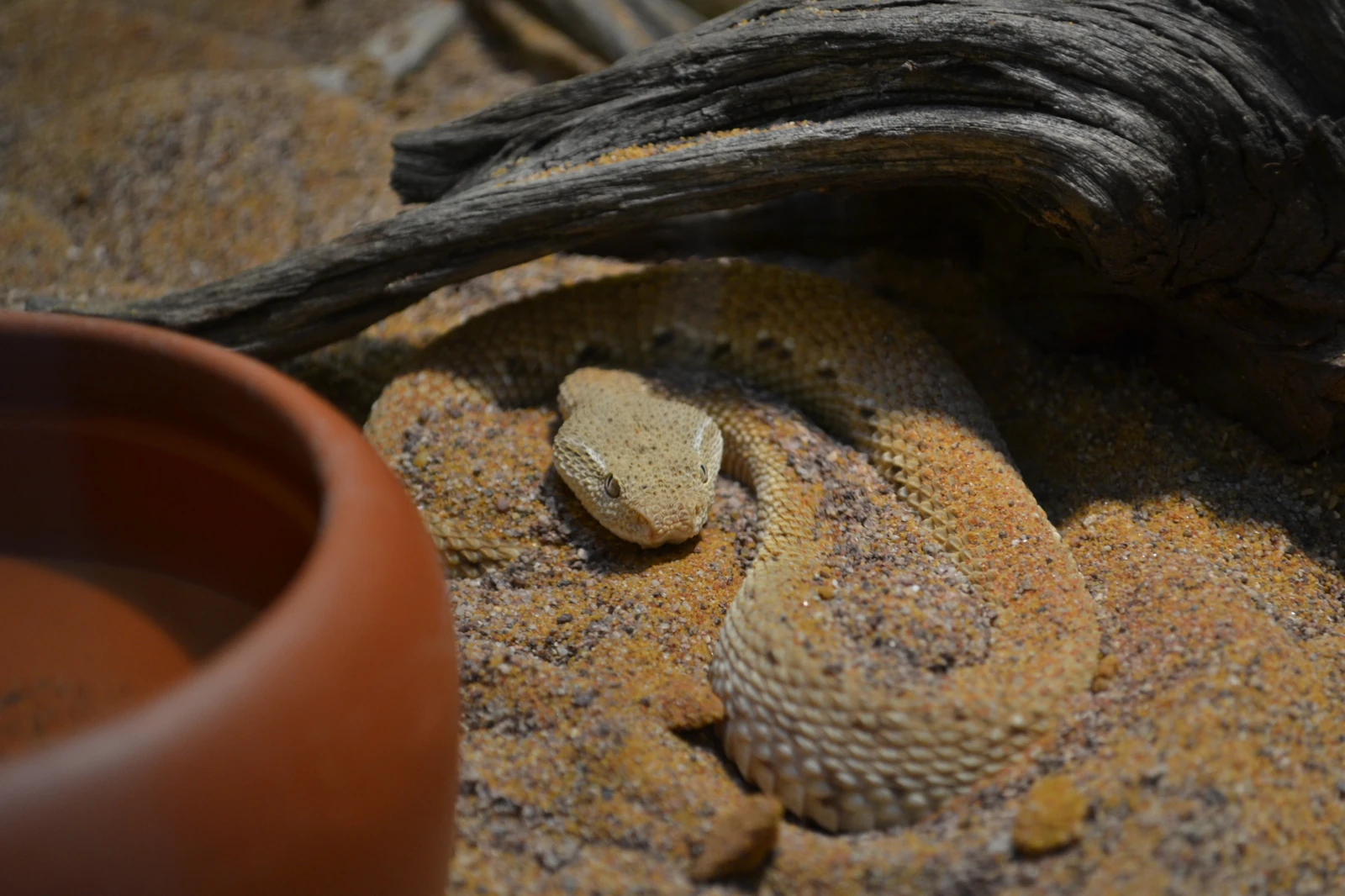
Eristicophis macmahoni photographed in captivity in Genoa, Italy, on 17 May 2015.

002 · Viperidae

McMahons Desert Viper, Asian sand viper

Eristicophis macmahoni

ALCOCK & FINN, 1897

VenomousClinical severity not established

Pakistan is explicitly recorded in the checked individual species treatment. Observed/collected in the published Chagai inventory; no species-specific dune coordinate is supplied.

Read the species account →

Luca Napelo · CC BY 4.0 · https://creativecommons.org/licenses/by/4.0/

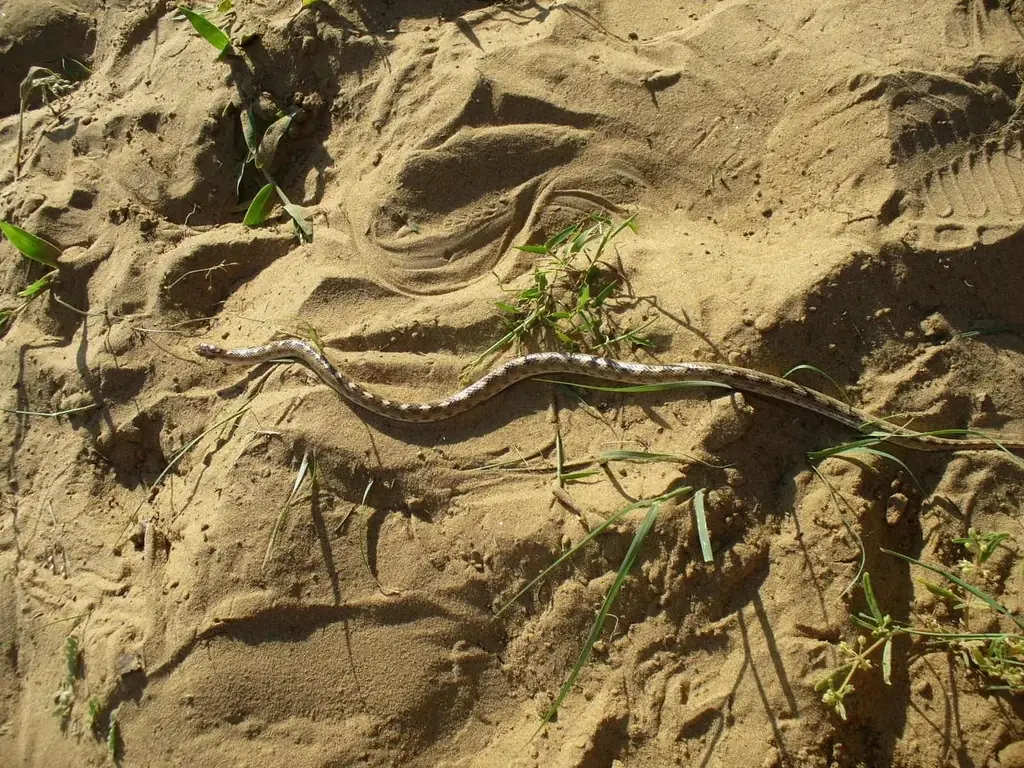
Lytorhynchus paradoxus. Identification follows the linked source community.

004 · Colubridae

Sindh Awl-headed Snake, Sind Longnose Sand Snake

Lytorhynchus paradoxus

(GÜNTHER, 1875)

Venom unknownNot yet assessed

Pakistan is explicitly recorded in the checked individual species treatment. The authors report six field encounters near Yazman during July–August 2024 and a photographed dead specimen from Chak 50 WB. The Vehari record is photographic, not a cited museum voucher.

Read the species account →

Mittal Gala · CC BY 4.0 · https://creativecommons.org/licenses/by/4.0/

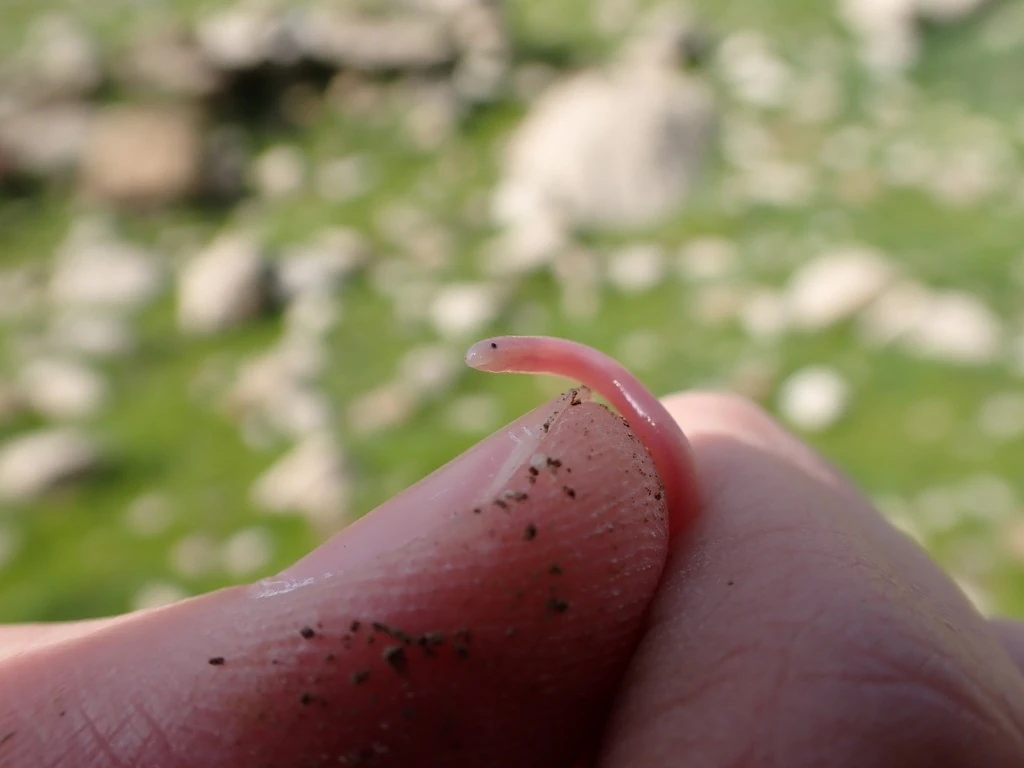
Myriopholis macrorhyncha. Identification follows the linked source community.

005 · Leptotyphlopidae

Longnosed Worm Snake, Hook-snouted worm snake

Myriopholis macrorhyncha

(JAN, 1860)

Non-venomous

Pakistan is explicitly recorded in the checked individual species treatment. Published survey identification; individual observation coordinates are not provided.

Read the species account →

Kian · CC BY 4.0 · https://creativecommons.org/licenses/by/4.0/

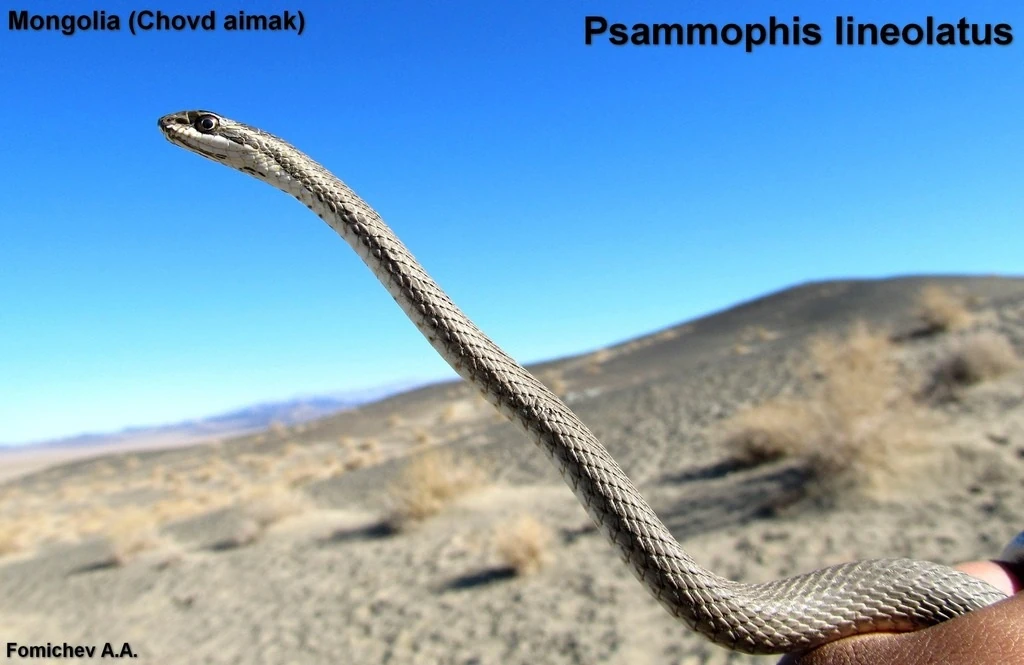
Psammophis lineolatus. Identification follows the linked source community.

006 · Psammophiidae

Steppe Ribbon Racer

Psammophis lineolatus

(BRANDT, 1838)

VenomousClinical severity not established

Pakistan is explicitly recorded in the checked individual species treatment.

Read the species account →

Alexander A. Fomichev · CC BY 4.0 · https://creativecommons.org/licenses/by/4.0/

Psammophis schokari. Identification follows the linked source community.

007 · Psammophiidae

Schokari Sand Racer, Forskal Sand Snake

Psammophis schokari

(FORSKÅL, 1775)

VenomousClinical severity not established

Pakistan is explicitly recorded in the checked individual species treatment. Observed/collected in the published Chagai inventory; no species-specific dune coordinate is supplied.

Read the species account →

Mahomed Desai · CC BY 4.0 · https://creativecommons.org/licenses/by/4.0/

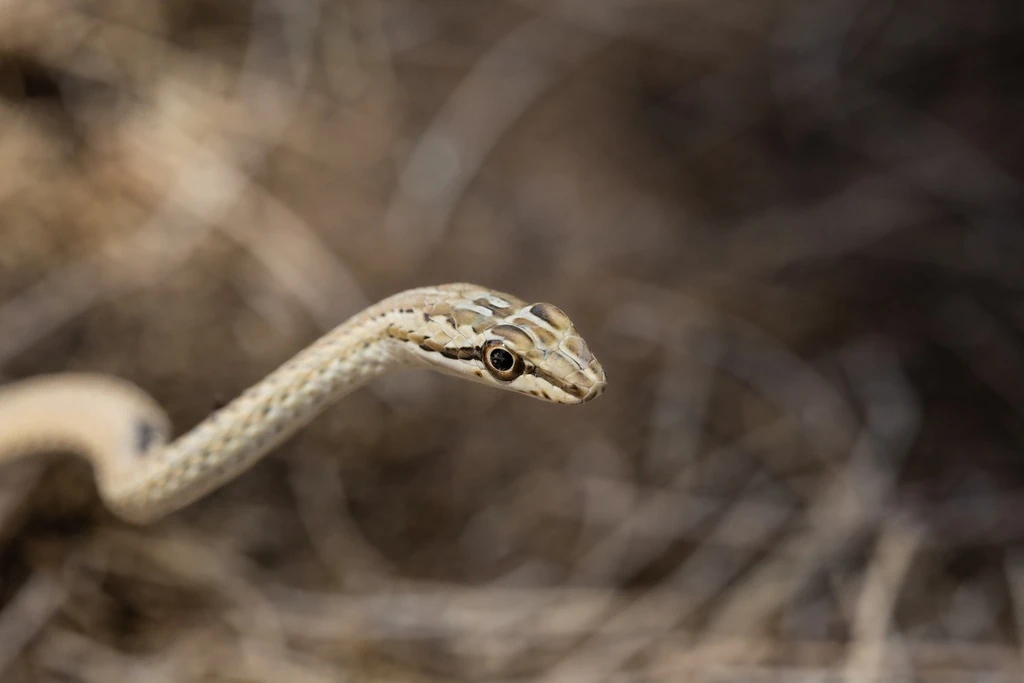
Spalerosophis diadema. Identification follows the linked source community.

008 · Colubridae

Diadem Snake, Royal Snake

Spalerosophis diadema

(SCHLEGEL, 1837)

Venom unknownNot yet assessed

Pakistan is explicitly recorded in the checked individual species treatment. Listed in the March 2011–July 2013 field survey; no specimen-level locality or habitat assignment is supplied.

Read the species account →

Askar Akhmedov · CC BY 4.0 · https://creativecommons.org/licenses/by/4.0/

All 72 species in the country collection →

Read further

Evidence & sources.

Guide reviewed 11 October 2026. Source dates and geographic scope matter; landscape photographs do not establish species occurrence.

  1. UNESCO · Lal Suhanra

    Cholistan dunes, thorn woodland, irrigated plantations and Patisar reservoir; dated social statistics omitted.

  2. UNESCO · Chitral Bashkar Garmchashm

    Named Khyber Pakhtunkhwa mountain, forest and cold-desert setting.

Continue through Pakistan

Explore another habitat.

01

Juniper, moist forest and valley woodland

Pakistan’s forest examples span both dry uplands and moister mountain slopes.

02

High mountains and their lower slopes

Keep glacier scenery separate from the actual elevation of a wildlife record.

03

The Indus and managed wetland margins

A reservoir, a river channel and a shallow lagoon are related but different habitats.

04

Mangroves in an arid coastal setting

Tidal water and freshwater supply meet in Pakistan’s delta forests.

05

Creeks, flats and Arabian Sea beaches

A named shore is more informative than a national marine label.