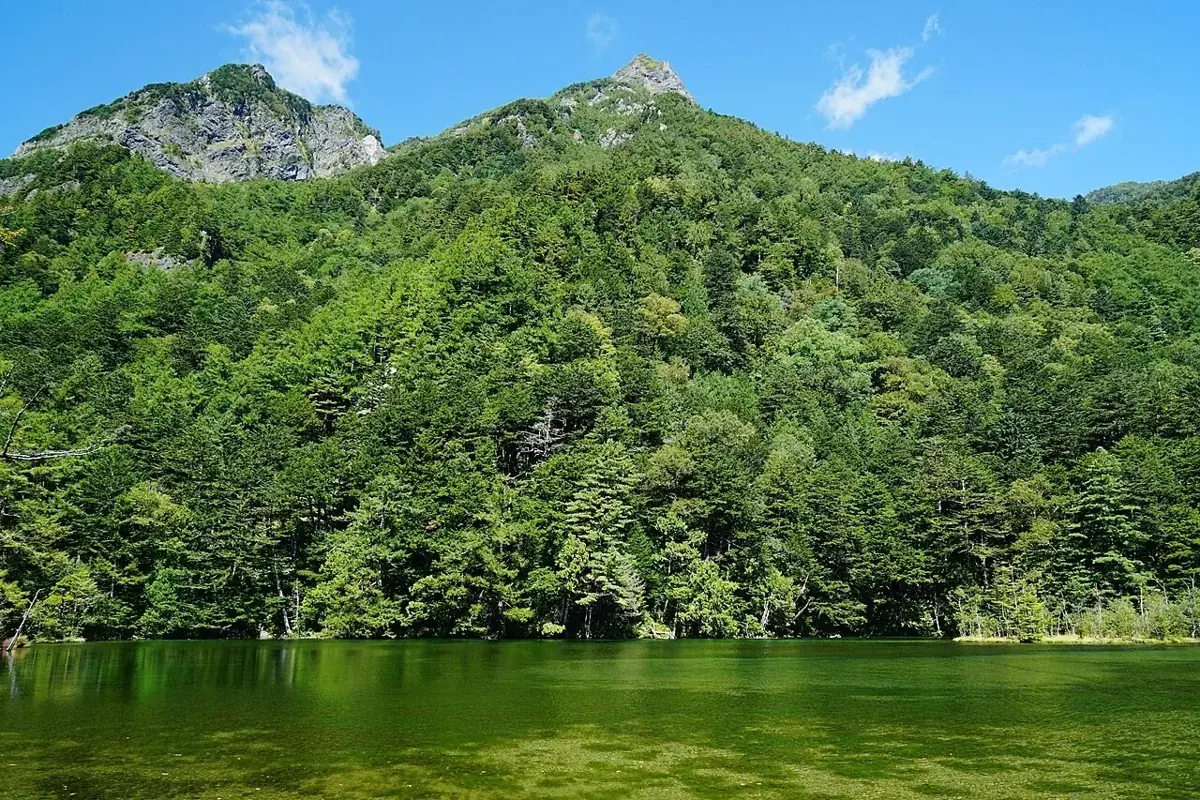
Mount Myojin and the wooded shore of Myojin Pond, Kamikochi, Nagano, Japan.

Japan · The country atlas

Japan

Explore cool northern wetlands, temperate mountain forests and subtropical southern islands while retaining each island’s identity.

43species with extracted evidence
6families
9region guides

Mount Myojin and the wooded shore of Myojin Pond, Kamikochi, Nagano, Japan.

Photograph: 663highland · Image source · CC BY 2.5. Cropped to fill the hero; darkened for text legibility.

Geography & biotopes

Discover Japan.

Explore cool northern wetlands, temperate mountain forests and subtropical southern islands while retaining each island’s identity.

Nine navigation groups combine prefecture outlines. Tokyo’s Izu and Ogasawara islands appear with Kanto; Kagoshima’s Yakushima and Amami islands with Kyushu; Okinawa, Miyako and Yaeyama form a separate group. These administrative groupings are not shared-fauna claims: a record on one island never establishes occurrence on the others. Generalised borders are retained from the named source without endorsing territorial claims. Country collections reflect supported atlas records, not an exhaustive national checklist.

Japan Ministry of the Environment · National parks →

geoBoundaries · Open ADM1 boundary provenance →

Geography is part of the record

Find your way through Japan.

Select a named region to open its evidence page. The complete directory below keeps every guide accessible, including places where locality evidence has not yet been extracted.

28 of 43 listed species have at least one indexed region record. 15 remain country-only. Even a nonzero count is not a complete regional inventory.

Habitats & living landscapes

Explore the living
landscapes.

Explore 6 guides to the environments, places and conservation pressures that shape this country. Each guide connects to the regional map and shared species accounts.

Landscape photographs & credits

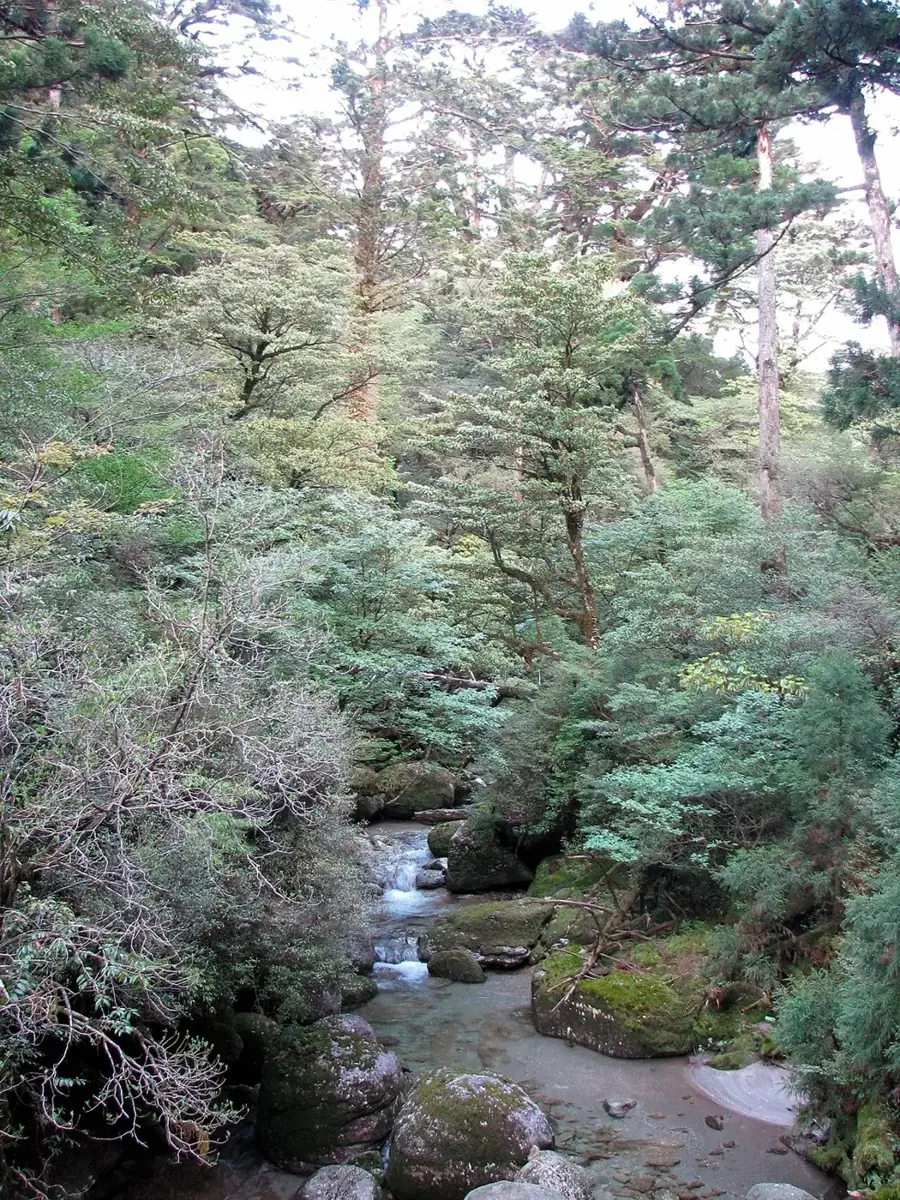
Forested stream in Shiratani Unsuikyo on Yakushima, Japan. — Chris 73. Original photograph · CC BY-SA 3.0. Cropped for the cards; photographs do not establish snake occurrence.

Mount Myojin and the wooded shore of Myojin Pond, Kamikochi, Nagano, Japan. — 663highland. Original photograph · CC BY 2.5. Cropped for the cards; photographs do not establish snake occurrence.

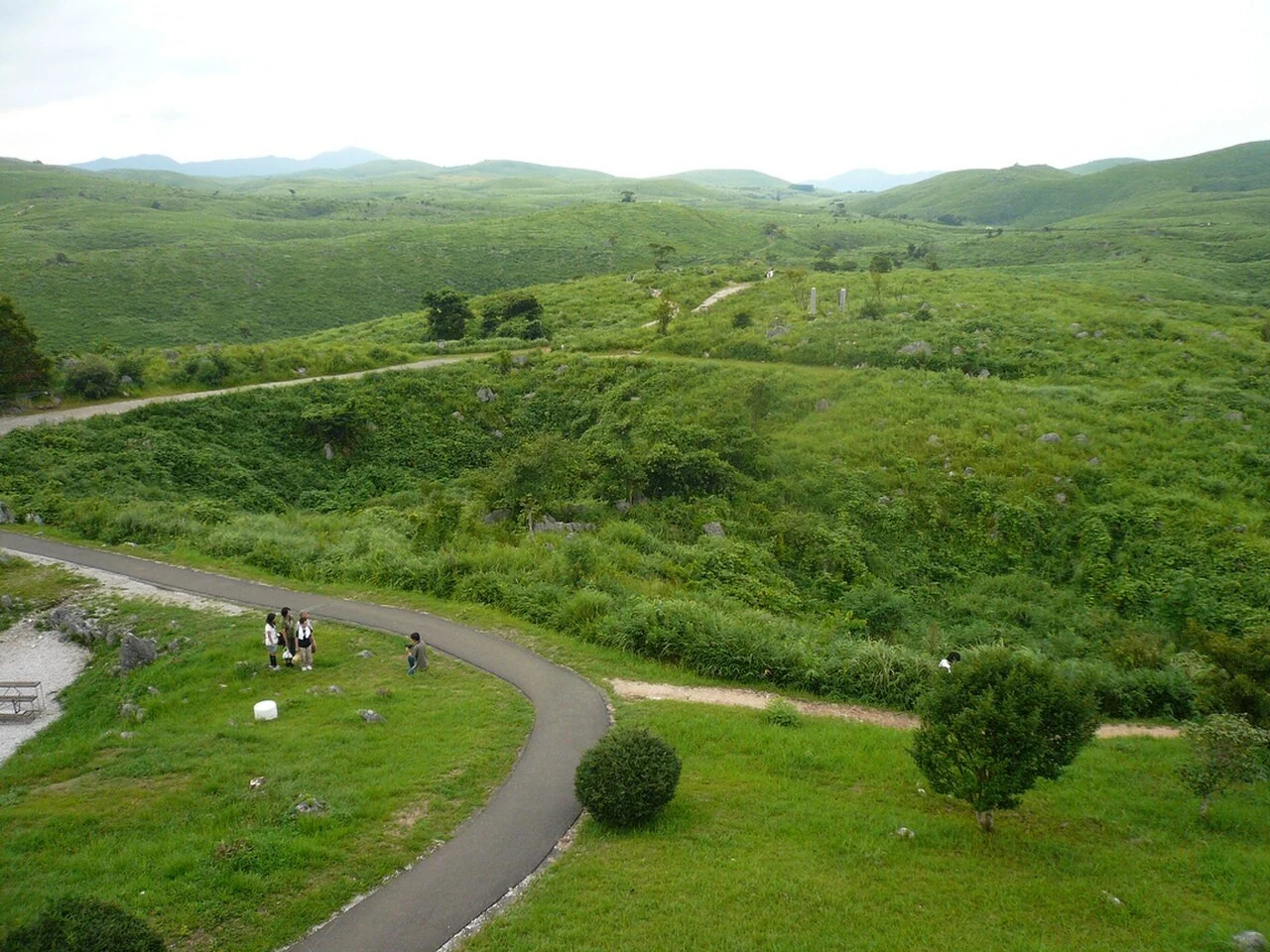
Grassy karst plateau at Akiyoshidai, Yamaguchi, Japan. — Flickr user monkist (Szabolcs Arany). Original photograph · CC BY 2.0. Cropped for the cards; photographs do not establish snake occurrence.

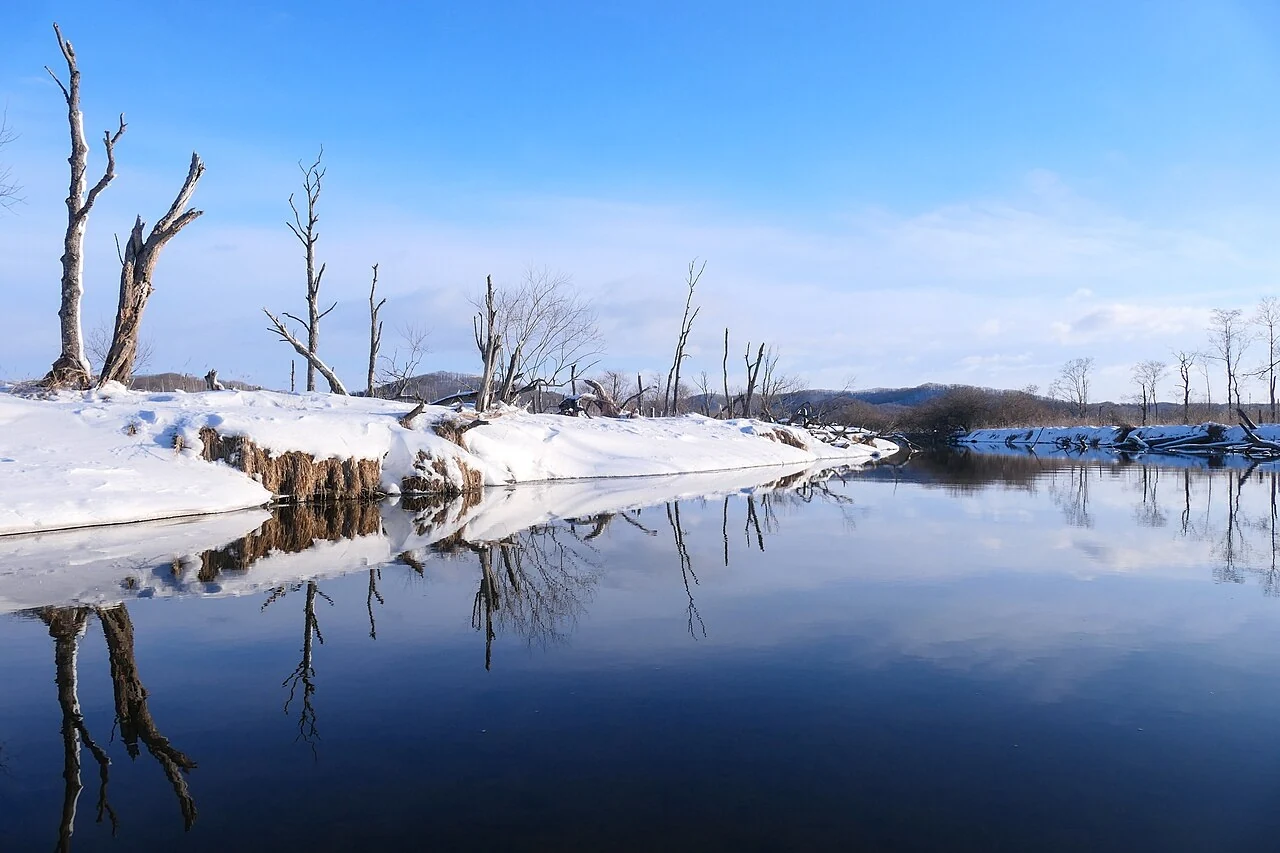
Kushiro River flowing through the snow-covered Kushiro Marsh in Hokkaido, Japan. — MaedaAkihiko. Original photograph · CC BY-SA 4.0. Cropped for the cards; photographs do not establish snake occurrence.

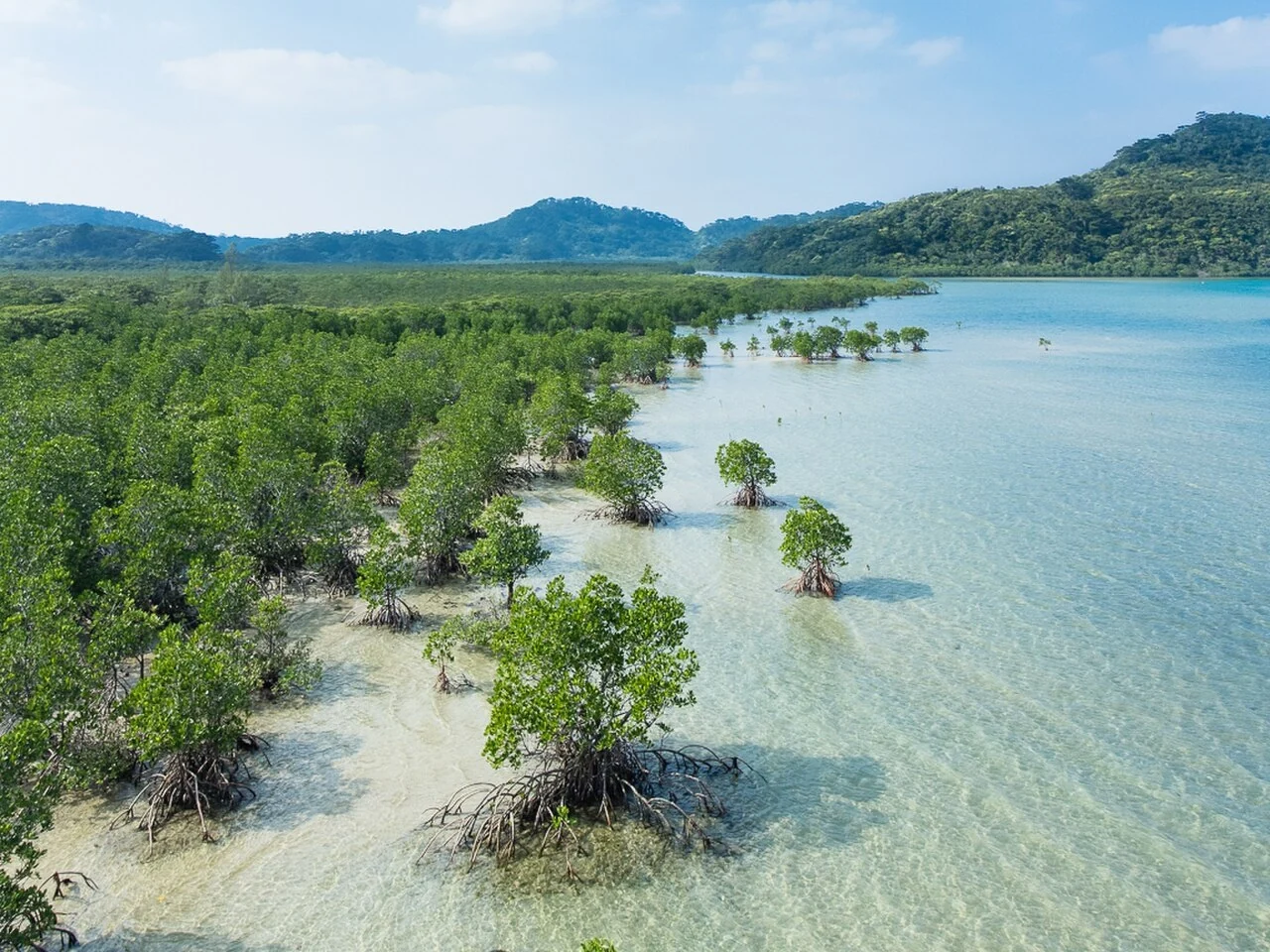
Mangroves along the Urauchi River on Iriomote, Okinawa, Japan. — Anagounagi. Original photograph · CC BY-SA 4.0. Cropped for the cards; photographs do not establish snake occurrence.

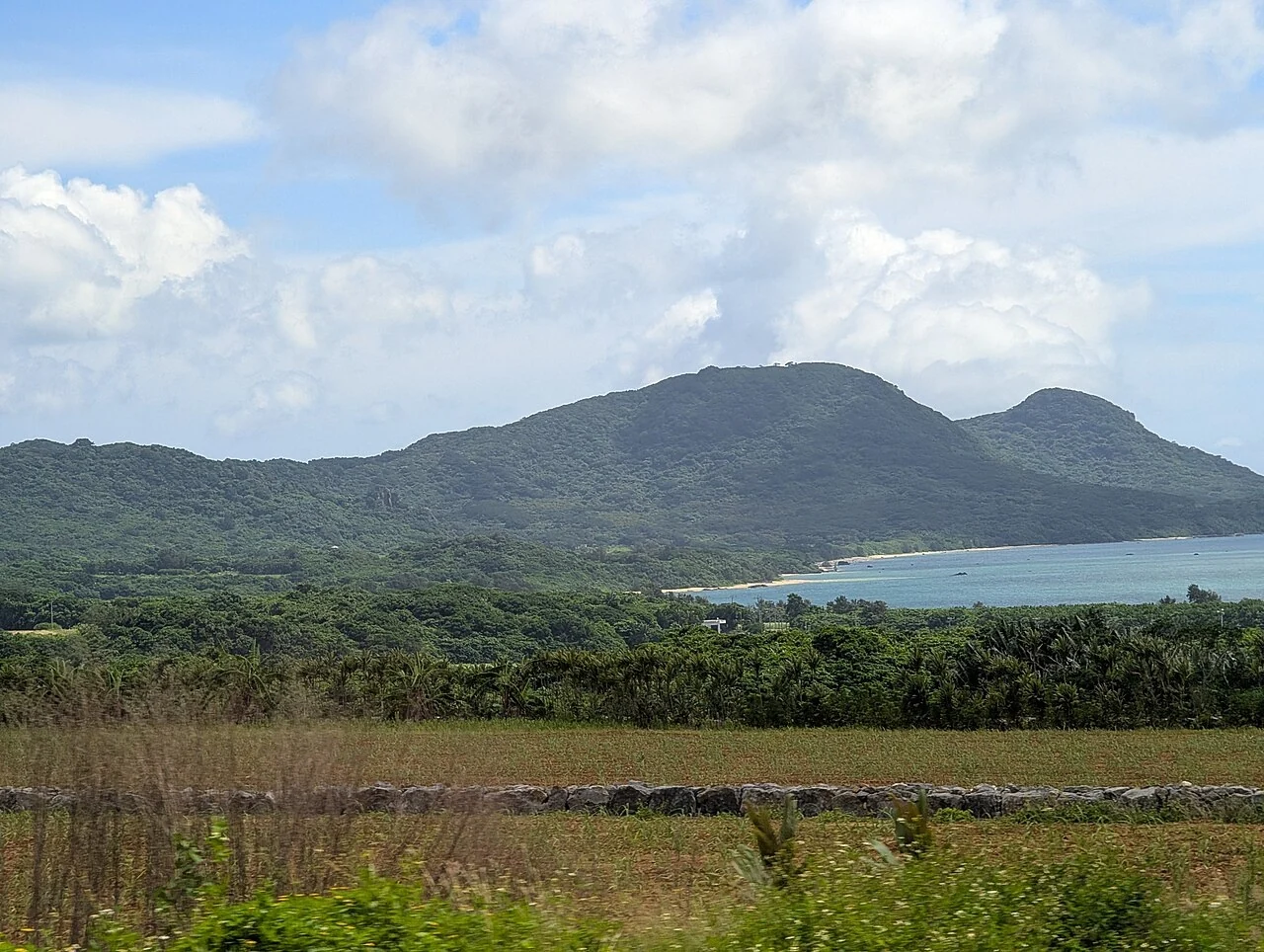
Eastern coastal landscape on Ishigaki Island, Okinawa, Japan. — Syced. Original photograph · CC0. Cropped for the cards; photographs do not establish snake occurrence.
The species catalogue

Meet the snakes of Japan.

Search scientific names, historical names, common names and families. Every card opens one shared account across its documented countries.

43 species · showing 24

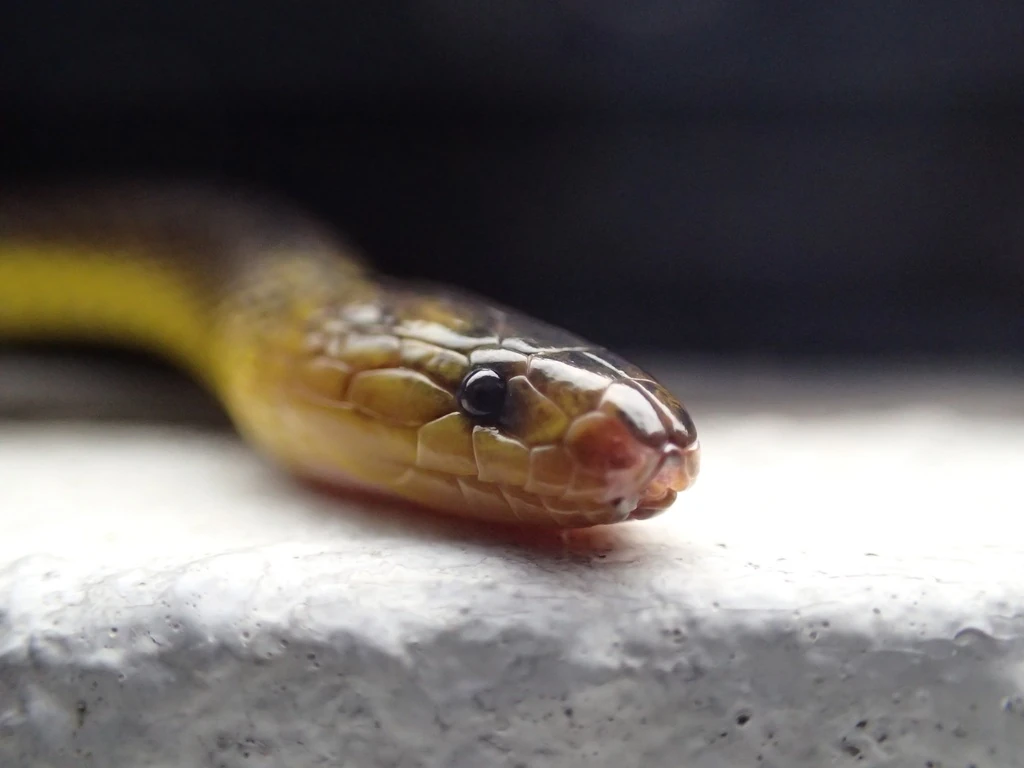
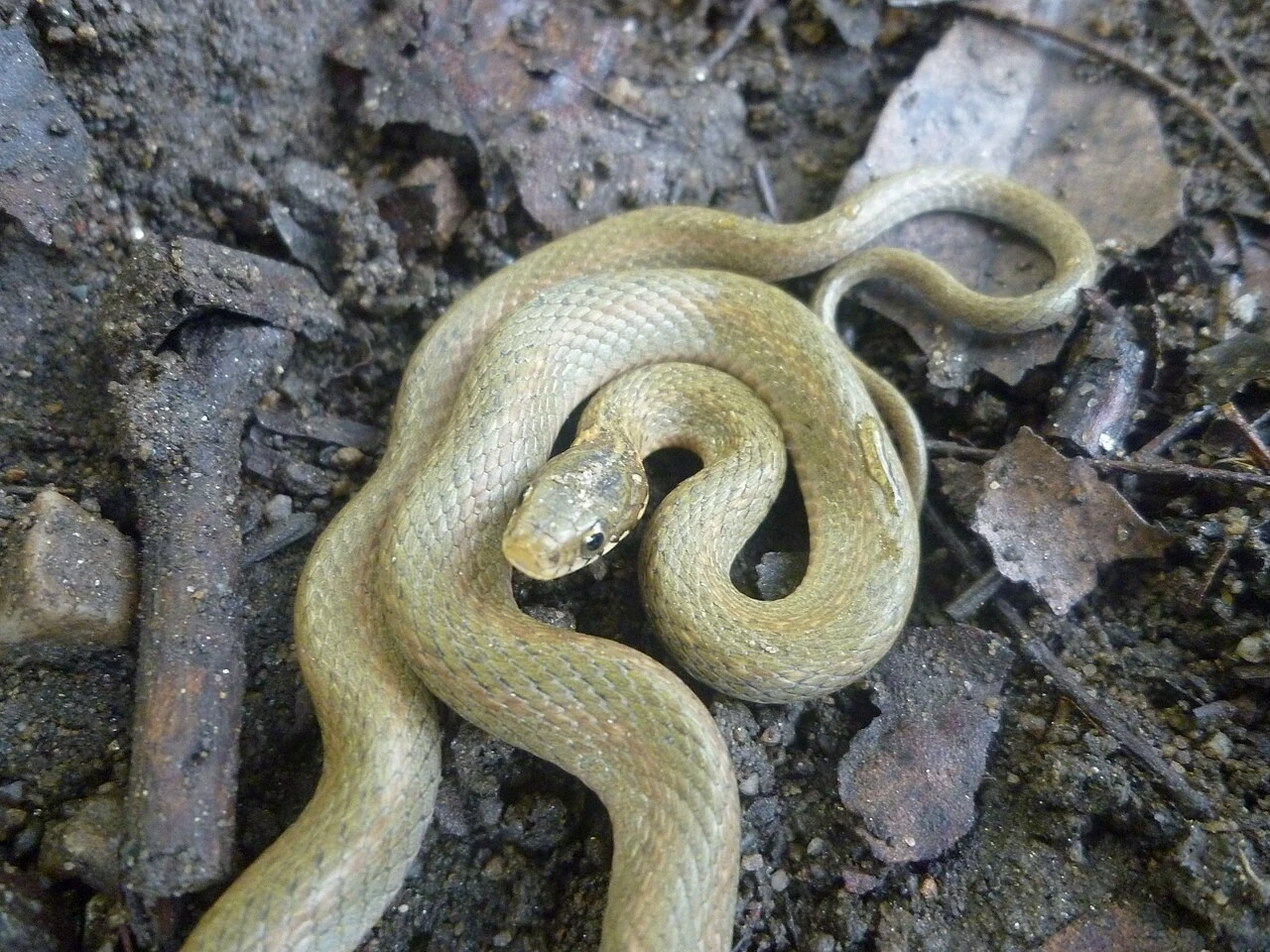
Achalinus formosanus. Identification follows the linked source photograph.

001 · Xenodermidae

Formosa Odd-scaled Snake

Achalinus formosanus

BOULENGER, 1908

Non-venomous

The July 2026 HSJ checklist includes A. formosanus chigirai. It is represented once within the shared species profile; the individual taxonomic treatment identifies Iriomotejima in the Yaeyama Islands. The July 2026 HSJ checklist includes A. formosanus chigirai. It is represented once within the shared species profile; the individual taxonomic treatment…

Read the species account →

Sin Syue Li · CC BY 2.0 · https://creativecommons.org/licenses/by/2.0

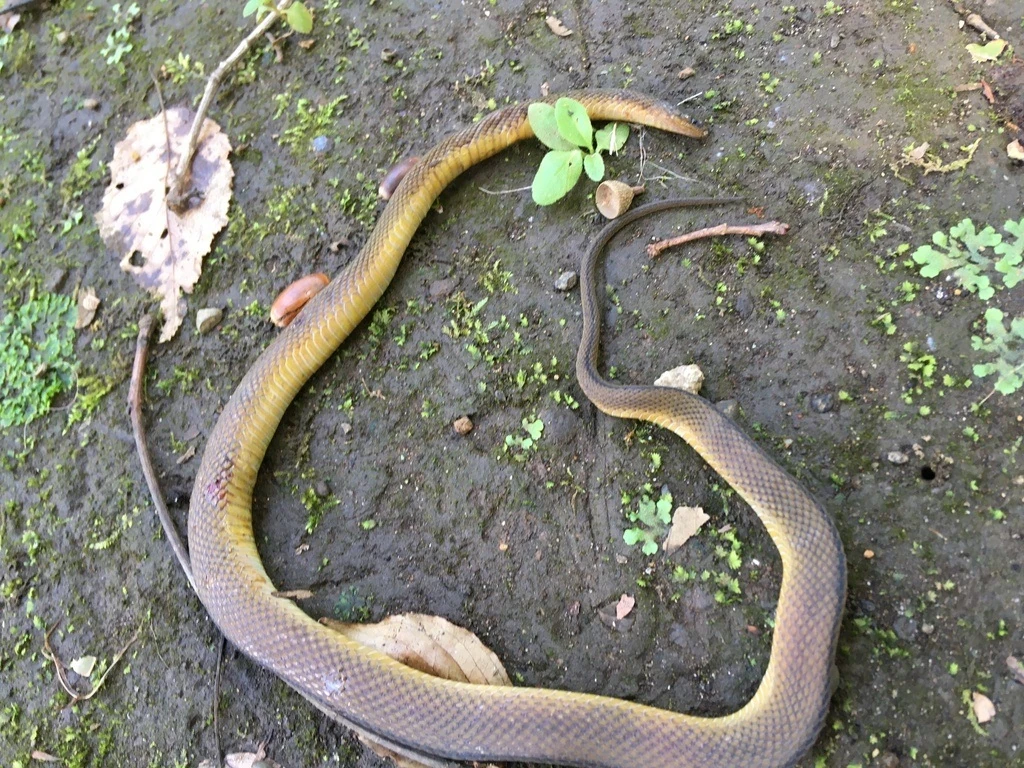
Achalinus spinalis. Identification follows the linked source community.

002 · Xenodermidae

Peters' Odd-scaled Snake, Japanese odd-scaled snake

Achalinus spinalis

PETERS, 1869

Non-venomous

Japan is explicitly recorded in the checked individual species treatment. The July 2026 HSJ national list independently includes this species or its reconciled synonym/subspecies. Named regional records: Kyushu. These localities do not imply continuous occupation of the entire region. Kaizuka museum records through March 2019; named endpoints do not…

Read the species account →

unipon · CC BY 4.0 · https://creativecommons.org/licenses/by/4.0/

Achalinus werneri. Identification follows the linked source community.

003 · Xenodermidae

Amami odd-scaled snake

Achalinus werneri

VAN DENBURGH, 1912

Non-venomous

Japan is explicitly recorded in the checked individual species treatment. The July 2026 HSJ national list independently includes this species or its reconciled synonym/subspecies. The 2026 ministry assessment names these Amami and Okinawa-group islands; they are grouped by prefectural region in this atlas.

Read the species account →

B. P. White · CC BY-SA 4.0 · https://creativecommons.org/licenses/by-sa/4.0/

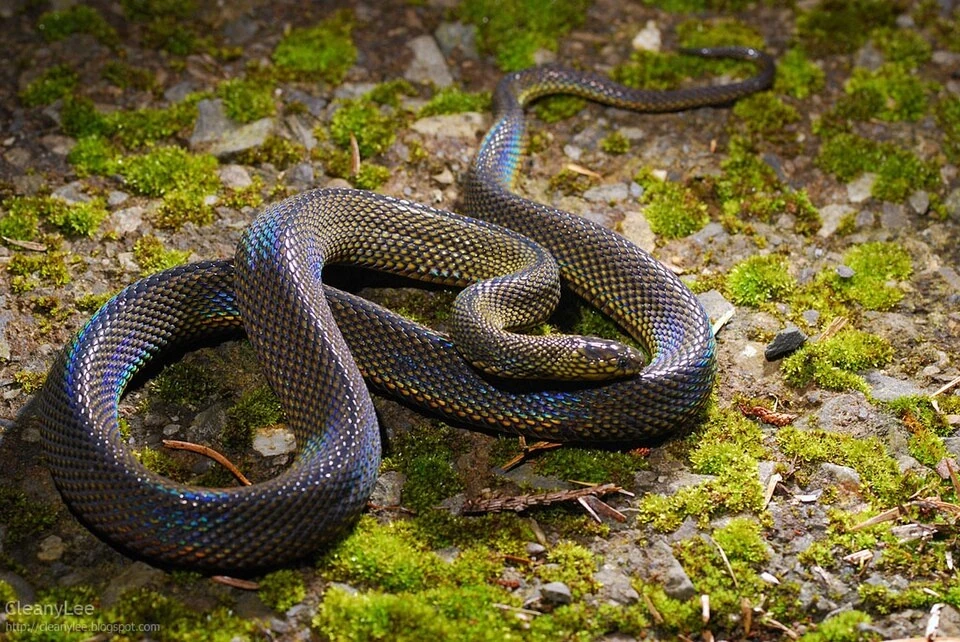
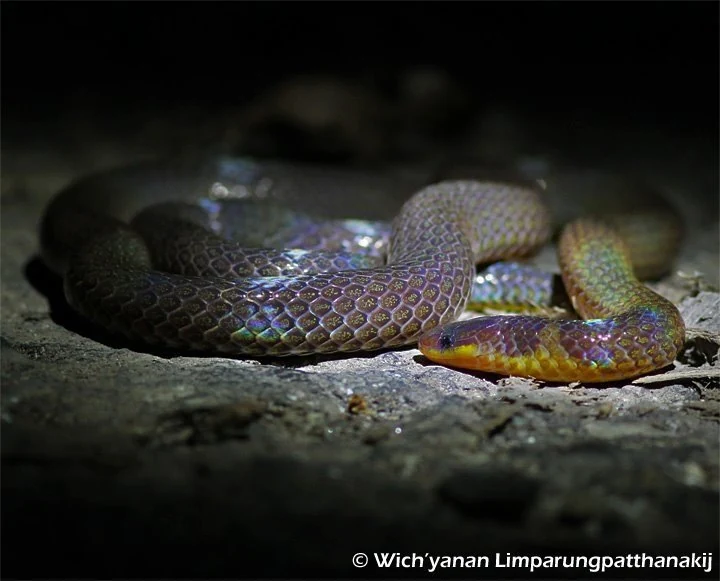
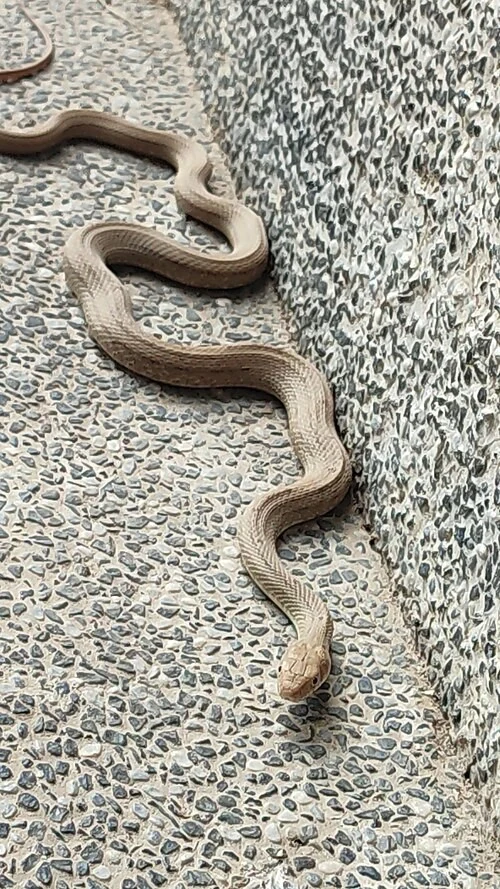
Calamaria pavimentata — specimen photograph; identification follows the linked source.

004 · Colubridae

Collared Reed Snake

Calamaria pavimentata

DUMÉRIL, BIBRON & DUMÉRIL, 1854

Non-venomous

Japan is explicitly recorded in the checked individual species treatment. The July 2026 HSJ national list independently includes this species or its reconciled synonym/subspecies. Named regional records: Yonaguni. These localities do not imply continuous occupation of the entire region. The ministry names these Yonaguni localities for subspecies miyarai.…

Read the species account →

Wich'yanan L · CC BY 4.0 · https://creativecommons.org/licenses/by/4.0

ColubridaeCalamariaPhotograph not yet documented

005 · Colubridae

Pfeffer's reed snake

Calamaria pfefferi

STEJNEGER, 1901

Non-venomous

Japan is explicitly recorded in the checked individual species treatment. The July 2026 HSJ national list independently includes this species or its reconciled synonym/subspecies. The 2025 paper confirms four Miyako-group islands, adding voucher-based records from Kurimajima and Shimojijima to Miyakojima and Irabujima. These published additions supersede…

Read the species account →
ColubridaeDinodonPhotograph not yet documented

006 · Colubridae

Species account

Dinodon multifasciatus

(MAKI, 1931)

Venom unknownNot yet assessed

Japan is explicitly recorded in the checked individual species treatment. The July 2026 HSJ national list independently includes this species or its reconciled synonym/subspecies. Named regional records: Miyako, Miyakojima, Yaeyama, Ishigaki. These localities do not imply continuous occupation of the entire region.

Read the species account →
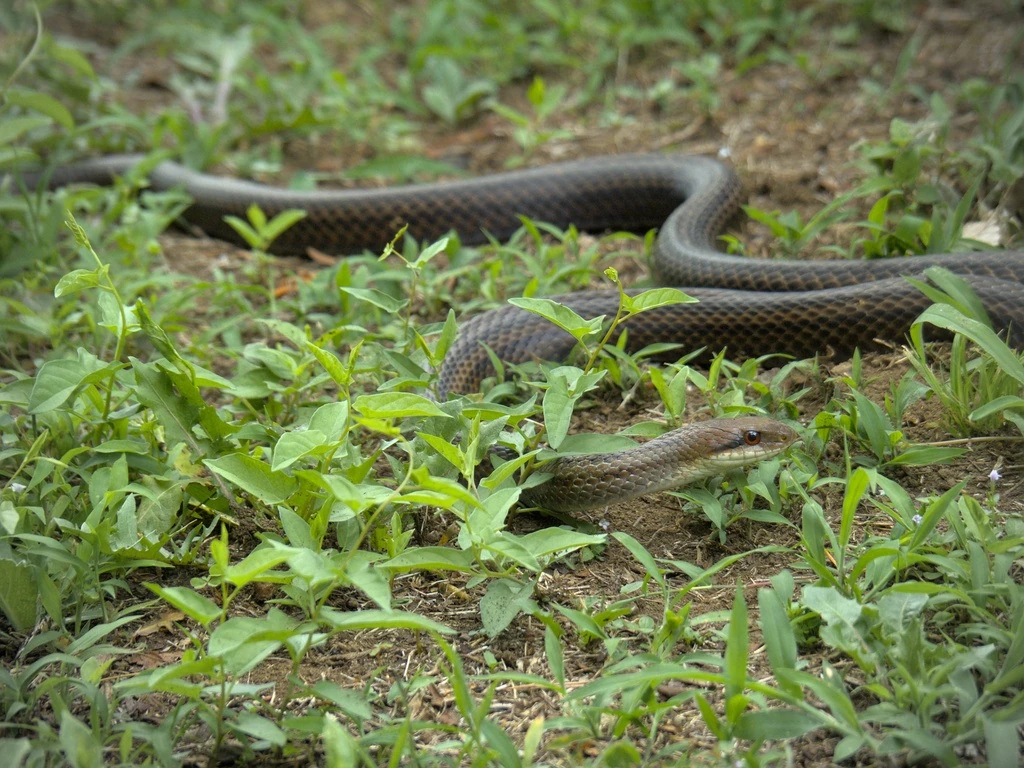
Elaphe carinata — real specimen photograph; identification follows the linked source.

007 · Colubridae

Taiwan Stink Snake

Elaphe carinata

(GÜNTHER, 1864)

Non-venomous

Japan is explicitly recorded in the checked individual species treatment. The July 2026 HSJ national list independently includes this species or its reconciled synonym/subspecies.

Read the species account →

Manis Lin · CC0 · https://creativecommons.org/publicdomain/zero/1.0/deed.en

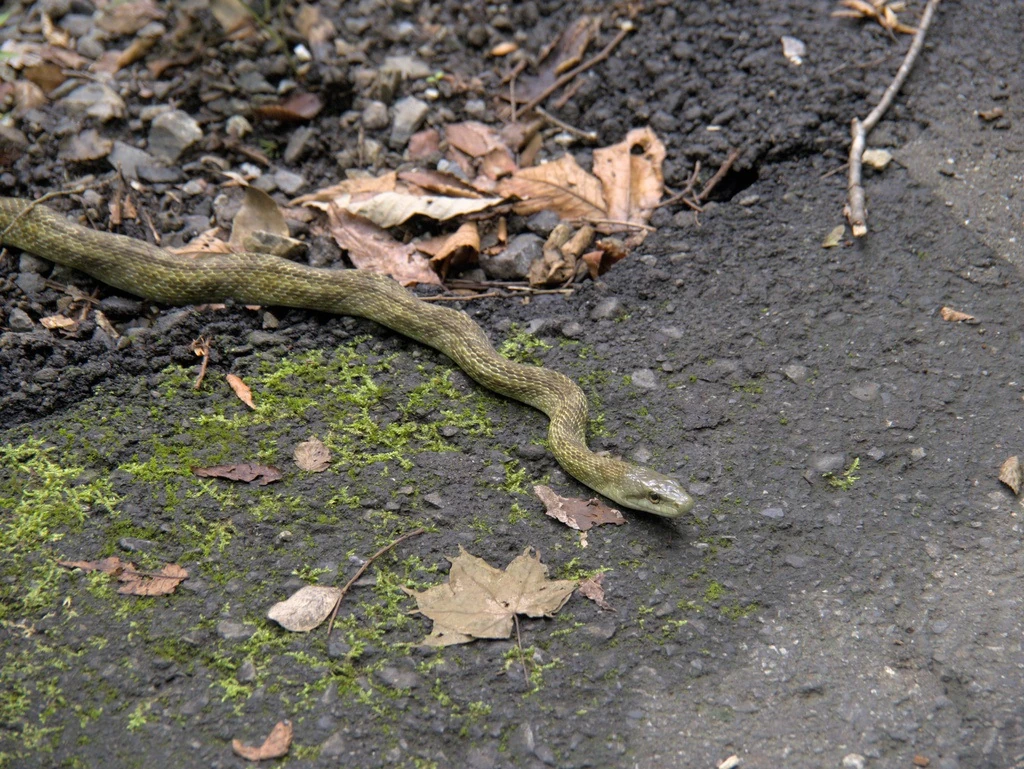
Elaphe climacophora. Identification follows the linked source community.

008 · Colubridae

Species account

Elaphe climacophora

(BOIE, 1826)

Non-venomous

Japan is explicitly recorded in the checked individual species treatment. The July 2026 HSJ national list independently includes this species or its reconciled synonym/subspecies. Named regional records: Hokkaido; Shikoku; Kyushu, Yakushima, Tanegashima, Tsushima. These localities do not imply continuous occupation of the entire region. Kaizuka museum…

Read the species account →

turtlecrab · CC BY 4.0 · https://creativecommons.org/licenses/by/4.0/

Elaphe quadrivirgata. Identification follows the linked source community.

009 · Colubridae

Japanese Four-lined Ratsnake

Elaphe quadrivirgata

(BOIE, 1826)

Non-venomous

Japan is explicitly recorded in the checked individual species treatment. The July 2026 HSJ national list independently includes this species or its reconciled synonym/subspecies. Named regional records: Hokkaido; Shikoku; Kyushu, Yakushima, Tanegashima. These localities do not imply continuous occupation of the entire region. Kaizuka museum records…

Read the species account →

turtlecrab · CC BY 4.0 · https://creativecommons.org/licenses/by/4.0/

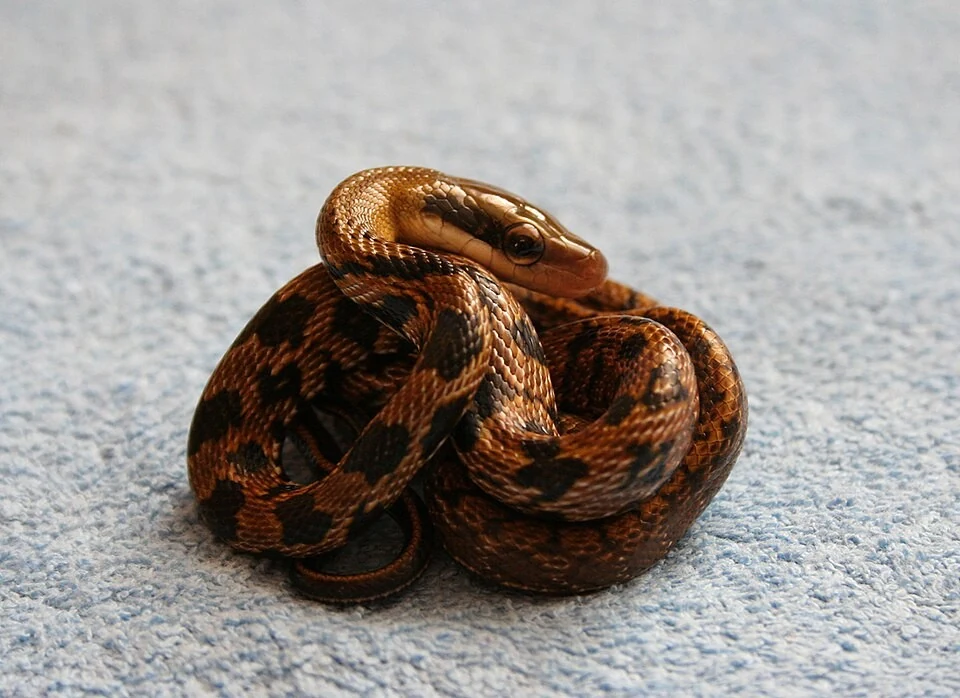
Elaphe taeniura — real specimen photograph; identification follows the linked source.

010 · Colubridae

Beauty Snake (friesei: Taiwan Beauty Snake; schmackeri: Sakishima Beauty Snake; callicyanous: Blue Beauty Ratsnake)

Elaphe taeniura

COPE, 1861

Non-venomous

Japan has native schmackeri in the southern Ryukyus and introduced friesei on Okinawajima. Both belong to this shared species profile; the species count remains one.

Read the species account →

No machine-readable author provided. Hippocampus~commonswiki assumed (based on copyright claims). · CC BY-SA 2.5 · https://creativecommons.org/licenses/by-sa/2.5

Emydocephalus ijimae. Identification follows the linked source community.

011 · Elapidae

Turtlehead Sea Snake

Emydocephalus ijimae

STEJNEGER, 1898

VenomousClinical severity not established

Japan is explicitly recorded in the checked individual species treatment. The July 2026 HSJ national list independently includes this species or its reconciled synonym/subspecies.

Read the species account →

Chao 江星辰 · CC0 1.0 · https://creativecommons.org/publicdomain/zero/1.0/

Euprepiophis conspicillatus. Identification follows the linked source community.

012 · Colubridae

Japanese Woodsnake, Burrowing Ratsnake

Euprepiophis conspicillatus

(BOIE, 1826)

Venom unknownNot yet assessed

Japan is explicitly recorded in the checked individual species treatment. The July 2026 HSJ national list independently includes this species or its reconciled synonym/subspecies. Named regional records: Shikoku; Kyushu, Yakushima, Tanegashima. These localities do not imply continuous occupation of the entire region. Kaizuka museum records through March…

Read the species account →

Saryu Mae 前 朝琉 · CC BY 4.0 · https://creativecommons.org/licenses/by/4.0/

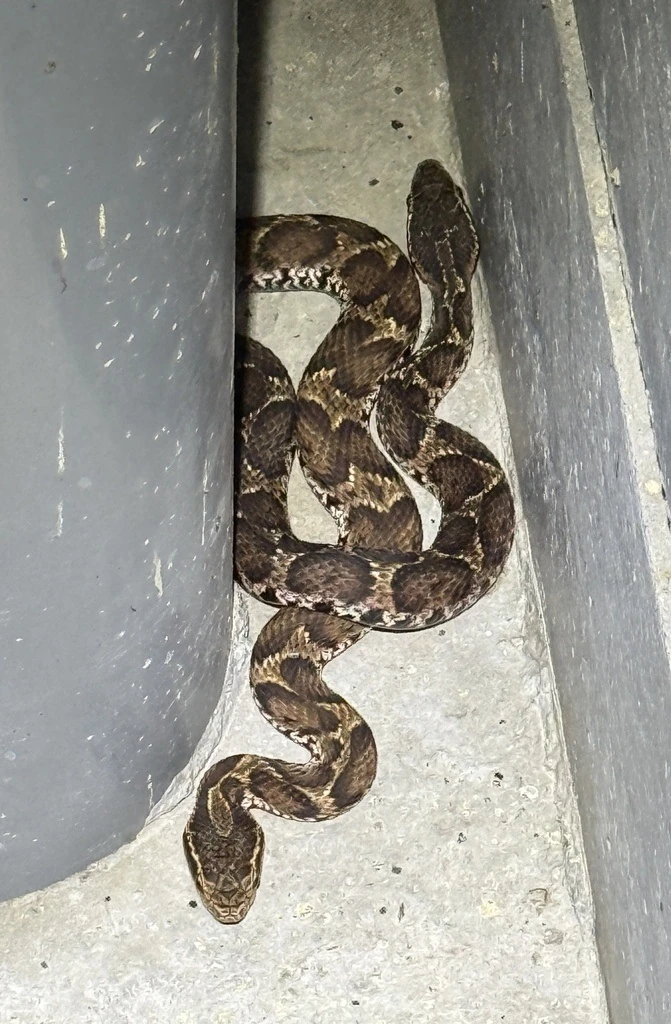
Gloydius blomhoffii. Identification follows the linked source community.

013 · Viperidae

Mamushi

Gloydius blomhoffii

(BOIE, 1826)

VenomousClinical severity not established

Japan is explicitly recorded in the checked individual species treatment. The July 2026 HSJ national list independently includes this species or its reconciled synonym/subspecies. Named regional records: Yakushima, Tanegashima. These localities do not imply continuous occupation of the entire region. Kaizuka museum records through March 2019; named…

Read the species account →

げっとり · CC BY 4.0 · https://creativecommons.org/licenses/by/4.0/

ViperidaeGloydiusPhotograph not yet documented

014 · Viperidae

Tsushima island pitviper

Gloydius tsushimaensis

(ISOGAWA, MORIYA & MITSUI, 1994)

VenomousClinical severity not established

Japan is explicitly recorded in the checked individual species treatment. The July 2026 HSJ national list independently includes this species or its reconciled synonym/subspecies. Named regional records: Nagasaki Prefecture, Nagasaki, Tsushima. These localities do not imply continuous occupation of the entire region.

Read the species account →
ColubridaeHebiusPhotograph not yet documented

015 · Colubridae

Species account

Hebius concelarus

(MALNATE, 1963)

Venom unknownNot yet assessed

Japan is explicitly recorded in the checked individual species treatment. The July 2026 HSJ national list independently includes this species or its reconciled synonym/subspecies. The assessment lists Miyakojima and Irabujima. Irabu evidence includes specimens from 1959–1960 and a 2011 roadkill; current persistence there is unresolved. Better survey…

Read the species account →
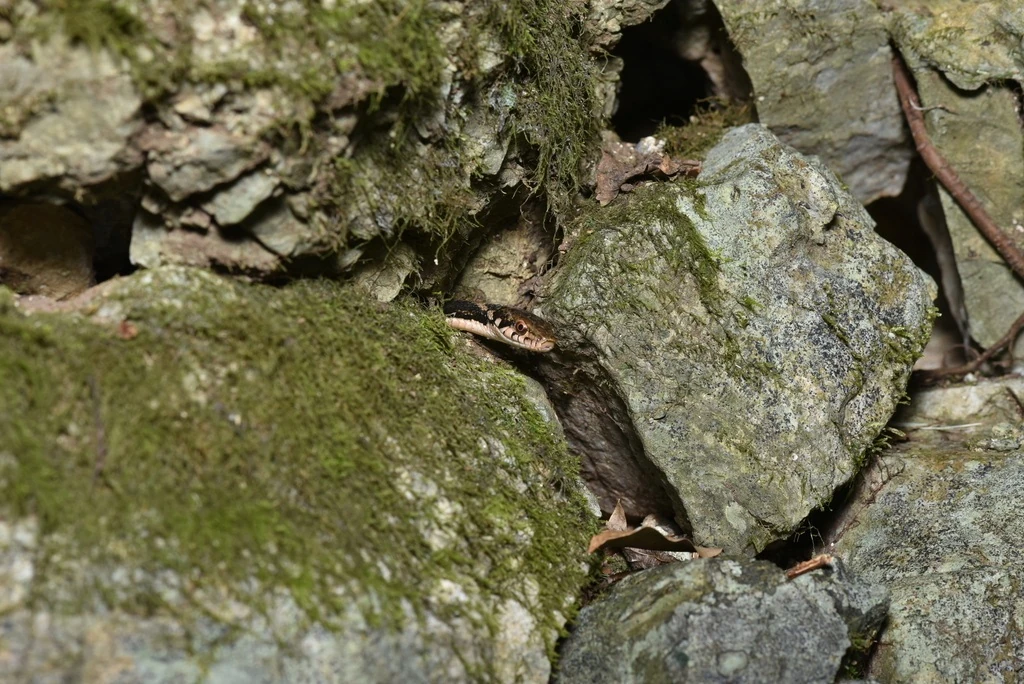
Hebius pryeri. Identification follows the linked source community.

017 · Colubridae

Pryer's Keelback

Hebius pryeri

(BOULENGER, 1887)

Venom unknownNot yet assessed

Japan is explicitly recorded in the checked individual species treatment. The July 2026 HSJ national list independently includes this species or its reconciled synonym/subspecies.

Read the species account →

Yung-Lun Lin · CC BY 4.0 · https://creativecommons.org/licenses/by/4.0/

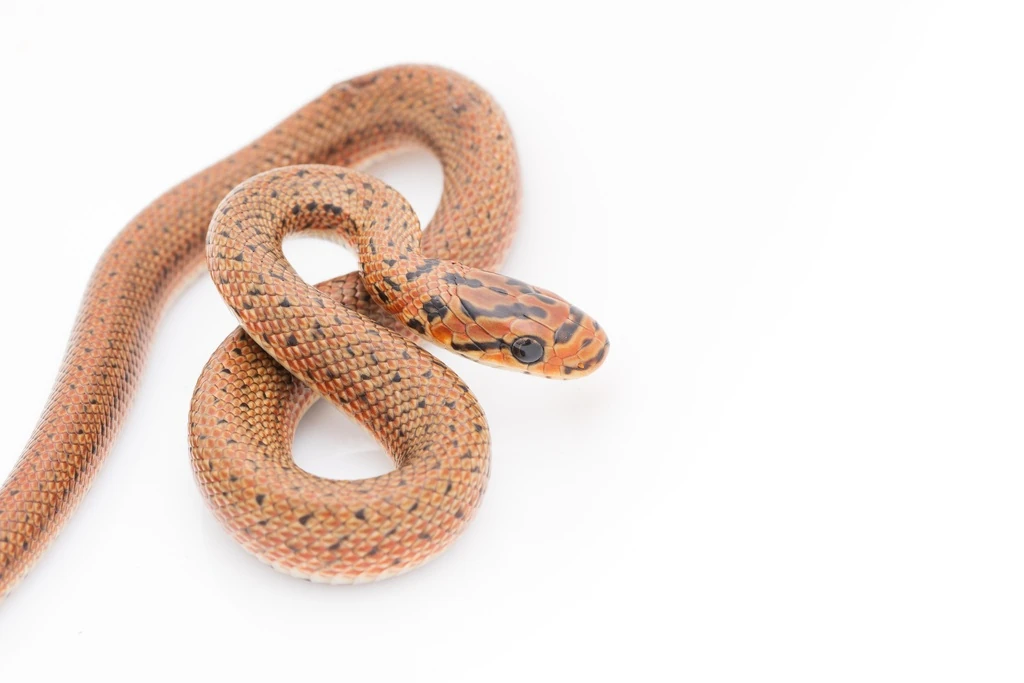
Hebius vibakari: a captive individual, explicitly identified as such by the photographer.

018 · Colubridae

Japanese Keelback

Hebius vibakari

(BOIE, 1826)

Venom unknownNot yet assessed

Japan is explicitly recorded in the checked individual species treatment. The July 2026 HSJ national list independently includes this species or its reconciled synonym/subspecies. Named regional records: Shikoku; Kyushu. These localities do not imply continuous occupation of the entire region. Kaizuka museum records through March 2019; named endpoints do…

Read the species account →

W.CC · CC BY-SA 3.0 · https://creativecommons.org/licenses/by-sa/3.0

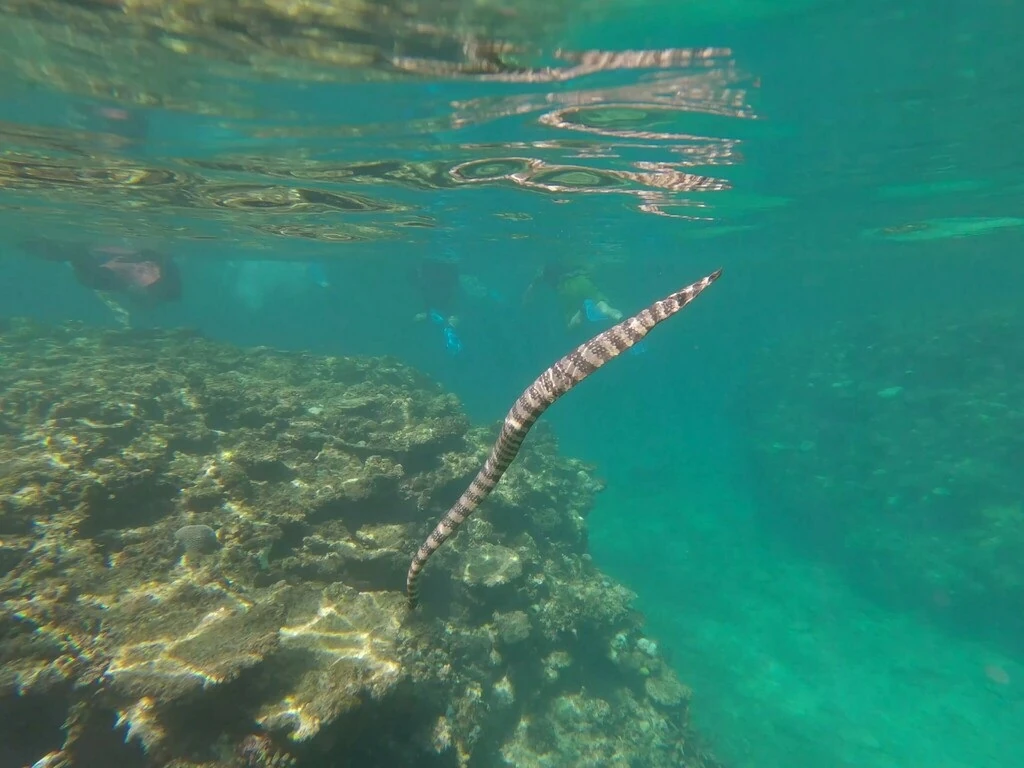
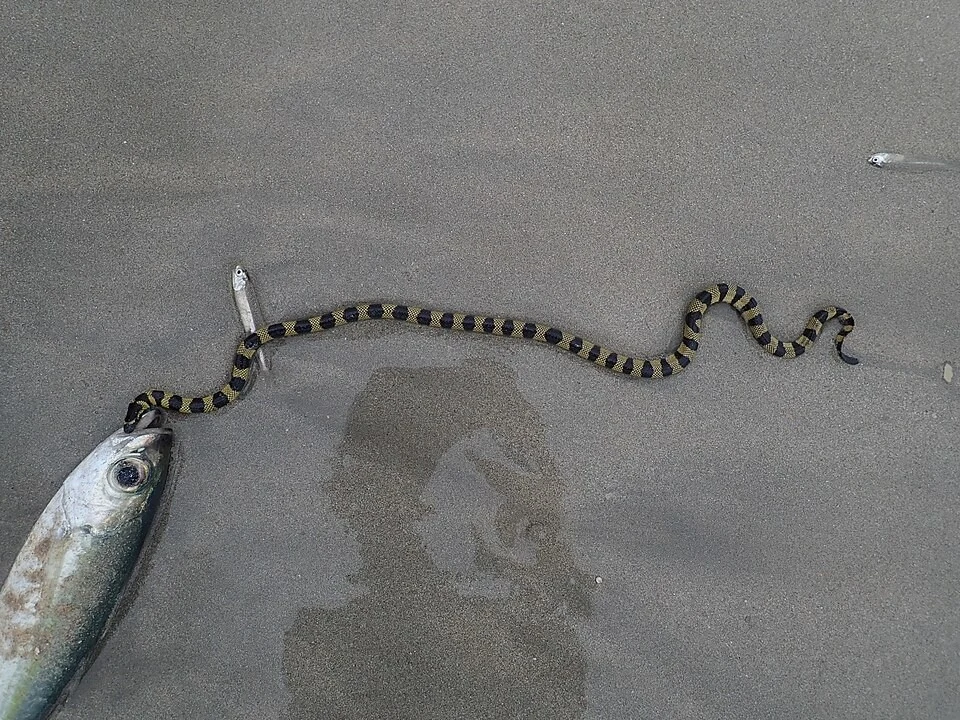
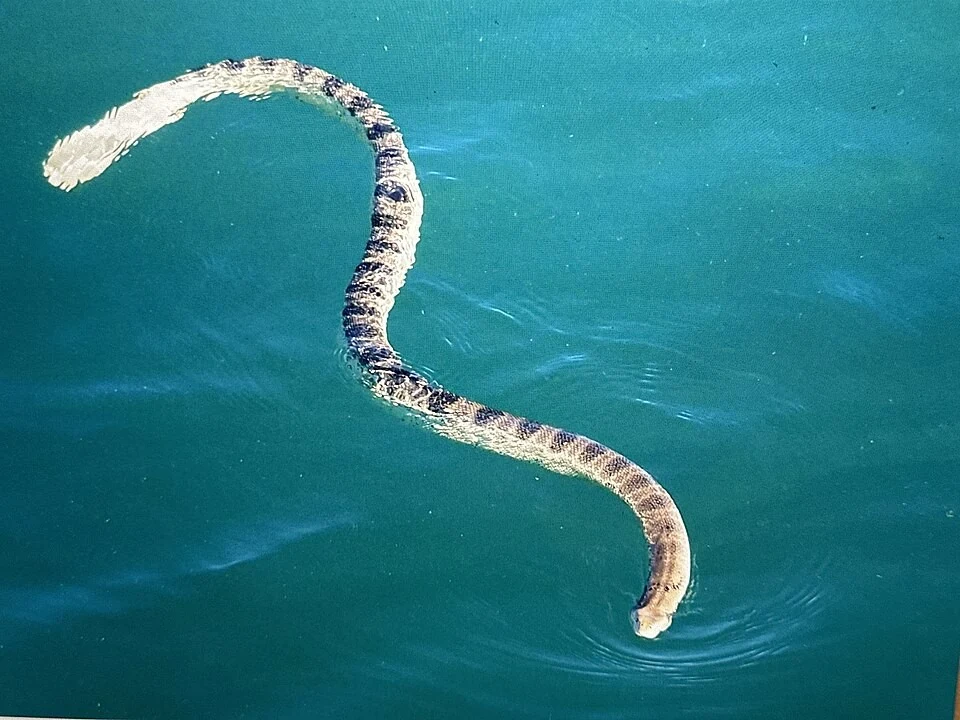
Hydrophis cyanocinctus — real specimen photograph; identification follows the linked source.

019 · Elapidae

Annulated Sea Snake

Hydrophis cyanocinctus

DAUDIN, 1803

VenomousClinical severity not established

Japan is explicitly recorded in the checked individual species treatment. The July 2026 HSJ national list independently includes this species or its reconciled synonym/subspecies.

Read the species account →

evannazareth · CC BY 4.0 · https://creativecommons.org/licenses/by/4.0

Hydrophis melanocephalus — real specimen photograph; identification follows the linked source.

020 · Elapidae

Slender-necked Seasnake

Hydrophis melanocephalus

GRAY, 1849

VenomousClinical severity not established

Japan is explicitly recorded in the checked individual species treatment. The July 2026 HSJ national list independently includes this species or its reconciled synonym/subspecies. Named regional records: Hokkaido; Kochi. These localities do not imply continuous occupation of the entire region.

Read the species account →

harum.koh from Kobe city, Japan · CC BY-SA 2.0 · https://creativecommons.org/licenses/by-sa/2.0

Hydrophis ornatus — real specimen photograph; identification follows the linked source.

021 · Elapidae

Ornate Reef seasnake

Hydrophis ornatus

(GRAY, 1842)

VenomousClinical severity not established

Japan is explicitly recorded in the checked individual species treatment. The July 2026 HSJ national list independently includes this species or its reconciled synonym/subspecies.

Read the species account →

harum.koh from Kobe city, Japan · CC BY-SA 2.0 · https://creativecommons.org/licenses/by-sa/2.0

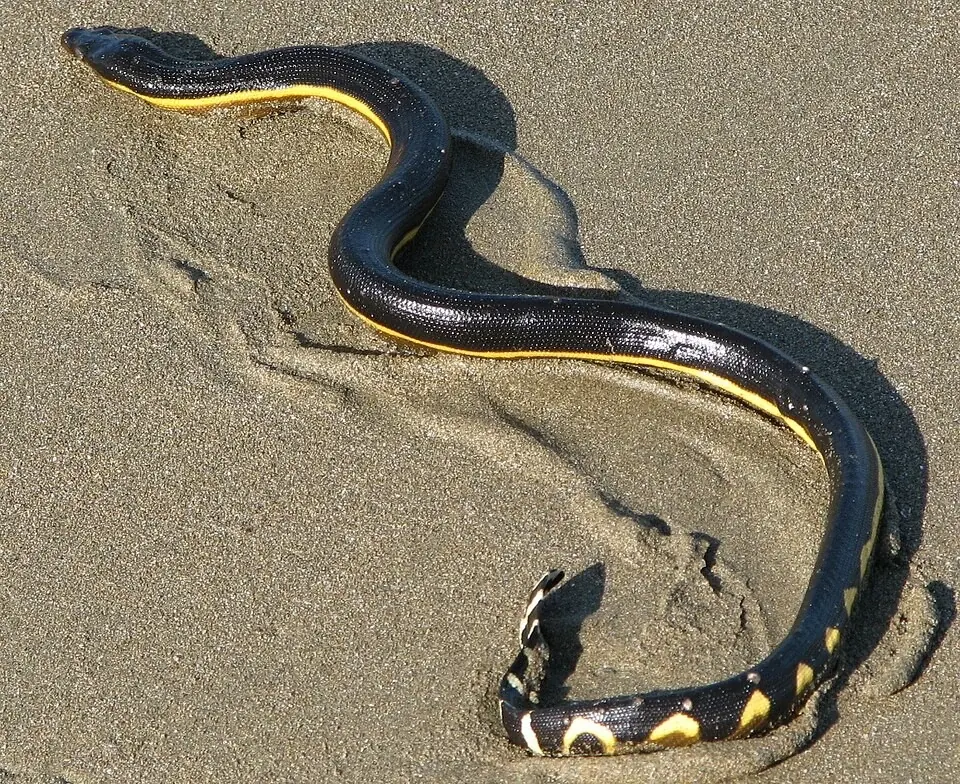
Hydrophis platurus — real specimen photograph; identification follows the linked source.

022 · Elapidae

Yellowbelly Sea Snake

Hydrophis platurus

(LINNAEUS, 1766)

VenomousClinical severity not established

Japan is explicitly recorded in the checked individual species treatment. The July 2026 HSJ national list independently includes this species or its reconciled synonym/subspecies.

Read the species account →

Aloaiza · CC BY 3.0 · https://creativecommons.org/licenses/by/3.0

Hydrophis stokesii — real specimen photograph; identification follows the linked source.

023 · Elapidae

Stoke’s seasnake

Hydrophis stokesii

(GRAY, 1846)

VenomousClinical severity not established

Japan is explicitly recorded in the checked individual species treatment. The July 2026 HSJ national list independently includes this species or its reconciled synonym/subspecies.

Read the species account →

Rosario · CC BY 4.0 · https://creativecommons.org/licenses/by/4.0

Indotyphlops braminus — photographed on Ko Pha-ngan, Thailand.

024 · Typhlopidae

Flowerpot Snake

Indotyphlops braminus

(DAUDIN, 1803)

Non-venomous

Japan is explicitly recorded in the checked individual species treatment. The July 2026 HSJ national list independently includes this species or its reconciled synonym/subspecies.

Read the species account →

Cook-Price, Makchai & Suwanwaree (2026); photographs credited collectively to the author, James Covert and Vikas Kumar · CC BY 4.0 · https://creativecommons.org/licenses/by/4.0/

The research library

Sources & the checklist.

This edition lists 43 species with supported country records from checked taxonomic treatments and cited field studies. This total includes 1 record marked as introduced; it is not a native-species total. It is not a claim of a complete national inventory. Each account retains its source and check date; individual evidence entries retain their own review dates.

Independent checklist comparison · 2026-10-11

43 confirmed or introduced shared species currently link to this chapter. The checked HSJ snake block contains 43 unique binomials after subspecies are collapsed. Cyclophiops/Ptyas and Lycodon/Dinodon combinations are reconciled to existing profiles. HSJ rufozonatus walli is represented once under current walli species rank. Native and introduced populations are distinguished: Protobothrops mucrosquamatus is introduced; Elaphe taeniura combines native schmackeri and introduced friesei. Vagrant sea snakes do not imply established populations on all islands.

Herpetological Society of Japan: national checklist, 2 July 2026 ↗

Review still open

Cerrophidion petlalcalensis

No unqualified modern-country evidence in the checked distribution. Search hits, historical type localities and neighbouring territories do not prove occurrence.

Hydrophis curtus

Japanese records are doubtful in the checked treatment and are not included in the current HSJ national snake list.

Hydrophis hardwickii

Japanese records are doubtful in the checked treatment and are not included in the current HSJ national snake list.

Tantilla rubra

No unqualified modern-country evidence in the checked distribution. Search hits, historical type localities and neighbouring territories do not prove occurrence.

Range and taxonomy review

Country links use a single accepted species identity. Revised names and disputed records are kept visible here; uncertain records do not enter the listed collection or regional totals.

Achalinus spinalis

Supported country occurrence

Japan is explicitly recorded in the checked individual species treatment. The July 2026 HSJ national list independently includes this species or its reconciled synonym/subspecies. Named regional records: Kyushu. These localities do not imply continuous occupation of the entire region. Kaizuka museum records through March 2019; named endpoints do not establish continuous occupancy. Named municipalities in the 2024 Fukuoka assessment provide prefectural locality evidence. Totsune and Utsunomiya report three females collected at Saji-son on 24 July 1998, the first published prefectural record.

Source 1 ↗

Source 2 ↗

Source 3 ↗

Source 4 ↗

Source 5 ↗

Elaphe carinata

Supported country occurrence

Japan is explicitly recorded in the checked individual species treatment. The July 2026 HSJ national list independently includes this species or its reconciled synonym/subspecies.

Source 1 ↗

Source 2 ↗

Hydrophis melanocephalus

Supported country occurrence

Japan is explicitly recorded in the checked individual species treatment. The July 2026 HSJ national list independently includes this species or its reconciled synonym/subspecies. Named regional records: Hokkaido; Kochi. These localities do not imply continuous occupation of the entire region.

Source 1 ↗

Source 2 ↗

Calamaria pavimentata

Supported country occurrence

Japan is explicitly recorded in the checked individual species treatment. The July 2026 HSJ national list independently includes this species or its reconciled synonym/subspecies. Named regional records: Yonaguni. These localities do not imply continuous occupation of the entire region. The ministry names these Yonaguni localities for subspecies miyarai. The island restriction applies to that subspecies, not to Calamaria pavimentata as a whole.

Source 1 ↗

Source 2 ↗

Source 3 ↗

How the map and counts work

Search results were checked against distribution text and taxonomic qualifications. A geographic name alone does not establish a political country: New Guinea, the Solomon archipelago and Micronesia span more than one country or territory. Introduced and unresolved records require separate interpretation.

Place counts require explicit named localities, including valid type localities. Counts can overlap where sources name multiple places. Regional maps group historical boundary snapshots for navigation, while island outlines use Natural Earth; neither is a species range or an observation map. Small islands can be below the outline dataset’s resolution, so geographic reference markers and the directory remain available.

geoBoundaries gbOpen ADM1 · 2017 snapshot · © OpenStreetMap contributors, via Wambacher and geoBoundaries · Open Data Commons Open Database License 1.0. Generalised navigation geometry, not snake ranges or a statement of territorial status. Map provenance →

  1. Japan Ministry of the Environment · National parks ↗
  2. geoBoundaries · Open ADM1 boundary provenance ↗
  3. The Reptile Database

    Individual treatments and locality evidence are linked from each species account.

  4. Meiri (2024): SquamBase 1.0

    Species-level literature measurements and ecological traits. Exact-name matches only; imputed or ambiguous fields are omitted. These summaries are not local observations.

  5. Natural Earth: public-domain geographic data

Continue through the Asia atlas →