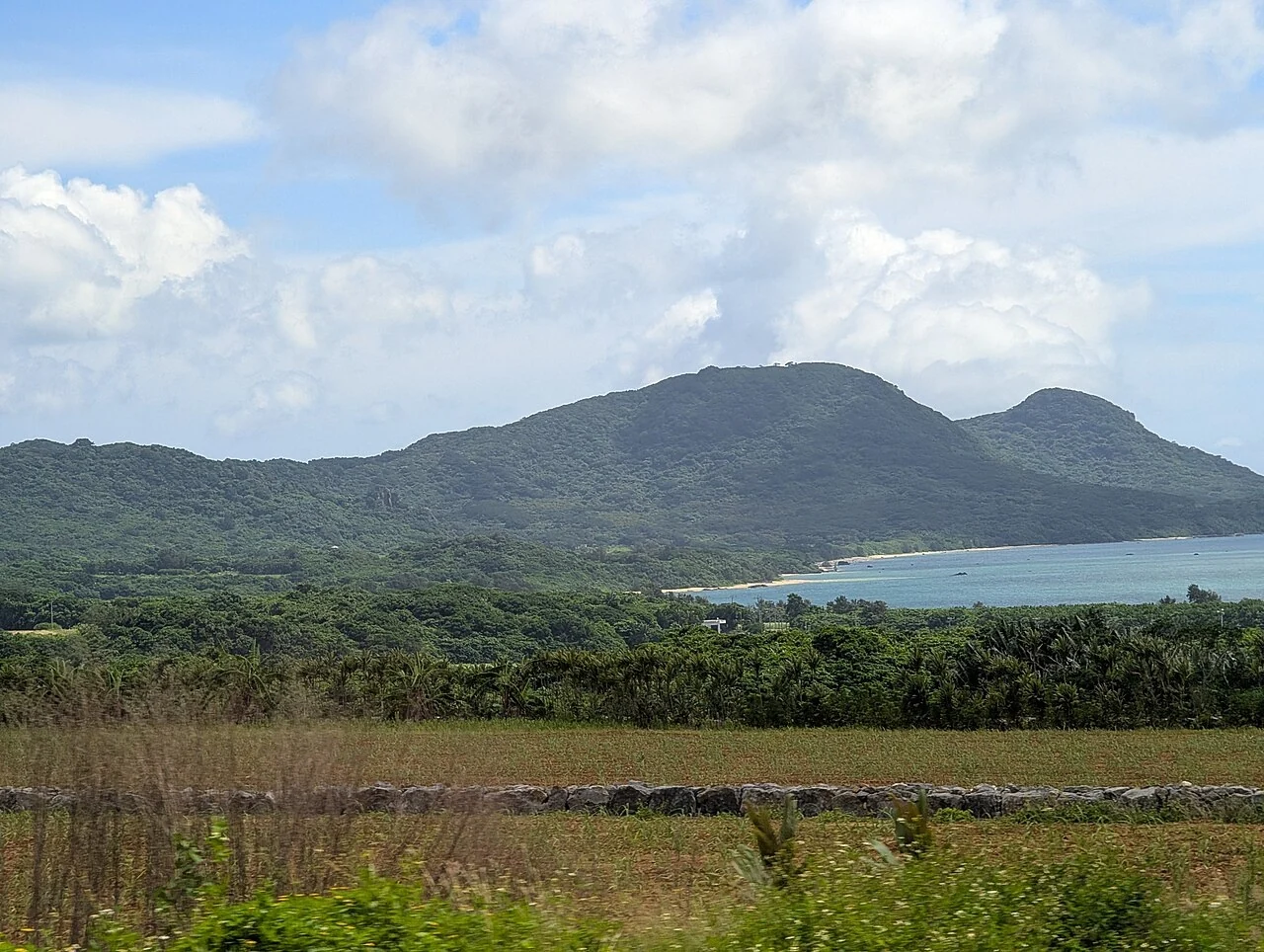
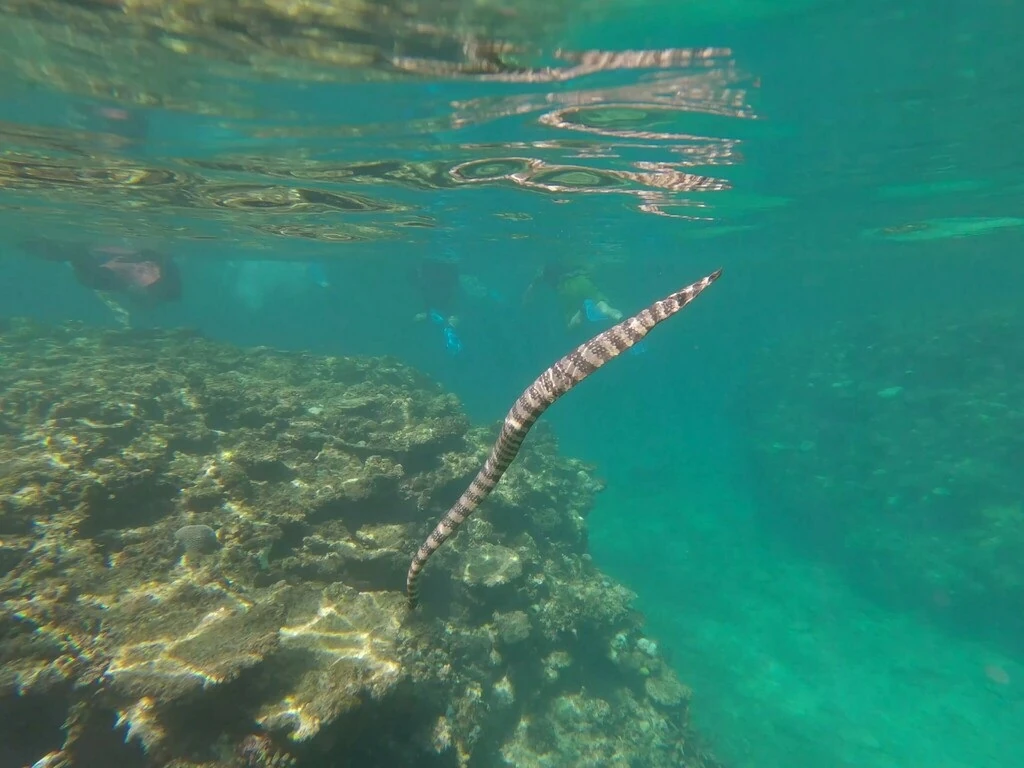
Eastern coastal landscape on Ishigaki Island, Okinawa, Japan.

Japan · Habitat field guide

Island shores and warm-current coasts

Coastal context changes between archipelagos and individual bays.

Eastern coastal landscape on Ishigaki Island, Okinawa, Japan.

Photograph: Syced · Image source · CC0. Cropped to fill the hero; darkened for text legibility.

Understanding the environment

A sense of the habitat.

Coastal context changes between archipelagos and individual bays.

Landscape evidence
Named examples, not complete habitat coverage
Record detail
Locality · substrate · tidal stage

Explore the structure · Select a feature to compare

Read the landscape

Select a zone to see what changes.

Name the substrate

Shore

Separate beach, rock and muddy estuary in the record.

Use the sourced examples below to place these observations in context.

Conceptual observation prompts, not a measured transect, habitat boundary or snake range.

Field notes · 01

Southern island mosaic

Iriomote-Ishigaki combines subtropical forest, mangroves, beaches and coral reefs. These adjacent habitats are connected physically without implying the same snake community everywhere.

Sources: Japan MOE / JNTO · Explore Iriomote-Ishigaki

Field notes · 02

Shikoku coast

Ashizuri-Uwakai extends between Kochi and Ehime, with rocky peninsulas, sea cliffs and inland forested mountains. Its coastal waters are influenced by the warm Kuroshio Current.

Sources: Japan MOE / JNTO · Explore Ashizuri-Uwakai

Pressures on Japan’s habitats

What is at risk?

A site-specific assessment of pressures has not yet been extracted for this guide. The landscape sources below provide context; they do not establish a current threat level for each snake species.

What helps this habitat

Support site-led protection of the landscape processes described here. Keep habitat notes precise and use the linked sources before extending a claim to another place.

The connected collection

Snakes with habitat evidence.

These 9 species have supported country occurrence and an explicit habitat association in the shared account. The association may come from elsewhere in their range. This is not a complete local habitat inventory; the places above are landscape examples, not asserted collecting sites.

9 species · showing 9

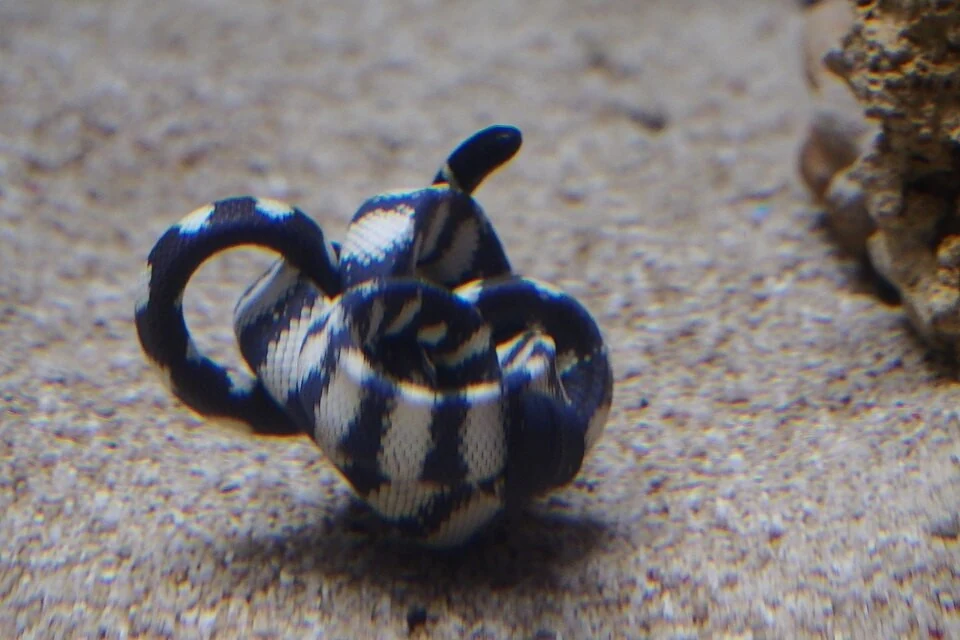
Emydocephalus ijimae. Identification follows the linked source community.

001 · Elapidae

Turtlehead Sea Snake

Emydocephalus ijimae

STEJNEGER, 1898

VenomousClinical severity not established

Japan is explicitly recorded in the checked individual species treatment. The July 2026 HSJ national list independently includes this species or its reconciled synonym/subspecies.

Read the species account →

Chao 江星辰 · CC0 1.0 · https://creativecommons.org/publicdomain/zero/1.0/
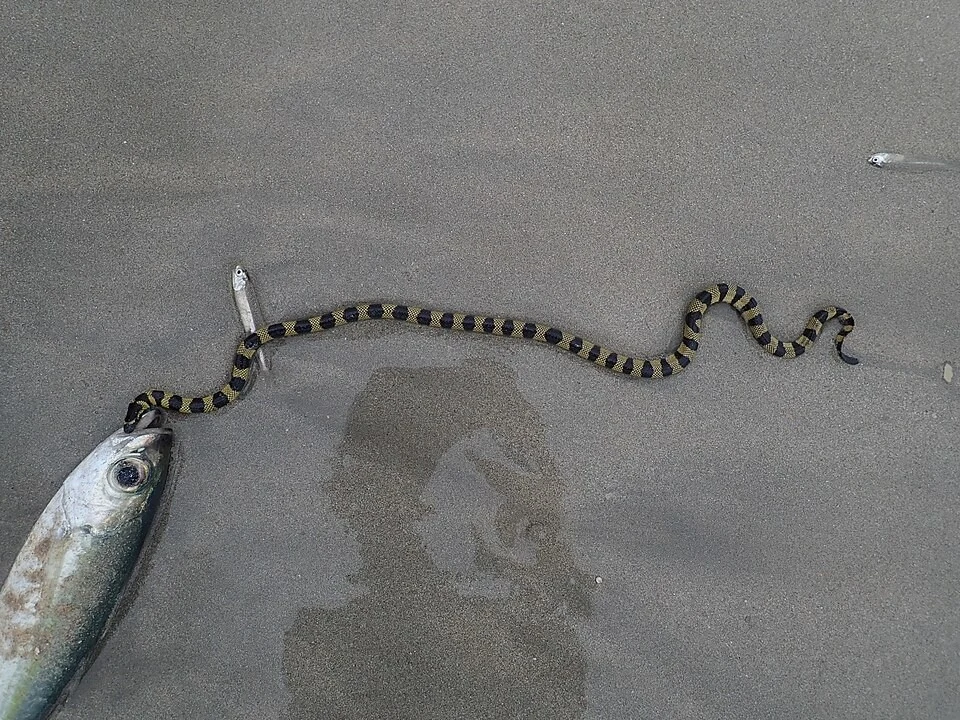
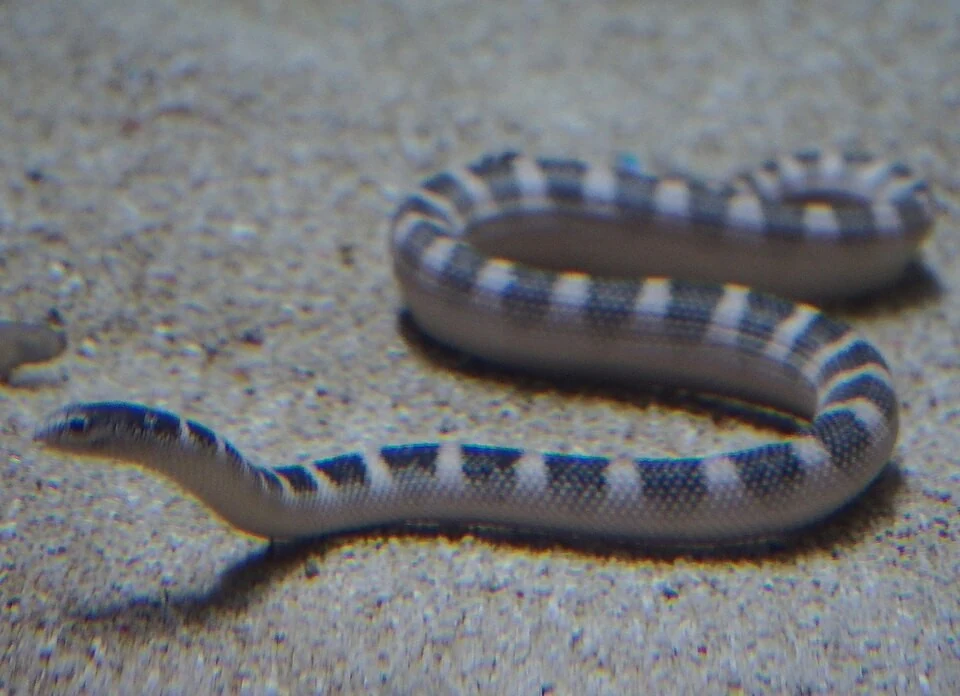
Hydrophis cyanocinctus — real specimen photograph; identification follows the linked source.

002 · Elapidae

Annulated Sea Snake

Hydrophis cyanocinctus

DAUDIN, 1803

VenomousClinical severity not established

Japan is explicitly recorded in the checked individual species treatment. The July 2026 HSJ national list independently includes this species or its reconciled synonym/subspecies.

Read the species account →

evannazareth · CC BY 4.0 · https://creativecommons.org/licenses/by/4.0

Hydrophis melanocephalus — real specimen photograph; identification follows the linked source.

003 · Elapidae

Slender-necked Seasnake

Hydrophis melanocephalus

GRAY, 1849

VenomousClinical severity not established

Japan is explicitly recorded in the checked individual species treatment. The July 2026 HSJ national list independently includes this species or its reconciled synonym/subspecies. Named regional records: Hokkaido; Kochi. These localities do not imply continuous occupation of the entire region.

Read the species account →

harum.koh from Kobe city, Japan · CC BY-SA 2.0 · https://creativecommons.org/licenses/by-sa/2.0

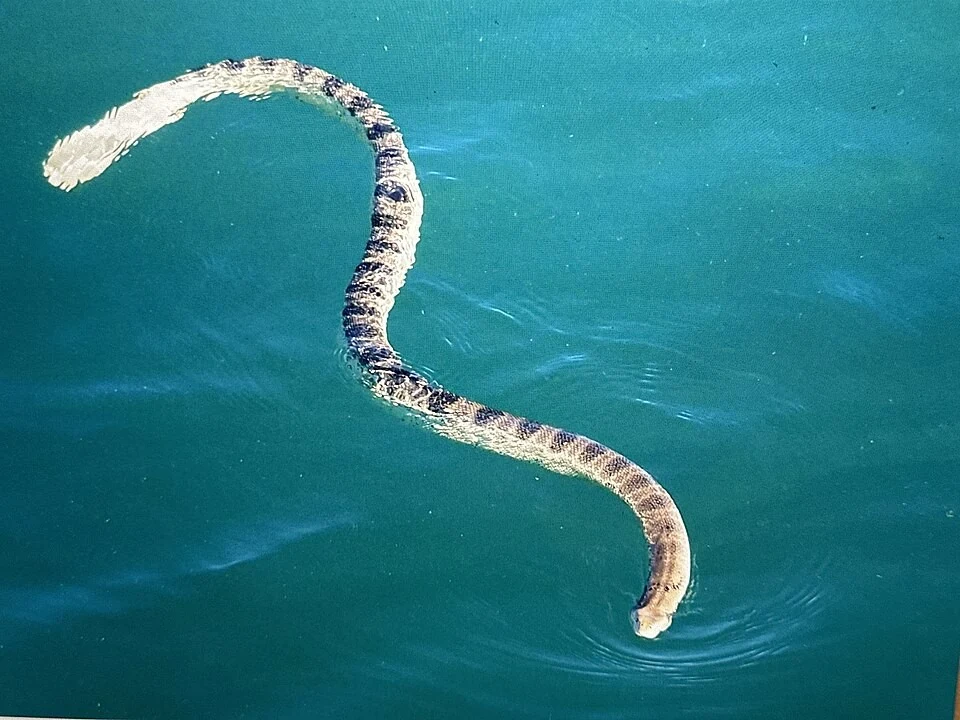
Hydrophis ornatus — real specimen photograph; identification follows the linked source.

004 · Elapidae

Ornate Reef seasnake

Hydrophis ornatus

(GRAY, 1842)

VenomousClinical severity not established

Japan is explicitly recorded in the checked individual species treatment. The July 2026 HSJ national list independently includes this species or its reconciled synonym/subspecies.

Read the species account →

harum.koh from Kobe city, Japan · CC BY-SA 2.0 · https://creativecommons.org/licenses/by-sa/2.0

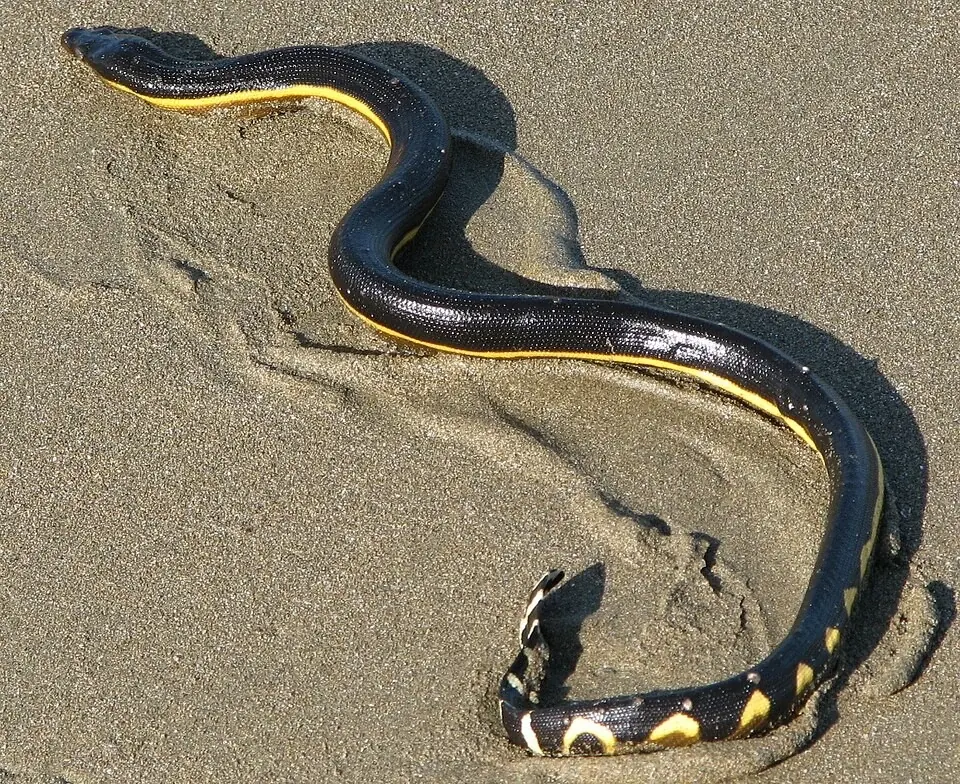
Hydrophis platurus — real specimen photograph; identification follows the linked source.

005 · Elapidae

Yellowbelly Sea Snake

Hydrophis platurus

(LINNAEUS, 1766)

VenomousClinical severity not established

Japan is explicitly recorded in the checked individual species treatment. The July 2026 HSJ national list independently includes this species or its reconciled synonym/subspecies.

Read the species account →

Aloaiza · CC BY 3.0 · https://creativecommons.org/licenses/by/3.0

Hydrophis stokesii — real specimen photograph; identification follows the linked source.

006 · Elapidae

Stoke’s seasnake

Hydrophis stokesii

(GRAY, 1846)

VenomousClinical severity not established

Japan is explicitly recorded in the checked individual species treatment. The July 2026 HSJ national list independently includes this species or its reconciled synonym/subspecies.

Read the species account →

Rosario · CC BY 4.0 · https://creativecommons.org/licenses/by/4.0

Laticauda colubrina — real specimen photograph; identification follows the linked source.

007 · Elapidae

Yellow-lipped sea krait

Laticauda colubrina

(SCHNEIDER, 1799)

VenomousClinical severity not established

Japan is explicitly recorded in the checked individual species treatment. The July 2026 HSJ national list independently includes this species or its reconciled synonym/subspecies.

Read the species account →

Kai Squires · CC BY 4.0 · https://creativecommons.org/licenses/by/4.0

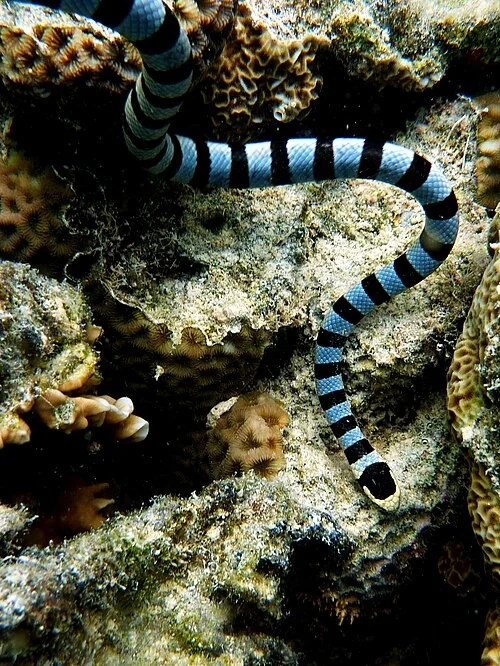
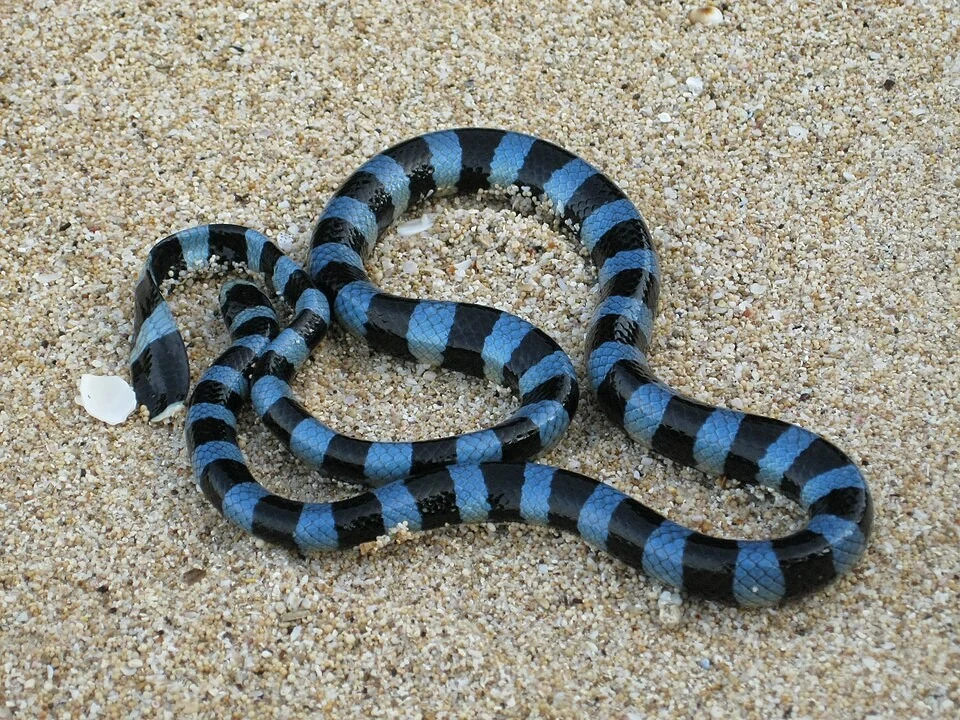
Laticauda laticaudata — real specimen photograph; identification follows the linked source.

008 · Elapidae

Blue-banded Sea Krait

Laticauda laticaudata

(LINNAEUS, 1758)

VenomousClinical severity not established

Japan is explicitly recorded in the checked individual species treatment. The July 2026 HSJ national list independently includes this species or its reconciled synonym/subspecies.

Read the species account →

Bramadi Arya · CC BY-SA 4.0 · https://creativecommons.org/licenses/by-sa/4.0

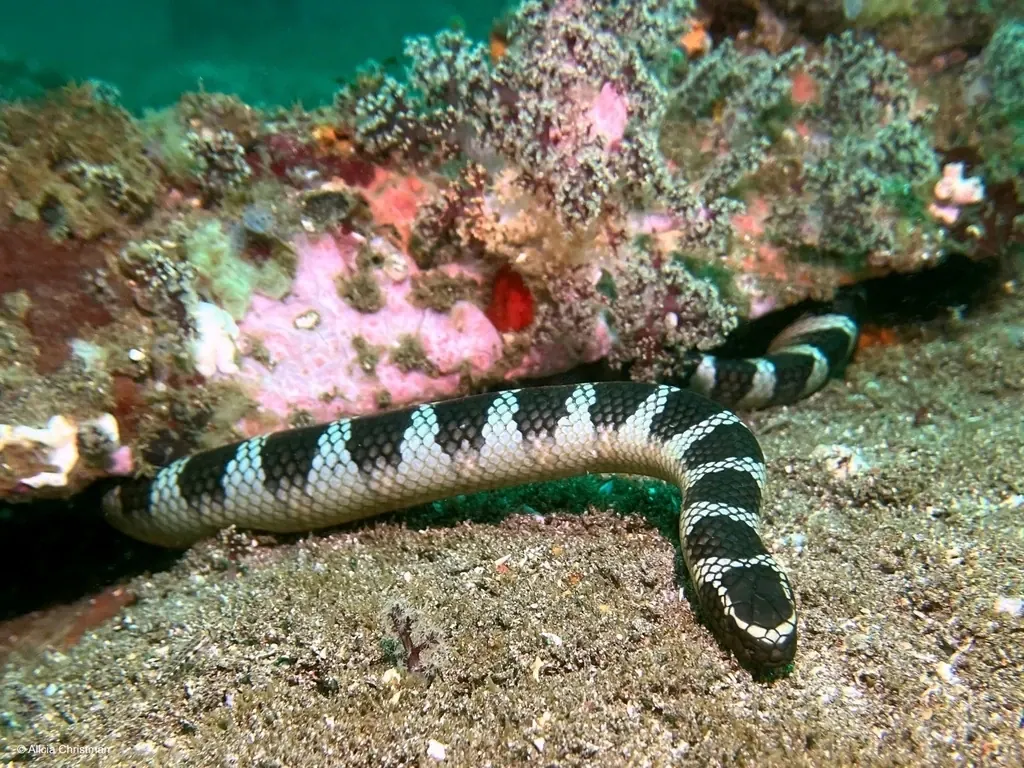
Laticauda semifasciata. Identification follows the linked source community.

009 · Elapidae

Chinese Sea Snake

Laticauda semifasciata

(REINWARDT, 1837)

VenomousClinical severity not established

Japan is explicitly recorded in the checked individual species treatment. The July 2026 HSJ national list independently includes this species or its reconciled synonym/subspecies.

Read the species account →

Alicia Christman · CC BY 4.0 · https://creativecommons.org/licenses/by/4.0/

All 43 species in the country collection →

Read further

Evidence & sources.

Guide reviewed 11 October 2026. Source dates and geographic scope matter; landscape photographs do not establish species occurrence.

  1. Japan MOE / JNTO · Explore Iriomote-Ishigaki

    Named river mangroves, island forests and reefs; unsupported promotional heritage claim and fauna counts omitted.

  2. Japan MOE / JNTO · Explore Ashizuri-Uwakai

    Southwestern Shikoku coast, forest and Nametoko Gorge; unrelated broad current-path claim omitted.

Continue through Japan

Explore another habitat.

01

Beech forests and island rainforests

Japan’s forest gradient is both latitudinal and local.

02

Alpine ridges above wooded valleys

Elevation, lingering snow and valley shelter create contrasting observations.

03

Limestone above a wetland underground

Akiyoshidai connects visible rock with less visible drainage.

04

Northern marshes and highland waters

Japan’s freshwater habitats include both lowland peat and mountain basins.

05

Mangroves of the southern islands

Each river and island is a separate geographic reference.