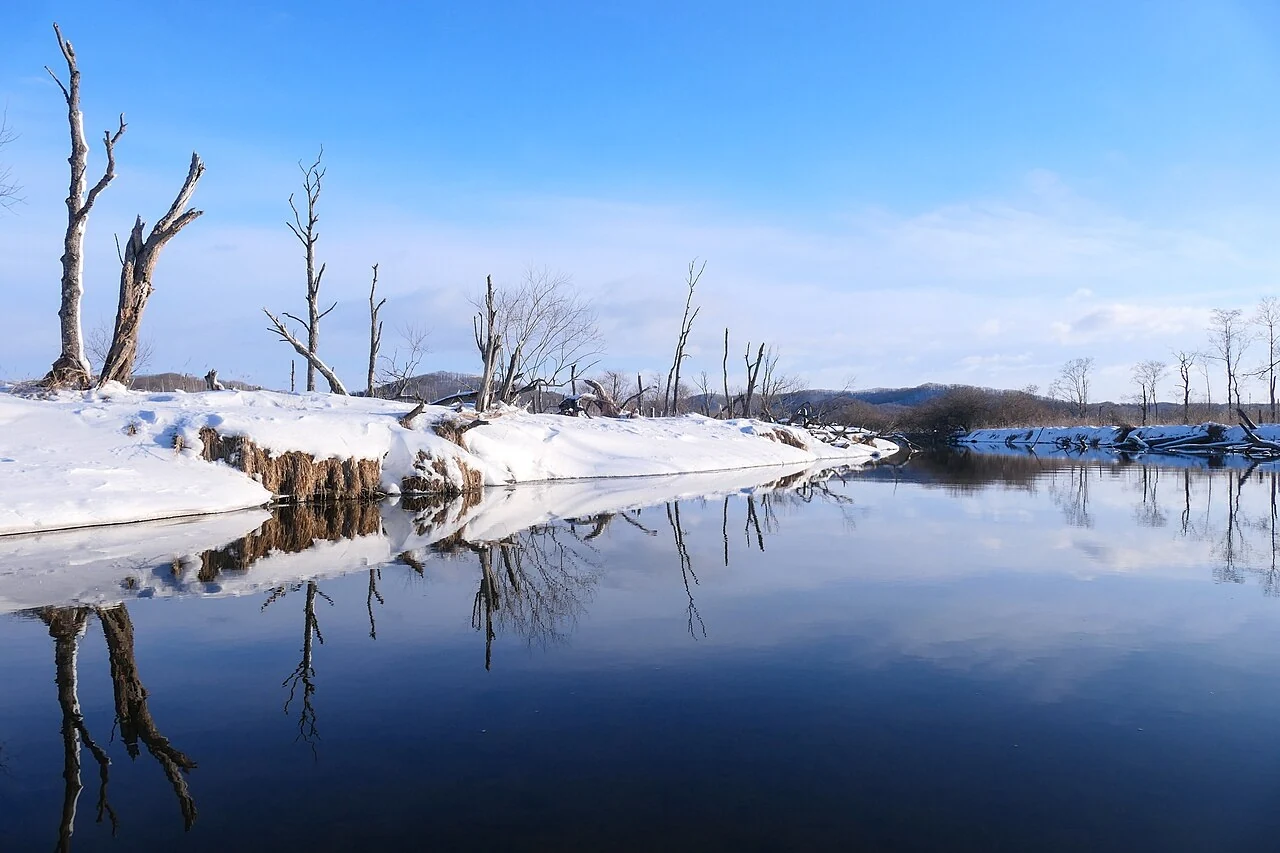
Kushiro River flowing through the snow-covered Kushiro Marsh in Hokkaido, Japan.

Japan · Place guide

Hokkaido

Hokkaido has its own northern island guide.

3species with extracted evidence
2families
9region guides

Kushiro River flowing through the snow-covered Kushiro Marsh in Hokkaido, Japan.

Photograph: MaedaAkihiko · Image source · CC BY-SA 4.0. Cropped to fill the hero; darkened for text legibility.

Geography & biotopes

Read the landscape.

Hokkaido has its own northern island guide.

Kushiroshitsugen in the east combines peat marshes, lakes and a meandering river. Winter snow changes how that wetland appears.

Ecological connections

Retain the water body and observation season; a winter landscape photo is not a year-round habitat model.

Explore the setting

Use official site information for access and local conditions. Keep precise locality and date with observations; the map grouping is not a permit or a complete biological region.

This guide indexes these source names: Hokkaido, Hokkaidō. A country-only record is not automatically assigned to this place. Map markers identify navigation destinations, not collection sites.

Japan Ministry of the Environment · National parks →

geoBoundaries · Open ADM1 boundary provenance →

Geography is part of the record

Find your way through Japan.

Select a named region to open its evidence page. The complete directory below keeps every guide accessible, including places where locality evidence has not yet been extracted.

28 of 43 listed species have at least one indexed region record. 15 remain country-only. Even a nonzero count is not a complete regional inventory.

Habitats & living landscapes

Explore the living
landscapes.

Explore 6 guides to the environments, places and conservation pressures that shape this country. Each guide connects to the regional map and shared species accounts.

Landscape photographs & credits

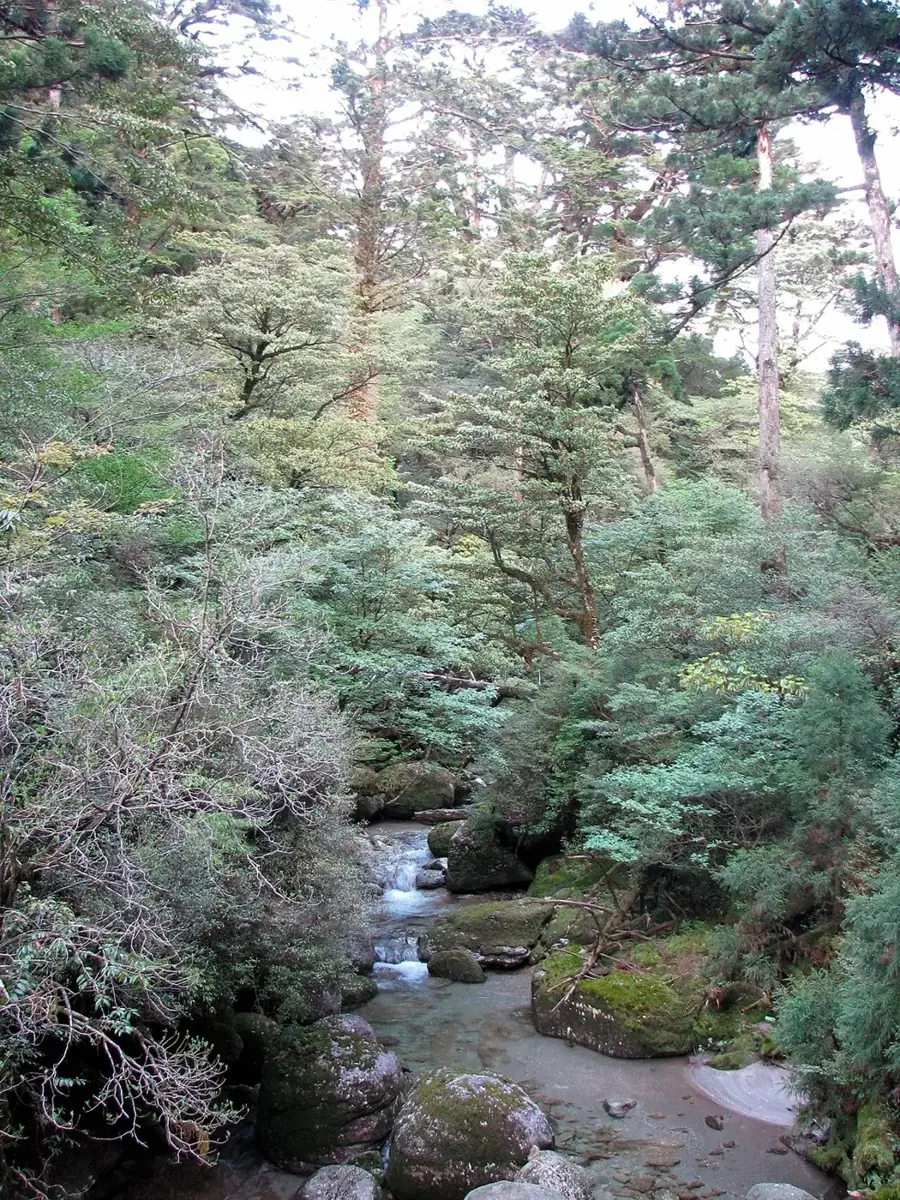
Forested stream in Shiratani Unsuikyo on Yakushima, Japan. — Chris 73. Original photograph · CC BY-SA 3.0. Cropped for the cards; photographs do not establish snake occurrence.

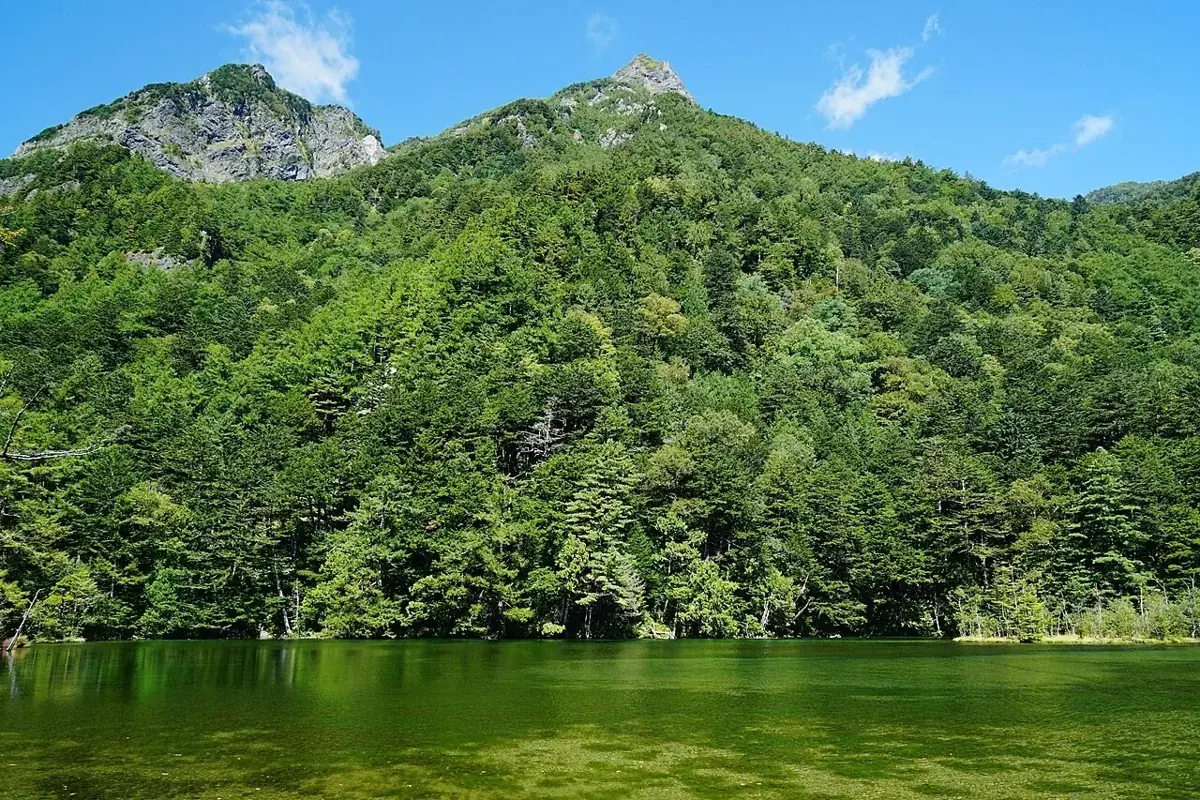
Mount Myojin and the wooded shore of Myojin Pond, Kamikochi, Nagano, Japan. — 663highland. Original photograph · CC BY 2.5. Cropped for the cards; photographs do not establish snake occurrence.

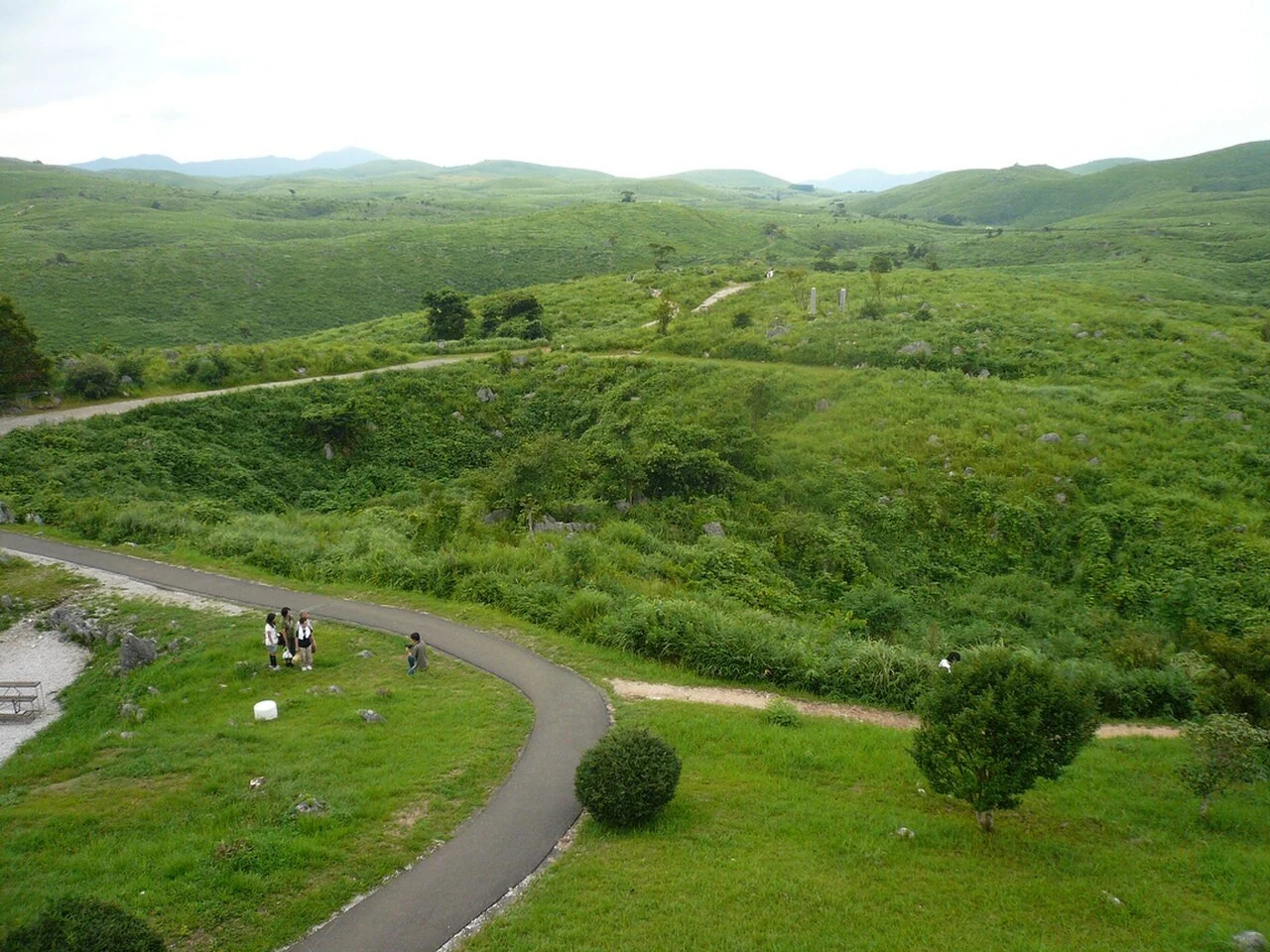
Grassy karst plateau at Akiyoshidai, Yamaguchi, Japan. — Flickr user monkist (Szabolcs Arany). Original photograph · CC BY 2.0. Cropped for the cards; photographs do not establish snake occurrence.

Kushiro River flowing through the snow-covered Kushiro Marsh in Hokkaido, Japan. — MaedaAkihiko. Original photograph · CC BY-SA 4.0. Cropped for the cards; photographs do not establish snake occurrence.

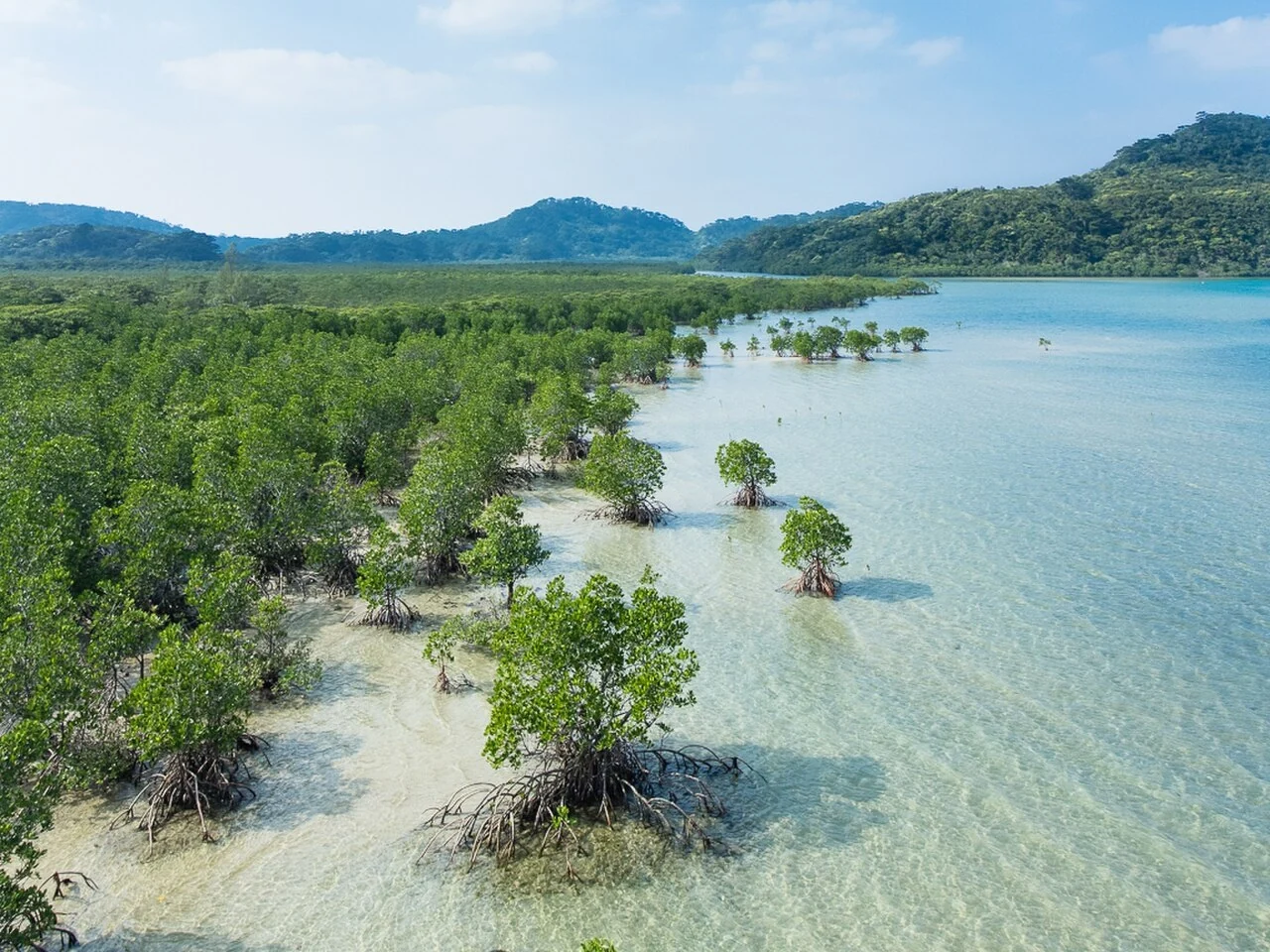
Mangroves along the Urauchi River on Iriomote, Okinawa, Japan. — Anagounagi. Original photograph · CC BY-SA 4.0. Cropped for the cards; photographs do not establish snake occurrence.

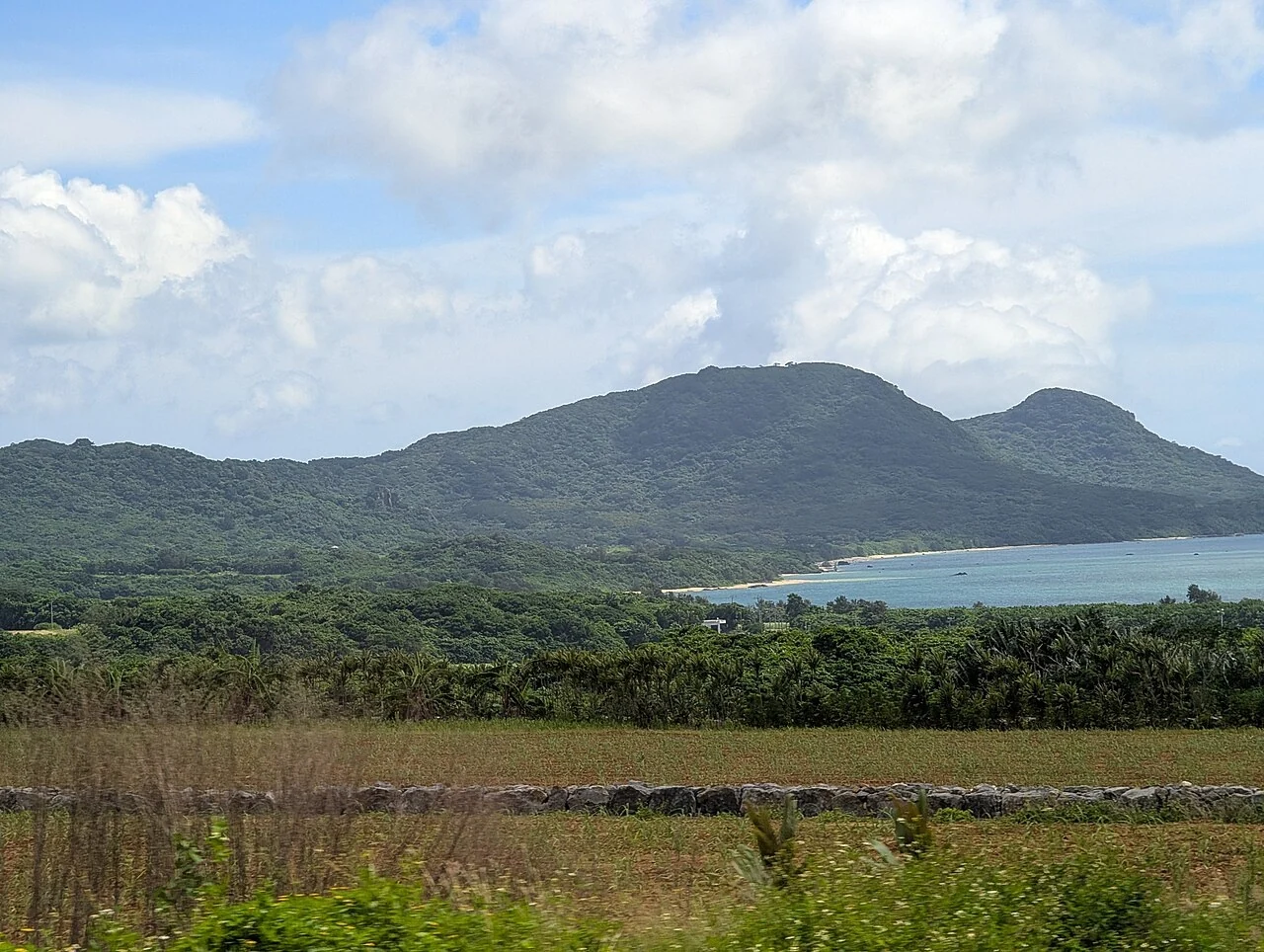
Eastern coastal landscape on Ishigaki Island, Okinawa, Japan. — Syced. Original photograph · CC0. Cropped for the cards; photographs do not establish snake occurrence.
The species catalogue

Snakes · Hokkaido.

Only records naming this place appear below. These are extracted locality records, not complete island or regional inventories.

3 species · showing 3

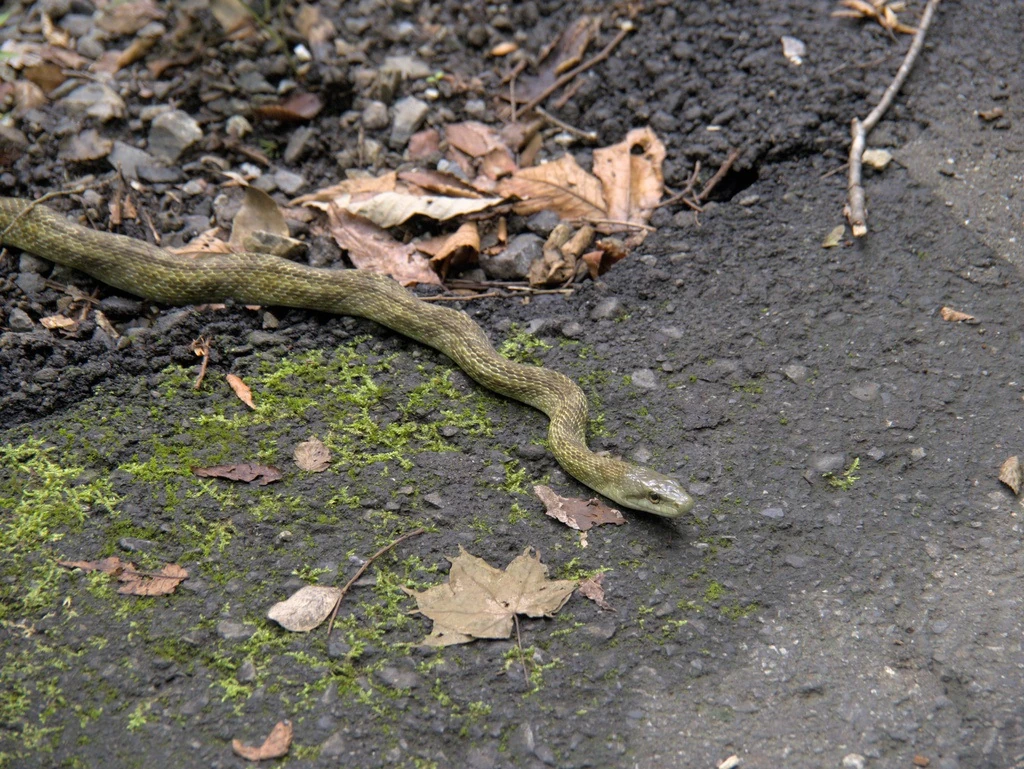
Elaphe climacophora. Identification follows the linked source community.

001 · Colubridae

Species account

Elaphe climacophora

(BOIE, 1826)

Non-venomous

Japan is explicitly recorded in the checked individual species treatment. The July 2026 HSJ national list independently includes this species or its reconciled synonym/subspecies. Named regional records: Hokkaido; Shikoku; Kyushu, Yakushima, Tanegashima, Tsushima. These localities do not imply continuous occupation of the entire region. Kaizuka museum…

Read the species account →

turtlecrab · CC BY 4.0 · https://creativecommons.org/licenses/by/4.0/

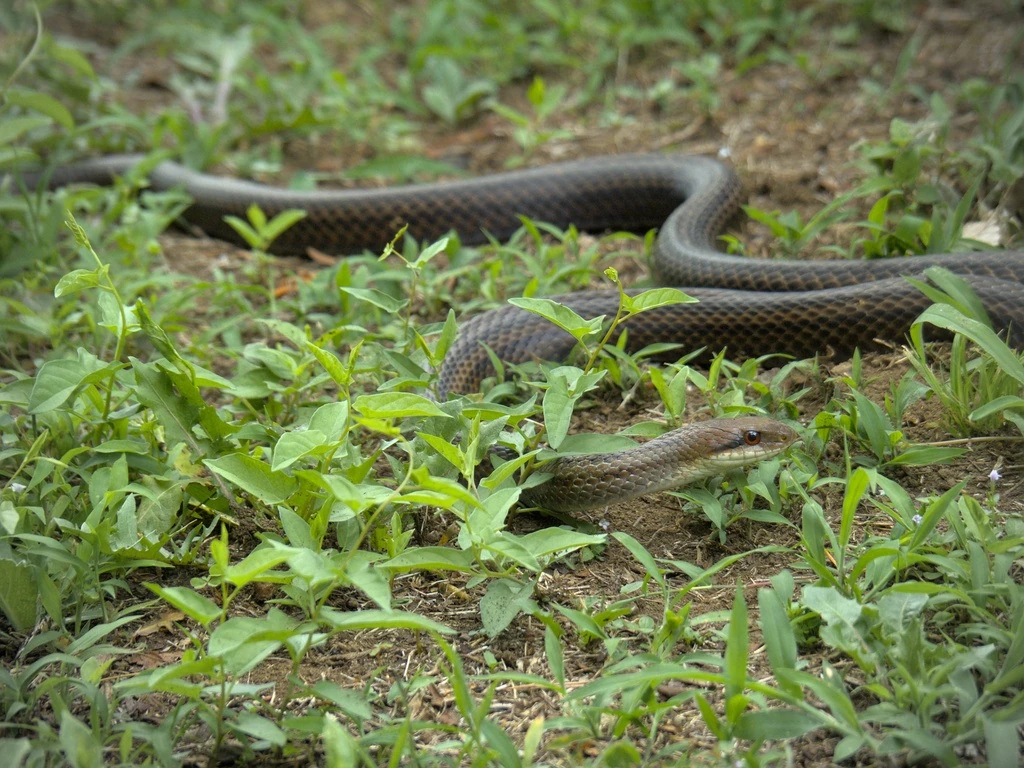
Elaphe quadrivirgata. Identification follows the linked source community.

002 · Colubridae

Japanese Four-lined Ratsnake

Elaphe quadrivirgata

(BOIE, 1826)

Non-venomous

Japan is explicitly recorded in the checked individual species treatment. The July 2026 HSJ national list independently includes this species or its reconciled synonym/subspecies. Named regional records: Hokkaido; Shikoku; Kyushu, Yakushima, Tanegashima. These localities do not imply continuous occupation of the entire region. Kaizuka museum records…

Read the species account →

turtlecrab · CC BY 4.0 · https://creativecommons.org/licenses/by/4.0/

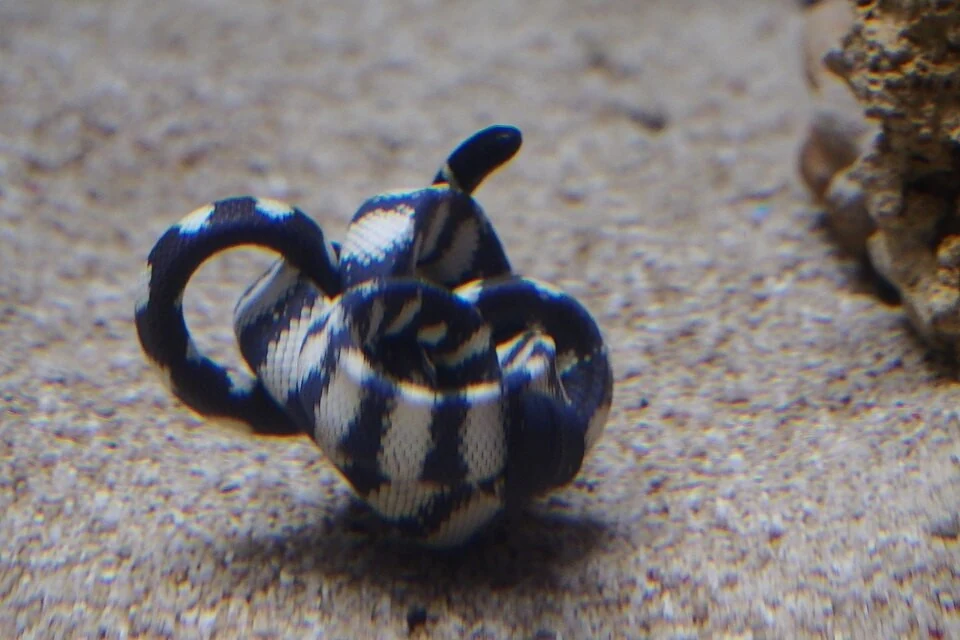
Hydrophis melanocephalus — real specimen photograph; identification follows the linked source.

003 · Elapidae

Slender-necked Seasnake

Hydrophis melanocephalus

GRAY, 1849

VenomousClinical severity not established

Japan is explicitly recorded in the checked individual species treatment. The July 2026 HSJ national list independently includes this species or its reconciled synonym/subspecies. Named regional records: Hokkaido; Kochi. These localities do not imply continuous occupation of the entire region.

Read the species account →

harum.koh from Kobe city, Japan · CC BY-SA 2.0 · https://creativecommons.org/licenses/by-sa/2.0

Explore all 43 country records →

The research library

Sources & the checklist.

This edition lists 43 species with supported country records from checked taxonomic treatments and cited field studies. This total includes 1 record marked as introduced; it is not a native-species total. It is not a claim of a complete national inventory. Each account retains its source and check date; individual evidence entries retain their own review dates.

Independent checklist comparison · 2026-10-11

43 confirmed or introduced shared species currently link to this chapter. The checked HSJ snake block contains 43 unique binomials after subspecies are collapsed. Cyclophiops/Ptyas and Lycodon/Dinodon combinations are reconciled to existing profiles. HSJ rufozonatus walli is represented once under current walli species rank. Native and introduced populations are distinguished: Protobothrops mucrosquamatus is introduced; Elaphe taeniura combines native schmackeri and introduced friesei. Vagrant sea snakes do not imply established populations on all islands.

Herpetological Society of Japan: national checklist, 2 July 2026 ↗

Review still open

Cerrophidion petlalcalensis

No unqualified modern-country evidence in the checked distribution. Search hits, historical type localities and neighbouring territories do not prove occurrence.

Hydrophis curtus

Japanese records are doubtful in the checked treatment and are not included in the current HSJ national snake list.

Hydrophis hardwickii

Japanese records are doubtful in the checked treatment and are not included in the current HSJ national snake list.

Tantilla rubra

No unqualified modern-country evidence in the checked distribution. Search hits, historical type localities and neighbouring territories do not prove occurrence.

Range and taxonomy review

Country links use a single accepted species identity. Revised names and disputed records are kept visible here; uncertain records do not enter the listed collection or regional totals.

Achalinus spinalis

Supported country occurrence

Japan is explicitly recorded in the checked individual species treatment. The July 2026 HSJ national list independently includes this species or its reconciled synonym/subspecies. Named regional records: Kyushu. These localities do not imply continuous occupation of the entire region. Kaizuka museum records through March 2019; named endpoints do not establish continuous occupancy. Named municipalities in the 2024 Fukuoka assessment provide prefectural locality evidence. Totsune and Utsunomiya report three females collected at Saji-son on 24 July 1998, the first published prefectural record.

Source 1 ↗

Source 2 ↗

Source 3 ↗

Source 4 ↗

Source 5 ↗

Elaphe carinata

Supported country occurrence

Japan is explicitly recorded in the checked individual species treatment. The July 2026 HSJ national list independently includes this species or its reconciled synonym/subspecies.

Source 1 ↗

Source 2 ↗

Hydrophis melanocephalus

Supported country occurrence

Japan is explicitly recorded in the checked individual species treatment. The July 2026 HSJ national list independently includes this species or its reconciled synonym/subspecies. Named regional records: Hokkaido; Kochi. These localities do not imply continuous occupation of the entire region.

Source 1 ↗

Source 2 ↗

Calamaria pavimentata

Supported country occurrence

Japan is explicitly recorded in the checked individual species treatment. The July 2026 HSJ national list independently includes this species or its reconciled synonym/subspecies. Named regional records: Yonaguni. These localities do not imply continuous occupation of the entire region. The ministry names these Yonaguni localities for subspecies miyarai. The island restriction applies to that subspecies, not to Calamaria pavimentata as a whole.

Source 1 ↗

Source 2 ↗

Source 3 ↗

How the map and counts work

Search results were checked against distribution text and taxonomic qualifications. A geographic name alone does not establish a political country: New Guinea, the Solomon archipelago and Micronesia span more than one country or territory. Introduced and unresolved records require separate interpretation.

Place counts require explicit named localities, including valid type localities. Counts can overlap where sources name multiple places. Regional maps group historical boundary snapshots for navigation, while island outlines use Natural Earth; neither is a species range or an observation map. Small islands can be below the outline dataset’s resolution, so geographic reference markers and the directory remain available.

geoBoundaries gbOpen ADM1 · 2017 snapshot · © OpenStreetMap contributors, via Wambacher and geoBoundaries · Open Data Commons Open Database License 1.0. Generalised navigation geometry, not snake ranges or a statement of territorial status. Map provenance →

  1. Japan MOE / JNTO · Explore Kushiroshitsugen ↗

    Eastern Hokkaido marshes, lakes and Kushiro River; current bird counts and travel offers omitted.

  2. Japan Ministry of the Environment · National parks ↗
  3. geoBoundaries · Open ADM1 boundary provenance ↗
  4. The Reptile Database

    Individual treatments and locality evidence are linked from each species account.

  5. Meiri (2024): SquamBase 1.0

    Species-level literature measurements and ecological traits. Exact-name matches only; imputed or ambiguous fields are omitted. These summaries are not local observations.

  6. Natural Earth: public-domain geographic data

Continue through the Asia atlas →