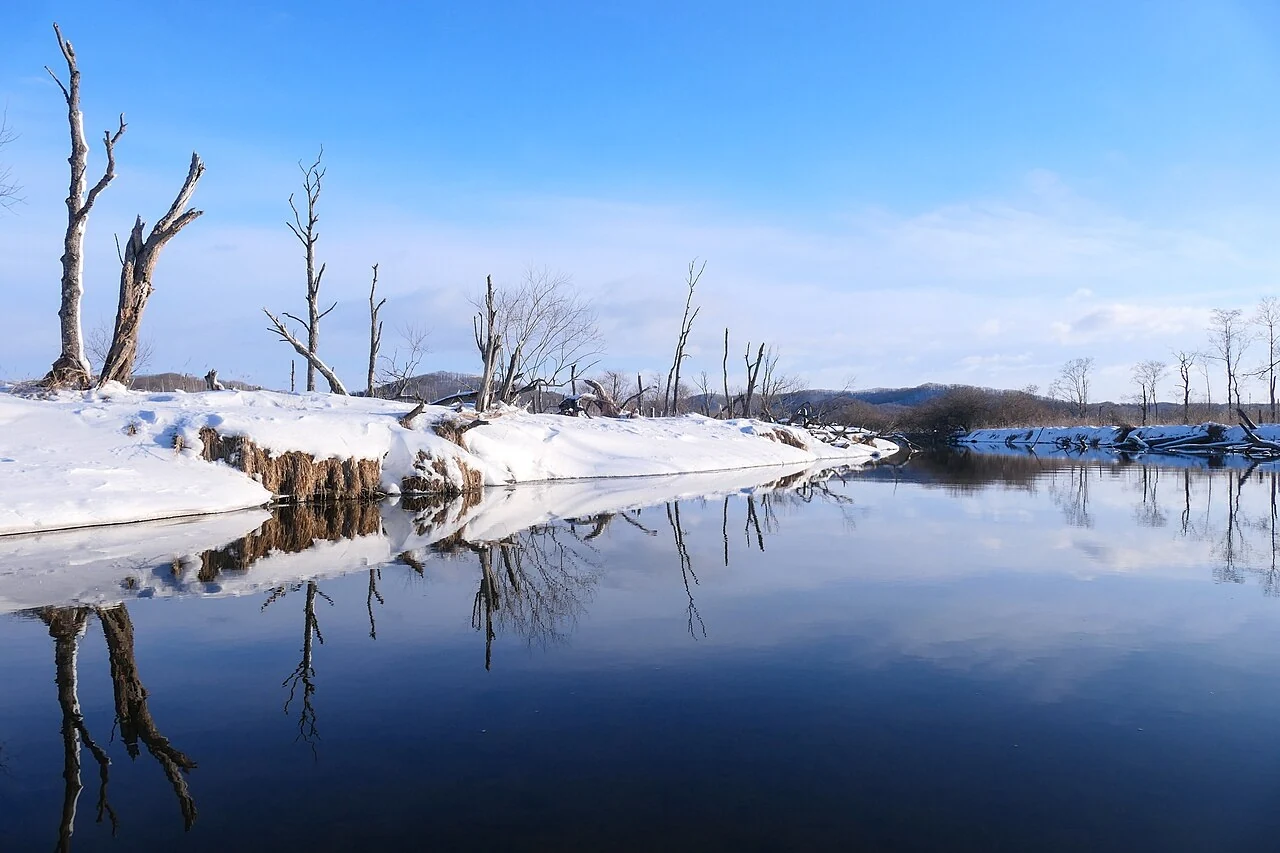
Kushiro River flowing through the snow-covered Kushiro Marsh in Hokkaido, Japan.

Japan · Habitat field guide

Northern marshes and highland waters

Japan’s freshwater habitats include both lowland peat and mountain basins.

Kushiro River flowing through the snow-covered Kushiro Marsh in Hokkaido, Japan.

Photograph: MaedaAkihiko · Image source · CC BY-SA 4.0. Cropped to fill the hero; darkened for text legibility.

Understanding the environment

A sense of the habitat.

Japan’s freshwater habitats include both lowland peat and mountain basins.

Landscape evidence
Named examples, not complete habitat coverage
Record detail
Locality · season · observed cover

Explore the structure · Select a feature to compare

Read the landscape

Select a zone to see what changes.

Look upstream

Catchment

Identify the named river or lake and any visible management structures.

Use the sourced examples below to place these observations in context.

Conceptual observation prompts, not a measured transect, habitat boundary or snake range.

Field notes · 01

Hokkaido wetland

Kushiroshitsugen contains peaty marshes, lakes and the meandering Kushiro River. The illustrated winter landscape records a season, not year-round surface conditions.

Sources: Japan MOE / JNTO · Explore Kushiroshitsugen

Field notes · 02

Volcanic landscape and drainage

At Oze, lava flows blocked drainage to form a lake and marsh landscape. Water from Ozegahara passes into the Tadami River and over Sanjo Falls; retain the particular water body in each record.

Sources: Japan MOE / JNTO · Explore Oze

Pressures on Japan’s habitats

What is at risk?

A site-specific assessment of pressures has not yet been extracted for this guide. The landscape sources below provide context; they do not establish a current threat level for each snake species.

What helps this habitat

Support site-led protection of the landscape processes described here. Keep habitat notes precise and use the linked sources before extending a claim to another place.

The connected collection

Snakes with habitat evidence.

These 7 species have supported country occurrence and an explicit habitat association in the shared account. The association may come from elsewhere in their range. This is not a complete local habitat inventory; the places above are landscape examples, not asserted collecting sites.

7 species · showing 7

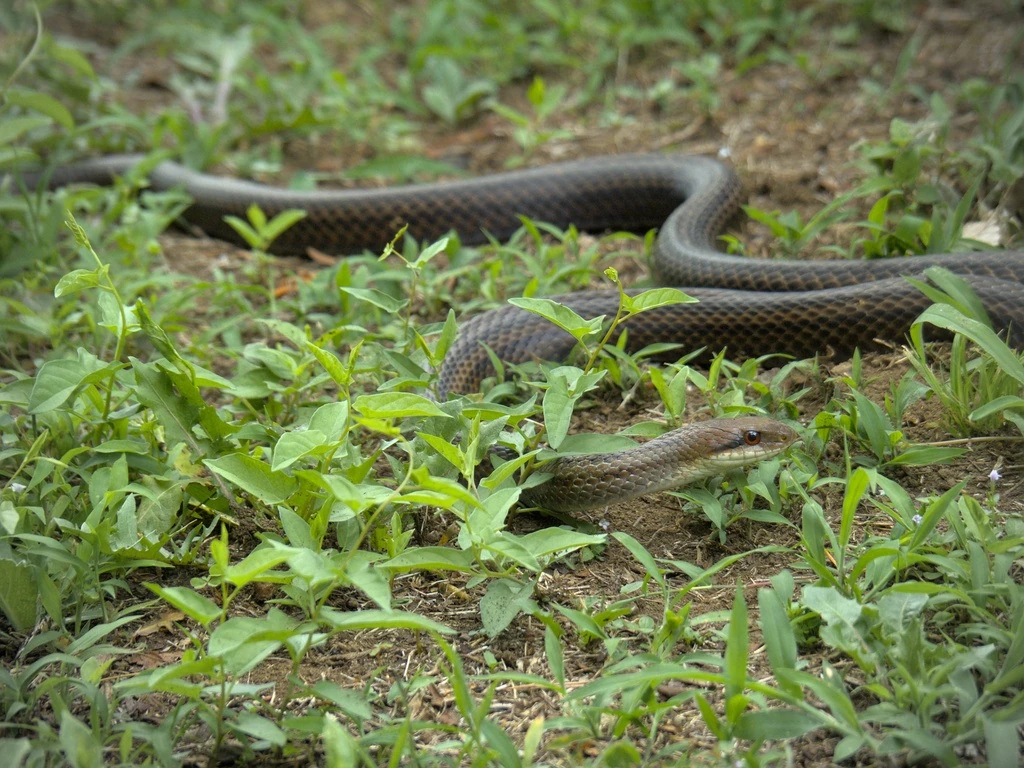
Elaphe quadrivirgata. Identification follows the linked source community.

001 · Colubridae

Japanese Four-lined Ratsnake

Elaphe quadrivirgata

(BOIE, 1826)

Non-venomous

Japan is explicitly recorded in the checked individual species treatment. The July 2026 HSJ national list independently includes this species or its reconciled synonym/subspecies. Named regional records: Hokkaido; Shikoku; Kyushu, Yakushima, Tanegashima. These localities do not imply continuous occupation of the entire region. Kaizuka museum records…

Read the species account →

turtlecrab · CC BY 4.0 · https://creativecommons.org/licenses/by/4.0/
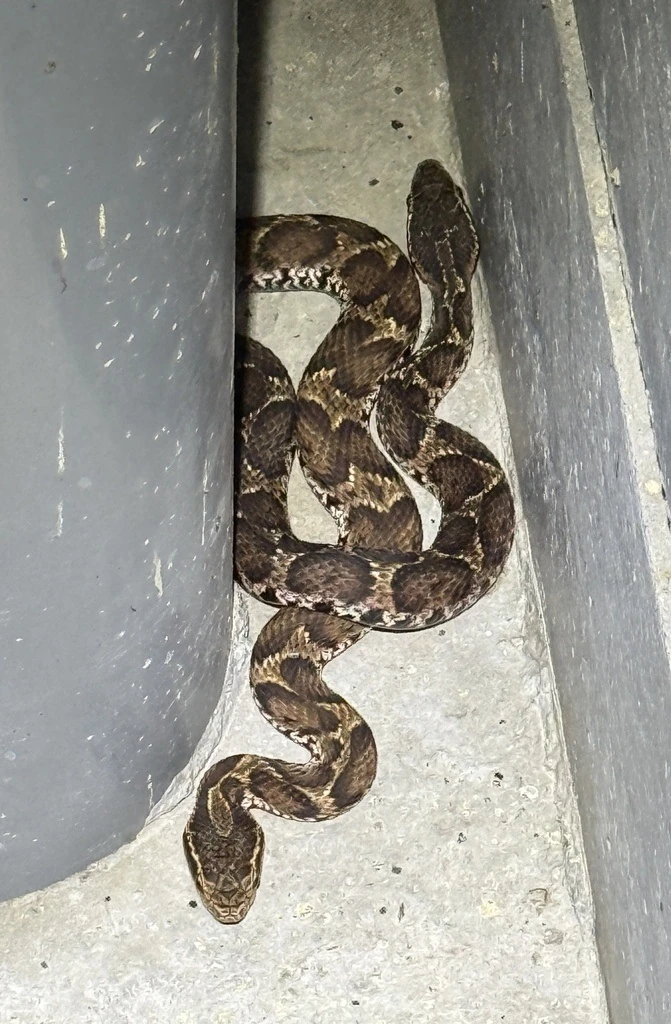
Gloydius blomhoffii. Identification follows the linked source community.

002 · Viperidae

Mamushi

Gloydius blomhoffii

(BOIE, 1826)

VenomousClinical severity not established

Japan is explicitly recorded in the checked individual species treatment. The July 2026 HSJ national list independently includes this species or its reconciled synonym/subspecies. Named regional records: Yakushima, Tanegashima. These localities do not imply continuous occupation of the entire region. Kaizuka museum records through March 2019; named…

Read the species account →

げっとり · CC BY 4.0 · https://creativecommons.org/licenses/by/4.0/

ColubridaeHebiusPhotograph not yet documented

003 · Colubridae

Species account

Hebius concelarus

(MALNATE, 1963)

Venom unknownNot yet assessed

Japan is explicitly recorded in the checked individual species treatment. The July 2026 HSJ national list independently includes this species or its reconciled synonym/subspecies. The assessment lists Miyakojima and Irabujima. Irabu evidence includes specimens from 1959–1960 and a 2011 roadkill; current persistence there is unresolved. Better survey…

Read the species account →
Indotyphlops braminus — photographed on Ko Pha-ngan, Thailand.

004 · Typhlopidae

Flowerpot Snake

Indotyphlops braminus

(DAUDIN, 1803)

Non-venomous

Japan is explicitly recorded in the checked individual species treatment. The July 2026 HSJ national list independently includes this species or its reconciled synonym/subspecies.

Read the species account →

Cook-Price, Makchai & Suwanwaree (2026); photographs credited collectively to the author, James Covert and Vikas Kumar · CC BY 4.0 · https://creativecommons.org/licenses/by/4.0/
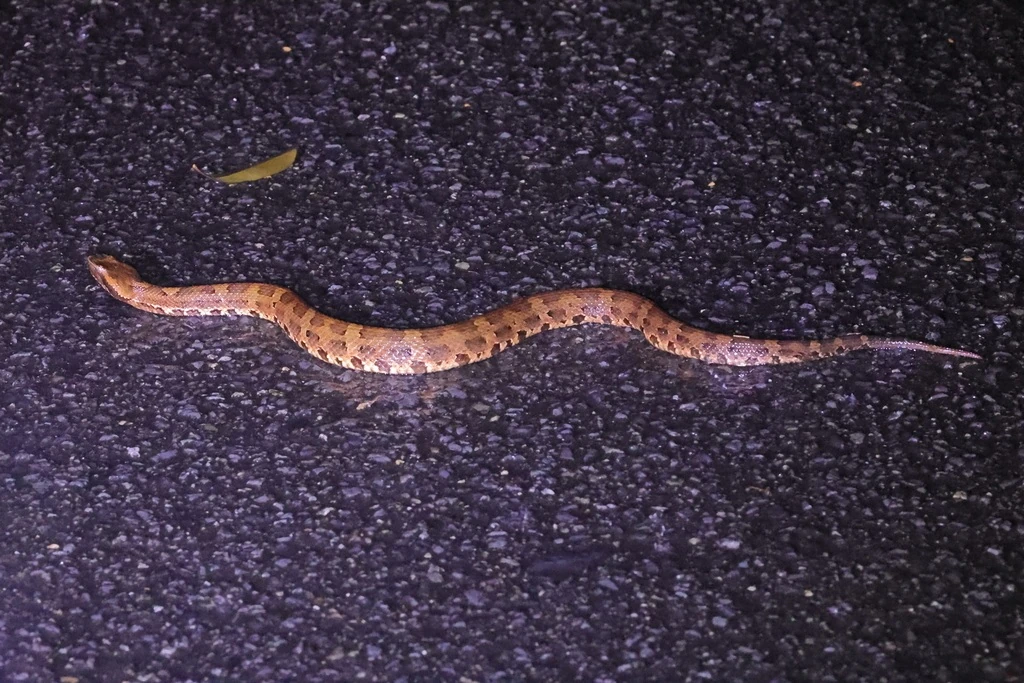
Ovophis okinavensis. Identification follows the linked source community.

006 · Viperidae

Ryukyu Island Pit Viper, Okinawa pitviper

Ovophis okinavensis

(BOULENGER, 1892)

VenomousClinical severity not established

Japan is explicitly recorded in the checked individual species treatment. The July 2026 HSJ national list independently includes this species or its reconciled synonym/subspecies.

Read the species account →

Fábio Olmos · CC BY 4.0 · https://creativecommons.org/licenses/by/4.0/
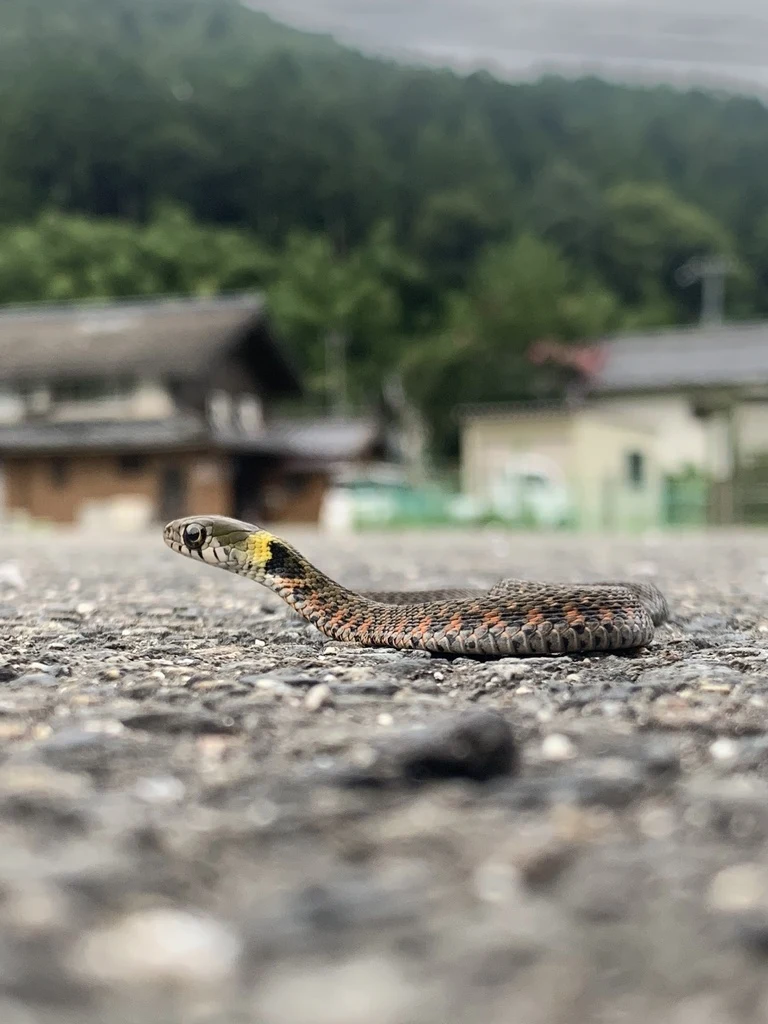
Rhabdophis tigrinus. Head and anterior body photographed on a hard surface. Original observation dated 2021-08-15. Photograph identification follows the cited observation; it adds no geographic occurrence record.

007 · Colubridae

Tiger Keelback

Rhabdophis tigrinus

(BOIE, 1826)

VenomousClinical severity not established

Japan is explicitly recorded in the checked individual species treatment. The July 2026 HSJ national list independently includes this species or its reconciled synonym/subspecies. Named regional records: Shikoku; Kyushu, Nagasaki, Yakushima. These localities do not imply continuous occupation of the entire region. Kaizuka museum records through March…

Read the species account →

kamataryo · CC0 1.0 · https://creativecommons.org/publicdomain/zero/1.0/

All 43 species in the country collection →

Read further

Evidence & sources.

Guide reviewed 11 October 2026. Source dates and geographic scope matter; landscape photographs do not establish species occurrence.

  1. Japan MOE / JNTO · Explore Kushiroshitsugen

    Eastern Hokkaido marshes, lakes and Kushiro River; current bird counts and travel offers omitted.

  2. Japan MOE / JNTO · Explore Oze

    Highland marsh/lake formation and drainage; keep prefecture and local observation separate.

Continue through Japan

Explore another habitat.

01

Beech forests and island rainforests

Japan’s forest gradient is both latitudinal and local.

02

Alpine ridges above wooded valleys

Elevation, lingering snow and valley shelter create contrasting observations.

03

Limestone above a wetland underground

Akiyoshidai connects visible rock with less visible drainage.

04

Mangroves of the southern islands

Each river and island is a separate geographic reference.

05

Island shores and warm-current coasts

Coastal context changes between archipelagos and individual bays.