Valley development
UNESCO identifies agriculture, grazing and hydropower development among the Great Himalayan property’s pressures. This is a site assessment, not a trend for every Indian mountain.
India · Habitat field guide
Mountain records need both elevation and vegetation.
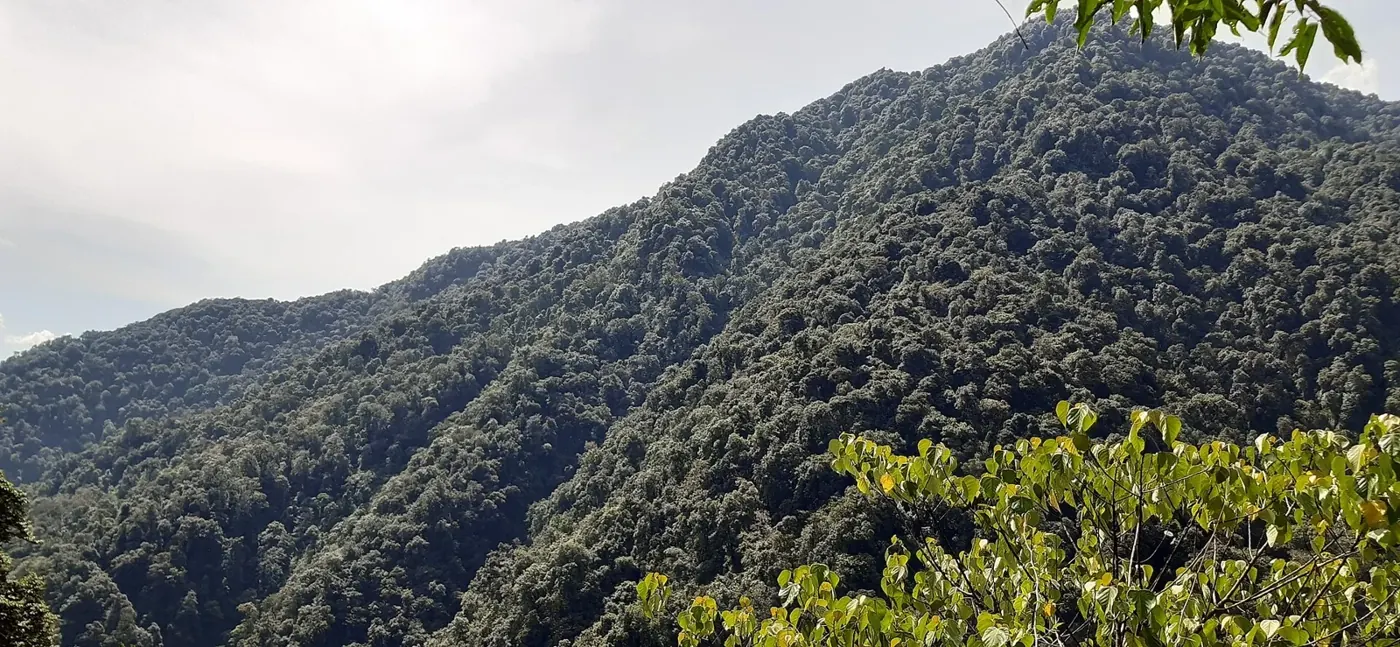
Forested mountain slopes in western Sikkim, India.
Understanding the environment
Mountain records need both elevation and vegetation.
Explore the structure · Select a zone to compare its structure and details worth recording.
Select a zone to see what changes.
Start with elevation
Keep valley and slope records separate.
Observation prompts do not establish that a particular snake occurs in this zone.
Conceptual zones, not a measured transect or a map of snake occurrences.
Sources: UNESCO · Great Himalayan National Park · UNESCO · Western Ghats
Field notes · 01
Great Himalayan National Park protects a western Himalayan gradient including river valleys and alpine landscapes. The Western Ghats provide a contrasting monsoon mountain system; neither establishes the upper elevation of an individual snake.
Sources: UNESCO · Great Himalayan National Park · UNESCO · Western Ghats
Field notes · 02
Keep the locality, date and habitat description together. A landscape source explains the setting; only a verified species record establishes occurrence. The collection below may be smaller than the variety of environments described here.
Pressures on India’s habitats
UNESCO identifies agriculture, grazing and hydropower development among the Great Himalayan property’s pressures. This is a site assessment, not a trend for every Indian mountain.
Retain the local habitat mosaic and its connections. Interpret pressures using the cited site evidence and current local management guidance.
The connected collection
These 8 species have supported country occurrence and an explicit habitat association in the shared account. The association may come from elsewhere in their range. This is not a complete local habitat inventory; the places above are landscape examples, not asserted collecting sites.
8 species · showing 8
001 · Colubridae
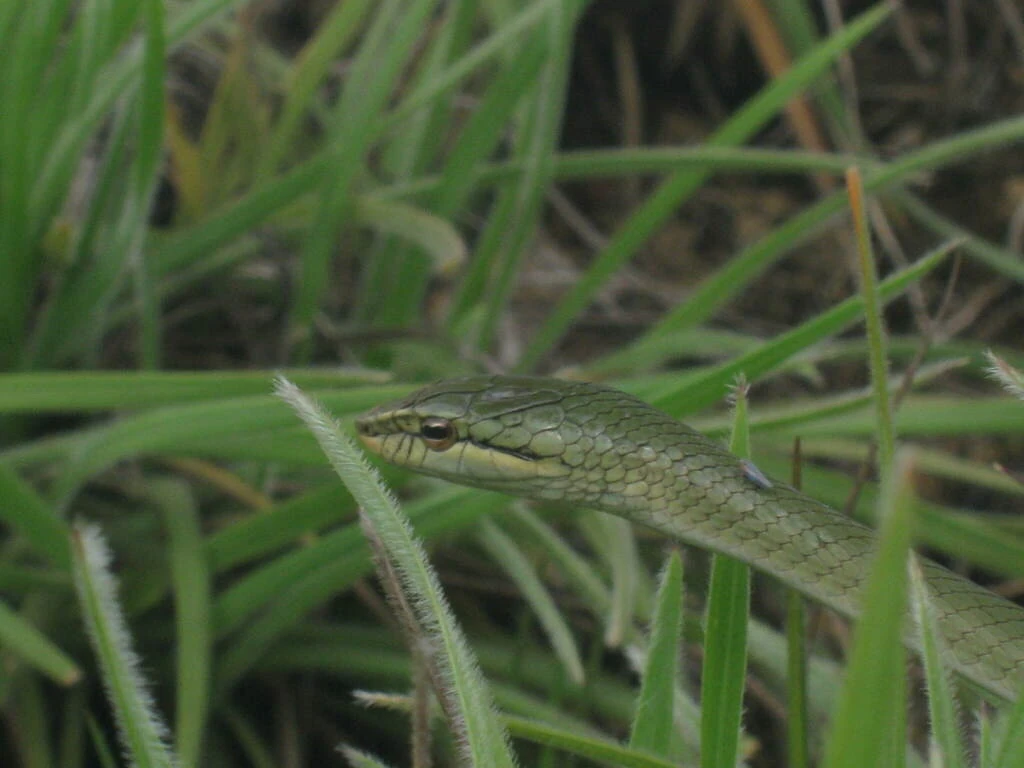
Western Ghats Bronzeback
India is explicitly listed in the checked individual taxonomic treatment. The national ZSI checklist independently lists Ahaetulla perroteti. Regional evidence: Kerala. Named records do not imply continuous occurrence throughout a region.
Read the species account →Siva Naturewild · CC BY 4.0 · https://creativecommons.org/licenses/by/4.0/
002 · Colubridae
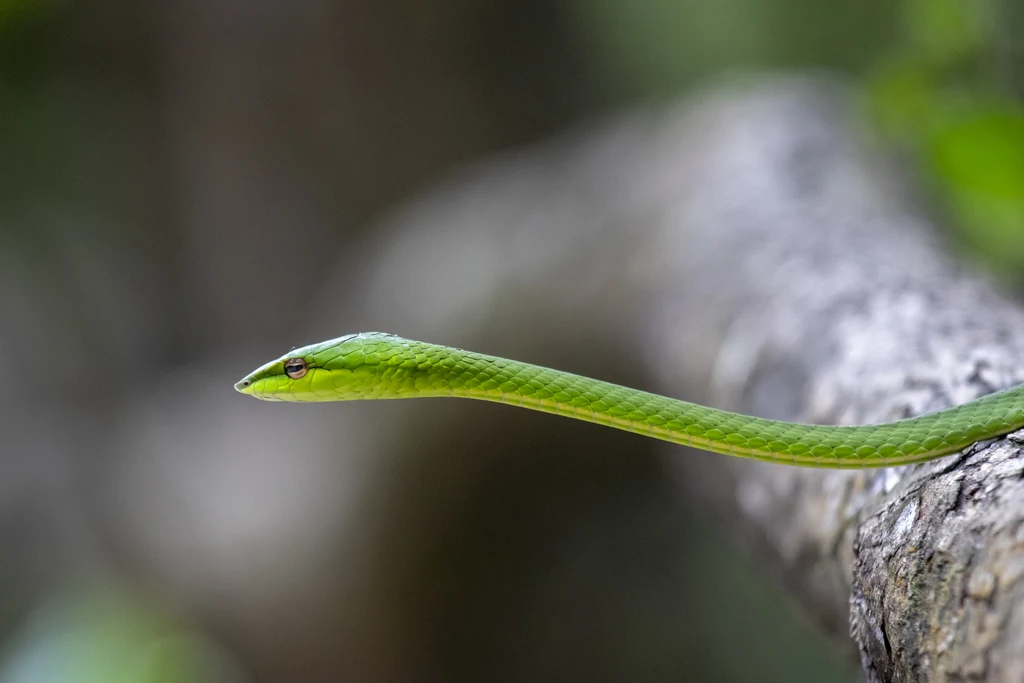
Travancore Vine Snake
India is explicitly listed in the checked individual taxonomic treatment. The national ZSI checklist independently lists Ahaetulla travancorica. Regional evidence: Kerala. Named records do not imply continuous occurrence throughout a region.
Read the species account →Paulmathi Vinod · CC BY 4.0 · https://creativecommons.org/licenses/by/4.0/
003 · Colubridae
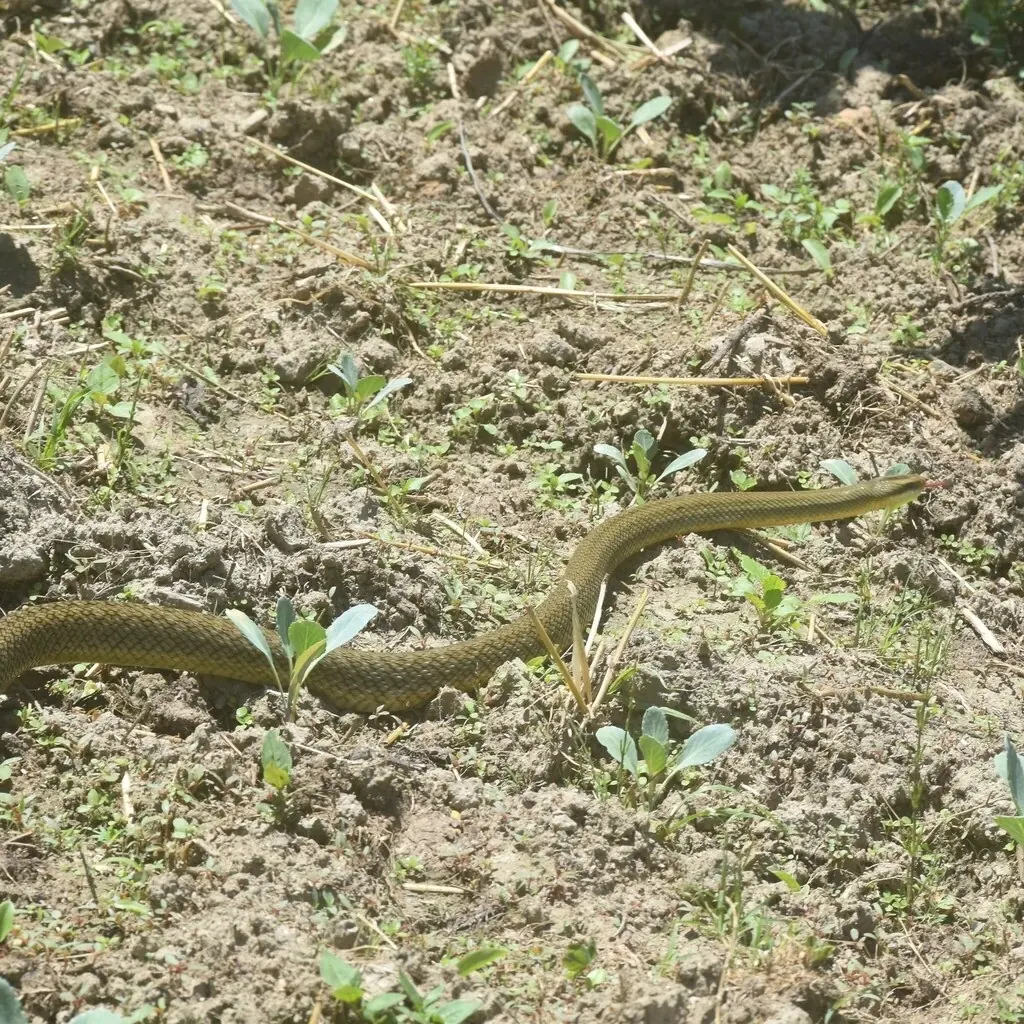
English common name not available
India is explicitly listed in the checked individual taxonomic treatment. The national ZSI checklist independently lists Elaphe hodgsoni. Regional evidence: Jammu and Kashmir, Himachal Pradesh, Himachal; Meghalaya, Sikkim. Named records do not imply continuous occurrence throughout a region.
Read the species account →Name · CC BY 4.0 · https://creativecommons.org/licenses/by/4.0/
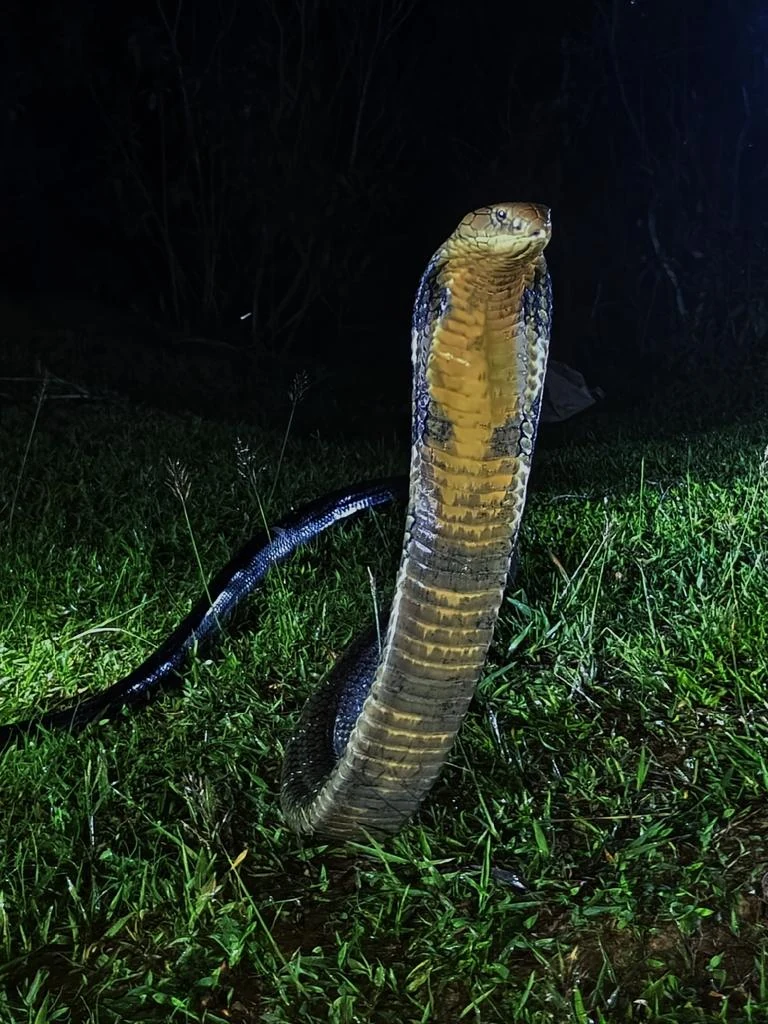
004 · Elapidae
Hamadryad, King Cobra
India is explicitly listed in the checked individual taxonomic treatment. The national ZSI checklist independently lists Ophiophagus hannah. Regional evidence: Assam, Arunachal Pradesh, Meghalaya, Mizoram, Tripura, Sikkim; Bihar, Odisha, West Bengal, Orissa; Madhya Pradesh; Andhra Pradesh; Andaman. Named records do not imply continuous occurrence…
Read the species account →Ankur Nandi · CC BY 4.0 · https://creativecommons.org/licenses/by/4.0/
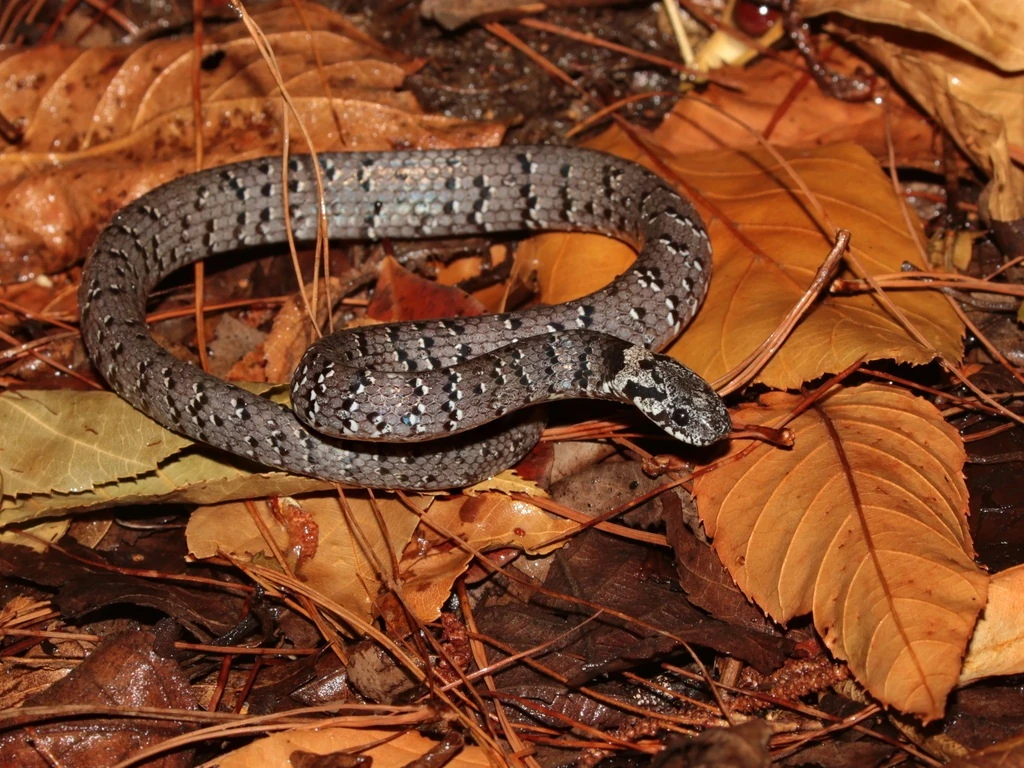
005 · Pareidae
Mountain Slug Snake
India is listed in the official 2025 ZSI checklist, which supersedes the older checklist omissions or unresolved range strings repeated in some taxonomic treatments. The database questions precise Indian localities, so no state assignment is made.
Read the species account →Ian Dugdale · CC BY 4.0 · https://creativecommons.org/licenses/by/4.0/
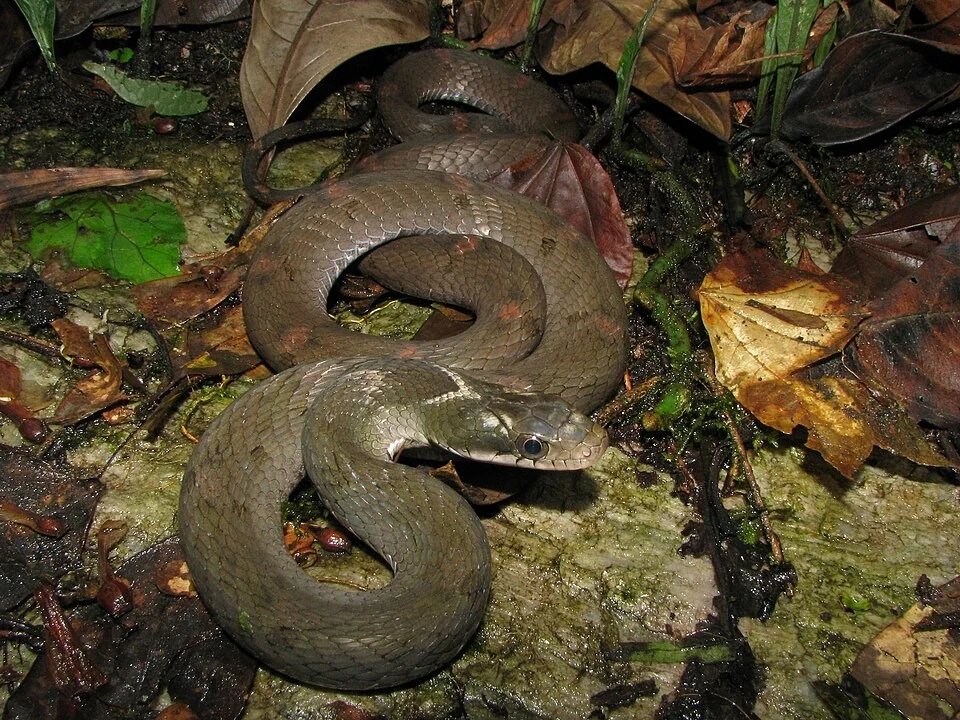
006 · Colubridae
(Large-eyed or) Big-eyed Bamboo Snake, Mock Cobra
India is explicitly listed in the checked individual taxonomic treatment. The national ZSI checklist independently lists Pseudoxenodon macrops. Regional evidence: Assam, Arunachal Pradesh, Meghalaya, Nagaland, Mizoram, Sikkim. Named records do not imply continuous occurrence throughout a region.
Read the species account →Umeshsrinivasan · CC BY-SA 3.0 · https://creativecommons.org/licenses/by-sa/3.0
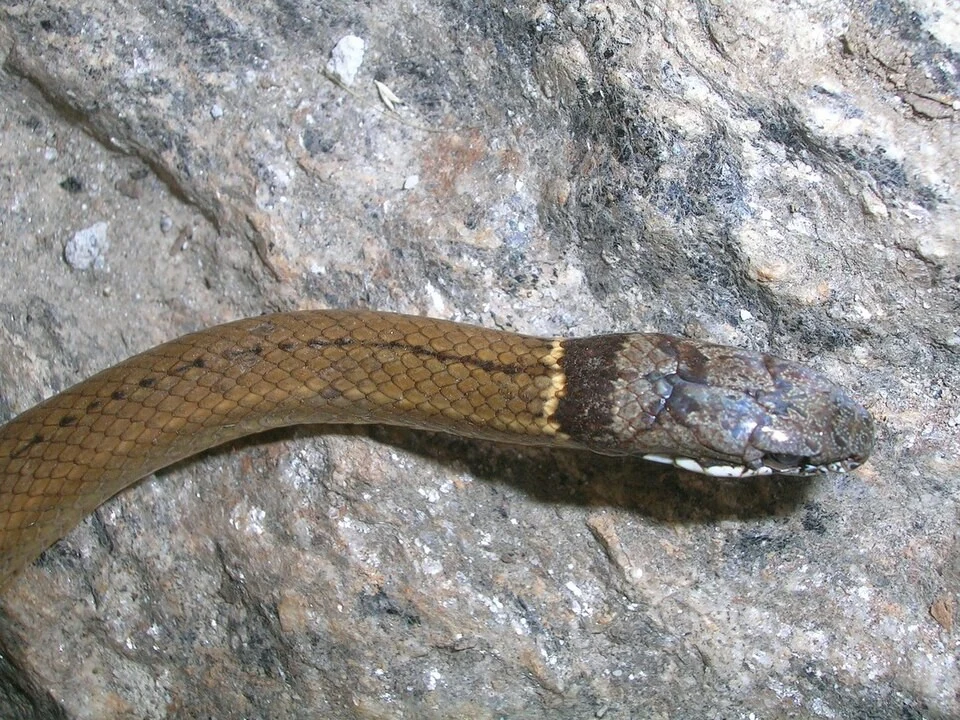
007 · Colubridae
Common Many-tooth Snake
India is explicitly listed in the checked individual taxonomic treatment. The national ZSI checklist independently lists Sibynophis collaris. Regional evidence: Jammu and Kashmir, Himachal Pradesh, Himachal; Arunachal Pradesh, Meghalaya, Nagaland, Mizoram, Sikkim, Khasi Hills. Named records do not imply continuous occurrence throughout a region.
Read the species account →L. Shyamal · CC BY-SA 3.0 · https://creativecommons.org/licenses/by-sa/3.0
008 · Colubridae
Blackbelly Worm-eating Snake
India is explicitly listed in the checked individual taxonomic treatment. The national ZSI checklist independently lists Trachischium fuscum. Regional evidence: Uttarakhand; Assam, Arunachal Pradesh, Sikkim; West Bengal. Named records do not imply continuous occurrence throughout a region.
Read the species account →Read further
Guide reviewed 11 October 2026. Source dates and geographic scope matter; landscape photographs do not establish species occurrence.
Western Himalayan vegetation and headwaters; no snake elevation limits inferred.
Monsoon mountain forests and geographic extent; not species occurrence evidence.
Continue through India
Monsoon forests differ between western mountains, central hills and offshore islands.
02The Thar includes vegetated patches as well as open dry ground.
03Open habitats include seasonally wet grassland.
04Large floodplains contain changing water and vegetation mosaics.
05Tidal forests connect river sediment, brackish channels and the sea.
06Reefs, seagrass and island shores need precise habitat descriptions.