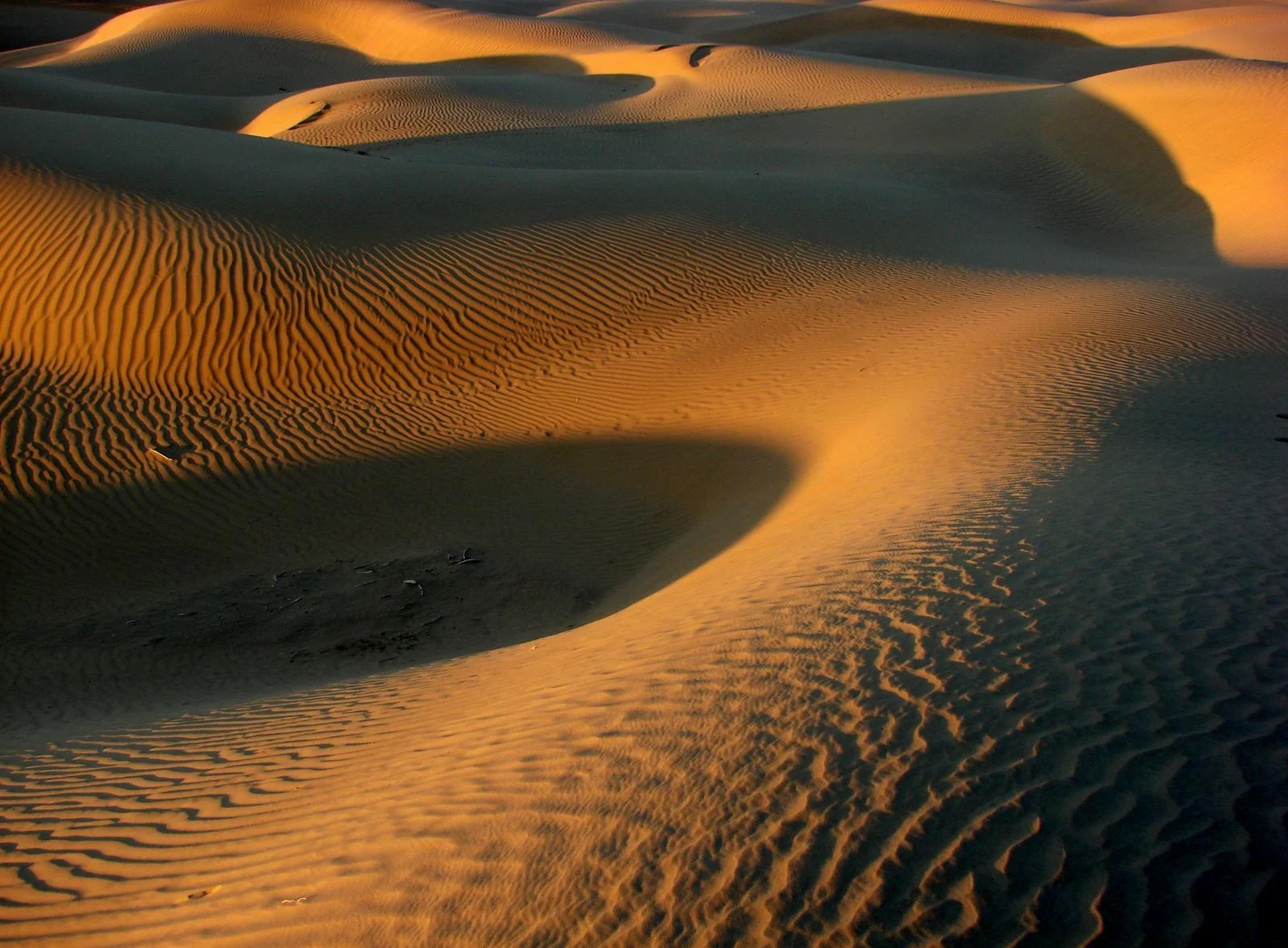
Sand dunes in the Thar Desert, Rajasthan, India.

India · Habitat field guide

Drylands & desert

The Thar includes vegetated patches as well as open dry ground.

Sand dunes in the Thar Desert, Rajasthan, India.

Photograph: Sankara Subramanian from Bangalore, India · Image source · CC BY 2.0. Cropped to fill the hero; darkened for text legibility.

Understanding the environment

A sense of the habitat.

The Thar includes vegetated patches as well as open dry ground.

Read closely
Vegetation, water and substrate
Local example
Desert National Park
Evidence scale
Named sites, not country-wide occurrence

Explore the structure · Select a zone to compare its structure and details worth recording.

Read the habitat

Select a zone to see what changes.

Read the surface

Open ground

Distinguish rock, sand and compact soil.

Observation prompts do not establish that a particular snake occurs in this zone.

Conceptual zones, not a measured transect or a map of snake occurrences.

Sources: Rajasthan / UNESCO · Desert National Park proposal

Field notes · 01

Landscape context

The Rajasthan Tentative List submission places Desert National Park in the hot, low-rainfall Thar. Notes should distinguish substrate and cover and retain a named locality. The heritage proposal does not establish snake distributions.

Sources: Rajasthan / UNESCO · Desert National Park proposal

Field notes · 02

From habitat to an observation

Keep the locality, date and habitat description together. A landscape source explains the setting; only a verified species record establishes occurrence. The collection below may be smaller than the variety of environments described here.

Pressures on India’s habitats

What is at risk?

A site-specific assessment of pressures has not yet been extracted for this guide. The landscape sources below provide context; they do not establish a current threat level for each snake species.

What helps this habitat

Retain the local habitat mosaic and its connections. Interpret pressures using the cited site evidence and current local management guidance.

The connected collection

Snakes with habitat evidence.

These 5 species have supported country occurrence and an explicit habitat association in the shared account. The association may come from elsewhere in their range. This is not a complete local habitat inventory; the places above are landscape examples, not asserted collecting sites.

5 species · showing 5

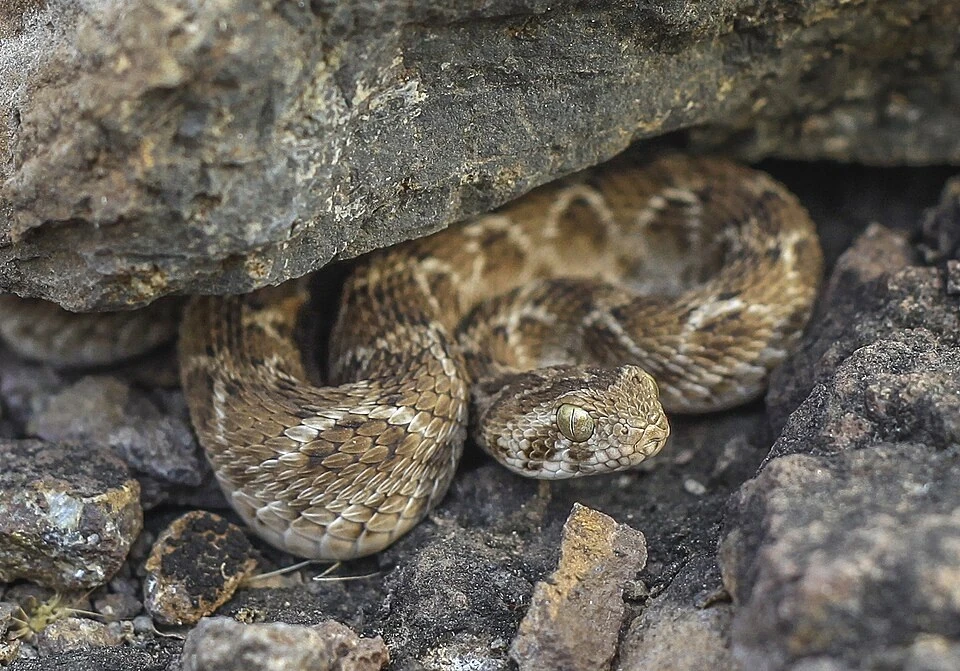
Echis carinatus. Identification follows the linked source photograph.

001 · Viperidae

Saw-scaled Viper, Phoorsa

Echis carinatus

(SCHNEIDER, 1801)

VenomousClinical severity not established

India is explicitly listed in the checked individual taxonomic treatment. The national ZSI checklist independently lists Echis carinatus. Regional evidence: Jammu and Kashmir, Himachal Pradesh, Himachal; Madhya Pradesh; Rajasthan, Gujarat, Maharashtra; Kerala, Tamil Nadu, Andhra Pradesh, Telangana. Named records do not imply continuous occurrence…

Read the species account →

Sagar khunte · CC BY-SA 4.0 · https://creativecommons.org/licenses/by-sa/4.0
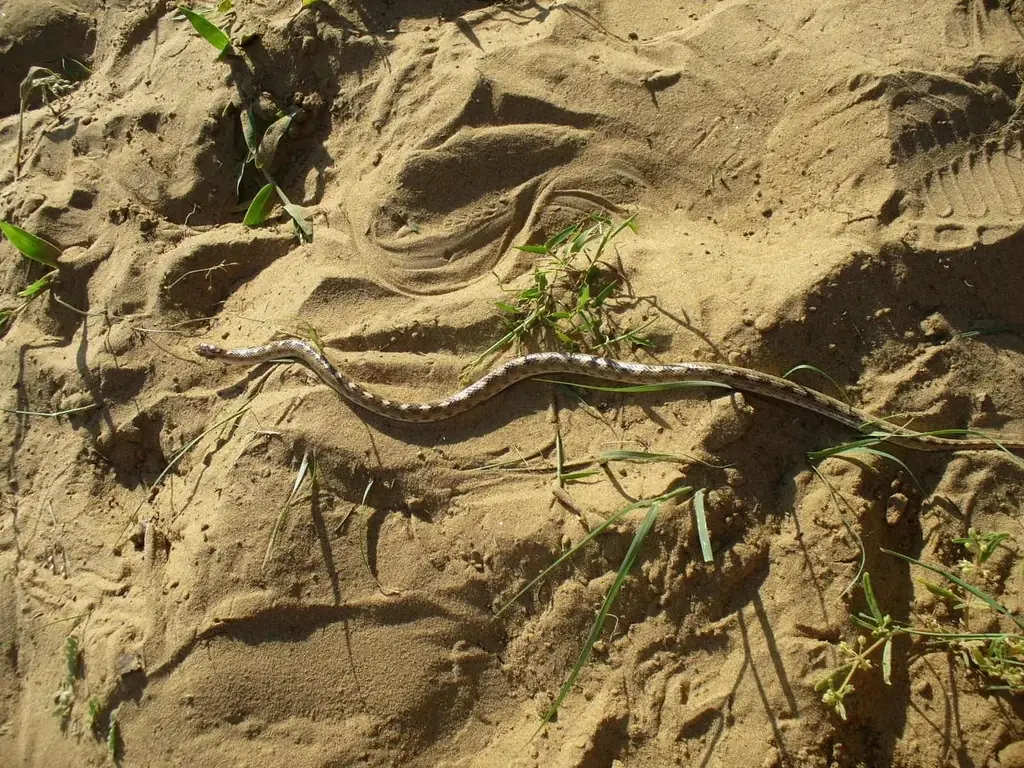
Lytorhynchus paradoxus. Identification follows the linked source community.

002 · Colubridae

Sindh Awl-headed Snake, Sind Longnose Sand Snake

Lytorhynchus paradoxus

(GÜNTHER, 1875)

Venom unknownNot yet assessed

India is explicitly listed in the checked individual taxonomic treatment. The national ZSI checklist independently lists Lytorhynchus paradoxus. Regional evidence: Rajasthan. Named records do not imply continuous occurrence throughout a region.

Read the species account →

Mittal Gala · CC BY 4.0 · https://creativecommons.org/licenses/by/4.0/

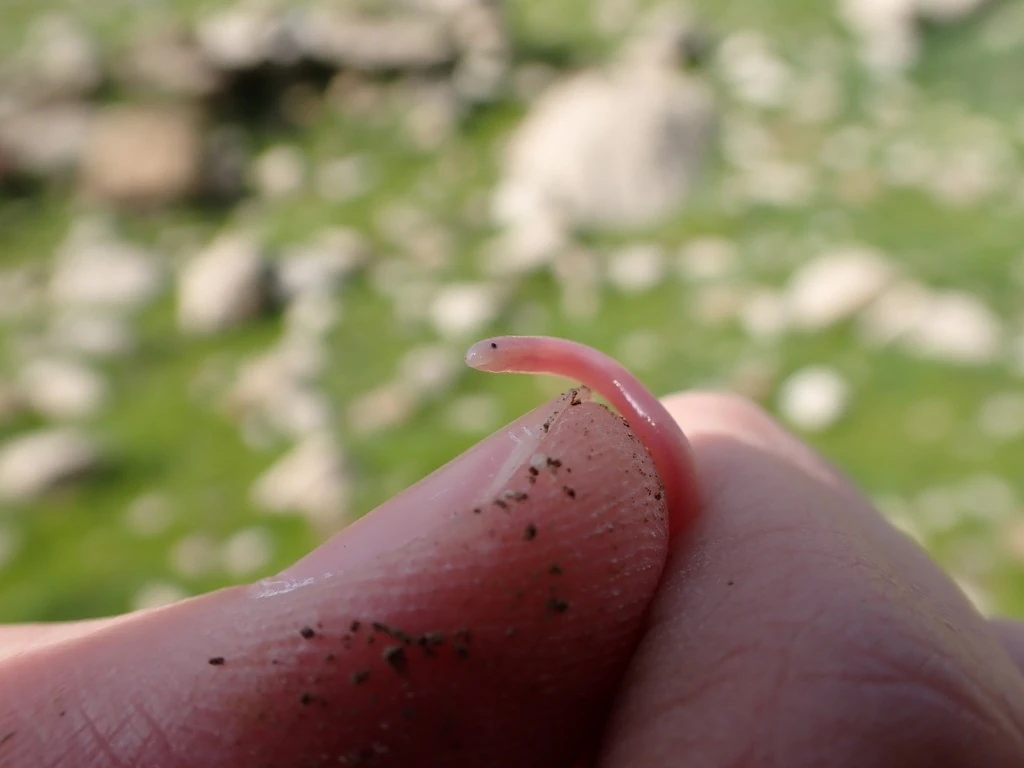
Myriopholis macrorhyncha. Identification follows the linked source community.

003 · Leptotyphlopidae

Longnosed Worm Snake, Hook-snouted worm snake

Myriopholis macrorhyncha

(JAN, 1860)

Non-venomous

India is explicitly listed in the checked individual taxonomic treatment. The national ZSI checklist independently lists Myriopholis macrorhyncha. Regional evidence: Gujarat. Named records do not imply continuous occurrence throughout a region.

Read the species account →

Kian · CC BY 4.0 · https://creativecommons.org/licenses/by/4.0/

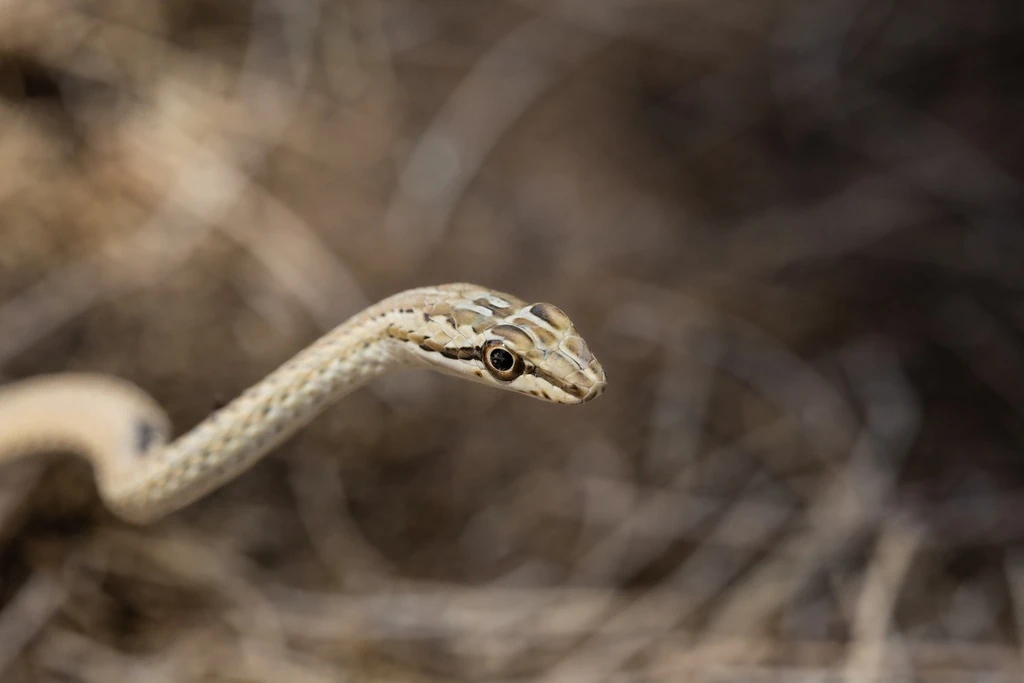
Psammophis schokari. Identification follows the linked source community.

004 · Psammophiidae

Schokari Sand Racer, Forskal Sand Snake

Psammophis schokari

(FORSKÅL, 1775)

VenomousClinical severity not established

India is explicitly listed in the checked individual taxonomic treatment. The national ZSI checklist independently lists Psammophis schokari. Regional evidence: Jammu and Kashmir; Rajasthan. Named records do not imply continuous occurrence throughout a region.

Read the species account →

Mahomed Desai · CC BY 4.0 · https://creativecommons.org/licenses/by/4.0/

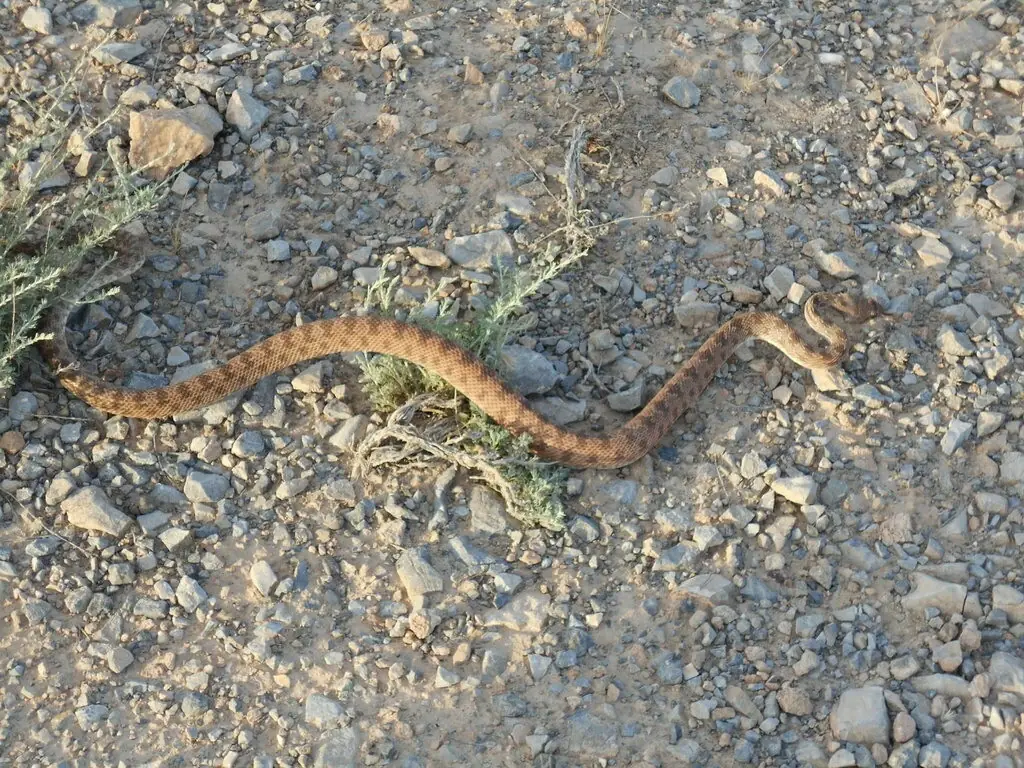
Spalerosophis diadema. Identification follows the linked source community.

005 · Colubridae

Diadem Snake, Royal Snake

Spalerosophis diadema

(SCHLEGEL, 1837)

Venom unknownNot yet assessed

India is explicitly listed in the checked individual taxonomic treatment. The national ZSI checklist independently lists Spalerosophis diadema. Regional evidence: Himachal Pradesh, Himachal; Rajasthan. Named records do not imply continuous occurrence throughout a region.

Read the species account →

Askar Akhmedov · CC BY 4.0 · https://creativecommons.org/licenses/by/4.0/

All 363 species in the country collection →

Read further

Evidence & sources.

Guide reviewed 11 October 2026. Source dates and geographic scope matter; landscape photographs do not establish species occurrence.

  1. Rajasthan / UNESCO · Desert National Park proposal

    2009 Tentative List account of Thar drylands; a proposal, not World Heritage inscription.

Continue through India

Explore another habitat.

01

Forests & woodland

Monsoon forests differ between western mountains, central hills and offshore islands.

02

Mountain habitats

Mountain records need both elevation and vegetation.

03

Grassland & open woodland

Open habitats include seasonally wet grassland.

04

Rivers, lakes & wetlands

Large floodplains contain changing water and vegetation mosaics.

05

Mangroves & tidal forest

Tidal forests connect river sediment, brackish channels and the sea.

06

Coastal & marine landscapes

Reefs, seagrass and island shores need precise habitat descriptions.