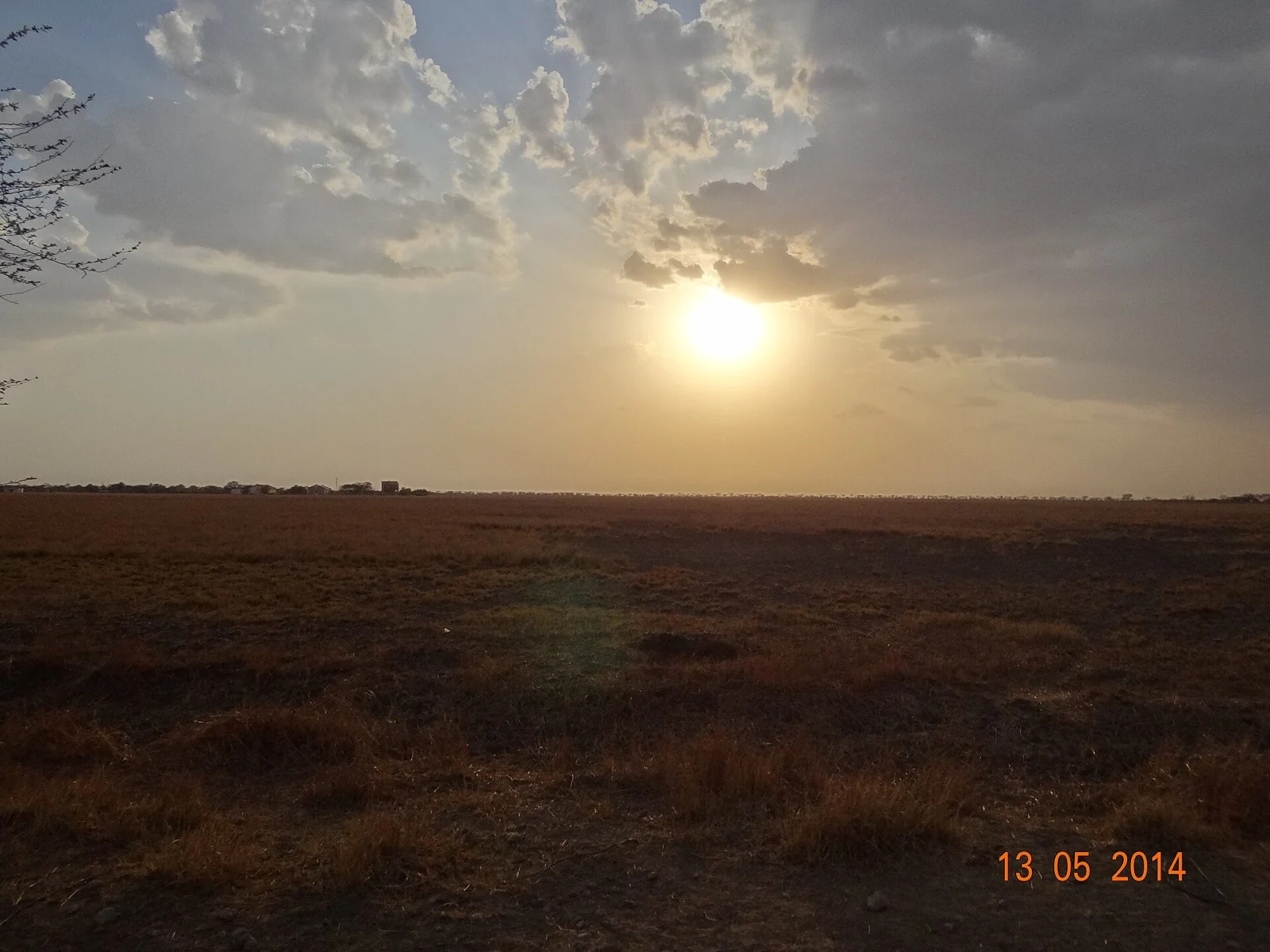
Grassland in Velavadar Blackbuck National Park, Gujarat, India.

India · Habitat field guide

Grassland & open woodland

Open habitats include seasonally wet grassland.

Grassland in Velavadar Blackbuck National Park, Gujarat, India.

Photograph: Uday Damodaran · Image source · CC BY-SA 4.0. Cropped to fill the hero; darkened for text legibility.

Understanding the environment

A sense of the habitat.

Open habitats include seasonally wet grassland.

Read closely
Vegetation, water and substrate
Local example
Kaziranga
Evidence scale
Named sites, not country-wide occurrence

Explore the structure · Select a zone to compare its structure and details worth recording.

Read the habitat

Select a zone to see what changes.

Read the structure

Grass cover

Note grass height and the open ground between stems.

Observation prompts do not establish that a particular snake occurs in this zone.

Conceptual zones, not a measured transect or a map of snake occurrences.

Sources: UNESCO · Kaziranga National Park

Field notes · 01

Landscape context

Kaziranga offers a wet grassland example within the Brahmaputra floodplain. This guide uses the atlas open-habitat category; it does not reclassify the park as dry savanna.

Sources: UNESCO · Kaziranga National Park

Field notes · 02

From habitat to an observation

Keep the locality, date and habitat description together. A landscape source explains the setting; only a verified species record establishes occurrence. The collection below may be smaller than the variety of environments described here.

Pressures on India’s habitats

What is at risk?

A site-specific assessment of pressures has not yet been extracted for this guide. The landscape sources below provide context; they do not establish a current threat level for each snake species.

What helps this habitat

Retain the local habitat mosaic and its connections. Interpret pressures using the cited site evidence and current local management guidance.

The connected collection

Snakes with habitat evidence.

These 2 species have supported country occurrence and an explicit habitat association in the shared account. The association may come from elsewhere in their range. This is not a complete local habitat inventory; the places above are landscape examples, not asserted collecting sites.

2 species · showing 2

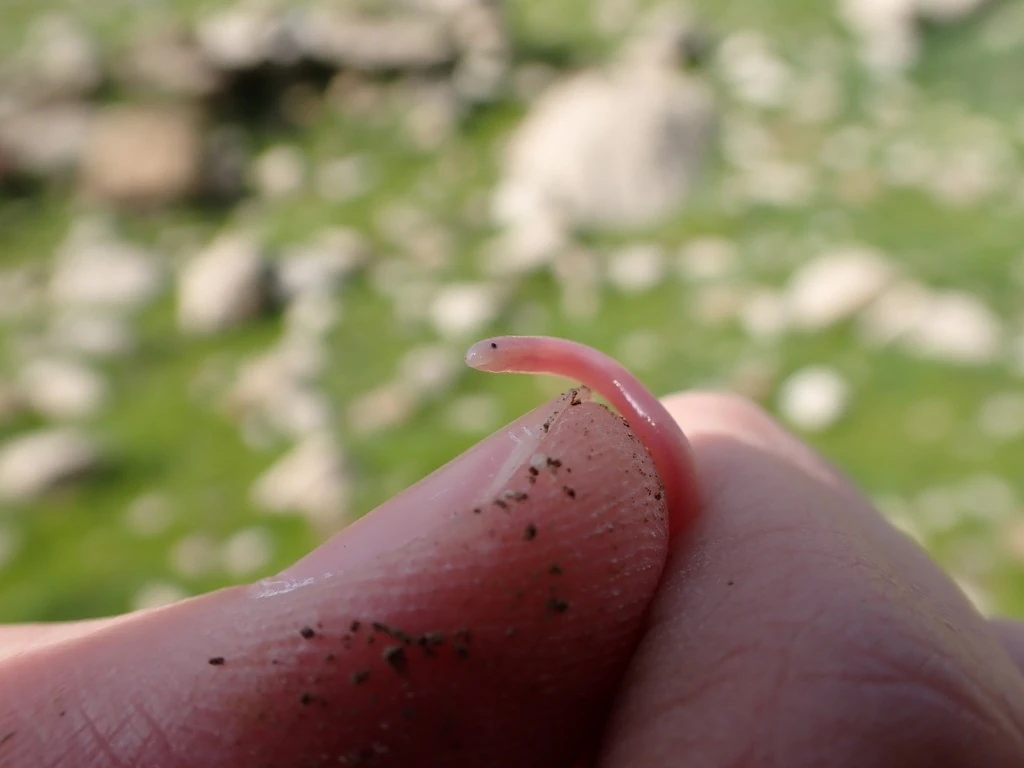
Myriopholis macrorhyncha. Identification follows the linked source community.

001 · Leptotyphlopidae

Longnosed Worm Snake, Hook-snouted worm snake

Myriopholis macrorhyncha

(JAN, 1860)

Non-venomous

India is explicitly listed in the checked individual taxonomic treatment. The national ZSI checklist independently lists Myriopholis macrorhyncha. Regional evidence: Gujarat. Named records do not imply continuous occurrence throughout a region.

Read the species account →

Kian · CC BY 4.0 · https://creativecommons.org/licenses/by/4.0/
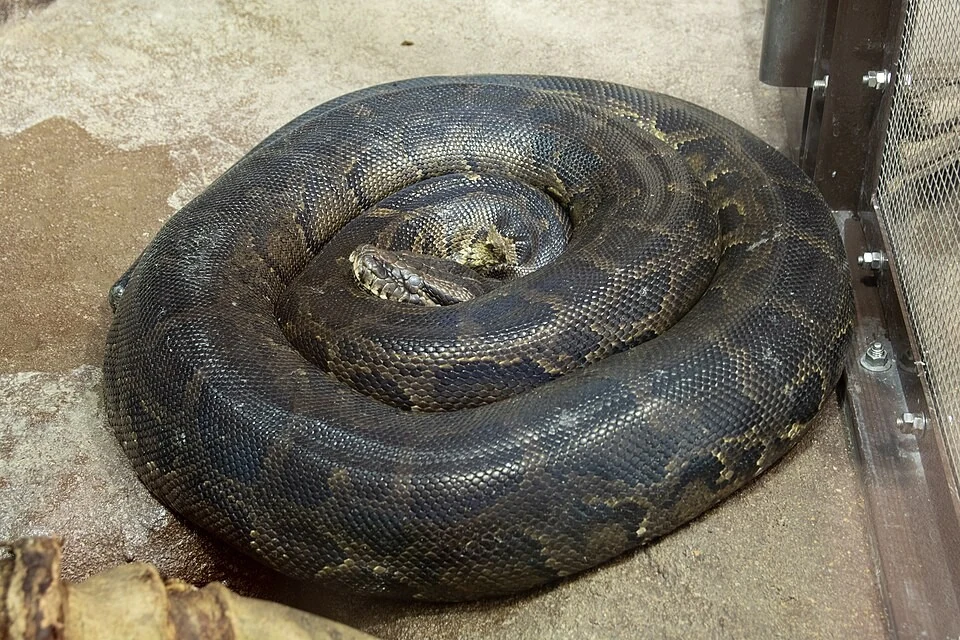
Python bivittatus — real specimen photograph; identification follows the linked source.

002 · Pythonidae

Burmese Python

Python bivittatus

KUHL, 1820

Non-venomous

India is explicitly listed in the checked individual taxonomic treatment. The national ZSI checklist independently lists Python bivittatus. Regional evidence: Uttar Pradesh; Assam, Arunachal Pradesh, Meghalaya, Nagaland, Mizoram, Tripura, Sikkim. Named records do not imply continuous occurrence throughout a region.

Read the species account →

Σ64 · CC BY 4.0 · https://creativecommons.org/licenses/by/4.0

All 363 species in the country collection →

Read further

Evidence & sources.

Guide reviewed 11 October 2026. Source dates and geographic scope matter; landscape photographs do not establish species occurrence.

  1. UNESCO · Kaziranga National Park

    Brahmaputra floodplain grassland, pools and woodland; site-specific context.

Continue through India

Explore another habitat.

01

Forests & woodland

Monsoon forests differ between western mountains, central hills and offshore islands.

02

Mountain habitats

Mountain records need both elevation and vegetation.

03

Drylands & desert

The Thar includes vegetated patches as well as open dry ground.

04

Rivers, lakes & wetlands

Large floodplains contain changing water and vegetation mosaics.

05

Mangroves & tidal forest

Tidal forests connect river sediment, brackish channels and the sea.

06

Coastal & marine landscapes

Reefs, seagrass and island shores need precise habitat descriptions.