Water and pollution
UNESCO identifies changed freshwater supply and potential oil pollution as concerns for the Indian Sundarbans.
Sources: UNESCO · Sundarbans National Park
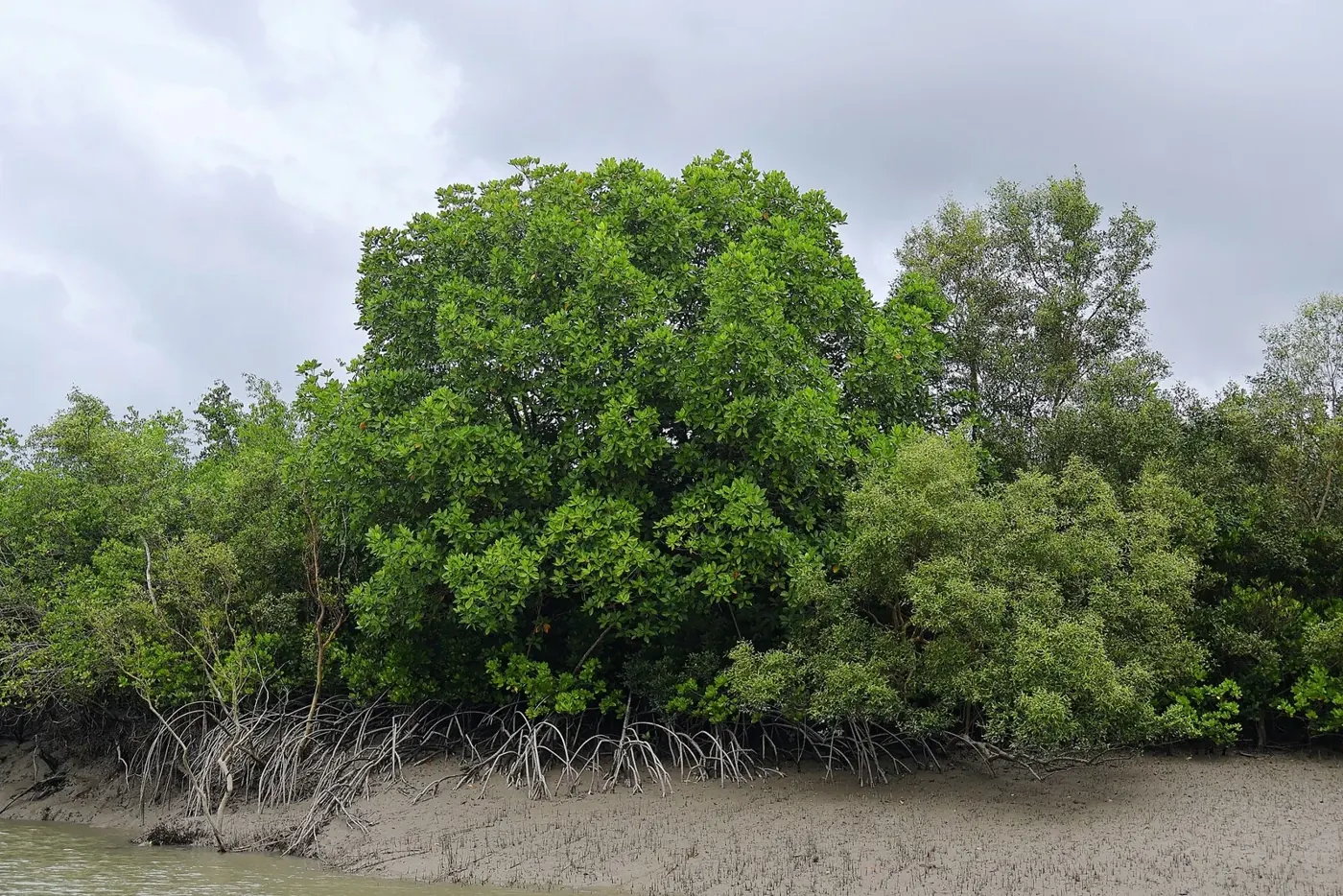
India · Habitat field guide
Tidal forests connect river sediment, brackish channels and the sea.
Mangrove vegetation in the Sundarbans, West Bengal, India.
Understanding the environment
Tidal forests connect river sediment, brackish channels and the sea.
Explore the structure · Select a zone to compare its structure and details worth recording.
Select a zone to see what changes.
Watch the water
Record tidal stage and channel setting.
Observation prompts do not establish that a particular snake occurs in this zone.
Conceptual zones, not a measured transect or a map of snake occurrences.
Sources: UNESCO · Sundarbans National Park
Field notes · 01
In the Indian Sundarbans, channels and mangrove islands are reshaped by erosion and deposition. Record the country and named waterway: the wider landscape also extends into Bangladesh.
Sources: UNESCO · Sundarbans National Park
Field notes · 02
Keep the locality, date and habitat description together. A landscape source explains the setting; only a verified species record establishes occurrence. The collection below may be smaller than the variety of environments described here.
Pressures on India’s habitats
UNESCO identifies changed freshwater supply and potential oil pollution as concerns for the Indian Sundarbans.
Sources: UNESCO · Sundarbans National Park
Retain the local habitat mosaic and its connections. Interpret pressures using the cited site evidence and current local management guidance.
The connected collection
These 9 species have supported country occurrence and an explicit habitat association in the shared account. The association may come from elsewhere in their range. This is not a complete local habitat inventory; the places above are landscape examples, not asserted collecting sites.
9 species · showing 9
001 · Acrochordidae
Little filesnake
India is explicitly listed in the checked individual taxonomic treatment. The national ZSI checklist independently lists Acrochordus granulatus. Regional evidence: Gujarat; Kerala, Madras; Nicobar. Named records do not imply continuous occurrence throughout a region.
Read the species account →Mario Lutz · Copyright Mario Lutz. Authorised for display in this atlas; no third-party reuse licence granted.
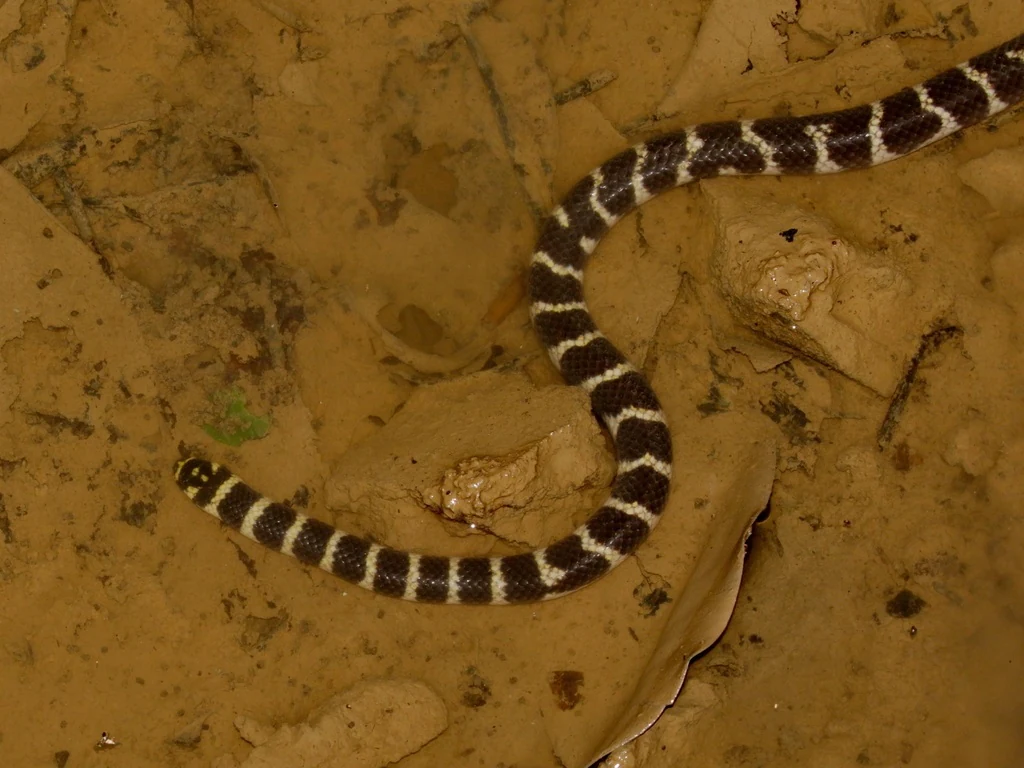
002 · Homalopsidae
Cantor's Water Snake
India is explicitly listed in the checked individual taxonomic treatment. The national ZSI checklist independently lists Cantoria violacea. Regional evidence: Andaman. Named records do not imply continuous occurrence throughout a region.
Read the species account →Ian Dugdale · CC BY 4.0 · https://creativecommons.org/licenses/by/4.0/
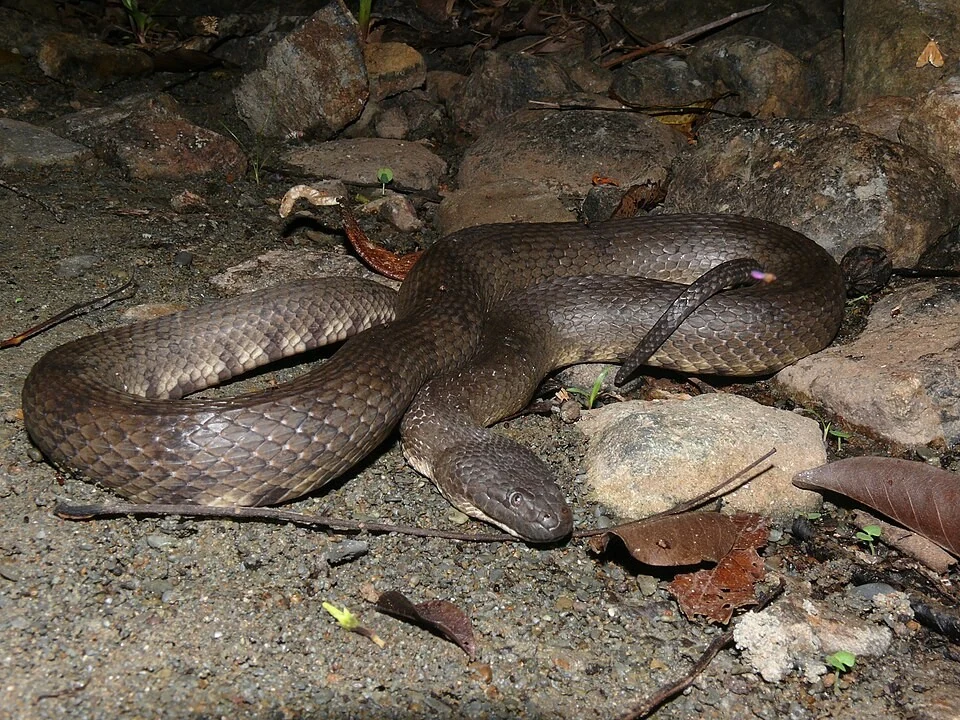
003 · Homalopsidae
South Asian Bockadam, New Guinea bockadam, Dog-faced Water Snake
India is explicitly listed in the checked individual taxonomic treatment. The national ZSI checklist independently lists Cerberus rynchops. Regional evidence: Assam; Odisha, Orissa; Gujarat, Maharashtra; Kerala, Tamil Nadu, Telangana; Andaman, Nicobar. Named records do not imply continuous occurrence throughout a region.
Read the species account →Swati Sidhu · CC BY-SA 4.0 · https://creativecommons.org/licenses/by-sa/4.0
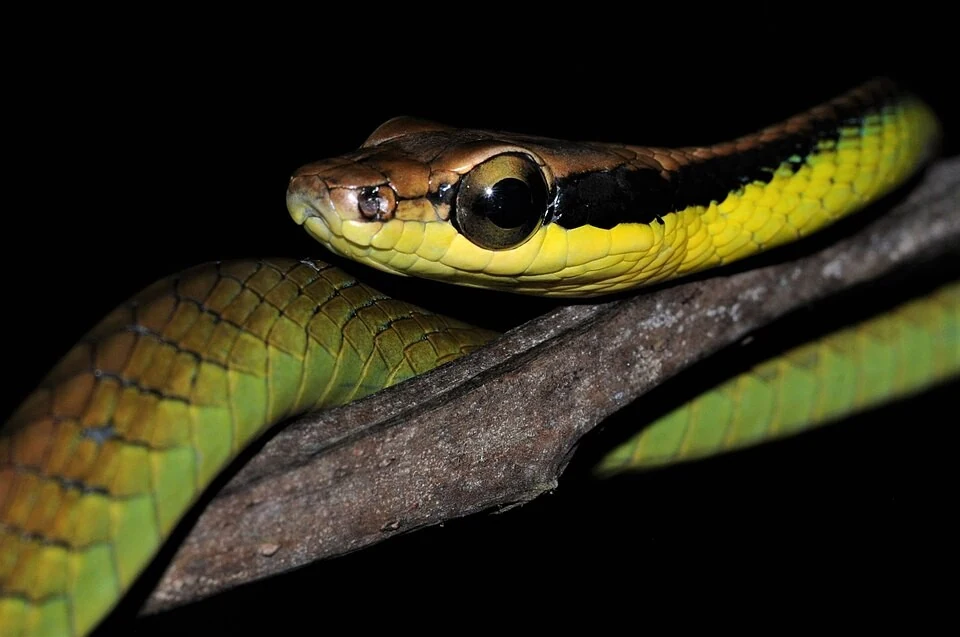
004 · Colubridae
Wall's Bronzeback
India is listed in the official 2025 ZSI checklist, which supersedes the older checklist omissions or unresolved range strings repeated in some taxonomic treatments. Regional evidence: Assam, Arunachal Pradesh, Mizoram, Sikkim. Named records do not imply continuous occurrence throughout a region.
Read the species account →Marius Burger · CC0 · https://creativecommons.org/publicdomain/zero/1.0/deed.en
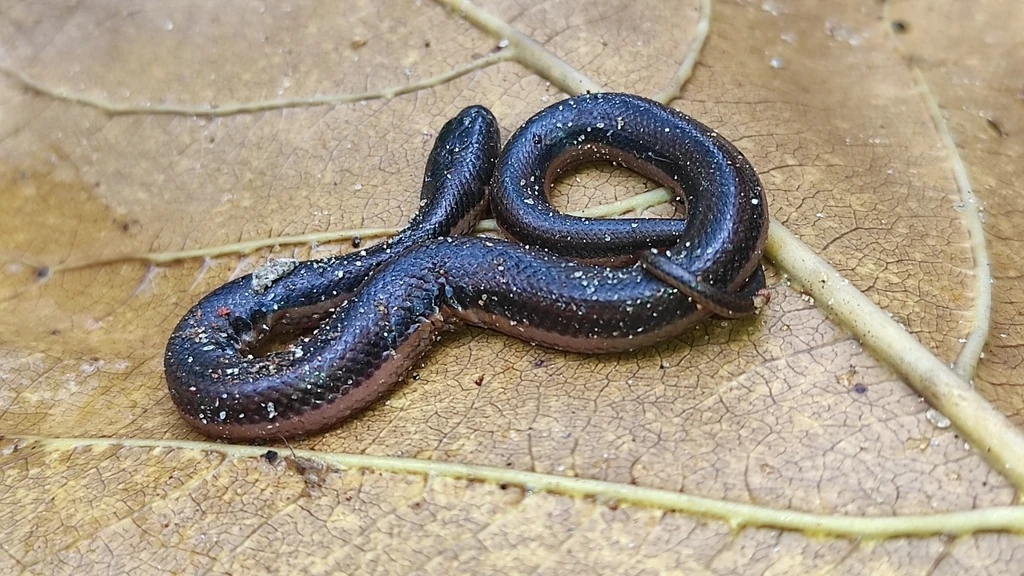
005 · Homalopsidae
Kerala Mud Snake, Dussumier's Water Snake
India is explicitly listed in the checked individual taxonomic treatment. The national ZSI checklist independently lists Dieurostus dussumieri. Regional evidence: Kerala. Named records do not imply continuous occurrence throughout a region.
Read the species account →renjus box · CC BY 4.0 · https://creativecommons.org/licenses/by/4.0/
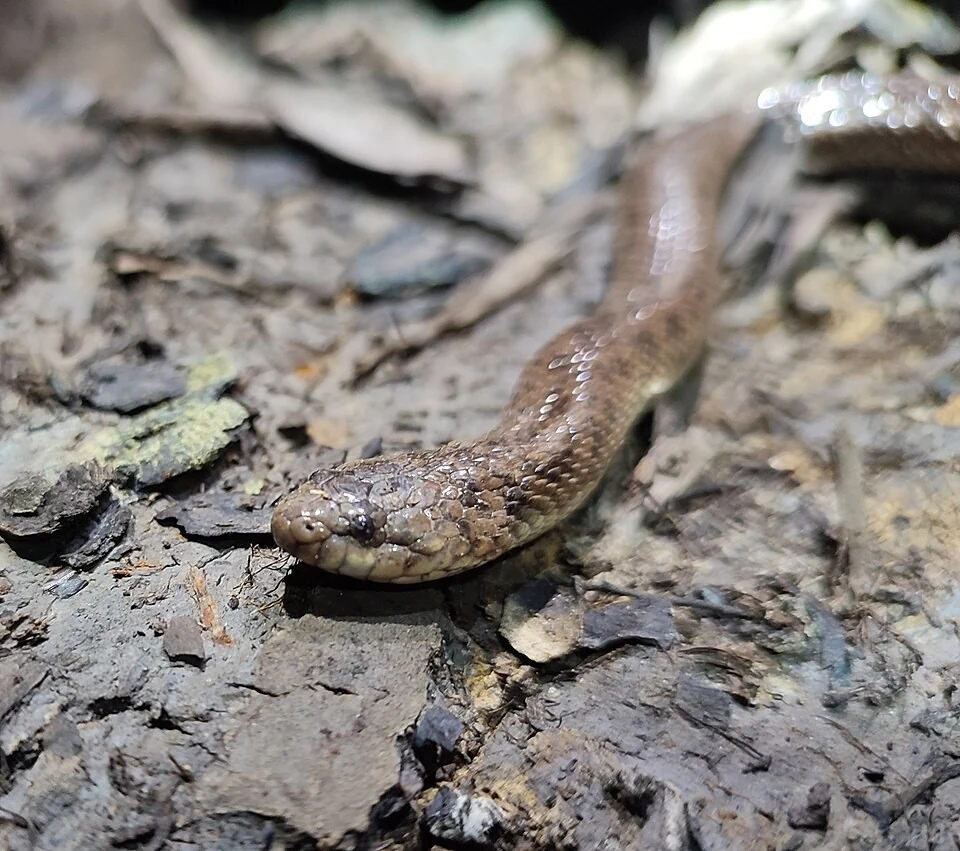
006 · Homalopsidae
Crab-eating (Water) Snake
India is explicitly listed in the checked individual taxonomic treatment. The national ZSI checklist independently lists Fordonia leucobalia.
Read the species account →Samuel GUIRAUDOU · CC BY 4.0 · https://creativecommons.org/licenses/by/4.0
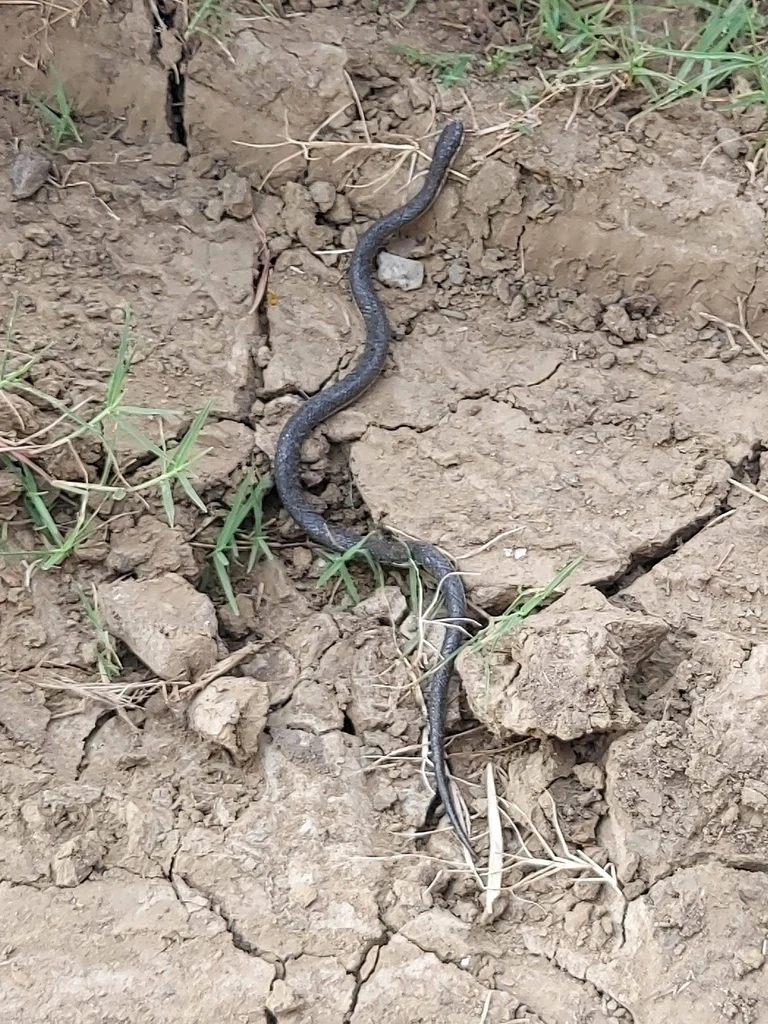
007 · Homalopsidae
Gerard's Water Snake
India is explicitly listed in the checked individual taxonomic treatment. The national ZSI checklist independently lists Gerarda prevostiana. Regional evidence: Gujarat, Maharashtra; Kerala. Named records do not imply continuous occurrence throughout a region.
Read the species account →Ramesh Shenai · CC BY 4.0 · https://creativecommons.org/licenses/by/4.0/
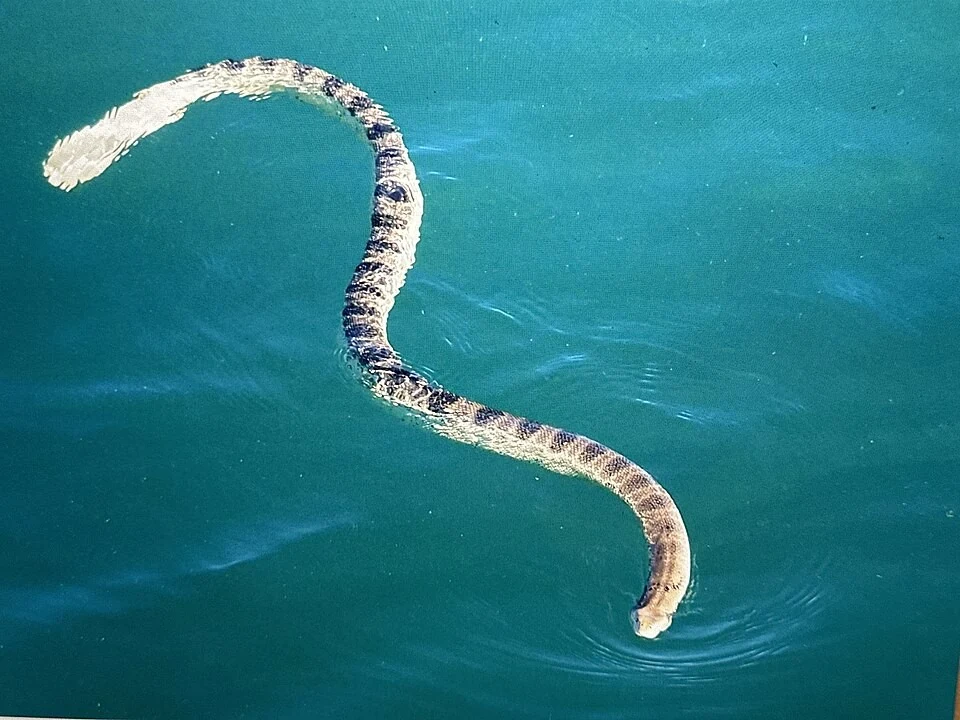
008 · Elapidae
Stoke’s seasnake
India is explicitly listed in the checked individual taxonomic treatment. The national ZSI checklist independently lists Hydrophis stokesii. Regional evidence: Kerala. Named records do not imply continuous occurrence throughout a region.
Read the species account →Rosario · CC BY 4.0 · https://creativecommons.org/licenses/by/4.0
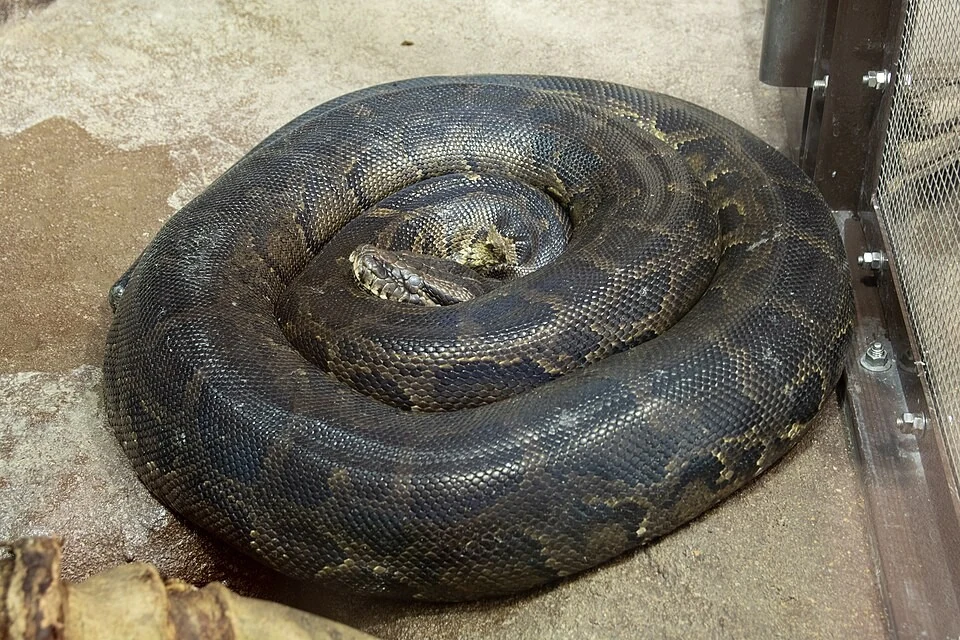
009 · Pythonidae
Burmese Python
India is explicitly listed in the checked individual taxonomic treatment. The national ZSI checklist independently lists Python bivittatus. Regional evidence: Uttar Pradesh; Assam, Arunachal Pradesh, Meghalaya, Nagaland, Mizoram, Tripura, Sikkim. Named records do not imply continuous occurrence throughout a region.
Read the species account →Σ64 · CC BY 4.0 · https://creativecommons.org/licenses/by/4.0
Read further
Guide reviewed 11 October 2026. Source dates and geographic scope matter; landscape photographs do not establish species occurrence.
Indian tidal mangrove landscape and water-quality concerns. Dated fauna totals and inconsistent country shares are not reused.
Continue through India
Monsoon forests differ between western mountains, central hills and offshore islands.
02Mountain records need both elevation and vegetation.
03The Thar includes vegetated patches as well as open dry ground.
04Open habitats include seasonally wet grassland.
05Large floodplains contain changing water and vegetation mosaics.
06Reefs, seagrass and island shores need precise habitat descriptions.