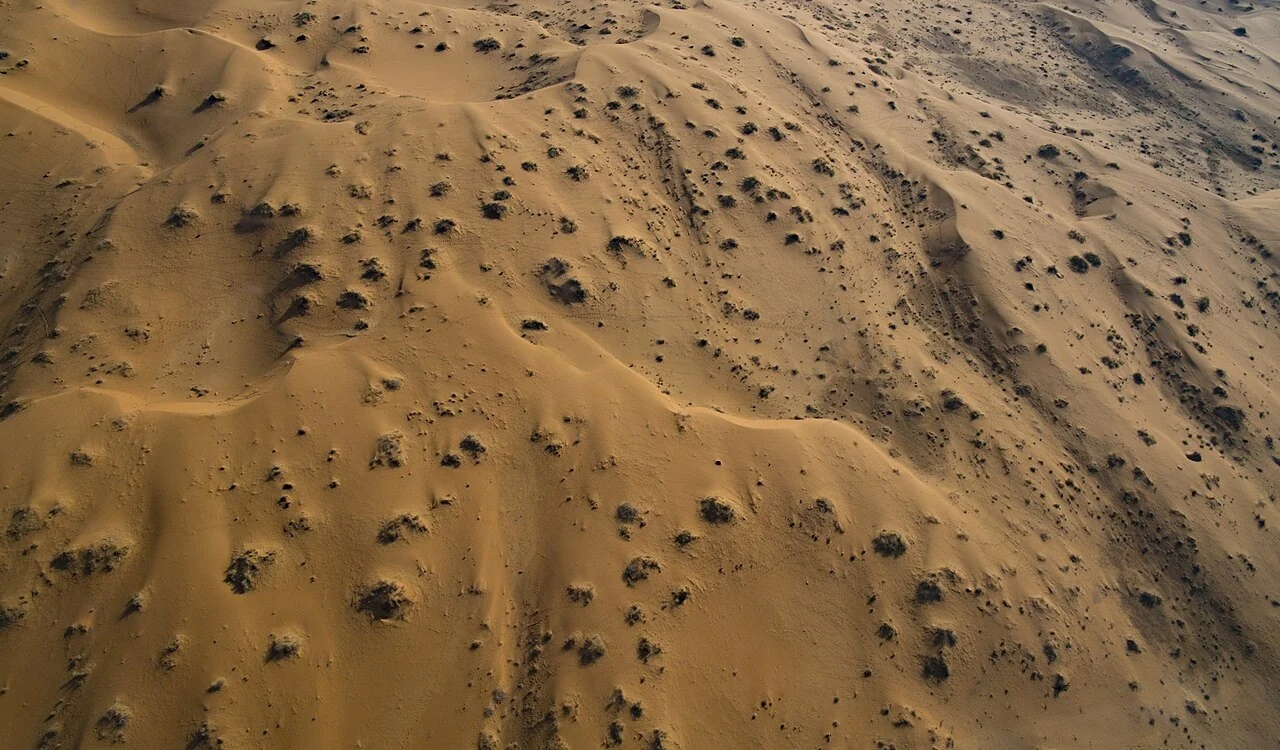
Aerial view of desert dunes in Reg District, Kandahar Province, Afghanistan.

Afghanistan · Place guide

Southern basins & desert margins

Southern provinces include dry basins and important water-dependent margins.

2species with extracted evidence
1families
6region guides

Aerial view of desert dunes in Reg District, Kandahar Province, Afghanistan.

Photograph: Staff Sgt. Clayton Cupit · Image source · Public domain. Cropped to fill the hero; darkened for text legibility.

Geography & biotopes

Read the landscape.

Southern provinces include dry basins and important water-dependent margins.

The 2014 strategy distinguishes the Registan/Sistan drylands and the Hamun wetland complex.

Ecological connections

Record substrate and water stage. Historical wetland descriptions should not be read as a promise of permanent open water.

Explore the setting

Use official site information for access and local conditions. Keep precise locality and date with observations; the map grouping is not a permit or a complete biological region.

This guide indexes these source names: Kandahar, Zabul, Uruzgan, Nimruz, Helmand, Qandahar, Oruzgan, Hilmand. A country-only record is not automatically assigned to this place. Map markers identify navigation destinations, not collection sites.

Afghanistan / UNESCO · Band-e-Amir proposal →

geoBoundaries · Open ADM1 boundary provenance →

Geography is part of the record

Find your way through Afghanistan.

Select a named region to open its evidence page. The complete directory below keeps every guide accessible, including places where locality evidence has not yet been extracted.

13 of 32 listed species have at least one indexed region record. 19 remain country-only. Even a nonzero count is not a complete regional inventory.

Habitats & living landscapes

Explore the living
landscapes.

Explore 4 guides to the environments, places and conservation pressures that shape this country. Each guide connects to the regional map and shared species accounts.

Landscape photographs & credits

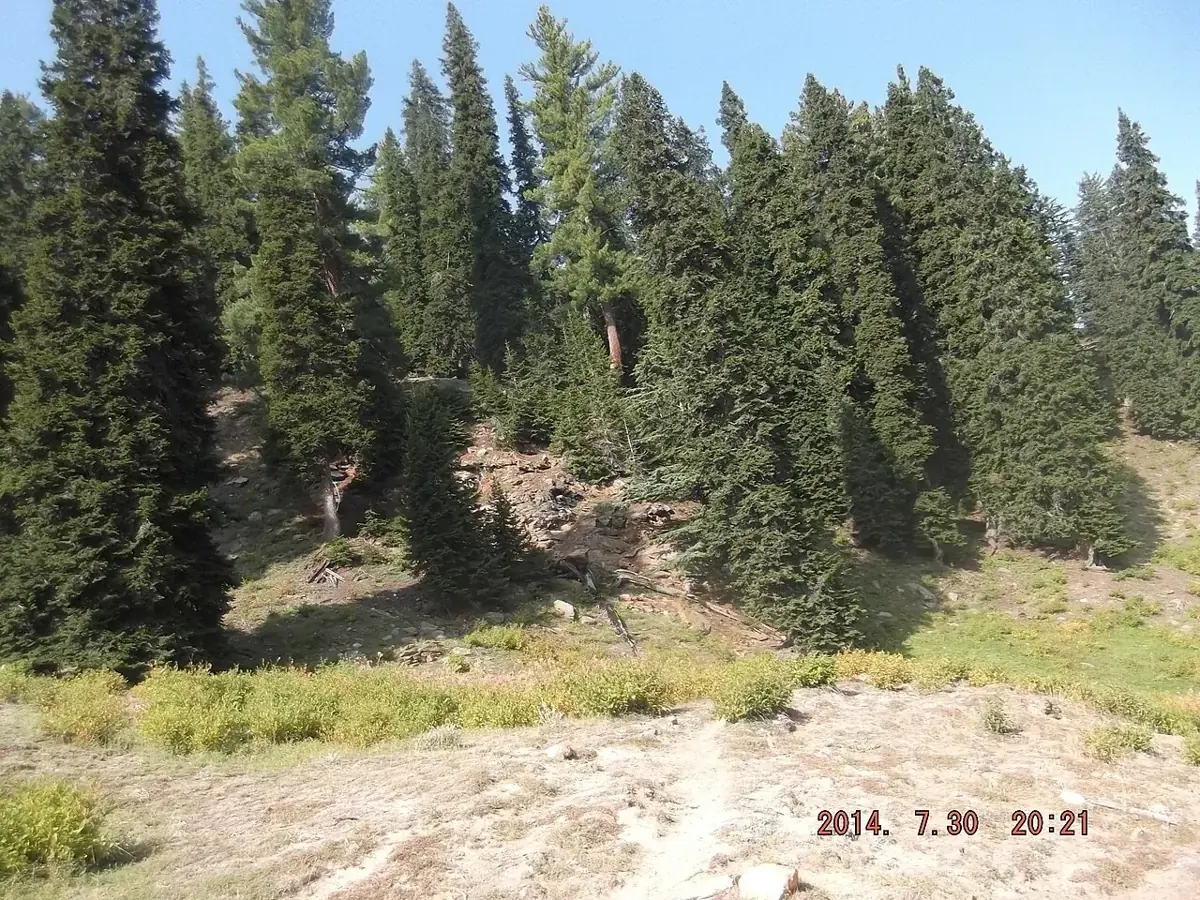
Fir and pine forest at Chitraas, Wama, Nuristan, Afghanistan. — Abdul Qahar Nuristan… (Panoramio user 8787630). Original photograph · CC BY-SA 3.0. Cropped for the cards; photographs do not establish snake occurrence.

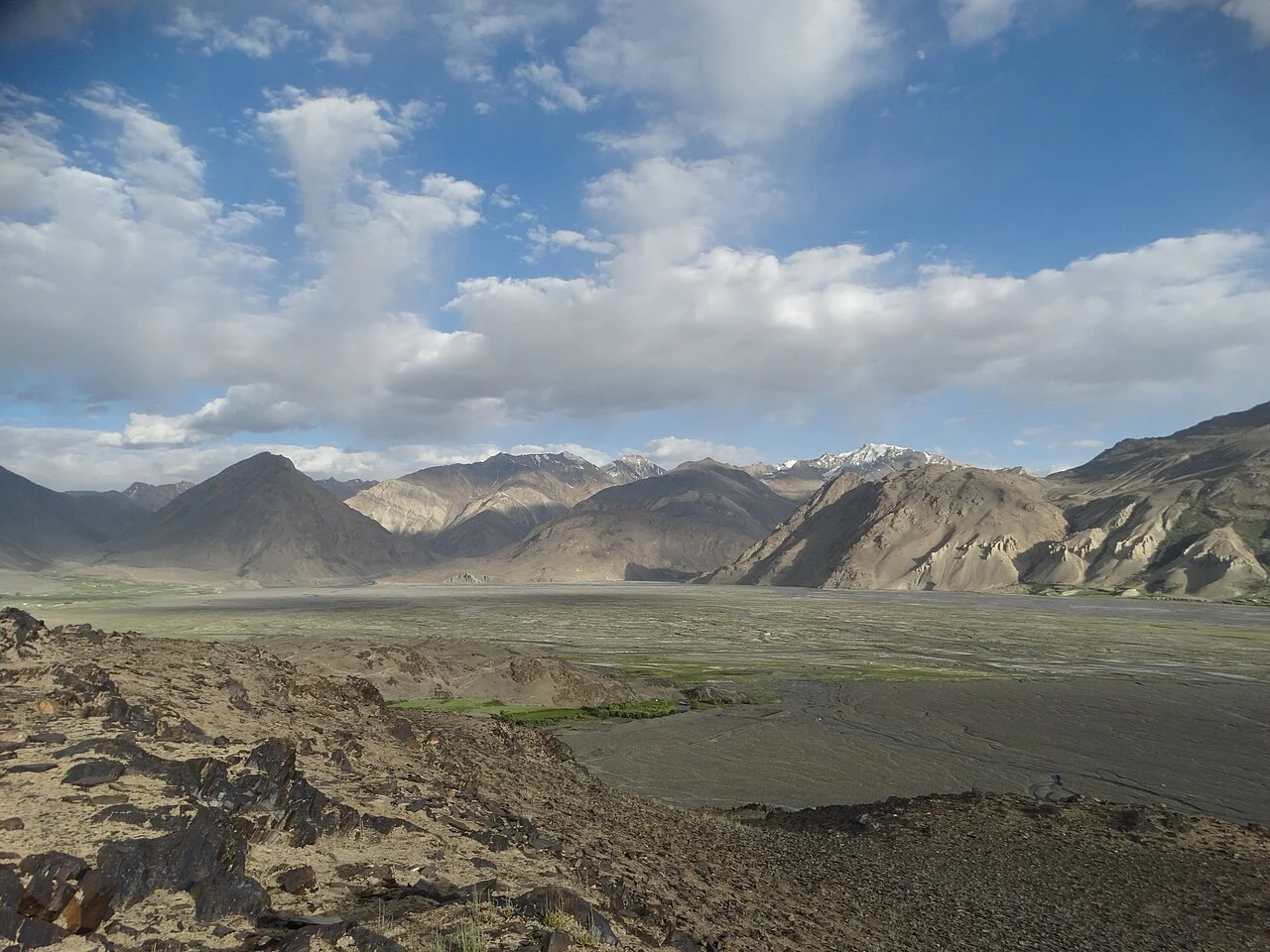
Mountain valley near Sarhad-e Broghil in the Wakhan Corridor, Afghanistan. — Benoît Vicart. Original photograph · CC0. Cropped for the cards; photographs do not establish snake occurrence.

Aerial view of desert dunes in Reg District, Kandahar Province, Afghanistan. — Staff Sgt. Clayton Cupit. Original photograph · Public domain. Cropped for the cards; photographs do not establish snake occurrence.

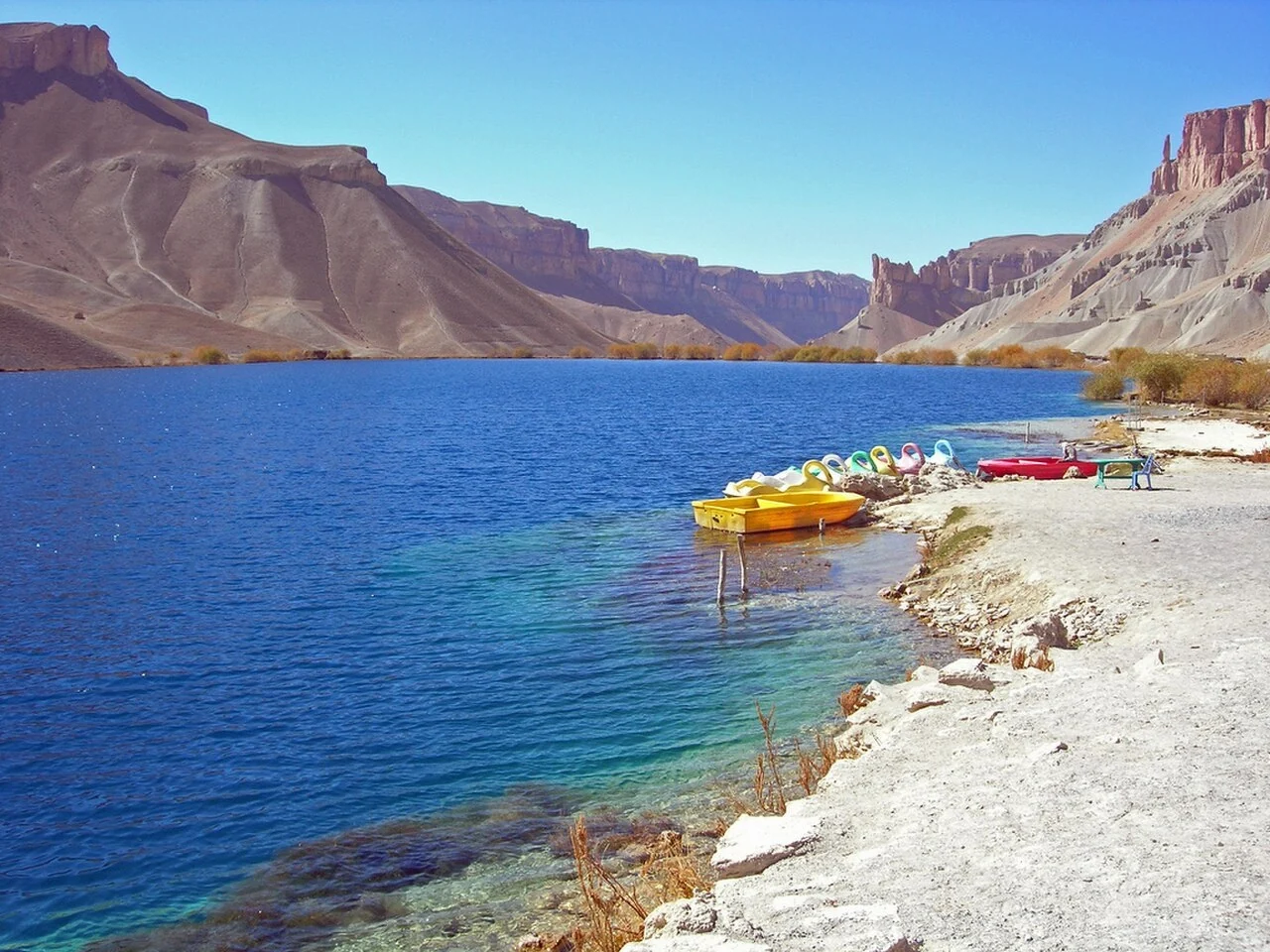
Lake and visitor shoreline at Band-e Amir, Afghanistan. — Carl Montgomery. Original photograph · CC BY 2.0. Cropped for the cards; photographs do not establish snake occurrence.

The species catalogue

Snakes · Southern basins & desert margins.

Only records naming this place appear below. These are extracted locality records, not complete island or regional inventories.

2 species · showing 2

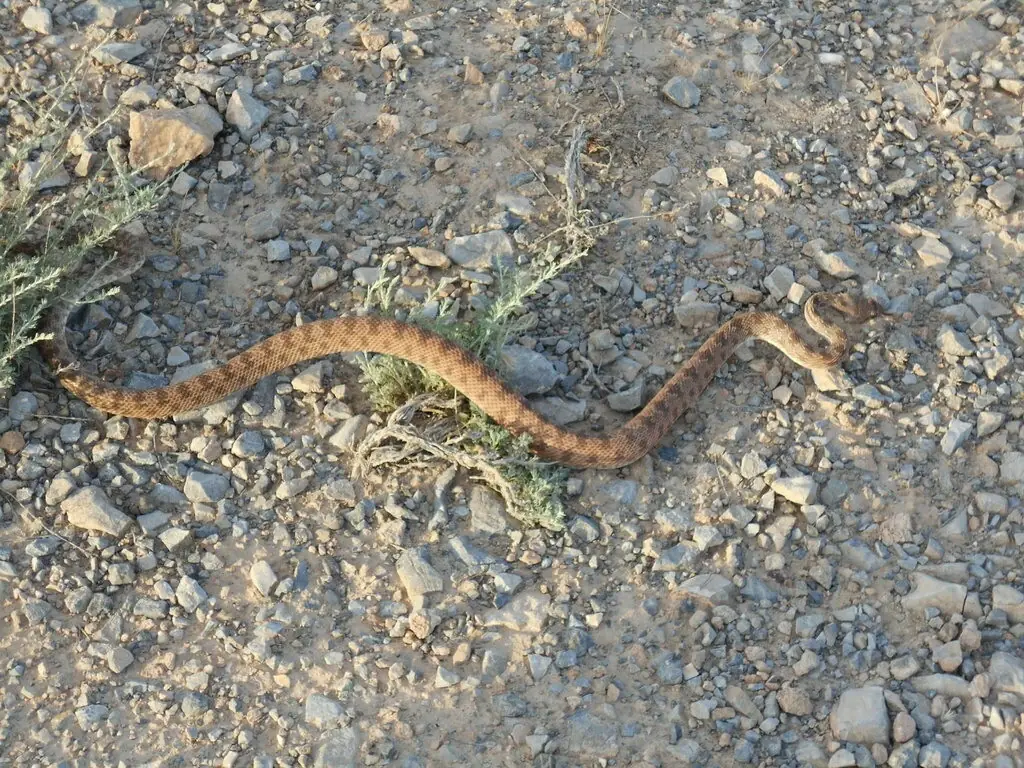
Spalerosophis diadema. Identification follows the linked source community.

002 · Colubridae

Diadem Snake, Royal Snake

Spalerosophis diadema

(SCHLEGEL, 1837)

Venom unknownNot yet assessed

The 2025 field-study Table 1 documents Chamkani, Paktia, at 1,787 m, with archived photographic vouchers from 2012. The 2025 field-study Table 1 documents Chamkani, Paktia, at 1,787 m, with archived photographic vouchers from 2012. Records: Kabul, 25 June 2011, 1,865 m; Spin Boldak, 20 November 2010, 1,193 m.

Read the species account →

Askar Akhmedov · CC BY 4.0 · https://creativecommons.org/licenses/by/4.0/

Explore all 32 country records →

The research library

Sources & the checklist.

This edition lists 32 species with supported country records from checked taxonomic treatments and cited field studies. It is not a claim of a complete national inventory. Each account retains its source and check date; individual evidence entries retain their own review dates.

Independent checklist comparison · 2026-10-11

33 confirmed or introduced shared species currently link to this chapter. Table 2 is a 16-entry colubrid review, not a complete national snake inventory. Its subspecies and uncertain Eirenis aff. persicus entry are not counted as extra accepted species. Table 1 supplies named Afghan field localities, including new Lycodon bicolor and Spalerosophis arenarius records. Other families use checked individual treatments, so unsurveyed areas remain a substantial evidence gap.

Jablonski et al. (2025): updated Afghan colubrid checklist and field records ↗

Review still open

Eirenis persicus

The 2025 Afghan review uses Eirenis aff. persicus, explicitly leaving the species identity unresolved. The qualified record is not promoted to a confirmed identity.

Gloydius hindukushensis

No unqualified modern-country evidence in the checked distribution. Search hits, historical type localities and neighbouring territories do not prove occurrence.

Lycodon striatus

The 2023 revision places Pakistan-to-Central-Asia populations in Lycodon bicolor. Older striatus assignments are not counted again without a modern voucher.

Naja naja

No unqualified modern-country evidence in the checked distribution. Search hits, historical type localities and neighbouring territories do not prove occurrence.

Oligodon taeniolatus

The updated 2025 Afghan colubrid checklist includes Oligodon russelius, but does not corroborate this older taeniolatus range. A current Afghan voucher remains unresolved.

Platyceps mintonorum

Table 2 itself questions species status. The current treatment retains mintonorum with Platyceps karelini, so it is not added as a duplicate species.

Range and taxonomy review

Country links use a single accepted species identity. Revised names and disputed records are kept visible here; uncertain records do not enter the listed collection or regional totals.

Lycodon striatus

Uncertain — excluded from the listed total

The 2023 revision places Pakistan-to-Central-Asia populations in Lycodon bicolor. Older striatus assignments are not counted again without a modern voucher.

Source 1 ↗

Source 2 ↗

Oligodon taeniolatus

Uncertain — excluded from the listed total

The updated 2025 Afghan colubrid checklist includes Oligodon russelius, but does not corroborate this older taeniolatus range. A current Afghan voucher remains unresolved.

Source 1 ↗

Source 2 ↗

Eirenis persicus

Uncertain — excluded from the listed total

The 2025 Afghan review uses Eirenis aff. persicus, explicitly leaving the species identity unresolved. The qualified record is not promoted to a confirmed identity.

Source 1 ↗

Source 2 ↗

How the map and counts work

Search results were checked against distribution text and taxonomic qualifications. A geographic name alone does not establish a political country: New Guinea, the Solomon archipelago and Micronesia span more than one country or territory. Introduced and unresolved records require separate interpretation.

Place counts require explicit named localities, including valid type localities. Counts can overlap where sources name multiple places. Regional maps group historical boundary snapshots for navigation, while island outlines use Natural Earth; neither is a species range or an observation map. Small islands can be below the outline dataset’s resolution, so geographic reference markers and the directory remain available.

geoBoundaries gbOpen ADM1 · 2007 snapshot · geoBoundaries, source: Wikimedia, geoBoundaries · Public Domain. Generalised navigation geometry, not snake ranges or a statement of territorial status. Map provenance →

  1. Afghanistan · National Biodiversity Strategy (2014) ↗

    Printed pp. 24–25, 32–35: Registan, Wakhan, lake basins and historical pressures. No old protected-status or fauna totals imported.

  2. Afghanistan / UNESCO · Band-e-Amir proposal ↗
  3. geoBoundaries · Open ADM1 boundary provenance ↗
  4. The Reptile Database

    Individual treatments and locality evidence are linked from each species account.

  5. Meiri (2024): SquamBase 1.0

    Species-level literature measurements and ecological traits. Exact-name matches only; imputed or ambiguous fields are omitted. These summaries are not local observations.

  6. Natural Earth: public-domain geographic data

Continue through the Asia atlas →