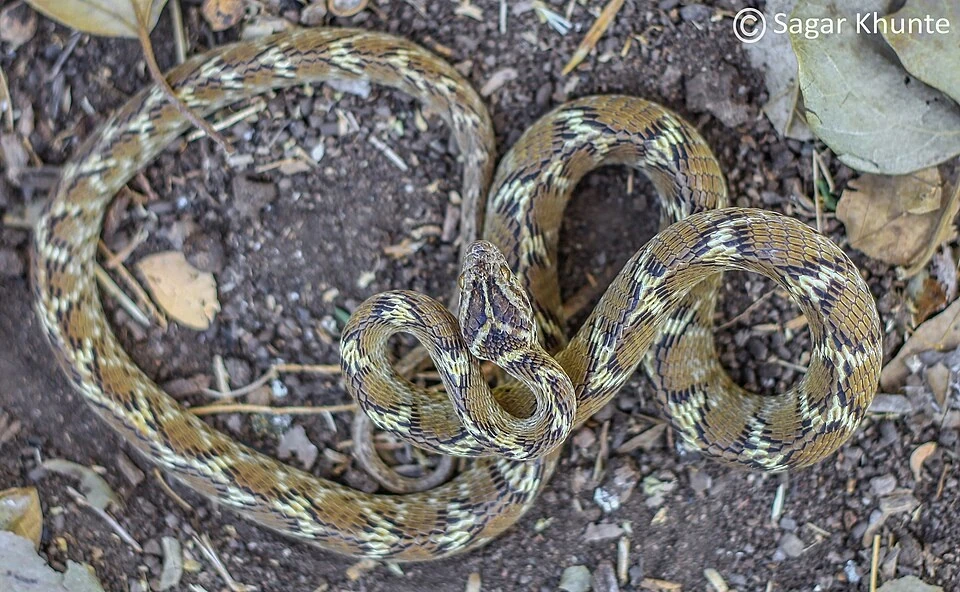
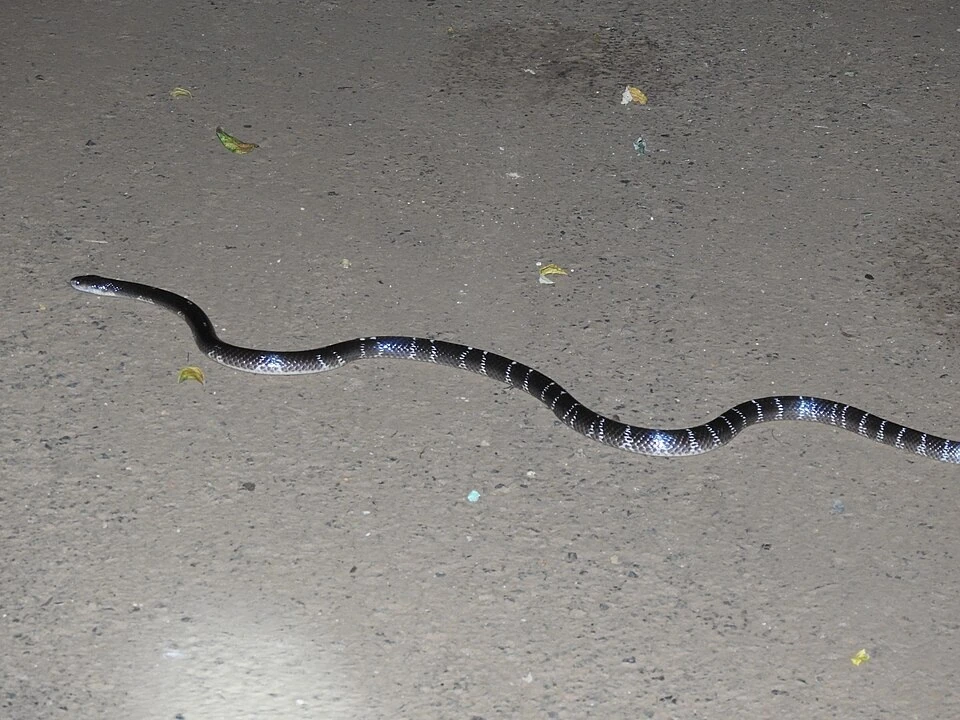
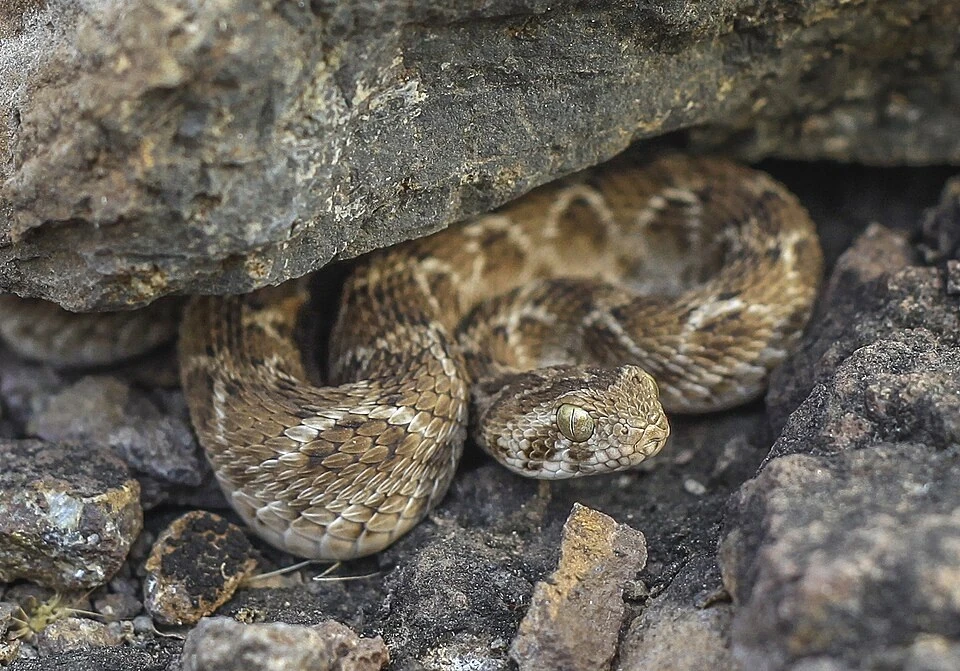
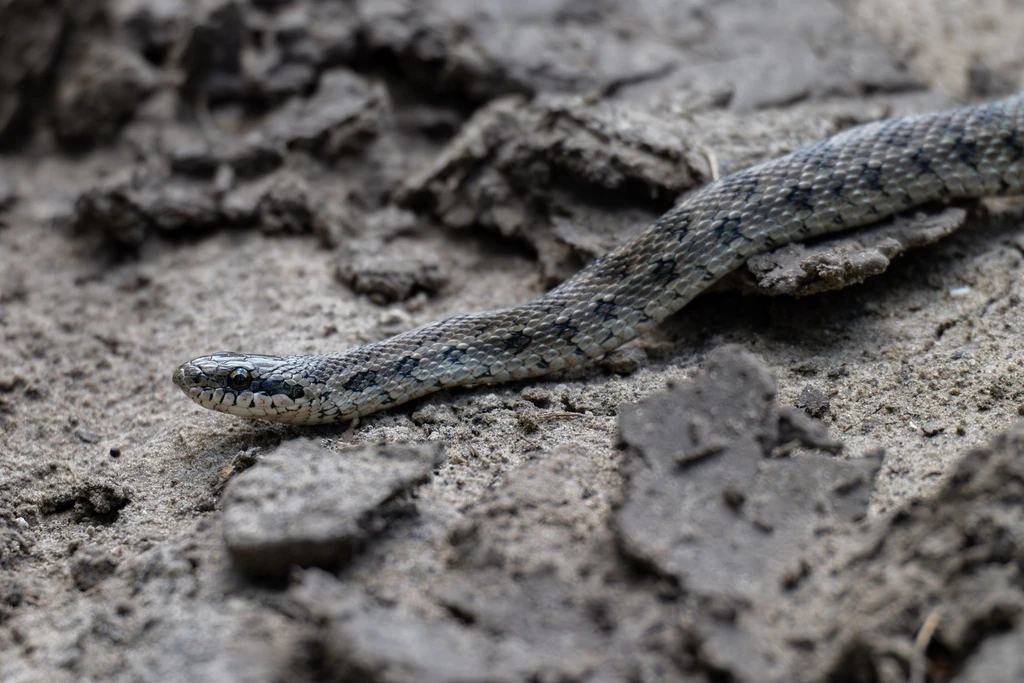
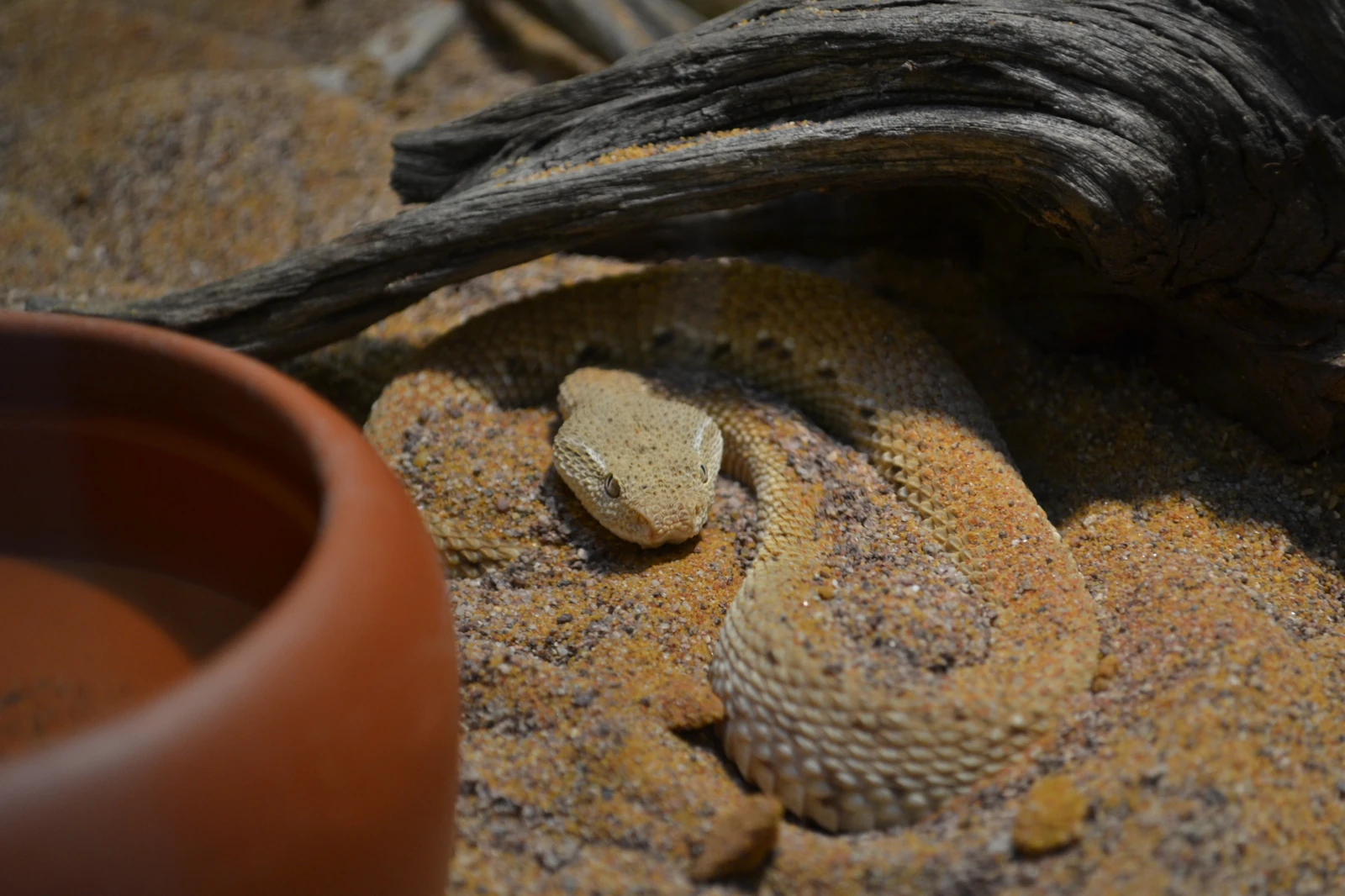
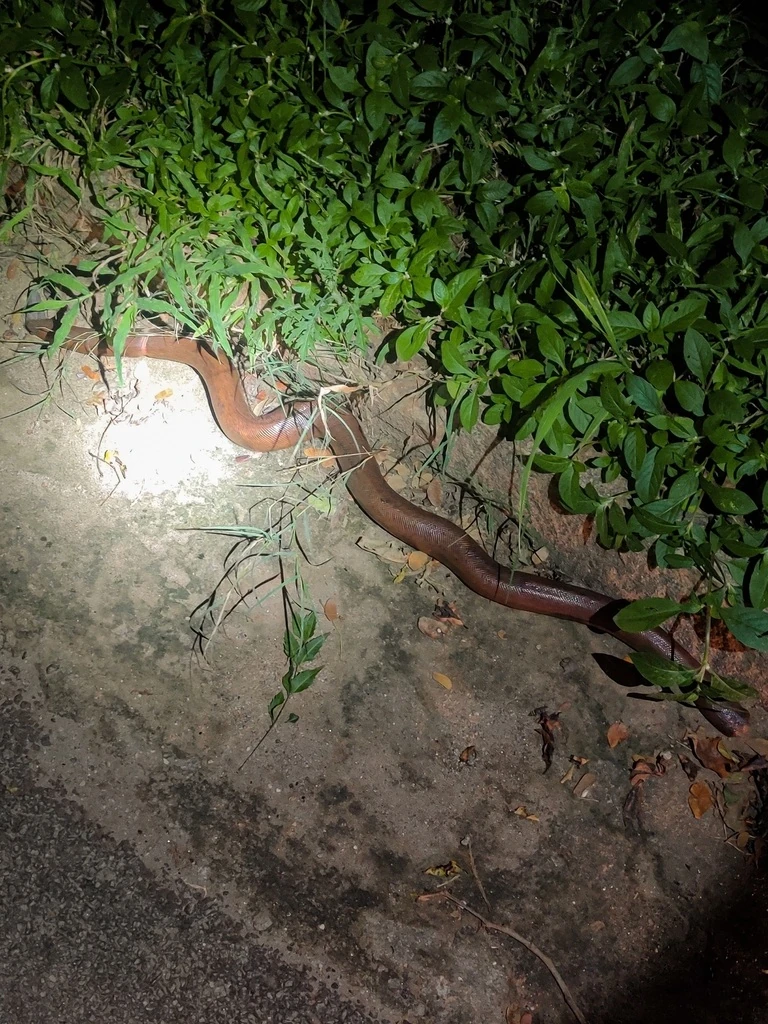
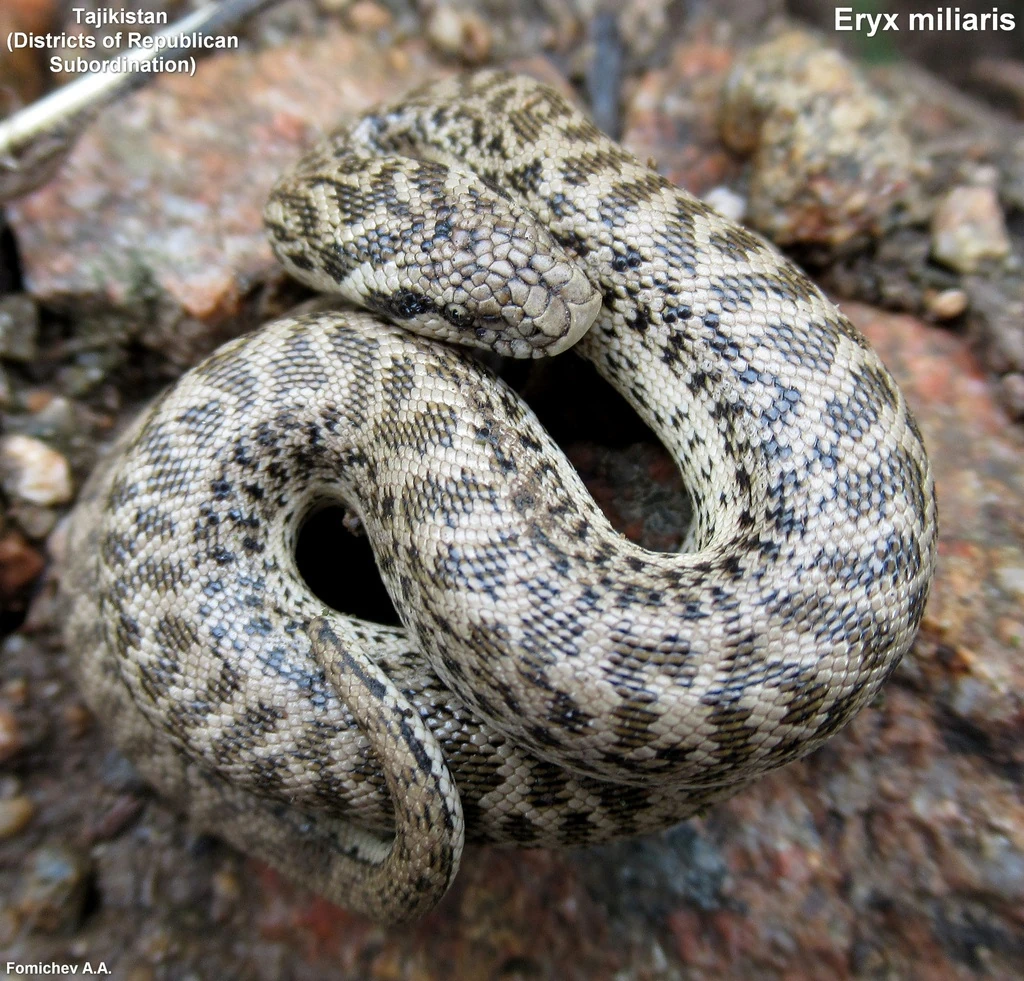
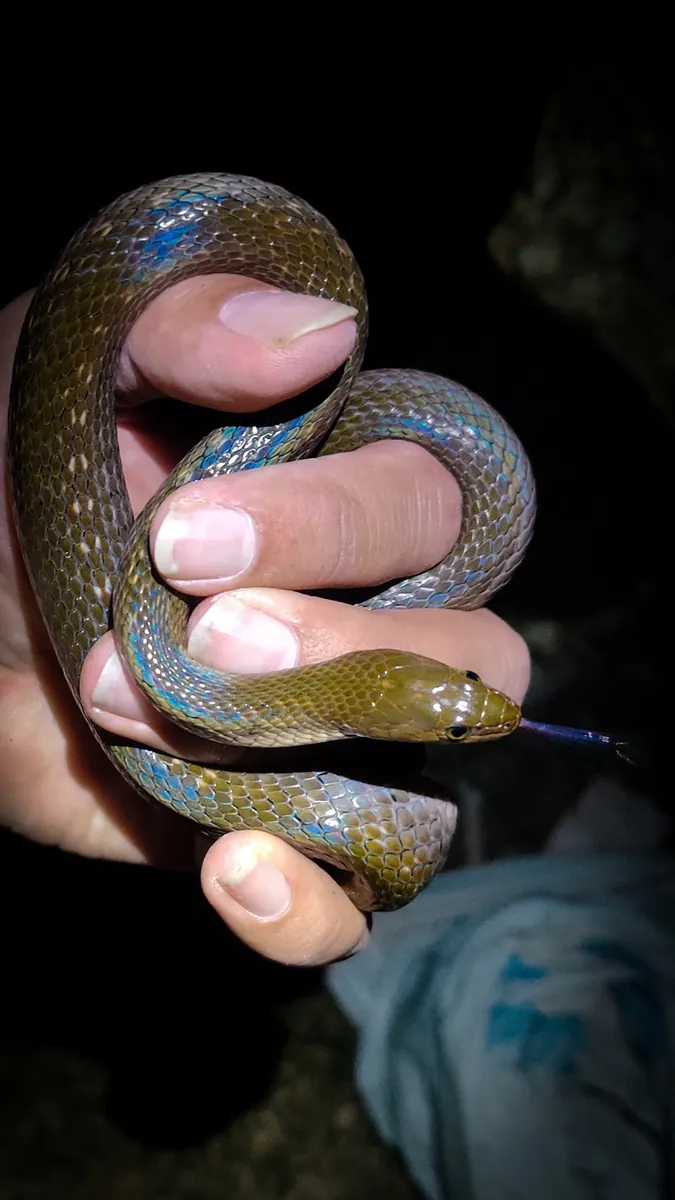
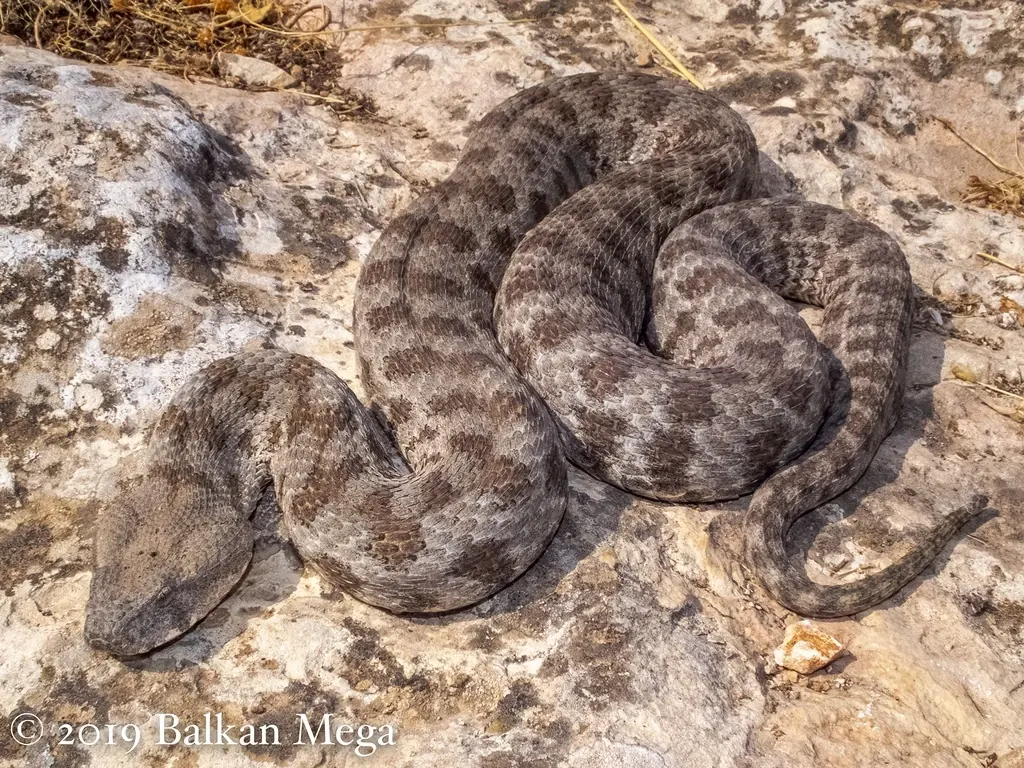
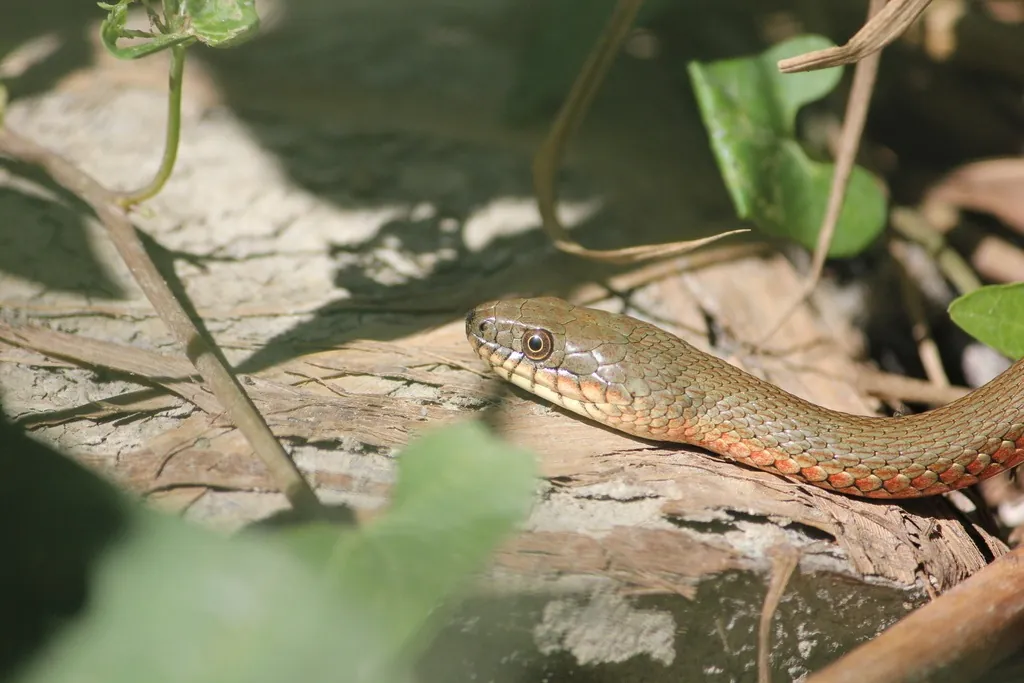
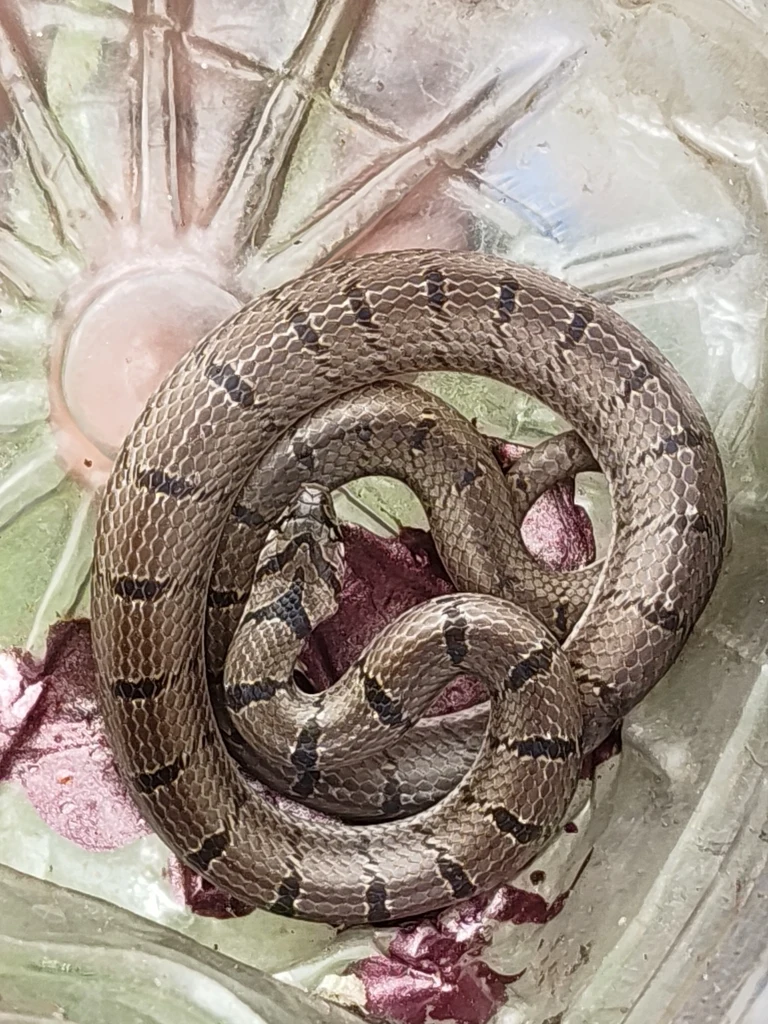
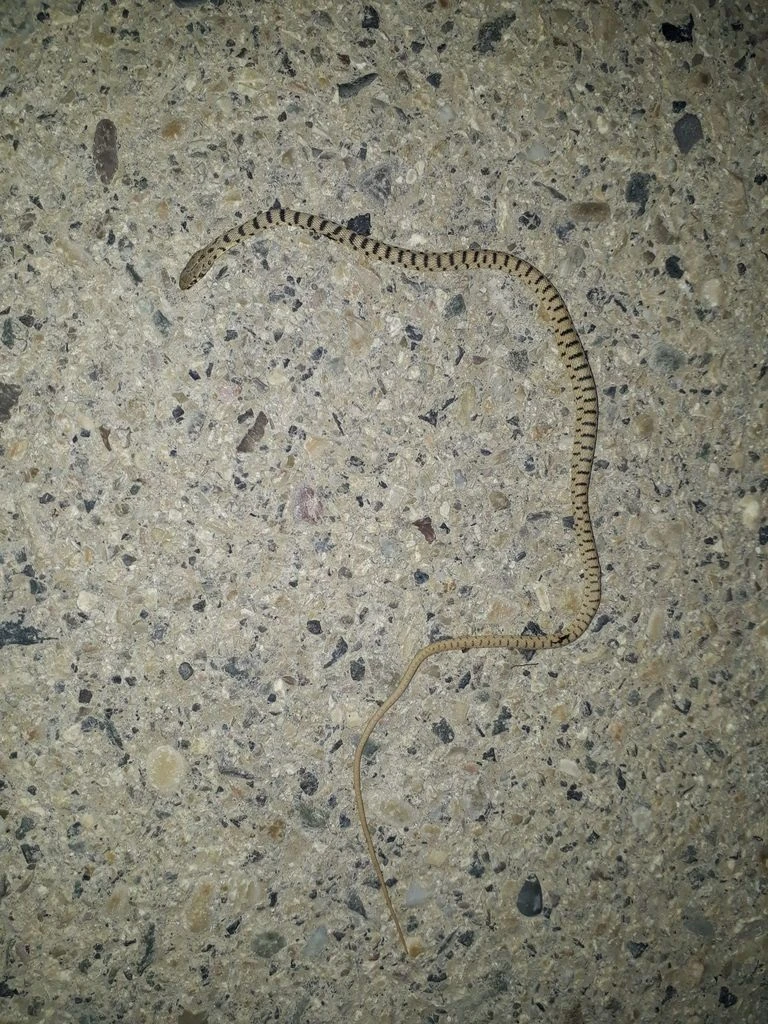
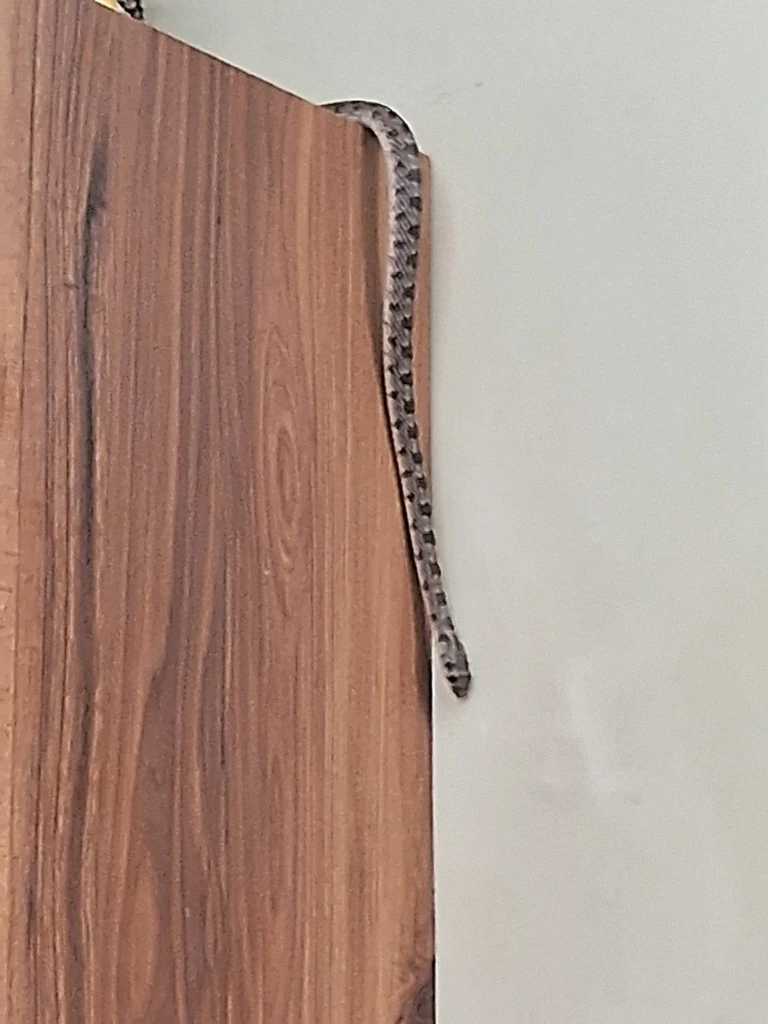
This edition lists 32 species with supported country records from checked taxonomic treatments and cited field studies. It is not a claim of a complete national inventory. Each account retains its source and check date; individual evidence entries retain their own review dates.
Independent checklist comparison · 2026-10-11
33 confirmed or introduced shared species currently link to this chapter. Table 2 is a 16-entry colubrid review, not a complete national snake inventory. Its subspecies and uncertain Eirenis aff. persicus entry are not counted as extra accepted species. Table 1 supplies named Afghan field localities, including new Lycodon bicolor and Spalerosophis arenarius records. Other families use checked individual treatments, so unsurveyed areas remain a substantial evidence gap.
Jablonski et al. (2025): updated Afghan colubrid checklist and field records ↗
Review still open
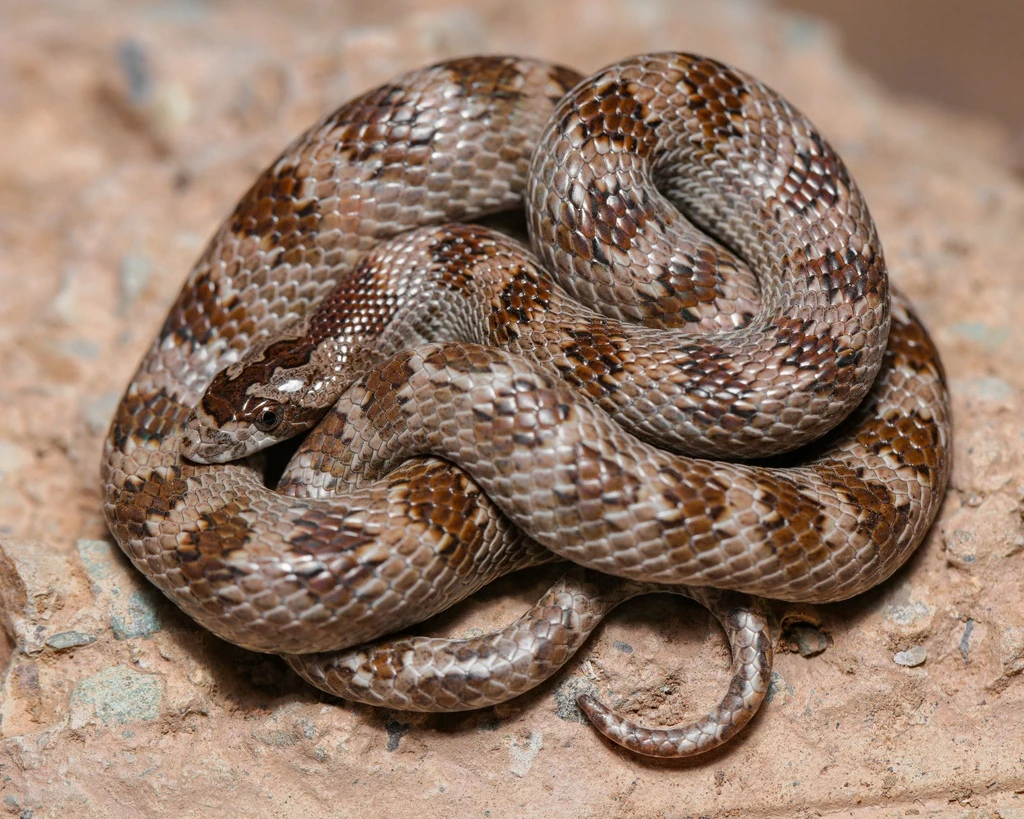
Eirenis persicus
The 2025 Afghan review uses Eirenis aff. persicus, explicitly leaving the species identity unresolved. The qualified record is not promoted to a confirmed identity.
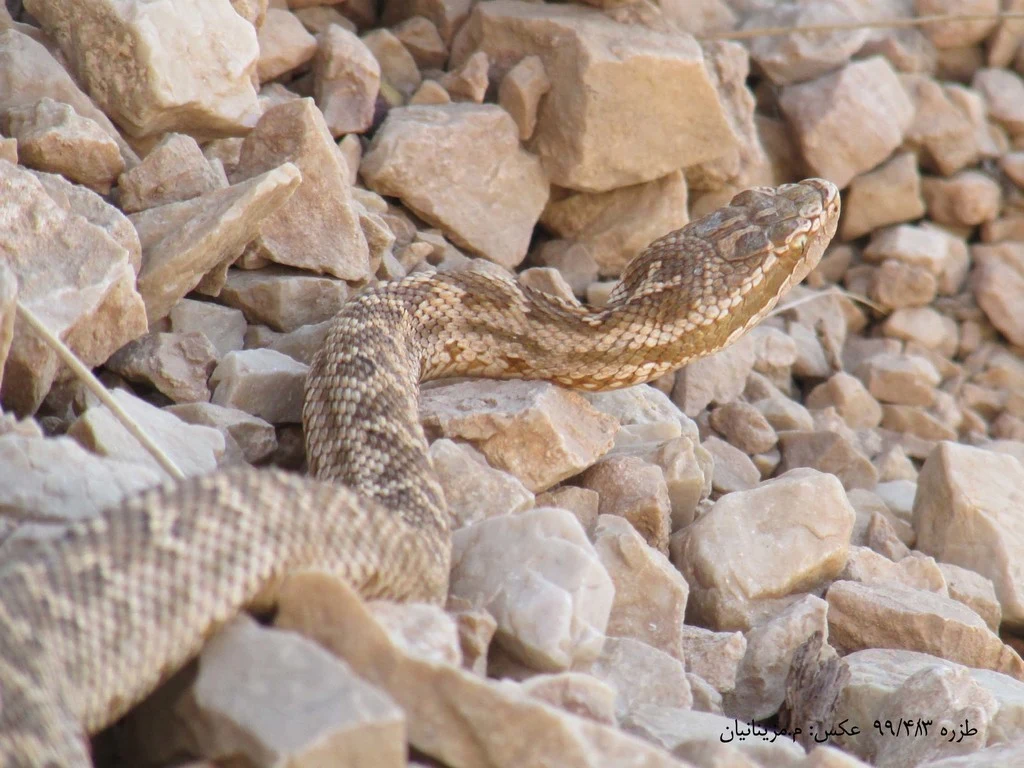
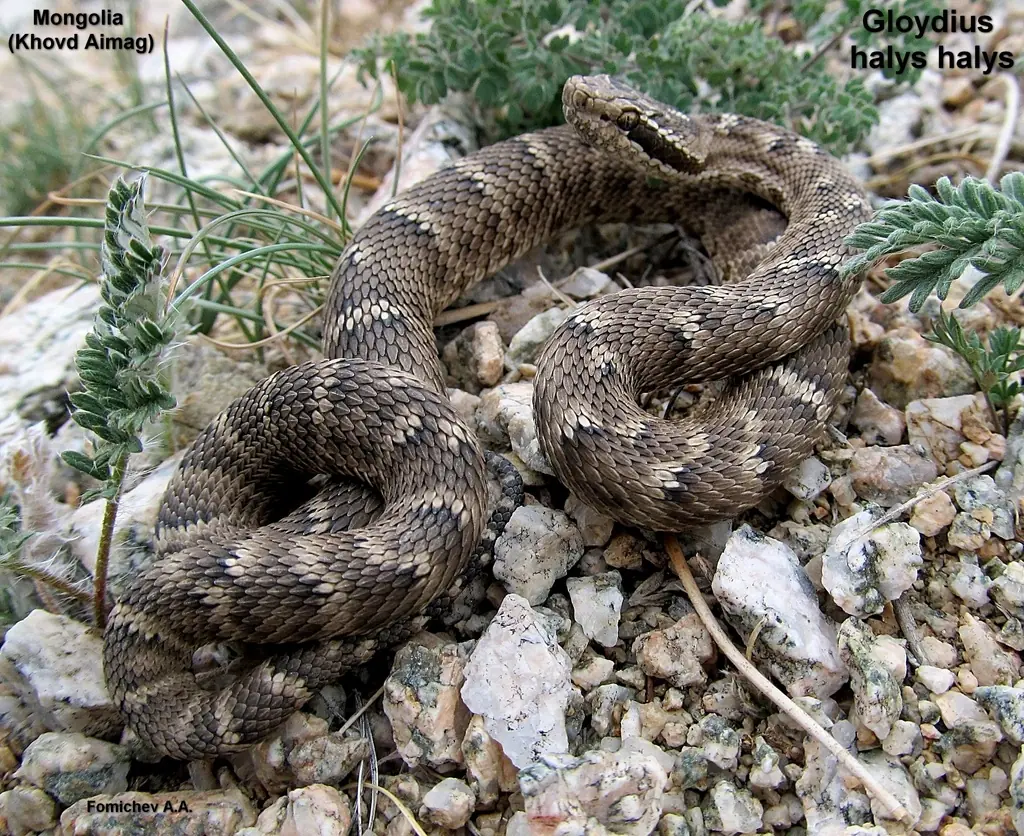
Gloydius hindukushensis
No unqualified modern-country evidence in the checked distribution. Search hits, historical type localities and neighbouring territories do not prove occurrence.
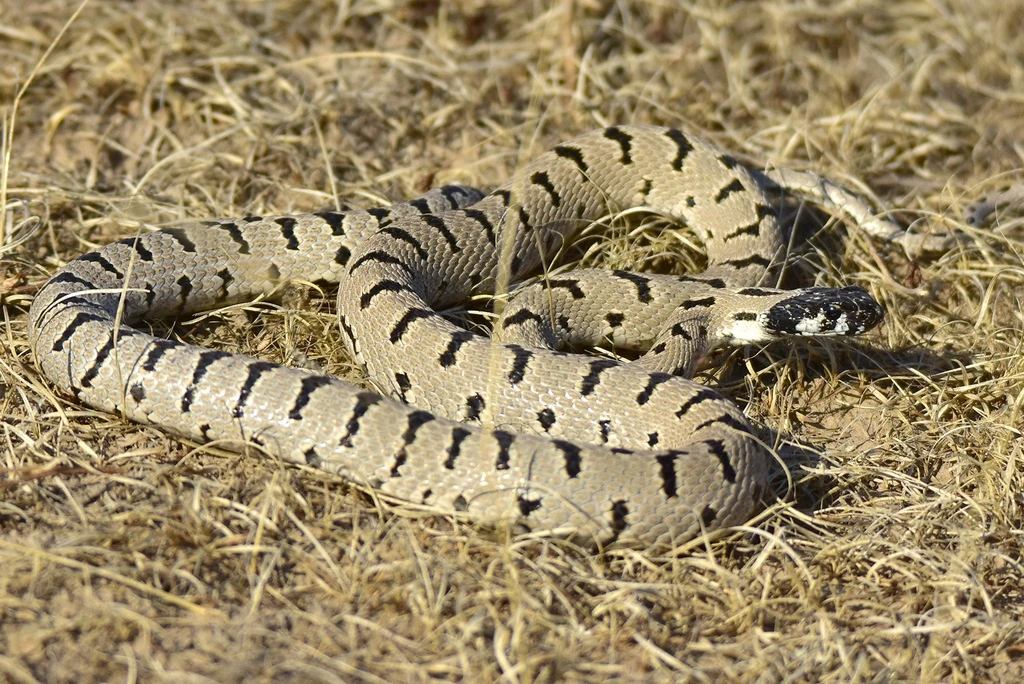
Lycodon striatus
The 2023 revision places Pakistan-to-Central-Asia populations in Lycodon bicolor. Older striatus assignments are not counted again without a modern voucher.
Naja naja
No unqualified modern-country evidence in the checked distribution. Search hits, historical type localities and neighbouring territories do not prove occurrence.
Oligodon taeniolatus
The updated 2025 Afghan colubrid checklist includes Oligodon russelius, but does not corroborate this older taeniolatus range. A current Afghan voucher remains unresolved.
Platyceps mintonorum
Table 2 itself questions species status. The current treatment retains mintonorum with Platyceps karelini, so it is not added as a duplicate species.
Range and taxonomy review
Country links use a single accepted species identity. Revised names and disputed records are kept visible here; uncertain records do not enter the listed collection or regional totals.
Supported country occurrence
Afghanistan is explicitly recorded in the checked individual species treatment.
Source 1 ↗
Uncertain — excluded from the listed total
The 2023 revision places Pakistan-to-Central-Asia populations in Lycodon bicolor. Older striatus assignments are not counted again without a modern voucher.
Source 1 ↗
Source 2 ↗
Uncertain — excluded from the listed total
The updated 2025 Afghan colubrid checklist includes Oligodon russelius, but does not corroborate this older taeniolatus range. A current Afghan voucher remains unresolved.
Source 1 ↗
Source 2 ↗
Uncertain — excluded from the listed total
Identity requires taxonomic reassessment.
Source 1 ↗
Source 2 ↗
Source 3 ↗
Source 4 ↗
Uncertain — excluded from the listed total
The 2025 Afghan review uses Eirenis aff. persicus, explicitly leaving the species identity unresolved. The qualified record is not promoted to a confirmed identity.
Source 1 ↗
Source 2 ↗
How the map and counts work
Search results were checked against distribution text and taxonomic qualifications. A geographic name alone does not establish a political country: New Guinea, the Solomon archipelago and Micronesia span more than one country or territory. Introduced and unresolved records require separate interpretation.
Place counts require explicit named localities, including valid type localities. Counts can overlap where sources name multiple places. Regional maps group historical boundary snapshots for navigation, while island outlines use Natural Earth; neither is a species range or an observation map. Small islands can be below the outline dataset’s resolution, so geographic reference markers and the directory remain available.
geoBoundaries gbOpen ADM1 · 2007 snapshot · geoBoundaries, source: Wikimedia, geoBoundaries · Public Domain. Generalised navigation geometry, not snake ranges or a statement of territorial status. Map provenance →