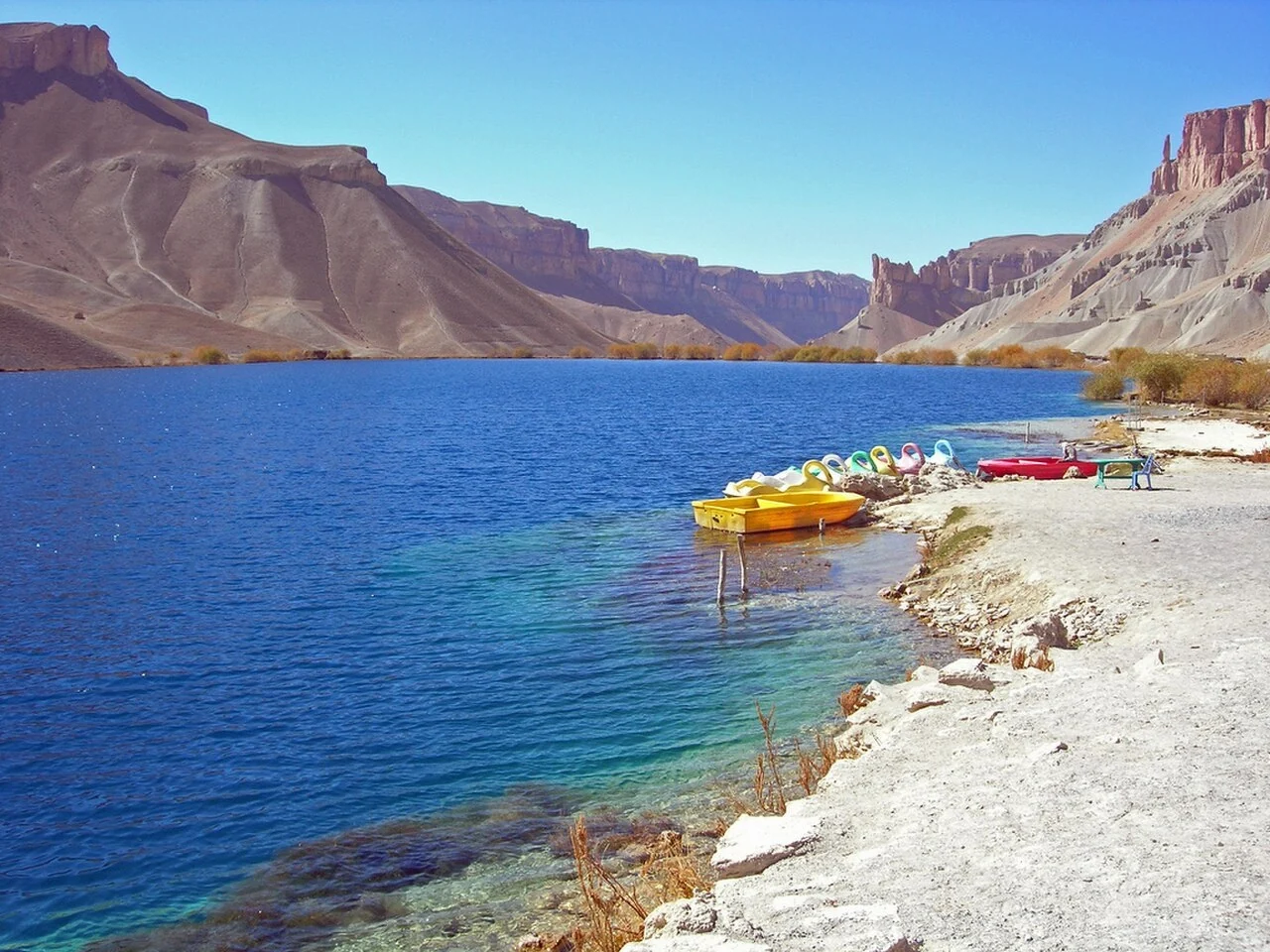
Lake and visitor shoreline at Band-e Amir, Afghanistan.

Afghanistan · Habitat field guide

Upland lakes and dry-basin wetlands

Water-body names need a season and a catchment to be useful.

Lake and visitor shoreline at Band-e Amir, Afghanistan.

Photograph: Carl Montgomery · Image source · CC BY 2.0. Cropped to fill the hero; darkened for text legibility.

Understanding the environment

A sense of the habitat.

Water-body names need a season and a catchment to be useful.

Landscape evidence
Named examples, not complete habitat coverage
Record detail
Locality · season · observed cover

Explore the structure · Select a feature to compare

Read the landscape

Select a zone to see what changes.

Look upstream

Catchment

Identify the named river or lake and any visible management structures.

Use the sourced examples below to place these observations in context.

Conceptual observation prompts, not a measured transect, habitat boundary or snake range.

Field notes · 01

A lake group in the highlands

Afghanistan’s 2004 Band-e-Amir submission describes naturally formed lakes with distinctive geological structures. The heritage proposal provides landscape context, not current water-quality measurements.

Sources: Afghanistan / UNESCO · Band-e-Amir proposal

Field notes · 02

Water in a dry basin

The 2014 strategy places Hamun-i-Puzak in the Sistan lake complex and describes reeds at high water and episodes of drying. Its historical hydrology cannot establish the water level on a later observation date.

Sources: Afghanistan · National Biodiversity Strategy (2014)

Pressures on Afghanistan’s habitats

What is at risk?

A site-specific assessment of pressures has not yet been extracted for this guide. The landscape sources below provide context; they do not establish a current threat level for each snake species.

What helps this habitat

Support site-led protection of the landscape processes described here. Keep habitat notes precise and use the linked sources before extending a claim to another place.

The connected collection

Snakes with habitat evidence.

These 3 species have supported country occurrence and an explicit habitat association in the shared account. The association may come from elsewhere in their range. This is not a complete local habitat inventory; the places above are landscape examples, not asserted collecting sites.

3 species · showing 3

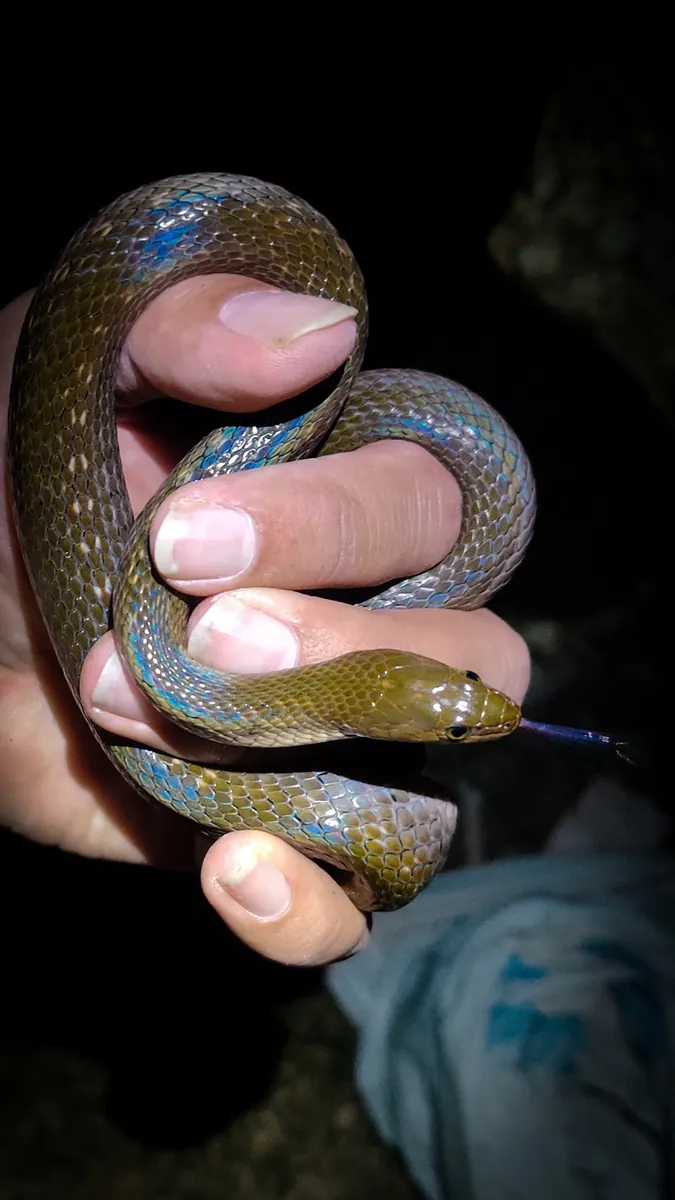
Living animal held by the observer, photographed at Kambipura, Karnataka, India, on 19 January 2021.

001 · Colubridae

Asiatic Water Snakes, Checkered Keelback

Fowlea piscator

(SCHNEIDER, 1799)

Venom unknownNot yet assessed

Afghanistan is explicitly recorded in the checked individual species treatment.

Read the species account →

Chayant Gonsalves / iNaturalist · CC BY 4.0 · https://creativecommons.org/licenses/by/4.0/
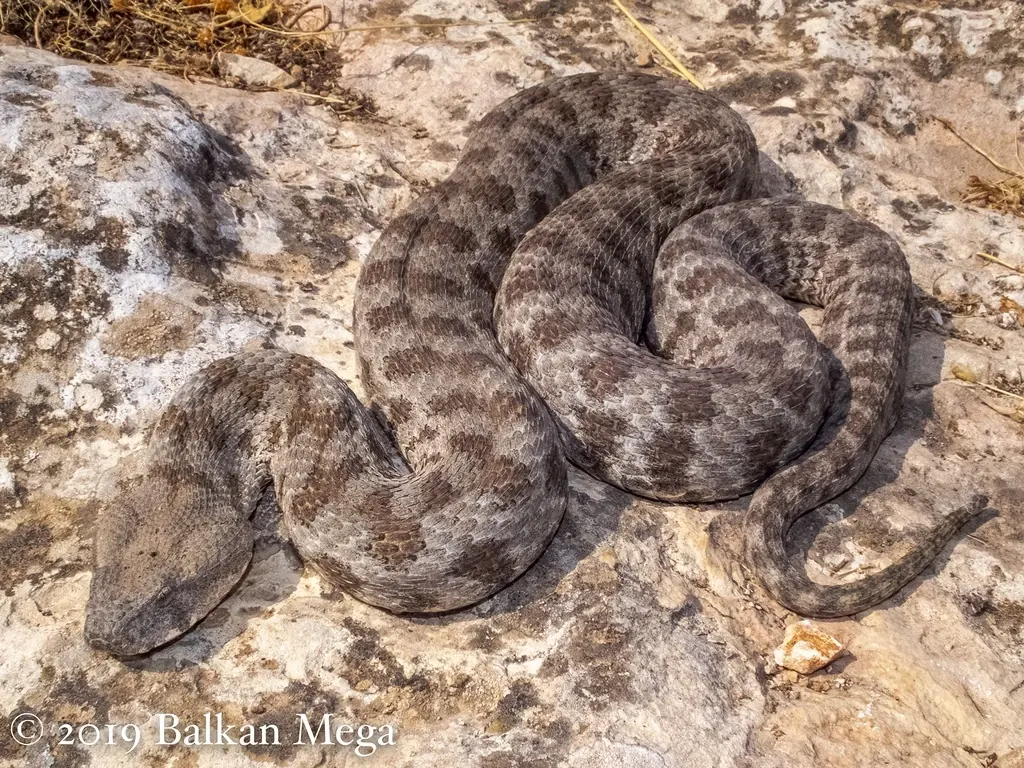
Macrovipera lebetinus. Identification follows the linked source community.

002 · Viperidae

Levantine Viper

Macrovipera lebetinus

(LINNAEUS, 1758)

VenomousClinical severity not established

Afghanistan is explicitly recorded in the checked individual species treatment.

Read the species account →

Balkan Mega · CC BY 4.0 · https://creativecommons.org/licenses/by/4.0/
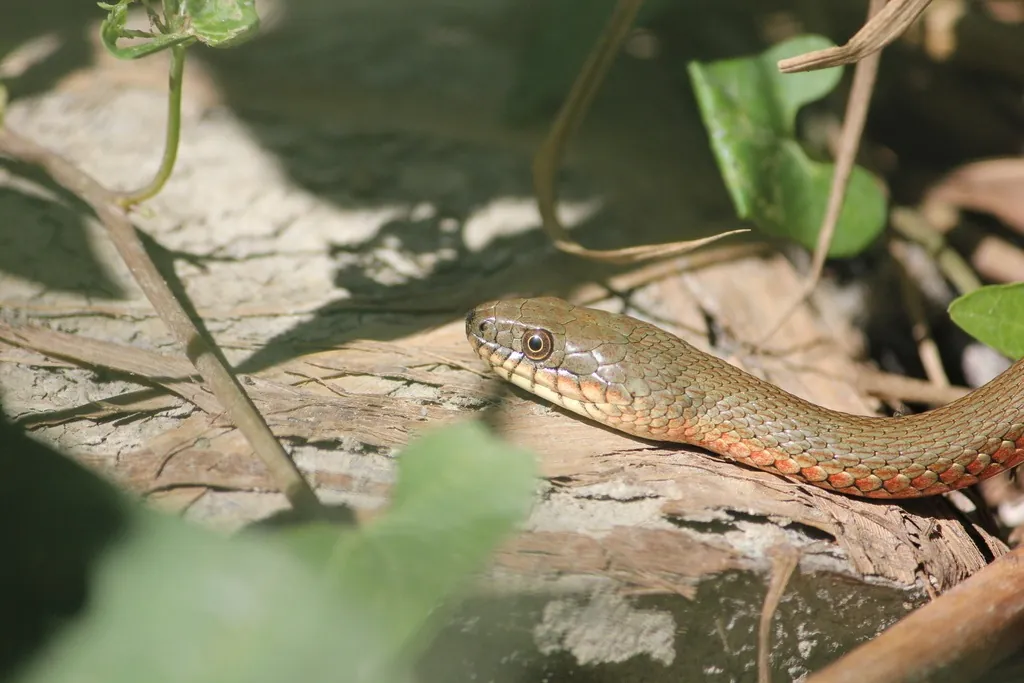
Unspotted dice snake photographed in Dagestan, Russia, in September 2026. Identification follows the linked source community.

003 · Colubridae

Dice Snake

Natrix tessellata

(LAURENTI, 1768)

Venom unknownNot yet assessed

Afghanistan is explicitly recorded in the checked individual species treatment. Takhar records from Taleqan and Bay Yawa in 2020–2021 include photographic vouchers CUHC-PA 176 and 205.

Read the species account →

KsenoSnake · CC0 1.0 · https://creativecommons.org/publicdomain/zero/1.0/

All 32 species in the country collection →

Read further

Evidence & sources.

Guide reviewed 11 October 2026. Source dates and geographic scope matter; landscape photographs do not establish species occurrence.

  1. Afghanistan / UNESCO · Band-e-Amir proposal

    2004 Tentative List submission describing the lake group. A proposal, not World Heritage inscription.

  2. Afghanistan · National Biodiversity Strategy (2014)

    Printed pp. 24–25, 32–35: Registan, Wakhan, lake basins and historical pressures. No old protected-status or fauna totals imported.

Continue through Afghanistan

Explore another habitat.

01

Eastern forests and open pistachio woodland

Afghanistan’s wooded landscapes include markedly different formations.

02

Valleys, summer pasture and high ground

A mountain landscape contains both inhabited valleys and ground above the forest zone.

03

Desert, semi-desert and seasonal growth

Dry landscapes can contain sparse vegetation and short periods of growth.