Wood use and regeneration
FAO’s historical forest review identifies excessive fuelwood collection and timber harvesting as causes of degradation.
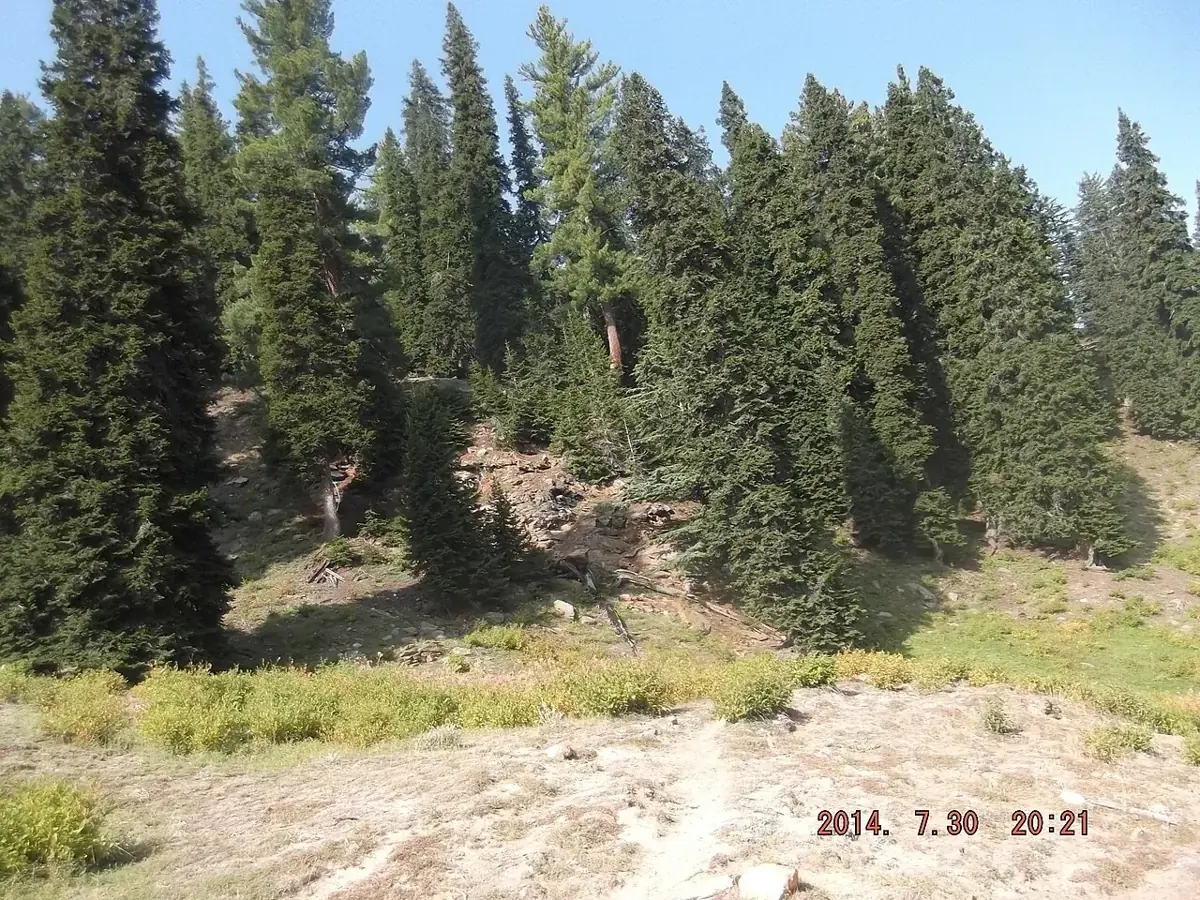
Afghanistan · Habitat field guide
Afghanistan’s wooded landscapes include markedly different formations.
Fir and pine forest at Chitraas, Wama, Nuristan, Afghanistan.
Understanding the environment
Afghanistan’s wooded landscapes include markedly different formations.
Explore the structure · Select a feature to compare
Select a zone to see what changes.
Look upwards
Compare a closed crown layer with a break in the trees.
Use the sourced examples below to place these observations in context.
Conceptual observation prompts, not a measured transect, habitat boundary or snake range.
Field notes · 01
FAO distinguishes mixed pine, cedar and oak forests in the east, a northern pistachio belt, and irrigated agroforests and home gardens. A planted or watered tree patch should retain that land-use history.
Field notes · 02
FAO’s 2025 Eshtiwi project in Nuristan combines native-tree planting, water storage and pasture management. It is a restoration site within a mountainous forested province, not evidence that every slope has intact canopy.
Pressures on Afghanistan’s habitats
FAO’s historical forest review identifies excessive fuelwood collection and timber harvesting as causes of degradation.
Support site-led protection of the landscape processes described here. Keep habitat notes precise and use the linked sources before extending a claim to another place.
The connected collection
These 2 species have supported country occurrence and an explicit habitat association in the shared account. The association may come from elsewhere in their range. This is not a complete local habitat inventory; the places above are landscape examples, not asserted collecting sites.
2 species · showing 2
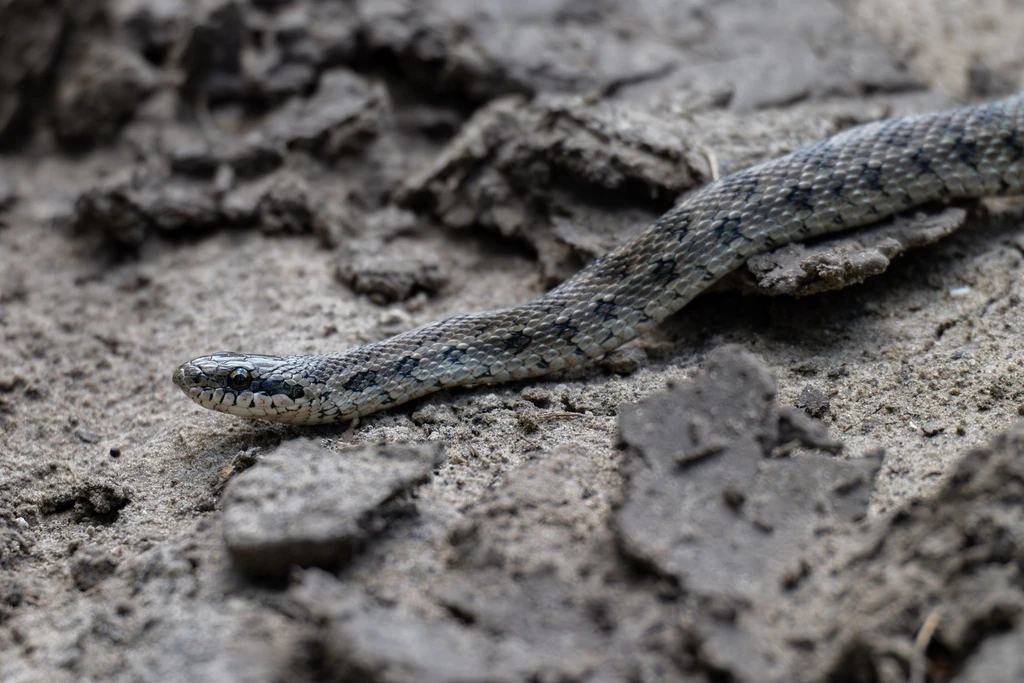
001 · Colubridae
Steppes Ratsnakes
Afghanistan is explicitly recorded in the checked individual species treatment. The 2025 revised Afghan colubrid checklist independently corroborates the identity.
Read the species account →Stanislav Murashkin · CC BY 4.0 · https://creativecommons.org/licenses/by/4.0/
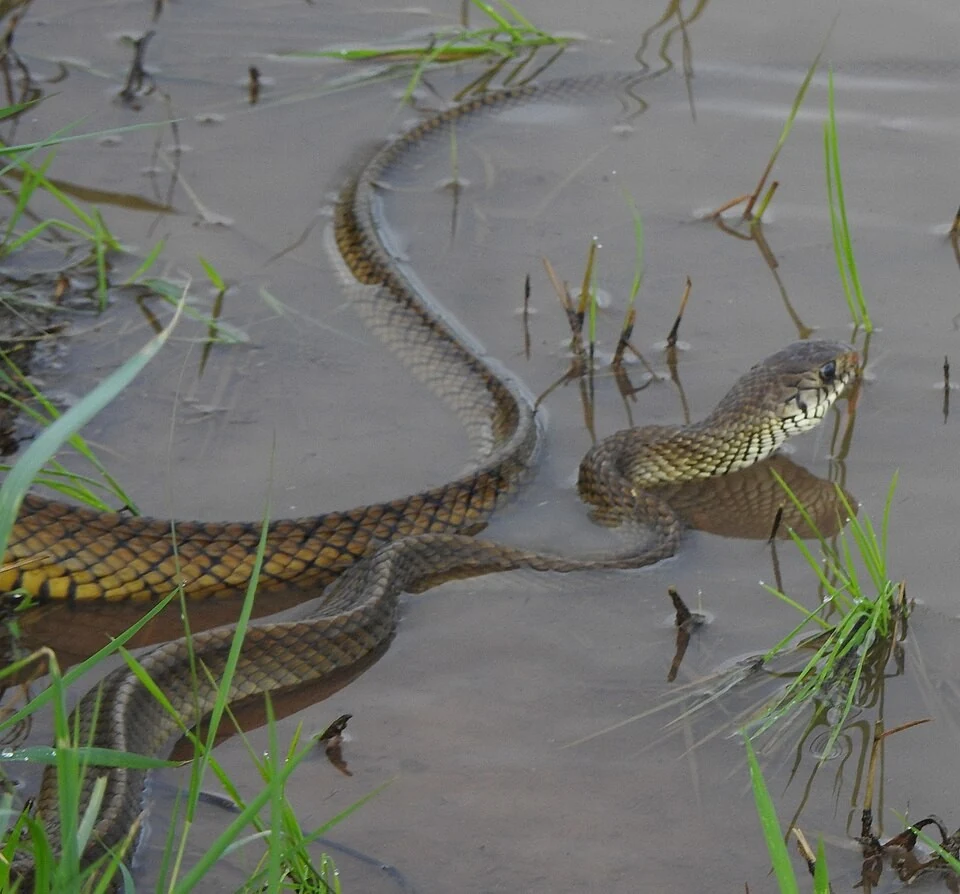
002 · Colubridae
Dhaman
Afghanistan is explicitly recorded in the checked individual species treatment. The 2025 revised Afghan colubrid checklist independently corroborates the identity. Photographed on 13 October 2010 at 1,865 m.
Read the species account →Afsar Nayakkan · CC BY 4.0 · https://creativecommons.org/licenses/by/4.0
Read further
Guide reviewed 11 October 2026. Source dates and geographic scope matter; landscape photographs do not establish species occurrence.
Historical account distinguishing eastern mixed forests, northern pistachio woodland and irrigated tree cover.
Parun landscape restoration, grazing and water management; project planting is not evidence of intact forest.
Abkamary community restoration and alternatives to fuelwood use.
Continue through Afghanistan
A mountain landscape contains both inhabited valleys and ground above the forest zone.
02Dry landscapes can contain sparse vegetation and short periods of growth.
03Water-body names need a season and a catchment to be useful.