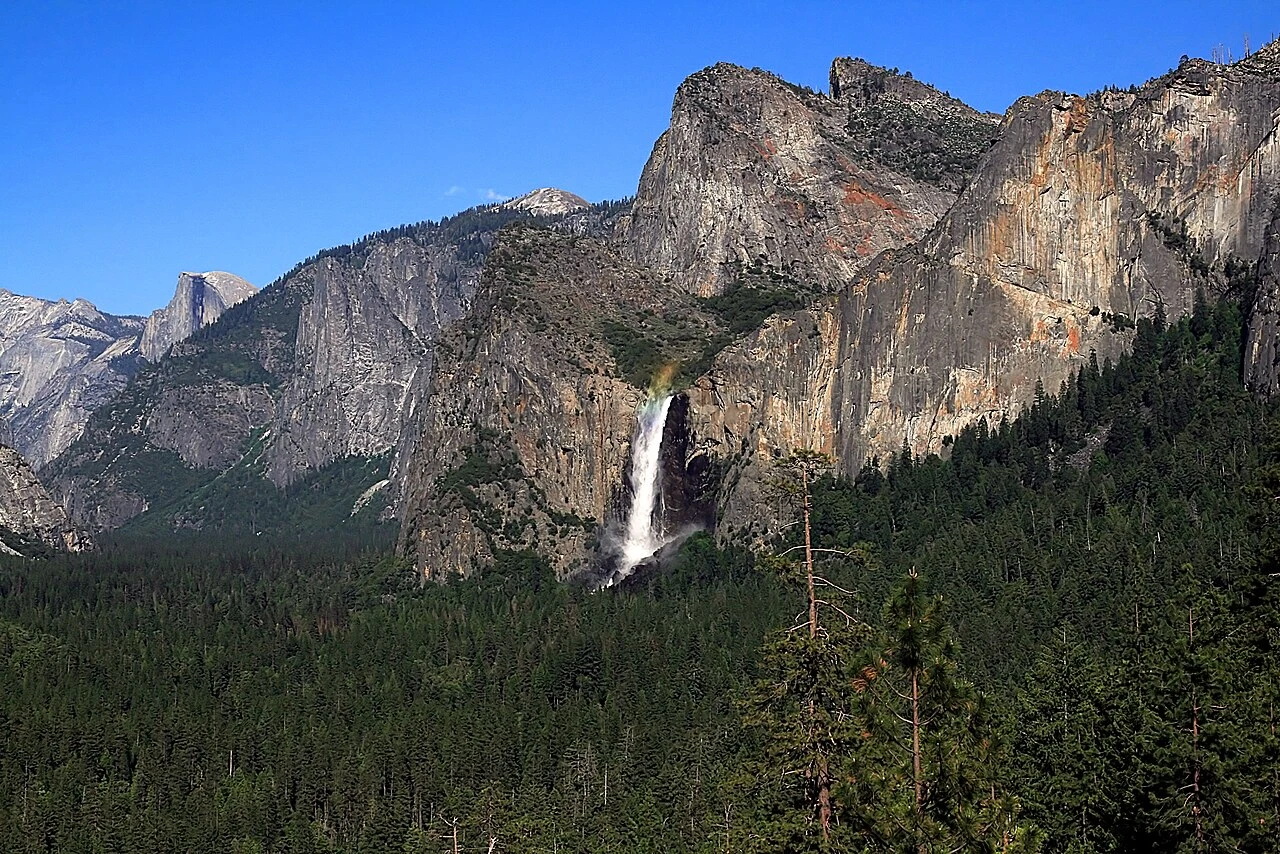
Bridalveil Fall and forested cliffs seen from Tunnel View, Yosemite National Park, California, United States.

United States of America · The country atlas

United States of America

Explore all 50 states and the District of Columbia, from Atlantic forests and prairie country to western deserts, Alaska and Hawaii.

177species with extracted evidence
7families
51region guides

Bridalveil Fall and forested cliffs seen from Tunnel View, Yosemite National Park, California, United States.

Photograph: Brocken Inaglory · Image source · CC BY-SA 3.0. Cropped to fill the hero; darkened for text legibility.

Geography & biotopes

Discover United States of America.

Explore all 50 states and the District of Columbia, from Atlantic forests and prairie country to western deserts, Alaska and Hawaii.

Historical boundary snapshots are grouped for navigation, not ecological zones, species ranges or a statement of current administrative arrangements. Markers identify guide pages, not animal observations. This chapter covers the 50 states and District of Columbia. Puerto Rico, the US Virgin Islands and Pacific territories retain separate country/territory chapters. Alaska and Hawaii remain separate from the contiguous western states.

Map provenance and declared navigation groups →

US National Park Service · Everglades habitats →

Geography is part of the record

Find your way through United States of America.

Select a named region to open its evidence page. The complete directory below keeps every guide accessible, including places where locality evidence has not yet been extracted.

174 of 177 listed species have at least one indexed region record. 3 remain country-only. Even a nonzero count is not a complete regional inventory.

Habitats & living landscapes

Explore the living
landscapes.

Explore 6 guides to the environments, places and conservation pressures that shape this country. Each guide connects to the regional map and shared species accounts.

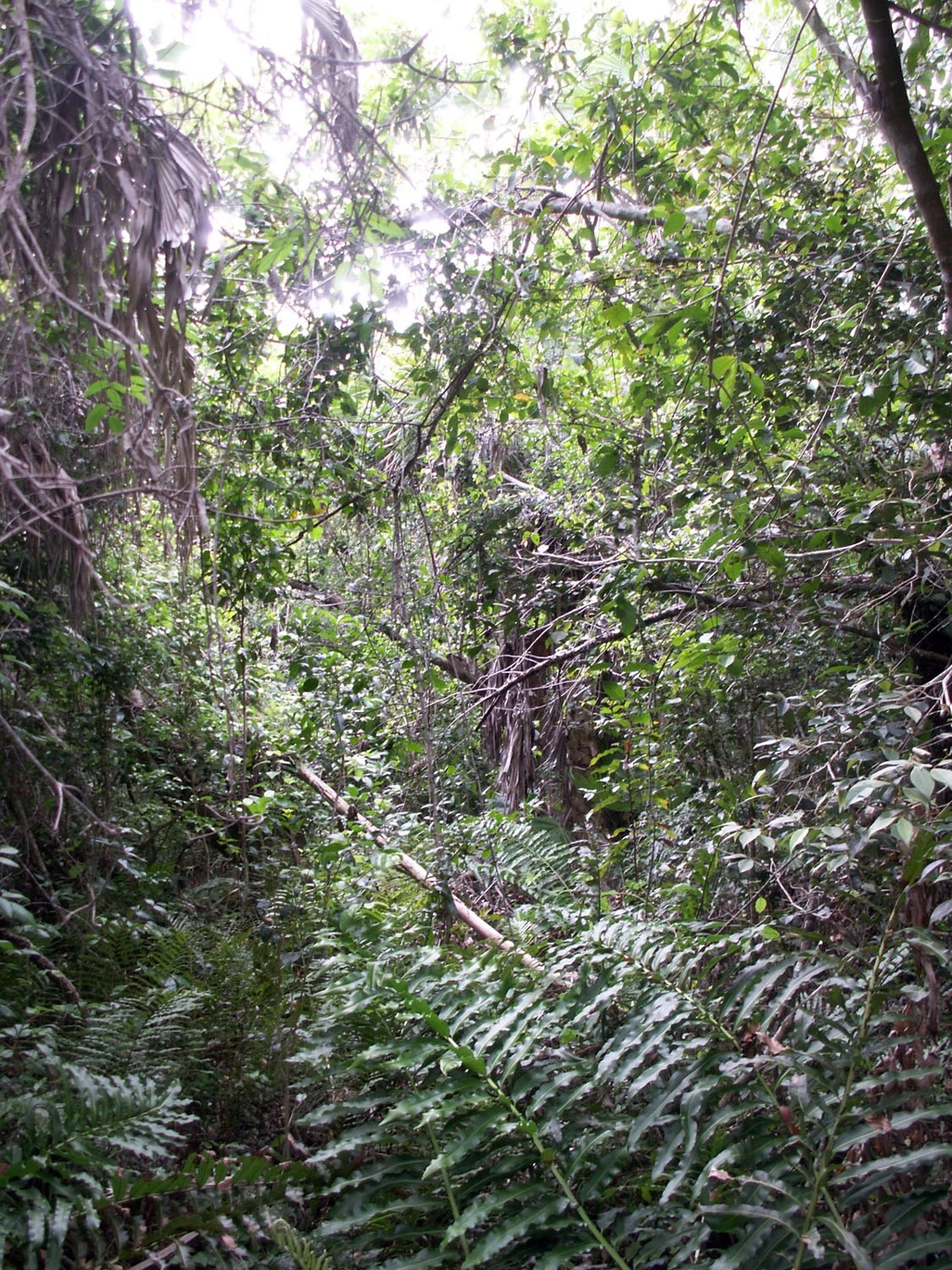
Trees and undergrowth in Mahogany Hammock, Everglades National Park, Florida, United States.

Habitat · 01

Forest & woodland

The Everglades example distinguishes hardwood hammocks and pine rocklands. Small changes in local setting can separate wooded habitats within the wider wetland landscape.

Explore the habitat ↗
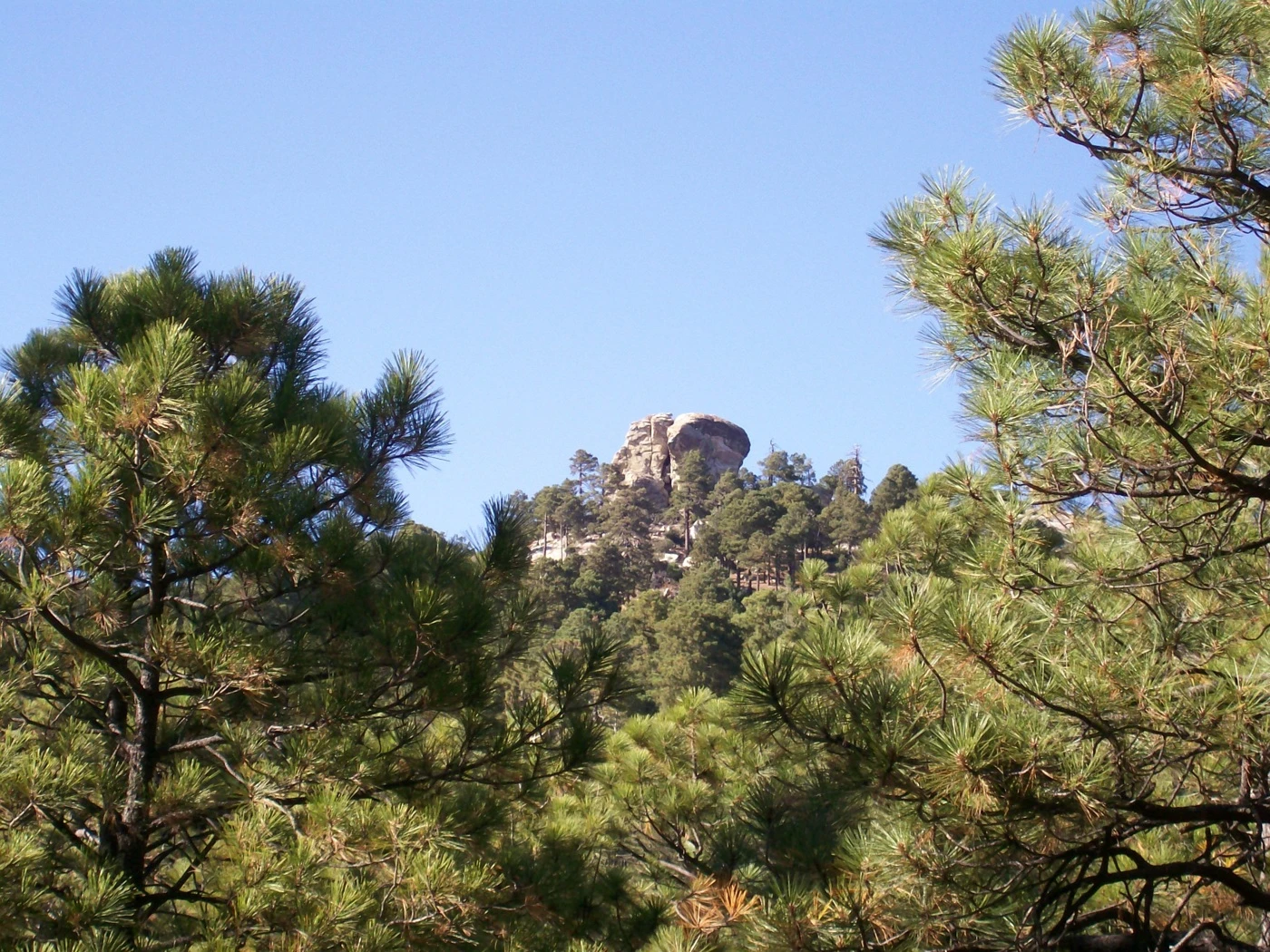
Pine woodland and rocky uplands in the Rincon Mountains, Arizona; National Park Service photograph dated 16 January 2006.

Habitat · 02

Highland environments

In the Rincon Mountains of Saguaro National Park, desert vegetation gives way with elevation to oak woodland, pine-oak woodland, pine forest and mixed conifer forest. This Arizona example is an elevation gradient, not a description of all US mountains.

Explore the habitat ↗
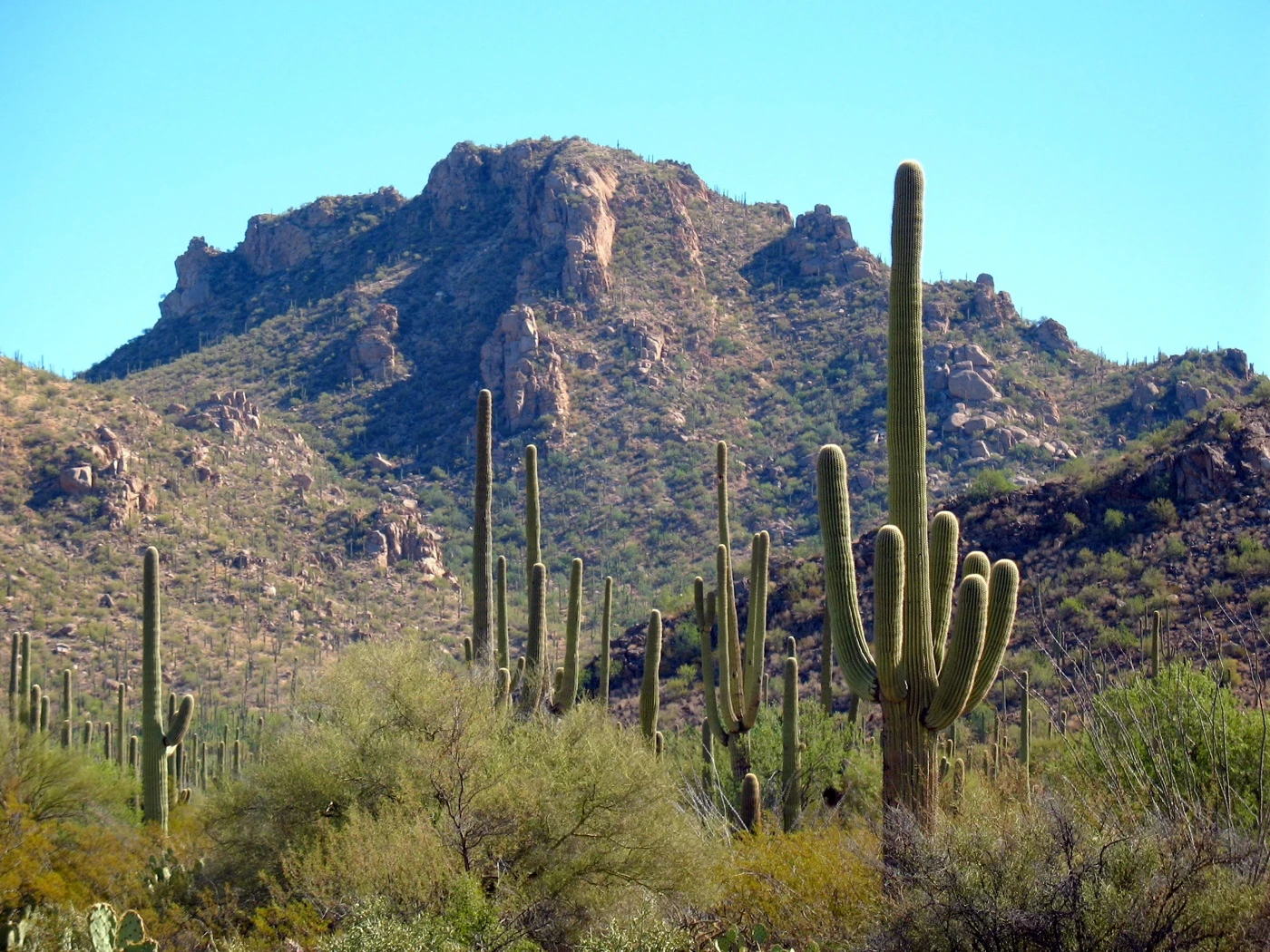
Cacti and rocky Sonoran desert slopes in Saguaro National Park, Arizona, United States.

Habitat · 03

Scrubland & dry country

In Arizona, Saguaro National Park contrasts Sonoran desert scrub with desert grassland. Cacti and drought-adapted shrubs are part of a vegetated desert, with rocky slopes and drainage channels adding local variation.

Explore the habitat ↗
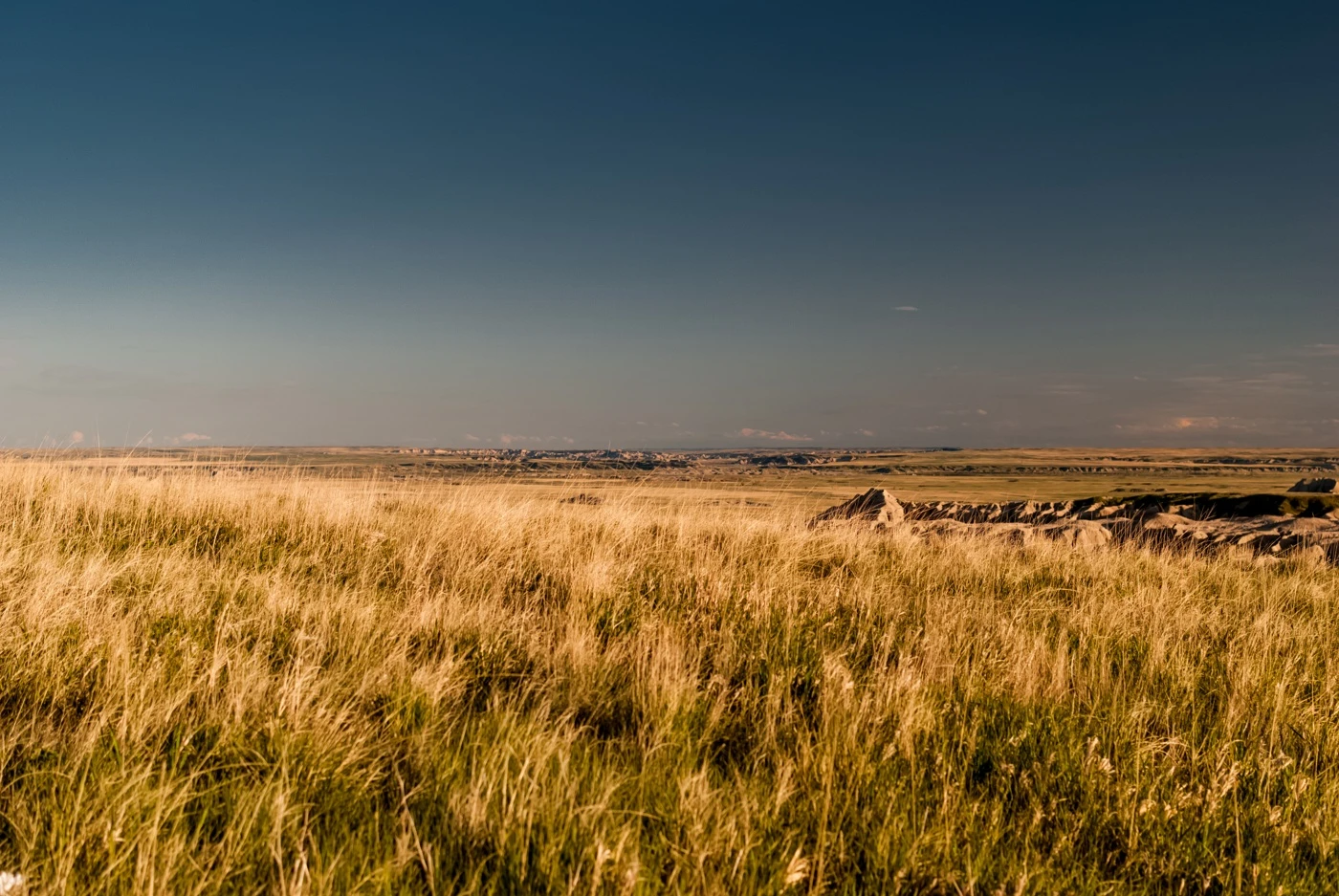
Prairie grassland and eroded terrain in the Badlands, South Dakota, United States.

Habitat · 04

Grassland & savanna

The mixed-grass prairie of Badlands National Park, South Dakota, sits between wetter tall-grass country and the drier short-grass plains. Different grass heights and open ground create a changing surface-level landscape.

Explore the habitat ↗
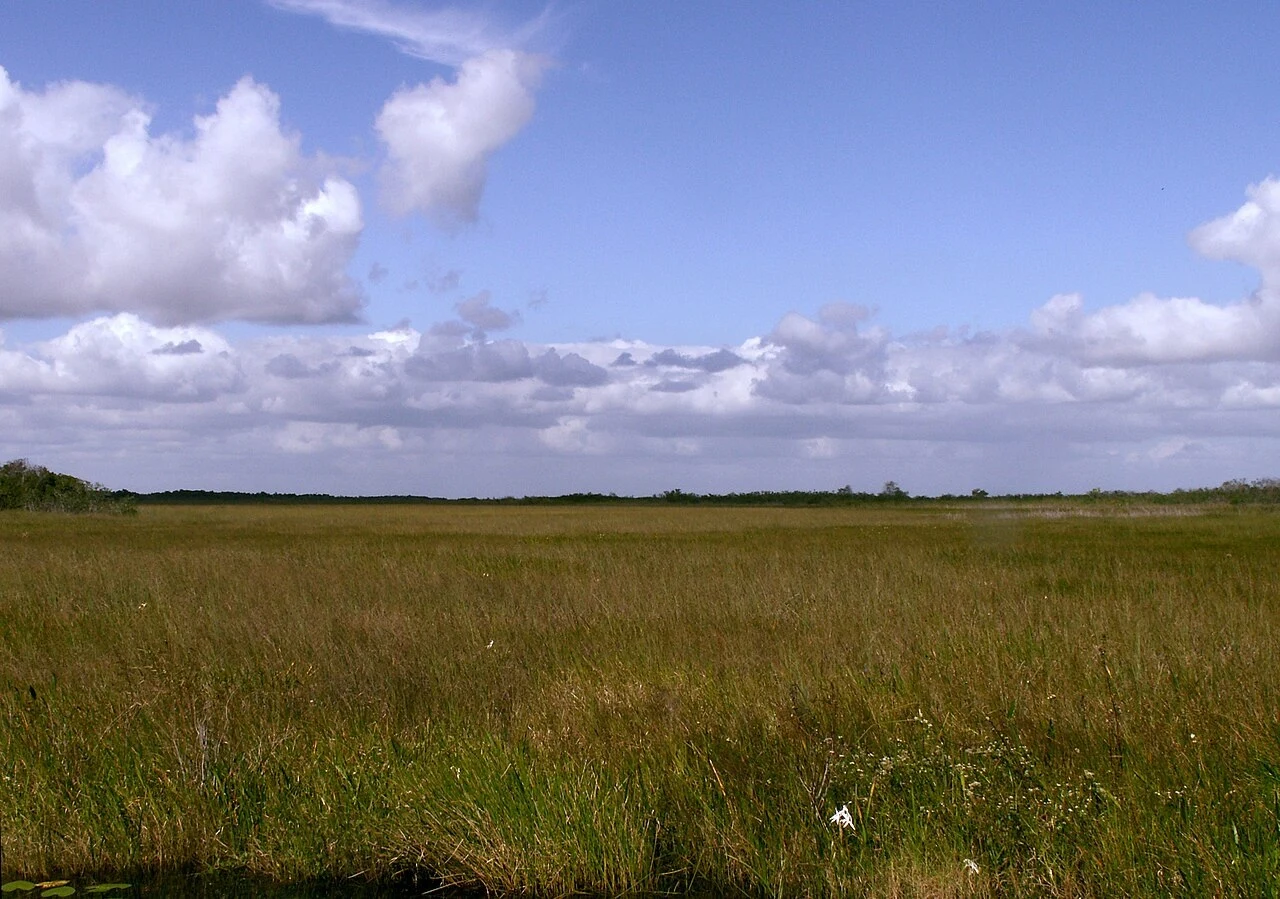
Sawgrass prairie north of Anhinga Trail in Everglades National Park, Florida, United States.

Habitat · 05

Rivers & wetlands

The Everglades example includes freshwater marshes, sloughs and wet prairies. Water depth, timing and duration help distinguish these habitats; this Florida example does not describe all US wetlands.

Explore the habitat ↗
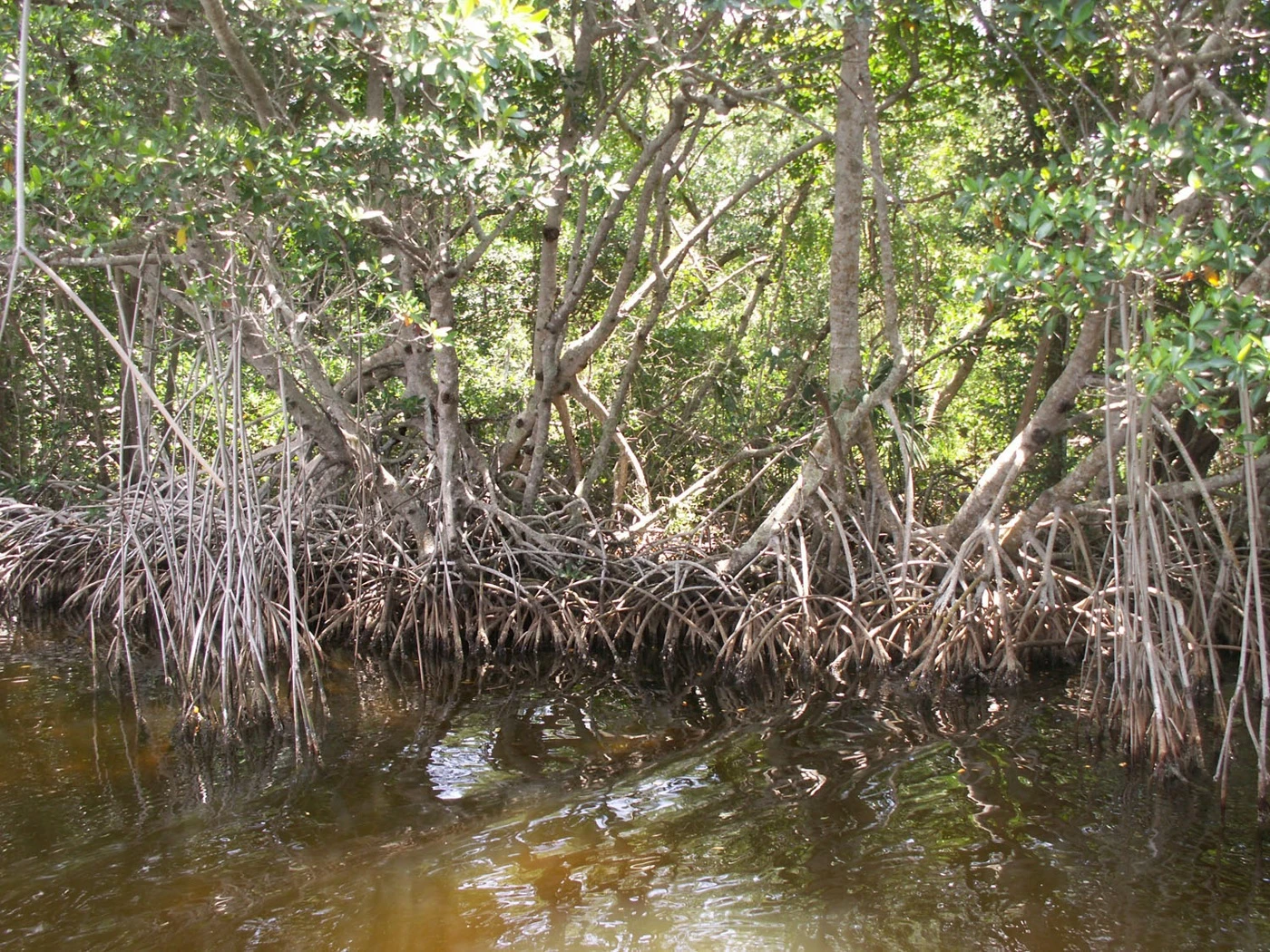
Red mangrove roots beside Buttonwood Canal near Flamingo, Everglades National Park, Florida, United States.

Habitat · 06

Mangroves & estuaries

Everglades mangroves occupy a tidal coastal setting. Their saltwater–freshwater context is retained separately from inland marshes and the terrestrial forest examples.

Explore the habitat ↗
Landscape photographs & credits

Trees and undergrowth in Mahogany Hammock, Everglades National Park, Florida, United States. — Moni3. Original photograph · Public domain. Cropped for the cards; photographs do not establish snake occurrence.

Pine woodland and rocky uplands in the Rincon Mountains, Arizona; National Park Service photograph dated 16 January 2006. — SaguaroNPS. Original photograph · Public domain. Cropped for the cards; photographs do not establish snake occurrence.

Cacti and rocky Sonoran desert slopes in Saguaro National Park, Arizona, United States. — Luke Jones from Yucca Valley. Original photograph · CC BY 2.0. Cropped for the cards; photographs do not establish snake occurrence.

Prairie grassland and eroded terrain in the Badlands, South Dakota, United States. — Shadowmeld Photography. Original photograph · CC BY-SA 4.0. Cropped for the cards; photographs do not establish snake occurrence.

Sawgrass prairie north of Anhinga Trail in Everglades National Park, Florida, United States. — Moni3. Original photograph · CC BY 3.0. Cropped for the cards; photographs do not establish snake occurrence.

Red mangrove roots beside Buttonwood Canal near Flamingo, Everglades National Park, Florida, United States. — Moni3 at English Wikipedia. Original photograph · Public domain. Cropped for the cards; photographs do not establish snake occurrence.

The species catalogue

Meet the snakes of United States of America.

Search scientific names, historical names, common names and families. Every card opens one shared account across its documented countries.

177 species · showing 24

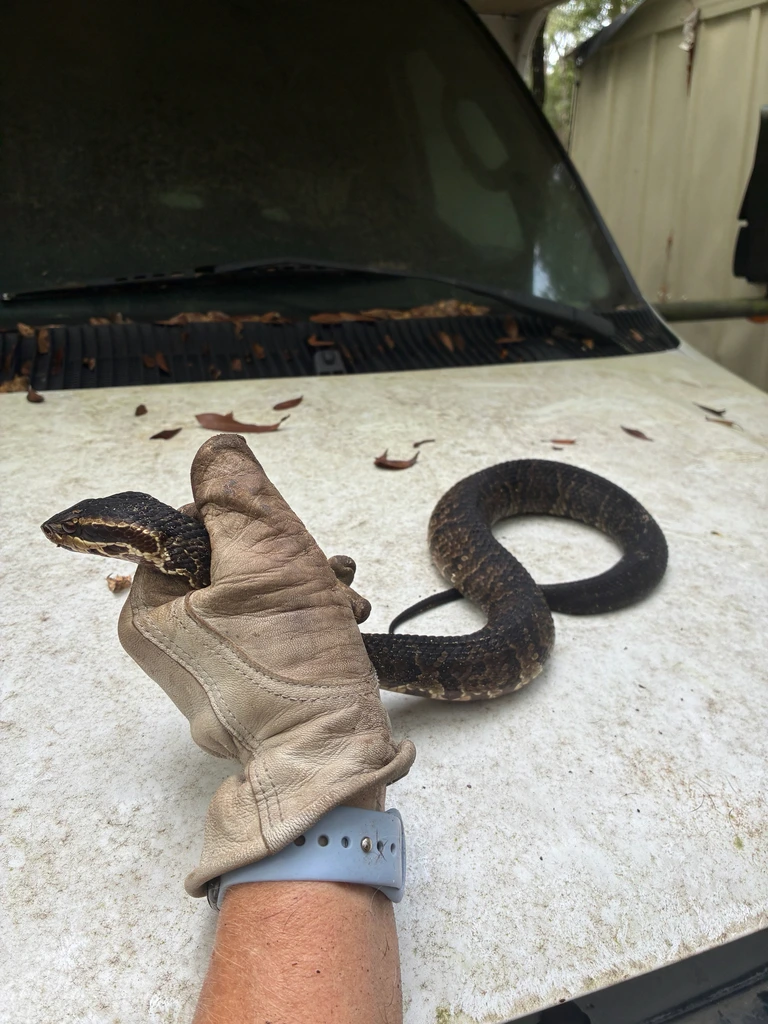
Agkistrodon conanti. Handled specimen photographed on a gloved hand. Original observation dated 2026-10-05. This photograph does not establish occurrence in any additional state or province.

001 · Viperidae

Species account

Agkistrodon conanti

GLOYD, 1969

VenomousClinical severity not established

The checked taxonomic distribution account explicitly lists United States of America. Country-level evidence does not establish continuous occupancy or a complete national inventory. The treatment names these subdivisions in its United States of America distribution clause: Florida, Georgia. They are assigned to the declared atlas navigation groups; this…

Read the species account →

Bitty Reilly · CC BY 4.0 · https://creativecommons.org/licenses/by/4.0/

Agkistrodon contortrix. Species portrait; the complete source frame is retained. Original observation dated 2022-11-01. This photograph does not establish occurrence in any additional state or province.

002 · Viperidae

Southern Copperhead

Agkistrodon contortrix

(LINNAEUS, 1766)

VenomousClinical severity not established

The checked taxonomic distribution account explicitly lists United States of America. Country-level evidence does not establish continuous occupancy or a complete national inventory. The treatment names these subdivisions in its United States of America distribution clause: Mississippi, North Carolina, Oklahoma, Virginia, West Virginia, Louisiana,…

Read the species account →

Alan Rockefeller · CC BY 4.0 · https://creativecommons.org/licenses/by/4.0/

Agkistrodon laticinctus. Species portrait; the complete source frame is retained. Original observation dated 2019-06-30. This photograph does not establish occurrence in any additional state or province.

003 · Viperidae

Broad-banded Copperhead

Agkistrodon laticinctus

GLOYD & CONANT, 1934

VenomousClinical severity not established

The checked taxonomic distribution account explicitly lists United States of America. Country-level evidence does not establish continuous occupancy or a complete national inventory. The treatment names these subdivisions in its United States of America distribution clause: Oklahoma, Texas, Kansas. They are assigned to the declared atlas navigation…

Read the species account →

Meghan Cassidy · CC BY-SA 4.0 · https://creativecommons.org/licenses/by-sa/4.0/

Agkistrodon piscivorus. This individual has an unusual pattern, as noted by the observer. Original observation dated 2023-08-15. This photograph does not establish occurrence in any additional state or province.

004 · Viperidae

Species account

Agkistrodon piscivorus

(LACÉPÈDE, 1789)

VenomousClinical severity not established

The checked taxonomic distribution account explicitly lists United States of America. Country-level evidence does not establish continuous occupancy or a complete national inventory. The treatment names these subdivisions in its United States of America distribution clause: Mississippi, North Carolina, Oklahoma, Virginia, Louisiana, Florida, Texas,…

Read the species account →

Mila Turov · CC BY 4.0 · https://creativecommons.org/licenses/by/4.0/

Arizona elegans. Species portrait; the complete source frame is retained. Original observation dated 2026-10-09. This photograph does not establish occurrence in any additional state or province.

005 · Colubridae

Glossy Snake

Arizona elegans

KENNICOTT, 1859

Venom unknownNot yet assessed

The checked taxonomic distribution account explicitly lists United States of America. Country-level evidence does not establish continuous occupancy or a complete national inventory. The treatment names these subdivisions in its United States of America distribution clause: Oklahoma, Nebraska, New Mexico, Texas, Colorado, Utah, Kansas, Arizona. They are…

Read the species account →

ashleyrsteel · CC BY 4.0 · https://creativecommons.org/licenses/by/4.0/

Arizona occidentalis. Species portrait; the complete source frame is retained. Original observation dated 2025-05-08. This photograph does not establish occurrence in any additional state or province.

006 · Colubridae

California Glossy Snake

Arizona occidentalis

BLANCHARD, 1924

Venom unknownNot yet assessed

The checked taxonomic distribution account explicitly lists United States of America. Country-level evidence does not establish continuous occupancy or a complete national inventory. The treatment names these subdivisions in its United States of America distribution clause: Utah, Nevada, Arizona. They are assigned to the declared atlas navigation groups;…

Read the species account →

Brooke J. · CC BY 4.0 · https://creativecommons.org/licenses/by/4.0/

Boa constrictor. Species portrait from the credited source. No additional state, province or wild occurrence is inferred. Original watermarks, where present, are retained.

007 · Boidae

Boa Constrictor

Boa constrictor

LINNAEUS, 1758

Non-venomous

The checked taxonomic distribution account explicitly lists United States of America. Country-level evidence does not establish continuous occupancy or a complete national inventory. The source population is treated as introduced. The treatment names these subdivisions in its United States of America distribution clause: Florida. They are assigned to the…

Read the species account →

Arnaud Aury · CC BY 4.0 · https://creativecommons.org/licenses/by/4.0

Bogertophis subocularis. Species portrait; the complete source frame is retained. Original observation dated 2010-07-17. This photograph does not establish occurrence in any additional state or province.

008 · Colubridae

Species account

Bogertophis subocularis

(BROWN, 1902)

Venom unknownNot yet assessed

The checked taxonomic distribution account explicitly lists United States of America. Country-level evidence does not establish continuous occupancy or a complete national inventory. The treatment names these subdivisions in its United States of America distribution clause: New Mexico, Texas. They are assigned to the declared atlas navigation groups;…

Read the species account →

Tom Kennedy · CC BY 4.0 · https://creativecommons.org/licenses/by/4.0/

Carphophis amoenus. Species portrait; the complete source frame is retained. Original observation dated 2023-12-26. This photograph does not establish occurrence in any additional state or province.

009 · Colubridae

Species account

Carphophis amoenus

(SAY, 1825)

Venom unknownNot yet assessed

The checked taxonomic distribution account explicitly lists United States of America. Country-level evidence does not establish continuous occupancy or a complete national inventory. The Virginia Herpetological Society documents the nominate subspecies throughout much of Virginia, with a verified county index. Only state-level membership is added. The…

Read the species account →

Alex Stach · CC BY 4.0 · https://creativecommons.org/licenses/by/4.0/

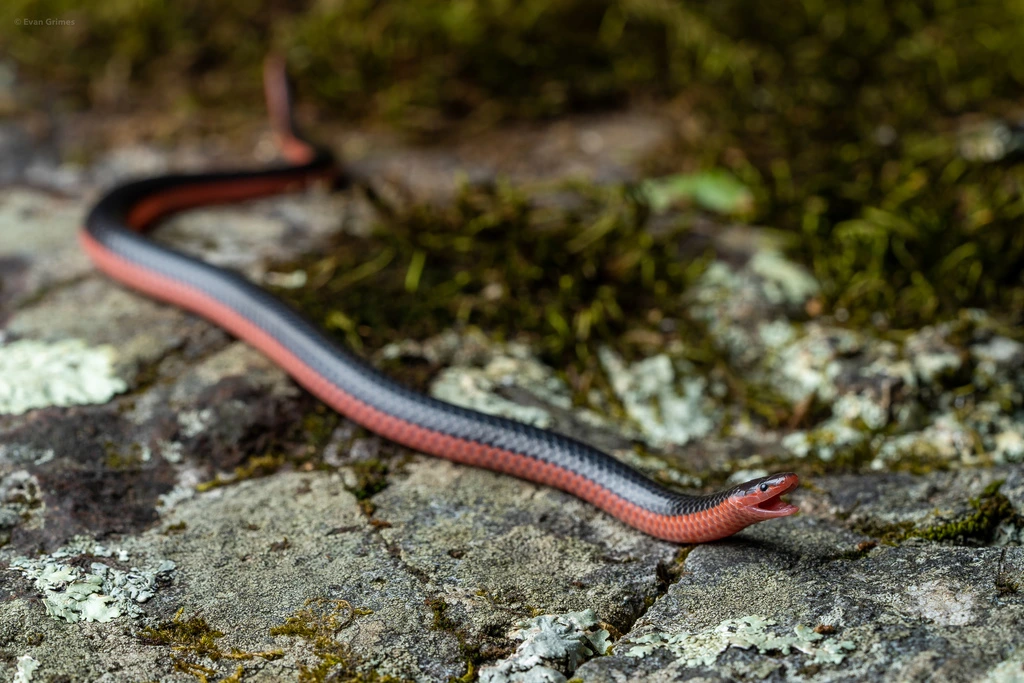
Carphophis vermis. Species portrait; the complete source frame is retained. Original observation dated 2021-10-08. This photograph does not establish occurrence in any additional state or province.

010 · Colubridae

Western Worm Snake

Carphophis vermis

(KENNICOTT, 1859)

Venom unknownNot yet assessed

The checked taxonomic distribution account explicitly lists United States of America. Country-level evidence does not establish continuous occupancy or a complete national inventory. The treatment names these subdivisions in its United States of America distribution clause: Oklahoma, Louisiana, Nebraska, Texas, Missouri, Kansas, Iowa, Wisconsin,…

Read the species account →

evangrimes · CC BY 4.0 · https://creativecommons.org/licenses/by/4.0/

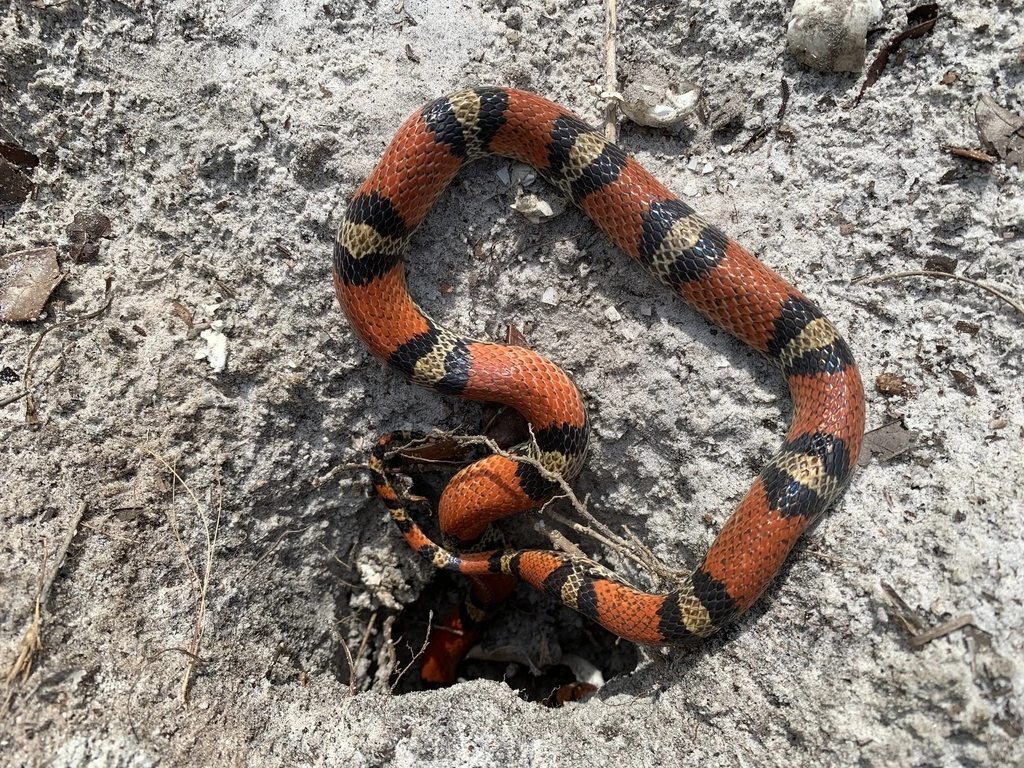
Cemophora coccinea. Species portrait; the complete source frame is retained. Original observation dated 2023-06-16. This photograph does not establish occurrence in any additional state or province.

011 · Colubridae

Scarlet Snake

Cemophora coccinea

(BLUMENBACH, 1788)

Venom unknownNot yet assessed

The checked taxonomic distribution account explicitly lists United States of America. Country-level evidence does not establish continuous occupancy or a complete national inventory. The treatment names these subdivisions in its United States of America distribution clause: Mississippi, North Carolina, Oklahoma, Virginia, Louisiana, Florida, Texas,…

Read the species account →

iNaturalist contributor (CC0; creator not supplied) · CC0 1.0 · https://creativecommons.org/publicdomain/zero/1.0/

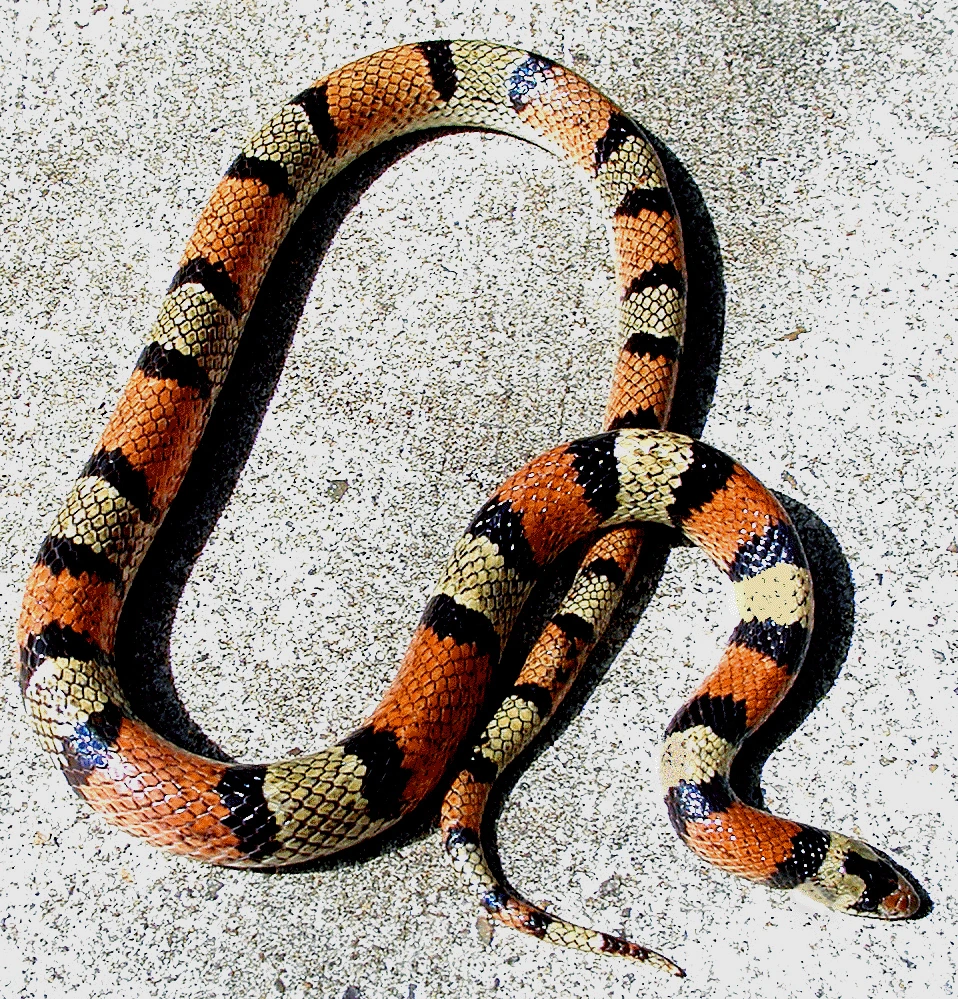
Cemophora lineri. Species portrait; the complete source frame is retained. Original observation dated 2002-08-14. This photograph does not establish occurrence in any additional state or province.

012 · Colubridae

Texas Scarlet Snake

Cemophora lineri

WILLIAMS, BROWN & WILSON, 1966

Venom unknownNot yet assessed

The checked taxonomic distribution account explicitly lists United States of America. Country-level evidence does not establish continuous occupancy or a complete national inventory. The treatment names these subdivisions in its United States of America distribution clause: Texas. They are assigned to the declared atlas navigation groups; this is not a…

Read the species account →

Mike Duran · CC BY 4.0 · https://creativecommons.org/licenses/by/4.0/

Charina bottae. Species portrait; the complete source frame is retained. Original observation dated 2022-04-24. This photograph does not establish occurrence in any additional state or province.

013 · Boidae

Species account

Charina bottae

(BLAINVILLE, 1835)

Non-venomous

The checked taxonomic distribution account explicitly lists United States of America. Country-level evidence does not establish continuous occupancy or a complete national inventory. The treatment names these subdivisions in its United States of America distribution clause: Idaho, Washington, California, Utah, Wyoming, Nevada, Montana, Oregon. They are…

Read the species account →

andrewnydam · CC BY 4.0 · https://creativecommons.org/licenses/by/4.0/

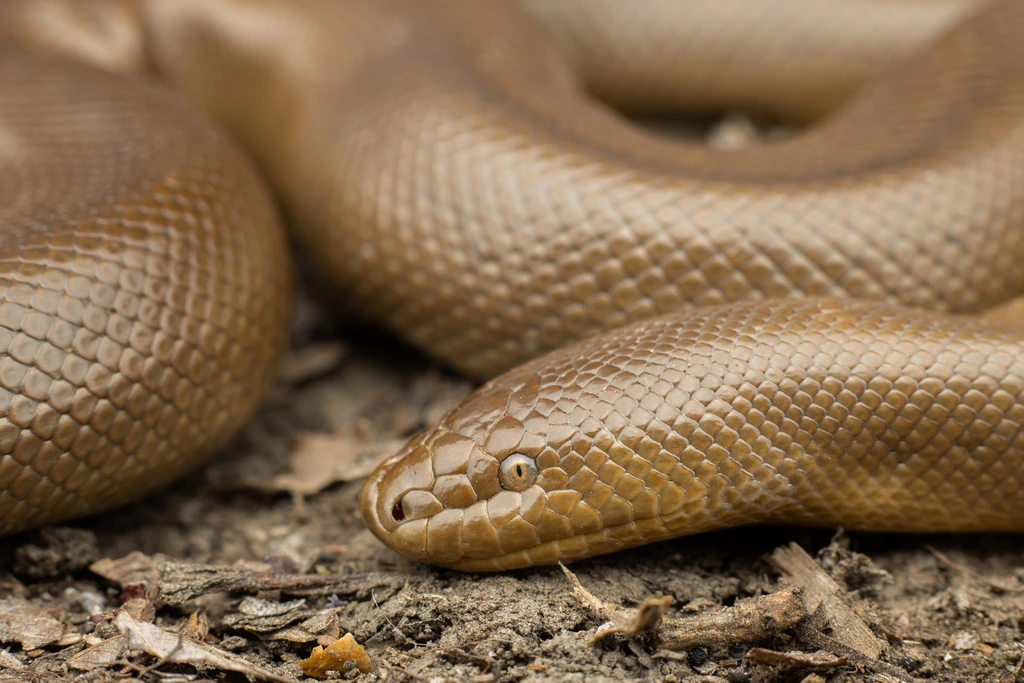
Charina umbratica. Species portrait; the complete source frame is retained. Original observation dated 2020-05-02. This photograph does not establish occurrence in any additional state or province.

014 · Boidae

Southern Rubber Boa

Charina umbratica

KLAUBER, 1943

Non-venomous

The checked taxonomic distribution account explicitly lists United States of America. Country-level evidence does not establish continuous occupancy or a complete national inventory. The treatment names these subdivisions in its United States of America distribution clause: California. They are assigned to the declared atlas navigation groups; this is…

Read the species account →

nmoorhatch · CC BY 4.0 · https://creativecommons.org/licenses/by/4.0/

Clonophis kirtlandii. Species portrait; the complete source frame is retained. Original observation dated 1997-07-14. This photograph does not establish occurrence in any additional state or province.

015 · Colubridae

Kirtland's Snake

Clonophis kirtlandii

(KENNICOTT, 1856)

Venom unknownNot yet assessed

The checked taxonomic distribution account explicitly lists United States of America. Country-level evidence does not establish continuous occupancy or a complete national inventory. The treatment names these subdivisions in its United States of America distribution clause: Michigan, Pennsylvania, Tennessee, Illinois, Kentucky, Ohio, Indiana. They are…

Read the species account →

iNaturalist contributor (CC0; creator not supplied) · CC0 1.0 · https://creativecommons.org/publicdomain/zero/1.0/

Coluber constrictor. Species portrait; the complete source frame is retained. Original observation dated 2020-05-30. This photograph does not establish occurrence in any additional state or province.

016 · Colubridae

Eastern Racer

Coluber constrictor

LINNAEUS, 1758

Venom unknownNot yet assessed

The checked taxonomic distribution account explicitly lists United States of America. Country-level evidence does not establish continuous occupancy or a complete national inventory. The treatment names these subdivisions in its United States of America distribution clause: Mississippi, North Carolina, Oklahoma, Virginia, West Virginia, Louisiana,…

Read the species account →

Jonathan Eisen · CC BY 4.0 · https://creativecommons.org/licenses/by/4.0/

Coniophanes imperialis. Species portrait; the complete source frame is retained. Original observation dated 2023-03-26. This photograph does not establish occurrence in any additional state or province.

017 · Colubridae

Black-striped Snake

Coniophanes imperialis

(BAIRD & GIRARD, 1859)

Venom unknownNot yet assessed

The checked taxonomic distribution account explicitly lists United States of America. Country-level evidence does not establish continuous occupancy or a complete national inventory. The treatment names these subdivisions in its United States of America distribution clause: Texas. They are assigned to the declared atlas navigation groups; this is not a…

Read the species account →

Ricard Busquets Reverte · CC BY 4.0 · https://creativecommons.org/licenses/by/4.0/

Contia longicauda. Species portrait; the complete source frame is retained. Original observation dated 2019-06-05. This photograph does not establish occurrence in any additional state or province.

018 · Colubridae

Forest Sharp-tailed Snake

Contia longicauda

FELDMAN & HOYER, 2010

Venom unknownNot yet assessed

The checked taxonomic distribution account explicitly lists United States of America. Country-level evidence does not establish continuous occupancy or a complete national inventory. The treatment names these subdivisions in its United States of America distribution clause: California, Oregon. They are assigned to the declared atlas navigation groups;…

Read the species account →

iNaturalist contributor (CC0; creator not supplied) · CC0 1.0 · https://creativecommons.org/publicdomain/zero/1.0/

Contia tenuis. Species portrait; the complete source frame is retained. Original observation dated 2022-04-01. This photograph does not establish occurrence in any additional state or province.

019 · Colubridae

(Common) Sharptail Snake

Contia tenuis

(BAIRD & GIRARD, 1852)

Venom unknownNot yet assessed

The checked taxonomic distribution account explicitly lists United States of America. Country-level evidence does not establish continuous occupancy or a complete national inventory. The treatment names these subdivisions in its United States of America distribution clause: Washington, California, Oregon. They are assigned to the declared atlas…

Read the species account →

iNaturalist contributor (CC0; creator not supplied) · CC0 1.0 · https://creativecommons.org/publicdomain/zero/1.0/

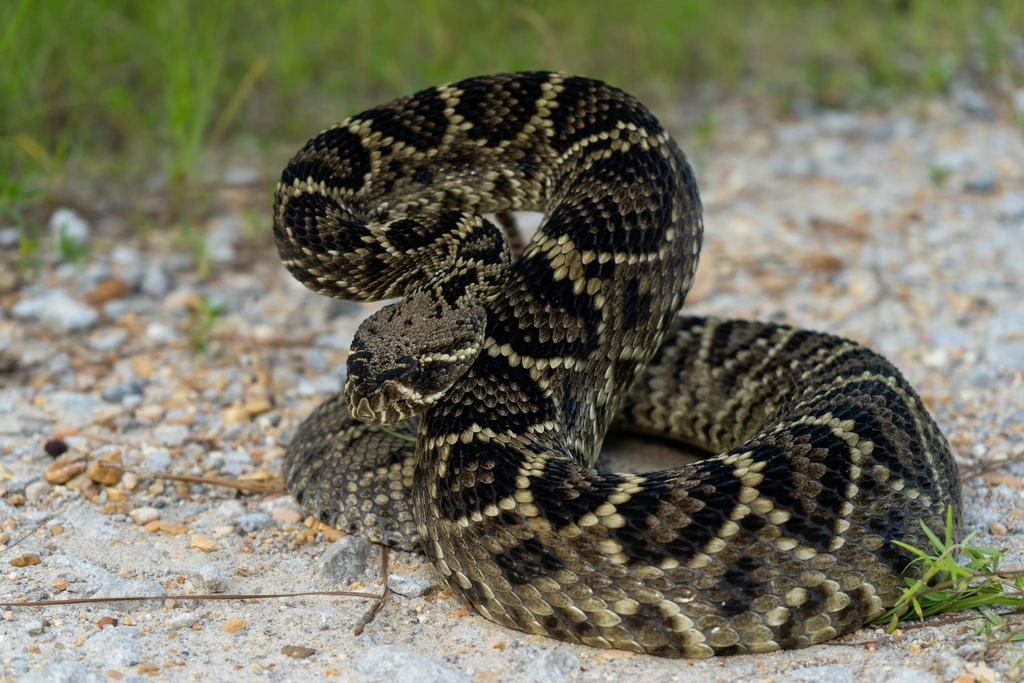
Crotalus adamanteus. Species portrait; the complete source frame is retained. Original observation dated 2020-08-05. This photograph does not establish occurrence in any additional state or province.

020 · Viperidae

Eastern Diamondback Rattlesnake

Crotalus adamanteus

PALISOT DE BEAUVOIS, 1799

VenomousPotentially life-threatening

The checked taxonomic distribution account explicitly lists United States of America. Country-level evidence does not establish continuous occupancy or a complete national inventory. The treatment names these subdivisions in its United States of America distribution clause: Mississippi, North Carolina, Louisiana, Florida, Alabama, Georgia, South…

Read the species account →

evangrimes · CC BY 4.0 · https://creativecommons.org/licenses/by/4.0/

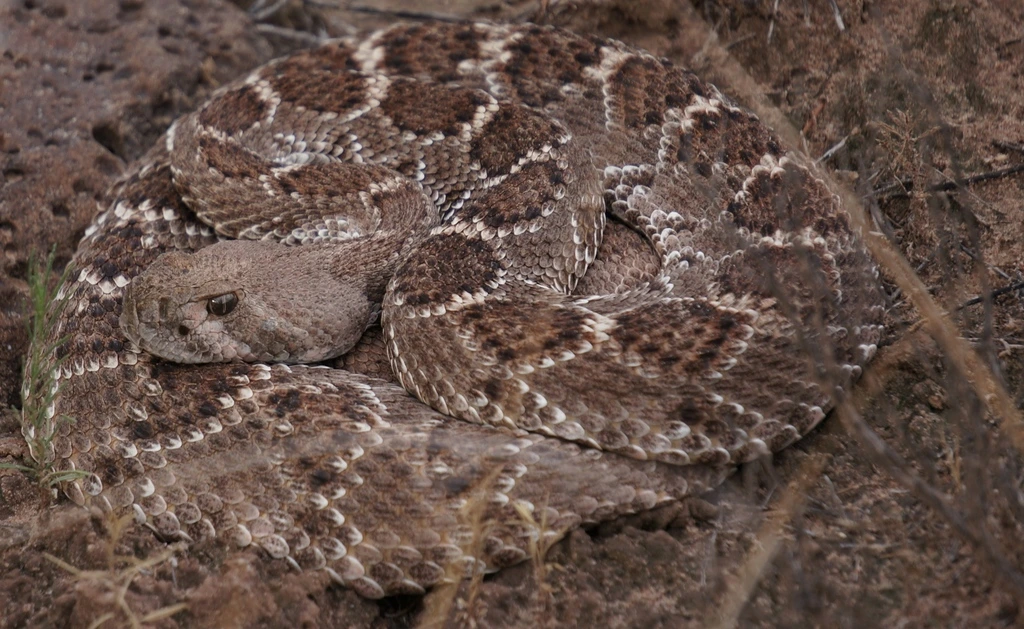
Crotalus atrox. Species portrait; the complete source frame is retained. Original observation dated 2012-08-22. This photograph does not establish occurrence in any additional state or province.

021 · Viperidae

Western Diamond-backed Rattlesnake

Crotalus atrox

BAIRD & GIRARD, 1853

VenomousPotentially life-threatening

The checked taxonomic distribution account explicitly lists United States of America. Country-level evidence does not establish continuous occupancy or a complete national inventory. The treatment names these subdivisions in its United States of America distribution clause: Oklahoma, New Mexico, Texas, California, Nevada, Arizona, Arkansas. They are…

Read the species account →

Mike Lewinski · CC BY 4.0 · https://creativecommons.org/licenses/by/4.0/

Crotalus cerastes. Species portrait; the complete source frame is retained. Original observation dated 2024-04-20. This photograph does not establish occurrence in any additional state or province.

022 · Viperidae

Sidewinder

Crotalus cerastes

HALLOWELL, 1854

VenomousClinical severity not established

The checked taxonomic distribution account explicitly lists United States of America. Country-level evidence does not establish continuous occupancy or a complete national inventory. The treatment names these subdivisions in its United States of America distribution clause: California, Utah, Nevada, Arizona. They are assigned to the declared atlas…

Read the species account →

iNaturalist contributor (CC0; creator not supplied) · CC0 1.0 · https://creativecommons.org/publicdomain/zero/1.0/

Crotalus cerberus. Species portrait; the complete source frame is retained. Original observation dated 2026-08-19. This photograph does not establish occurrence in any additional state or province.

023 · Viperidae

Arizona Black Rattlesnake

Crotalus cerberus

(COUES, 1875)

VenomousClinical severity not established

The checked taxonomic distribution account explicitly lists United States of America. Country-level evidence does not establish continuous occupancy or a complete national inventory. The treatment names these subdivisions in its United States of America distribution clause: New Mexico, Arizona. They are assigned to the declared atlas navigation groups;…

Read the species account →

tzeducation · CC BY 4.0 · https://creativecommons.org/licenses/by/4.0/

Crotalus concolor. Portrait identified under the historical subspecies name; the observer corrected the original location before the current identification. Original observation dated 2025-04-19. This photograph does not establish occurrence in any additional state or province.

024 · Viperidae

Midget Faded Rattlesnake

Crotalus concolor

WOODBURY, 1929

VenomousClinical severity not established

The checked taxonomic distribution account explicitly lists United States of America. Country-level evidence does not establish continuous occupancy or a complete national inventory. The treatment names these subdivisions in its United States of America distribution clause: Colorado, Utah. They are assigned to the declared atlas navigation groups; this…

Read the species account →

Suhei Castro · CC BY 4.0 · https://creativecommons.org/licenses/by/4.0/

The research library

Sources & the checklist.

This edition lists 177 species with supported country records from checked taxonomic treatments and cited field studies. This total includes 4 records marked as introduced; it is not a native-species total. It is not a claim of a complete national inventory. Each account retains its source and check date; individual evidence entries retain their own review dates.

Range and taxonomy review

Country links use a single accepted species identity. Revised names and disputed records are kept visible here; uncertain records do not enter the listed collection or regional totals.

Indotyphlops braminus

Introduced occurrence

Explicitly introduced in the checked distribution source. The checked taxonomic distribution account explicitly lists United States of America. Country-level evidence does not establish continuous occupancy or a complete national inventory. The source population is treated as introduced. The treatment names these subdivisions in its United States of America distribution clause: Florida, California, Hawaii. They are assigned to the declared atlas navigation groups; this is not a field observation, a whole-region range polygon or a complete local inventory.

Source 1 ↗

Xenochrophis vittatus

Uncertain — excluded from the listed total

The underlying introduced record explicitly refers to Puerto Rico. It does not establish occurrence in the 50 states or District of Columbia covered by this chapter. The separately indexed Puerto Rico introduction is retained.

Source 1 ↗

Python bivittatus

Introduced occurrence

Explicitly introduced in the checked distribution source. The Florida Museum documents an introduced, established population in southern Florida. The existing introduced national status is retained; this is not a native-range claim.

Source 1 ↗

Source 2 ↗

Boa constrictor

Introduced occurrence

The checked taxonomic distribution account explicitly lists United States of America. Country-level evidence does not establish continuous occupancy or a complete national inventory. The source population is treated as introduced. The treatment names these subdivisions in its United States of America distribution clause: Florida. They are assigned to the declared atlas navigation groups; this is not a field observation, a whole-region range polygon or a complete local inventory.

Source 1 ↗

Bogertophis rosaliae

Uncertain — excluded from the listed total

California documents a single road-killed specimen whose origin remains unresolved: a native population, migrant or escaped pet. This report is retained for research but is not counted as a confirmed US population.

Source 1 ↗

Lampropeltis annulata

Uncertain — excluded from the listed total

SSAR 2025 considers US occurrence uncertain: southern Texas populations were not resolved by the relevant milksnake revision and could belong to or hybridize with L. gentilis. The report is retained separately from confirmed national and state counts.

Source 1 ↗

Lampropeltis californiae

Introduced occurrence

The checked taxonomic distribution account explicitly lists United States of America. Country-level evidence does not establish continuous occupancy or a complete national inventory. The source population is treated as introduced. The treatment names these subdivisions in its United States of America distribution clause: California, Utah, Nevada, Arizona, Oregon. They are assigned to the declared atlas navigation groups; this is not a field observation, a whole-region range polygon or a complete local inventory.

Source 1 ↗

Python sebae

Uncertain — excluded from the listed total

The treatment says the species may have been introduced; establishment needs independent evidence before inclusion.

Source 1 ↗

How the map and counts work

Search results were checked against distribution text and taxonomic qualifications. A geographic name alone does not establish a political country: New Guinea, the Solomon archipelago and Micronesia span more than one country or territory. Introduced and unresolved records require separate interpretation.

Place counts require explicit named localities, including valid type localities. Counts can overlap where sources name multiple places. Regional maps group historical boundary snapshots for navigation, while island outlines use Natural Earth; neither is a species range or an observation map. Small islands can be below the outline dataset’s resolution, so geographic reference markers and the directory remain available.

United States Census Bureau, MAF/TIGER Database; geoBoundaries gbOpen ADM1, 2018 snapshot; Public Domain. Map provenance →

Exclusions & qualifications (55)

Epicrates cenchria

Search candidate only: the leading current distribution account does not independently resolve this country. Retained for manual taxonomic/locality review; not evidence of absence.

Read source 1 ↗
Liotyphlops ternetzii

Search candidate only: the leading current distribution account does not independently resolve this country. Retained for manual taxonomic/locality review; not evidence of absence.

Read source 1 ↗
Atractus dativus

Search candidate only: the leading current distribution account does not independently resolve this country. Retained for manual taxonomic/locality review; not evidence of absence.

Read source 1 ↗
Afrotyphlops gierrai

Search candidate only: the leading current distribution account does not independently resolve this country. Retained for manual taxonomic/locality review; not evidence of absence.

Read source 1 ↗
Afrotyphlops usambaricus

Search candidate only: the leading current distribution account does not independently resolve this country. Retained for manual taxonomic/locality review; not evidence of absence.

Read source 1 ↗
Ahaetulla mycterizans

Search candidate only: the leading current distribution account does not independently resolve this country. Retained for manual taxonomic/locality review; not evidence of absence.

Read source 1 ↗
Ahaetulla prasina

Search candidate only: the leading current distribution account does not independently resolve this country. Retained for manual taxonomic/locality review; not evidence of absence.

Read source 1 ↗
Aparallactus werneri

Search candidate only: the leading current distribution account does not independently resolve this country. Retained for manual taxonomic/locality review; not evidence of absence.

Read source 1 ↗
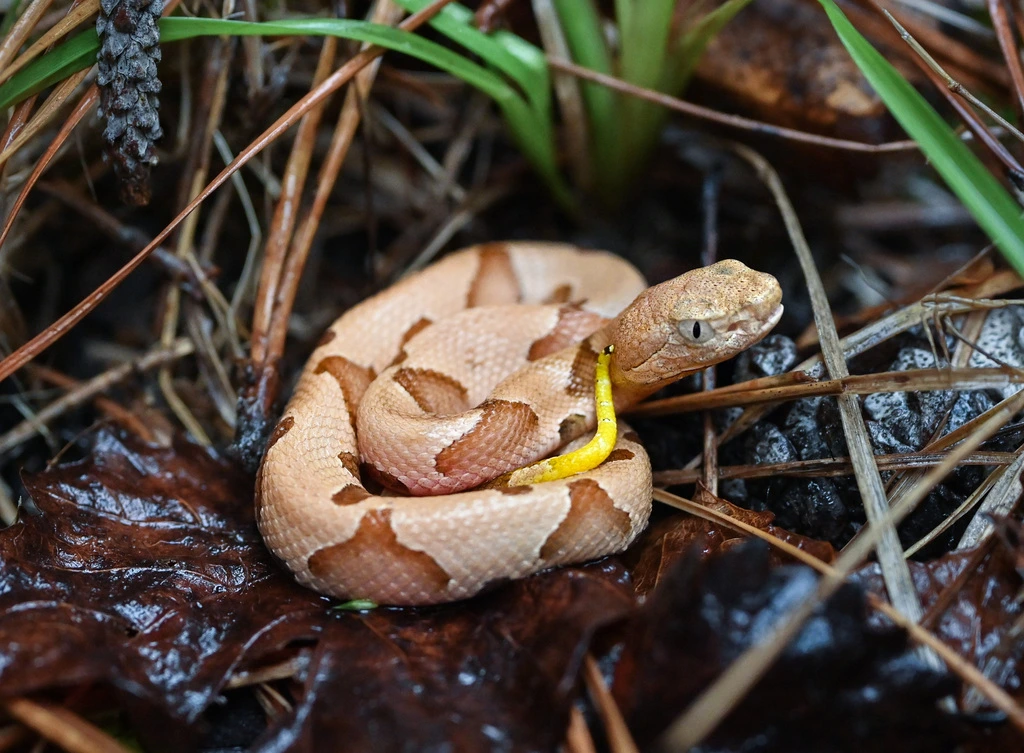
Atheris ceratophora

Search candidate only: the leading current distribution account does not independently resolve this country. Retained for manual taxonomic/locality review; not evidence of absence.

Read source 1 ↗
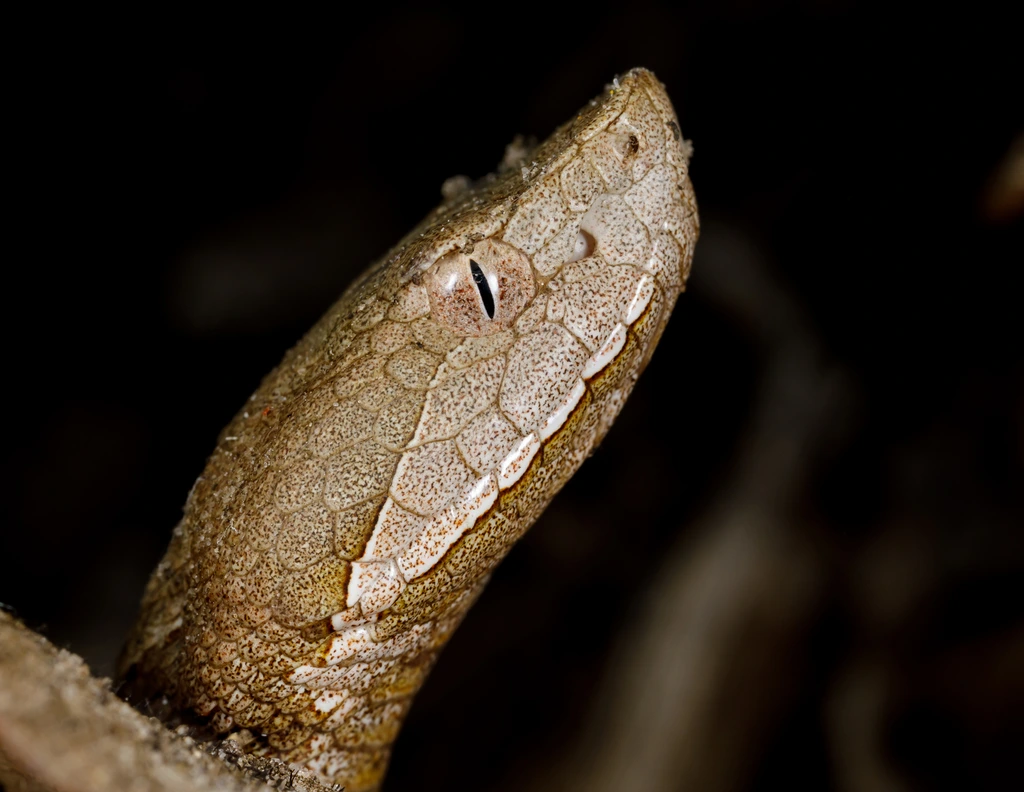
Boiga hoeseli

Search candidate only: the leading current distribution account does not independently resolve this country. Retained for manual taxonomic/locality review; not evidence of absence.

Read source 1 ↗
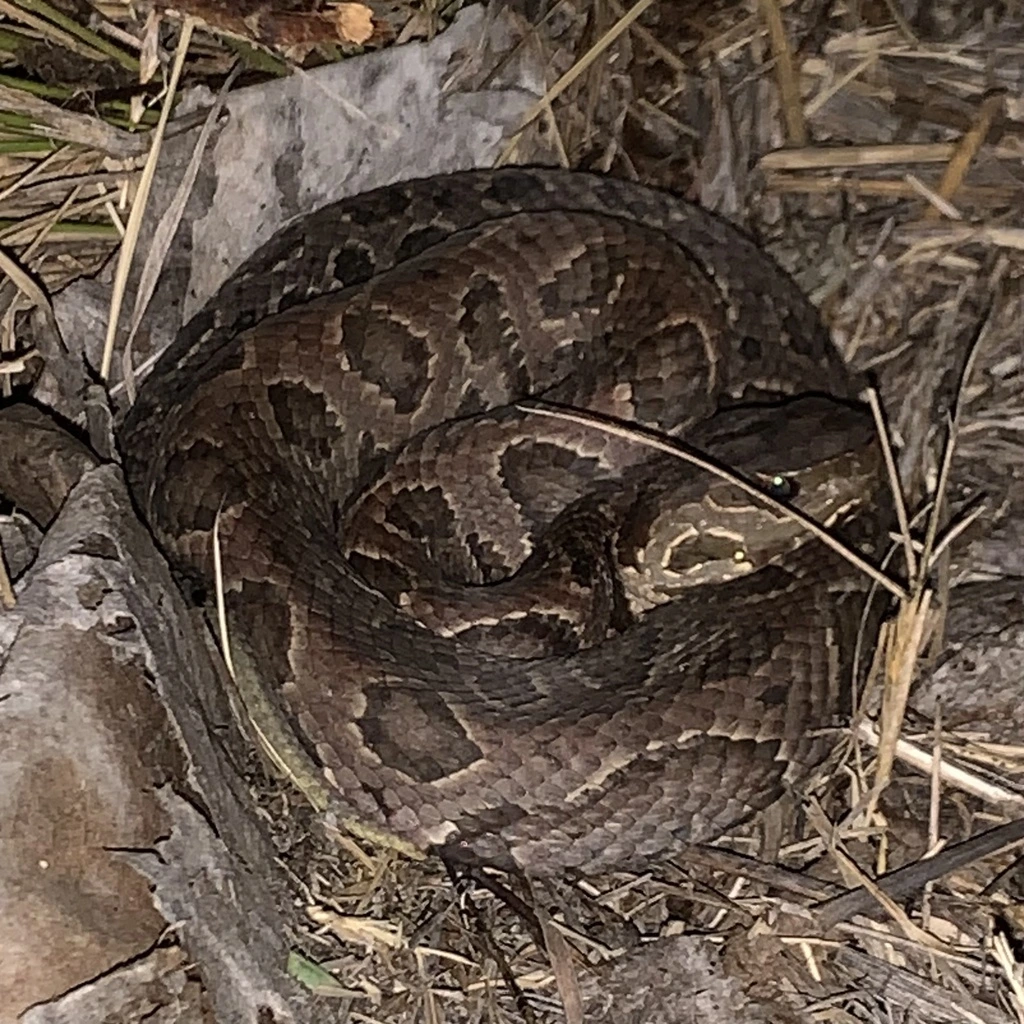
Buhoma vauerocegae

Search candidate only: the leading current distribution account does not independently resolve this country. Retained for manual taxonomic/locality review; not evidence of absence.

Read source 1 ↗
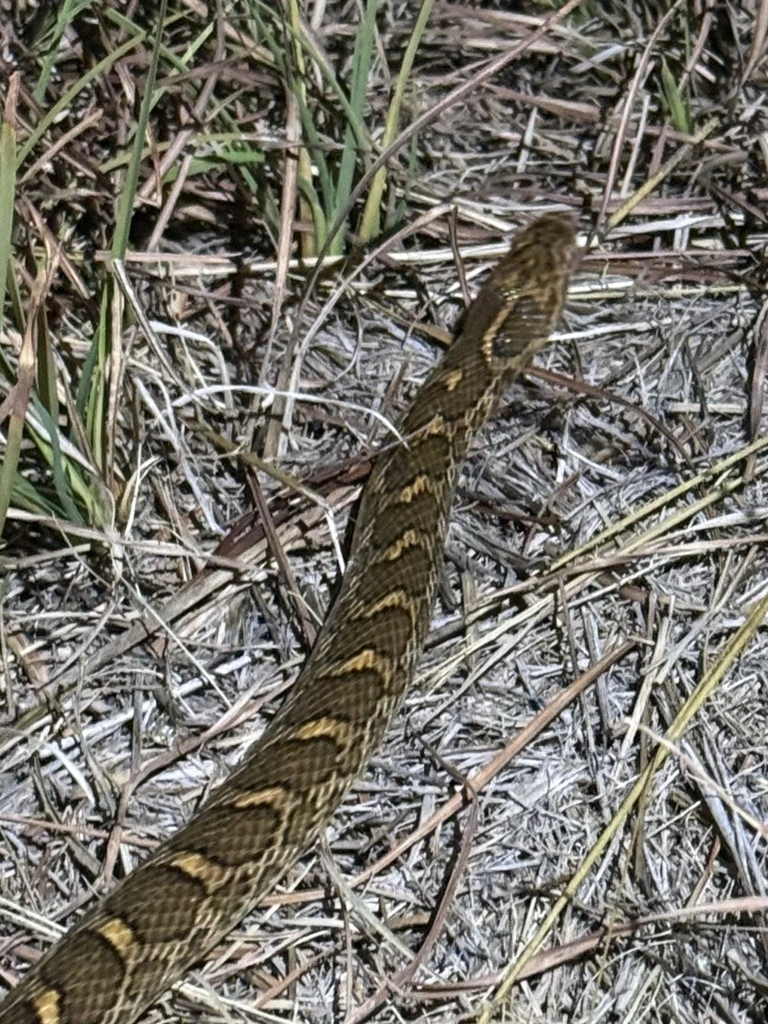
Calamaria butonensis

Search candidate only: the leading current distribution account does not independently resolve this country. Retained for manual taxonomic/locality review; not evidence of absence.

Read source 1 ↗
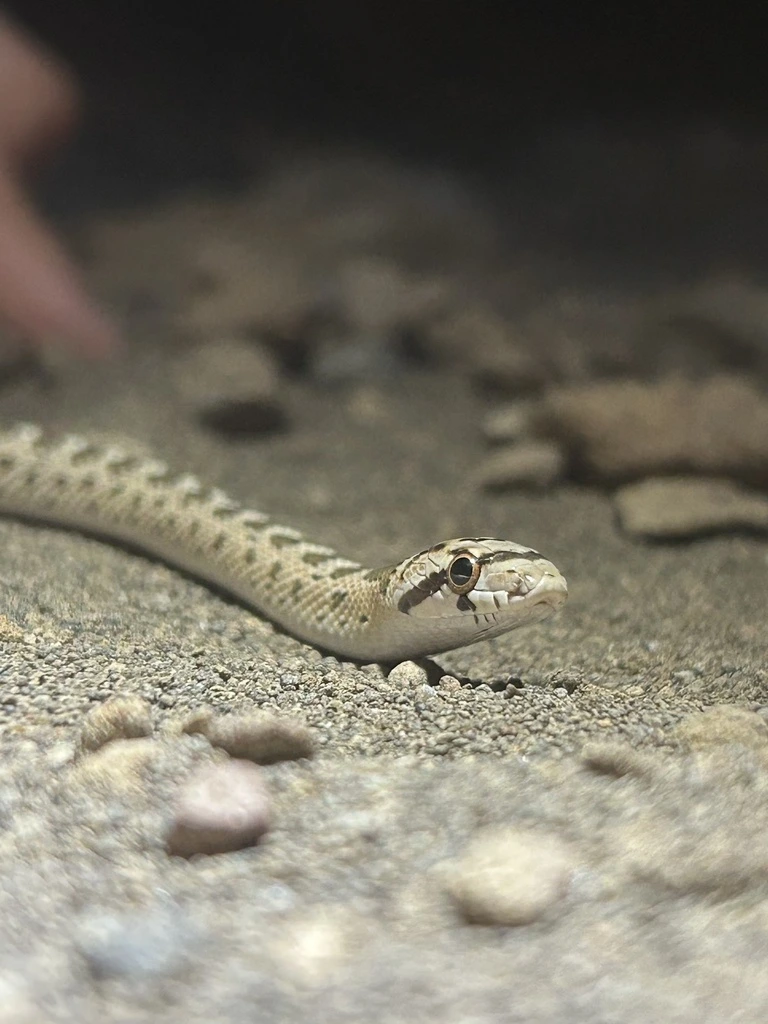
Calamaria longirostris

Search candidate only: the leading current distribution account does not independently resolve this country. Retained for manual taxonomic/locality review; not evidence of absence.

Read source 1 ↗
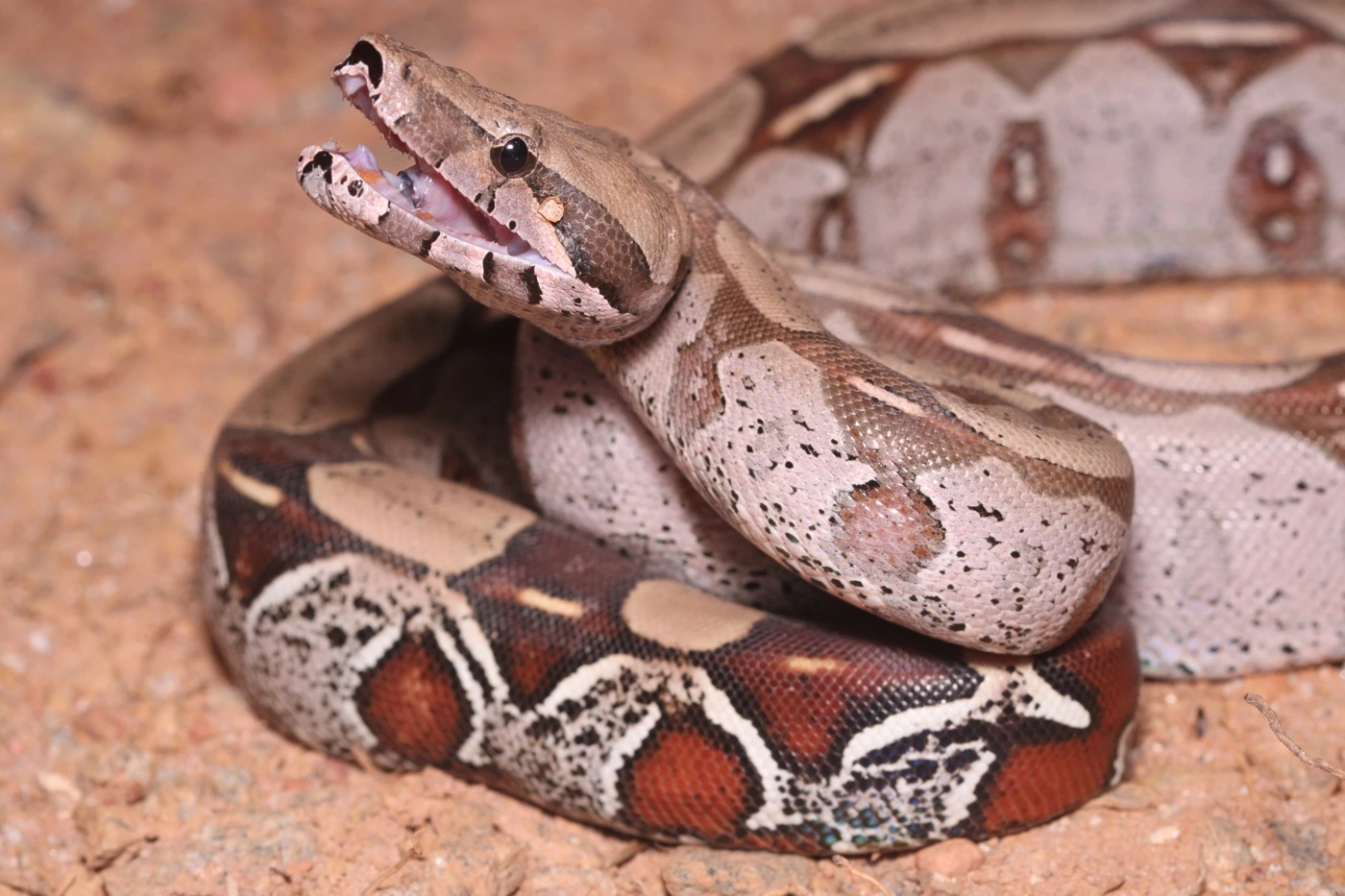
Chrysopelea paradisi

Search candidate only: the leading current distribution account does not independently resolve this country. Retained for manual taxonomic/locality review; not evidence of absence.

Read source 1 ↗
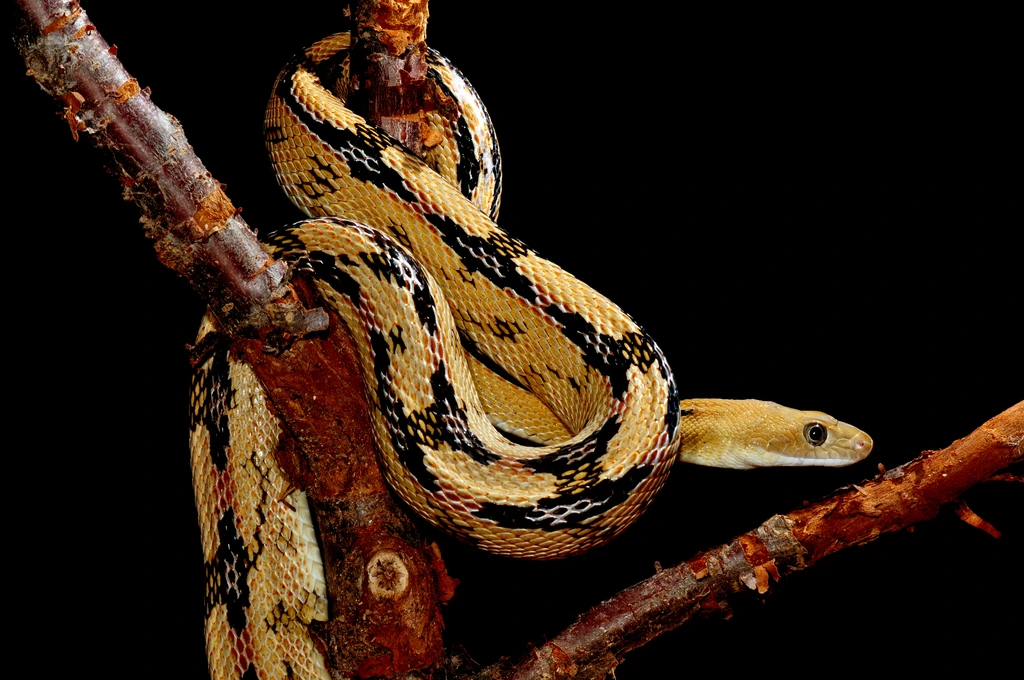
Crotaphopeltis tornieri

Search candidate only: the leading current distribution account does not independently resolve this country. Retained for manual taxonomic/locality review; not evidence of absence.

Read source 1 ↗
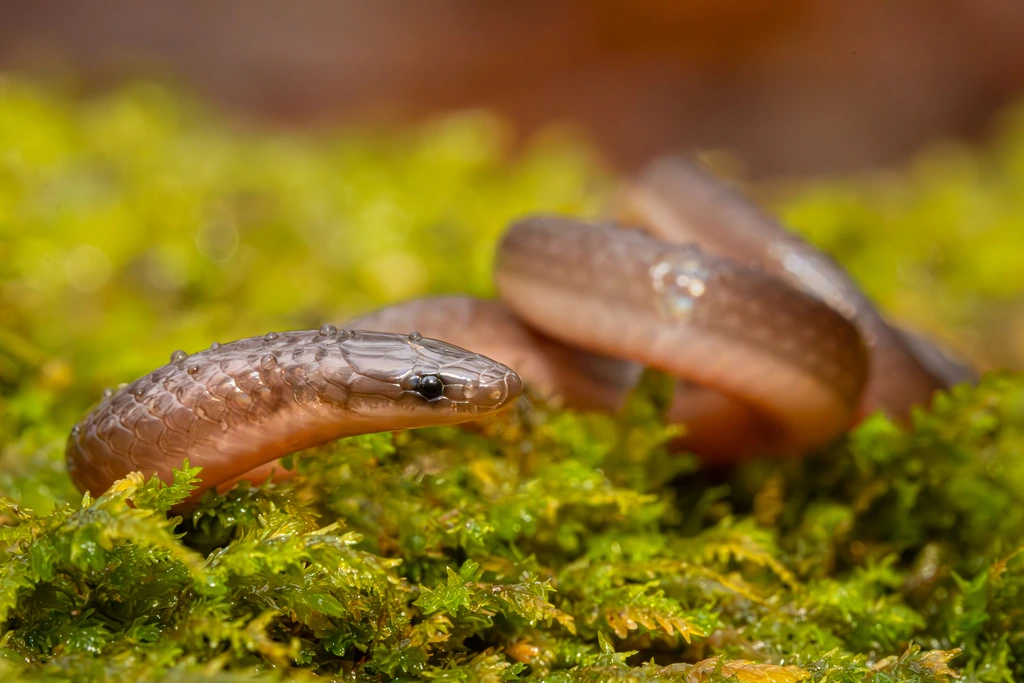
Dendrelaphis pictus

Search candidate only: the leading current distribution account does not independently resolve this country. Retained for manual taxonomic/locality review; not evidence of absence.

Read source 1 ↗
Dinodon rufozonatus

Search candidate only: the leading current distribution account does not independently resolve this country. Retained for manual taxonomic/locality review; not evidence of absence.

Read source 1 ↗
Dinodon subcinctus

Search candidate only: the leading current distribution account does not independently resolve this country. Retained for manual taxonomic/locality review; not evidence of absence.

Read source 1 ↗
Dipsadoboa werneri

Search candidate only: the leading current distribution account does not independently resolve this country. Retained for manual taxonomic/locality review; not evidence of absence.

Read source 1 ↗
Eirenis rothii

Search candidate only: the leading current distribution account does not independently resolve this country. Retained for manual taxonomic/locality review; not evidence of absence.

Read source 1 ↗
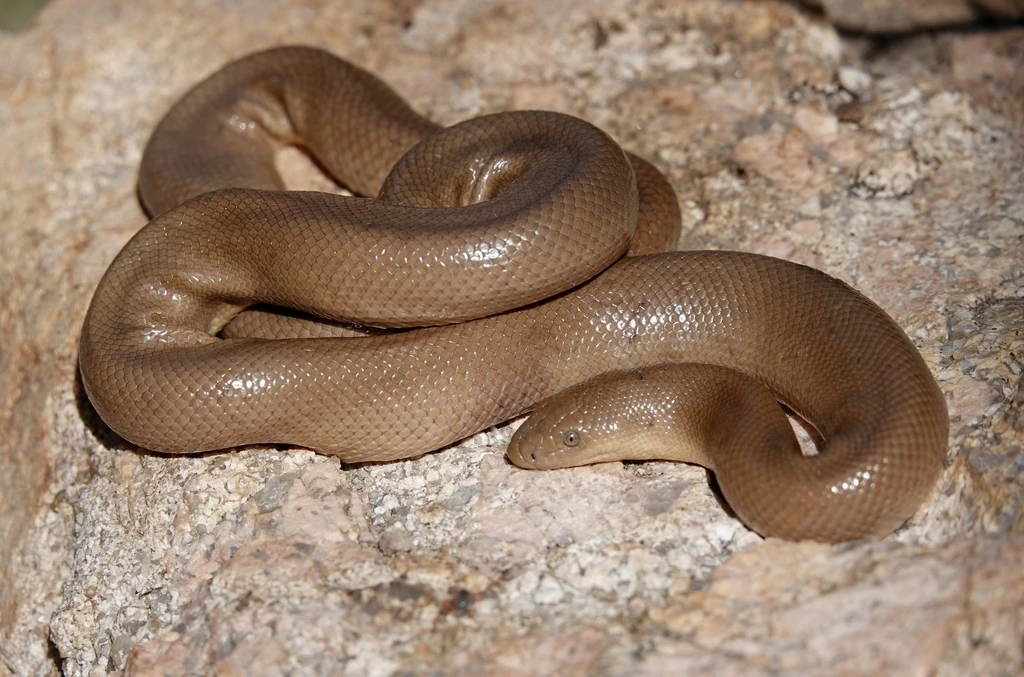
Elapsoidea nigra

Search candidate only: the leading current distribution account does not independently resolve this country. Retained for manual taxonomic/locality review; not evidence of absence.

Read source 1 ↗
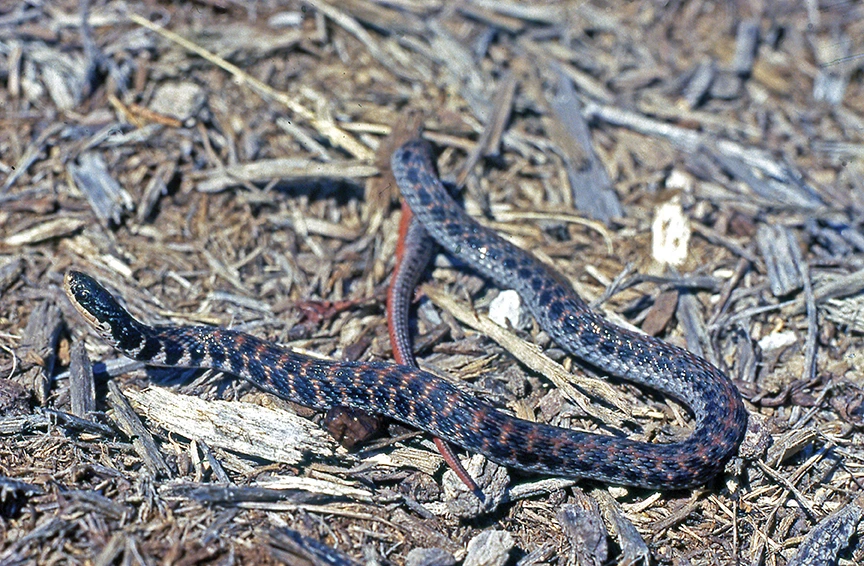
Euprepiophis mandarinus

Search candidate only: the leading current distribution account does not independently resolve this country. Retained for manual taxonomic/locality review; not evidence of absence.

Read source 1 ↗
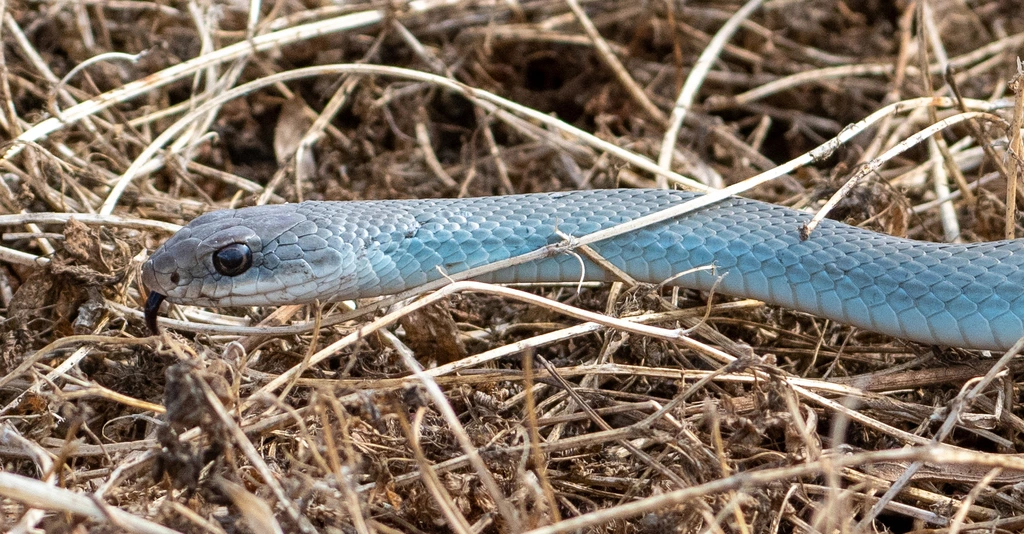
Fowlea yunnanensis

Search candidate only: the leading current distribution account does not independently resolve this country. Retained for manual taxonomic/locality review; not evidence of absence.

Read source 1 ↗
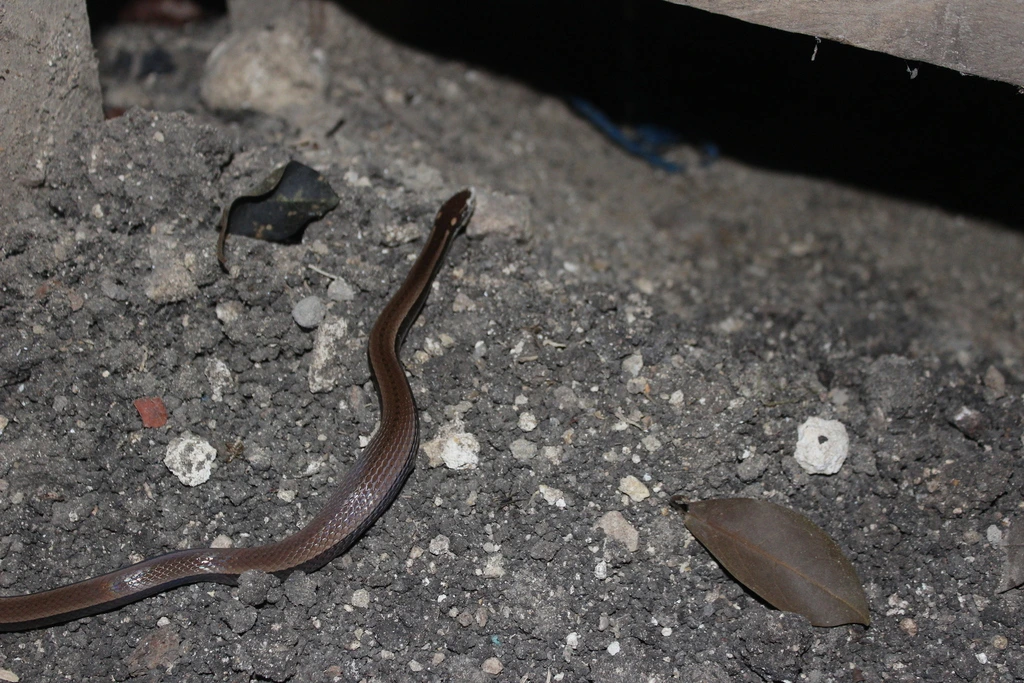
Gloydius blomhoffii

Search candidate only: the leading current distribution account does not independently resolve this country. Retained for manual taxonomic/locality review; not evidence of absence.

Read source 1 ↗
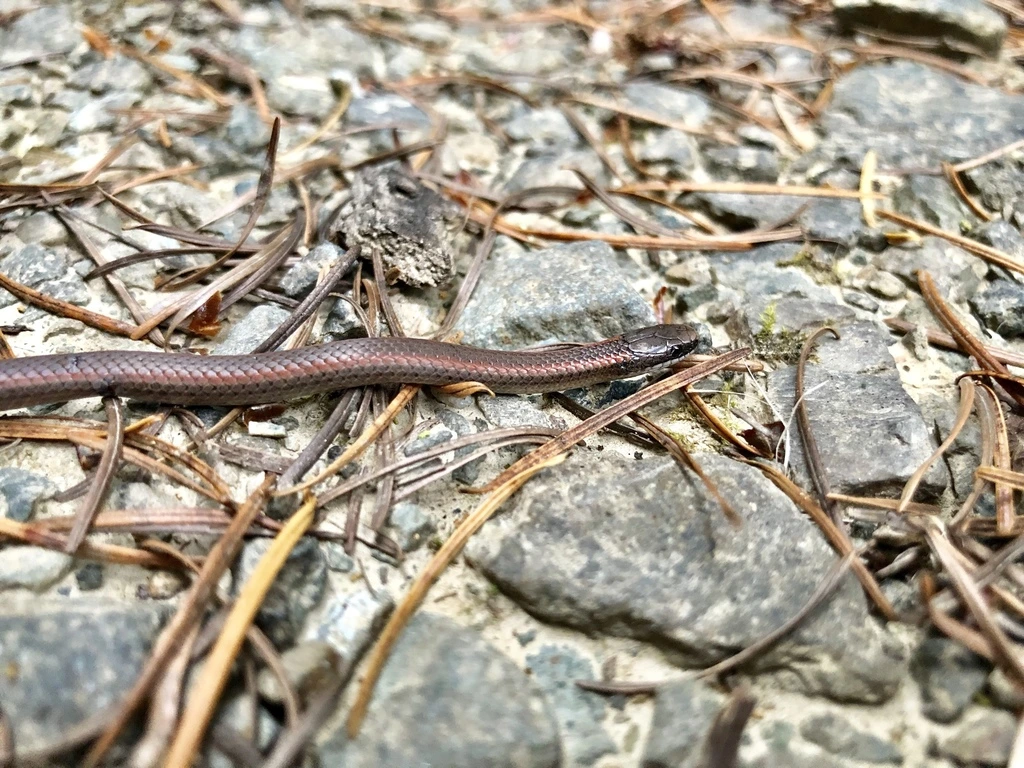
Gloydius brevicaudus

Search candidate only: the leading current distribution account does not independently resolve this country. Retained for manual taxonomic/locality review; not evidence of absence.

Read source 1 ↗
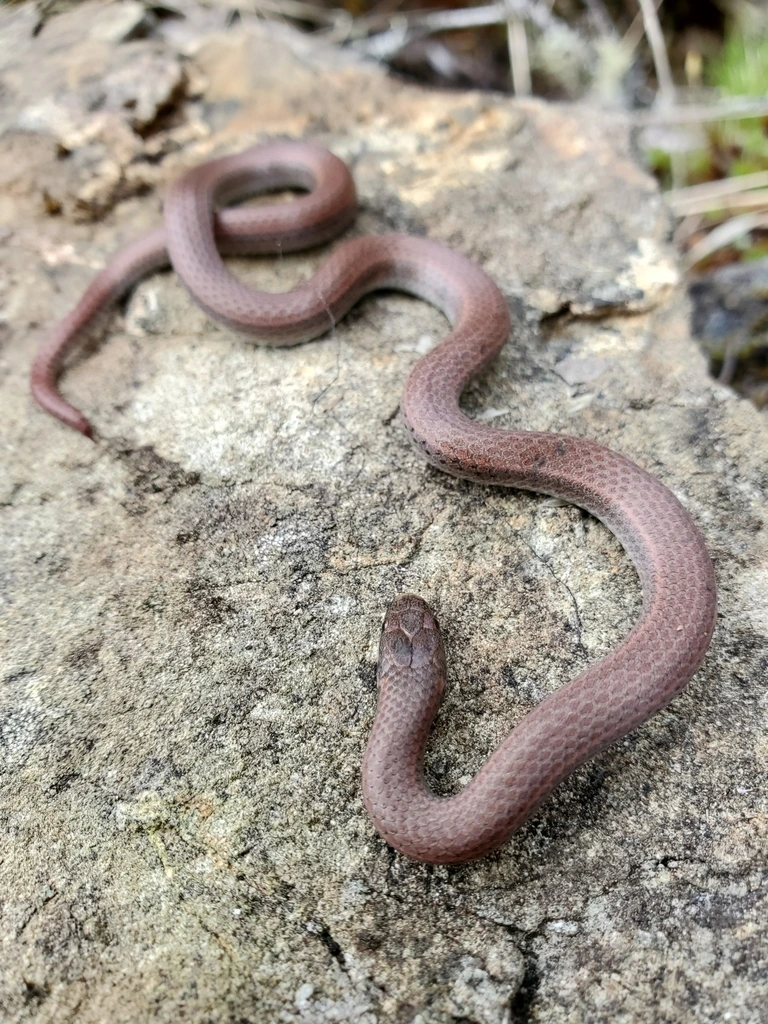
Gonyosoma oxycephalum

Search candidate only: the leading current distribution account does not independently resolve this country. Retained for manual taxonomic/locality review; not evidence of absence.

Read source 1 ↗
Gracililima nyassae

Search candidate only: the leading current distribution account does not independently resolve this country. Retained for manual taxonomic/locality review; not evidence of absence.

Read source 1 ↗
Hebius vibakari

Search candidate only: the leading current distribution account does not independently resolve this country. Retained for manual taxonomic/locality review; not evidence of absence.

Read source 1 ↗
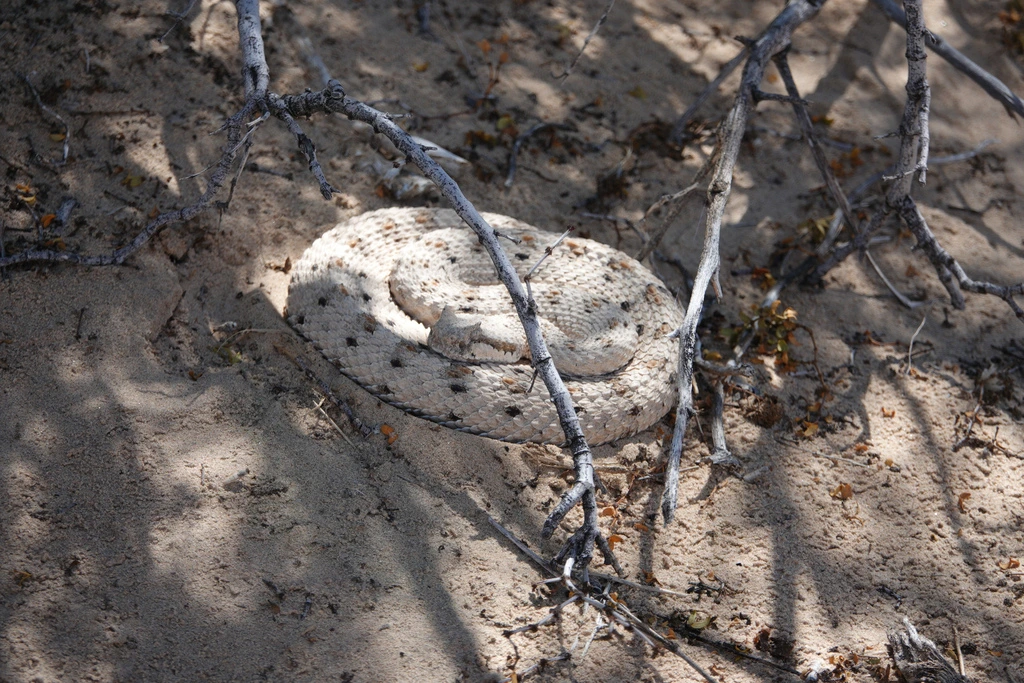
Lycophidion capense

Search candidate only: the leading current distribution account does not independently resolve this country. Retained for manual taxonomic/locality review; not evidence of absence.

Read source 1 ↗
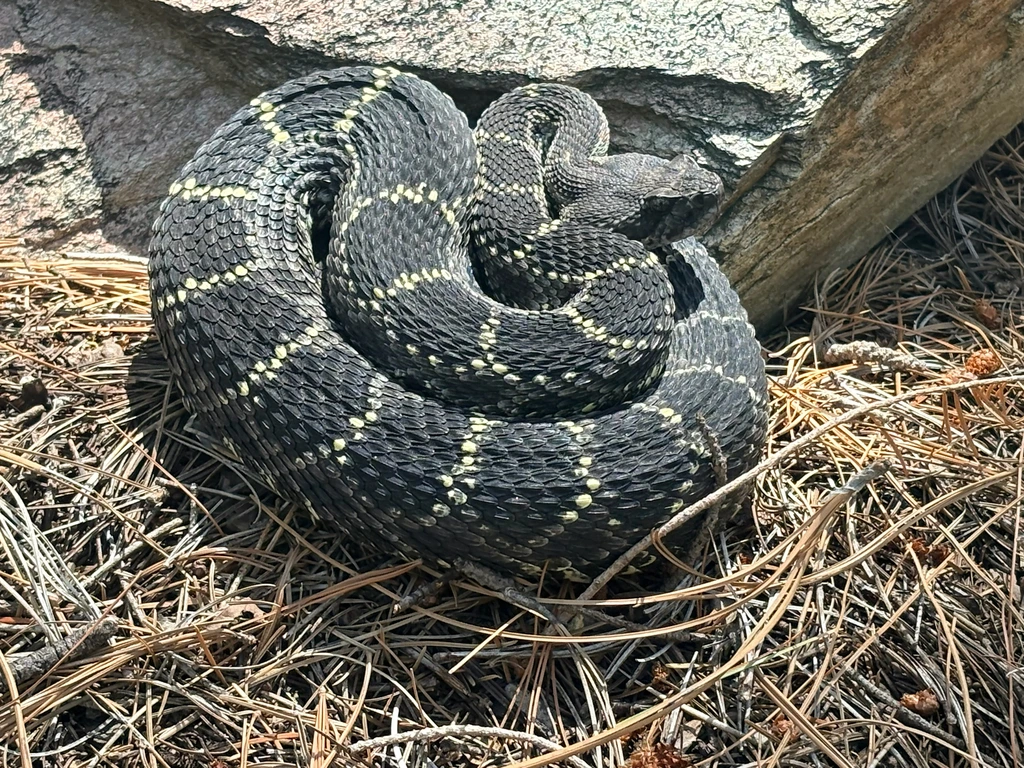
Lycophidion meleagre

Search candidate only: the leading current distribution account does not independently resolve this country. Retained for manual taxonomic/locality review; not evidence of absence.

Read source 1 ↗
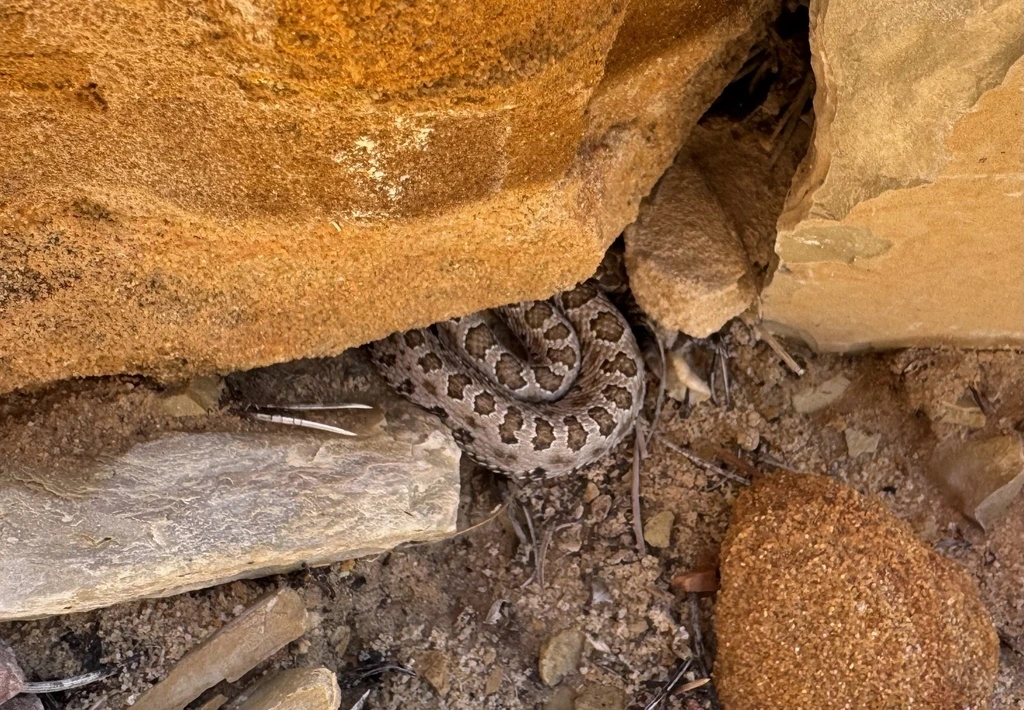
Lycophidion namibianum

Search candidate only: the leading current distribution account does not independently resolve this country. Retained for manual taxonomic/locality review; not evidence of absence.

Read source 1 ↗

Macroprotodon cucullatus

Search candidate only: the leading current distribution account does not independently resolve this country. Retained for manual taxonomic/locality review; not evidence of absence.

Read source 1 ↗

Macrovipera lebetinus

Search candidate only: the leading current distribution account does not independently resolve this country. Retained for manual taxonomic/locality review; not evidence of absence.

Read source 1 ↗

Malpolon insignitus

Search candidate only: the leading current distribution account does not independently resolve this country. Retained for manual taxonomic/locality review; not evidence of absence.

Read source 1 ↗

Malpolon monspessulanus

Search candidate only: the leading current distribution account does not independently resolve this country. Retained for manual taxonomic/locality review; not evidence of absence.

Read source 1 ↗

Micrelaps muelleri

Search candidate only: the leading current distribution account does not independently resolve this country. Retained for manual taxonomic/locality review; not evidence of absence.

Read source 1 ↗

Naja annulata

Search candidate only: the leading current distribution account does not independently resolve this country. Retained for manual taxonomic/locality review; not evidence of absence.

Read source 1 ↗

Naja atra

Search candidate only: the leading current distribution account does not independently resolve this country. Retained for manual taxonomic/locality review; not evidence of absence.

Read source 1 ↗

Naja samarensis

Search candidate only: the leading current distribution account does not independently resolve this country. Retained for manual taxonomic/locality review; not evidence of absence.

Read source 1 ↗

Oligodon maculatus

Search candidate only: the leading current distribution account does not independently resolve this country. Retained for manual taxonomic/locality review; not evidence of absence.

Read source 1 ↗

Oocatochus rufodorsatus

Search candidate only: the leading current distribution account does not independently resolve this country. Retained for manual taxonomic/locality review; not evidence of absence.

Read source 1 ↗

Philothamnus macrops

Search candidate only: the leading current distribution account does not independently resolve this country. Retained for manual taxonomic/locality review; not evidence of absence.

Read source 1 ↗

Platyceps gallagheri

Search candidate only: the leading current distribution account does not independently resolve this country. Retained for manual taxonomic/locality review; not evidence of absence.

Read source 1 ↗

Platyceps scortecci

Search candidate only: the leading current distribution account does not independently resolve this country. Retained for manual taxonomic/locality review; not evidence of absence.

Read source 1 ↗

Platyceps ventromaculatus

Search candidate only: the leading current distribution account does not independently resolve this country. Retained for manual taxonomic/locality review; not evidence of absence.

Read source 1 ↗

Prosymna stuhlmanni

Search candidate only: the leading current distribution account does not independently resolve this country. Retained for manual taxonomic/locality review; not evidence of absence.

Read source 1 ↗

Psammophis schokari

Search candidate only: the leading current distribution account does not independently resolve this country. Retained for manual taxonomic/locality review; not evidence of absence.

Read source 1 ↗

Psammophis tanganicus

Search candidate only: the leading current distribution account does not independently resolve this country. Retained for manual taxonomic/locality review; not evidence of absence.

Read source 1 ↗

Ptyas dhumnades

Search candidate only: the leading current distribution account does not independently resolve this country. Retained for manual taxonomic/locality review; not evidence of absence.

Read source 1 ↗

Python sebae

The treatment says the species may have been introduced; establishment needs independent evidence before inclusion.

Read source 1 ↗

Rhinophis phillipsi

Search candidate only: the leading current distribution account does not independently resolve this country. Retained for manual taxonomic/locality review; not evidence of absence.

Read source 1 ↗

Simalia boeleni

Search candidate only: the leading current distribution account does not independently resolve this country. Retained for manual taxonomic/locality review; not evidence of absence.

Read source 1 ↗

Stegonotus lividus

Search candidate only: the leading current distribution account does not independently resolve this country. Retained for manual taxonomic/locality review; not evidence of absence.

Read source 1 ↗

Stegonotus sutteri

Search candidate only: the leading current distribution account does not independently resolve this country. Retained for manual taxonomic/locality review; not evidence of absence.

Read source 1 ↗

Thelotornis usambaricus

Search candidate only: the leading current distribution account does not independently resolve this country. Retained for manual taxonomic/locality review; not evidence of absence.

Read source 1 ↗
  1. Map provenance and declared navigation groups ↗
  2. US National Park Service · Everglades habitats ↗
  3. The Reptile Database

    Individual treatments and locality evidence are linked from each species account.

  4. Meiri (2024): SquamBase 1.0

    Species-level literature measurements and ecological traits. Exact-name matches only; imputed or ambiguous fields are omitted. These summaries are not local observations.

  5. Natural Earth: public-domain geographic data

Continue through the North America atlas →