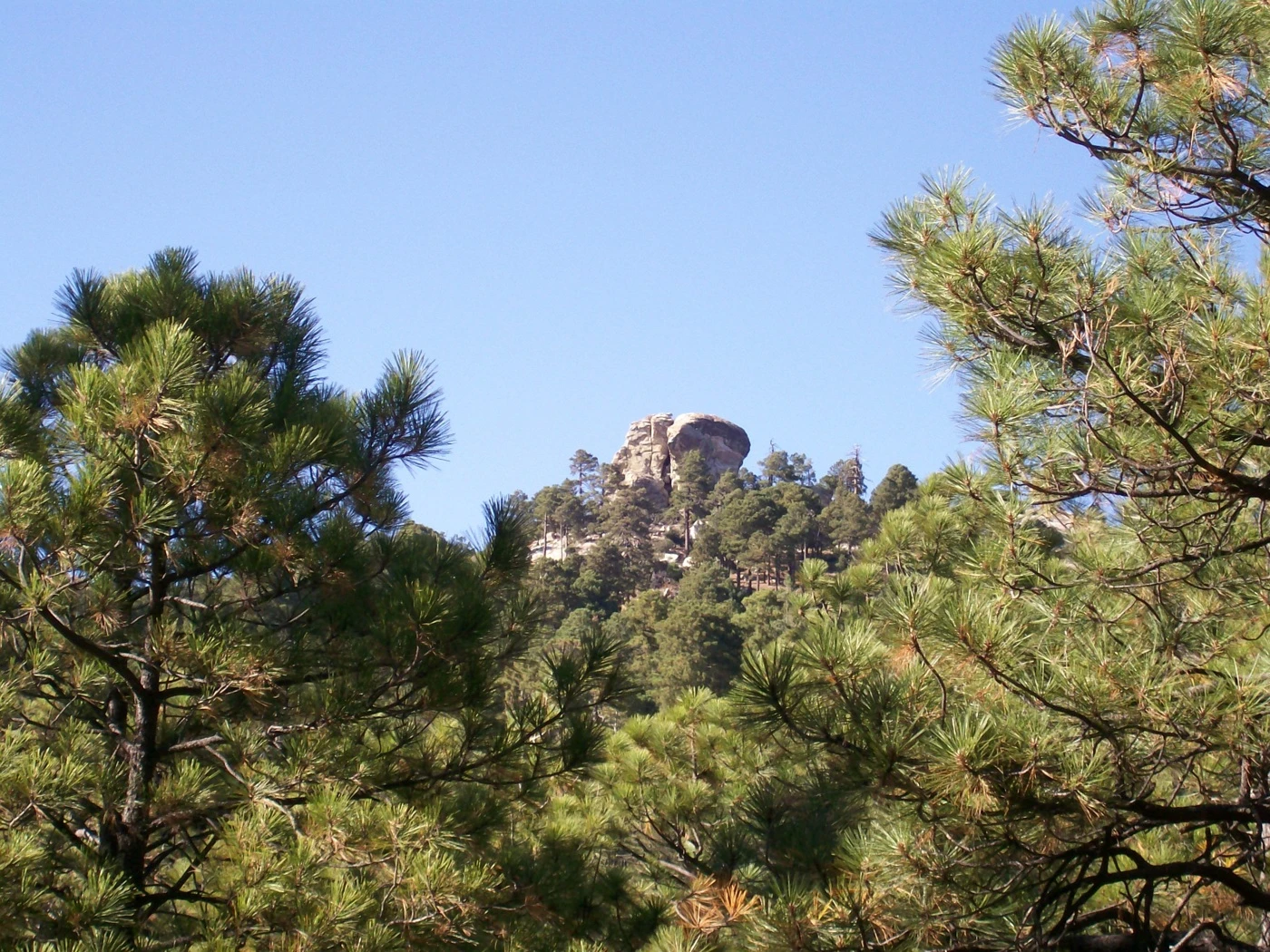
Pine woodland and rocky uplands in the Rincon Mountains, Arizona; National Park Service photograph dated 16 January 2006.

United States of America · Habitat field guide

Highland environments

In the Rincon Mountains of Saguaro National Park, desert vegetation gives way with elevation to oak woodland, pine-oak woodland, pine forest and mixed conifer forest. This Arizona example is an elevation gradient, not a description of all US mountains.

Pine woodland and rocky uplands in the Rincon Mountains, Arizona; National Park Service photograph dated 16 January 2006.

Photograph: SaguaroNPS · Image source · Public domain. Cropped to fill the hero; darkened for text legibility.

Understanding the environment

A sense of the habitat.

In the Rincon Mountains of Saguaro National Park, desert vegetation gives way with elevation to oak woodland, pine-oak woodland, pine forest and mixed conifer forest. This Arizona example is an elevation gradient, not a description of all US mountains.

Geographic scope
United States of America; source locality matters.
Evidence scale
Landscape descriptions are separate from species records.
Source date
Retain the cited publication date; reviewed 16 October 2026.

Explore the structure · Select a layer to compare details retained in a field record.

Read the locality in three layers.

Select a zone to see what changes.

Elevation

Elevation

Use a recorded elevation rather than a nearby summit’s height.

Check this detail in the original record before assigning a species to the habitat.

These reading prompts are conceptual, not a transect or an occurrence map.

Sources: US National Park Service · Saguaro: Diversity in the Desert

Field notes · 01

The documented setting

In the Rincon Mountains of Saguaro National Park, desert vegetation gives way with elevation to oak woodland, pine-oak woodland, pine forest and mixed conifer forest. This Arizona example is an elevation gradient, not a description of all US mountains.

Sources: US National Park Service · Saguaro: Diversity in the Desert

Field notes · 02

Connect the setting to a species

A habitat description and a country record answer different questions. Follow the linked species account for evidence of habitat use; an empty filtered collection indicates missing extracted evidence, not biological absence.

Pressures on United States of America’s habitats

What is at risk?

A site-specific assessment of pressures has not yet been extracted for this guide. The landscape sources below provide context; they do not establish a current threat level for each snake species.

What helps this habitat

Consult the source’s own conservation context and dates before interpreting habitat change. A broad landscape pressure does not establish a measured decline for every snake.

The connected collection

Snakes with habitat evidence.

These 15 species have supported country occurrence and an explicit habitat association in the shared account. The association may come from elsewhere in their range. This is not a complete local habitat inventory; the places above are landscape examples, not asserted collecting sites.

15 species · showing 15

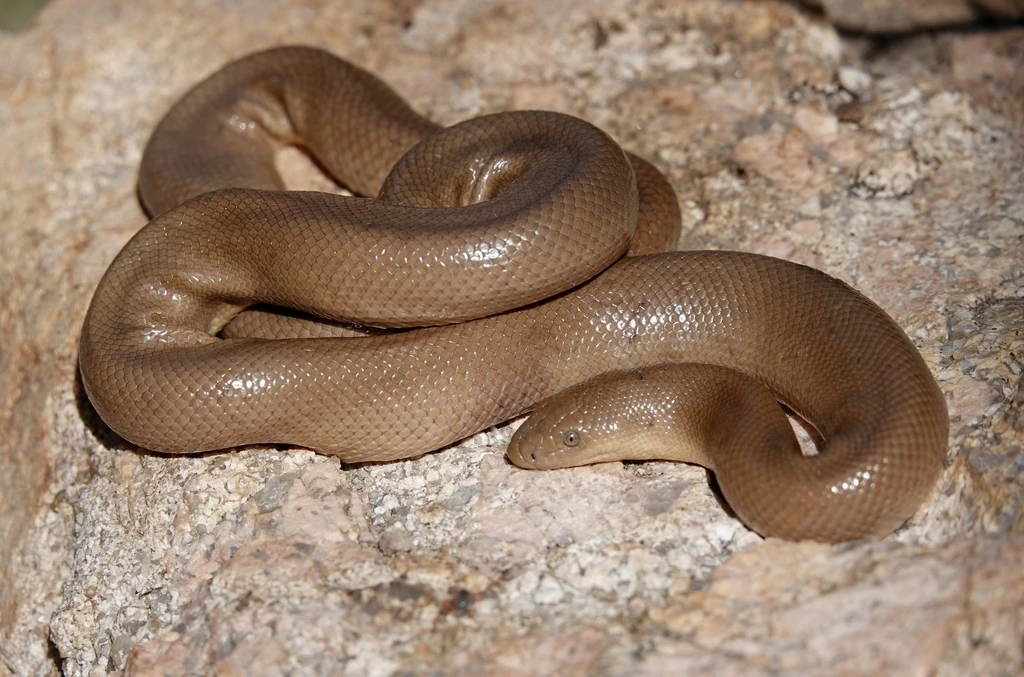
Charina umbratica. Species portrait; the complete source frame is retained. Original observation dated 2020-05-02. This photograph does not establish occurrence in any additional state or province.

001 · Boidae

Southern Rubber Boa

Charina umbratica

KLAUBER, 1943

Non-venomous

The checked taxonomic distribution account explicitly lists United States of America. Country-level evidence does not establish continuous occupancy or a complete national inventory. The treatment names these subdivisions in its United States of America distribution clause: California. They are assigned to the declared atlas navigation groups; this is…

Read the species account →

nmoorhatch · CC BY 4.0 · https://creativecommons.org/licenses/by/4.0/
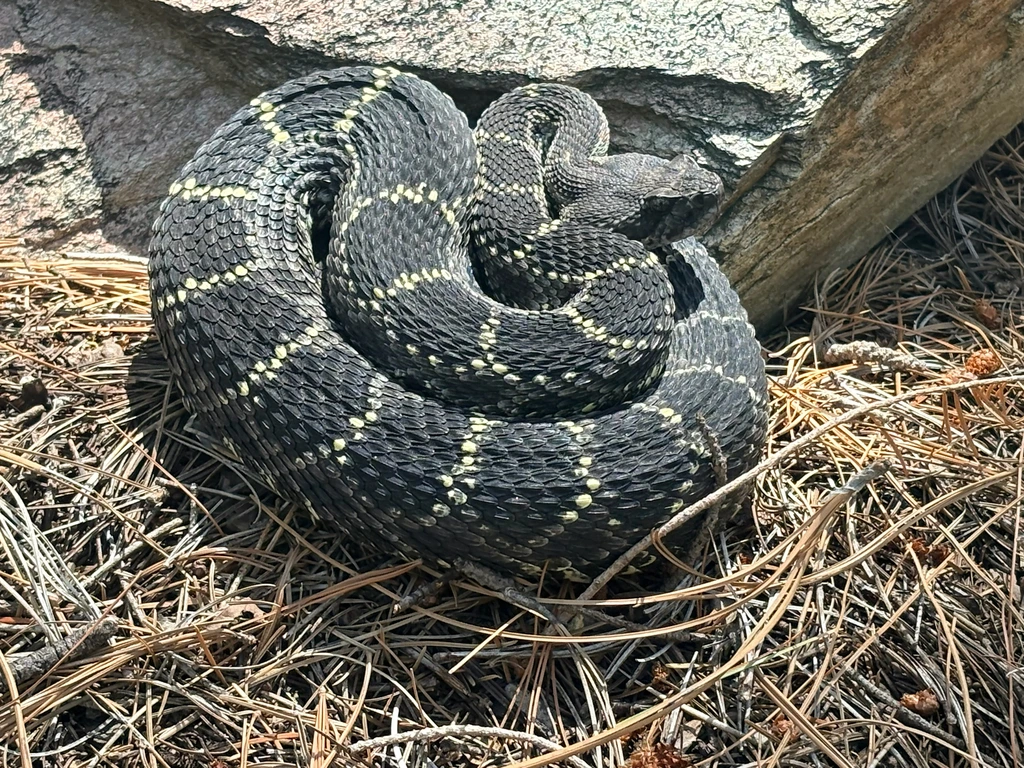
Crotalus cerberus. Species portrait; the complete source frame is retained. Original observation dated 2026-08-19. This photograph does not establish occurrence in any additional state or province.

002 · Viperidae

Arizona Black Rattlesnake

Crotalus cerberus

(COUES, 1875)

VenomousClinical severity not established

The checked taxonomic distribution account explicitly lists United States of America. Country-level evidence does not establish continuous occupancy or a complete national inventory. The treatment names these subdivisions in its United States of America distribution clause: New Mexico, Arizona. They are assigned to the declared atlas navigation groups;…

Read the species account →

tzeducation · CC BY 4.0 · https://creativecommons.org/licenses/by/4.0/
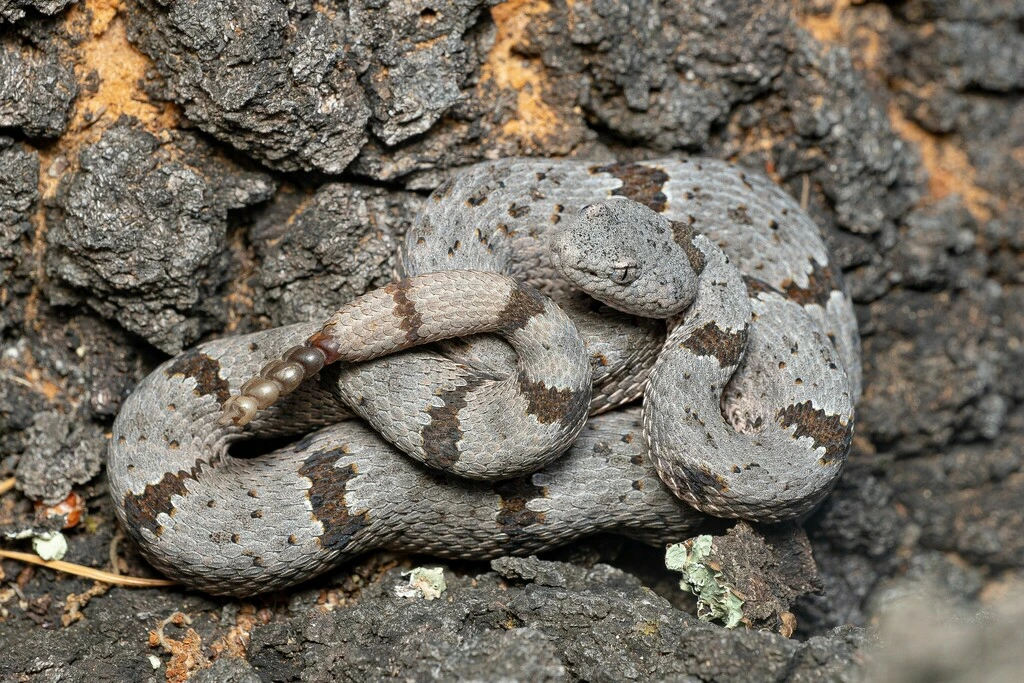
Crotalus lepidus. Species portrait; the complete source frame is retained. Original observation dated 2023-10-08. This photograph does not establish occurrence in any additional state or province.

003 · Viperidae

Species account

Crotalus lepidus

(KENNICOTT, 1861)

VenomousClinical severity not established

The checked taxonomic distribution account explicitly lists United States of America. Country-level evidence does not establish continuous occupancy or a complete national inventory. The treatment names these subdivisions in its United States of America distribution clause: New Mexico, Texas, Arizona. They are assigned to the declared atlas navigation…

Read the species account →

Jake Nitta · CC BY 4.0 · https://creativecommons.org/licenses/by/4.0/
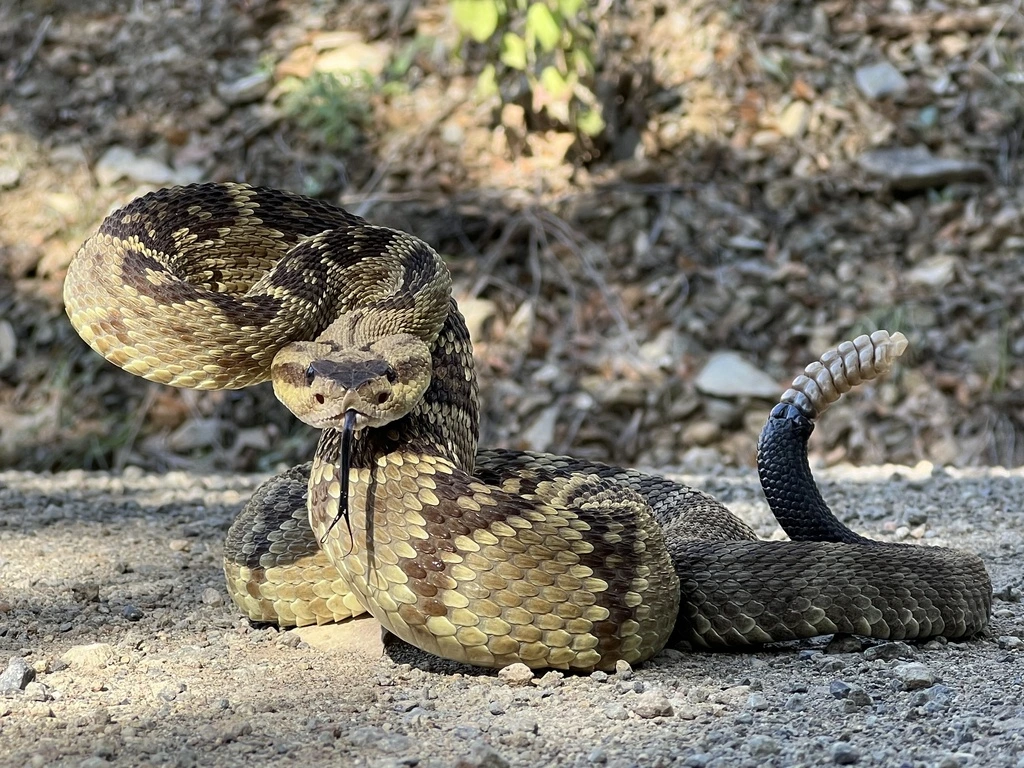
Crotalus molossus. Species portrait; the complete source frame is retained. Original observation dated 2023-07-24. This photograph does not establish occurrence in any additional state or province.

004 · Viperidae

Black Tailed Rattlesnake, Northern Black Tailed Rattlesnake; nigrescens: Mexican black-tailed Rattlesnake; oaxacus: Oaxacan Black-tailed Rattlesnake)

Crotalus molossus

BAIRD & GIRARD, 1853

VenomousClinical severity not established

The checked taxonomic distribution account explicitly lists United States of America. Country-level evidence does not establish continuous occupancy or a complete national inventory. The treatment names these subdivisions in its United States of America distribution clause: New Mexico, Texas, Arizona. They are assigned to the declared atlas navigation…

Read the species account →

Brandon Bourassa · CC BY 4.0 · https://creativecommons.org/licenses/by/4.0/
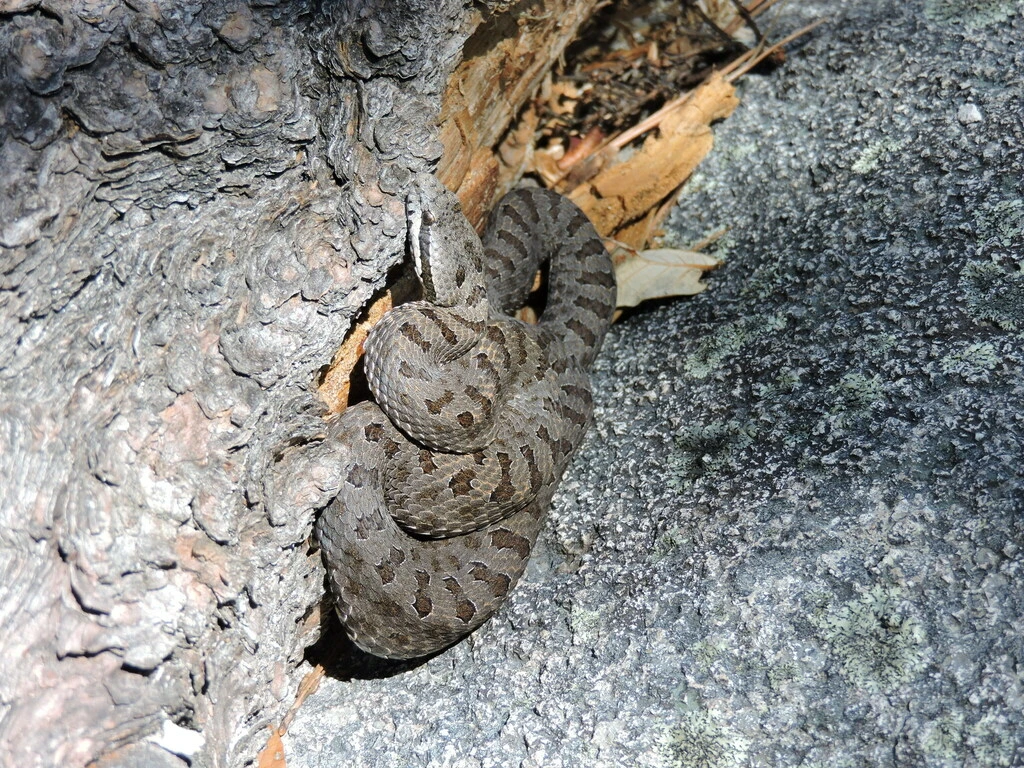
Crotalus pricei. Species portrait; the complete source frame is retained. Original observation dated 2019-02-18. This photograph does not establish occurrence in any additional state or province.

005 · Viperidae

Species account

Crotalus pricei

VAN DENBURGH, 1895

VenomousClinical severity not established

The checked taxonomic distribution account explicitly lists United States of America. Country-level evidence does not establish continuous occupancy or a complete national inventory. The treatment names these subdivisions in its United States of America distribution clause: Arizona. They are assigned to the declared atlas navigation groups; this is not a…

Read the species account →

Favian Flores Medina · CC BY 4.0 · https://creativecommons.org/licenses/by/4.0/
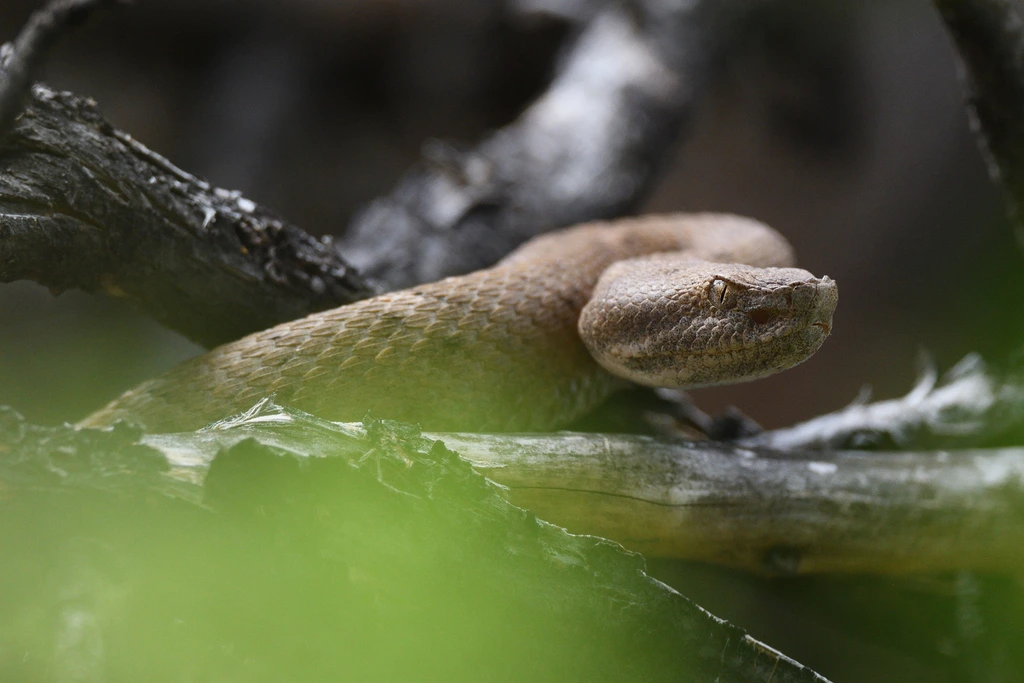
Crotalus willardi. Species portrait; the complete source frame is retained. Original observation dated 2026-10-03. This photograph does not establish occurrence in any additional state or province.

006 · Viperidae

Species account

Crotalus willardi

MEEK, 1905

VenomousClinical severity not established

The checked taxonomic distribution account explicitly lists United States of America. Country-level evidence does not establish continuous occupancy or a complete national inventory. The treatment names these subdivisions in its United States of America distribution clause: New Mexico, Arizona. They are assigned to the declared atlas navigation groups;…

Read the species account →

Court Harding · CC BY 4.0 · https://creativecommons.org/licenses/by/4.0/
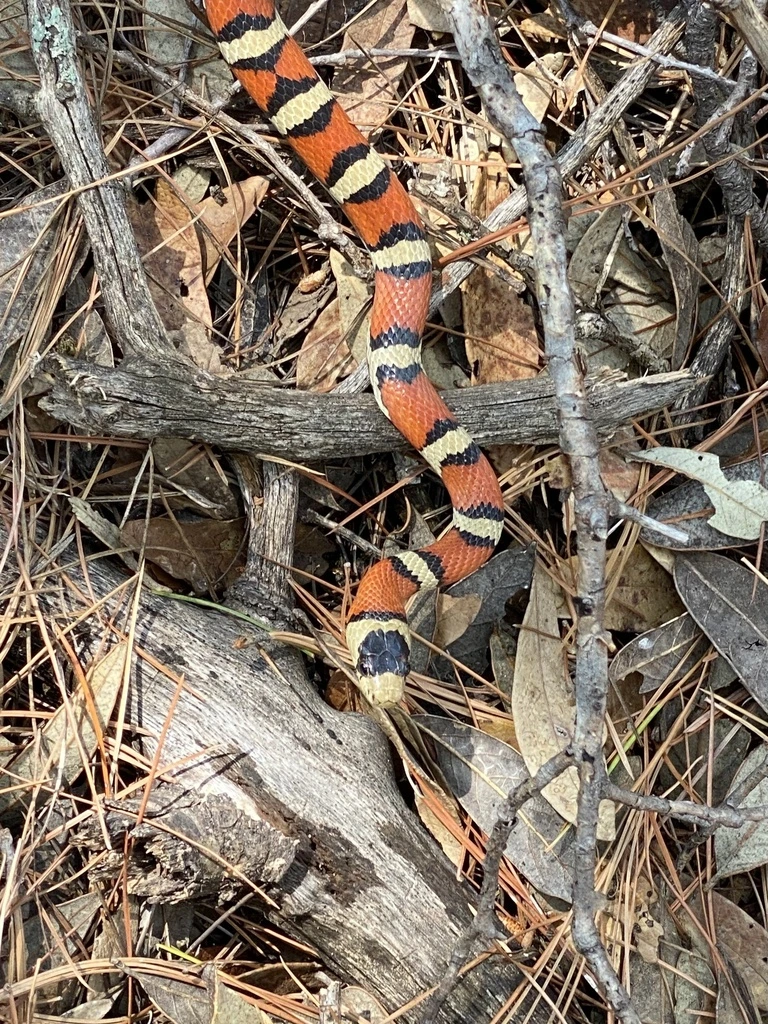
Lampropeltis knoblochi. Species portrait; the complete source frame is retained. Original observation dated 2023-08-20. This photograph does not establish occurrence in any additional state or province.

007 · Colubridae

Madrean Mountain Kingsnake, Chihuahuan Mountain Kingsnake, Knobloch's mountain kingsnake

Lampropeltis knoblochi

TAYLOR, 1940

Non-venomous

The checked taxonomic distribution account explicitly lists United States of America. Country-level evidence does not establish continuous occupancy or a complete national inventory. The treatment names these subdivisions in its United States of America distribution clause: Arizona. They are assigned to the declared atlas navigation groups; this is not a…

Read the species account →

Daniel McNair · CC BY 4.0 · https://creativecommons.org/licenses/by/4.0/
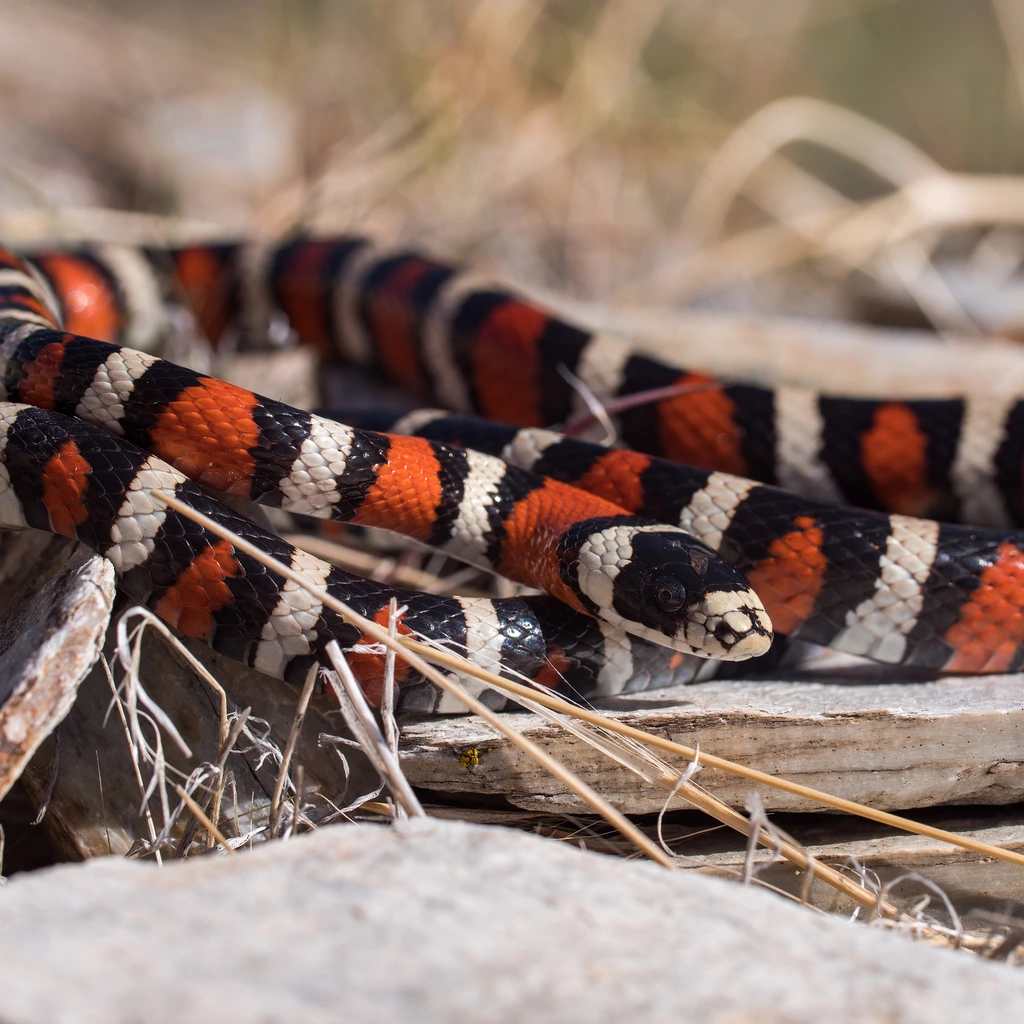
Lampropeltis pyromelana. Species portrait; the complete source frame is retained. Original observation dated 2021-05-17. This photograph does not establish occurrence in any additional state or province.

008 · Colubridae

Arizona Mountain Kingsnake, Sonoran Mountain Kingsnake

Lampropeltis pyromelana

(COPE, 1866)

Non-venomous

The checked taxonomic distribution account explicitly lists United States of America. Country-level evidence does not establish continuous occupancy or a complete national inventory. The treatment names these subdivisions in its United States of America distribution clause: New Mexico, Utah, Nevada, Arizona. They are assigned to the declared atlas…

Read the species account →

technoendo · CC BY 4.0 · https://creativecommons.org/licenses/by/4.0/
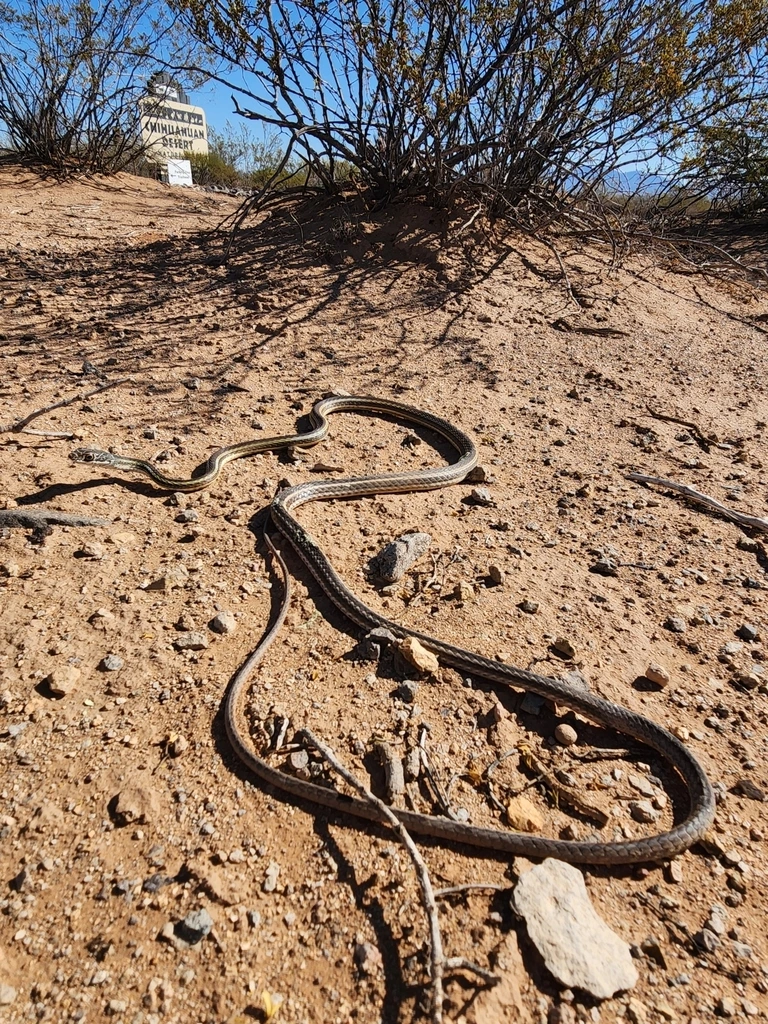
Masticophis taeniatus. Species portrait; the complete source frame is retained. Original observation dated 2024-05-13. This photograph does not establish occurrence in any additional state or province.

009 · Colubridae

Striped Whipsnake

Masticophis taeniatus

(HALLOWELL, 1852)

Venom unknownNot yet assessed

The checked taxonomic distribution account explicitly lists United States of America. Country-level evidence does not establish continuous occupancy or a complete national inventory. The treatment names these subdivisions in its United States of America distribution clause: Washington, New Mexico, Texas, California, Colorado, Utah, Nevada, Arizona,…

Read the species account →

iNaturalist contributor (CC0; creator not supplied) · CC0 1.0 · https://creativecommons.org/publicdomain/zero/1.0/

Pantherophis bairdi. Specimen portrait on a wooden surface. Original observation dated 2017-11-17. This photograph does not establish occurrence in any additional state or province.

010 · Colubridae

Baird's Rat Snake

Pantherophis bairdi

(YARROW, 1880)

Venom unknownNot yet assessed

The checked taxonomic distribution account explicitly lists United States of America. Country-level evidence does not establish continuous occupancy or a complete national inventory. The treatment names these subdivisions in its United States of America distribution clause: Texas. They are assigned to the declared atlas navigation groups; this is not a…

Read the species account →

iNaturalist contributor (CC0; creator not supplied) · CC0 1.0 · https://creativecommons.org/publicdomain/zero/1.0/

Salvadora grahamiae. Species portrait; the complete source frame is retained. Original observation dated 2022-05-22. This photograph does not establish occurrence in any additional state or province.

011 · Colubridae

Mountain Patchnose Snake

Salvadora grahamiae

BAIRD & GIRARD, 1853

Venom unknownNot yet assessed

The checked taxonomic distribution account explicitly lists United States of America. Country-level evidence does not establish continuous occupancy or a complete national inventory. The treatment names these subdivisions in its United States of America distribution clause: New Mexico, Texas, Arizona. They are assigned to the declared atlas navigation…

Read the species account →

Brandon Bourassa · CC BY 4.0 · https://creativecommons.org/licenses/by/4.0/
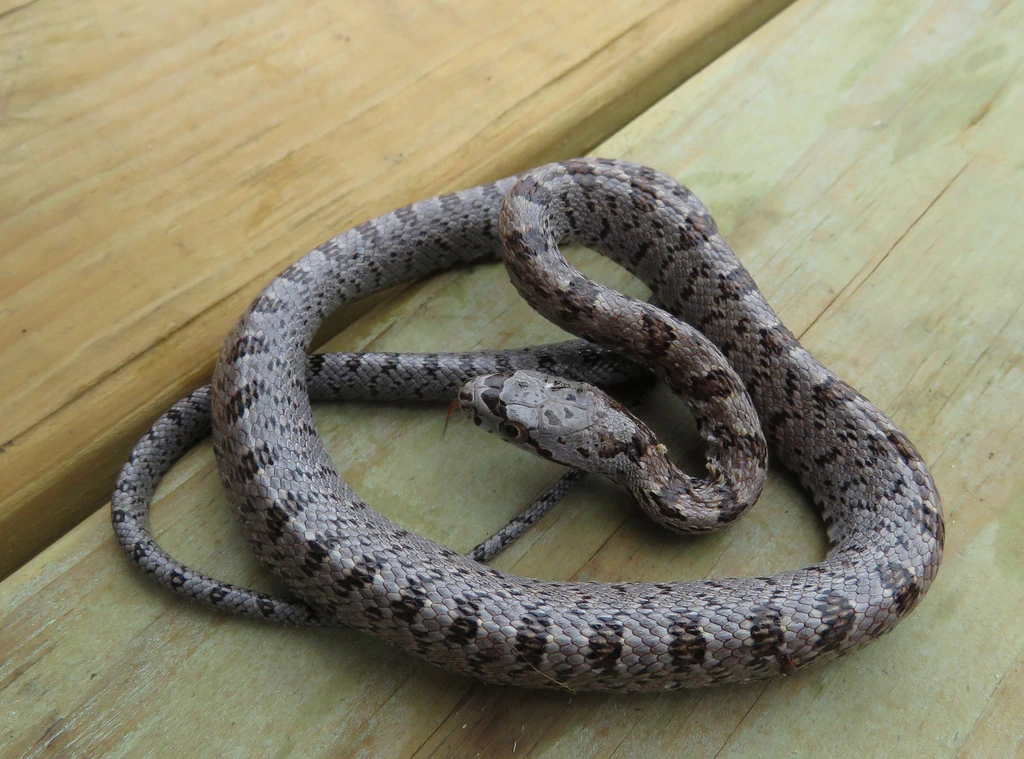
Tantilla wilcoxi. Species portrait; the complete source frame is retained. Original observation dated 2024-07-30. This photograph does not establish occurrence in any additional state or province.

012 · Colubridae

Chihuahuan Blackhead Snake

Tantilla wilcoxi

STEJNEGER, 1902

Venom unknownNot yet assessed

The checked taxonomic distribution account explicitly lists United States of America. Country-level evidence does not establish continuous occupancy or a complete national inventory. The treatment names these subdivisions in its United States of America distribution clause: New Mexico, Arizona. They are assigned to the declared atlas navigation groups;…

Read the species account →

Court Harding · CC BY 4.0 · https://creativecommons.org/licenses/by/4.0/
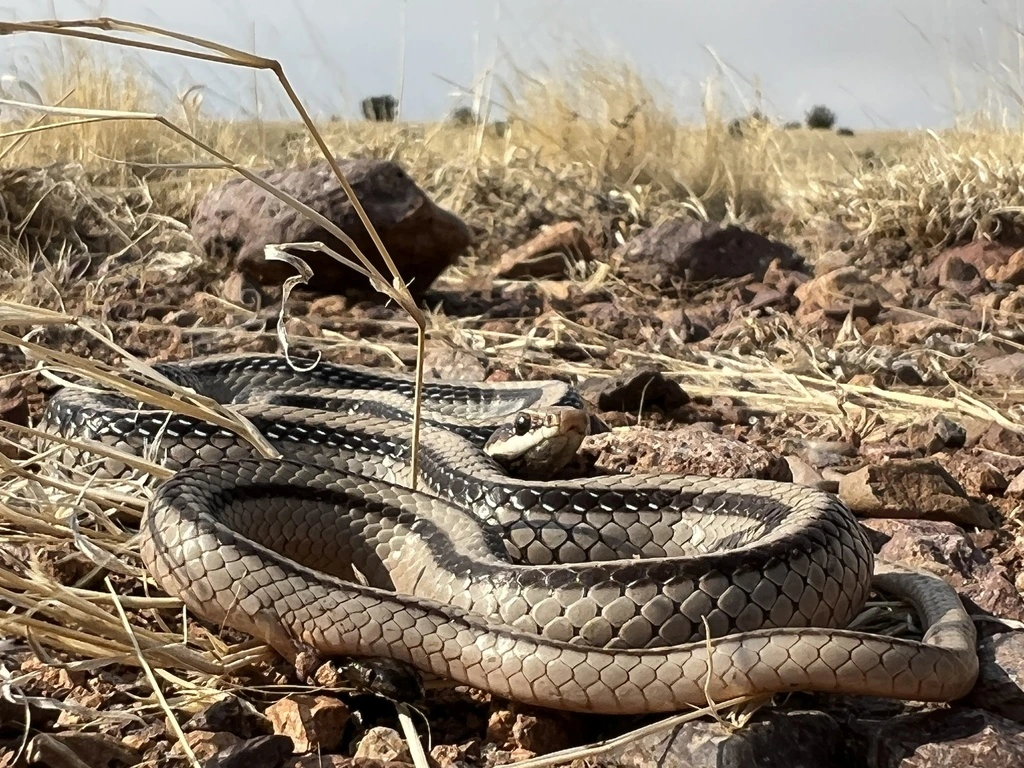
Thamnophis couchii. Species portrait; the complete source frame is retained. Original observation dated 2021-06-25. This photograph does not establish occurrence in any additional state or province.

013 · Colubridae

Western Aquatic Garter Snake, Sierra Garter Snake

Thamnophis couchii

(KENNICOTT, 1859)

Venom unknownEvidence inconclusive

The checked taxonomic distribution account explicitly lists United States of America. Country-level evidence does not establish continuous occupancy or a complete national inventory. The treatment names these subdivisions in its United States of America distribution clause: California, Oregon. They are assigned to the declared atlas navigation groups;…

Read the species account →

Jack Byrley · CC BY 4.0 · https://creativecommons.org/licenses/by/4.0/
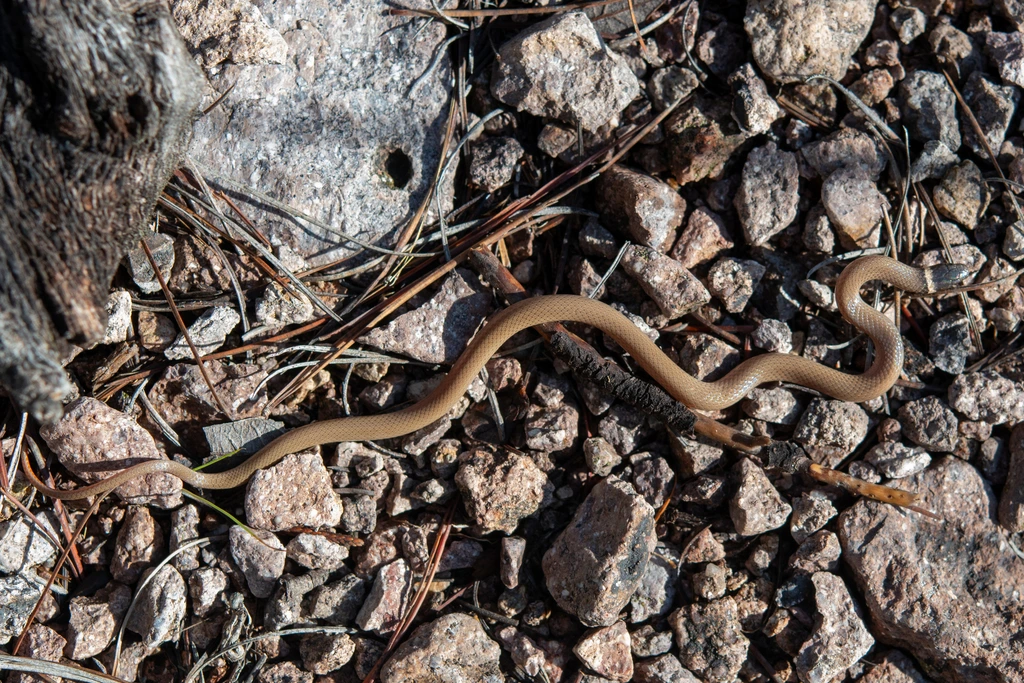
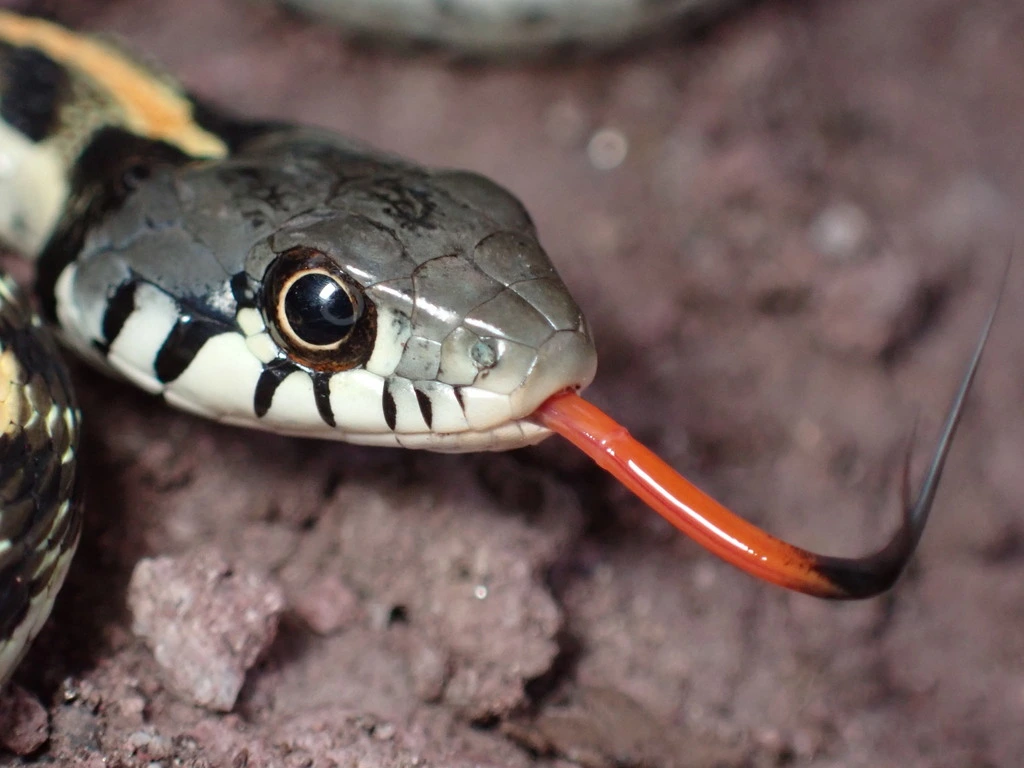
Thamnophis cyrtopsis. Species portrait; the complete source frame is retained. Original observation dated 2023-08-11. This photograph does not establish occurrence in any additional state or province.

014 · Colubridae

Blackneck Garter Snake

Thamnophis cyrtopsis

(KENNICOTT, 1860)

VenomousClinical severity not established

The checked taxonomic distribution account explicitly lists United States of America. Country-level evidence does not establish continuous occupancy or a complete national inventory. The treatment names these subdivisions in its United States of America distribution clause: New Mexico, Texas, Colorado, Utah, Arizona. They are assigned to the declared…

Read the species account →

Jared Shorma · CC BY 4.0 · https://creativecommons.org/licenses/by/4.0/
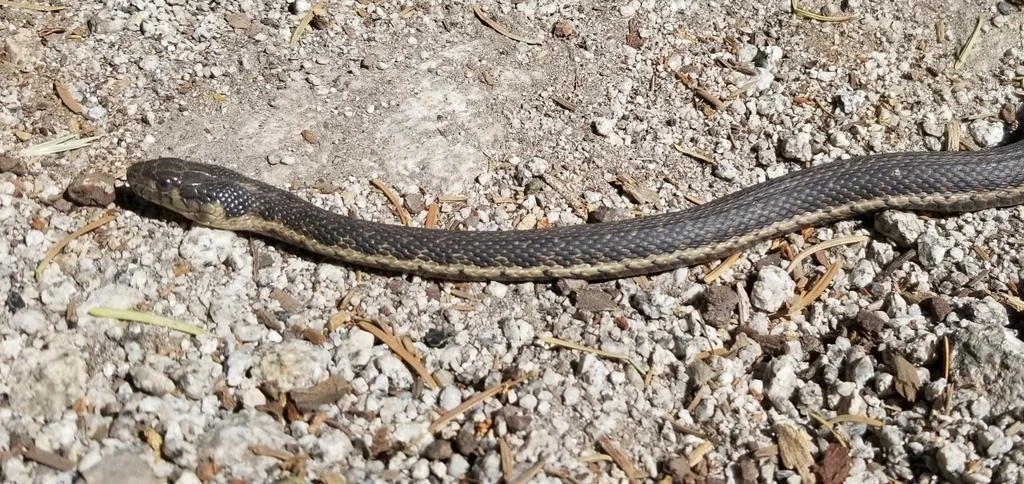
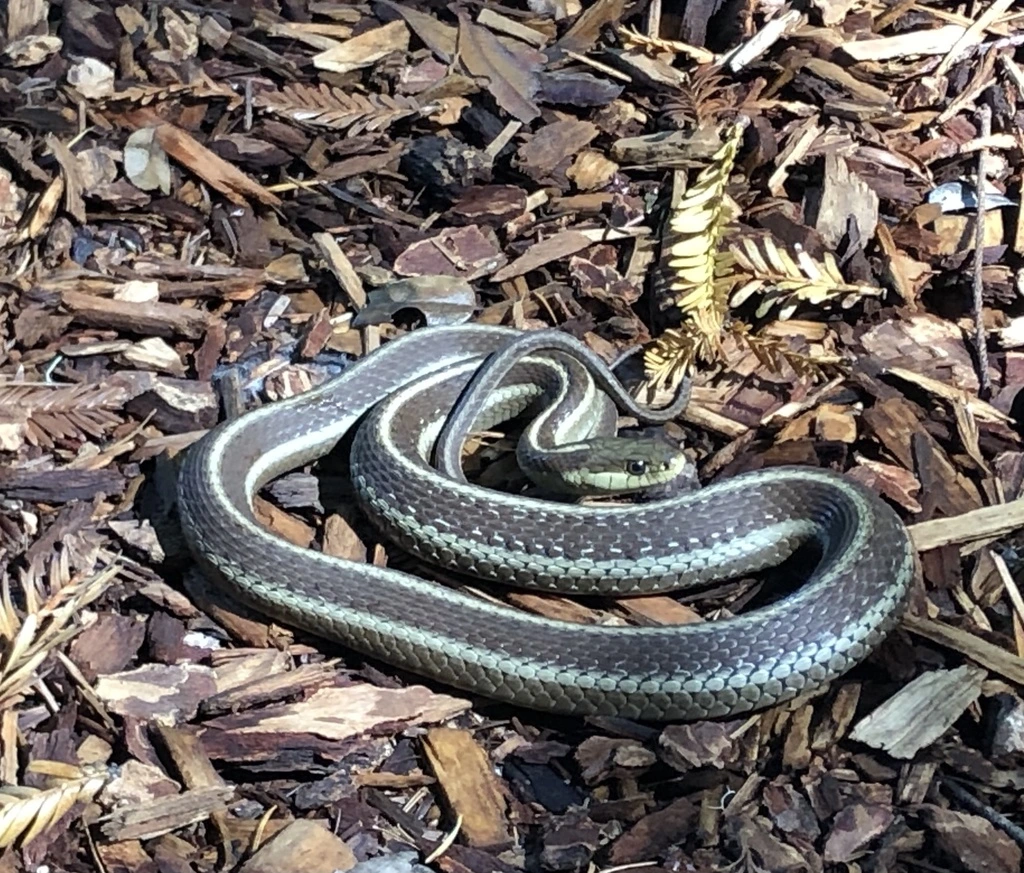
Thamnophis elegans. Blue colour variant. Original observation dated 2021-09-29. This photograph does not establish occurrence in any additional state or province.

015 · Colubridae

Western Terrestrial Garter Snake

Thamnophis elegans

(BAIRD & GIRARD, 1853)

VenomousClinical severity not established

The checked taxonomic distribution account explicitly lists United States of America. Country-level evidence does not establish continuous occupancy or a complete national inventory. The treatment names these subdivisions in its United States of America distribution clause: Nebraska, Washington, New Mexico, Colorado, Montana, Arizona, Oregon. They are…

Read the species account →

wordjourneys · CC BY-SA 4.0 · https://creativecommons.org/licenses/by-sa/4.0/

All 177 species in the country collection →

Read further

Evidence & sources.

Guide reviewed 16 October 2026. Source dates and geographic scope matter; landscape photographs do not establish species occurrence.

  1. US National Park Service · Saguaro: Diversity in the Desert

    Named Arizona landscape and vegetation gradient; no species occupancy inferred.

Continue through United States of America

Explore another habitat.

01

Forest & woodland

The Everglades example distinguishes hardwood hammocks and pine rocklands. Small changes in local setting can separate wooded habitats within the wider wetland landscape.

02

Scrubland & dry country

In Arizona, Saguaro National Park contrasts Sonoran desert scrub with desert grassland. Cacti and drought-adapted shrubs are part of a vegetated desert, with rocky slopes and drainage channels adding local variation.

03

Grassland & savanna

The mixed-grass prairie of Badlands National Park, South Dakota, sits between wetter tall-grass country and the drier short-grass plains. Different grass heights and open ground create a changing surface-level landscape.

04

Rivers & wetlands

The Everglades example includes freshwater marshes, sloughs and wet prairies. Water depth, timing and duration help distinguish these habitats; this Florida example does not describe all US wetlands.

05

Mangroves & estuaries

Everglades mangroves occupy a tidal coastal setting. Their saltwater–freshwater context is retained separately from inland marshes and the terrestrial forest examples.