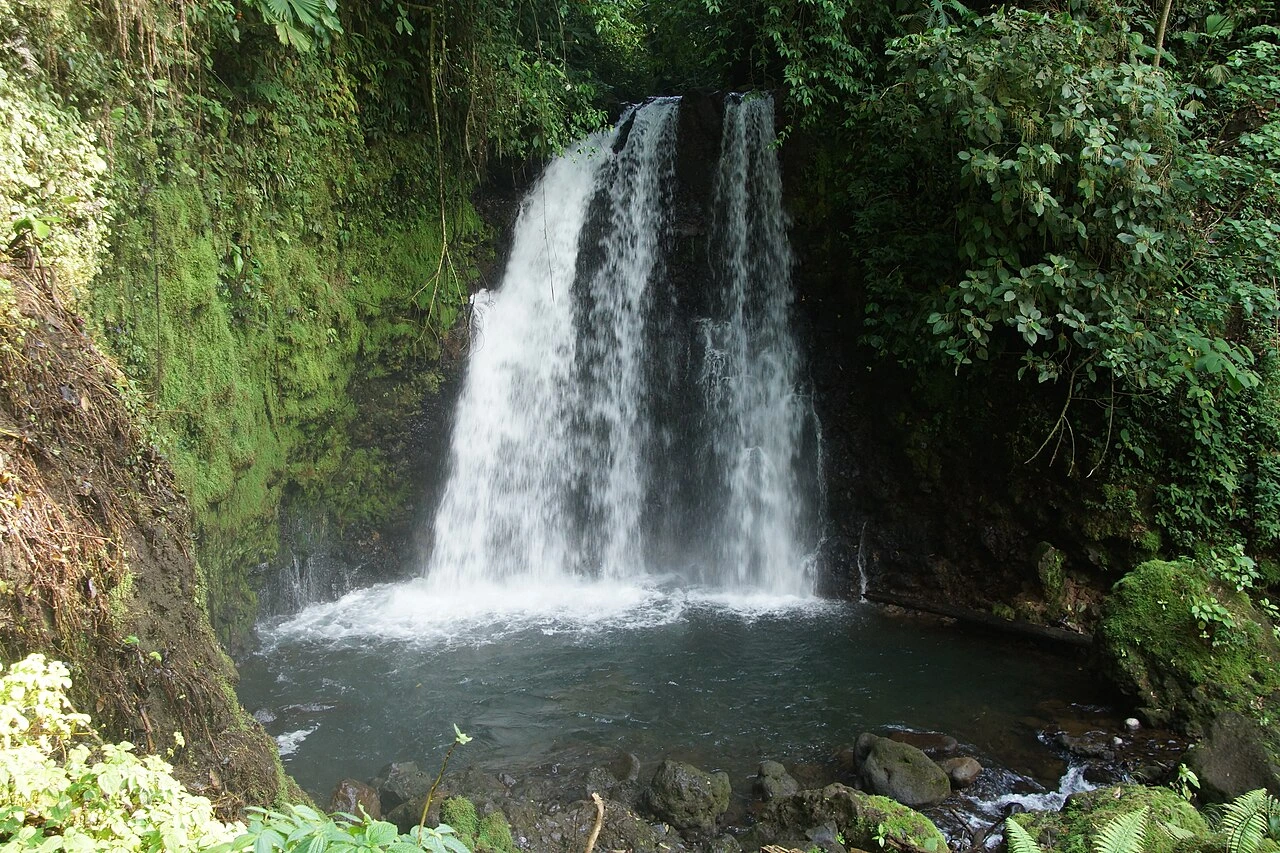
A forest waterfall on the Rio Celeste, Costa Rica.

Costa Rica · Habitat field guide

Rivers & wetlands

Wetland degradation and pesticide-driven eutrophication are discussed in the national profile. These are source-reported pressures; they do not describe the condition of every waterbody.

A forest waterfall on the Rio Celeste, Costa Rica.

Photograph: rob Stoeltje from loenen, netherlands · Image source · CC BY 2.0. Cropped to fill the hero; darkened for text legibility.

Understanding the environment

A sense of the habitat.

Wetland degradation and pesticide-driven eutrophication are discussed in the national profile. These are source-reported pressures; they do not describe the condition of every waterbody.

Geographic scope
Costa Rica; source locality matters.
Evidence scale
Landscape descriptions are separate from species records.
Source date
Retain the cited publication date; reviewed 16 October 2026.

Explore the structure · Select a layer to compare details retained in a field record.

Read the locality in three layers.

Select a zone to see what changes.

Waterbody

Waterbody

Keep the name and distinguish stream, lake, marsh and channel.

Check this detail in the original record before assigning a species to the habitat.

These reading prompts are conceptual, not a transect or an occurrence map.

Sources: Convention on Biological Diversity · Costa Rica national profile

Field notes · 01

The documented setting

Wetland degradation and pesticide-driven eutrophication are discussed in the national profile. These are source-reported pressures; they do not describe the condition of every waterbody.

Sources: Convention on Biological Diversity · Costa Rica national profile

Field notes · 02

Connect the setting to a species

A habitat description and a country record answer different questions. Follow the linked species account for evidence of habitat use; an empty filtered collection indicates missing extracted evidence, not biological absence.

Pressures on Costa Rica’s habitats

What is at risk?

A site-specific assessment of pressures has not yet been extracted for this guide. The landscape sources below provide context; they do not establish a current threat level for each snake species.

What helps this habitat

Consult the source’s own conservation context and dates before interpreting habitat change. A broad landscape pressure does not establish a measured decline for every snake.

The connected collection

Snakes with habitat evidence.

These 16 species have supported country occurrence and an explicit habitat association in the shared account. The association may come from elsewhere in their range. This is not a complete local habitat inventory; the places above are landscape examples, not asserted collecting sites.

16 species · showing 16

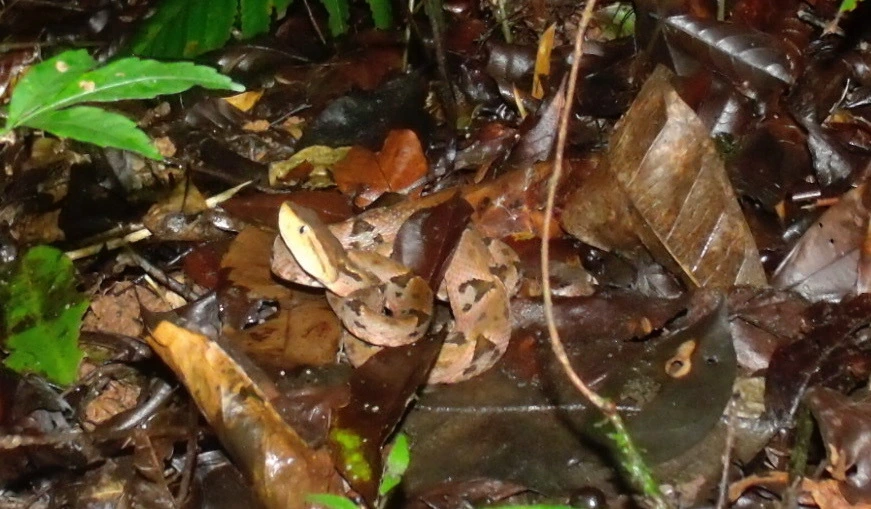
Bothrops asper. Species portrait; the complete source frame is retained. Original observation dated 2012-06-12. This photograph does not establish occurrence in any additional state or province.

001 · Viperidae

Terciopelo

Bothrops asper

(GARMAN, 1883)

VenomousClinical severity not established

The checked taxonomic distribution account explicitly lists Costa Rica. Country-level evidence does not establish continuous occupancy or a complete national inventory.

Read the species account →

John G. Phillips · CC BY 4.0 · https://creativecommons.org/licenses/by/4.0/
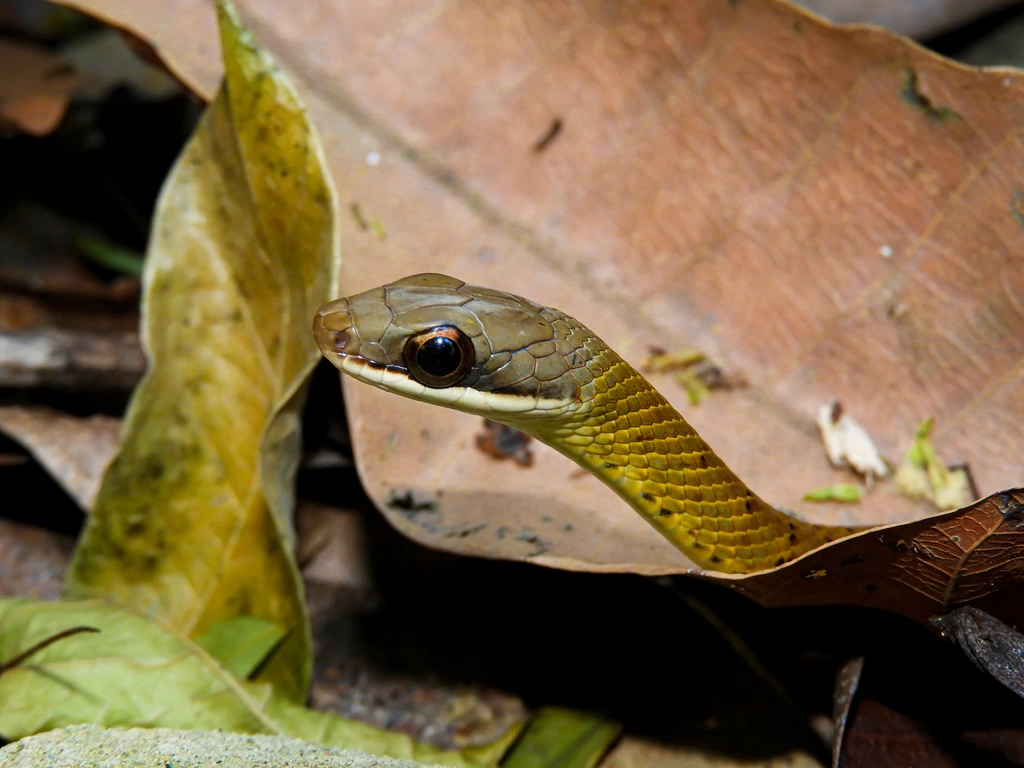
Dendrophidion percarinatum. The complete source frame is retained; this portrait is not locality or habitat evidence. Original observation dated 2021-03-02. No additional geographic occurrence is inferred.

002 · Colubridae

South American Forest Racer

Dendrophidion percarinatum

(COPE, 1893)

Venom unknownNot yet assessed

The checked taxonomic distribution account explicitly lists Costa Rica. Country-level evidence does not establish continuous occupancy or a complete national inventory.

Read the species account →

José Gabriel Julio Guzmán · CC BY 4.0 · https://creativecommons.org/licenses/by/4.0/
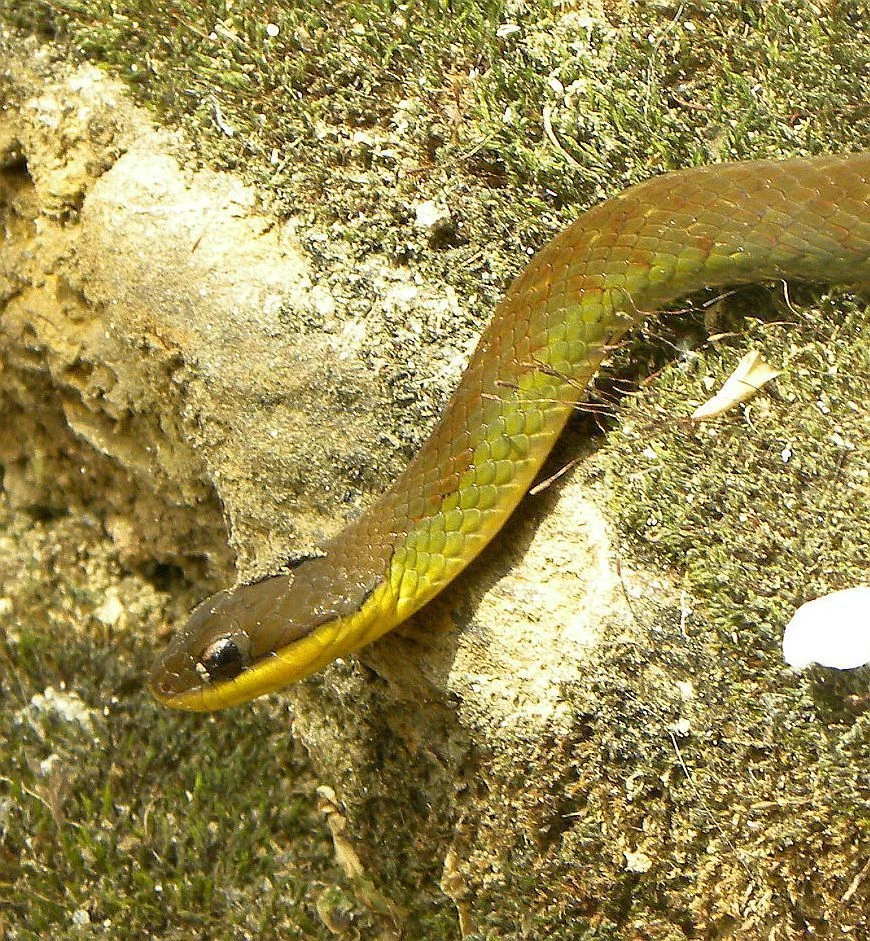
Erythrolamprus epinephelus. Head and anterior body photographed among mossy rocks. Original observation dated 2012-02-19. Photograph identification follows the cited observation; it adds no geographic occurrence record.

003 · Colubridae

Species account

Erythrolamprus epinephelus

(COPE, 1862)

Venom unknownNot yet assessed

The checked taxonomic distribution account explicitly lists Costa Rica. Country-level evidence does not establish continuous occupancy or a complete national inventory.

Read the species account →

jimeckert49 · CC BY 4.0 · https://creativecommons.org/licenses/by/4.0/
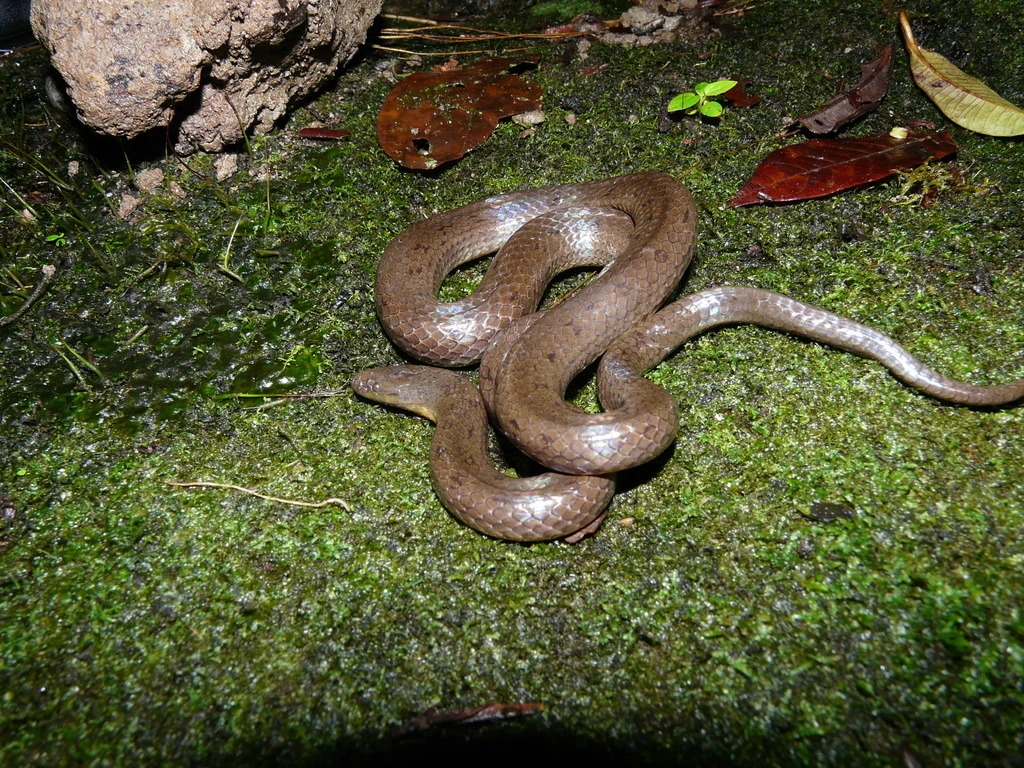
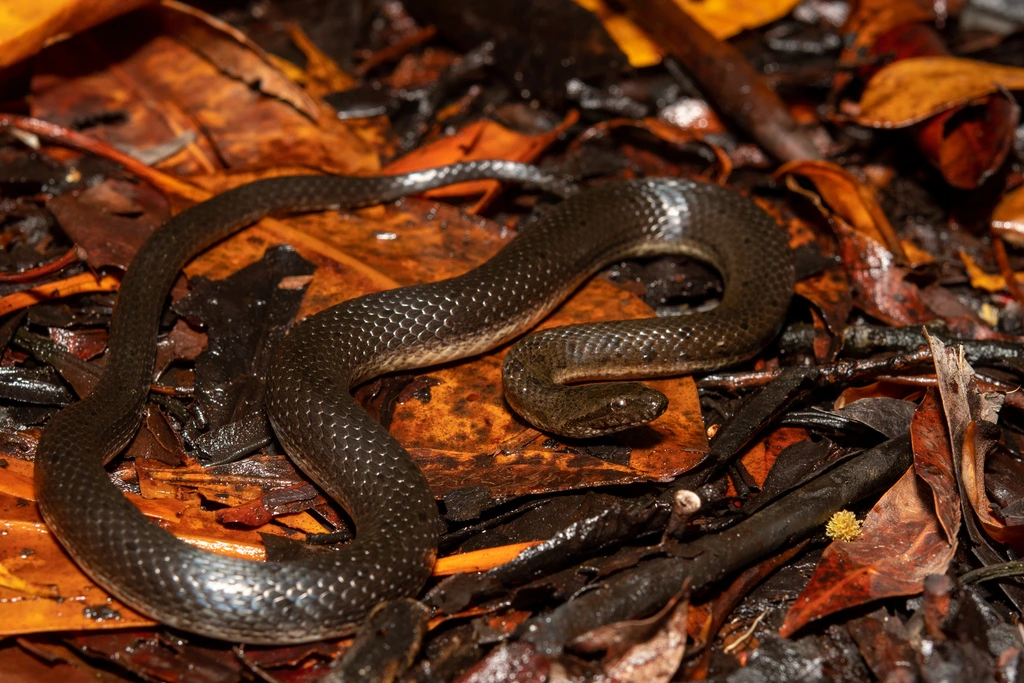
Hydromorphus concolor. Coiled individual on a mossy surface. Original observation dated 2010-04-13. No additional geographic occurrence is inferred.

004 · Colubridae

Costa Rica Water Snake

Hydromorphus concolor

PETERS, 1859

Venom unknownNot yet assessed

The checked taxonomic distribution account explicitly lists Costa Rica. Country-level evidence does not establish continuous occupancy or a complete national inventory.

Read the species account →

Dan Riley · CC BY 4.0 · https://creativecommons.org/licenses/by/4.0/
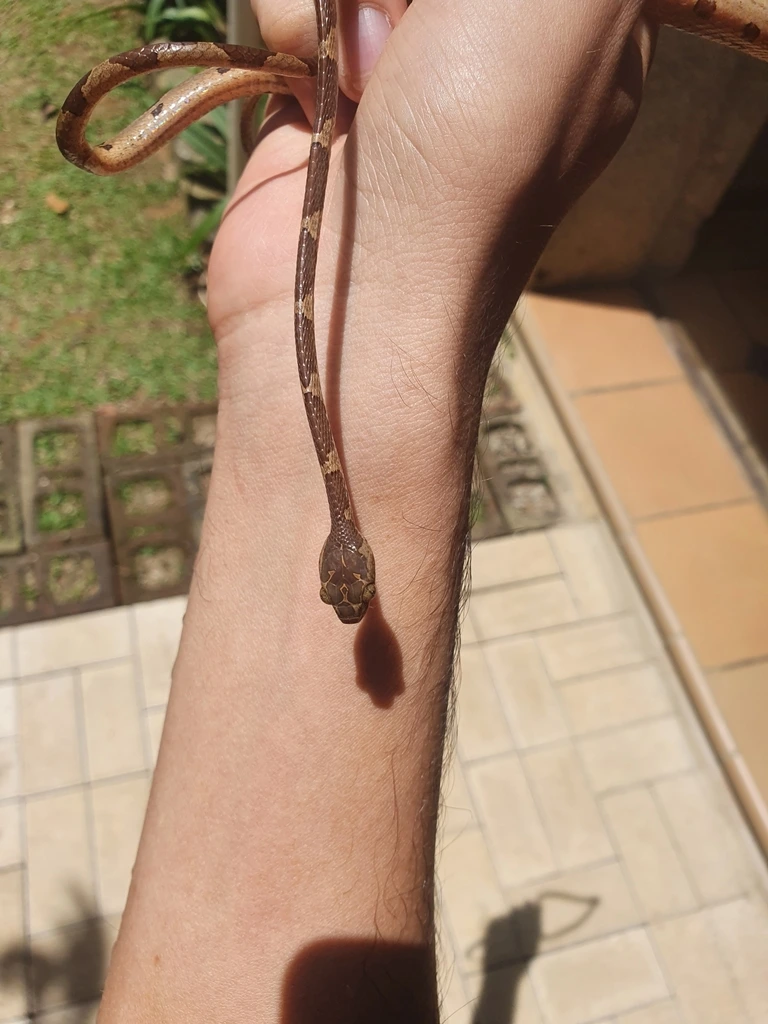
Imantodes cenchoa. Photographed while held; this is a handled specimen portrait. Original observation dated 2020-08-17. This photograph does not establish occurrence in any additional state or province.

005 · Colubridae

Neotropical Blunt-headed Treesnake, Blunthead Tree Snake

Imantodes cenchoa

(LINNAEUS, 1758)

Venom unknownNot yet assessed

The checked taxonomic distribution account explicitly lists Costa Rica. Country-level evidence does not establish continuous occupancy or a complete national inventory.

Read the species account →

Samuel Peláez Vélez · CC BY 4.0 · https://creativecommons.org/licenses/by/4.0/
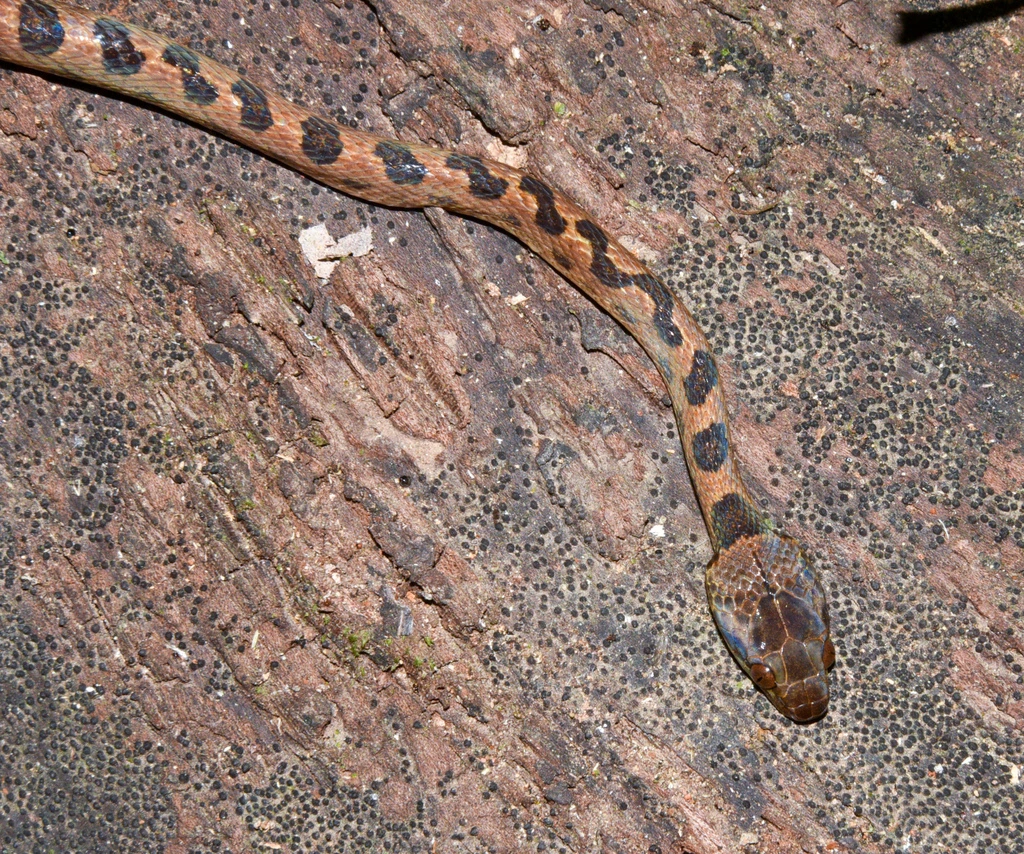
Leptodeira rhombifera. The complete source frame is retained; this portrait is not locality or habitat evidence. Original observation dated 2019-02-25. No additional geographic occurrence is inferred.

006 · Colubridae

Species account

Leptodeira rhombifera

GÜNTHER, 1872

Venom unknownNot yet assessed

The checked taxonomic distribution account explicitly lists Costa Rica. Country-level evidence does not establish continuous occupancy or a complete national inventory.

Read the species account →

Don Loarie · CC BY 4.0 · https://creativecommons.org/licenses/by/4.0/
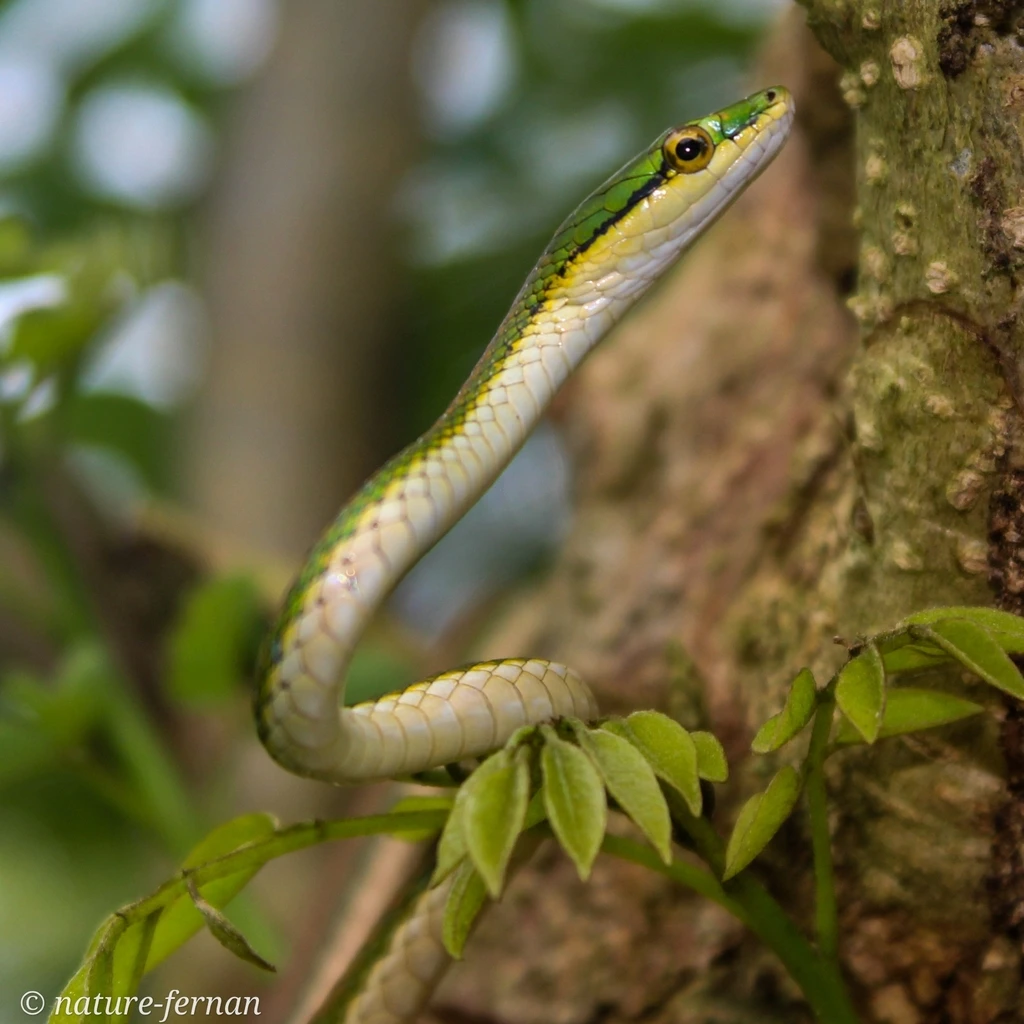
Leptophis nebulosus. Green head and pale neck raised beside a tree; original watermark retained. Original observation dated 2024-06-29. Portrait only; no new locality record is inferred.

007 · Colubridae

Oliver's Parrot Snake

Leptophis nebulosus

OLIVER, 1942

Venom unknownNot yet assessed

The checked taxonomic distribution account explicitly lists Costa Rica. Country-level evidence does not establish continuous occupancy or a complete national inventory.

Read the species account →

EDMILSON FERNANDO JARQUIN LOPEZ · CC BY 4.0 · https://creativecommons.org/licenses/by/4.0/
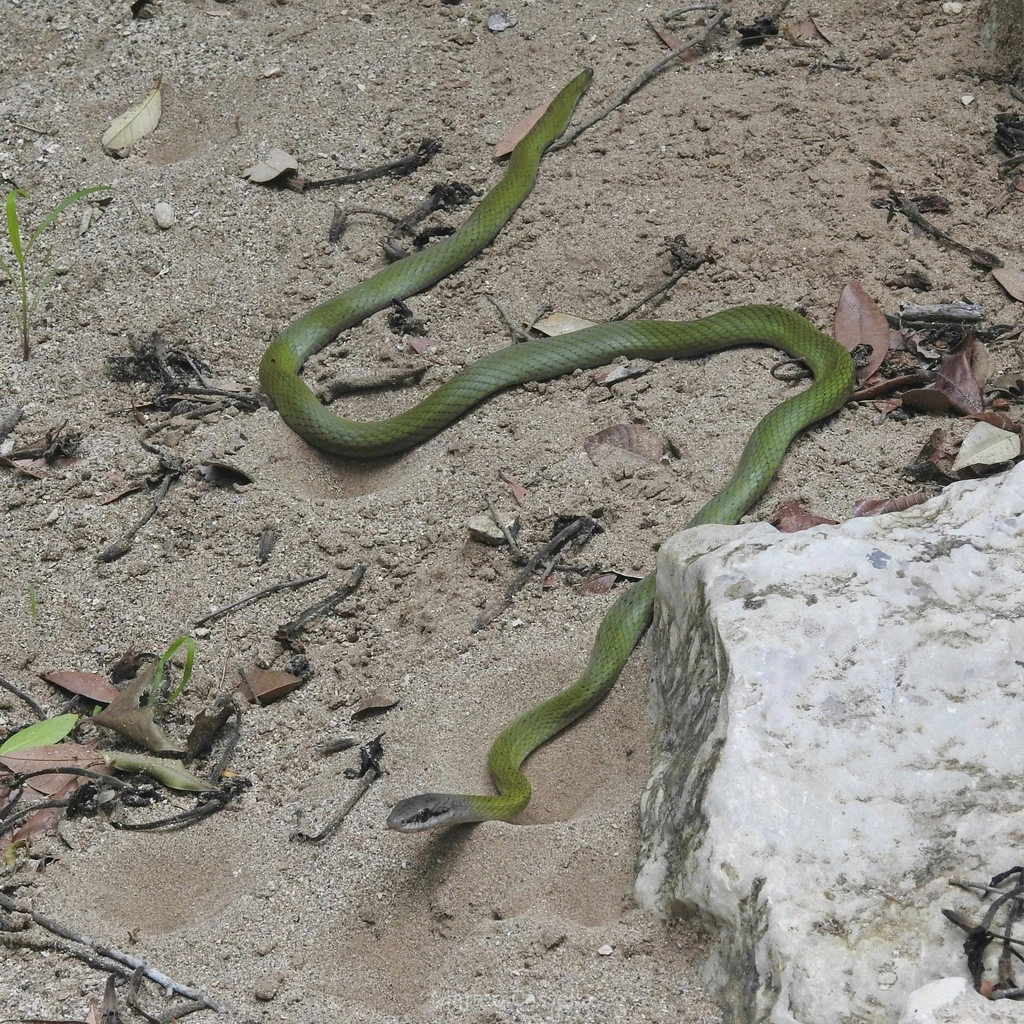
Mastigodryas melanolomus. Species portrait; the complete source frame is retained. Original observation dated 2023-05-22. This photograph does not establish occurrence in any additional state or province.

008 · Colubridae

Salmon-bellied Treeracer, Salmon-bellied Racer

Mastigodryas melanolomus

(COPE, 1868)

Venom unknownNot yet assessed

The checked taxonomic distribution account explicitly lists Costa Rica. Country-level evidence does not establish continuous occupancy or a complete national inventory.

Read the species account →

Matteo Cassella · CC BY-SA 4.0 · https://creativecommons.org/licenses/by-sa/4.0/

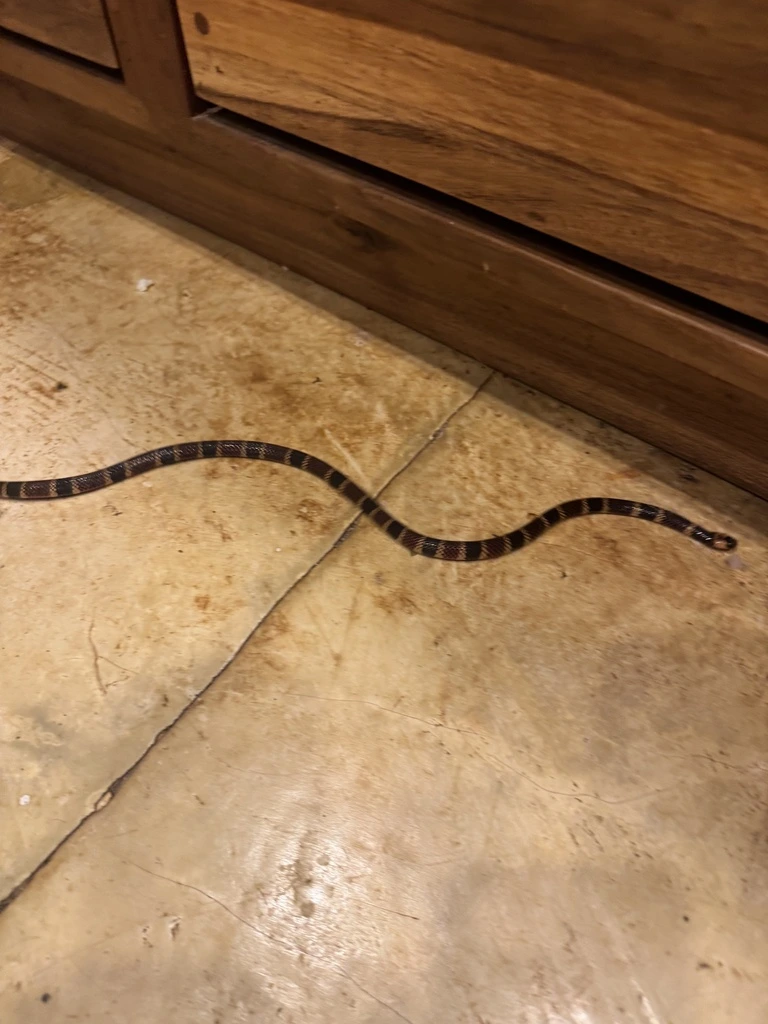
Micrurus alleni. Individual on a tiled surface beside wood; this is not a habitat illustration. Original observation dated 2025-04-05. No additional geographic occurrence is inferred.

009 · Elapidae

Arrow-headed coral snake, Allen's Coral Snake

Micrurus alleni

SCHMIDT, 1936

VenomousClinical severity not established

The checked taxonomic distribution account explicitly lists Costa Rica. Country-level evidence does not establish continuous occupancy or a complete national inventory.

Read the species account →

Greg Gurley · CC BY 4.0 · https://creativecommons.org/licenses/by/4.0/
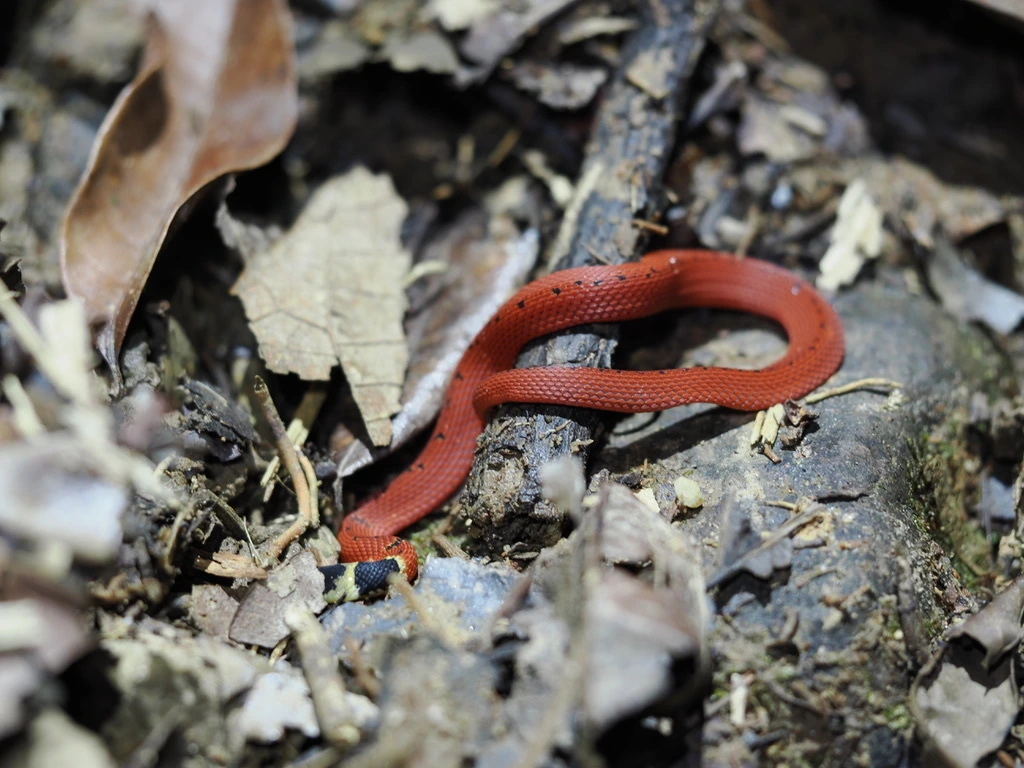
Ninia sebae. Species portrait; the complete source frame is retained. Original observation dated 2026-03-20. This photograph does not establish occurrence in any additional state or province.

010 · Colubridae

Redback Coffee Snake

Ninia sebae

(DUMÉRIL, BIBRON & DUMÉRIL, 1854)

Venom unknownNot yet assessed

The checked taxonomic distribution account explicitly lists Costa Rica. Country-level evidence does not establish continuous occupancy or a complete national inventory.

Read the species account →

greatest_auk · CC BY 4.0 · https://creativecommons.org/licenses/by/4.0/
Oxybelis brevirostris. The complete source frame is retained; this portrait is not locality or habitat evidence. Original observation dated 2012-08-25. No additional geographic occurrence is inferred.

011 · Colubridae

Cope's Vine Snake

Oxybelis brevirostris

(COPE, 1861)

Venom unknownNot yet assessed

The checked taxonomic distribution account explicitly lists Costa Rica. Country-level evidence does not establish continuous occupancy or a complete national inventory.

Read the species account →

dhfischer · CC BY 4.0 · https://creativecommons.org/licenses/by/4.0/
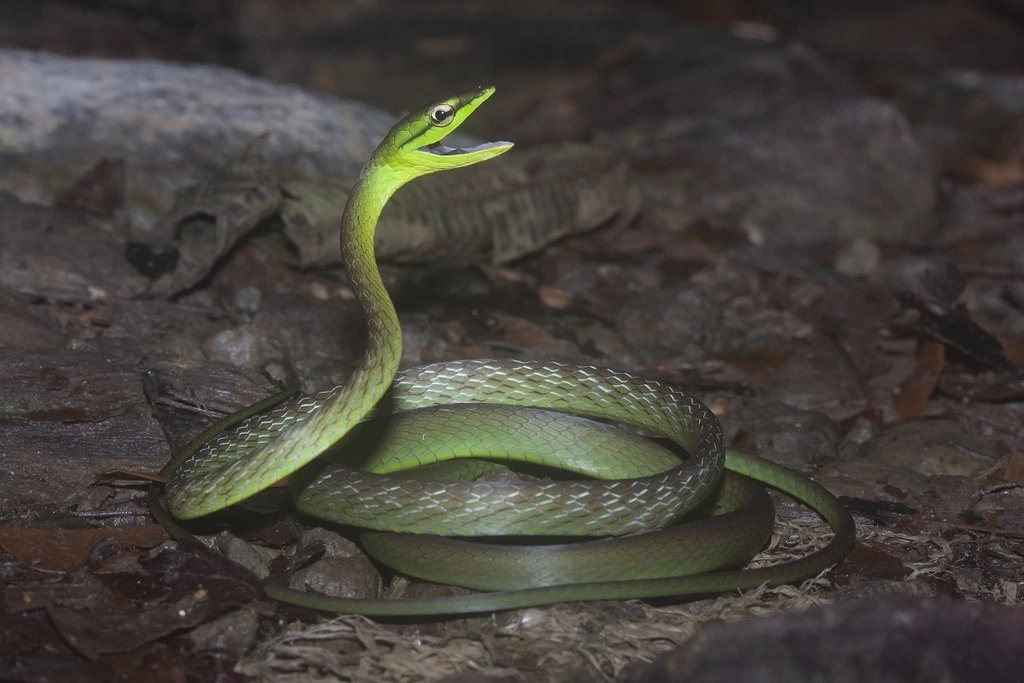
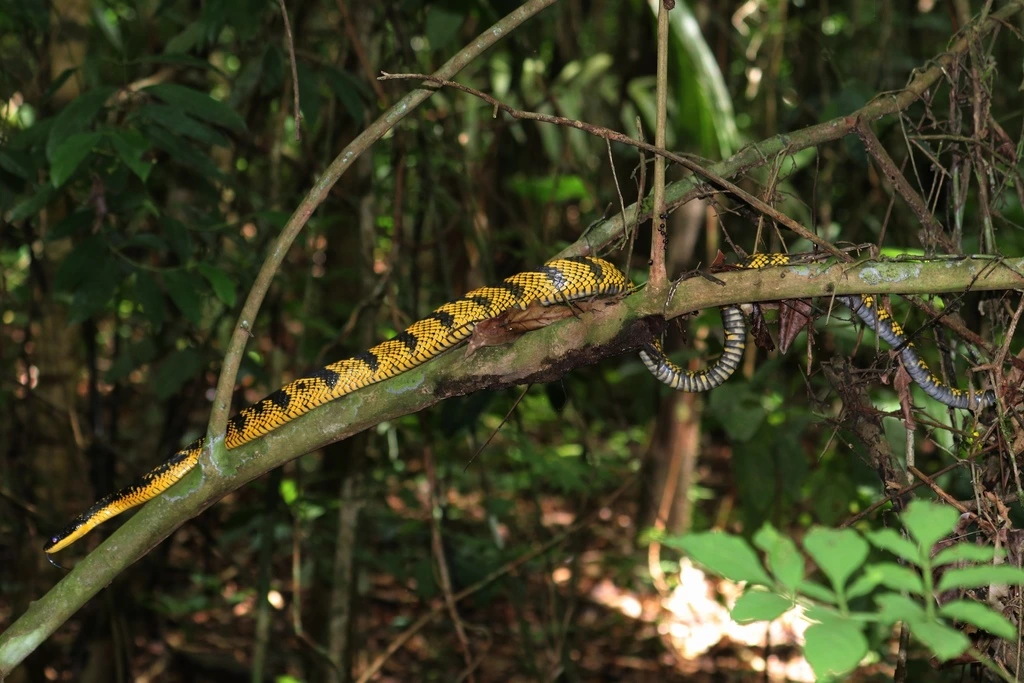
Phrynonax poecilonotus. Species portrait; the complete source frame is retained. Original observation dated 2019-07-30. This photograph does not establish occurrence in any additional state or province.

012 · Colubridae

Puffing Snake

Phrynonax poecilonotus

(GÜNTHER, 1858)

Venom unknownNot yet assessed

The checked taxonomic distribution account explicitly lists Costa Rica. Country-level evidence does not establish continuous occupancy or a complete national inventory.

Read the species account →

Aitor · CC BY 4.0 · https://creativecommons.org/licenses/by/4.0/
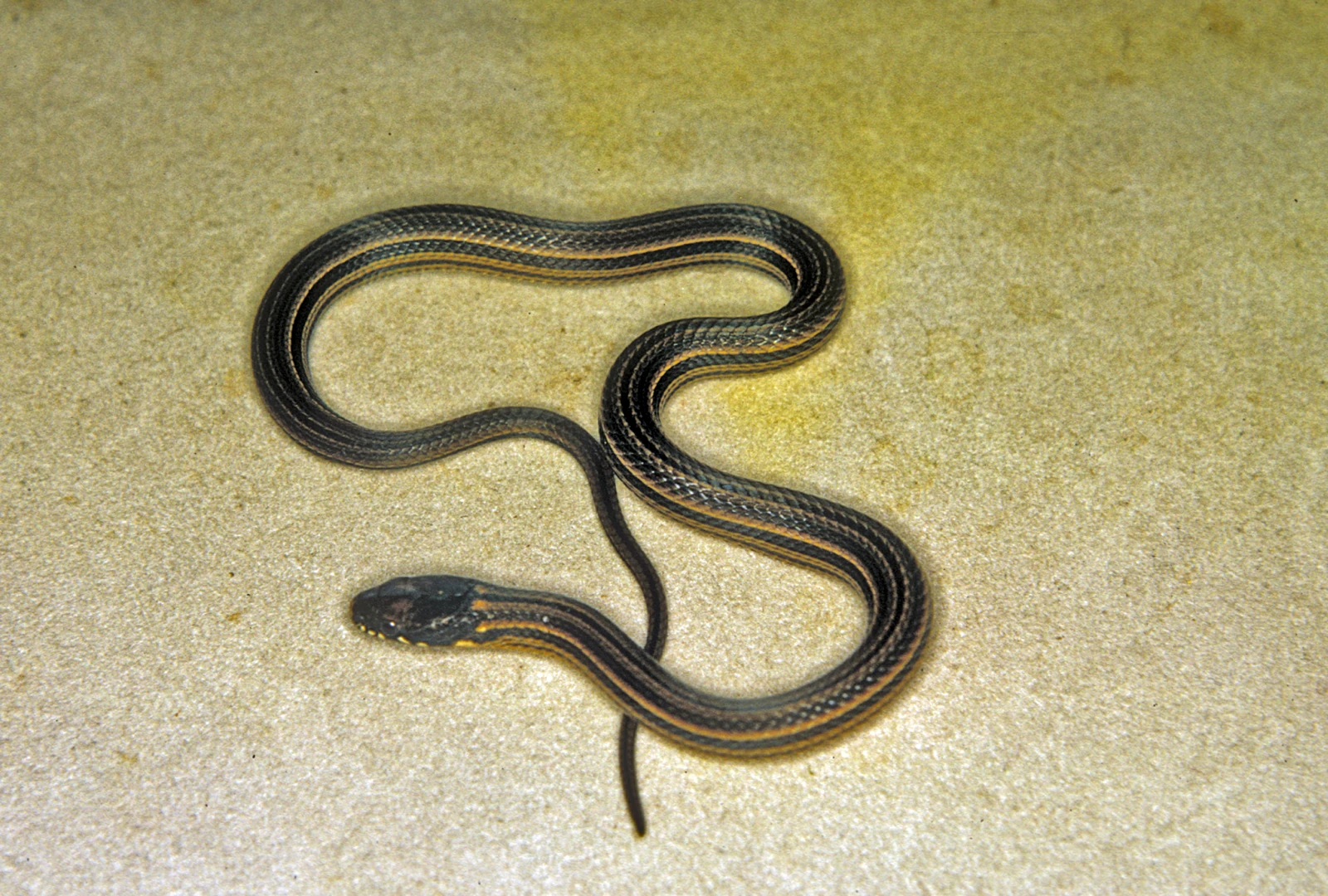
Rhadinella serperaster; historical photograph linked to KU 103895 from Isla Bonita, Costa Rica. Catalogued under the earlier genus combination Rhadinaea serperaster. KU Biodiversity Institute photographic archive.

013 · Colubridae

Species account

Rhadinella serperaster

(COPE, 1871)

Venom unknownNot yet assessed

The checked taxonomic distribution account explicitly lists Costa Rica. Country-level evidence does not establish continuous occupancy or a complete national inventory.

Read the species account →

University of Kansas Biodiversity Institute · CC BY 4.0 · https://creativecommons.org/licenses/by/4.0/
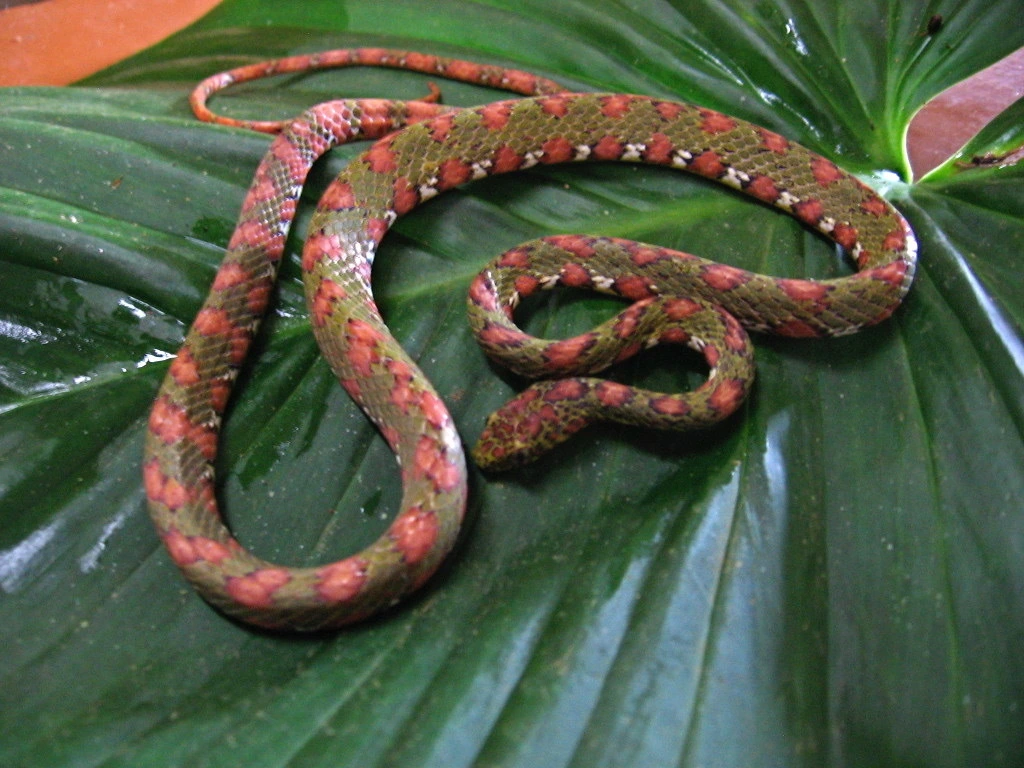
Sibon longifrenis. Coiled individual on broad green leaves. Original observation dated 2011-05-29. No additional geographic occurrence is inferred.

014 · Colubridae

Stejneger's Snail Sucker, Lichen-colored Snail Sucker

Sibon longifrenis

(STEJNEGER, 1909)

Venom unknownNot yet assessed

The checked taxonomic distribution account explicitly lists Costa Rica. Country-level evidence does not establish continuous occupancy or a complete national inventory.

Read the species account →

John G. Phillips · CC BY 4.0 · https://creativecommons.org/licenses/by/4.0/
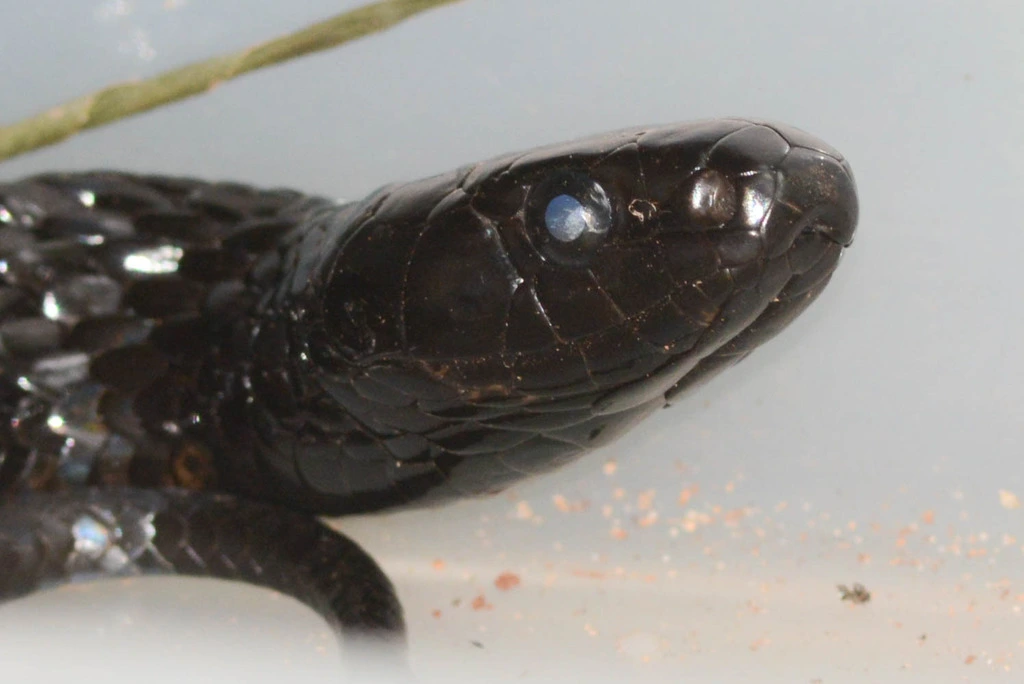
Spilotes pullatus. Unusually dark individual; scale characters in the original review support identification. Photographed after temporary capture. Original observation dated 2024-01-01. This photograph does not establish occurrence in any additional state or province.

015 · Colubridae

Tropical Chicken Snake, Chicken Snake, Yellow Rat Snake

Spilotes pullatus

(LINNAEUS, 1758)

Venom unknownNot yet assessed

The checked taxonomic distribution account explicitly lists Costa Rica. Country-level evidence does not establish continuous occupancy or a complete national inventory.

Read the species account →

B. Phalan · CC BY 4.0 · https://creativecommons.org/licenses/by/4.0/
Tretanorhinus nigroluteus. Species portrait; the complete source frame is retained. Original observation dated 2022-06-03. This photograph does not establish occurrence in any additional state or province.

016 · Colubridae

Orange-bellied Swampsnake, Orangebelly Swamp Snake

Tretanorhinus nigroluteus

COPE, 1861

Venom unknownNot yet assessed

The checked taxonomic distribution account explicitly lists Costa Rica. Country-level evidence does not establish continuous occupancy or a complete national inventory.

Read the species account →

Court Harding · CC BY 4.0 · https://creativecommons.org/licenses/by/4.0/
All 143 species in the country collection →

Read further

Evidence & sources.

Guide reviewed 16 October 2026. Source dates and geographic scope matter; landscape photographs do not establish species occurrence.

  1. Convention on Biological Diversity · Costa Rica national profile

    Historical Secretariat draft, pending Party approval. Landscape context only; dated statistics and projections are not presented as current measurements. Checked 16 October 2026.

Continue through Costa Rica

Explore another habitat.

01

Forest & woodland

Costa Rica’s profile distinguishes dry forests, cloud forests and other forest formations. Reported recovery in one forest type does not establish recovery in another.

02

Highland environments

High-elevation paramo and cloud forest are separate environments in Costa Rican reporting. A landscape’s elevation does not by itself establish snake presence.

03

Mangroves & estuaries

Mangroves are documented as part of the coastal mosaic. Their tidal setting should be retained separately from adjacent terrestrial forest and offshore reefs.