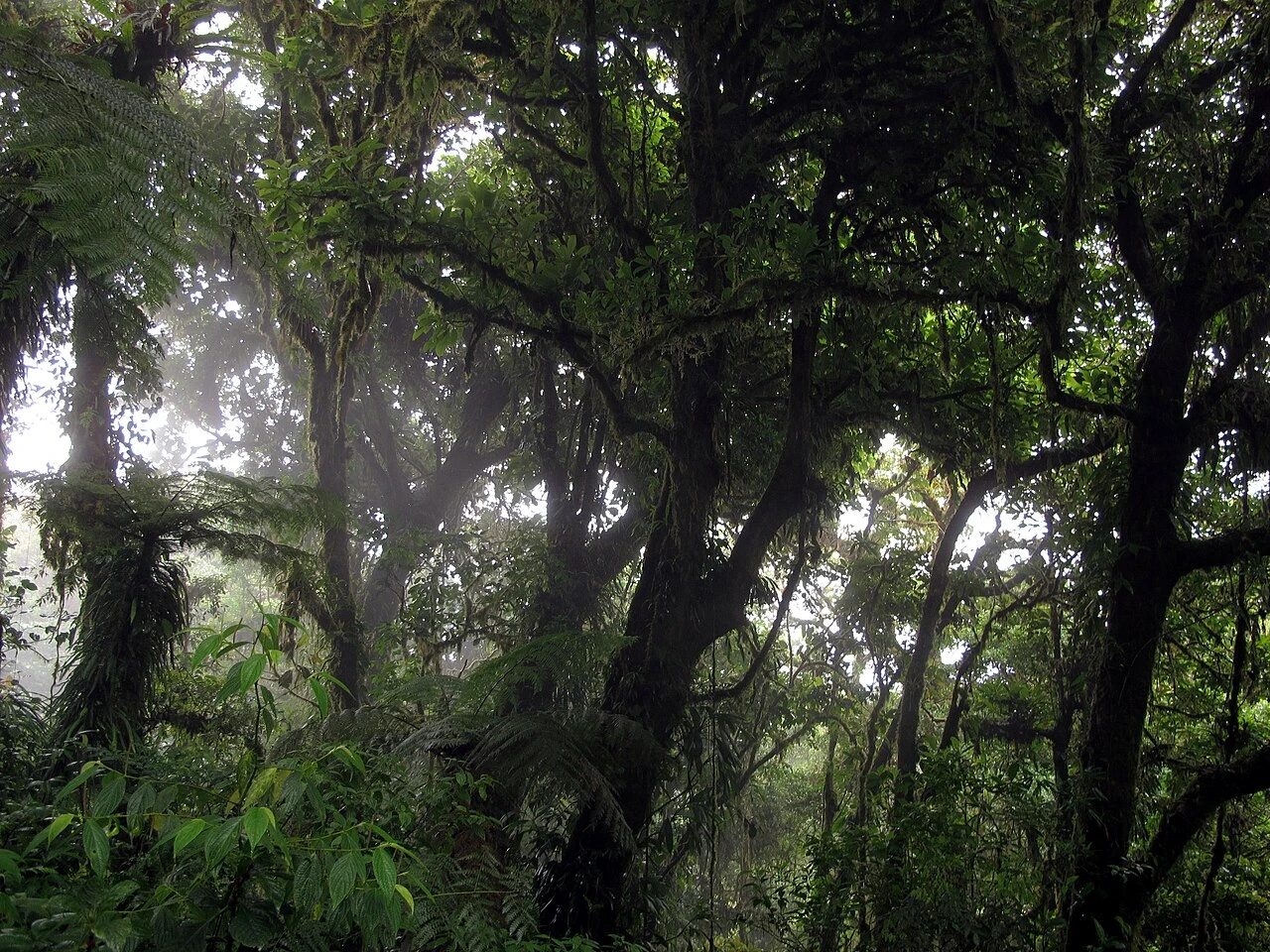
Mist beneath the canopy in Monteverde Cloud Forest Reserve, Costa Rica.

Costa Rica · Habitat field guide

Highland environments

High-elevation paramo and cloud forest are separate environments in Costa Rican reporting. A landscape’s elevation does not by itself establish snake presence.

Mist beneath the canopy in Monteverde Cloud Forest Reserve, Costa Rica.

Photograph: Haakon S. Krohn · Image source · CC BY-SA 3.0. Cropped to fill the hero; darkened for text legibility.

Understanding the environment

A sense of the habitat.

High-elevation paramo and cloud forest are separate environments in Costa Rican reporting. A landscape’s elevation does not by itself establish snake presence.

Geographic scope
Costa Rica; source locality matters.
Evidence scale
Landscape descriptions are separate from species records.
Source date
Retain the cited publication date; reviewed 16 October 2026.

Explore the structure · Select a layer to compare details retained in a field record.

Read the locality in three layers.

Select a zone to see what changes.

Elevation

Elevation

Use a recorded elevation rather than a nearby summit’s height.

Check this detail in the original record before assigning a species to the habitat.

These reading prompts are conceptual, not a transect or an occurrence map.

Sources: Convention on Biological Diversity · Costa Rica national profile

Field notes · 01

The documented setting

High-elevation paramo and cloud forest are separate environments in Costa Rican reporting. A landscape’s elevation does not by itself establish snake presence.

Sources: Convention on Biological Diversity · Costa Rica national profile

Field notes · 02

Connect the setting to a species

A habitat description and a country record answer different questions. Follow the linked species account for evidence of habitat use; an empty filtered collection indicates missing extracted evidence, not biological absence.

Pressures on Costa Rica’s habitats

What is at risk?

A site-specific assessment of pressures has not yet been extracted for this guide. The landscape sources below provide context; they do not establish a current threat level for each snake species.

What helps this habitat

Consult the source’s own conservation context and dates before interpreting habitat change. A broad landscape pressure does not establish a measured decline for every snake.

The connected collection

Snakes with habitat evidence.

These 6 species have supported country occurrence and an explicit habitat association in the shared account. The association may come from elsewhere in their range. This is not a complete local habitat inventory; the places above are landscape examples, not asserted collecting sites.

6 species · showing 6

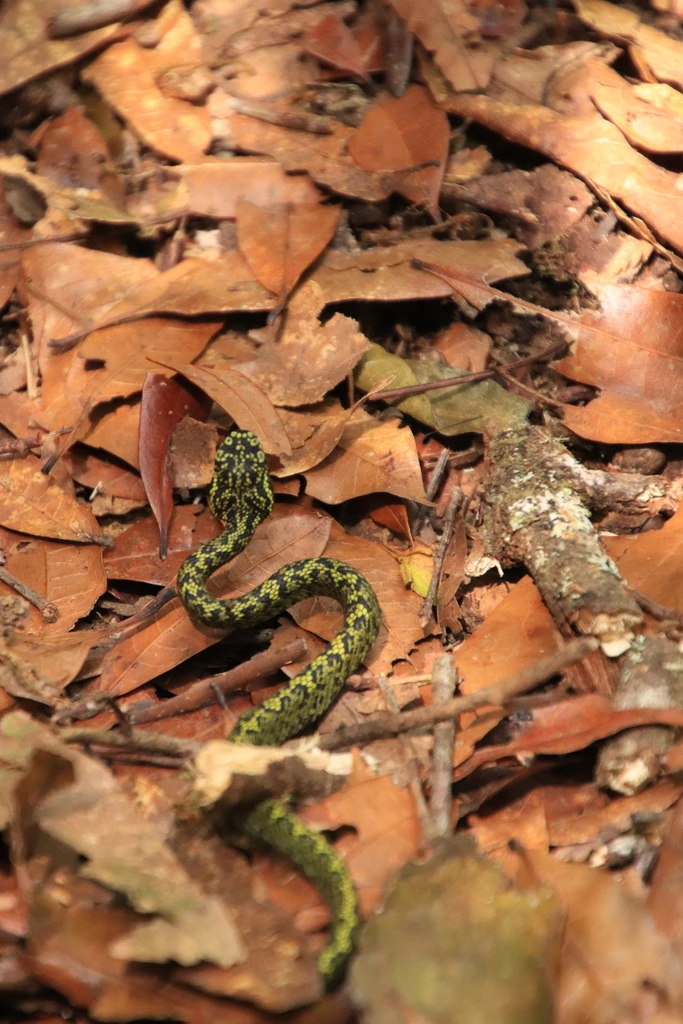
Bothriechis nubestris. Green individual on fallen leaves. Original observation dated 2018-03-25. Portrait only; no new locality record is inferred.

001 · Viperidae

Talamancan Palm-Pitviper

Bothriechis nubestris

DOAN, MASON, CASTOE, SASA & PARKINSON, 2016

VenomousClinical severity not established

The checked taxonomic distribution account explicitly lists Costa Rica. Country-level evidence does not establish continuous occupancy or a complete national inventory. The treatment names these subdivisions in its Costa Rica distribution clause: San José, San Jose. They are assigned to the declared atlas navigation groups; this is not a field…

Read the species account →

Ian Adams · CC BY 4.0 · https://creativecommons.org/licenses/by/4.0/
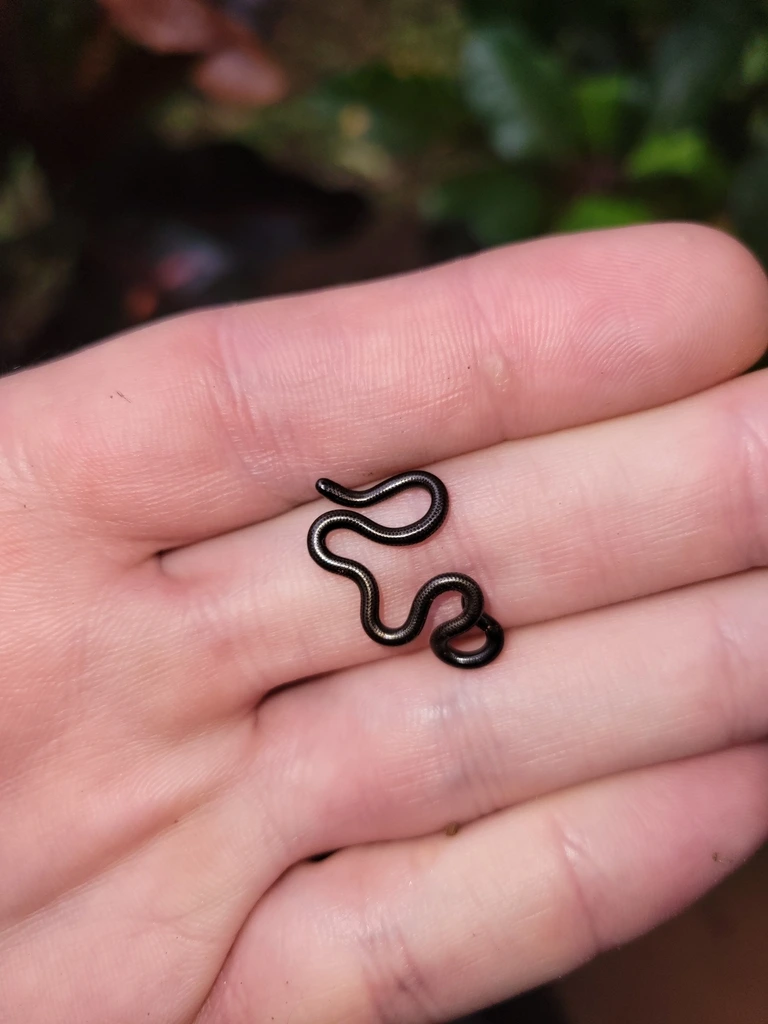
Epictia ater. Small individual photographed on an open hand; this is not a habitat illustration. Original observation dated 2024-10-11. No additional geographic occurrence is inferred.

002 · Leptotyphlopidae

Black Blind Snake

Epictia ater

(TAYLOR, 1940)

Non-venomous

The checked taxonomic distribution account explicitly lists Costa Rica. Country-level evidence does not establish continuous occupancy or a complete national inventory. The treatment names these subdivisions in its Costa Rica distribution clause: Guanacaste, Alajuela, San José, San Jose, Puntarenas. They are assigned to the declared atlas navigation…

Read the species account →

Jake Rehage · CC BY 4.0 · https://creativecommons.org/licenses/by/4.0/
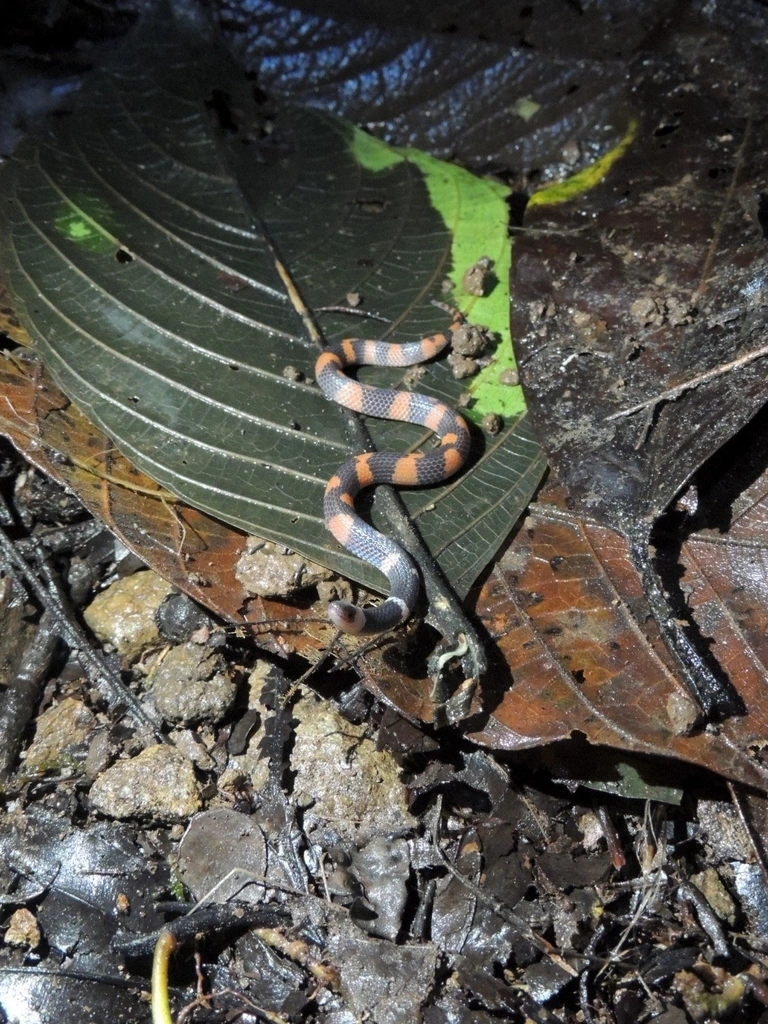
Geophis brachycephalus. Portrait only; no new locality or habitat record inferred.

003 · Colubridae

Costa Rican Earth Snake

Geophis brachycephalus

(COPE, 1871)

Venom unknownNot yet assessed

The checked taxonomic distribution account explicitly lists Costa Rica. Country-level evidence does not establish continuous occupancy or a complete national inventory.

Read the species account →

Anthony Mora Aguilar · CC BY 4.0 · https://creativecommons.org/licenses/by/4.0/
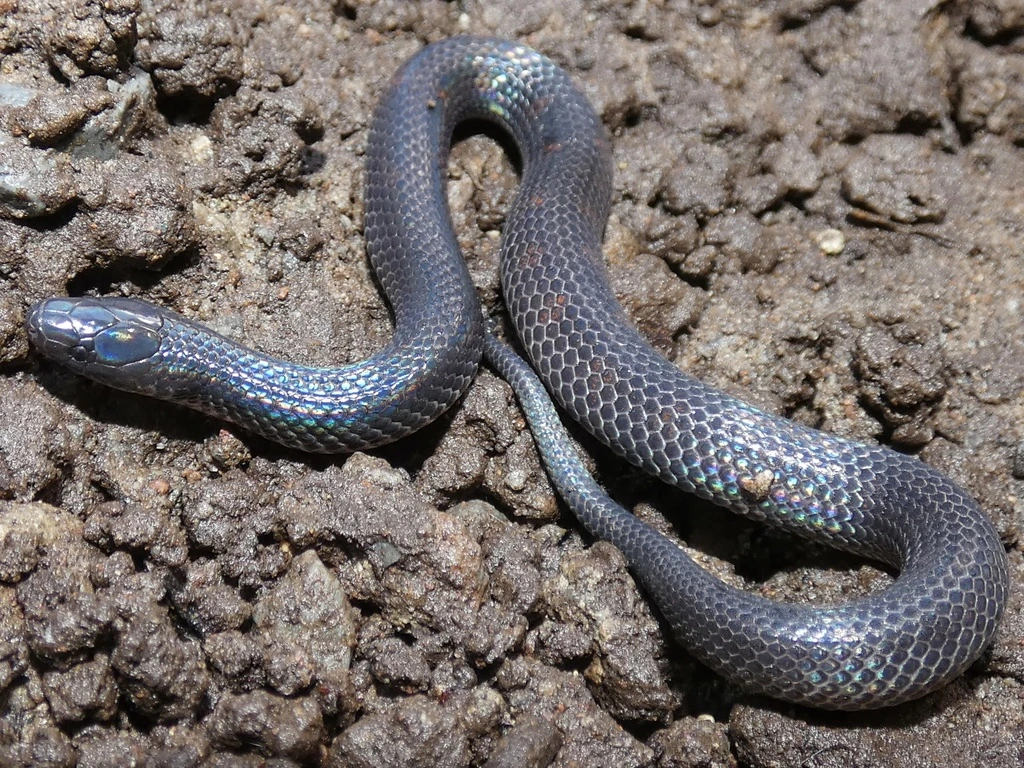
Geophis talamancae. Whole animal on mud and stone. Original observation dated 2021-02-10. No additional geographic occurrence is inferred.

004 · Colubridae

Species account

Geophis talamancae

LIPS & SAVAGE, 1994

Venom unknownNot yet assessed

The checked taxonomic distribution account explicitly lists Costa Rica. Country-level evidence does not establish continuous occupancy or a complete national inventory.

Read the species account →

Kai Squires · CC BY 4.0 · https://creativecommons.org/licenses/by/4.0/
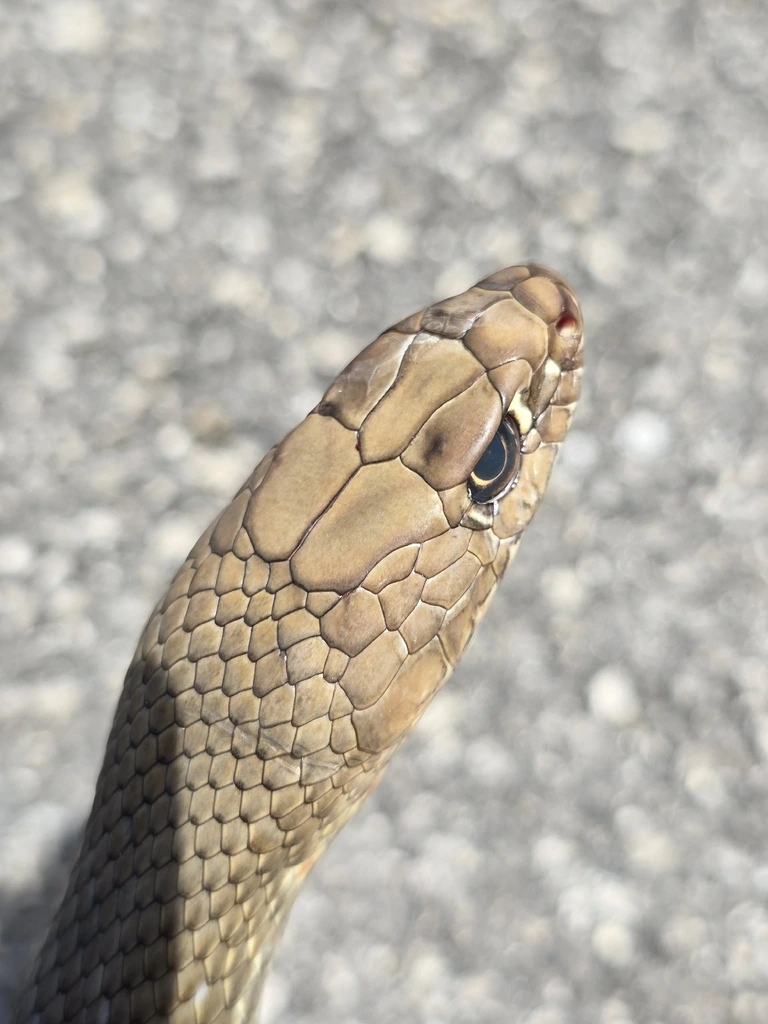
Masticophis mentovarius. Close view of the head; complete source frame retained. Original observation dated 2026-08-08. This photograph does not establish occurrence in any additional state or province.

006 · Colubridae

Neotropical Whip Snake

Masticophis mentovarius

(DUMÉRIL, BIBRON & DUMÉRIL, 1854)

Venom unknownNot yet assessed

The checked taxonomic distribution account explicitly lists Costa Rica. Country-level evidence does not establish continuous occupancy or a complete national inventory.

Read the species account →

Jalil R. · CC BY-SA 4.0 · https://creativecommons.org/licenses/by-sa/4.0/

All 143 species in the country collection →

Read further

Evidence & sources.

Guide reviewed 16 October 2026. Source dates and geographic scope matter; landscape photographs do not establish species occurrence.

  1. Convention on Biological Diversity · Costa Rica national profile

    Historical Secretariat draft, pending Party approval. Landscape context only; dated statistics and projections are not presented as current measurements. Checked 16 October 2026.

Continue through Costa Rica

Explore another habitat.

01

Forest & woodland

Costa Rica’s profile distinguishes dry forests, cloud forests and other forest formations. Reported recovery in one forest type does not establish recovery in another.

02

Rivers & wetlands

Wetland degradation and pesticide-driven eutrophication are discussed in the national profile. These are source-reported pressures; they do not describe the condition of every waterbody.

03

Mangroves & estuaries

Mangroves are documented as part of the coastal mosaic. Their tidal setting should be retained separately from adjacent terrestrial forest and offshore reefs.