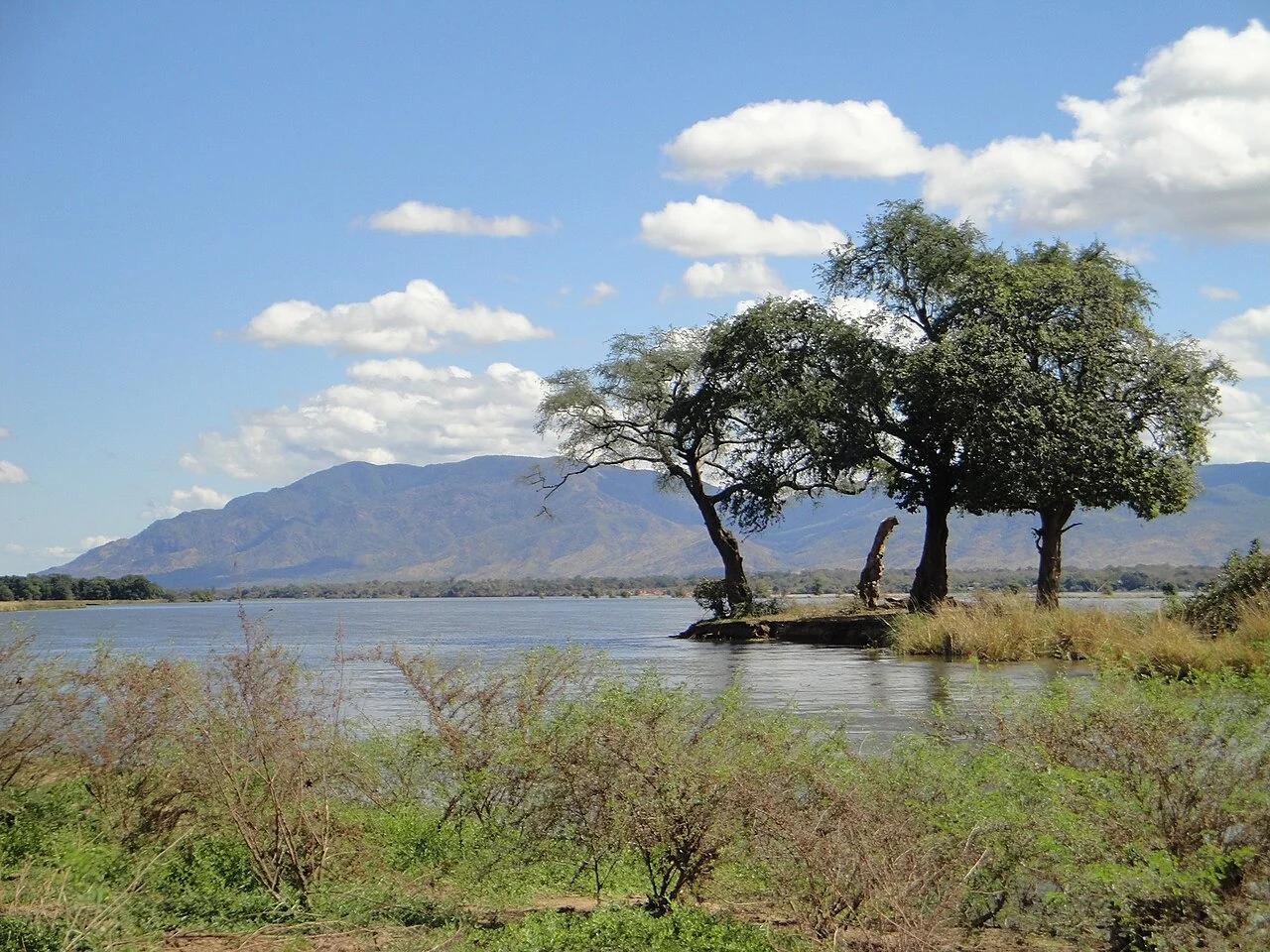
The Zambezi at Mana Pools, Zimbabwe, looking towards the escarpment in Zambia.

Zimbabwe · The country atlas

Zimbabwe

Zimbabwe’s forest and woodland landscapes connect protected areas, farmland and aquatic environments.

86species with extracted evidence
12families
10region guides

The Zambezi at Mana Pools, Zimbabwe, looking towards the escarpment in Zambia.

Photograph: Babakathy · Image source · CC0. Cropped to fill the hero; darkened for text legibility.

Geography & biotopes

Discover Zimbabwe.

Zimbabwe’s forest and woodland landscapes connect protected areas, farmland and aquatic environments.

Historical administrative outlines are grouped for navigation. They are not ecological boundaries, species ranges or a statement of present administrative arrangements.

Map boundaries, snapshot and group membership →

Convention on Biological Diversity · Zimbabwe national profile →

Geography is part of the record

Find your way through Zimbabwe.

Select a named region to open its evidence page. The complete directory below keeps every guide accessible, including places where locality evidence has not yet been extracted.

47 of 86 listed species have at least one indexed region record. 39 remain country-only. Even a nonzero count is not a complete regional inventory.

Habitats & living landscapes

Explore the living
landscapes.

Explore 2 guides to the environments, places and conservation pressures that shape this country. Each guide connects to the regional map and shared species accounts.

Landscape photographs & credits

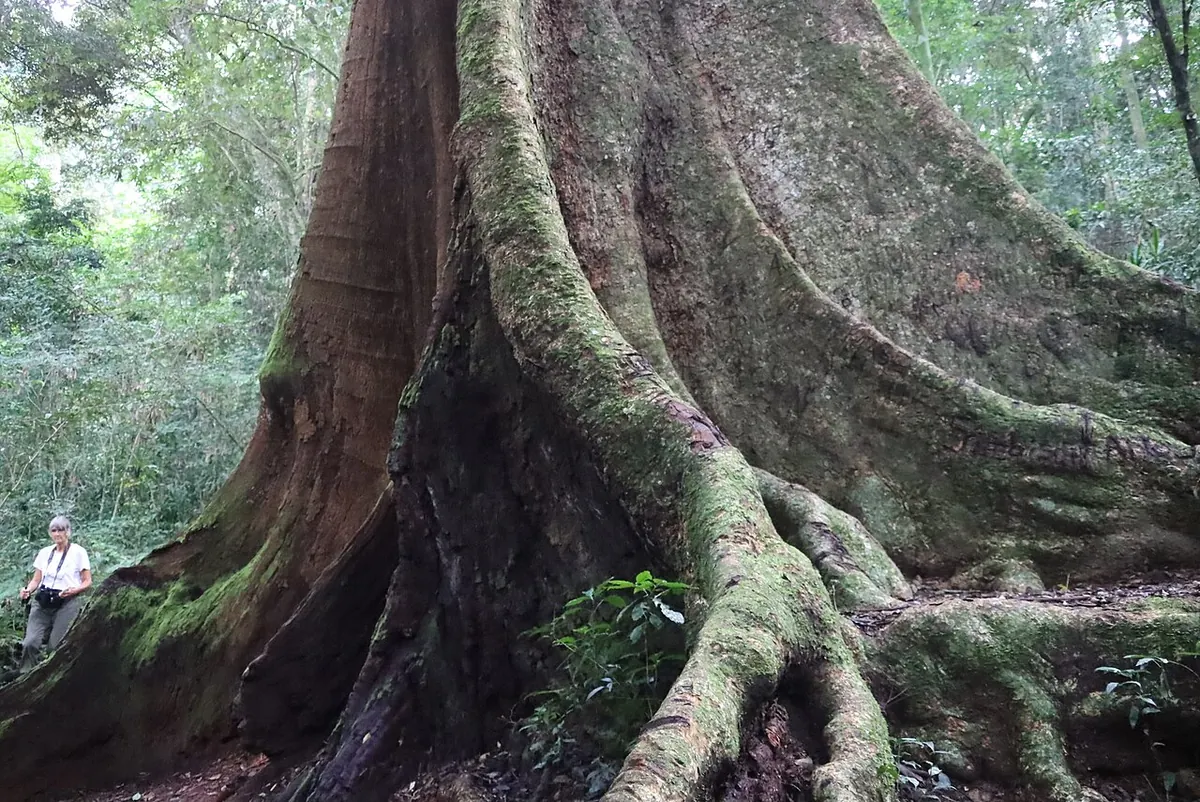
The buttressed base of the Big Tree, a Khaya anthotheca, within Chirinda Forest, Zimbabwe. A visitor provides scale beside the forest tree. — tonyrebelo. Original photograph · CC BY-SA 4.0. Cropped for the cards; photographs do not establish snake occurrence.

The Zambezi at Mana Pools, Zimbabwe, looking towards the escarpment in Zambia. — Babakathy. Original photograph · CC0. Cropped for the cards; photographs do not establish snake occurrence.

The species catalogue

Meet the snakes of Zimbabwe.

Search scientific names, historical names, common names and families. Every card opens one shared account across its documented countries.

86 species · showing 24

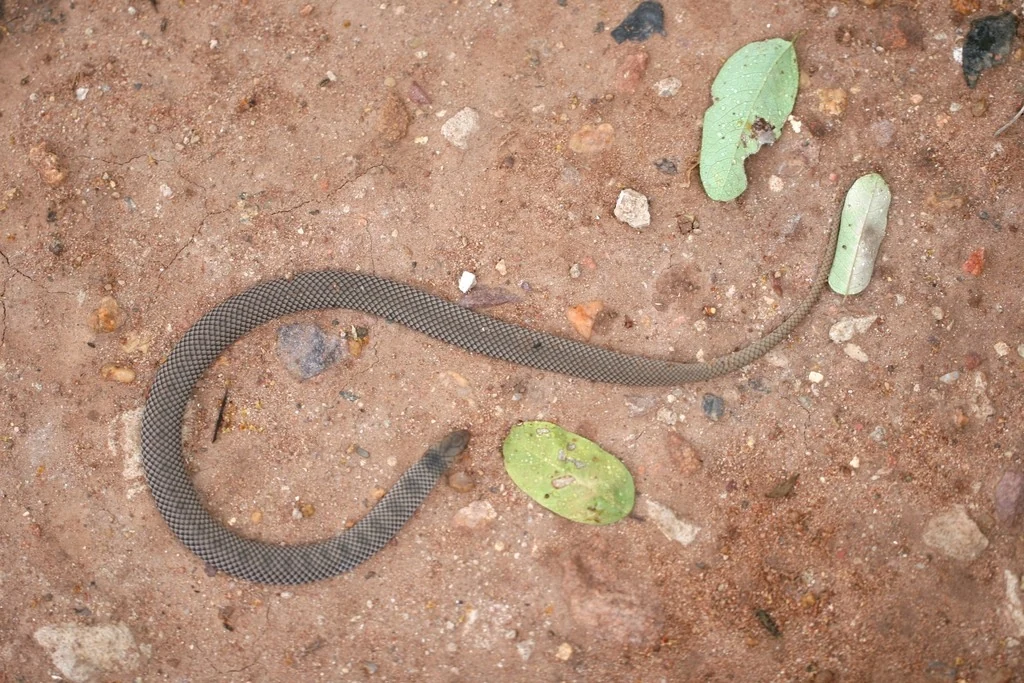
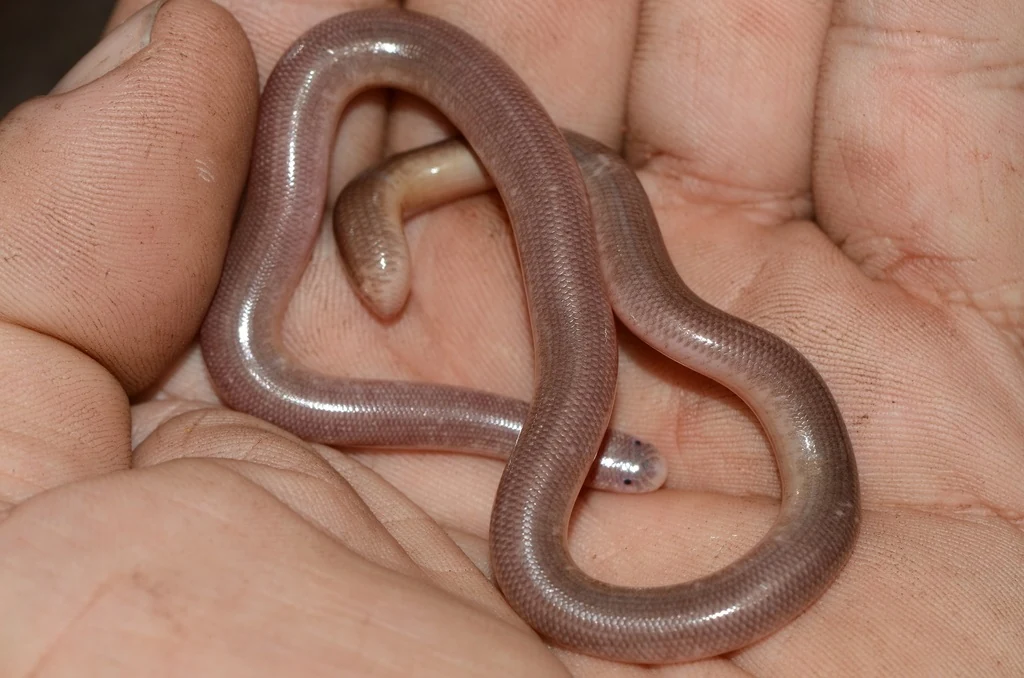
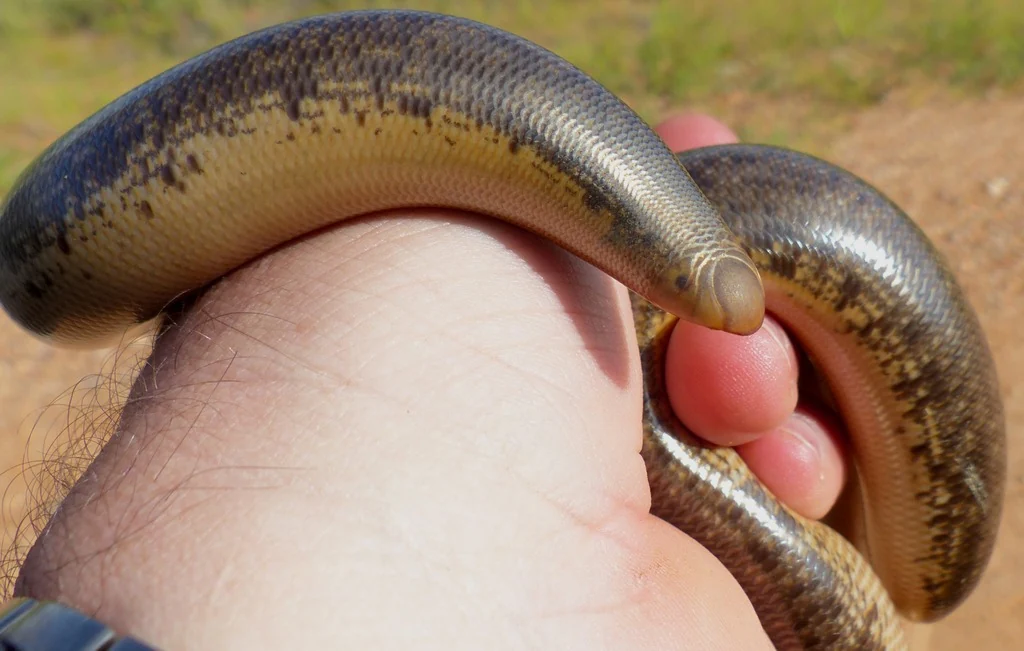
Afrotyphlops bibronii, photographed 2019-04-10. Identification follows the linked research-grade observation. The animal is temporarily held in the source photograph.

001 · Typhlopidae

Bibron's Blind Snake

Afrotyphlops bibronii

(SMITH, 1846)

Non-venomous

The current taxonomic treatment explicitly lists this country. This is country-scale checklist evidence, not a claim of continuous occupancy or a complete regional inventory.

Read the species account →

Marius Burger (iNaturalist contributor) · CC0 1.0 · https://creativecommons.org/publicdomain/zero/1.0/
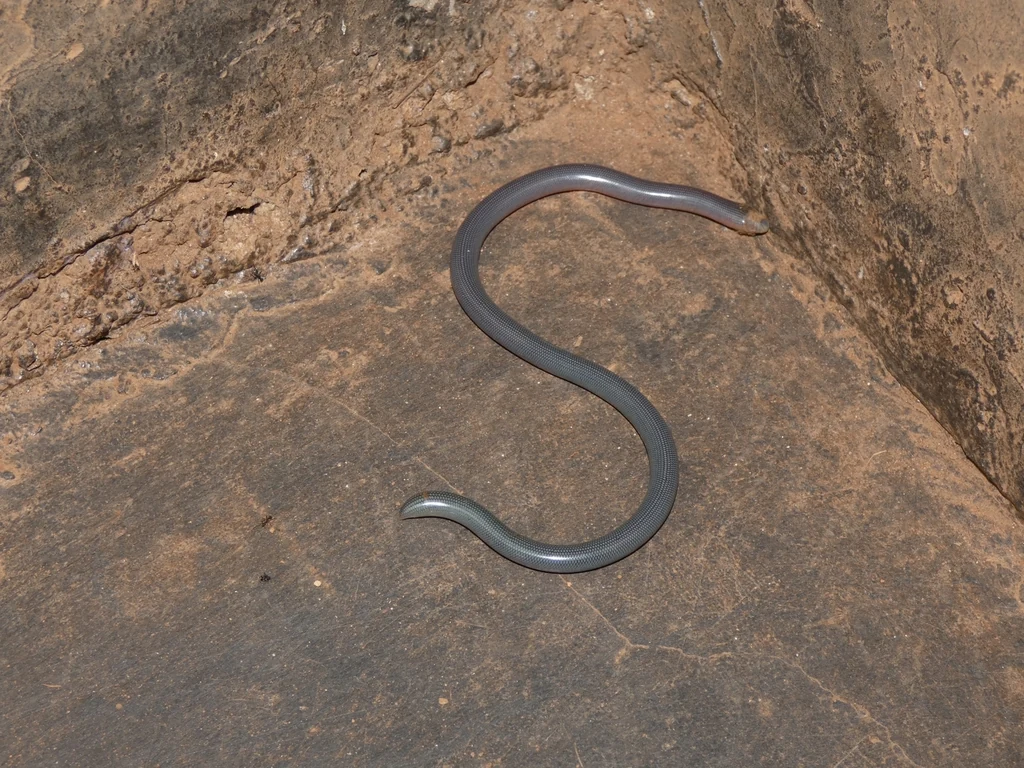
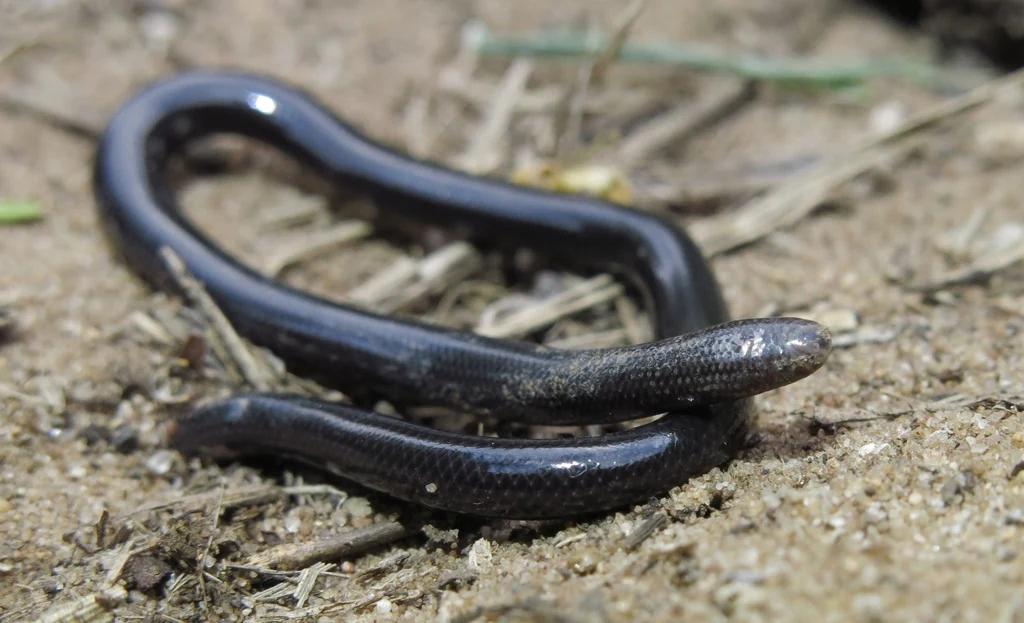
Afrotyphlops dinga, photographed 2020-10-15. Identification follows the linked research-grade observation.

002 · Typhlopidae

Zambezi Blind Snake

Afrotyphlops dinga

(PETERS, 1854)

Non-venomous

The current taxonomic treatment explicitly lists this country. This is country-scale checklist evidence, not a claim of continuous occupancy or a complete regional inventory. Bulawayo: observation 349506328, 2026-04-13. Bulawayo: observation 349479888, 2026-04-13. Harare: observation 327237642, 2025-11-19. Harare: observation 105029289, 2022-01-14.…

Read the species account →

Jonathan Whitaker (iNaturalist contributor) · CC0 1.0 · https://creativecommons.org/publicdomain/zero/1.0/

Afrotyphlops fornasinii, photographed 2019-12-16. Identification follows the linked research-grade observation.

003 · Typhlopidae

Fornasini's Blind Snake

Afrotyphlops fornasinii

(BIANCONI, 1849)

Non-venomous

The current taxonomic treatment explicitly lists this country. This is country-scale checklist evidence, not a claim of continuous occupancy or a complete regional inventory.

Read the species account →

Ryan van Huyssteen · CC BY 4.0 · https://creativecommons.org/licenses/by/4.0/

Afrotyphlops obtusus, photographed 2024-11-14. Identification follows the linked research-grade observation.

004 · Typhlopidae

Southern gracile blind-snake, Slender Blind Snake

Afrotyphlops obtusus

(PETERS, 1865)

Non-venomous

The current taxonomic treatment explicitly lists this country. This is country-scale checklist evidence, not a claim of continuous occupancy or a complete regional inventory.

Read the species account →

Eric (iNaturalist contributor) · CC0 1.0 · https://creativecommons.org/publicdomain/zero/1.0/

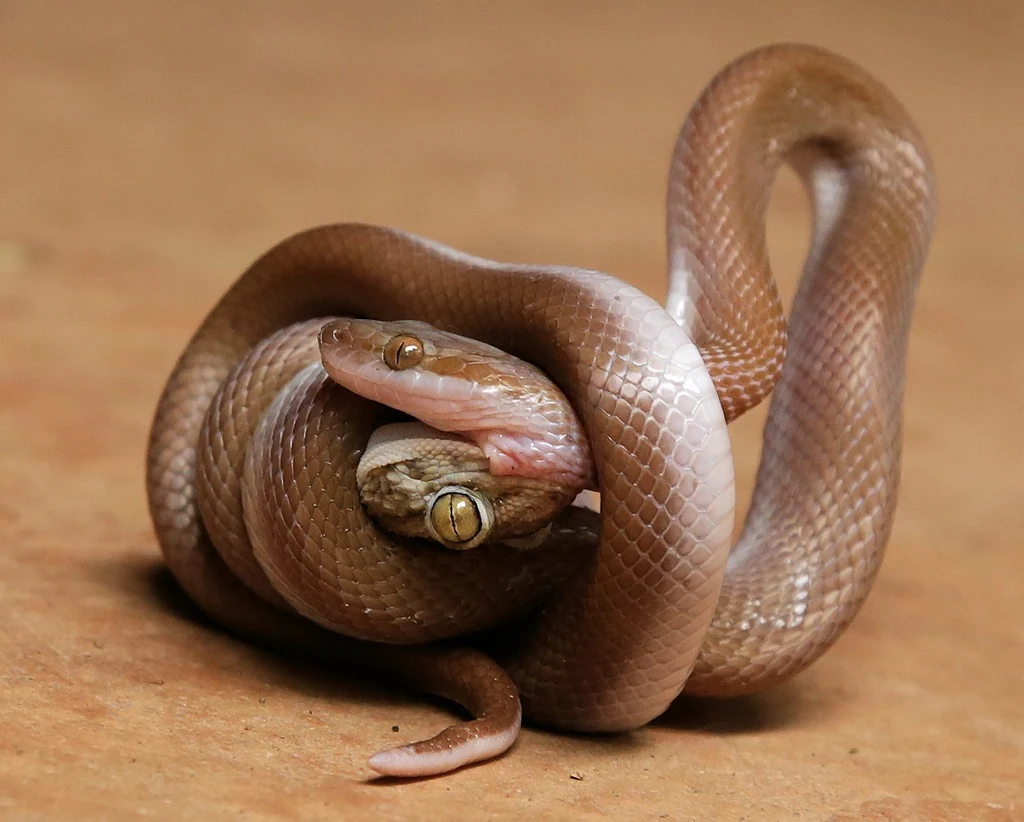
Afrotyphlops schlegelii; S131 Road West of Letaba, Kruger NP, SOUTH AFRICA; photographed 2014-02-05.

005 · Typhlopidae

Species account

Afrotyphlops schlegelii

(BIANCONI, 1849)

Non-venomous

The current taxonomic treatment explicitly lists this country. This is country-scale checklist evidence, not a claim of continuous occupancy or a complete regional inventory.

Read the species account →

Bernard DUPONT · CC BY 4.0 · https://creativecommons.org/licenses/by/4.0/

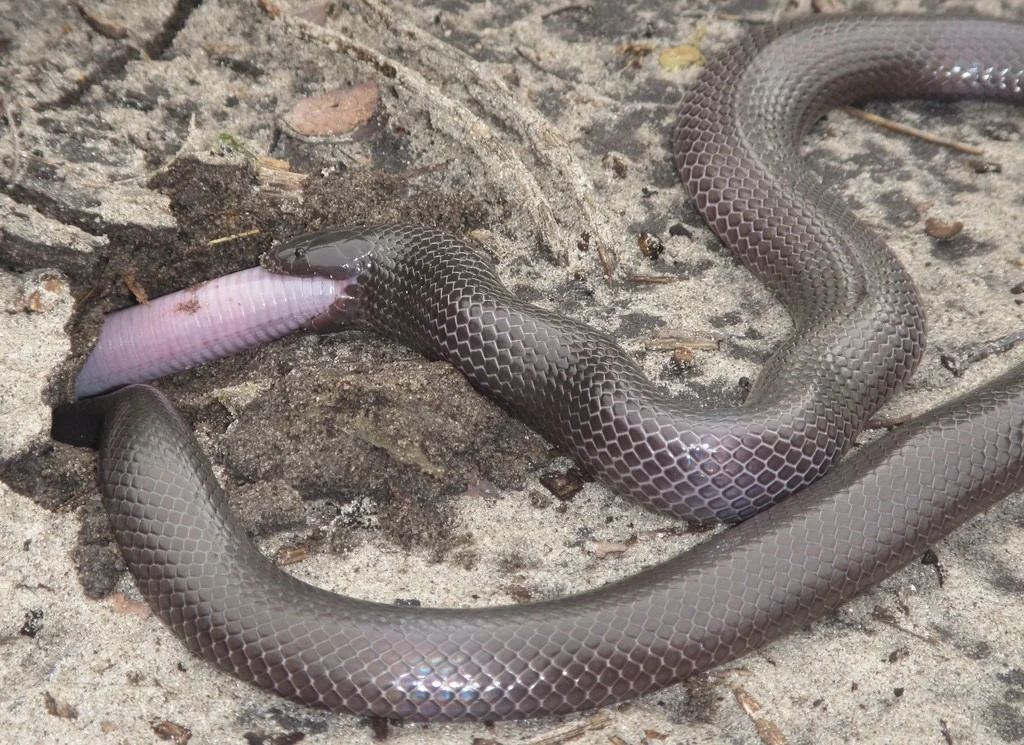
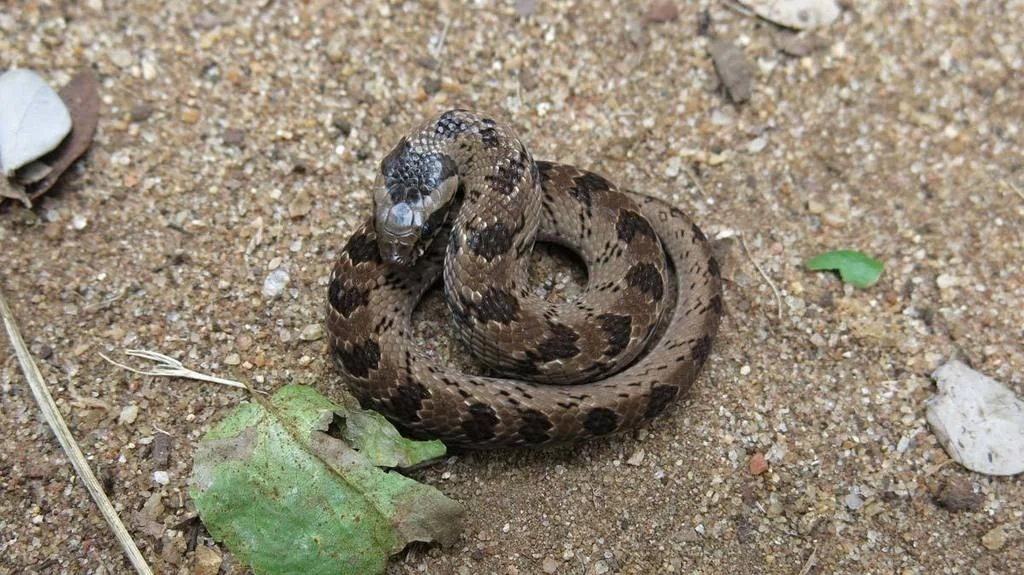
Amblyodipsas polylepis; Ngamiland South District, Botswana; photographed 2018-02-22.

006 · Atractaspididae

Species account

Amblyodipsas polylepis

(BOCAGE, 1873)

Venom unknownNot yet assessed

The current taxonomic treatment explicitly lists this country. This is country-scale checklist evidence, not a claim of continuous occupancy or a complete regional inventory. Bulawayo: observation 101911123, 2021-11-25. Mashonaland West: observation 147324701, 2023-01-24. Mashonaland Central: observation 387656805, 2021-02-09. Masvingo: observation…

Read the species account →

Robert Taylor · CC BY 4.0 · https://creativecommons.org/licenses/by/4.0/

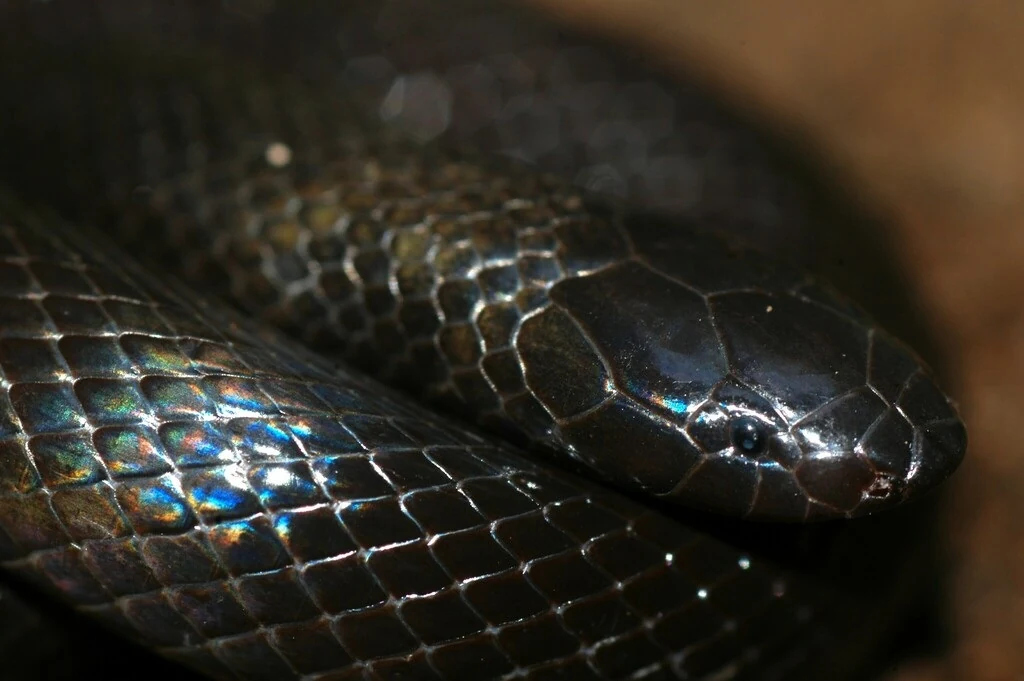
Amblyodipsas ventrimaculata; North West, BW; photographed 2024-04-07.

007 · Atractaspididae

Kalahari Purple-glossed Snake

Amblyodipsas ventrimaculata

(ROUX, 1907)

VenomousClinical severity not established

The current taxonomic treatment explicitly lists this country. This is country-scale checklist evidence, not a claim of continuous occupancy or a complete regional inventory. Matabeleland North: observation 251646151, 2024-11-13. Matabeleland North: observation 149494190, 2023-02-11. Original records have agreeing research-grade identifications, wild…

Read the species account →

Robert Taylor · CC BY 4.0 · https://creativecommons.org/licenses/by/4.0/

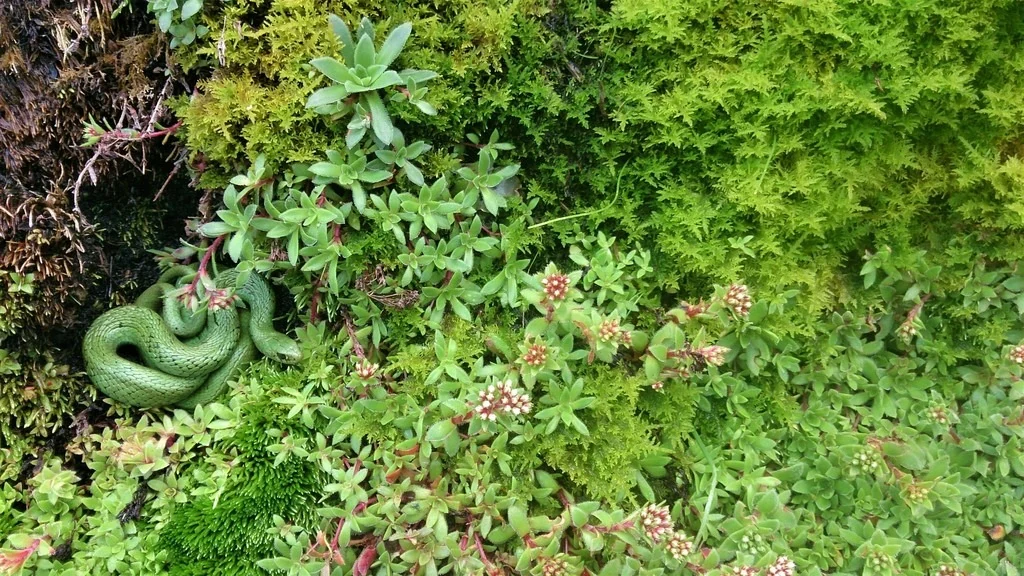
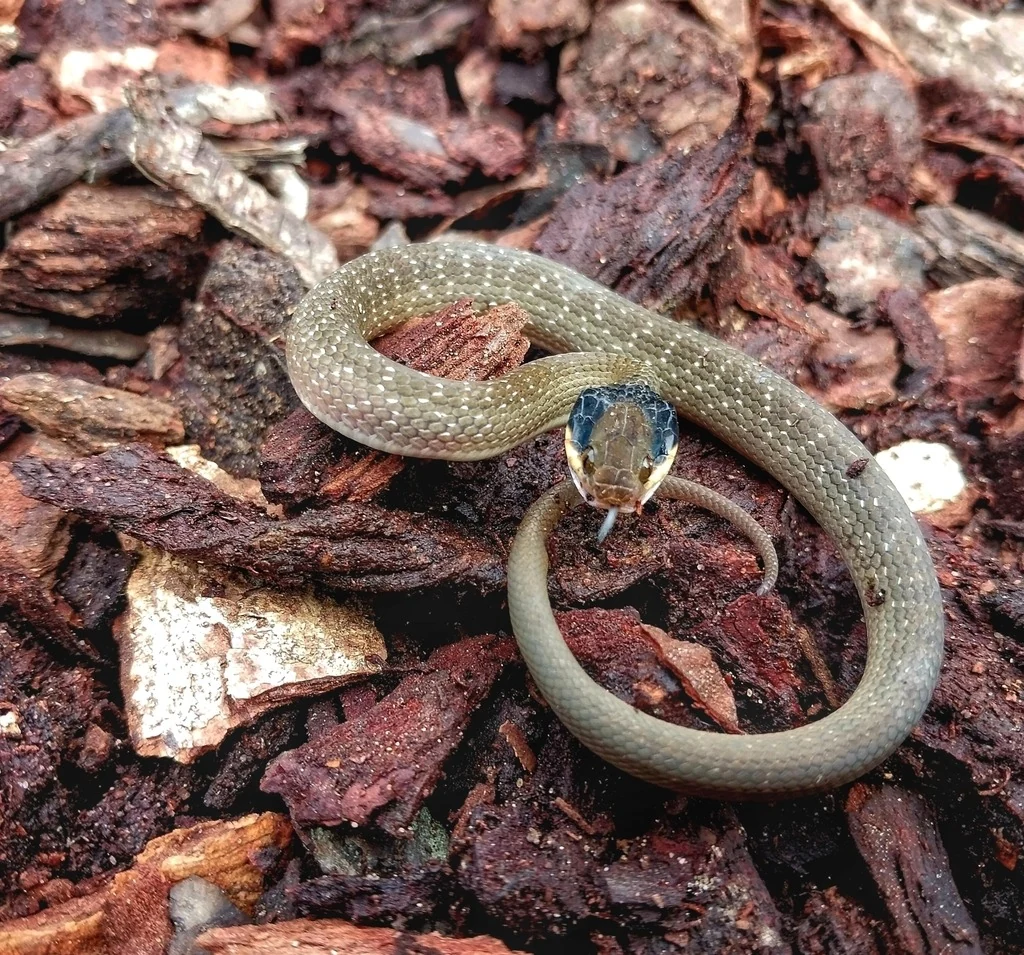
Amplorhinus multimaculatus; Ingula Pumped Storage Scheme; photographed 2015-01-27.

008 · Pseudoxyrhophiidae

Many-spotted Snake, Cape Reed Snake

Amplorhinus multimaculatus

SMITH, 1847

Venom unknownNot yet assessed

The current taxonomic treatment explicitly lists this country. This is country-scale checklist evidence, not a claim of continuous occupancy or a complete regional inventory.

Read the species account →

no rights reserved · CC0 · https://creativecommons.org/publicdomain/zero/1.0/

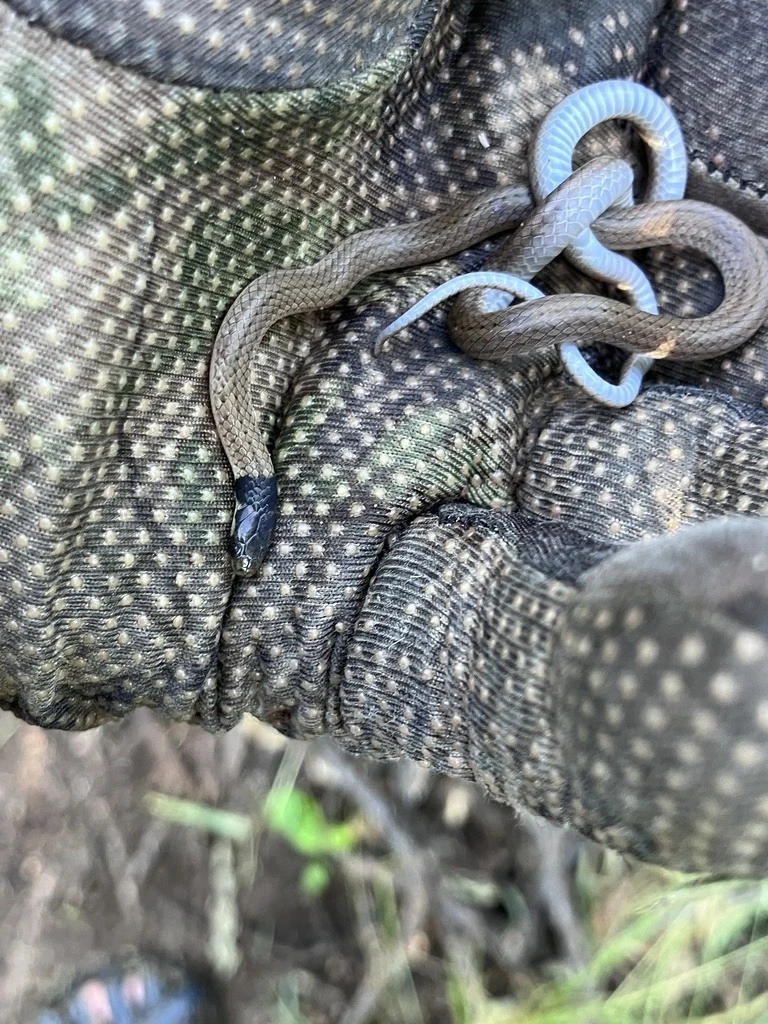
Aparallactus capensis; Kruger National Park, Musina, LP, ZA; photographed 2024-01-22.

009 · Atractaspididae

Black-headed Centipede Eater, Cape Centipede Eater

Aparallactus capensis

SMITH, 1849

VenomousClinical severity not established

The current taxonomic treatment explicitly lists this country. This is country-scale checklist evidence, not a claim of continuous occupancy or a complete regional inventory. Masvingo: observation 343499243, 2026-03-17. Matabeleland North: observation 323275852, 2025-10-26. Original records have agreeing research-grade identifications, wild status and…

Read the species account →

no rights reserved · CC0 · https://creativecommons.org/publicdomain/zero/1.0/

Aparallactus guentheri; Mwenga, Tanzania; photographed 2024-01-24.

010 · Atractaspididae

Black Centipede Eater

Aparallactus guentheri

BOULENGER, 1895

VenomousClinical severity not established

The current taxonomic treatment explicitly lists this country. This is country-scale checklist evidence, not a claim of continuous occupancy or a complete regional inventory.

Read the species account →

no rights reserved · CC0 · https://creativecommons.org/publicdomain/zero/1.0/

Aparallactus lunulatus; Mopani, South Africa; photographed 2014-01-05.

011 · Atractaspididae

Plumbeous or Reticulated Centipede Eater

Aparallactus lunulatus

(PETERS, 1854)

VenomousClinical severity not established

The current taxonomic treatment explicitly lists this country. This is country-scale checklist evidence, not a claim of continuous occupancy or a complete regional inventory. Mashonaland West: observation 328887673, 2025-11-24. Matabeleland South: observation 384245111, 2026-05-21. Original records have agreeing research-grade identifications, wild…

Read the species account →

Cole Wolf · CC BY 4.0 · https://creativecommons.org/licenses/by/4.0/

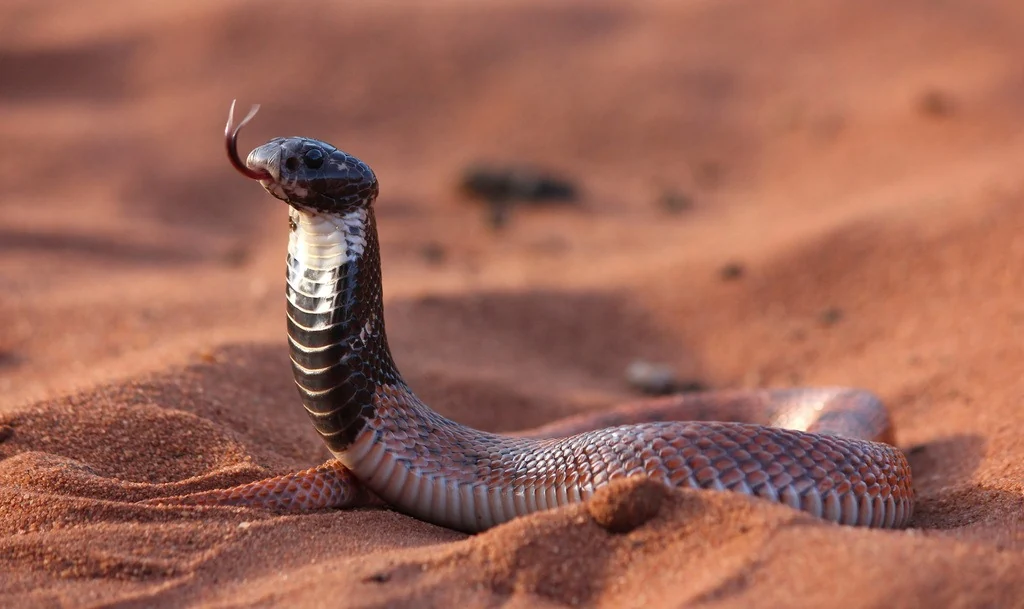
Aspidelaps scutatus; Far North, South Africa; photographed 2019-11-11.

012 · Elapidae

scutatus: Common Shield Cobra, Shield-nose Snake

Aspidelaps scutatus

(SMITH, 1849)

VenomousClinical severity not established

The current taxonomic treatment explicitly lists this country. This is country-scale checklist evidence, not a claim of continuous occupancy or a complete regional inventory. Masvingo: observation 350848259, 2026-04-17. Original records have agreeing research-grade identifications, wild status and open coordinates. Points and sampled reported uncertainty…

Read the species account →

Ryan van Huyssteen · CC BY 4.0 · https://creativecommons.org/licenses/by/4.0/

Atractaspis bibronii, photographed 2010-12-10. Identification follows the linked research-grade observation.

013 · Atractaspididae

Bibron’s Stiletto Snake, Southern or Bibron's Burrowing Asp, Mole Viper

Atractaspis bibronii

SMITH, 1849

VenomousClinical severity not established

The current taxonomic treatment explicitly lists this country. This is country-scale checklist evidence, not a claim of continuous occupancy or a complete regional inventory. Masvingo: observation 152473327, 2023-03-27. Matabeleland North: observation 332386050, 2025-12-27. Original records have agreeing research-grade identifications, wild status and…

Read the species account →

Marius Burger (iNaturalist contributor) · CC0 1.0 · https://creativecommons.org/publicdomain/zero/1.0/
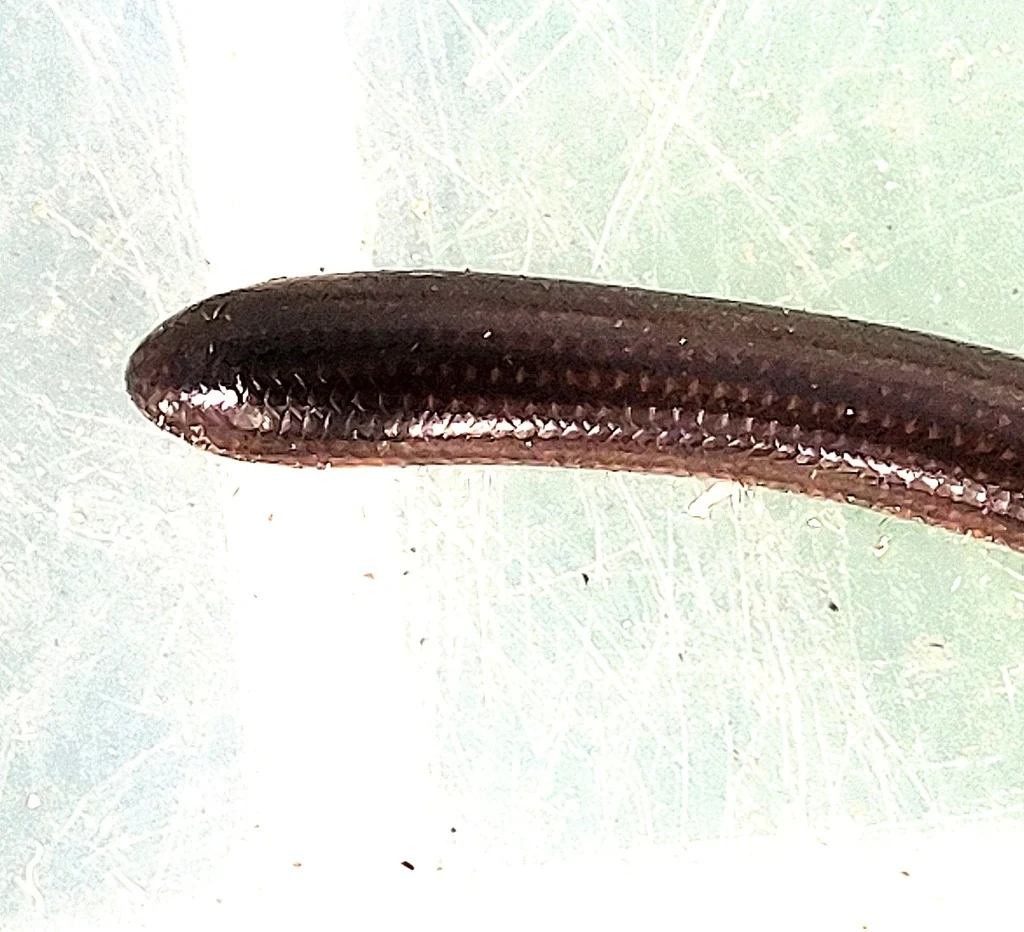
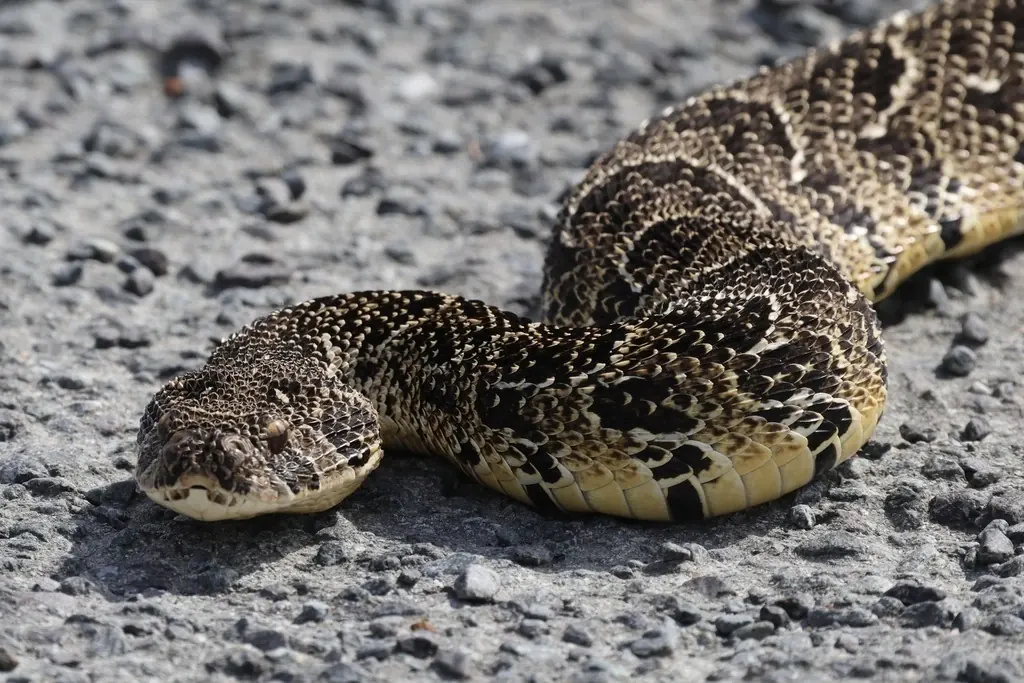
Bitis arietans. Identification follows the linked source community.

014 · Viperidae

Puff Adder

Bitis arietans

(MERREM, 1820)

VenomousClinical severity not established

Explicit country record in the current species treatment. The current taxonomic treatment explicitly lists this country. This is country-scale checklist evidence, not a claim of continuous occupancy or a complete regional inventory. Bulawayo: observation 348046121, 2026-04-07. Bulawayo: observation 143509212, 2022-07-22. Harare: observation 269979134,…

Read the species account →

Cricket Raspet · CC BY 4.0 · https://creativecommons.org/licenses/by/4.0/

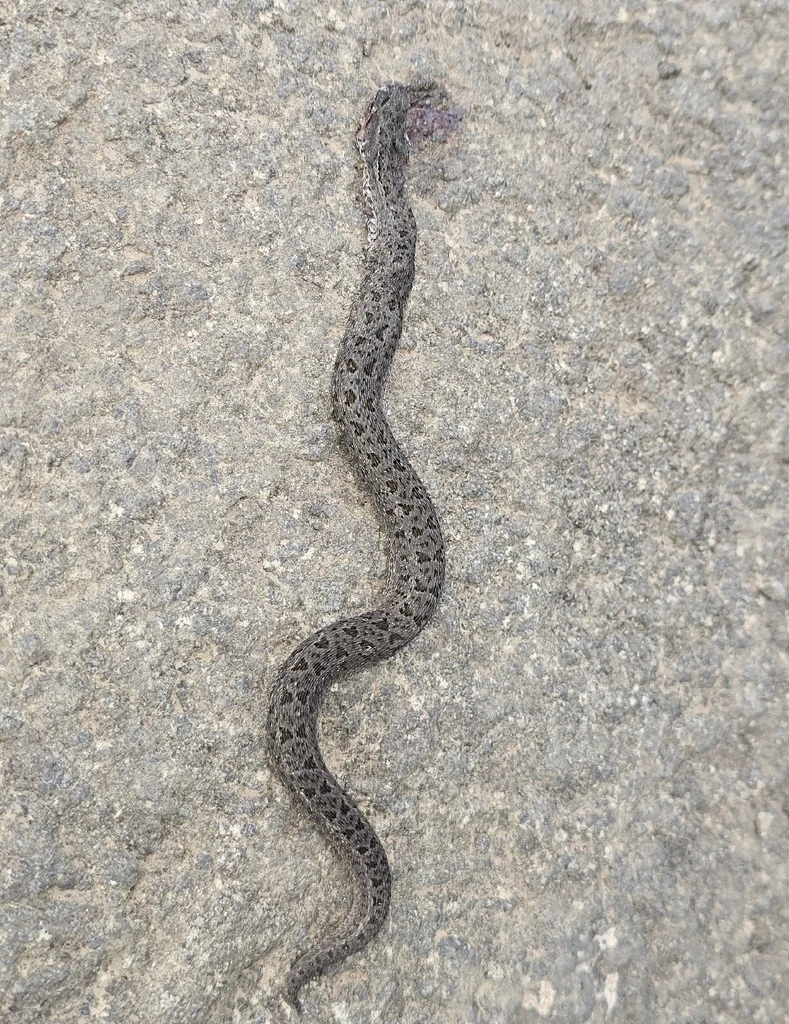
Bitis atropos, photographed 2025-11-23. Identification follows the linked research-grade observation.

015 · Viperidae

Mountain Adder

Bitis atropos

(LINNAEUS, 1758)

VenomousClinical severity not established

The current taxonomic treatment explicitly lists this country. This is country-scale checklist evidence, not a claim of continuous occupancy or a complete regional inventory.

Read the species account →

Dylan Leonard · CC BY-SA 4.0 · https://creativecommons.org/licenses/by-sa/4.0/

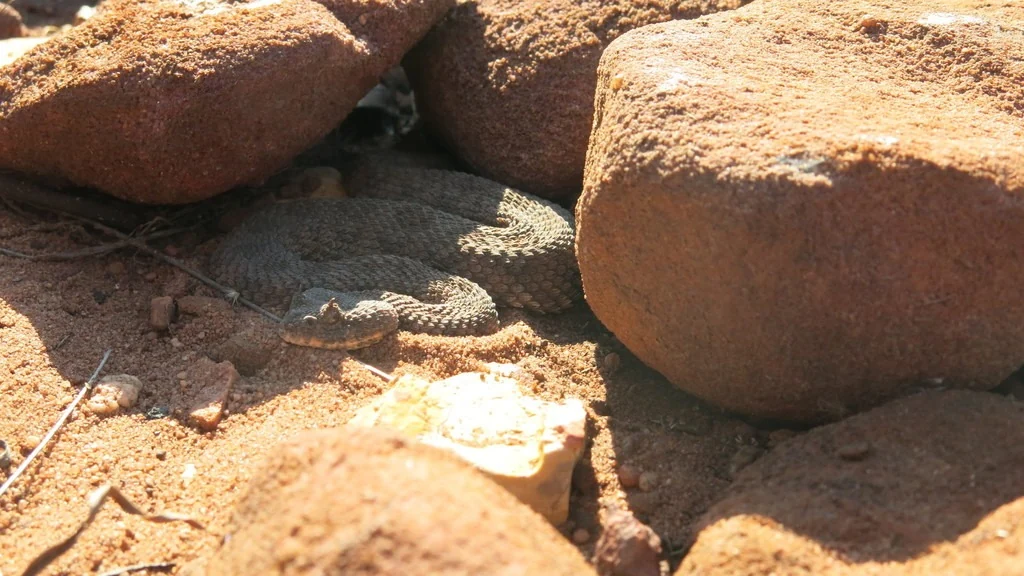
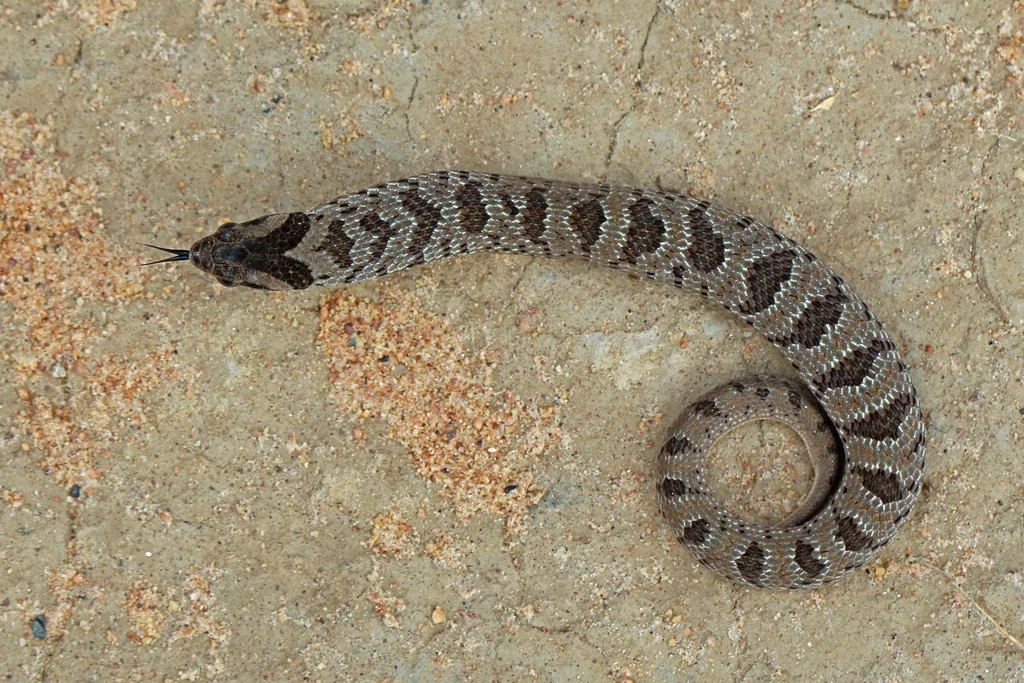
Bitis caudalis; Far North, South Africa; photographed 2018-04-30.

016 · Viperidae

Horned Adder

Bitis caudalis

(SMITH, 1839)

VenomousClinical severity not established

The current taxonomic treatment explicitly lists this country. This is country-scale checklist evidence, not a claim of continuous occupancy or a complete regional inventory. Matabeleland South: observation 321627072, 2025-10-18. Matabeleland South: observation 253367315, 2024-11-27. Original records have agreeing research-grade identifications, wild…

Read the species account →

Ryan van Huyssteen · CC BY 4.0 · https://creativecommons.org/licenses/by/4.0/

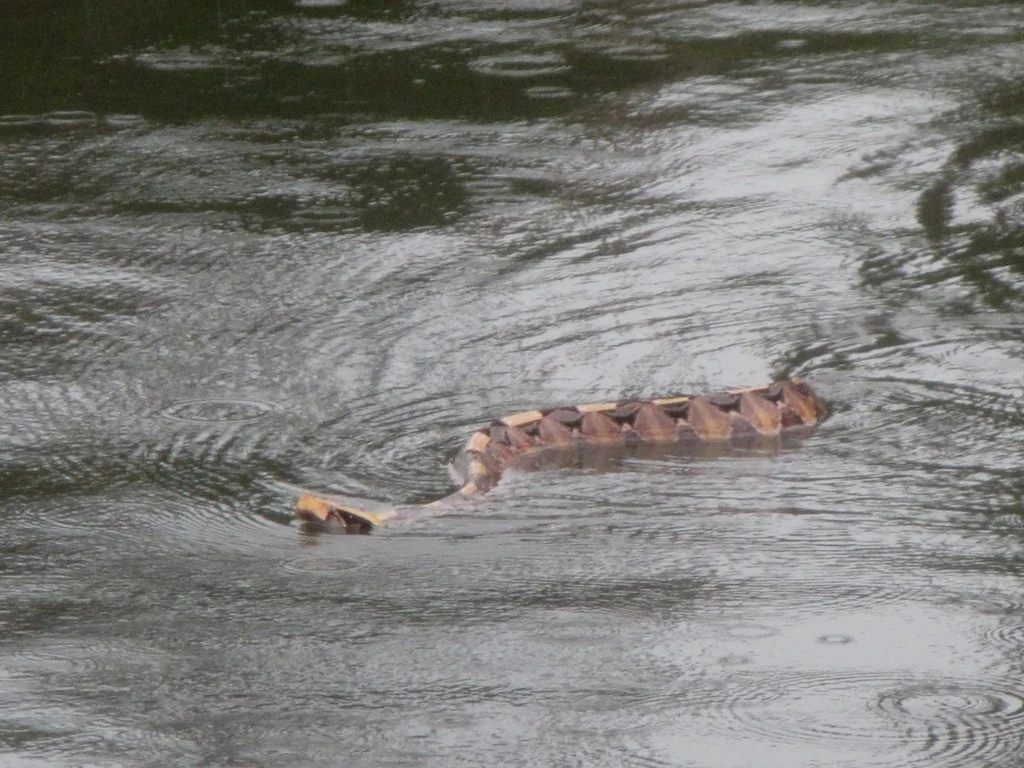
Bitis gabonica; Lake Tissongo, Cameroon; photographed 2016-05-18.

017 · Viperidae

Gaboon Adder, Gaboon Viper

Bitis gabonica

(DUMÉRIL, BIBRON & DUMÉRIL, 1854)

VenomousClinical severity not established

The current taxonomic treatment explicitly lists this country. This is country-scale checklist evidence, not a claim of continuous occupancy or a complete regional inventory.

Read the species account →

Lucy Keith-Diagne · CC BY 4.0 · https://creativecommons.org/licenses/by/4.0/

Boaedon capensis; Mopani, South Africa; photographed 2018-11-23.

018 · Lamprophiidae

Common House Snake, Brown House Snake

Boaedon capensis

DUMÉRIL, BIBRON & DUMÉRIL, 1854

Non-venomous

The current taxonomic treatment explicitly lists this country. This is country-scale checklist evidence, not a claim of continuous occupancy or a complete regional inventory. Bulawayo: observation 341345910, 2026-02-25. Bulawayo: observation 338239735, 2026-02-11. Mashonaland Central: observation 380267672, 2026-07-11. Mashonaland Central: observation…

Read the species account →

Wynand Uys · CC BY 4.0 · https://creativecommons.org/licenses/by/4.0/

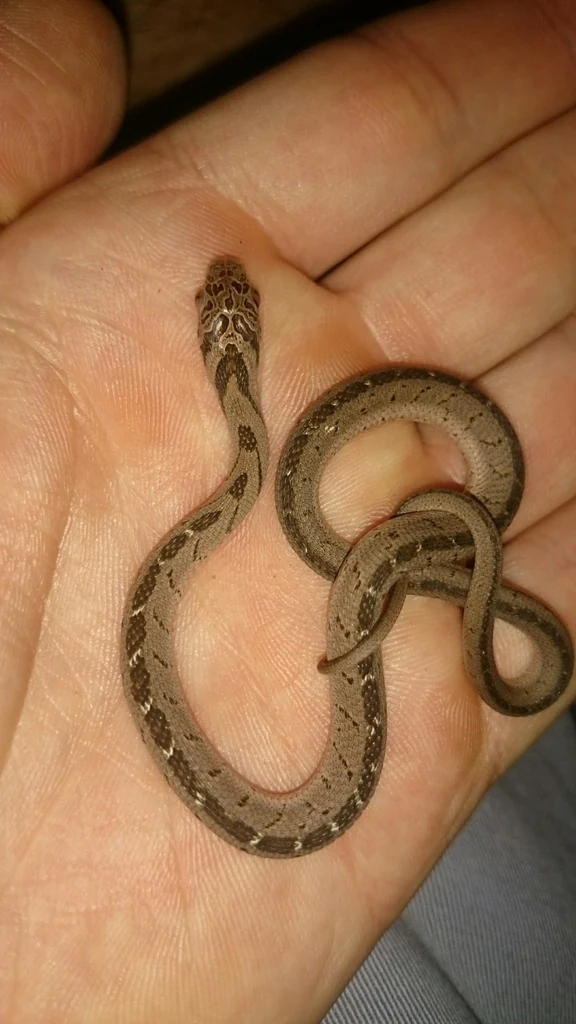
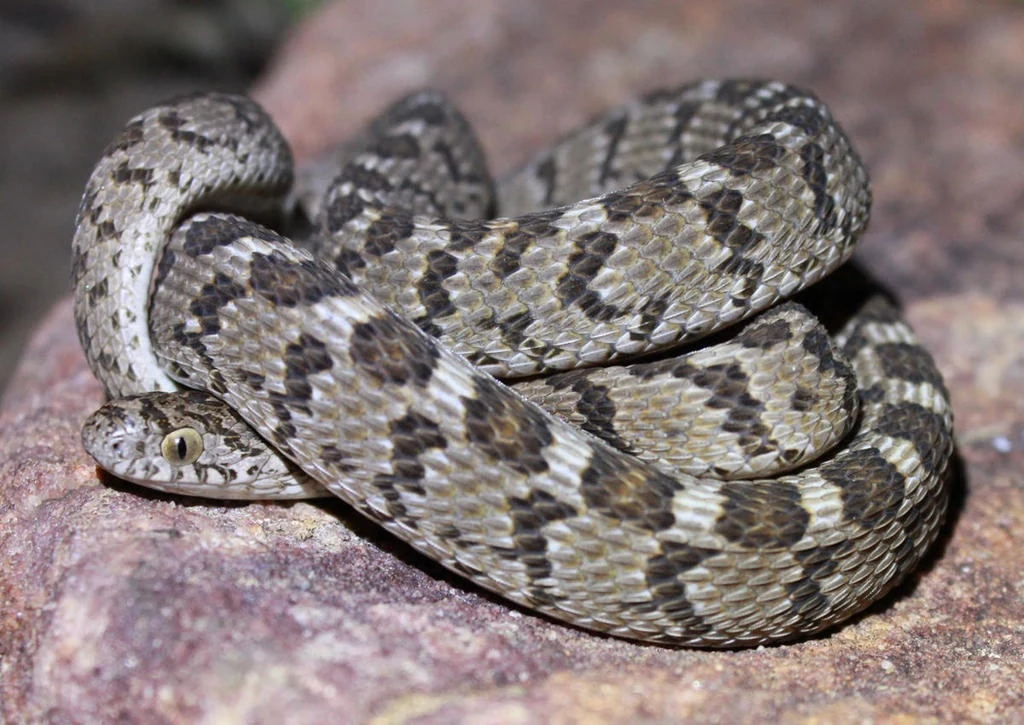
Causus defilippii; Selati; photographed 2013-04-12.

019 · Viperidae

Snouted Night Adder

Causus defilippii

(JAN, 1863)

VenomousClinical severity not established

The current taxonomic treatment explicitly lists this country. This is country-scale checklist evidence, not a claim of continuous occupancy or a complete regional inventory. Mashonaland West: observation 330210742, 2025-11-18. Masvingo: observation 202148072, 2024-03-09. Masvingo: observation 160399689, 2023-05-02. Matabeleland South: observation…

Read the species account →

Ryan van Huyssteen · CC BY 4.0 · https://creativecommons.org/licenses/by/4.0/

Causus rhombeatus, photographed 2014-11-21. Identification follows the linked research-grade observation.

020 · Viperidae

Common or Rhombic Night Adder

Causus rhombeatus

(LICHTENSTEIN, 1823)

VenomousClinical severity not established

The current taxonomic treatment explicitly lists this country. This is country-scale checklist evidence, not a claim of continuous occupancy or a complete regional inventory. Harare: observation 267926619, 2025-03-30. Harare: observation 105542202, 1967-02-04. Matabeleland South: observation 29456406, 2019-04-15. Original records have agreeing…

Read the species account →

Nigel Voaden · CC BY 4.0 · https://creativecommons.org/licenses/by/4.0/

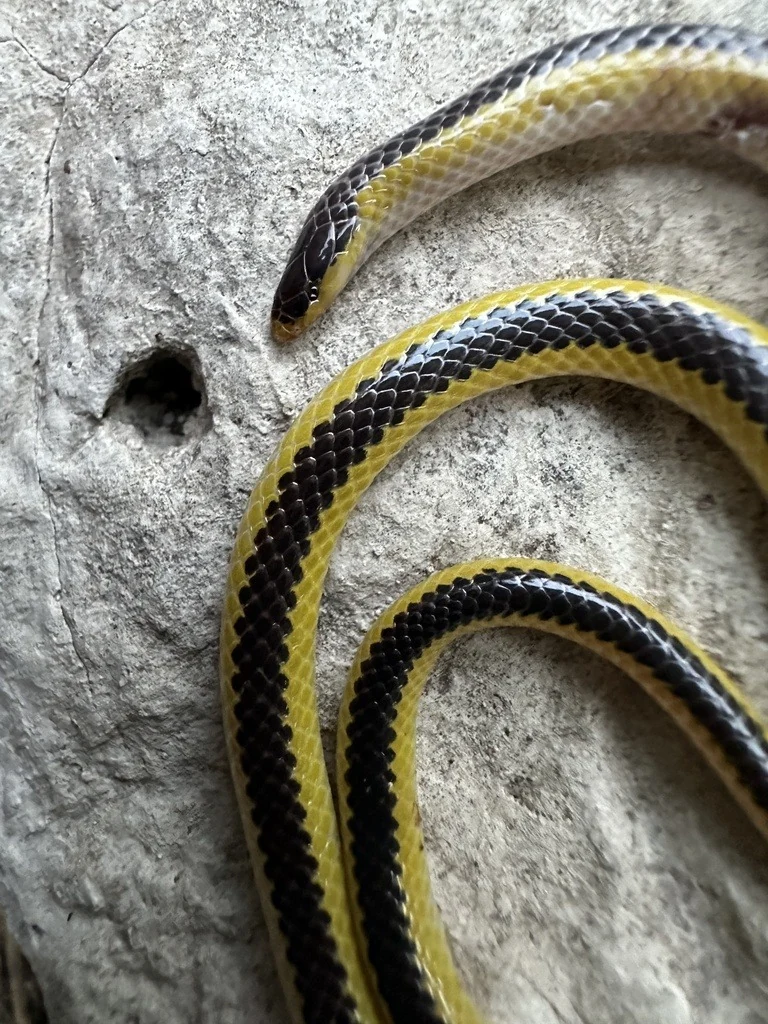
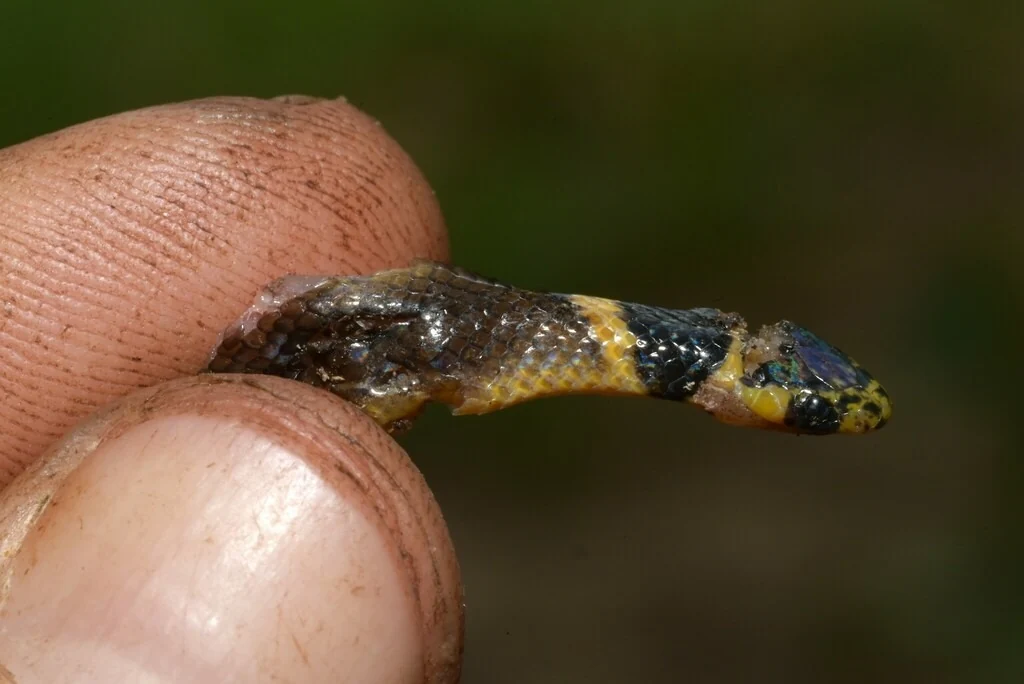
AtractaspididaeChilorhinophisPhotograph not yet documented

021 · Atractaspididae

Congo Two-headed Snake, Gerard's Black And Yellow Burrowing Snake

Chilorhinophis gerardi

(BOULENGER, 1913)

Venom unknownNot yet assessed

The current taxonomic treatment explicitly lists this country. This is country-scale checklist evidence, not a claim of continuous occupancy or a complete regional inventory. Mashonaland Central: observation 198472993, 2011-04-01. Mashonaland West: observation 364215709, 2026-05-23. Mashonaland West: observation 335820433, 2025-11-24. Original records…

Read the species account →
Crotaphopeltis hotamboeia; Campher's Drift, George, 6529, South Africa; photographed 2023-10-13.

022 · Colubridae

White-lipped Herald Snake, Red-lipped Snake

Crotaphopeltis hotamboeia

(LAURENTI, 1768)

Venom unknownNot yet assessed

The current taxonomic treatment explicitly lists this country. This is country-scale checklist evidence, not a claim of continuous occupancy or a complete regional inventory. Bulawayo: observation 376612733, 2026-06-29. Bulawayo: observation 339740842, 2026-02-22. Harare: observation 269979894, 2022-10-24. Harare: observation 269979760, 2022-10-24.…

Read the species account →

no rights reserved · CC0 · https://creativecommons.org/publicdomain/zero/1.0/
Dasypeltis medici; Eastern Shores, isimangaliso Wetland Park; photographed 2019-03-30.

023 · Colubridae

Eastern Forest Egg-eater, East African Egg Eater

Dasypeltis medici

BIANCONI, 1859

Venom unknownNot yet assessed

The current taxonomic treatment explicitly lists this country. This is country-scale checklist evidence, not a claim of continuous occupancy or a complete regional inventory.

Read the species account →

Nick Schaller · CC BY 4.0 · https://creativecommons.org/licenses/by/4.0/

Dasypeltis scabra, photographed 2014-12-15. Identification follows the linked research-grade observation.

024 · Colubridae

Common Egg Eater, Rhombic Egg Eater

Dasypeltis scabra

(LINNAEUS, 1758)

Venom unknownNot yet assessed

The current taxonomic treatment explicitly lists this country. This is country-scale checklist evidence, not a claim of continuous occupancy or a complete regional inventory. Bulawayo: observation 101911118, 2021-11-25. Harare: observation 63259971, 2020-10-22. Masvingo: observation 370880080, 2026-06-12. Masvingo: observation 187816318, 2023-10-08.…

Read the species account →

Ryan van Huyssteen · CC BY 4.0 · https://creativecommons.org/licenses/by/4.0/

The research library

Sources & the checklist.

This edition lists 86 species with supported country records from checked taxonomic treatments and cited field studies. It is not a claim of a complete national inventory. Each account retains its source and check date; individual evidence entries retain their own review dates.

How the map and counts work

Search results were checked against distribution text and taxonomic qualifications. A geographic name alone does not establish a political country: New Guinea, the Solomon archipelago and Micronesia span more than one country or territory. Introduced and unresolved records require separate interpretation.

Place counts require explicit named localities, including valid type localities. Counts can overlap where sources name multiple places. Regional maps group historical boundary snapshots for navigation, while island outlines use Natural Earth; neither is a species range or an observation map. Small islands can be below the outline dataset’s resolution, so geographic reference markers and the directory remain available.

Zimbabwe National Statistics Agency (ZIMSTAT www.zimstat.co.zw) Central Statistics Office, OCHA ROSEA; geoBoundaries gbOpen ADM1, 2020 snapshot; Creative Commons Attribution 3.0 Intergovernmental Organisations (CC BY 3.0 IGO). Map provenance →

  1. Map boundaries, snapshot and group membership ↗
  2. Convention on Biological Diversity · Zimbabwe national profile ↗
  3. The Reptile Database

    Individual treatments and locality evidence are linked from each species account.

  4. Meiri (2024): SquamBase 1.0

    Species-level literature measurements and ecological traits. Exact-name matches only; imputed or ambiguous fields are omitted. These summaries are not local observations.

  5. Natural Earth: public-domain geographic data

Continue through the Africa atlas →